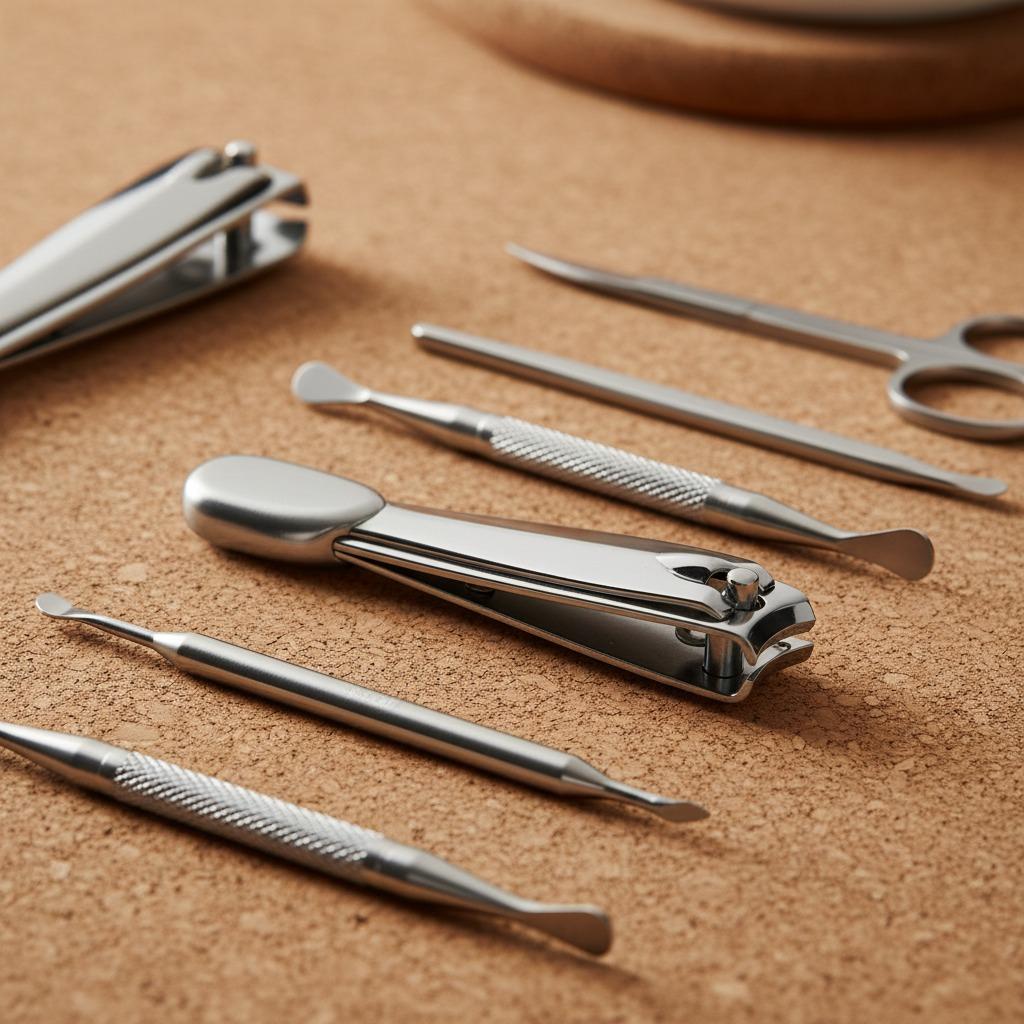












A professional cuticle nipper is designed for controlled trimming of loose cuticle and small hangnails around the nail fold. The right tool should cut cleanly with minimal pressure, feel stable in the hand, resist corrosion during normal cleaning routines and arrive with the blade tips protected. For salons, retailers, distributors and private-label beauty-tool buyers, those details matter more than appearance alone.
This guide explains how to evaluate a cuticle nipper before purchase, what to inspect in a sample, how material and spring action affect daily use, and what questions to ask a supplier. It is written for B2B buyers comparing manicure tools, but it is also useful for nail technicians and careful home users who want a precise alternative to basic nail clippers.
What a Professional Cuticle Nipper Is Used For
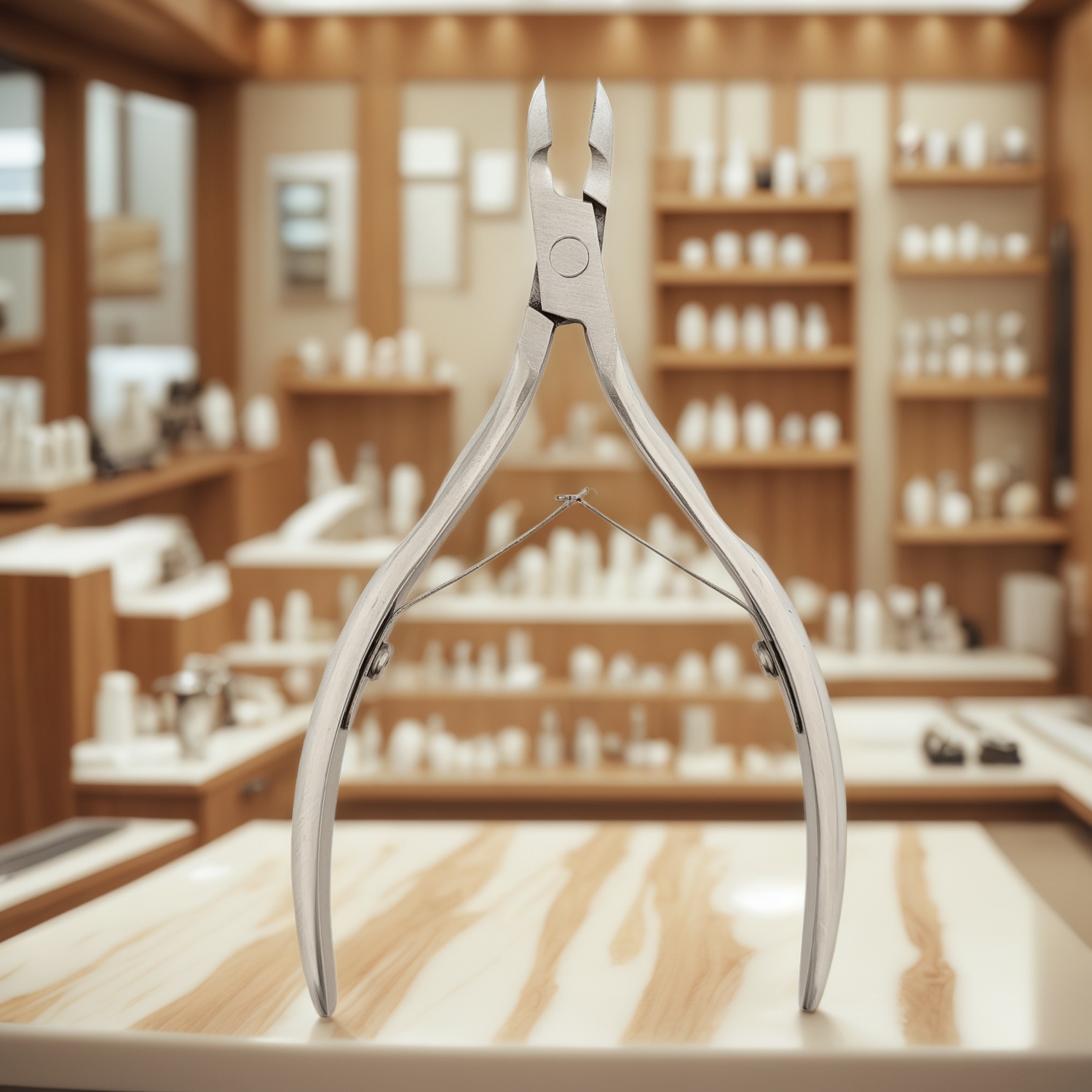
A cuticle nipper is a small hinged beauty tool used to remove loose cuticle, dry excess skin and small hangnails after the cuticle area has been softened and gently prepared. It is not intended for deep cutting into living skin. Its value comes from precision: the user can make small, controlled cuts close to the nail contour without using the broad pressure of a nail clipper.
The primary search intent behind this product is usually practical. Buyers want to know which nipper is sharp enough, durable enough and safe enough for regular manicure work. Commercial buyers also need to know whether the tool is consistent from piece to piece, whether the finish supports cleaning, and whether packaging protects the delicate tips during shipping and retail display.
Compared with a basic nail clipper, a cuticle nipper requires a higher level of alignment. Nail clippers cut the harder free edge of the nail plate. Cuticle nippers work close to delicate skin, where pulling, crushing or a misaligned tip can cause discomfort. A good nipper should let the user trim only the loose tissue that is already lifted, making multiple small cuts instead of forcing one large cut.
Key Selection Criteria: Blades, Alignment and Cutting Control
The most important feature of a professional cuticle nipper is not simply sharpness. The two blade edges must meet evenly and close predictably. If one side touches before the other, the cuticle can fold, slip or tear. When comparing samples, inspect the jaw under strong light and close the tool slowly. The tips should meet neatly, and there should be no obvious gap along the cutting edge when closed.
Blade tips should be fine enough to reach small hangnails, but not so fragile that they bend during ordinary handling, cleaning or storage. For retail and salon supply, this balance is important because customers expect a precise tool that can also tolerate repeated use. A nipper that feels impressive at first but loses alignment quickly can create complaints, returns and inconsistent service quality.
Olimor cuticle nippers are described with sharp trimming performance, a streamlined profile and double-spring action. These features are relevant because the cutting motion must feel smooth rather than abrupt. A clean closure helps the user avoid squeezing too hard, while stable handle movement helps keep the blades on the intended line.
Simple sample inspection steps
- Check the tips: Close the nipper slowly and confirm that both tips meet evenly.
- Look for gaps: Hold the closed blades against light to see whether the cutting edges align.
- Test movement: Open and close the handles several times. The action should feel smooth, not gritty, loose or uneven.
- Assess spring return: The spring should reopen the handles consistently without harsh pressure.
- Inspect finish: Surfaces should be clean and smooth, especially near the blades, joint and handle edges.
- Review tip protection: Packaging should prevent blade damage before the tool reaches the salon, store shelf or end user.
Material, Finish and Durability Considerations
Durability is critical because a cuticle nipper contacts skin and must be cleaned after use. The supplied product information highlights surgical-grade stainless steel, rust resistance, corrosion resistance and wear resistance. These qualities are useful for a manicure tool because moisture, cleaning routines and frequent handling can expose weaknesses in lower-quality materials.
Stainless steel does not remove the need for care. Even corrosion-resistant tools should be dried thoroughly after cleaning, especially around the joint and spring area where moisture can remain. A polished, smooth finish also matters because rough areas may trap residue and make cleaning more difficult. For B2B buyers, finish consistency is not just cosmetic; it affects perceived quality, hygiene handling and customer satisfaction.
Edge retention is another durability factor. A dull nipper may pull instead of cut, causing the user to apply more pressure. That can reduce precision and increase discomfort. During sample review, buyers should not only test the first cut but also assess whether the blades, joint and spring feel stable after repeated opening and closing. If a tool wobbles early, it may not perform reliably in a salon environment.
Handle Design, Spring Action and User Comfort
A professional cuticle nipper should support steady hand control. The handles need to sit securely in the hand so the user can make short, angled cuts along the curved sidewalls of the nail. A streamlined profile can help reduce awkward positioning, especially for technicians performing repeated manicures. For home users, a comfortable grip can reduce the risk of over-cutting caused by sudden hand movement.
Double-spring action is designed to support a smoother open-and-close rhythm. In practice, spring quality affects hand fatigue and control. If the spring is too stiff, the user may tire quickly. If it is too weak or inconsistent, the handles may not return predictably. The ideal feel is controlled and balanced: the tool opens easily, closes accurately and gives the user enough feedback to understand when the blades are about to cut.
Commercial buyers should evaluate handle comfort for the intended audience. A salon-grade assortment may prioritize extended use and consistent spring action. A retail grooming kit may prioritize intuitive handling, clear care instructions and packaging that explains safe trimming. A distributor may need a balanced option that works for both professional and personal grooming channels.
Comparison Table: Professional Cuticle Nipper vs. Basic Alternatives
Choosing the right manicure tool becomes easier when the use case is clear. A cuticle nipper is not a replacement for every nail-care tool. It performs best when used for small, precise trimming after proper preparation.
| Tool Type | Best Use | Strengths | Limitations | Buyer Notes |
|---|---|---|---|---|
| Professional cuticle nipper | Loose cuticle and small hangnails | Precise trimming, controlled jaw, fine tips | Requires careful use and cleaning | Inspect blade alignment, spring action and tip protection |
| Basic nail clipper | Cutting the free edge of fingernails or toenails | Simple, familiar, strong cutting pressure | Too broad for detailed cuticle work | Do not position as a substitute for cuticle trimming |
| Cuticle pusher | Gently pushing softened cuticle | Prepares the area before trimming | Does not remove loose hangnails by itself | Often paired with a nipper in manicure sets |
| Small grooming scissors | Light trimming of longer loose skin | Useful in some grooming kits | Less controlled around tight nail contours | May not offer the same close precision as a nipper |
Safe Use and Hygiene Practices
Safe cuticle trimming starts before the nipper touches the skin. Hands and nails should be clean, and the cuticle area should be softened with water or an appropriate manicure preparation. The user should gently push back only what is suitable, then trim only the loose or dry tissue that is already lifted. Cutting deeply into the nail fold can cause irritation, bleeding or infection risk.
- Wash and dry hands before beginning the manicure.
- Soften the cuticle area so loose tissue is easier to identify.
- Push back gently using an appropriate cuticle tool.
- Hold the nipper at a controlled angle and make small cuts.
- Trim only loose cuticle and hangnails, not living skin.
- Stop if the area becomes red, tender or uncomfortable.
- Clean and dry the nipper after use before storing it.
Professional salons should follow the hygiene rules that apply in their location. In the United States, state cosmetology boards often publish requirements for cleaning, disinfection and tool storage. The Centers for Disease Control and Prevention also provides public infection-control guidance that can help businesses understand hygiene principles. Requirements can change, so buyers and salon operators should verify current local rules, product labels and supplier documents rather than relying on old procedures.
Cleaning, Storage and Maintenance
Maintenance protects both hygiene and cutting performance. After each use, remove visible residue from the blades and joint area. Follow the cleaning or disinfection procedure required for the setting in which the tool is used. Dry the nipper thoroughly before storage, including the spring and hinge area. Stainless steel offers corrosion resistance, but trapped moisture and careless storage can still reduce service life.
Store the tool so the tips do not strike other metal instruments. A small impact can affect the delicate meeting point of the blades. If the nipper is supplied with a protective cap or packaging insert, keep it for storage when possible. For salons, it is helpful to create an inspection routine: check sharpness, blade alignment, spring return and handle stability before tools are placed back into service.
Do not compensate for a dull edge by squeezing harder. More force can make trimming less precise and more uncomfortable. If the tool no longer cuts cleanly, remove it from active use and evaluate whether sharpening, repair or replacement is appropriate based on the business’s procedure and supplier guidance.
Cost Factors and Commercial Buying Decisions
The cost of a professional cuticle nipper is influenced by more than the metal used. Buyers should consider blade finishing, hand feel, spring construction, surface polish, packaging protection, quality inspection and customization requirements. A lower upfront unit cost may not be the best value if inconsistent alignment leads to returns, poor reviews or salon dissatisfaction.
For retail assortments, packaging and instructions can affect customer confidence. Clear product positioning helps shoppers understand that the nipper is for loose cuticle and hangnails, not aggressive skin cutting. For salons, the emphasis should be on tool feel, cleaning compatibility, durability and repeatable performance. For distributors, consistency across batches and practical shipping protection may be especially important.
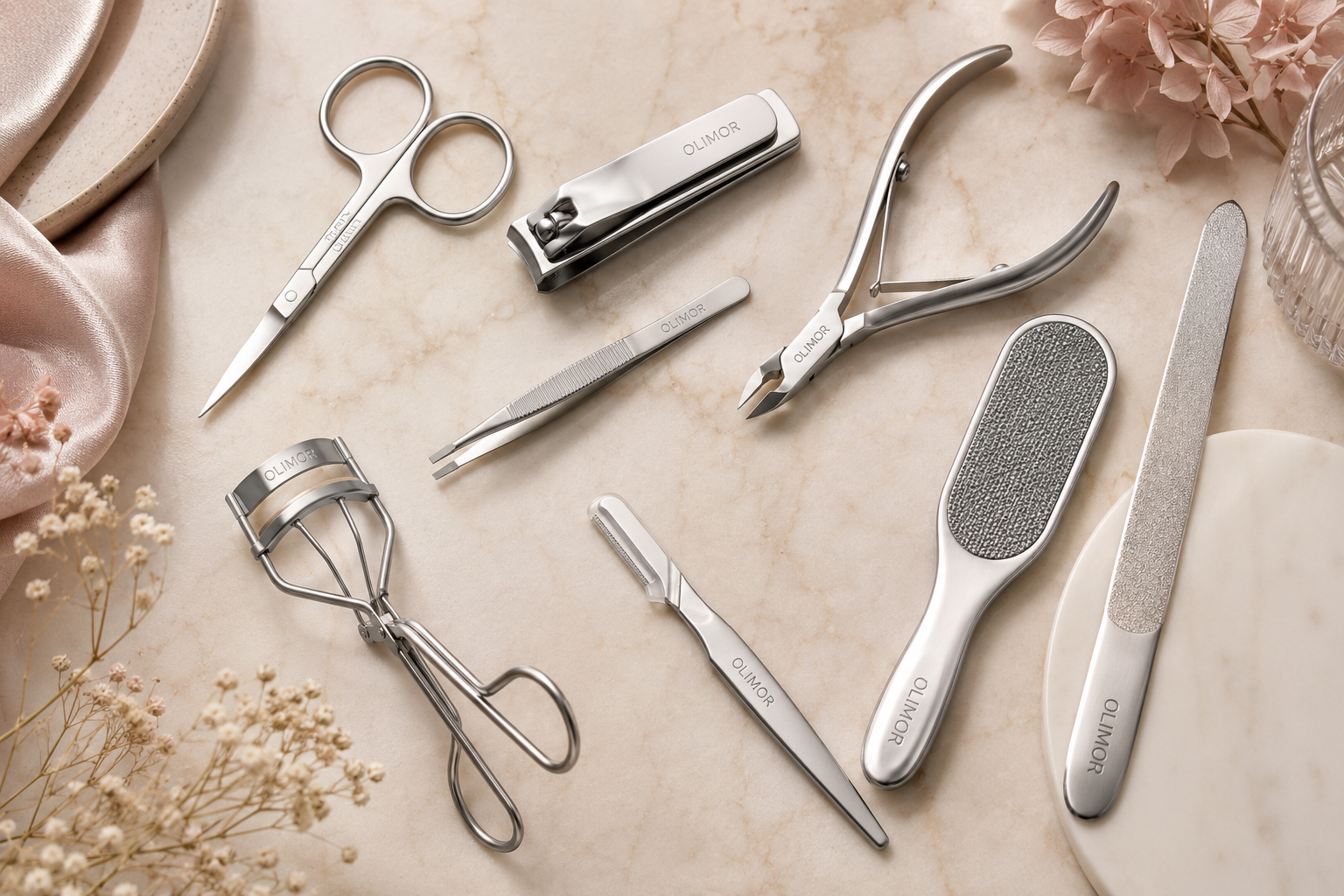
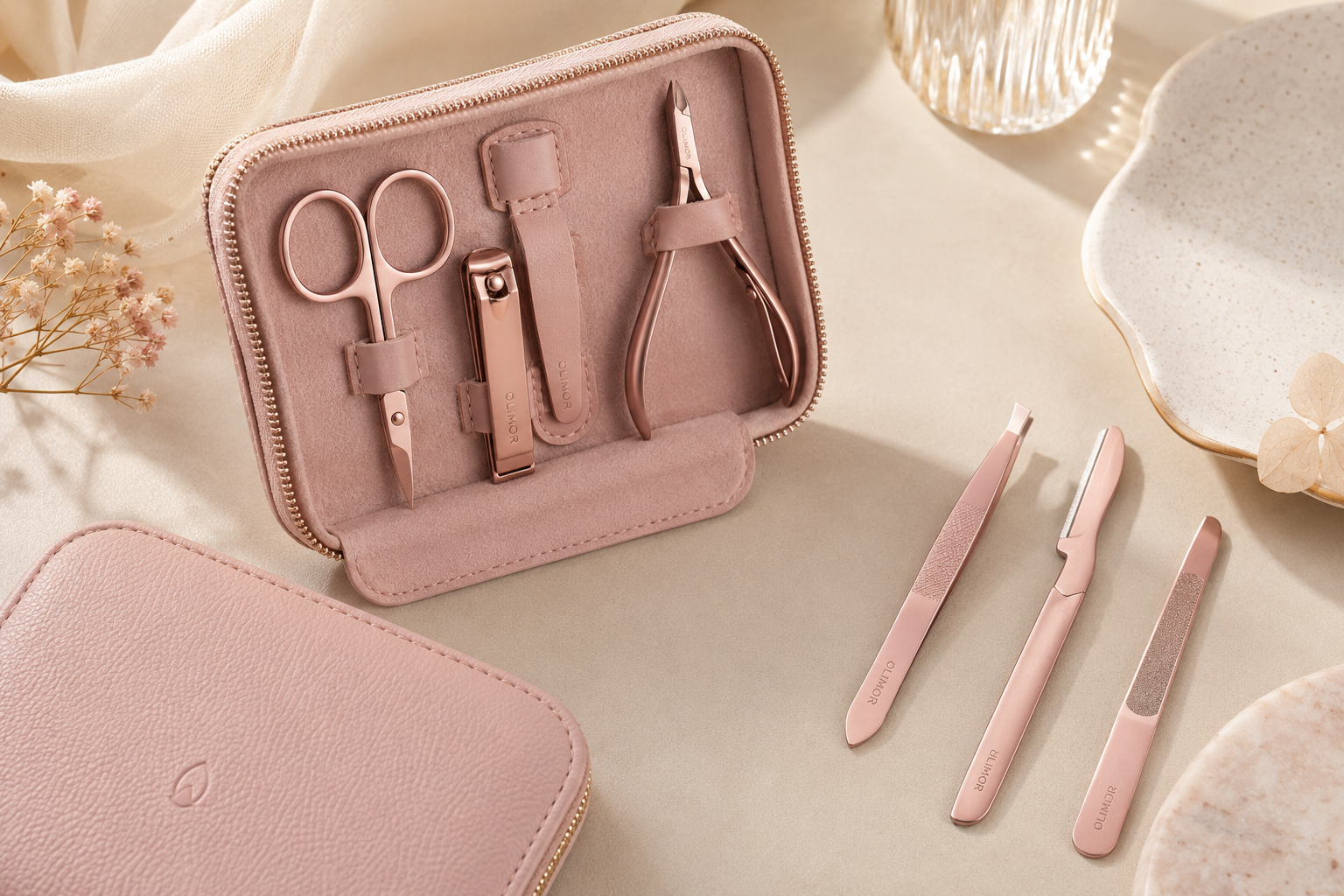
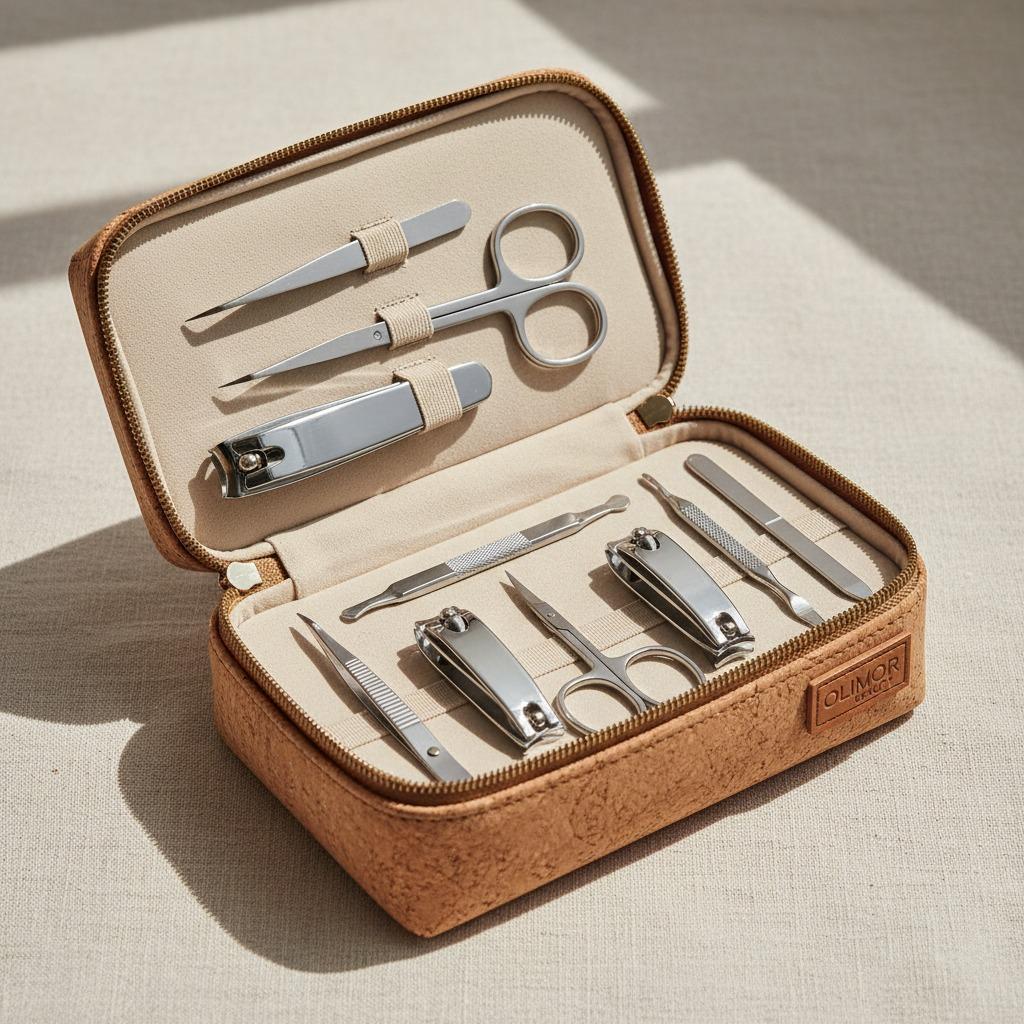
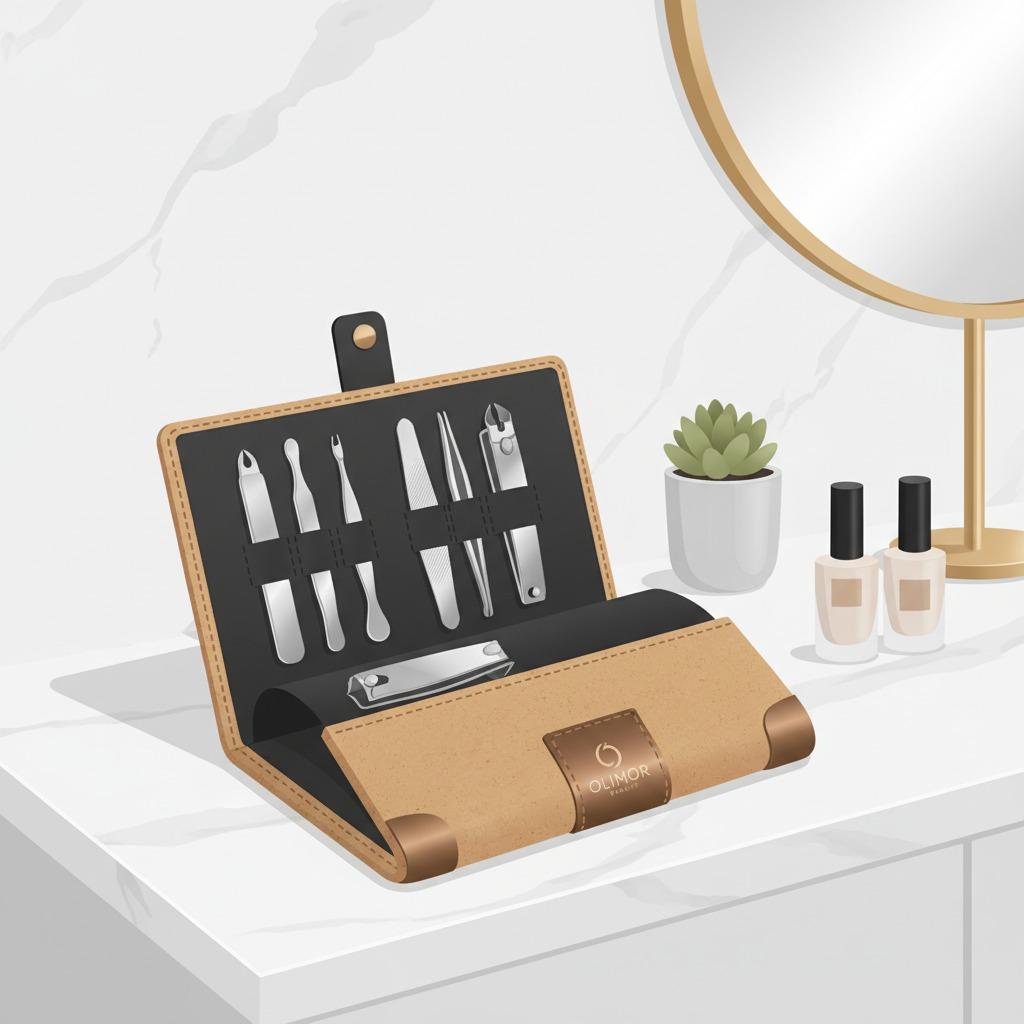
When comparing manicure tools across Olimor beauty tool products, evaluate each item as part of the complete end-use experience. A nipper may be paired with pushers, nail files, tweezers or grooming accessories in a kit. If you are planning an assortment, the broader beauty tool collection can help you compare related product categories and build a more coherent offer.
Supplier Evaluation Checklist for B2B Buyers
Supplier selection should focus on whether the product can be delivered consistently and supported with clear communication. A sample that looks good is only the first step. Ask how the supplier checks blade alignment, how tools are protected during packing, what customization options are available, and what documentation can be provided for the exact product being ordered.
| Evaluation Area | Questions to Ask | Why It Matters |
|---|---|---|
| Sample quality | Do the sample blades meet evenly and move smoothly? | Confirms the basic performance before order planning |
| Material and finish | What stainless steel and finish details are specified for this item? | Helps buyers compare durability, cleaning and appearance |
| Quality inspection | How are alignment, spring action and surface finish checked? | Reduces risk of inconsistent tools in a shipment |
| Packaging | How are blade tips protected for shipping and retail handling? | Prevents damage before first use |
| Customization | Can packaging, finish or branding be discussed for the project? | Supports retail, distributor and private-label planning |
| Order terms | What MOQ, lead time and sample process apply to this product? | Allows planning without assuming universal terms |
Olimor focuses on beauty tools and quality control from raw materials to final packaging. For project-specific sourcing, packaging or assortment questions, buyers can contact Olimor or send a product inquiry with intended channel, quantity expectations and customization needs.
FAQ: Professional Cuticle Nipper Sourcing
Can I request a sample before placing a bulk order?
Sample availability depends on the product and project requirements. Buyers should ask for the current sample process, sample cost if applicable, and shipping details before confirming a larger order.
Is there a fixed MOQ for cuticle nippers?
MOQ can vary by item, packaging, customization and order plan. Request the current MOQ for the exact cuticle nipper style and any branding or packaging options you need.
Can the nipper be customized for retail or private-label programs?
Customization may be discussed for suitable projects, including packaging or presentation requirements. Confirm available options, artwork requirements and approval steps with the supplier before production.
How should buyers evaluate quality before shipment?
Focus on blade alignment, smooth handle movement, spring return, surface finish and packaging protection. Ask what inspection steps are used and what product documents can be provided for your order.
What affects lead time?
Lead time can depend on stock status, order quantity, customization, packaging and shipping method. Confirm the current schedule directly for the specific inquiry instead of relying on a general estimate.
Bottom Line: Choose the Tool by Its Working Details
A professional cuticle nipper succeeds when several details work together: aligned sharp blades, smooth double-spring action, stable handles, stainless steel construction, corrosion-resistant finishing and protective packaging. No single feature is enough on its own. The tool must feel controlled in the hand and remain reliable through ordinary cleaning, storage and repeated use.
For salons, retailers and distributors, the best buying approach is to inspect the practical details that affect real manicures. A well-made cuticle nipper helps users remove loose cuticle and hangnails cleanly, supports hygienic handling and contributes to a more professional grooming experience.