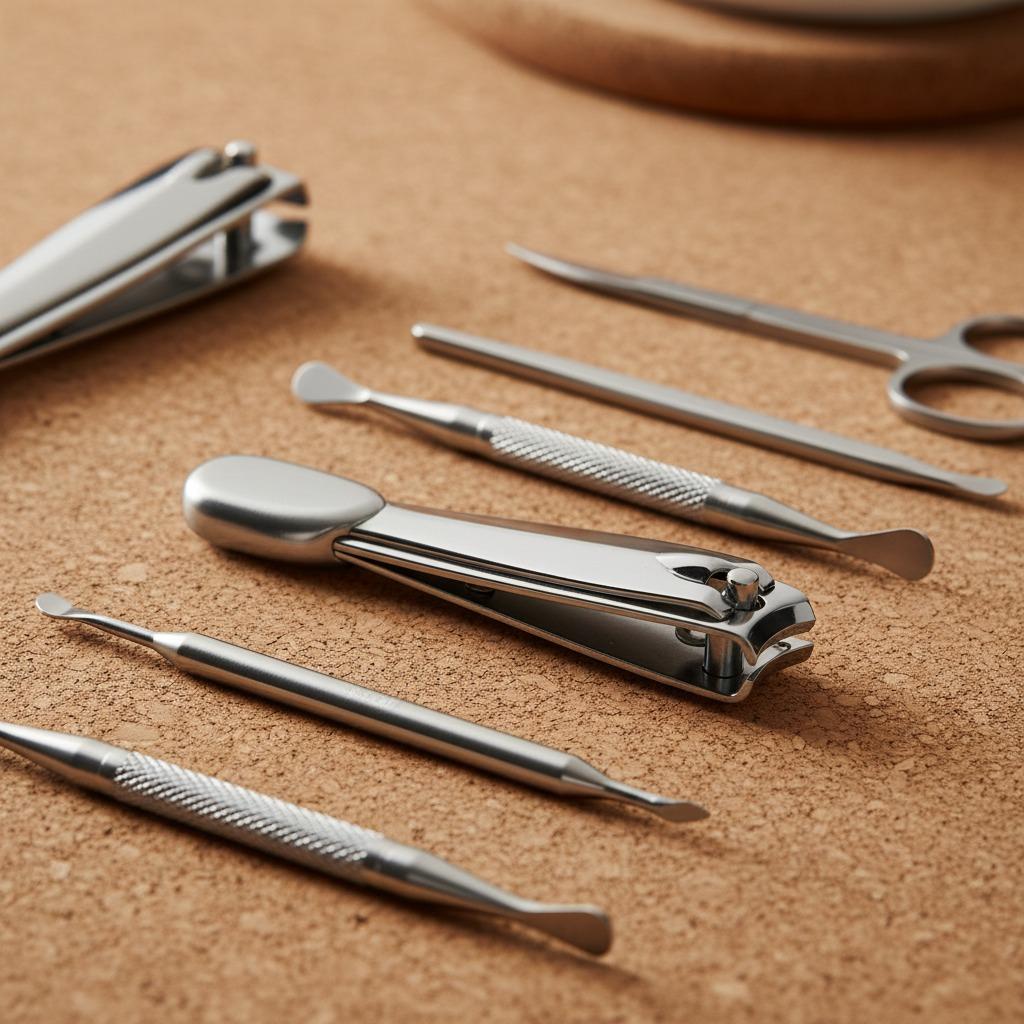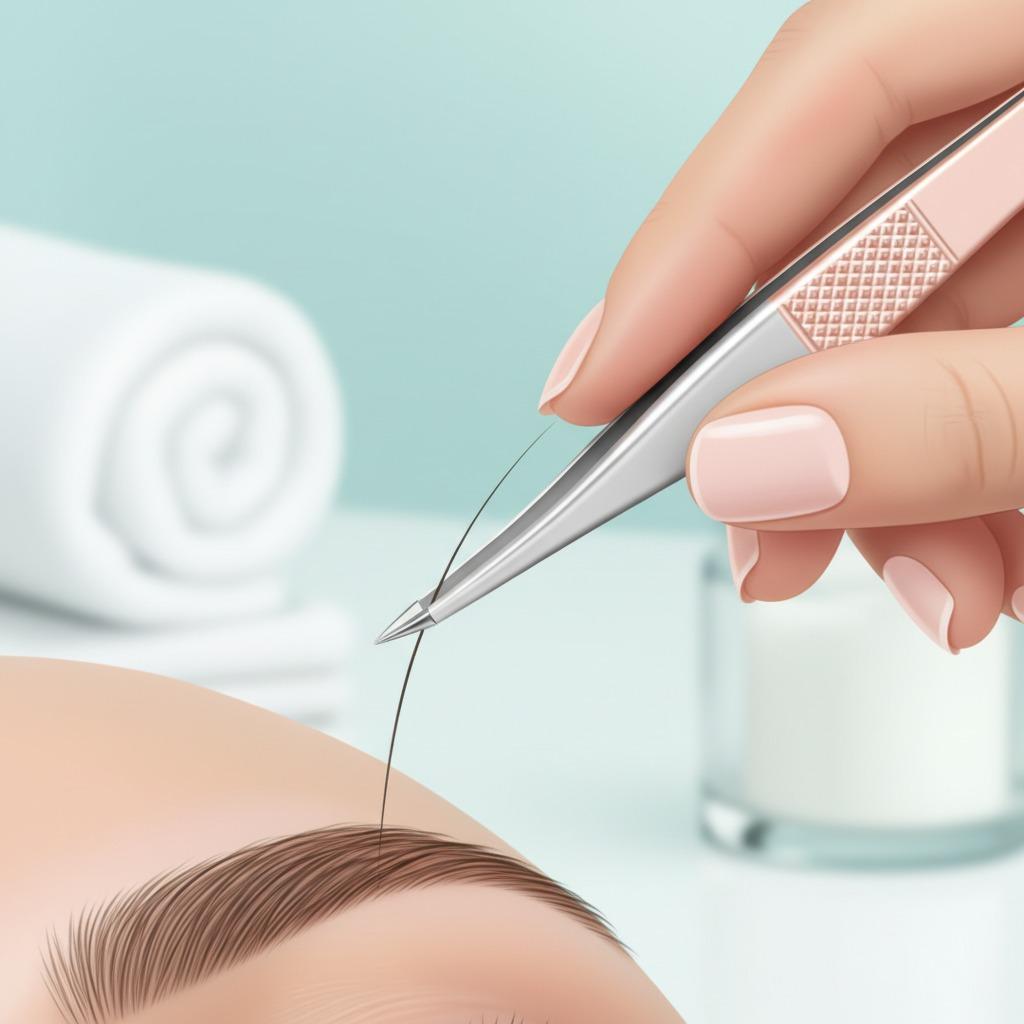
Precision tweezers look simple, but their performance depends on details that are easy to overlook: the alignment of the tips, the grip of the handles, the smoothness of the edges, and the way the tool transfers pressure from your fingers to the hair. For brow shaping, removing fine facial hairs, or handling a stray hair before makeup, a well-made tweezer can make the difference between a clean pull and repeated pinching that leaves skin red.
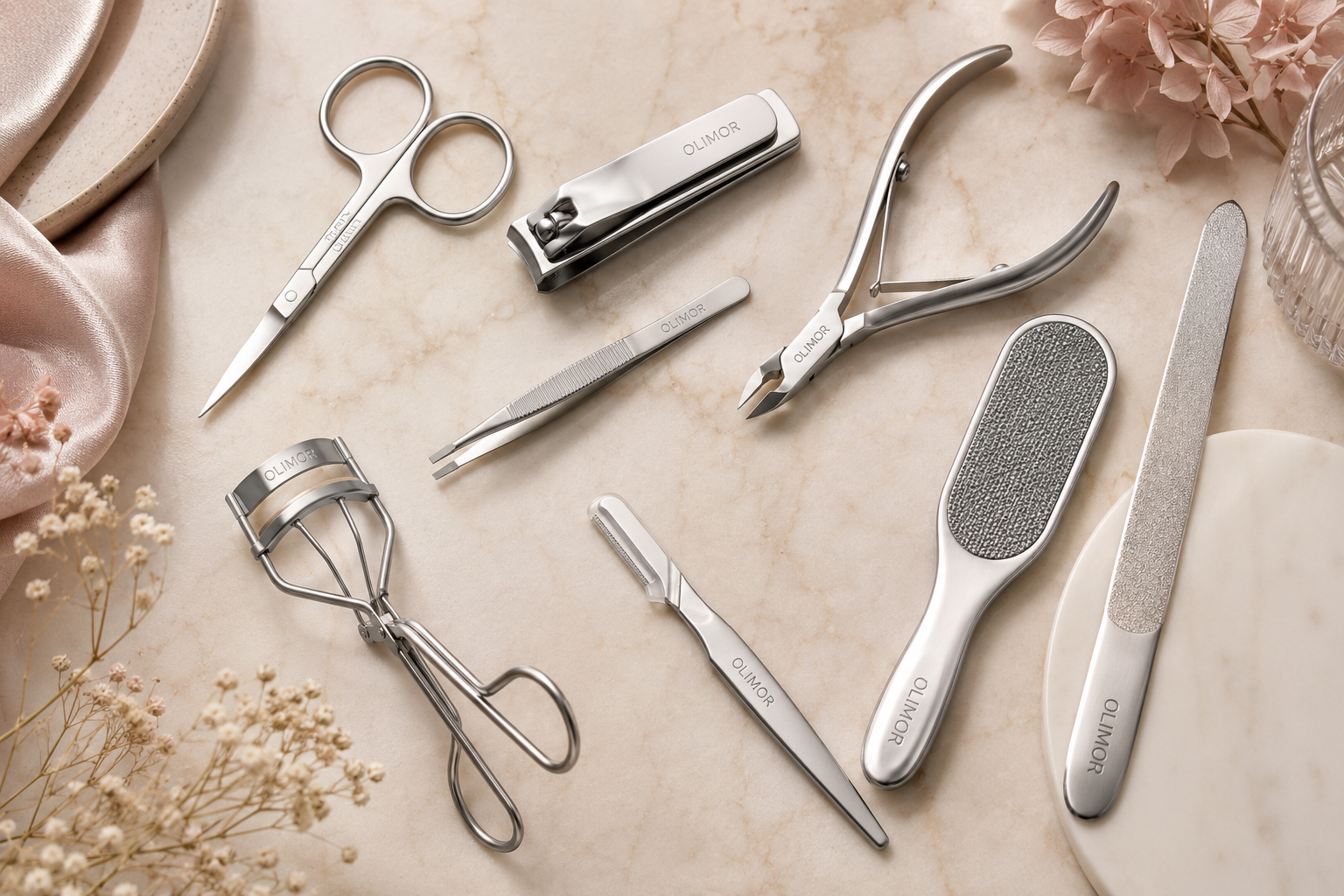
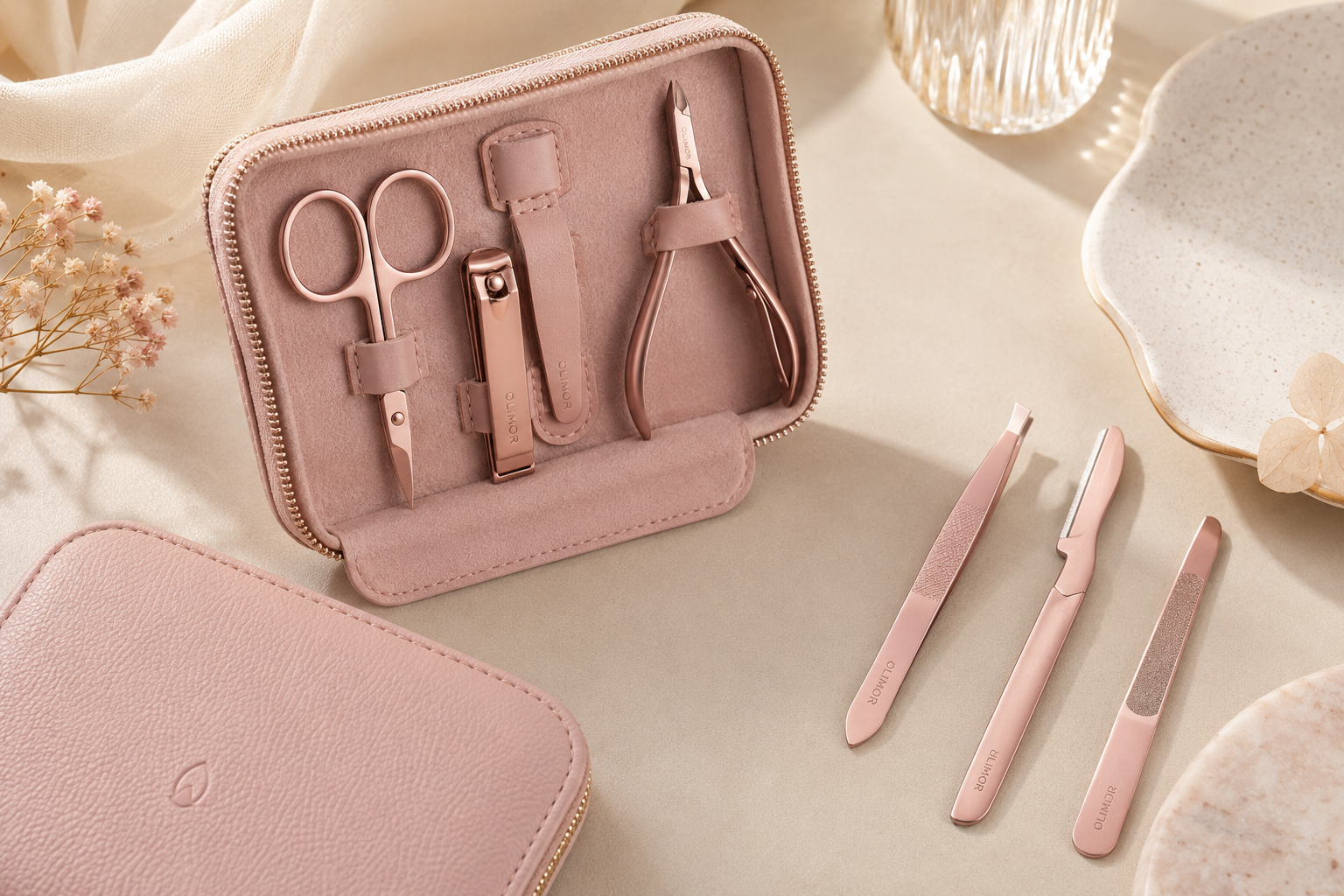
Olimor Beauty tweezers are presented as stainless steel instruments designed for precise grooming, with ergonomic handles, finely honed tips, and quality checks through manufacturing and packaging. This guide explains how to use that type of tweezer more effectively, what to look for when selecting tweezers for personal use or wholesale sourcing, and how to maintain the tool so it stays reliable over repeated use. You can also browse related beauty tool products or review broader product collections if you are comparing grooming tools for a retail line, salon kit, or beauty accessory assortment.
Why Tweezer Precision Matters for Brows and Stray Hairs
Good tweezing is not only about pulling hard. In fact, using too much force usually means the tweezer is not gripping the hair correctly. When the tips meet evenly, they can hold a hair close to the root with less pressure. That helps reduce broken hairs, repeated attempts, and unnecessary skin tugging. For eyebrow shaping, accuracy is especially important because one hair can change the line of the arch or tail.
Precision also matters for different hair types. Coarser brow hairs may need a firm, stable grip, while fine facial hairs need tips that close cleanly without slipping. A tweezer with poor alignment can grab skin instead of hair, which is one of the most common causes of irritation during at-home grooming. Stainless steel construction is useful because it is durable for a beauty tool environment and is easier to clean than porous materials. However, the material alone is not enough; tip finishing and quality control are what make the tool feel consistent in use.
How to Use Precision Tweezers with Less Irritation
Even the best tweezers can cause discomfort if the technique is rushed. The goal is to remove the hair cleanly in one controlled motion while disturbing the surrounding skin as little as possible. Work in good lighting, avoid magnifying the area so much that you over-pluck, and take short pauses to check symmetry when shaping brows.
- Clean the skin and the tweezer first. Remove oil, makeup, and skincare residue so the tips can hold the hair securely. Wipe the tweezer before use and make sure it is dry.
- Soften the area if needed. Tweezing after a warm shower or after holding a warm, clean cloth on the area can make hair removal more comfortable.
- Hold the hair close to the root. Gripping too far from the skin increases the chance of breakage. Do not dig into the skin to find a hair that is not long enough to grasp.
- Pull in the direction of growth. A quick, controlled pull with the hair growth direction usually causes less stress than pulling upward or against the natural angle.
- Stop when the skin becomes reactive. Redness that builds quickly is a sign to pause. Overworking one area increases tenderness and may make the next day’s texture look uneven.
- Finish with calm aftercare. Use a simple, skin-compatible soothing product and avoid heavy makeup, fragrance, or exfoliating acids immediately on freshly tweezed skin.
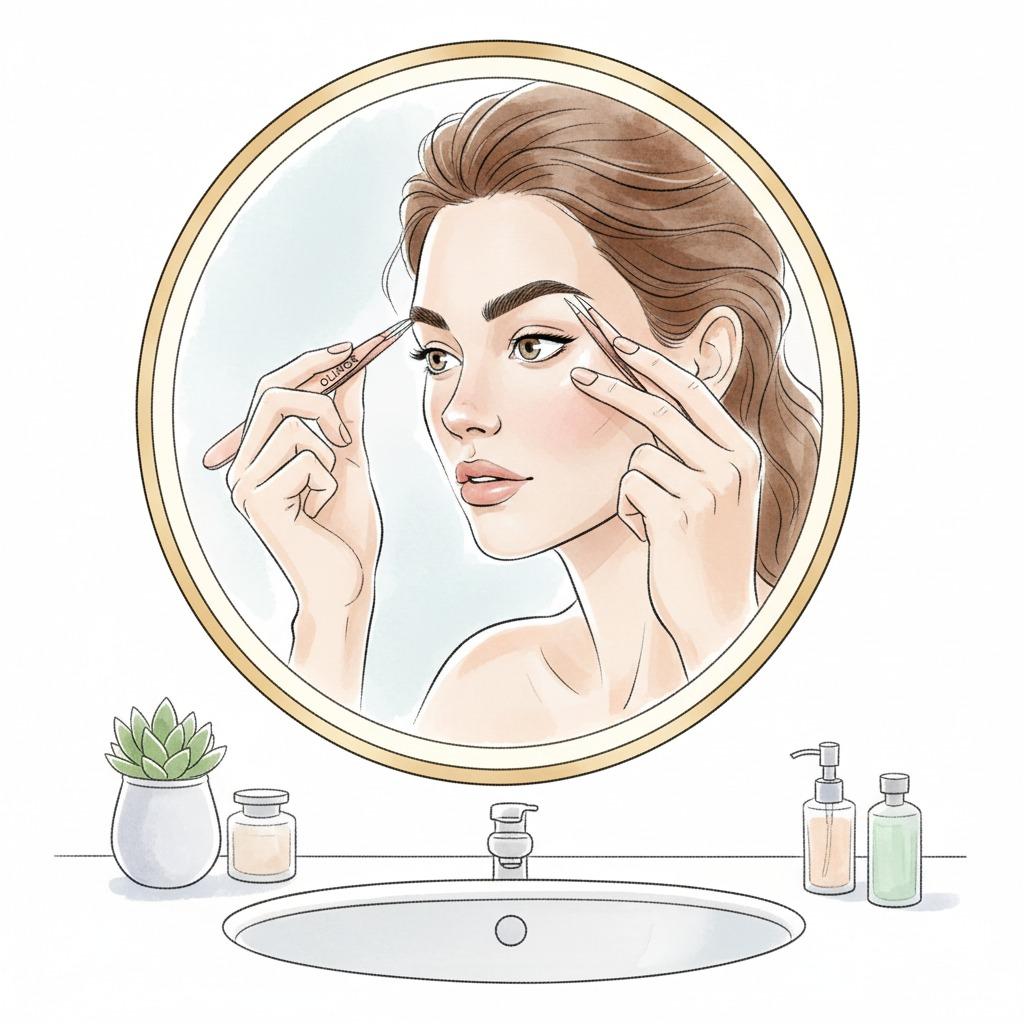
For brow shaping, remove only a few hairs at a time and step back from the mirror. A common mistake is chasing perfect symmetry at close range, which can lead to thin or uneven brows. Precision tweezers should help you make smaller decisions, not encourage over-removal.
Choosing the Right Tweezer Features for Your Use Case
Different users need different priorities. A salon professional may value consistency across many clients and frequent cleaning. A retailer may care about finish, packaging, and repeat-purchase satisfaction. A personal grooming customer may simply need a dependable tool that can remove single hairs without slipping. Because the supplied product information highlights stainless steel, ergonomic handles, and finely honed tips, those are the most relevant performance areas to evaluate.
- Tip alignment: The two sides should meet evenly along the gripping edge. Misalignment leads to slipping or cutting the hair instead of pulling it.
- Tip finish: Finely honed tips should feel precise, not jagged. Edges that are too rough can scratch skin; edges that are too dull may fail to grip fine hairs.
- Handle comfort: Ergonomic handles help reduce finger fatigue and support controlled pressure, especially during detailed brow work.
- Spring tension: The tweezer should open and close smoothly. Too much tension can make small movements difficult; too little can feel weak or unstable.
- Cleanability: Stainless steel tools should be easy to wipe after use, with no unnecessary crevices where residue can build up.
- Packaging fit: For retail or travel use, consider whether the tips are protected in storage. Tip damage is one of the fastest ways to reduce performance.
If you are comparing beauty tools for a business assortment, it is helpful to request clear product photos, review the intended use, and check whether the tool style matches your customer segment. For example, brow-focused buyers often value tip accuracy and a comfortable grip, while general grooming kits may prioritize versatility and simple care instructions. To discuss product options directly, you can contact Olimor or send an inquiry with your application and packaging needs.
Common Tweezing Mistakes That Cause Redness or Broken Hairs
Most irritation comes from a combination of poor grip, repeated pulling, and tweezing skin that is not prepared. If the hair keeps slipping, do not keep squeezing harder. Reposition the tool closer to the root, wipe the tips to remove oil, or wait until the hair is long enough to hold. Trying to remove a hair that is barely above the surface often results in pinching the skin.
Another mistake is tweezing immediately after strong exfoliation, retinoid use, waxing, or other treatments that leave the skin more sensitive. The skin barrier may be temporarily vulnerable, and even careful tweezing can feel sharper than usual. It is also wise to avoid sharing personal tweezers without proper cleaning, especially when the tool may contact broken skin.
For eyebrow shaping, do not rely only on a magnifying mirror. Magnification is useful for finding a single hair, but it can distort the bigger picture. Alternate between close detail and normal-distance viewing. Keep the lower brow line clean, but be cautious above the brow, where removing the wrong hairs can flatten the natural shape.
Care and Maintenance for Longer Tweezer Performance
Precision tweezers should be treated like a small grooming instrument, not thrown loose into a crowded makeup bag. The tips do the most important work, and they can be damaged by drops, pressure, or contact with harder metal tools. Simple maintenance helps preserve alignment and gripping performance.
- Wipe after every use: Remove hair, oil, and skincare residue from the tips with a clean cloth or appropriate cleaning wipe.
- Dry before storage: Do not store the tweezer while damp. Keeping tools dry supports cleanliness and protects the finish.
- Use a tip guard when available: Covered tips are less likely to become bent or dulled in a drawer, pouch, or retail kit.
- Do not use tweezers as a general tool: Avoid using beauty tweezers to open packaging, scrape surfaces, or bend small objects. That can ruin the tip alignment.
- Check performance regularly: If the tweezer suddenly slips, inspect for residue, bent tips, or uneven closure before assuming the hair is the problem.
For salons or professional environments, cleaning routines should follow the hygiene expectations of the workplace and local requirements. For home use, the priority is to keep the tool clean, dry, and protected between sessions.
Buyer Checklist for Sourcing Precision Tweezers
When purchasing tweezers for retail, beauty kits, salons, or promotional programs, the right questions help prevent quality problems later. Without relying on unverified claims, buyers can focus on observable features and practical sampling.
| Evaluation area | What to check | Why it matters |
|---|---|---|
| Tip closure | Tips meet evenly and grip a fine hair or fiber | Improves precision and reduces repeated pulling |
| Handle feel | Comfortable pressure and stable control | Supports detailed brow shaping without hand strain |
| Surface finish | Smooth edges, clean appearance, no rough contact points | Helps reduce scratching and improves perceived quality |
| Material and cleaning | Stainless steel tool surface and simple wipe-down design | Useful for repeated beauty-tool use and maintenance |
| Packaging protection | Tips protected during shipping and storage | Prevents alignment damage before the product reaches users |
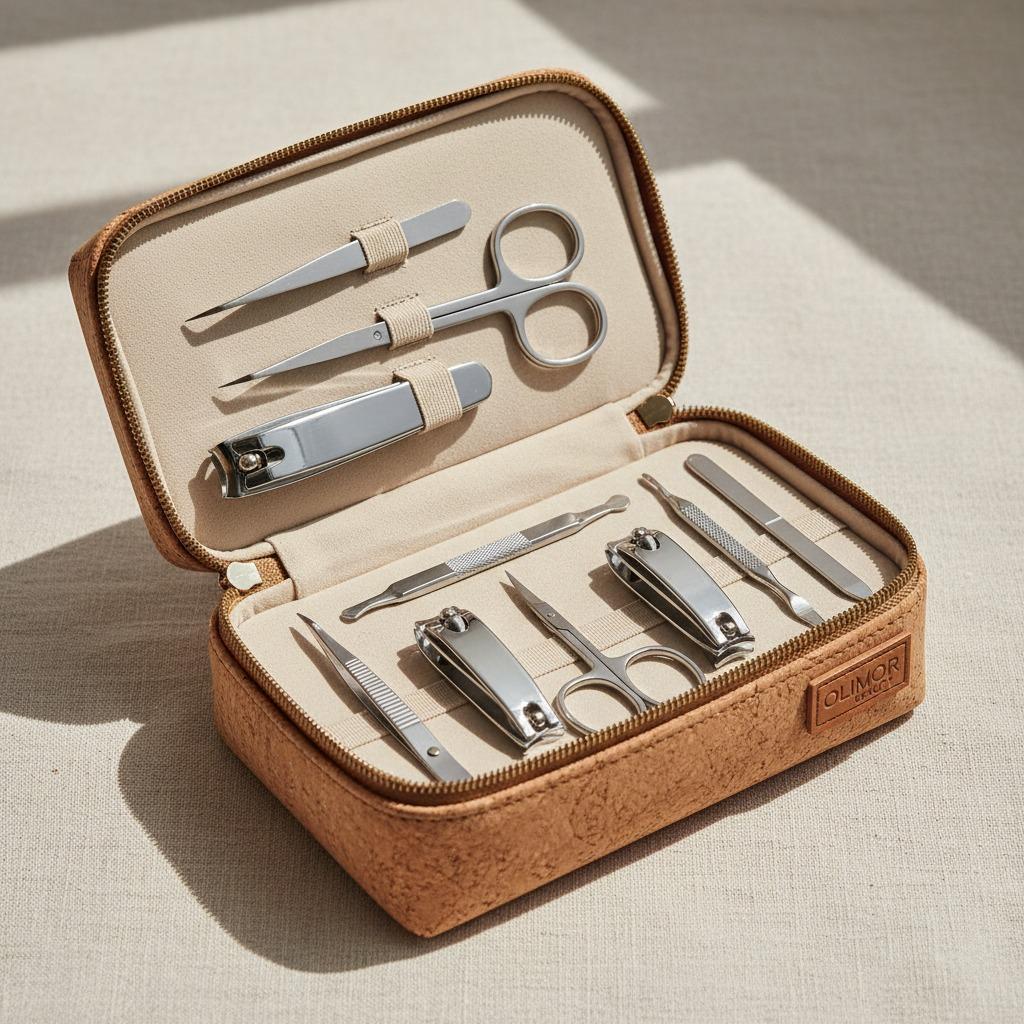
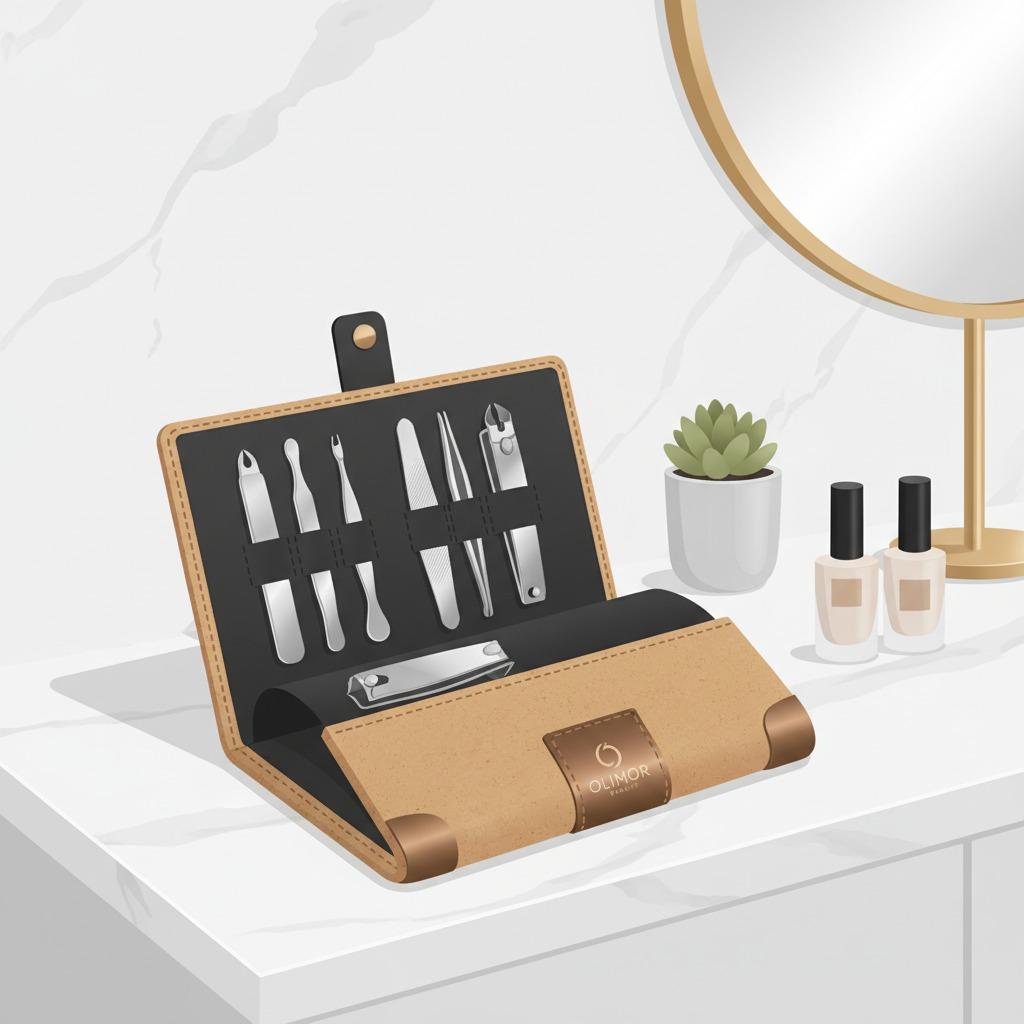
A sample review should include real use on different hair textures where appropriate, visual inspection under normal lighting, and packaging drop or handling checks if the product will be shipped individually. For buyers building a coordinated grooming range, compare tweezers alongside scissors, brushes, applicators, and other tools so the finish and user expectations feel consistent across the assortment.
A Better Tweezing Routine Starts with Control
Precision tweezers are most effective when the tool and technique work together. Stainless steel construction, ergonomic handles, and finely honed tips support accurate gripping, but comfort also depends on preparation, direction of pull, and aftercare. For brow shaping and small-area hair removal, take your time, remove only what is necessary, and protect the tool so the tips remain aligned.
Whether you are choosing one tweezer for a personal grooming kit or evaluating tweezers for a beauty product line, focus on practical performance: clean tip closure, controlled pressure, smooth finishing, and reliable storage. Those details create a better grooming experience and help reduce the irritation that often comes from slipping, broken hairs, and repeated attempts.