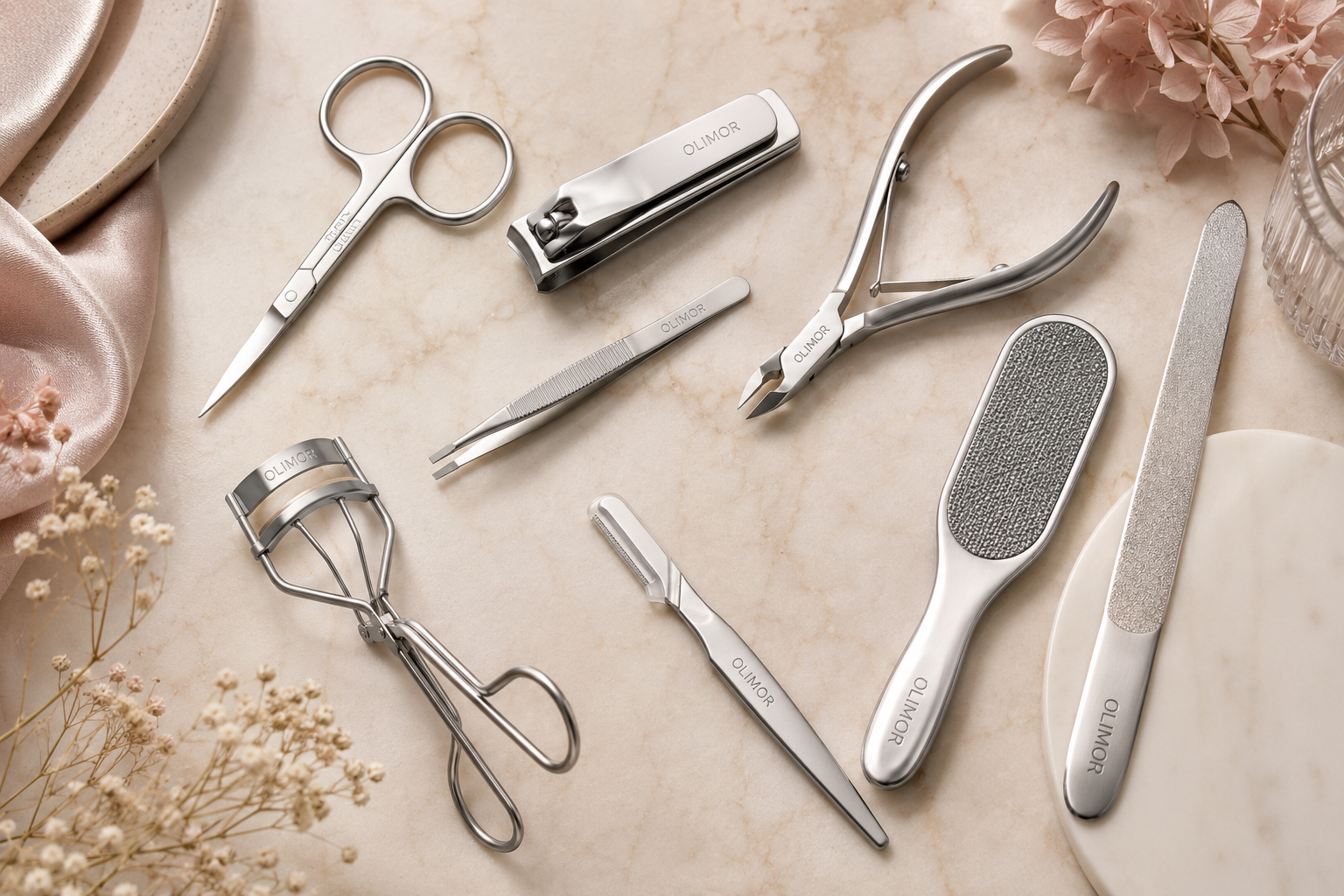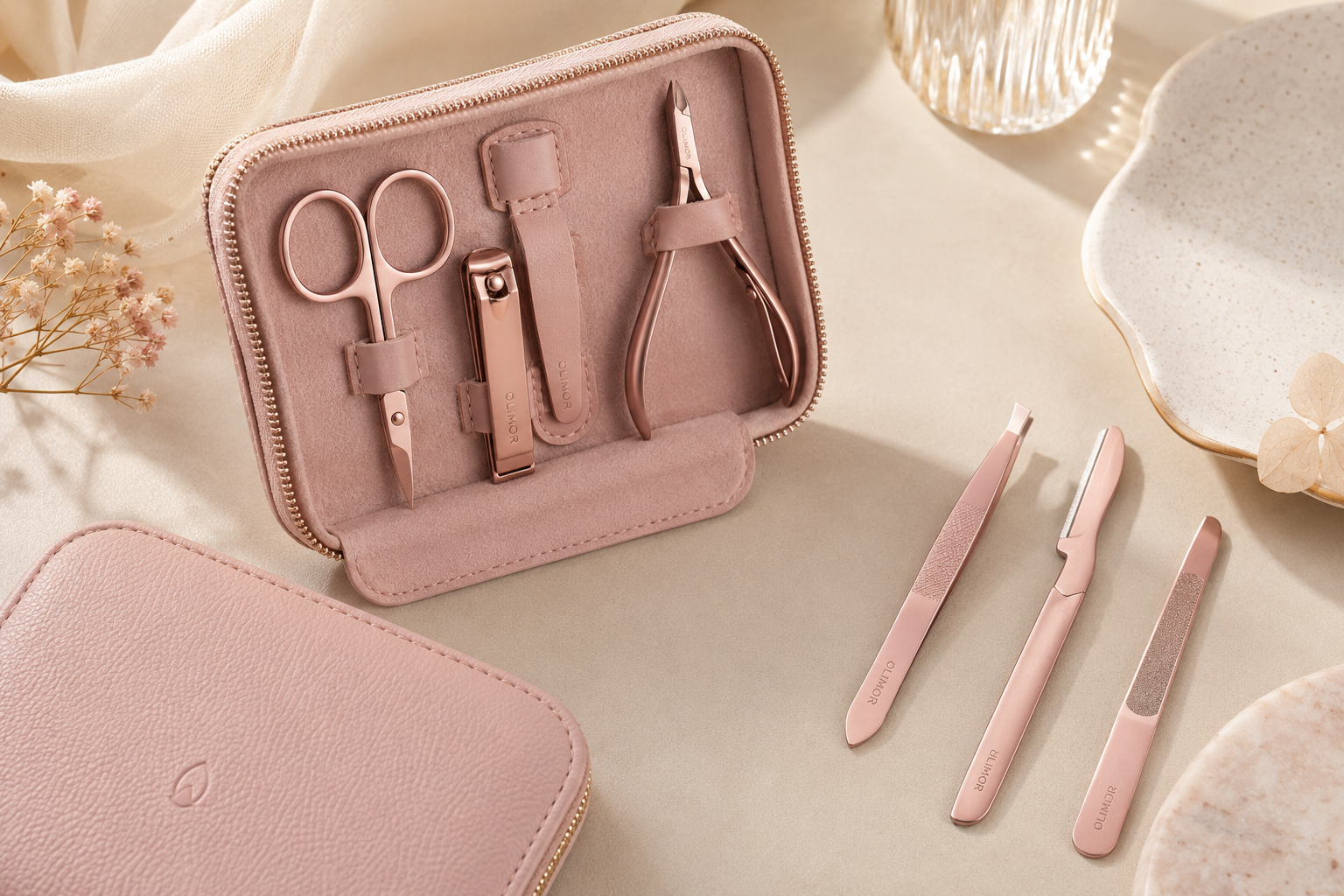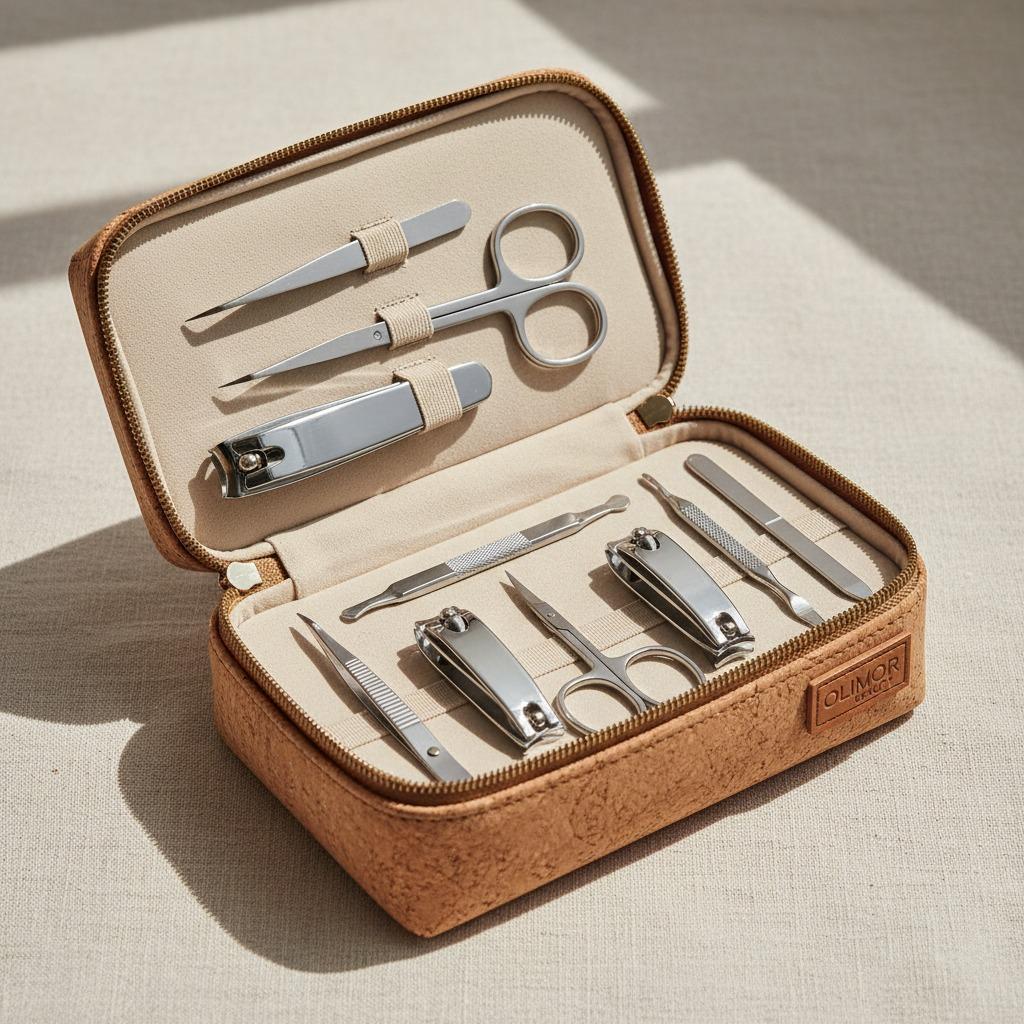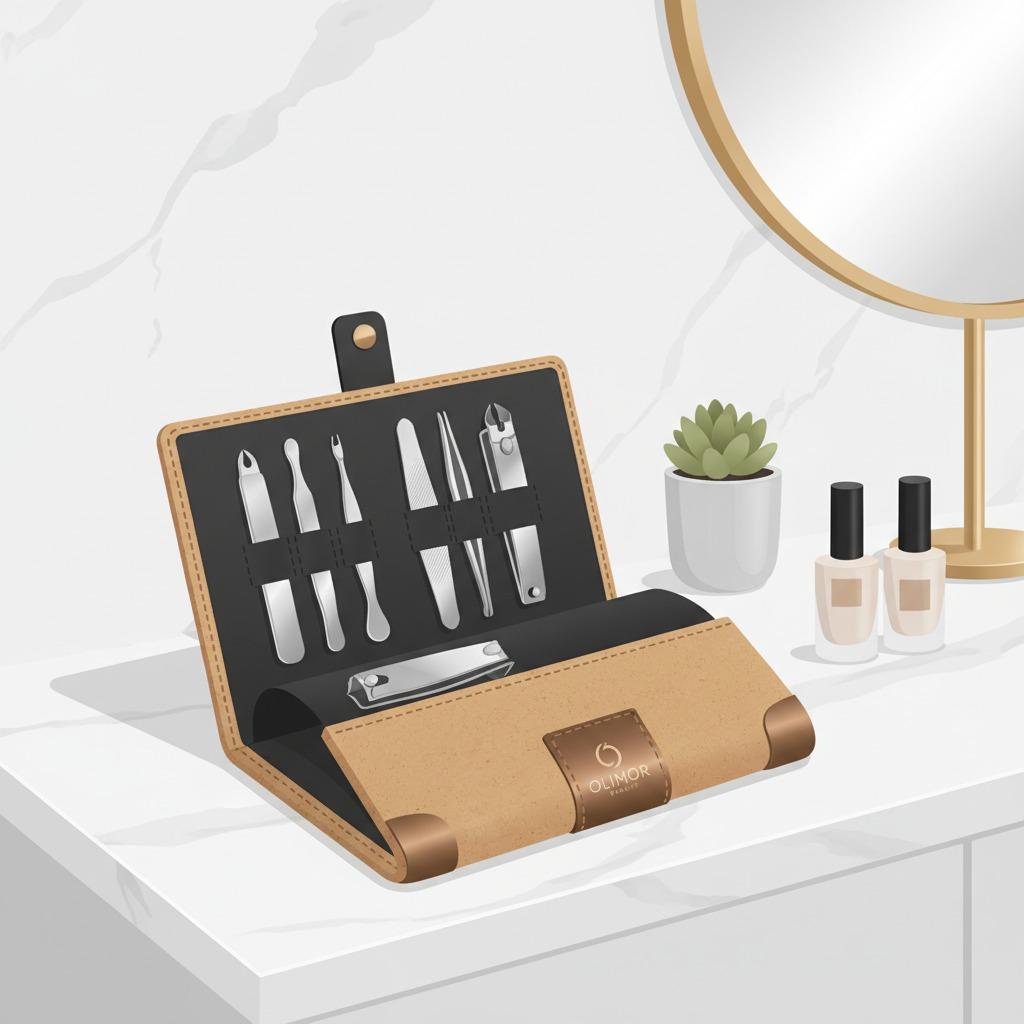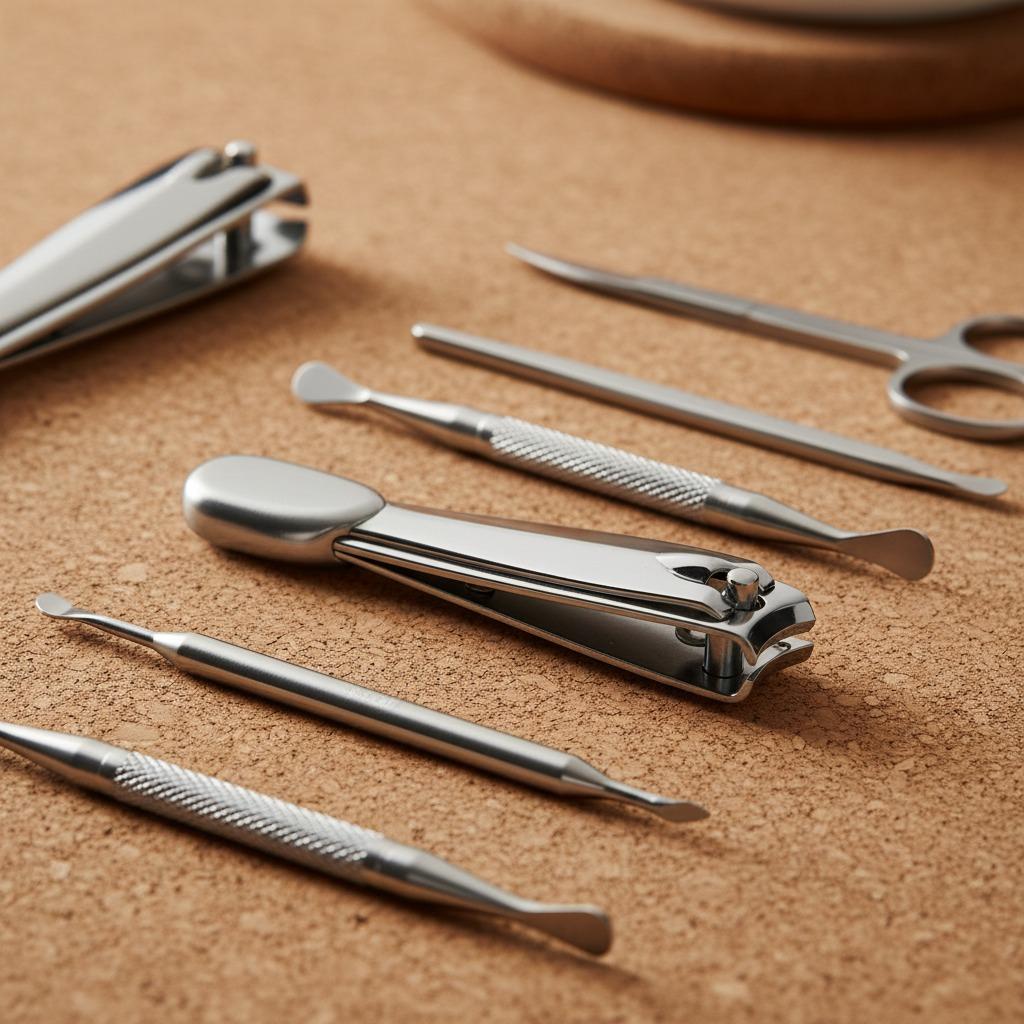











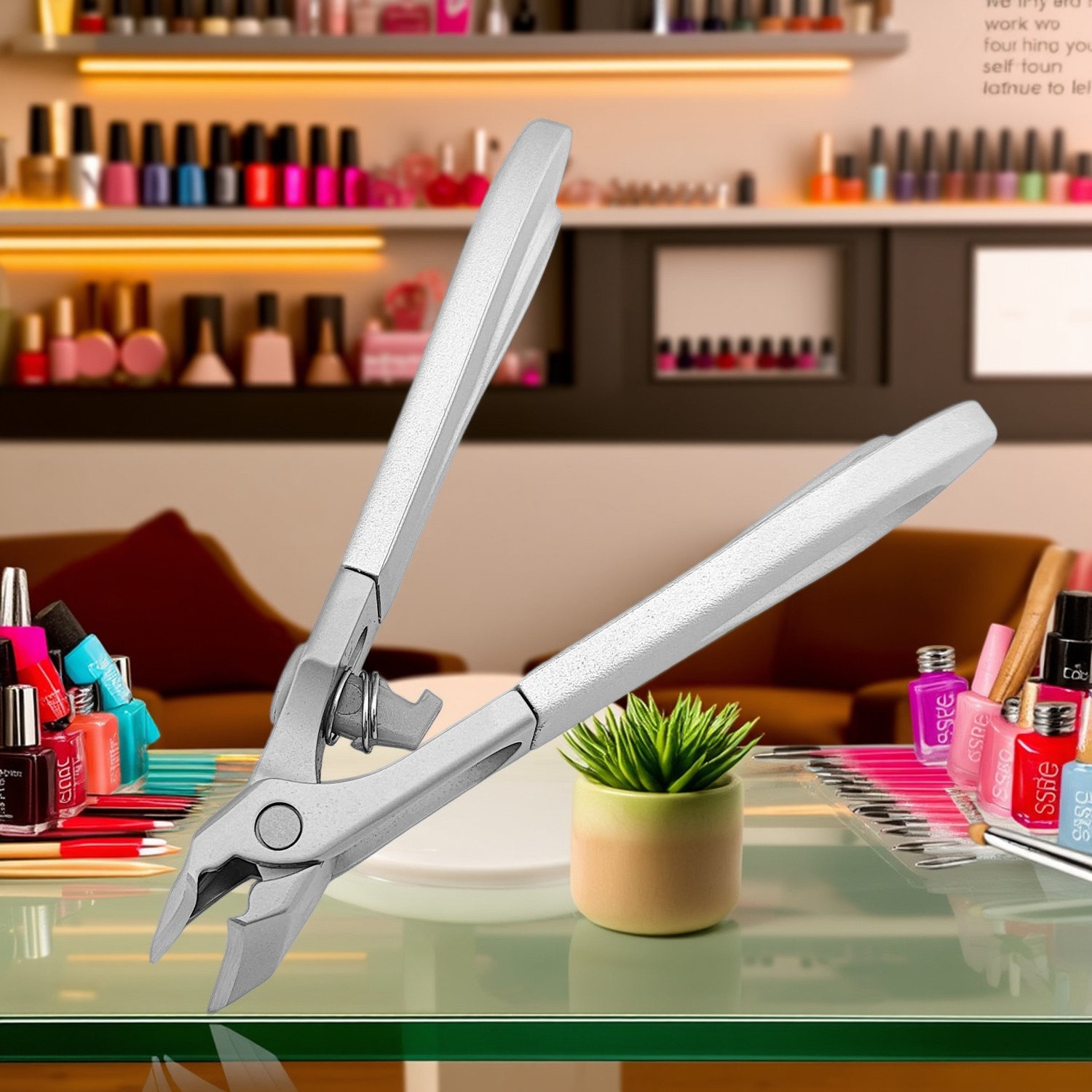
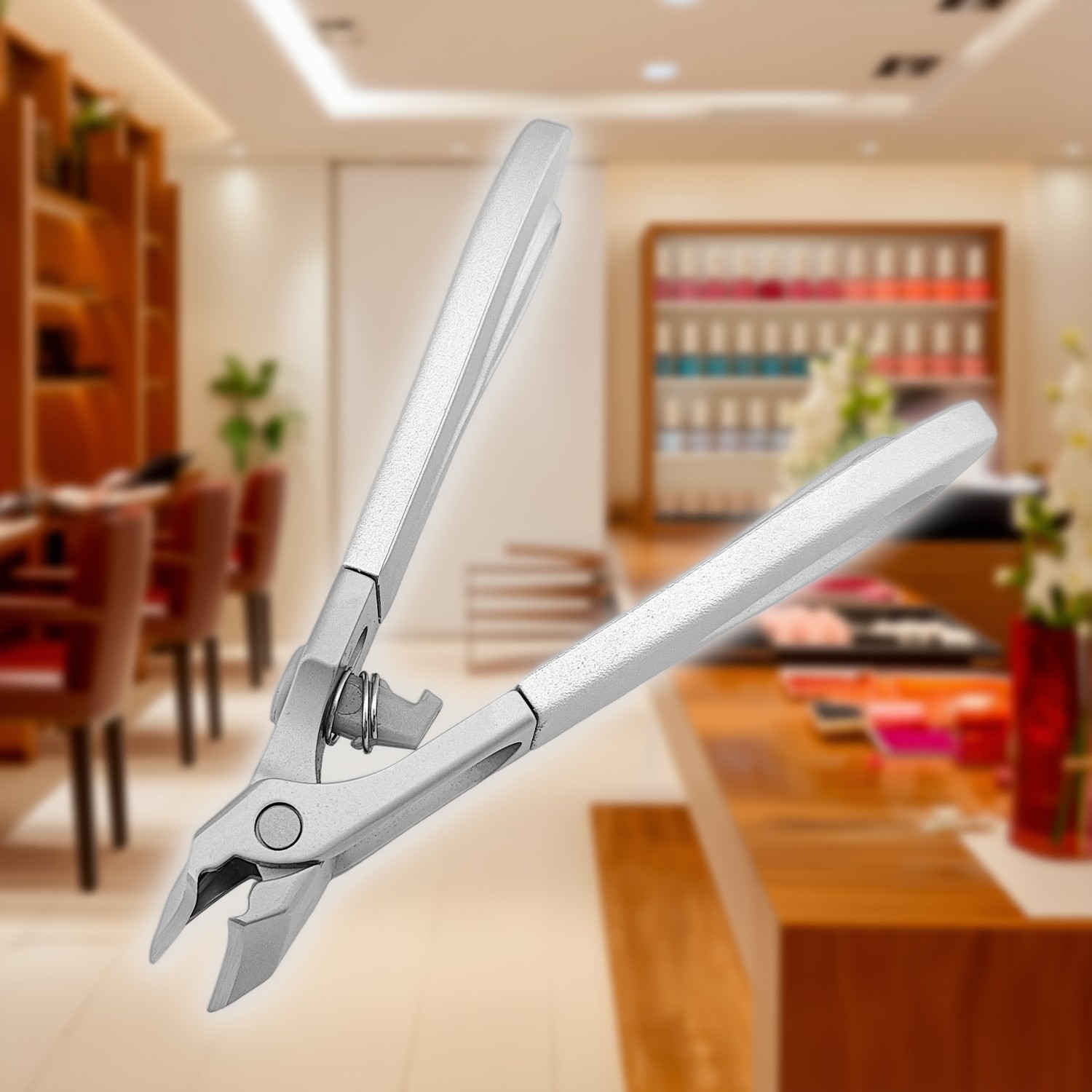
A stainless steel nail nipper is a small tool, but it can make a noticeable difference in nail care quality. Compared with basic lever-style clippers, a nipper gives the user more visibility around the nail edge, more control over the cutting angle, and better access when trimming toenails or shaping difficult corners. The Professional Stainless Steel Nail Nipper from Olimor Beauty is designed for clean, precise grooming with sharp angled blades, an ergonomic grip, a leaf spring mechanism, and a compact form that fits easily into a grooming kit.
This guide explains what to look for in a stainless steel nail nipper, how to use it safely, how to maintain it, and how buyers can evaluate grooming tools for personal care, salon use, travel kits, or retail assortments. If you are comparing related items, you can also browse Olimor beauty tool products or review broader product collections for complementary nail and beauty tools.
Why Stainless Steel Matters in a Nail Nipper
Nail tools are exposed to moisture, skin oils, cleaning products, and repeated pressure. Stainless steel is widely used for grooming tools because it combines strength with corrosion resistance. For a nail nipper, that matters in two ways: the cutting edges need to stay aligned under pressure, and the body of the tool should remain dependable after routine cleaning and storage.
Durability is especially important for toenail trimming. Toenails are often thicker and less flexible than fingernails, so a weak or poorly aligned tool can crush the nail instead of cutting it cleanly. A clean cut is not only neater; it also reduces the rough edges that can catch on socks or shoes. The original product focus of this nipper is precision grooming, including toenails and detailed nail care, so stainless steel is a logical material choice.
Stainless steel also supports a more professional appearance. The minimalist metallic finish is easy to inspect and simple to wipe clean. For buyers assembling grooming kits, spa accessories, or private-label beauty assortments, the material communicates practicality without relying on decorative features that may not improve performance.
Key Design Features That Affect Cutting Control
The best nail nipper is not judged by sharpness alone. Grip shape, blade geometry, spring action, and overall balance all influence how comfortably and accurately the tool performs. The Professional Stainless Steel Nail Nipper highlights several features that are useful for both home users and professional grooming environments.
- Sharp, angled blades: Angled blades help the user approach the nail edge with better visibility, especially around corners and toenails. This can make it easier to trim gradually instead of taking one overly large cut.
- Ergonomic handle design: A comfortable grip helps reduce hand fatigue during repeated use. This is particularly helpful when trimming thicker nails or working carefully around curved nail edges.
- Leaf spring mechanism: A spring-assisted opening action can improve control by helping the tool return smoothly after each cut. This allows steady, small trimming movements rather than forceful squeezing.
- Compact format: A compact pedicure nail clipper is convenient for travel, salon stations, and personal grooming kits. Portability matters when the tool needs to be stored neatly or carried with other essentials.
- Stainless steel body: The metal construction supports durability and routine cleaning, which are essential for a tool that comes into close contact with nails and skin.
How to Use a Nail Nipper Without Overcutting
A nail nipper should be used with patience. Its precision is most helpful when the user makes several small cuts instead of one deep cut. This is especially true for toenails, where cutting too far into the corner can create discomfort as the nail grows.
- Clean and dry the tool first. Wipe the nipper before use. If it has been stored in a shared kit, sanitize it according to your normal grooming hygiene process.
- Soften thick nails if needed. Trimming after a bath or foot soak may make thick toenails easier to cut. Dry the nail surface before trimming so the tool does not slip.
- Start at one side and take small cuts. Avoid trying to remove the entire free edge in one motion. Small cuts give better control and reduce the risk of splitting.
- Follow the natural nail shape. For toenails, avoid cutting deeply into the side corners. A straighter edge with lightly softened corners is often easier to maintain.
- Do not cut live skin. The angled blades provide access, but the tool should be used on nail only unless handled by someone trained for cuticle or professional foot care work.
- Smooth the edge afterward. If a rough edge remains, use an appropriate nail file rather than continuing to cut aggressively.
For users with painful, unusually thick, discolored, or damaged nails, trimming can be more complicated. In those cases, the nipper may still be useful, but personal comfort and safe handling should guide the process. A beauty tool should support grooming; it should not be used to treat a medical condition.
Who Benefits Most From an Angled Stainless Steel Nipper?
Different users choose nail tools for different reasons. A stainless steel nipper is particularly useful when control and access are more important than speed. For personal care, it is a practical option for people who want a tool that handles both regular trimming and more detailed shaping. For salon or retail buyers, it can fit into a professional grooming category where customers expect durability and a clean cutting feel.
The angled blade design is helpful for toenails because it provides a clearer view of the cutting point. Users who struggle with standard clippers may find that a nipper allows more deliberate trimming. The ergonomic grip and leaf spring are also important for anyone who prefers smoother operation and less hand strain during nail care.
Travel users may appreciate the compact format, but storage is still important. A sharp tool should not be left loose in a bag where the cutting edges may be damaged or where it may scratch other items. For retailers or sourcing teams, packaging and protective storage are useful points to evaluate when comparing options.
Cleaning, Drying, and Storage for Longer Tool Life
Even stainless steel tools should be cared for properly. Corrosion resistance does not mean a nipper should be stored wet or exposed to harsh conditions unnecessarily. Good maintenance helps preserve cutting performance, hinge movement, and appearance.
After each use, remove nail dust or residue from the blades and hinge area. Wipe the tool with a clean, dry cloth. If a cleaning solution is used, follow the solution instructions and dry the nipper completely before storage. Pay attention to the area near the spring and joint, where moisture can remain if the tool is closed immediately after washing.
Storage should protect the blades from impact. Dropping a nipper can affect blade alignment, and misaligned blades may pinch or crush instead of cutting cleanly. Keep the tool away from children and store it in a dry place. In a salon setting, cleaning and storage procedures should match the hygiene practices required for that service environment.
Buyer Checklist for Sourcing or Comparing Nail Nippers
If you are purchasing nail nippers for a beauty kit, retail range, salon supply list, or promotional grooming set, evaluate more than the product photo. A high-quality tool should feel stable in the hand, open and close smoothly, and cut predictably without excessive force. When details are not published, use a structured checklist to guide comparison and sampling.
| Evaluation point | What to check | Why it matters |
|---|---|---|
| Blade alignment | Tips meet evenly and cutting edges close cleanly | Improves precision and reduces nail crushing |
| Grip comfort | Handle shape feels secure without sharp pressure points | Supports control during careful trimming |
| Spring action | Leaf spring opens smoothly after each cut | Reduces fatigue and improves repeated cutting rhythm |
| Surface finish | Metal surface is smooth and easy to wipe | Helps with cleaning and professional presentation |
| Portability | Size fits grooming kits or travel storage | Makes the tool practical for daily or mobile use |
For business sourcing, also consider packaging needs, target user group, care instructions, and whether the tool will be sold alone or paired with other nail care accessories. Clear usage guidance can reduce misuse and improve customer satisfaction. To discuss product availability or sourcing questions, you can contact Olimor or send an inquiry.
Choosing a Practical Tool Instead of a Decorative One
Beauty tools often compete on appearance, but nail nippers should be judged first by function. A clean metallic finish is useful because it is simple, durable, and easy to inspect. Decorative coatings or unusual shapes may be attractive, but they should not interfere with grip, cleaning, blade visibility, or cutting control.
The Professional Stainless Steel Nail Nipper focuses on the fundamentals: stainless steel construction, angled blades, ergonomic handling, spring-assisted operation, and compact storage. Those details are directly connected to the way the tool is used. Whether the goal is regular toenail trimming, careful pedicure maintenance, or building a dependable grooming kit, a well-designed nipper should make the process controlled rather than rushed.
For the best results, pair the right tool with the right technique. Trim gradually, keep the blades clean, dry the nipper before storage, and replace or service tools that no longer cut cleanly. A stainless steel nail nipper is most valuable when it remains sharp, aligned, and comfortable to handle over repeated use.