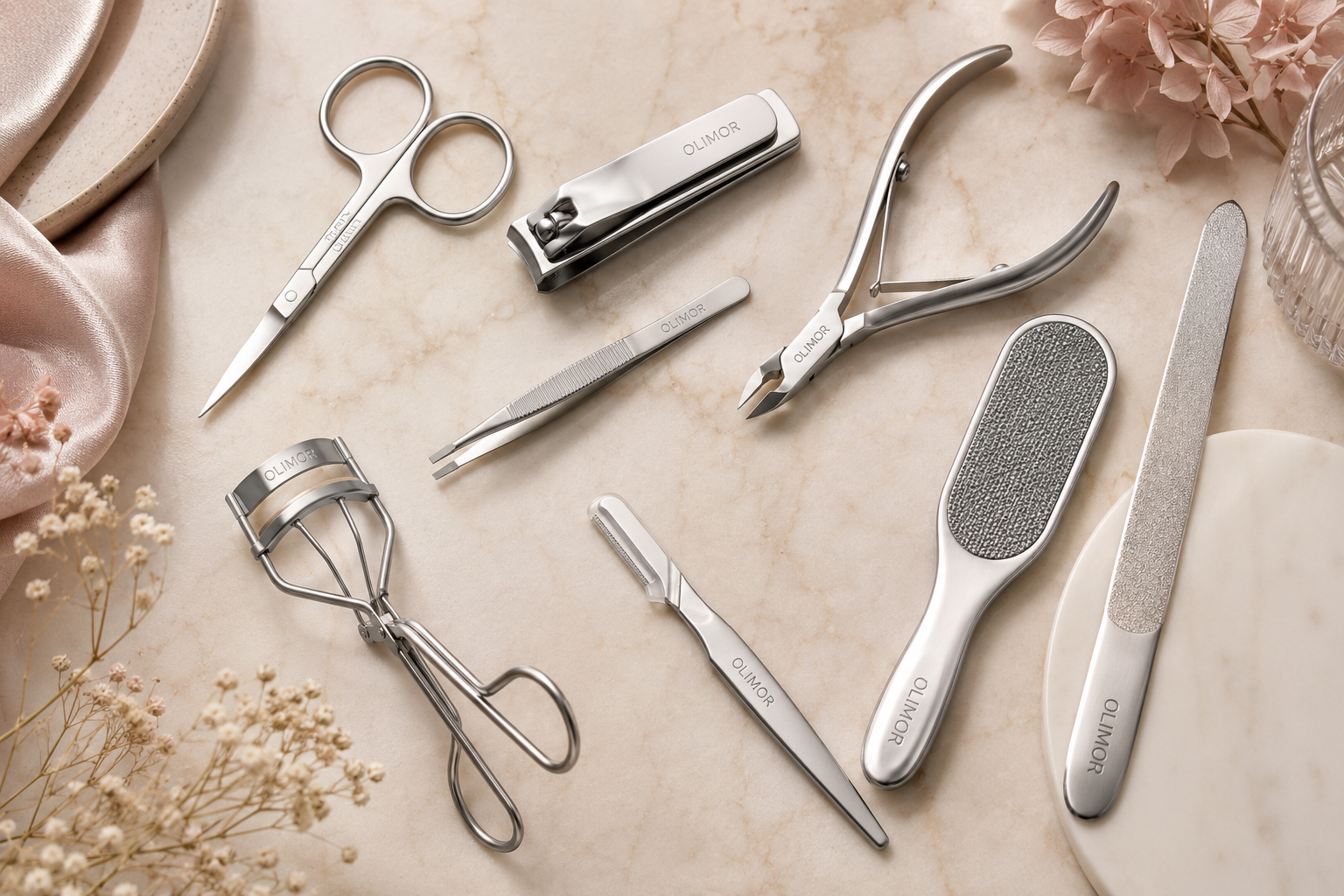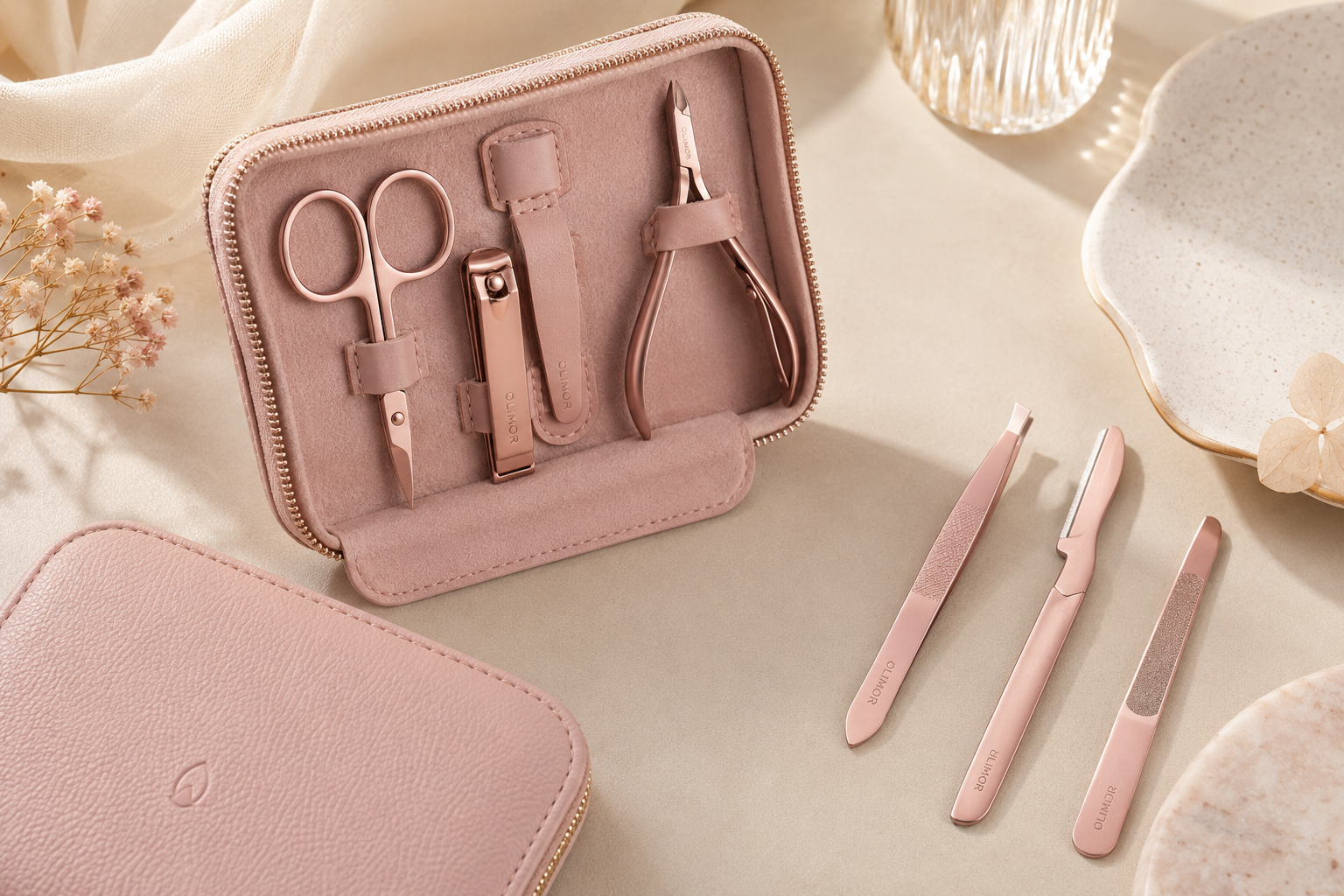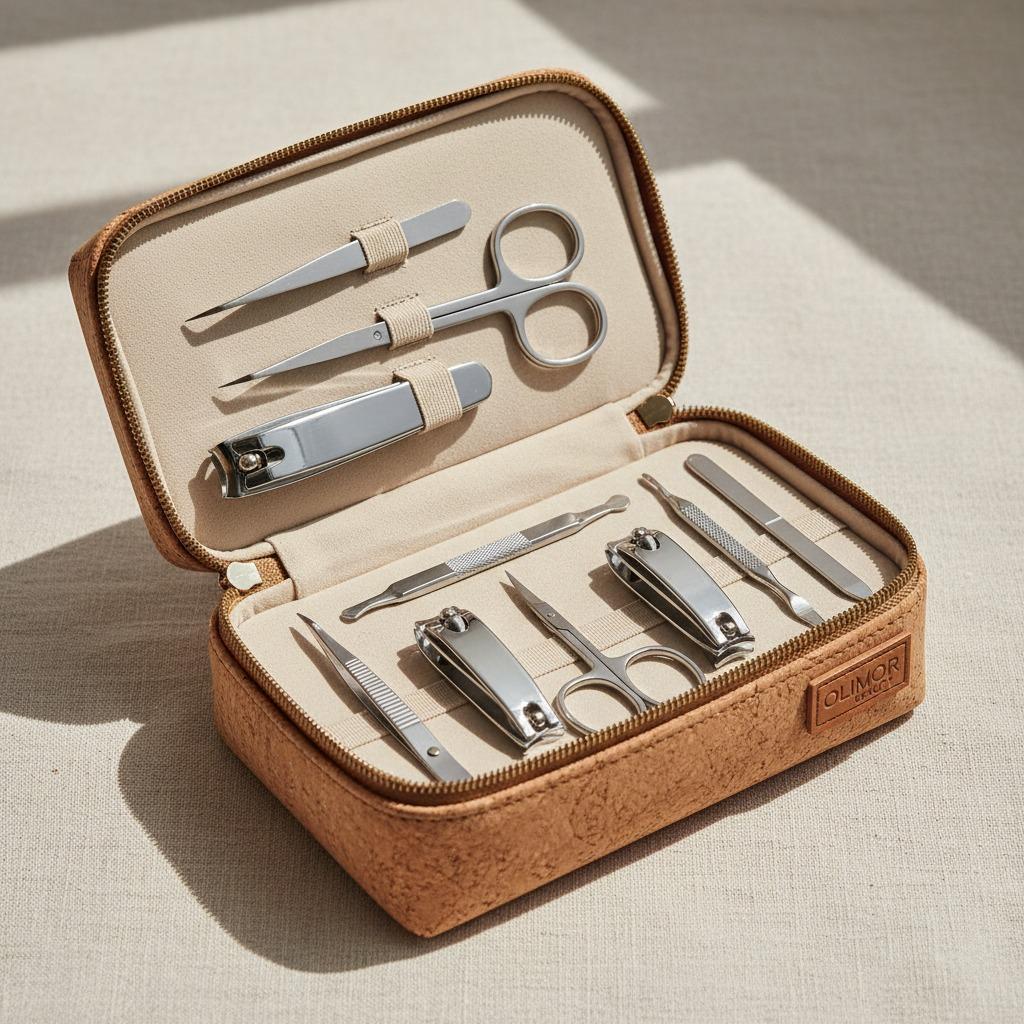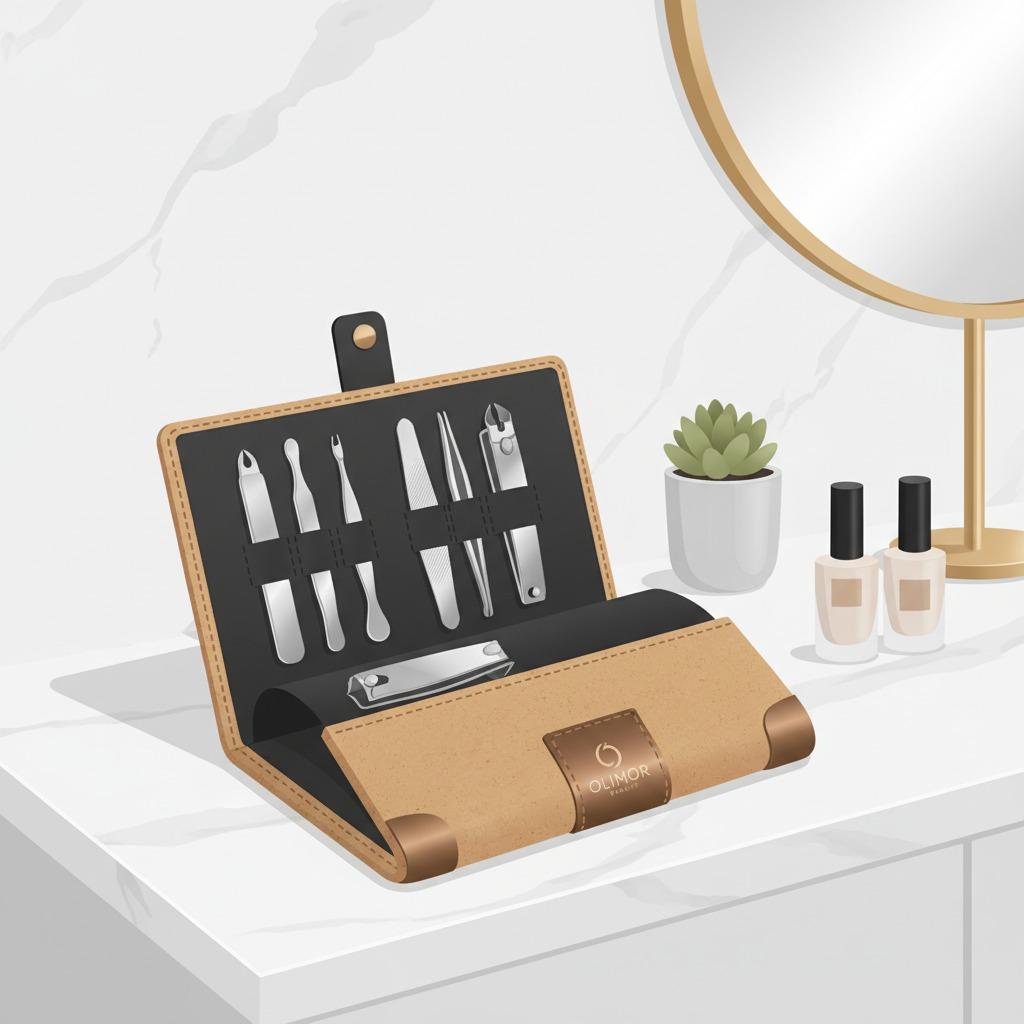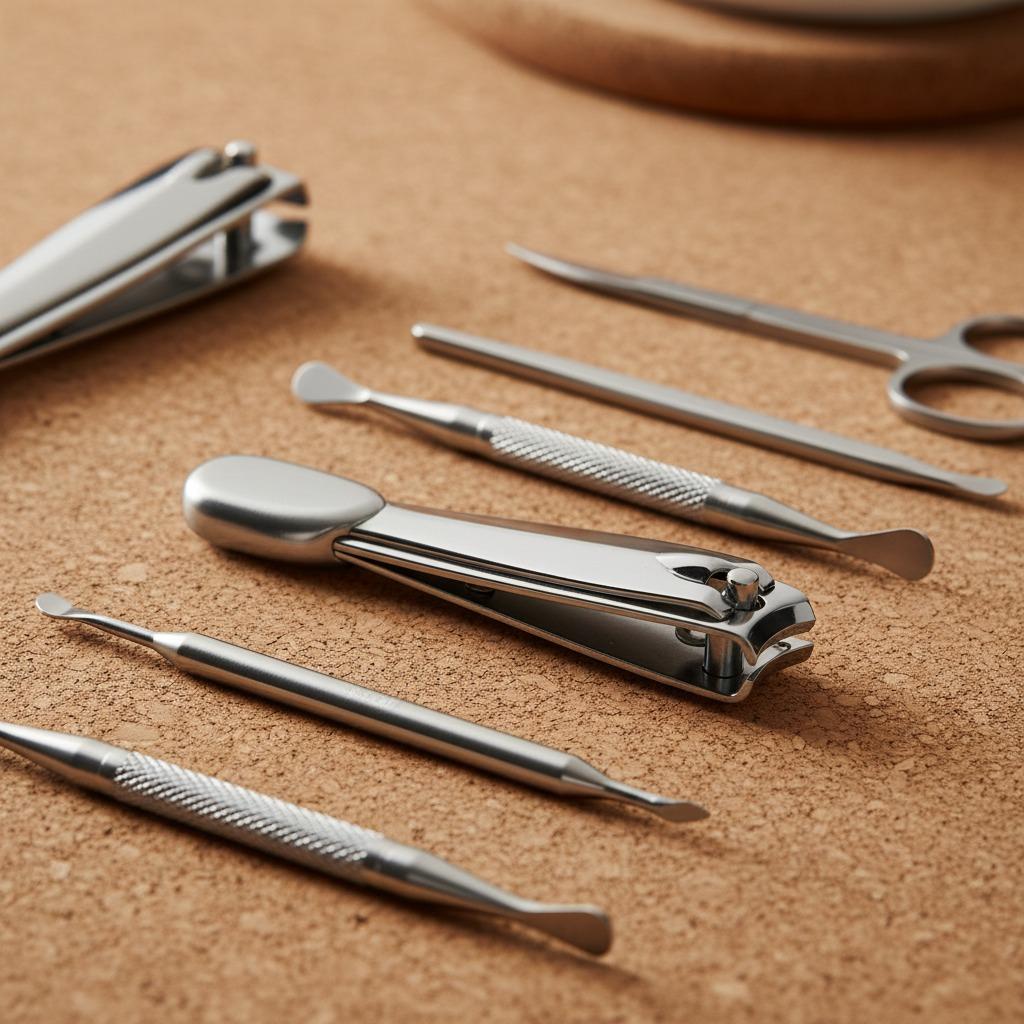












Cuticle nippers look simple, but buyers who source them for salons, distributors, beauty retailers, or private nail-care kits know that small manufacturing differences can affect safety, comfort, and long-term performance. A clean cut depends on blade geometry, edge finishing, handle balance, spring movement, and consistent inspection. For a product used close to delicate skin, precision is not a decorative feature; it is the main requirement.
Olimor Beauty focuses on cuticle nippers designed for controlled trimming, including high-quality stainless steel construction, ergonomic handles, finely pointed blades, and a double spring mechanism for smooth cutting action. If you are comparing a cuticle nipper factory or planning a sourcing project, the most useful approach is to evaluate the tool as a complete working instrument rather than judging it by appearance alone.
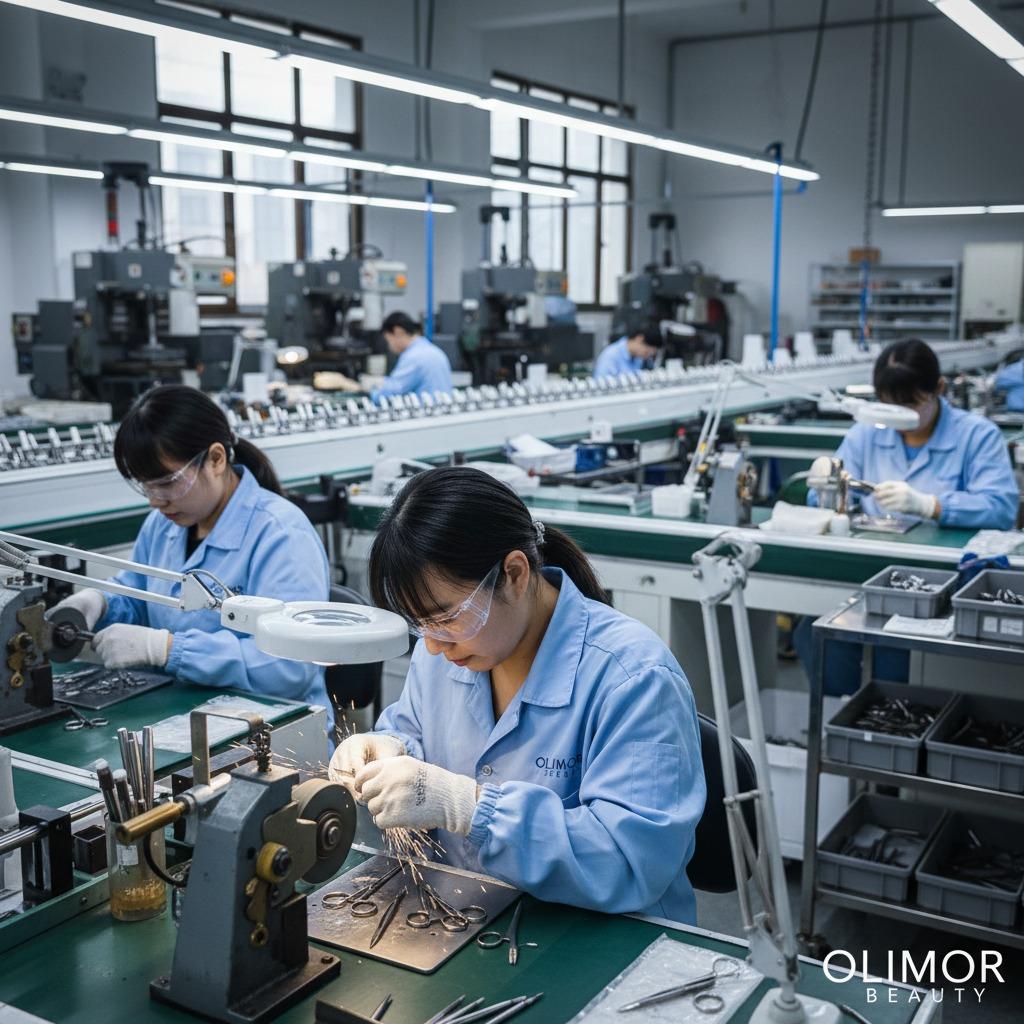
What a Cuticle Nipper Factory Must Get Right
A cuticle nipper is judged by how accurately it trims excess cuticle without pulling, crushing, or leaving ragged edges. That performance starts in production. Material selection, forming, heat treatment where applicable, grinding, polishing, assembly, and final checks all influence the finished tool. Even if two nippers appear similar in a catalog photo, the user may feel a difference immediately when the jaws meet or the spring returns.
For professional and retail buyers, the most important factory question is not simply whether the tool is sharp. A sharp edge that is poorly aligned can still pinch or cut unevenly. A smooth handle that is poorly balanced can tire the hand during repeated use. A spring that feels light at first may become unstable if it is not assembled consistently. Quality must be built into each stage, then confirmed before packing.
When reviewing beauty tool products, pay attention to whether the nipper is described in terms of functional details: steel, blade point, handle comfort, spring movement, and inspection. These are the features that connect manufacturing choices to real manicure and pedicure performance.
Blade Precision: The Main Difference Users Notice
The blade is the working heart of a cuticle nipper. Finely pointed blades help the user access small areas around the nail fold with better visibility and control. For salons, this can support neat work during detailed manicures. For at-home grooming kits, it can make trimming more manageable for users who want a clean finish without an oversized tool blocking their view.
Useful blade checks include the following:
- Tip meeting: The two tips should come together evenly. A visible gap or crossing point can reduce accuracy.
- Cutting edge contact: The edge should close progressively and cleanly, not only touch at one point.
- Point control: Finely pointed blades should feel precise, but not fragile or rough at the tip.
- Edge smoothness: The blade should trim without tearing. Rough finishing can catch skin or cuticle.
- Jaw stability: There should be no distracting side-to-side looseness when opening and closing the tool.
In a factory setting, these qualities depend on accurate grinding, finishing, and assembly. They also require consistent inspection, because small misalignments are not always obvious until the tool is opened and closed by hand.
Stainless Steel and Surface Finishing Considerations
The original product information identifies stainless steel as a key material, and that is an important starting point for nail tools. Stainless steel is commonly selected for manicure implements because it supports durability and a cleanable surface. For buyers, however, the phrase “stainless steel” should lead to further evaluation of finish, consistency, and intended use rather than ending the conversation.
A cuticle nipper should feel solid, clean, and well-finished in the hand. Edges around the handle should not be uncomfortable. The joint area should open and close smoothly. Polishing should support a professional appearance while avoiding rough corners that can collect residue. If the nipper is intended for salon use, cleaning practices and compatibility with the buyer’s own hygiene process should also be considered before placing a large order.
Because exact material grades and test results vary by product and order requirements, buyers should create a written checklist for their sourcing team. The checklist can include steel type confirmation, surface finish expectations, corrosion-resistance expectations for the intended market, packaging protection, and handling instructions. This keeps evaluation practical without relying only on catalog claims.
Ergonomics, Handle Shape, and Double Spring Action
Comfort matters because cuticle work often requires small, repeated movements. Olimor Beauty describes its cuticle nippers with ergonomic handles that fit well in the hand and a double spring mechanism that supports smooth, effortless cuts. These are not minor details. A nail technician may use a tool repeatedly throughout the day, and a retail customer may be less confident if the tool feels stiff, slippery, or difficult to control.
When assessing ergonomics, look at how the nipper sits between the fingers, whether the handle shape supports a stable grip, and whether the opening width feels manageable. A tool that opens too wide may feel awkward for smaller hands, while a handle that lacks balance can make precise trimming harder. The spring should return the handles consistently without forcing the user to fight the tool.
The double spring mechanism is especially relevant for buyers comparing samples. Open and close the nipper many times in a normal working rhythm. The movement should be smooth, predictable, and free from scraping or sudden resistance. A comfortable spring helps reduce strain and supports a controlled cut, which is important for both salon-quality results and safe personal grooming.
Quality Control From Raw Materials to Final Assembly
A reliable cuticle nipper factory needs inspection points throughout production, not only a quick look at the finished product. The supplied information states that quality checks cover the process from raw materials to final assembly. That approach is valuable because defects can enter at different stages: inconsistent material, inaccurate blade shaping, rough finishing, poor joint assembly, weak spring performance, or packaging damage.
For sourcing teams, it helps to divide quality control into practical checkpoints:
| Checkpoint | What to Review | Why It Matters |
|---|---|---|
| Material review | Stainless steel consistency and surface condition | Supports durability and a clean finished appearance |
| Blade forming and grinding | Tip shape, edge contact, and cutting alignment | Determines trimming precision and user confidence |
| Handle finishing | Smooth edges, balance, and grip comfort | Reduces discomfort during repeated use |
| Spring assembly | Double spring movement and return action | Supports smooth, controlled cutting |
| Final inspection | Opening, closing, blade meeting, appearance, packing | Helps keep bulk orders consistent |
This type of structured review is useful whether the order is for a beauty retail line, salon supply assortment, promotional kit, or broader personal care range. It also gives buyers a common language for comparing samples.
Choosing Nippers for Salons, Retail, and Nail-Care Kits
Different buyers may prioritize different details. A salon supplier will usually focus on repeat-use comfort, trimming control, and consistency from piece to piece. A retailer may also care about packaging presentation, consumer instructions, and how easily shoppers understand the tool’s purpose. A beauty kit assembler may need the nipper to coordinate with other tools in size, finish, and positioning within the set.
Before confirming a cuticle nipper order, define the intended user clearly. Is the tool for professional technicians, careful at-home manicure users, travel grooming sets, or general nail-care assortments? The answer influences how you evaluate blade size, handle feel, packaging, and instructions. A very fine tip may appeal to detail-focused users, while a comfortable handle and smooth spring may be the strongest selling points for broader retail use.
Buyers comparing categories can browse Olimor product collections to consider how nippers fit with related manicure tools. If the project requires a coordinated tool range, evaluating the full assortment early can help avoid mismatched finishes, inconsistent positioning, or packaging changes late in development.
Sample Evaluation Checklist Before Bulk Sourcing
A sample review should be more than a quick visual approval. Set up a repeatable evaluation process so every team member checks the same points. This is especially important when the final order will be judged by end users who care about comfort and precision.
- Inspect the finish: Check the handle, joint, spring area, and blade for roughness, uneven polishing, or visible defects.
- Open and close repeatedly: Test whether the double spring action feels smooth and consistent.
- Check blade meeting: Confirm that the tips and cutting edges align properly when closed.
- Assess hand comfort: Hold the nipper as it would be used and note whether the handle shape supports control.
- Review trimming behavior: Evaluate whether the blades cut cleanly without pulling or requiring excessive force.
- Compare multiple samples: Consistency across pieces is often more important than one excellent sample.
- Review packing needs: Confirm that the tool is protected during shipping and suitable for the intended sales channel.
Document results with photos and notes. If a sample fails, identify whether the issue is cosmetic, functional, or packaging-related. Functional issues such as poor blade alignment or unstable spring movement should be treated as high priority because they directly affect user safety and satisfaction.
Working With Olimor Beauty on Cuticle Nipper Projects
Olimor Beauty’s cuticle nipper manufacturing focus is built around precision craftsmanship, stainless steel construction, ergonomic handling, finely pointed blades, double spring movement, and internal quality control. These qualities make the product relevant for buyers who need nail tools that look professional and perform consistently in real use.
For a sourcing conversation, prepare your requirements in practical terms: target user, sales channel, finish preference, packaging direction, expected quality checkpoints, and any market-specific compliance or labeling needs that apply to your business. Clear requirements help align the tool with its intended role, whether it will be sold as a standalone nipper or included in a larger manicure selection.
To review available options, start with Olimor beauty tool products. For project discussions, sample planning, or order questions, you can send an inquiry or contact Olimor. A well-chosen cuticle nipper should not only look polished in packaging; it should feel controlled, cut cleanly, and maintain user confidence from the first use onward.