
Buying pedicure tools in bulk is a quality, hygiene, and operations decision, not just a way to purchase more units at once. For salons, spas, beauty retailers, training schools, and distributors, the right bulk order helps standardize service stations, support smoother staff training, maintain backup stock, and present a more reliable product range to customers.
The best wholesale pedicure tools are chosen by use case. A salon needs comfortable, durable instruments that can move through repeated cleaning and daily technician use. A retailer may prioritize sellable presentation, packaging condition, and a clear assortment. A distributor needs consistent specifications from order to order so downstream customers can rely on the same product standard. This guide explains how to evaluate material, finish, function, hygiene suitability, packaging, and supplier communication before placing a larger order.
Who Should Buy Pedicure Tools in Bulk?
Bulk purchasing is useful when a business needs repeatable quality across many service stations, kits, branches, retail displays, or resale accounts. A single independent technician may need only occasional replacements, but multi-chair salons, hotel spas, nail studios, training academies, online retailers, and regional distributors often benefit from a planned wholesale supply.
For salons and spas, the main goal is operational readiness. Technicians should not have to pause a treatment because a clean clipper, pusher, file, or nipper is missing from the tray. For schools, consistent tools help students learn proper technique without being distracted by uneven hand feel or tool function. For retailers and distributors, a stable bulk assortment can support retail kits, replacement sales, and private assortment planning.
Before comparing suppliers, define the purpose of the order. A professional service kit may prioritize stainless steel construction, smooth finishing, cleaning compatibility, and technician comfort. A retail kit may require stronger attention to packaging, display condition, labeling space, and consumer-friendly tool combinations. Buyers comparing wider categories can review Olimor beauty tool products to see how pedicure items may fit within a broader grooming assortment.
Core Pedicure Tools to Include in a Wholesale Assortment
A strong bulk pedicure tool order is usually built around a balanced mix of cutting, shaping, cleaning, and finishing tools. Not every business needs every item, so the assortment should match the service menu, sales channel, or kit concept.
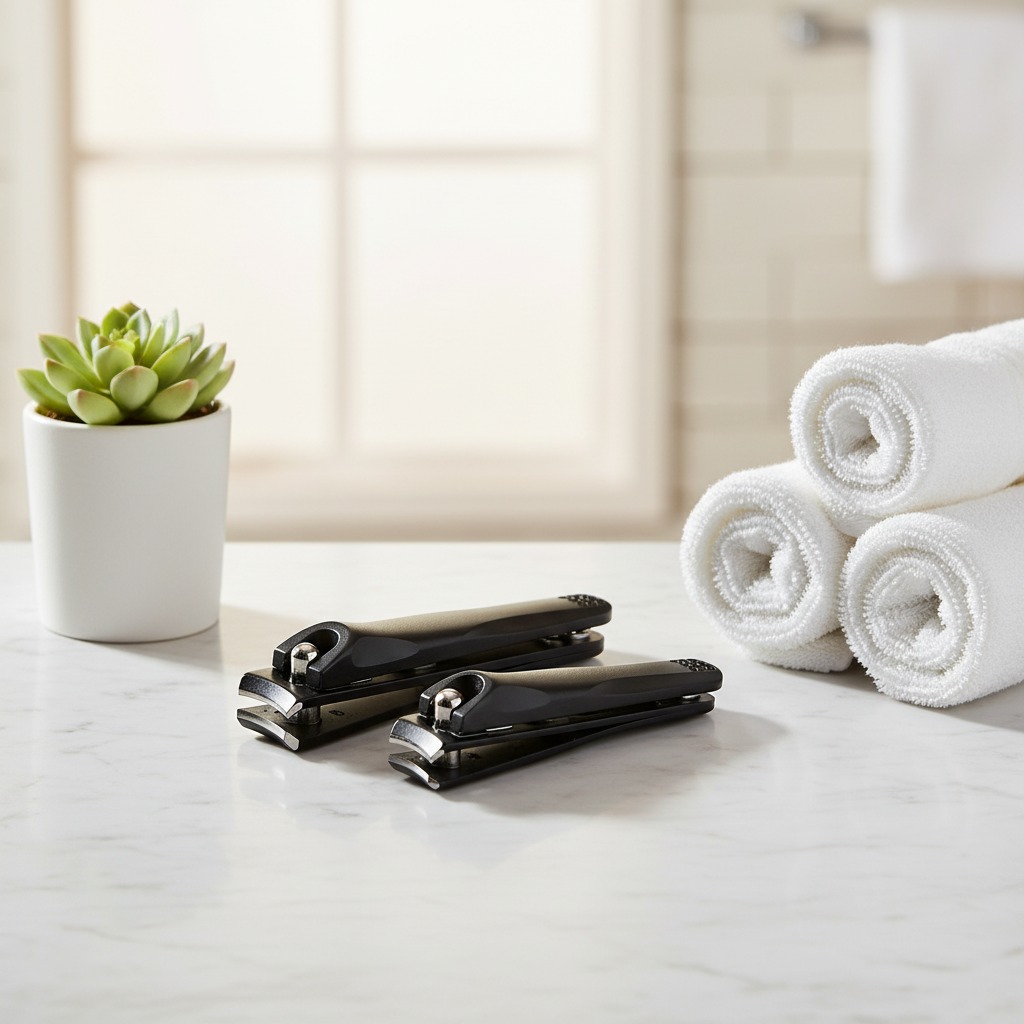
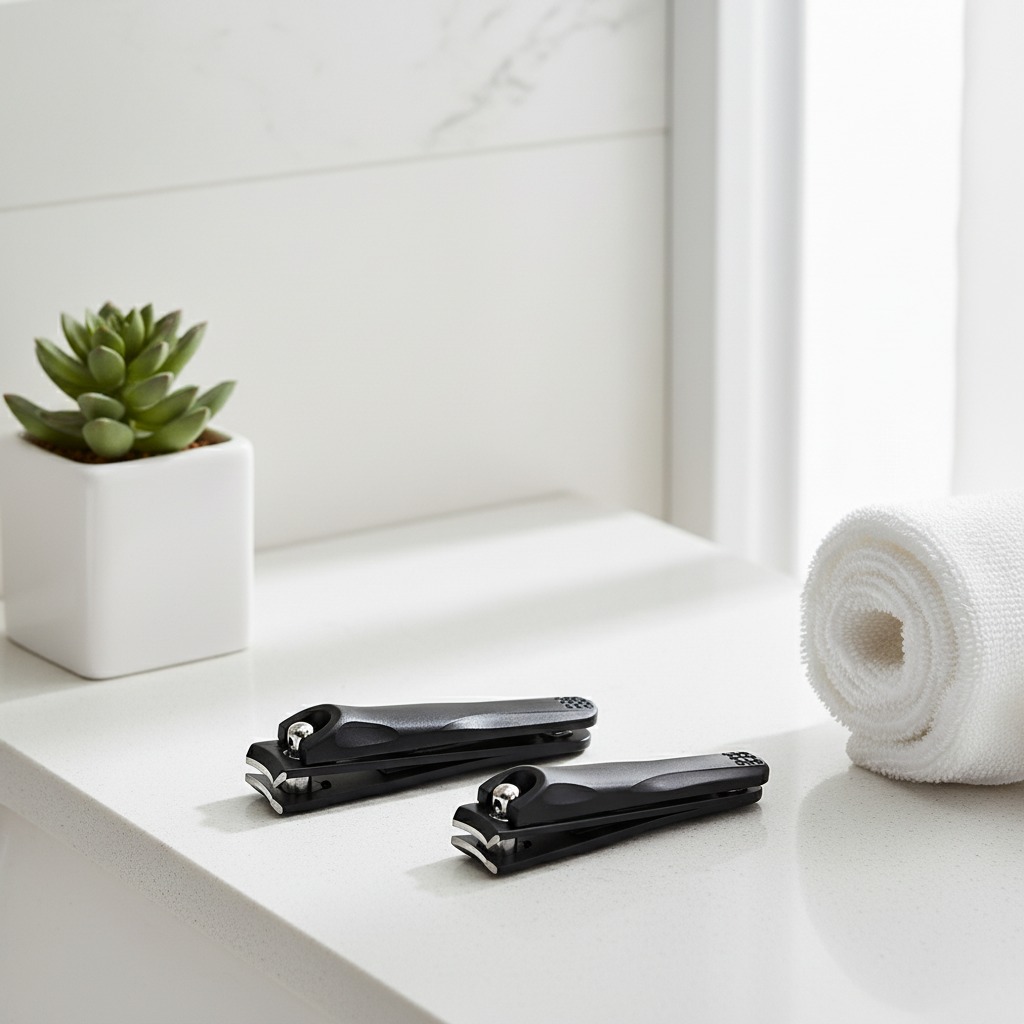
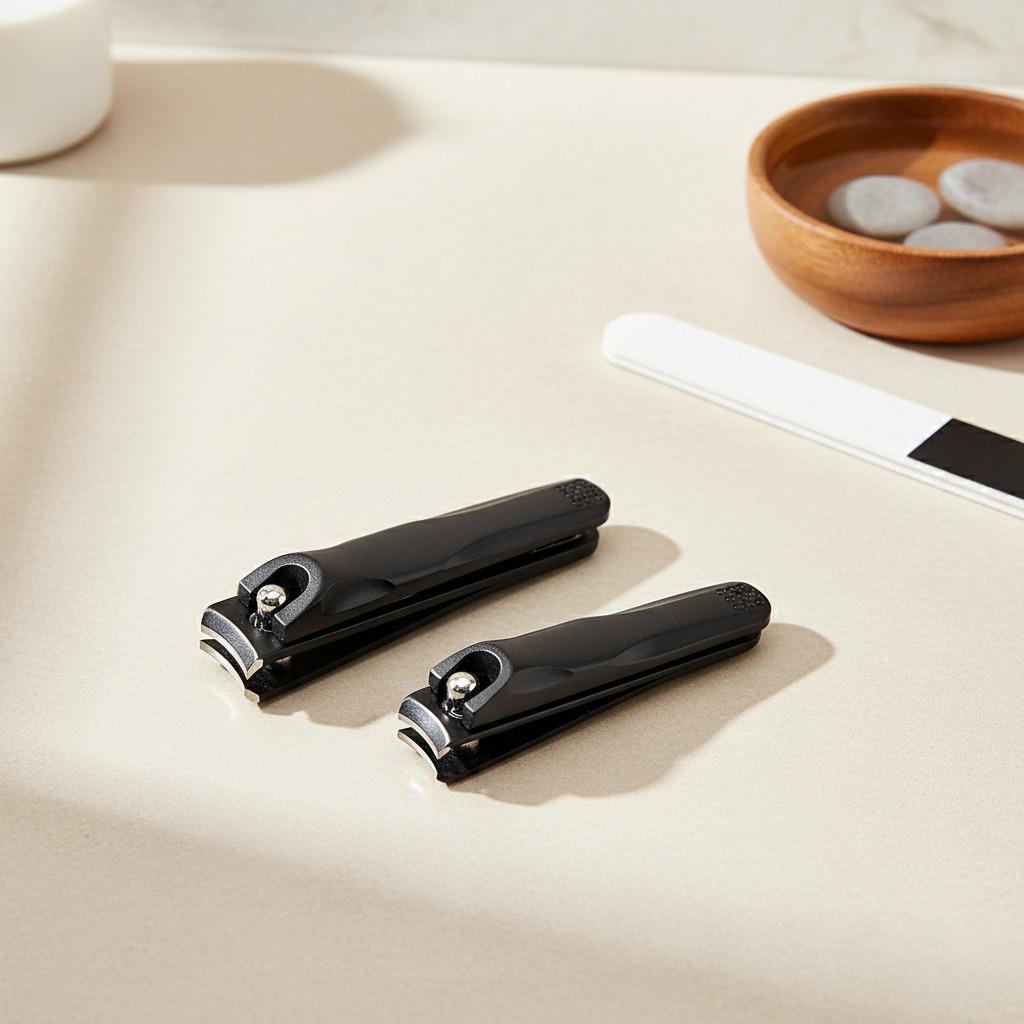
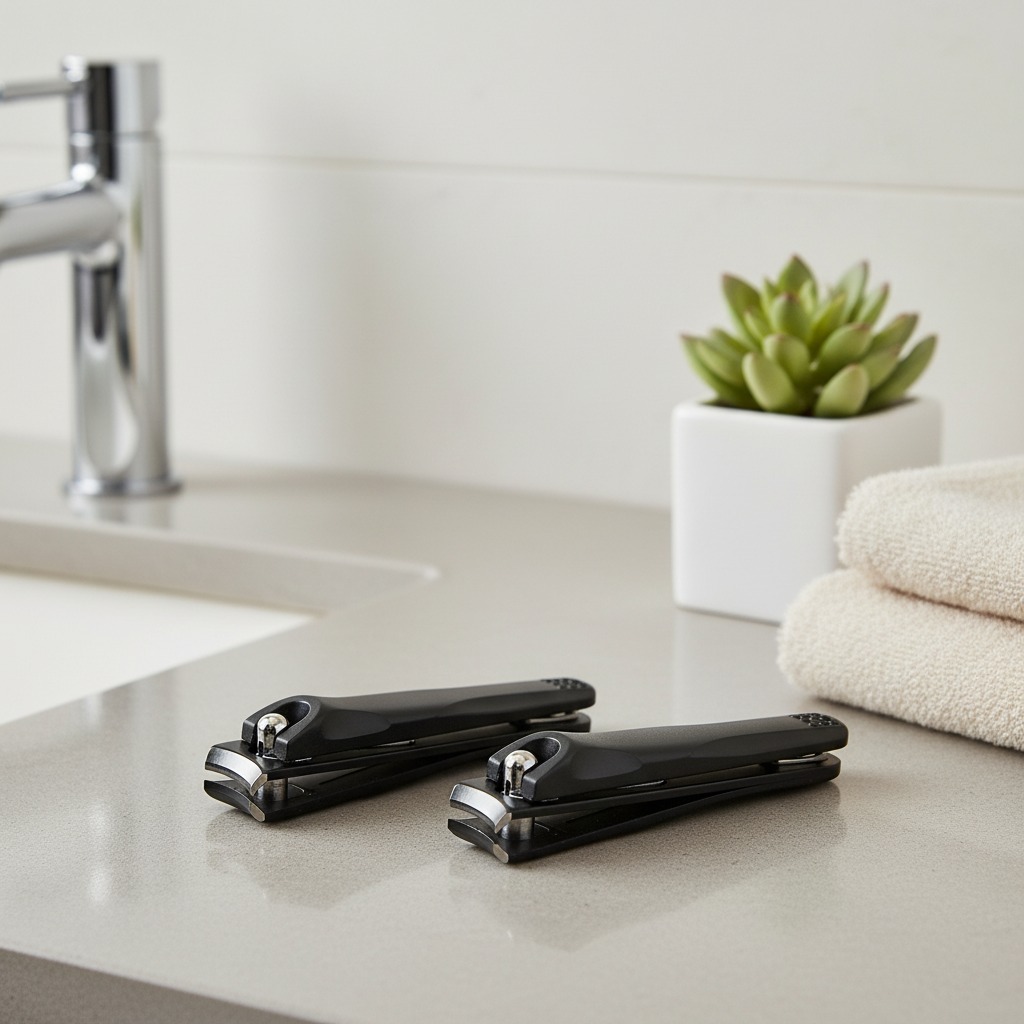
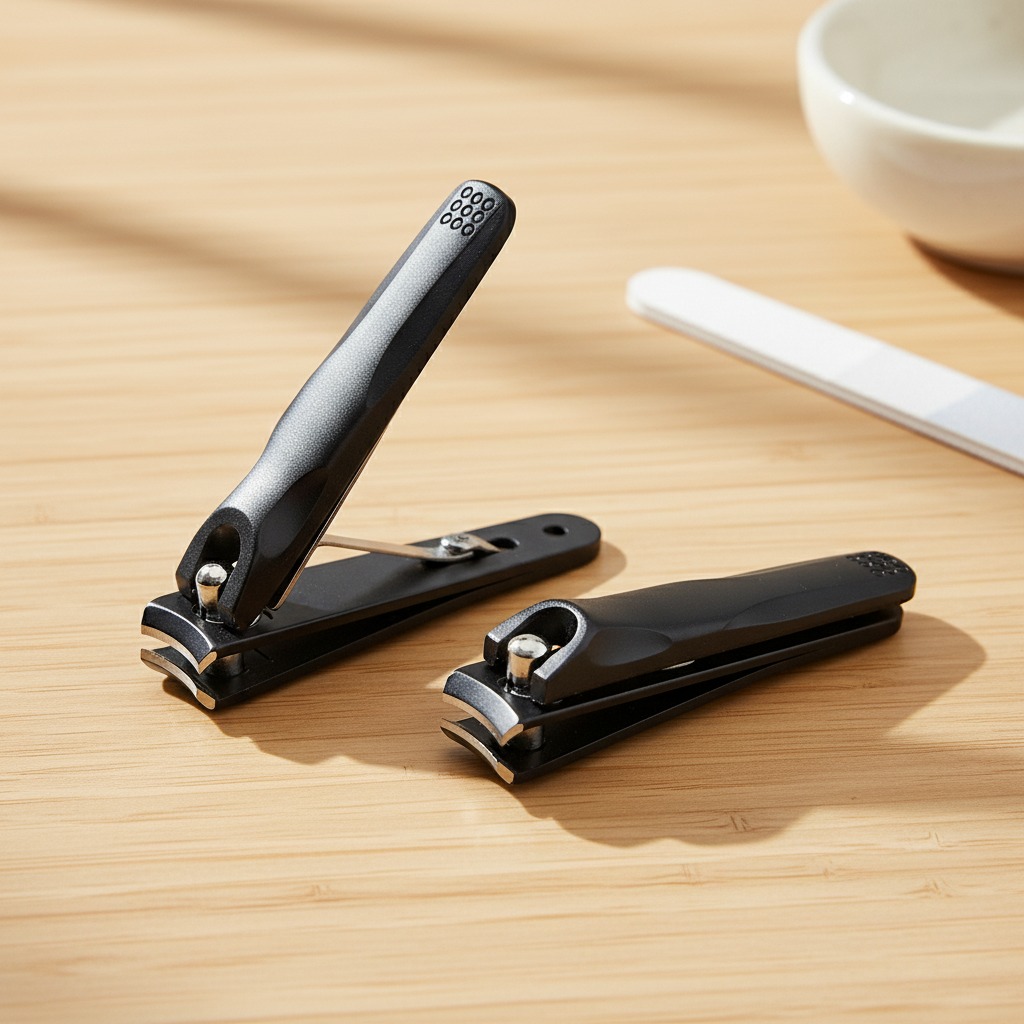
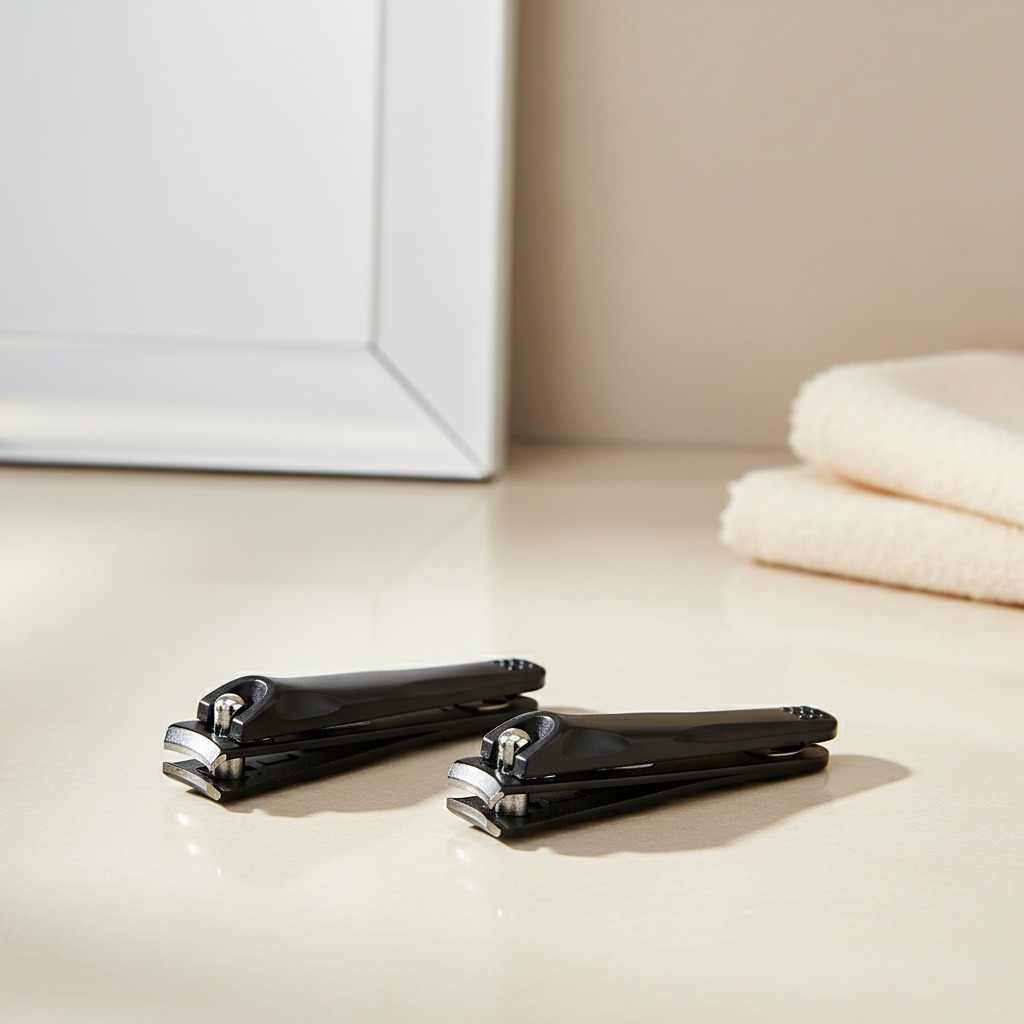
- Nail clippers: Used for shortening toenails. Buyers should check leverage, jaw opening, cutting edge alignment, lever stability, and grip comfort.
- Cuticle nippers: Used for careful trimming of loose cuticle or hangnails. Jaw alignment, spring action, tip precision, and repeated-use comfort are important.
- Cuticle pushers: Common in salon stations and home care sets. The working edge should be smooth and even, without rough contact points.
- Nail files and buffers: Often used in kits or retail bundles. Surface consistency, backing strength, and packaging affect perceived quality.
- Foot files or callus tools: Selected based on intended use, control, surface durability, replaceability, cleaning requirements, and clear use instructions.
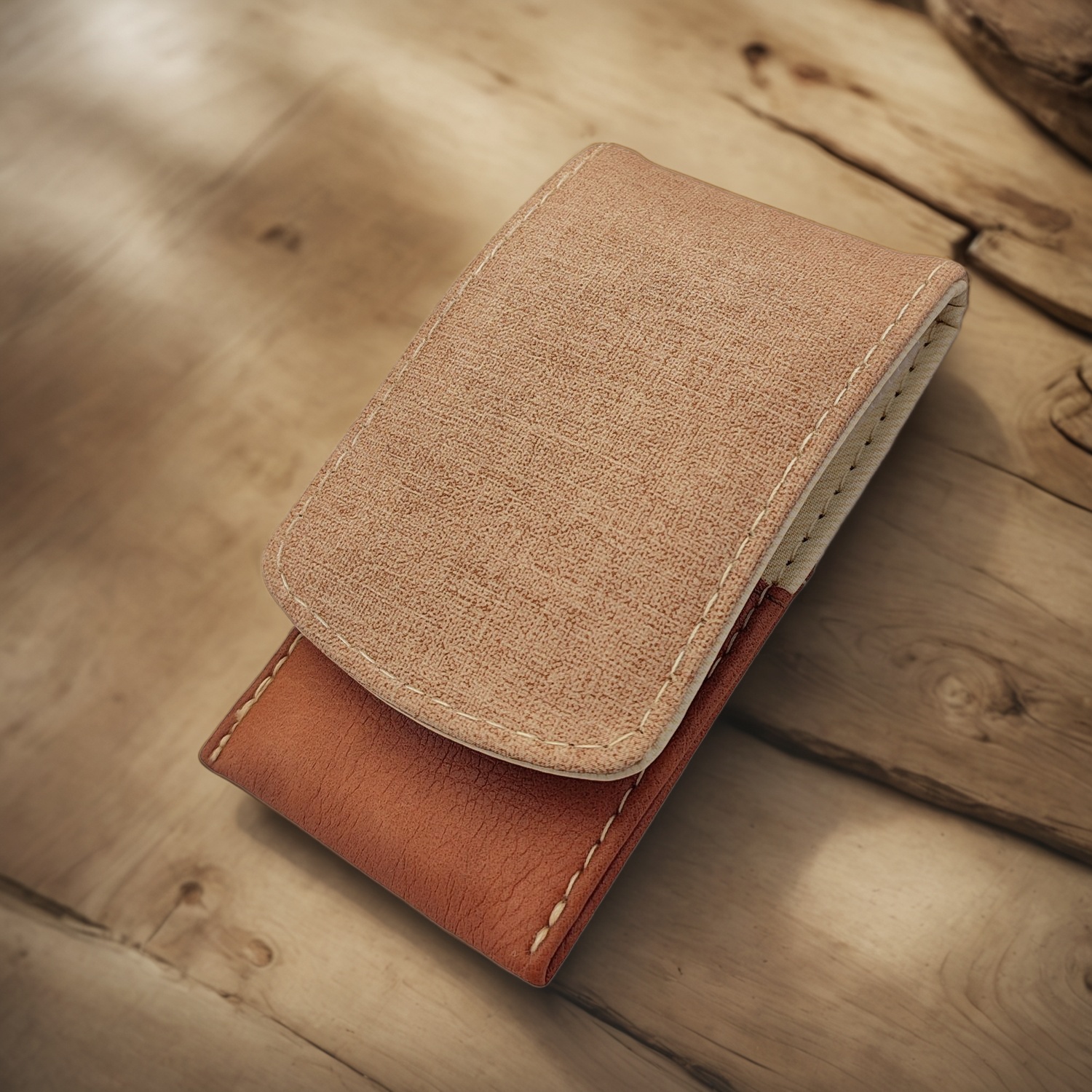
- Cleaning brushes, separators, cases, pouches, or trays: These support kit completeness, organization, tip protection, and transport.
The practical question is not simply which tools are popular. The better question is which tools your technicians, students, retail customers, or wholesale buyers will use repeatedly and understand easily. A spa may need fewer retail-style accessories and more durable service instruments. A retailer may need a compact, attractive set that customers can evaluate quickly on a shelf or product page.
Material and Finish: Why Stainless Steel Is Only the Starting Point
Stainless steel is widely preferred for professional grooming tools because it can support durability, corrosion resistance, and easier cleaning compared with many lower-grade alternatives. However, buyers should not approve a bulk order based only on the phrase stainless steel. A tool can be made from stainless steel and still perform poorly if the edges are misaligned, the hinge is loose, the surface finish is rough, or the packaging allows scratches during transit.
When evaluating wholesale pedicure tools, examine material, construction, finish, and function together. Smooth surfaces are important because tools are handled close to skin and nails. Burrs, stains, rough corners, or unintended sharp edges can make a tool feel unprofessional. Hinged tools such as clippers and nippers deserve close attention because debris can collect around joints if the construction is poor or difficult to clean.
Buyers should also consider how tools will be cleaned, dried, stored, and rotated in daily use. Even good stainless steel tools can be damaged by poor handling, damp storage, unsuitable cleaning conditions, or contact with materials that promote staining or corrosion. Salons and spas should follow applicable local public health requirements for cleaning, disinfection, or sterilization workflows. Public bodies such as local health departments and the U.S. Centers for Disease Control and Prevention provide general infection-control guidance, but buyers should verify the applicable version, local rules, and supplier documentation for their specific market and use case.
How to Inspect Pedicure Tools Before Buying in Bulk
A sample review should be practical and repeatable. The goal is not to perform laboratory testing in the receiving room; it is to catch obvious consistency, comfort, and workmanship problems before tools reach service tables or customers. Ask working technicians, inventory managers, and retail staff to test samples from their own perspective.
Functional Checks
- Edge alignment: Clippers and nippers should meet evenly along the working edge without gaps, overlap, or twisted tips.
- Opening and closing action: Hinged tools should move smoothly without wobbling, sticking, grinding, or excessive stiffness.
- Cutting feel: Cutting tools should feel controlled and precise on appropriate test material, not dull, uneven, or unstable.
- Spring response: Nippers should return consistently without feeling too weak or too tiring during repeated use.
- File surface: Files should show consistent texture without loose, patchy, or irregular working areas.
Comfort and Handling Checks
- Grip stability: Handles should be easy to control, especially when hands are gloved or slightly damp from normal service workflow.
- Tool balance: Pushers, nippers, and clippers should not feel awkward, top-heavy, or too narrow for steady use.
- Pressure required: A tool that feels sturdy but requires too much force can slow technicians and increase hand fatigue.
- Non-working edges: Areas that contact fingers, skin, or nails should not feel sharp unless they are designed cutting edges.
Surface, Packaging, and Consistency Checks
- Visible finish: Look for burrs, stains, rust spots, rough patches, discoloration, or scratches.
- Cleaning suitability: Avoid unnecessary crevices that are difficult to wipe or that may trap residue.
- Tip protection: Sharp or delicate tips should be protected during storage and transport.
- Packaging condition: Retail or kit components should arrive clean, consistent, and suitable for presentation.
- Repeat consistency: Compare several samples, not just one ideal item, to understand variation.
Buyer Priorities by Business Type
Different bulk buyers judge value in different ways. A low unit price may look attractive, but it can create hidden costs if tools wear quickly, arrive scratched, feel uncomfortable, or do not match the way the business operates.
| Buyer Type | Main Priority | Useful Bulk Planning Question | Quality Focus |
|---|---|---|---|
| Salon or nail studio | Consistent technician performance | How many identical tools are needed per station plus backup stock? | Grip comfort, edge alignment, cleaning workflow, replacement planning |
| Spa | Client experience and hygiene procedure | Can tools be cleaned, dried, stored, and rotated efficiently between services? | Smooth finish, professional presentation, organized storage |
| Beauty retailer | Sellable presentation and repeat demand | Which tools are easy for customers to understand, compare, and reorder? | Packaging condition, clear assortment, consumer-friendly tool selection |
| Training school | Uniform student kits | Will every learner receive the same tool types and quality level? | Consistency, safe handling, simple replacement process |
| Distributor | Reliable wholesale consistency | Can the supplier maintain similar quality and packaging across repeat orders? | Specification control, inspection communication, assortment flexibility |
Cost Factors Beyond the Unit Price
Wholesale buyers often begin with price, but the real cost of pedicure tools in bulk includes replacement frequency, staff efficiency, inspection time, packaging suitability, and the risk of customer dissatisfaction. A cheaper tool may become more expensive if technicians need extra pressure to use it, if a retailer receives complaints about rough finishing, or if a distributor must sort inconsistent shipments before reselling.
When comparing quotes, consider what is included in the offer. Are the tools individually protected or packed in a way that prevents scratches? Is the assortment ready for retail display, kit assembly, or professional storage? Can the supplier explain material, finish, packaging, and inspection expectations clearly? Are samples available for review before a larger order? Buyers can browse Olimor product collections when planning how pedicure tools may be grouped with related grooming items.
For private assortments or repeat wholesale programs, cost control should include communication quality. A supplier that responds clearly to questions about samples, customization, packaging, and quality checks can reduce misunderstandings before production or shipment. Avoid making decisions from product photos alone, especially for cutting tools and hinged instruments where alignment and movement matter.
Hygiene, Storage, and Maintenance Planning
Professional pedicure tools should be purchased with a care process in mind. Service businesses need a clear rotation system so used tools, cleaned tools, and stored tools are not mixed. After cleaning, tools should be fully dried before storage. Hinged tools should be opened and inspected during care so moisture or residue is not left around joints.
Storage matters because sharp tips, cutting edges, and polished surfaces can be damaged when tools are thrown together loosely. Cases, pouches, trays, or protective sleeves may be useful depending on whether the tools are used at fixed stations, moved between rooms, shipped as kits, or sold at retail. Retailers and distributors should also check carton strength and inner packaging, because presentation damage can reduce product value even when the tool itself remains usable.
Buyers should verify cleaning and disinfection requirements with applicable local authorities and internal procedures. If a supplier provides material or care documentation, check whether it matches your intended use. Do not assume one generic cleaning process is suitable for every tool type, finish, or market.
How to Evaluate a Bulk Pedicure Tool Supplier
A reliable supplier should help buyers make a clear, informed decision. Look for practical answers rather than vague promises. Good communication before the order often predicts fewer problems after the order.
- Sample availability: Ask whether you can review samples before committing to a larger quantity.
- Specification clarity: Confirm tool type, material description, finish, packaging, and intended use.
- Customization options: If packaging, kits, logo placement, or assortment changes are needed, ask what is possible and what information the supplier requires.
- Quality checks: Discuss how appearance, alignment, movement, packaging, and consistency are checked before shipment.
- Documentation: Request relevant supplier documentation for material, packaging, or compliance claims, and verify the applicable version for your market.
- Repeat supply: Ask how the supplier manages consistency across repeat orders.
Olimor supports beauty businesses that need practical wholesale sourcing conversations for grooming tools, kit planning, and product selection. If you are comparing pedicure tool options or preparing a custom assortment, you can contact Olimor with your intended use, target channel, packaging needs, and quality priorities.
Pre-Order Checklist for Wholesale Pedicure Tools
Use this checklist before approving a bulk order. It keeps the evaluation focused on the details that affect service quality, resale value, and long-term purchasing confidence.
- Define the buyer type: salon, spa, retailer, school, distributor, or mixed channel.
- List the required tool types and quantities by workstation, kit, display, or resale account.
- Review samples for edge alignment, tool movement, grip comfort, surface finish, and cleaning suitability.
- Confirm packaging needs for professional storage, retail display, kit assembly, or shipment protection.
- Ask how quality checks are handled before shipment and what visible defects are considered unacceptable.
- Verify any material, compliance, or care documentation instead of relying on unsupported claims.
- Plan storage and rotation procedures before tools arrive.
- Clarify customization, sample, MOQ, and lead-time questions directly with the supplier without assuming fixed answers.
FAQ: Buying Pedicure Tools in Bulk
Can I request samples before placing a bulk order?
Yes, professional buyers should ask about sample options before committing to a larger order. Samples help you evaluate alignment, finishing, grip comfort, packaging, and suitability for your service or retail channel.
What is the MOQ for wholesale pedicure tools?
MOQ depends on the tool type, packaging, customization, and order structure. Buyers should confirm the current requirement directly with the supplier and explain whether the order is for salon use, retail kits, training sets, or distribution.
Can pedicure tools be customized for kits or retail programs?
Customization may include assortment planning, packaging, kit components, or branding-related details depending on the product and project. Share your target customer, sales channel, and packaging expectations early so feasibility can be reviewed.
What quality checks should I ask about?
Ask about checks for cutting alignment, hinge movement, spring response, surface finish, visible defects, packaging protection, and consistency across units. For professional use, also confirm that the tools fit your cleaning and storage procedures.
How should I discuss lead time?
Lead time can vary by product, order size, packaging, customization, and production schedule. Request the current estimate during inquiry and confirm what information or approvals are needed before the timeline starts. To discuss a specific project, send details through the Olimor wholesale inquiry page.