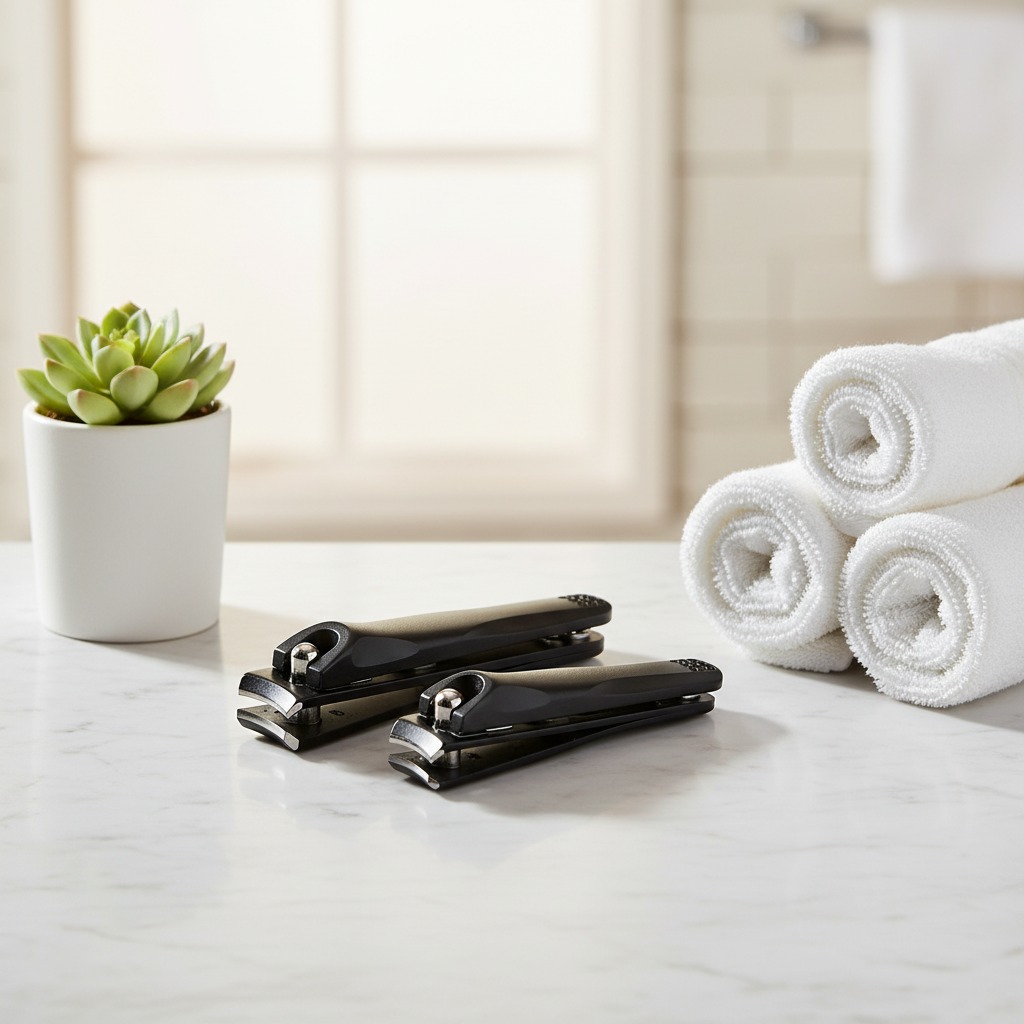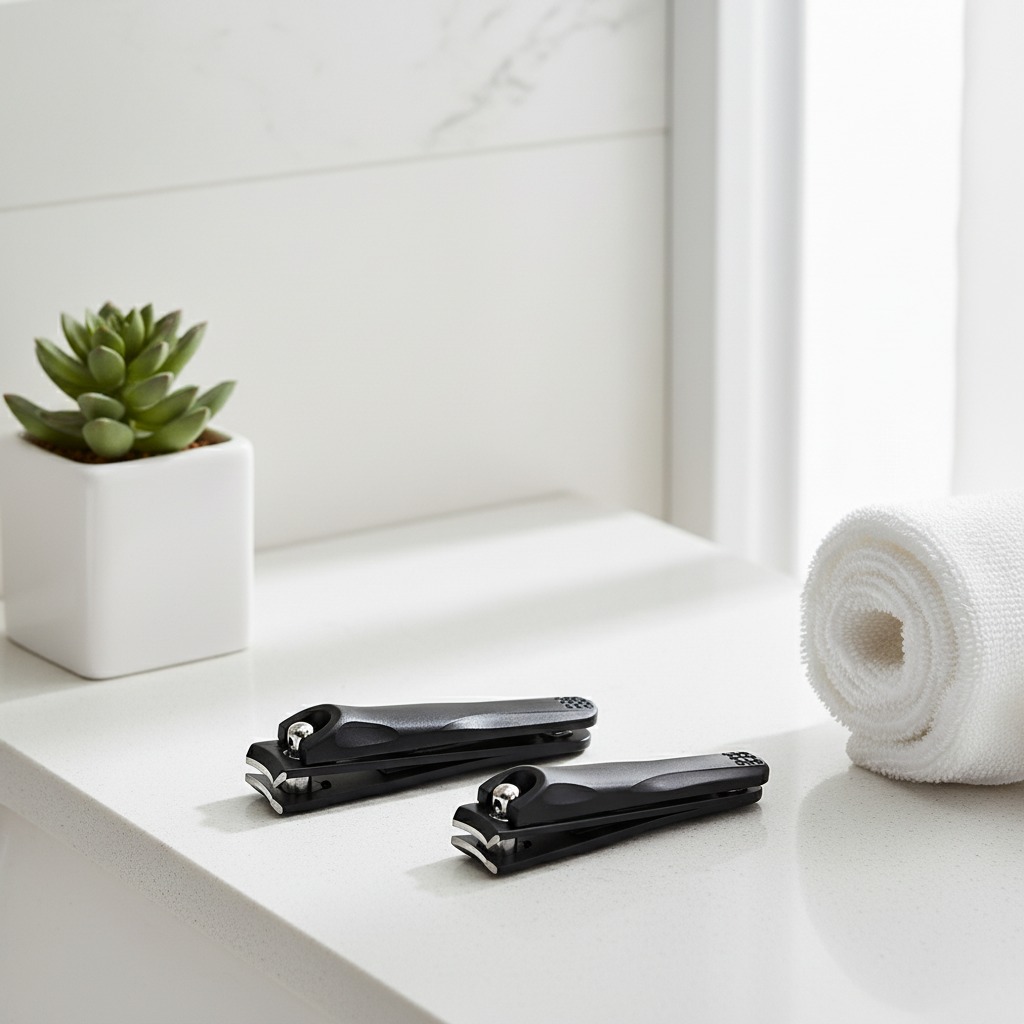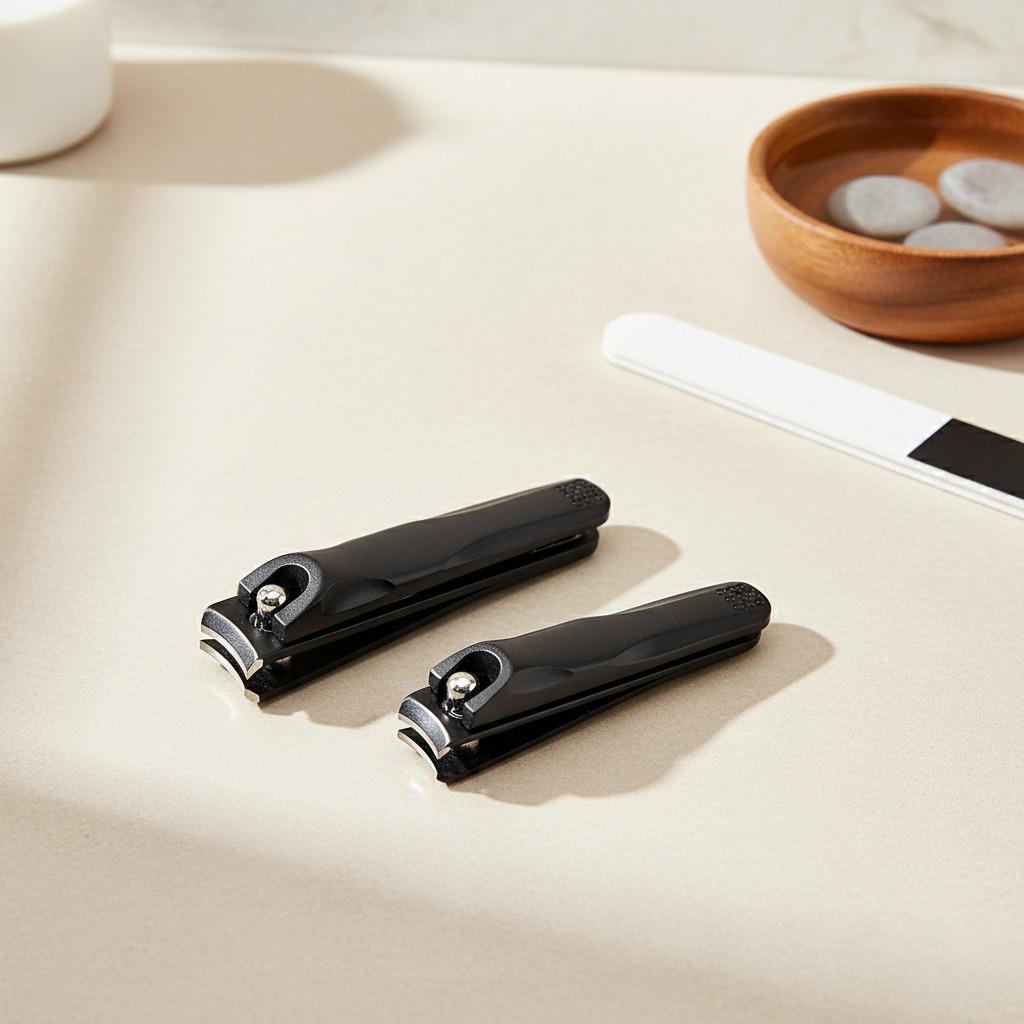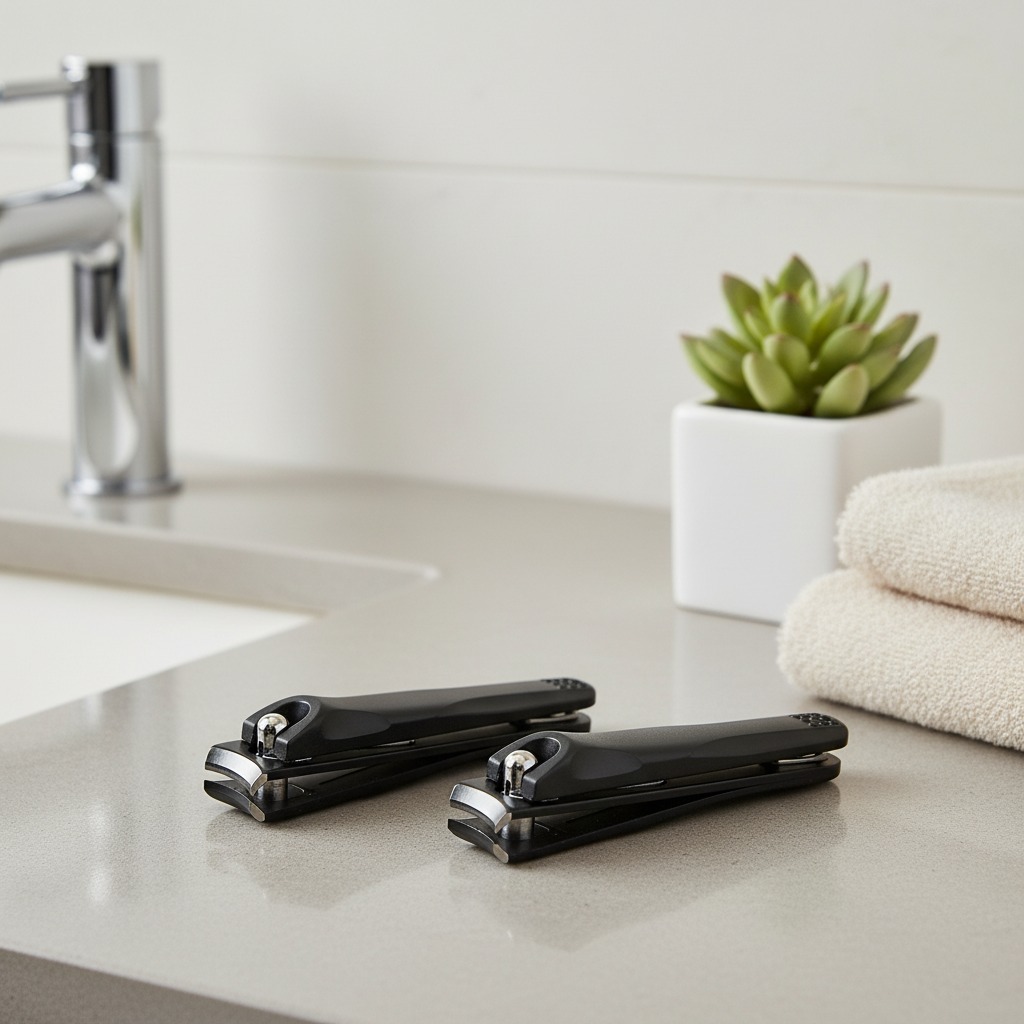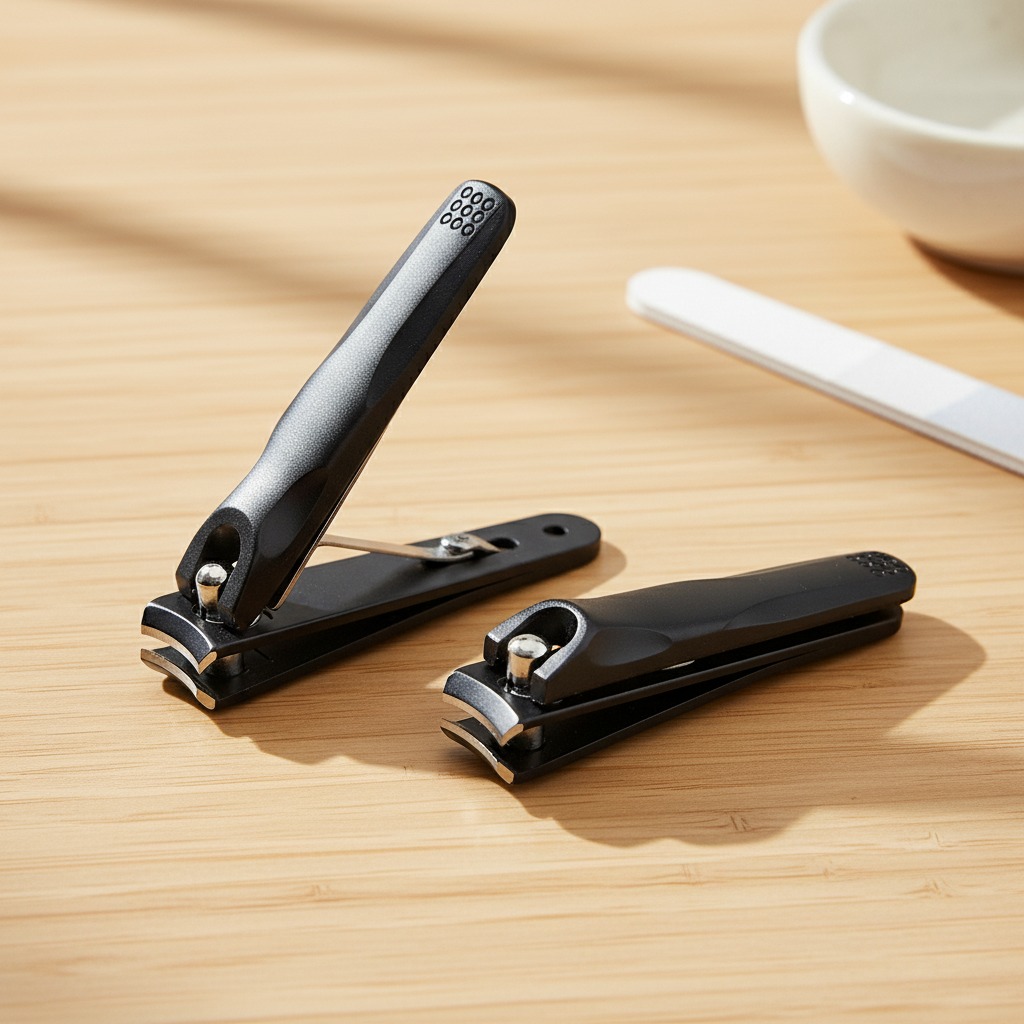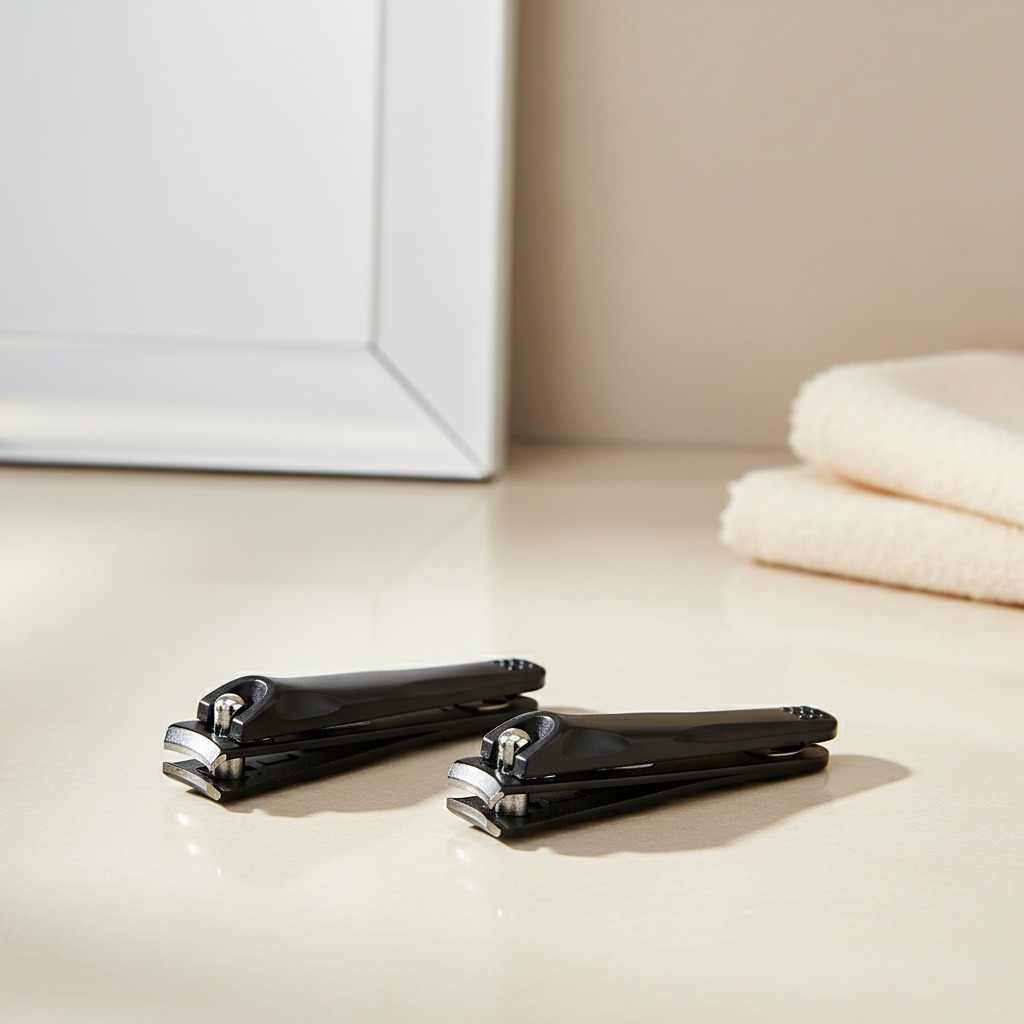











Buying pedicure tools in bulk is not only a purchasing task. For salons, spas, beauty retailers and distributors, it affects service consistency, hygiene routines, staff comfort and customer confidence. A low unit price can look attractive at first, but if tools arrive with uneven edges, weak alignment, uncomfortable handles or inconsistent finishing, the real cost appears in returns, technician frustration and a weaker client experience.
This guide explains how to evaluate pedicure tools bulk orders with a quality-first approach. It focuses on practical criteria buyers can use when comparing wholesale grooming tools, preparing an inquiry and reviewing samples. Whether you are sourcing for a single professional salon or planning a larger retail program, the goal is the same: choose tools that are consistent, durable, safe to handle and suitable for repeated use in a professional environment.
Start With the Use Case: Salon Service, Retail Sale or Kit Assembly
Before comparing suppliers, define exactly how the pedicure tools will be used. A salon that performs daily pedicure services may care most about technician comfort, cutting precision and compatibility with its cleaning workflow. A retailer may focus more on visual finish, packaging, shelf presentation and customer instructions. A distributor assembling beauty kits may need consistent size, weight and packaging dimensions across repeated orders.
This step prevents overbuying or choosing tools that do not fit the final application. For example, a heavy-duty tool may be appropriate for trained technicians but not ideal for a compact consumer kit. A basic item may be acceptable for an entry-level retail assortment but unsuitable for a spa that positions its service as professional and detail-focused.
Useful questions to clarify internally include:
- Will the tools be used by trained technicians, retail customers or both?
- Are they intended for repeated professional use or occasional personal grooming?
- Will they be sold individually, included in a set or used as back-bar salon equipment?
- What cleaning, storage and handling process will the end user follow?
- Is packaging mainly for protection, retail display or simple bulk handling?
Material and Finish: Why Stainless Steel Is Commonly Prioritized
The original quality of the metal strongly influences tool life and maintenance. Stainless steel is commonly preferred for professional grooming tools because it supports hygiene practices, resists rust better than many lower-grade materials and can hold a cleaner finish when properly manufactured. However, buyers should not rely on the phrase “stainless steel” alone. Different tools may require different hardness, thickness, finishing and edge treatment depending on their function.
When evaluating samples, inspect the surface carefully. Look for visible burrs, rough corners, discoloration, inconsistent polishing or gaps where residue could collect. For cutting tools, examine whether the cutting edges meet evenly without forcing the tool closed. For pushers, files or scraping surfaces, check whether the working edge is smooth enough for controlled use and not so rough that it creates unnecessary discomfort.
Finish quality also matters for brand perception. A tool that feels balanced and looks clean communicates professionalism before it is used. In a retail setting, scratches, stains or uneven shine can make the product look second-rate even if the basic function is acceptable. In salon use, a well-finished tool is easier to handle, clean and organize.
Ergonomics and Technician Control in Daily Pedicure Work
Pedicure tools are handled repeatedly, often for detailed work that requires control. Ergonomic design is therefore more than a comfort feature; it affects accuracy and fatigue. A tool that is too slippery, too narrow, poorly balanced or difficult to grip can slow down service and increase strain on the technician’s hand.
For bulk purchasing, ask several people to test the sample rather than relying on one opinion. Different hand sizes and work habits can reveal issues that are easy to miss. A clipper may feel sharp but require too much pressure. A pusher may look good but become uncomfortable after extended use. A tweezer may align well once but lose grip when handled repeatedly.
During sample review, pay attention to these practical details:
- Grip stability: The tool should not twist easily in the hand during controlled movement.
- Balance: Weight should feel appropriate for the tool type and not pull the hand forward awkwardly.
- Edge control: Working edges should allow precision without excessive pressure.
- Spring or hinge action: Moving parts should open and close smoothly without sticking.
- Comfort over time: A tool that feels acceptable for one minute may become tiring after a full service schedule.
Precision and Consistency: The Core of a Good Bulk Order
One strong sample is not enough. In bulk orders, consistency is the real test. A professional buyer should think about whether every unit in the order will perform in the same way. This is especially important for nail clippers, nippers, tweezers and other tools where alignment directly affects performance.
For cutting or gripping tools, small inconsistencies can be significant. Uneven cutting edges may leave rough nail edges. Poorly aligned tweezers may fail to grip cleanly. Loose hinges may feel unstable. Overly stiff action may make the tool unpleasant to use. These issues can create service delays or customer complaints even when the product appears acceptable at a glance.
When comparing wholesale grooming tools, request enough samples to review more than one unit where possible. If you are preparing a larger program, build an internal inspection checklist and keep approved samples for reference. This helps your team compare later deliveries against the agreed standard instead of relying on memory.
Quality Assurance Questions for Pedicure Tools Bulk Orders
A dependable supplier should be able to explain how product quality is controlled through the manufacturing and packaging process. Buyers do not need to know every technical detail, but they should understand what is checked, when it is checked and how problems are handled before shipment.
The table below shows practical inspection points that matter for many pedicure tool purchases:
| Inspection area | What to check | Why it matters |
|---|---|---|
| Material and surface | Clean finish, no rust marks, no sharp burrs outside the working edge | Supports hygiene routines, appearance and safer handling |
| Alignment | Tips, blades or jaws meet evenly | Improves cutting, gripping and service consistency |
| Movement | Hinges, springs or joints operate smoothly | Reduces hand strain and rejects caused by stiffness or looseness |
| Edge quality | Working edge is suitable for the intended function | Affects precision, comfort and final grooming result |
| Packaging | Tools are protected from scratching, moisture and movement in transit | Helps goods arrive in sellable or usable condition |
For professional procurement, quality assurance is not just about rejecting defective products. It is about reducing variation before the order leaves the factory. Clear specifications, approved samples, packaging expectations and inspection criteria all help create a smoother purchase.
Packaging, Labeling and Storage Considerations
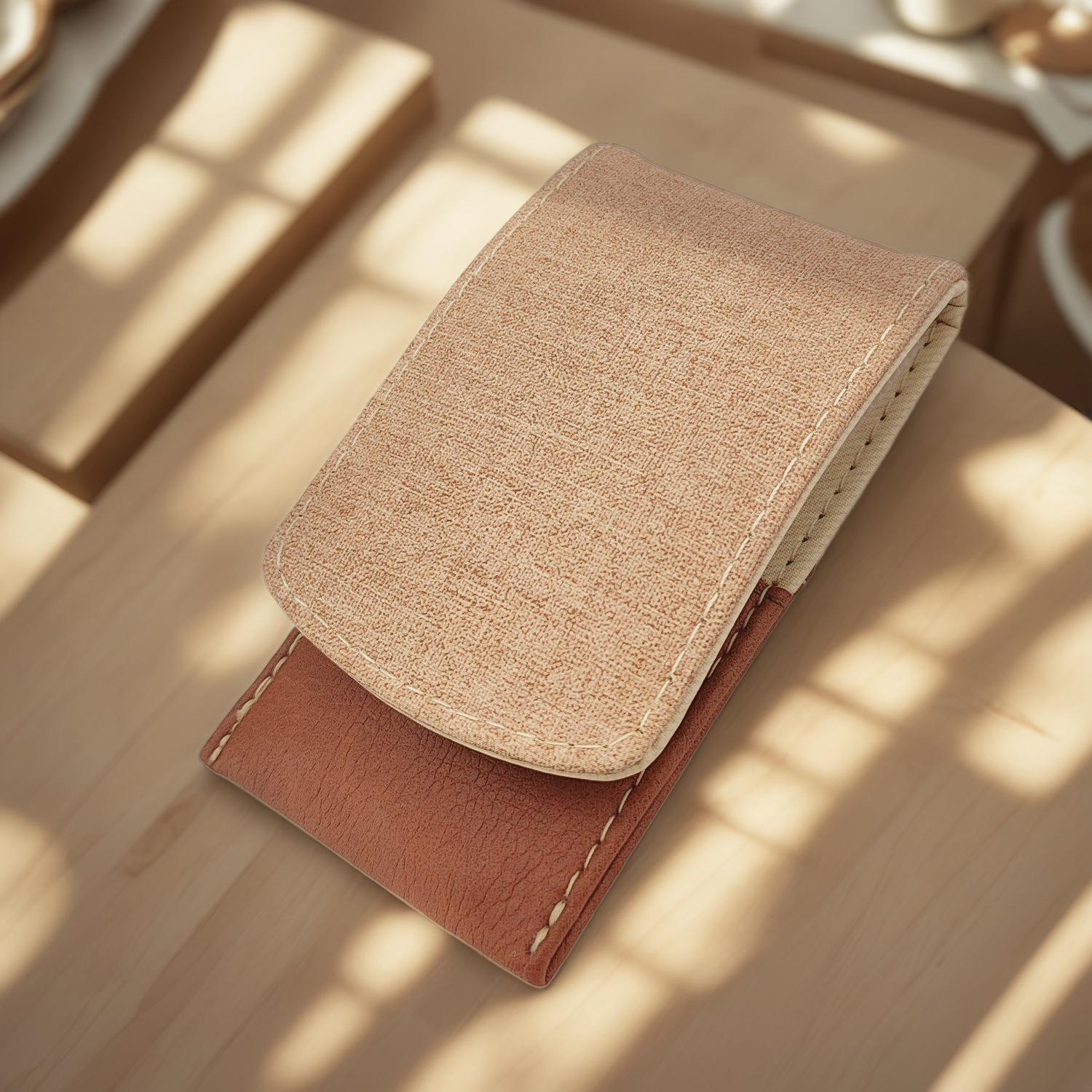
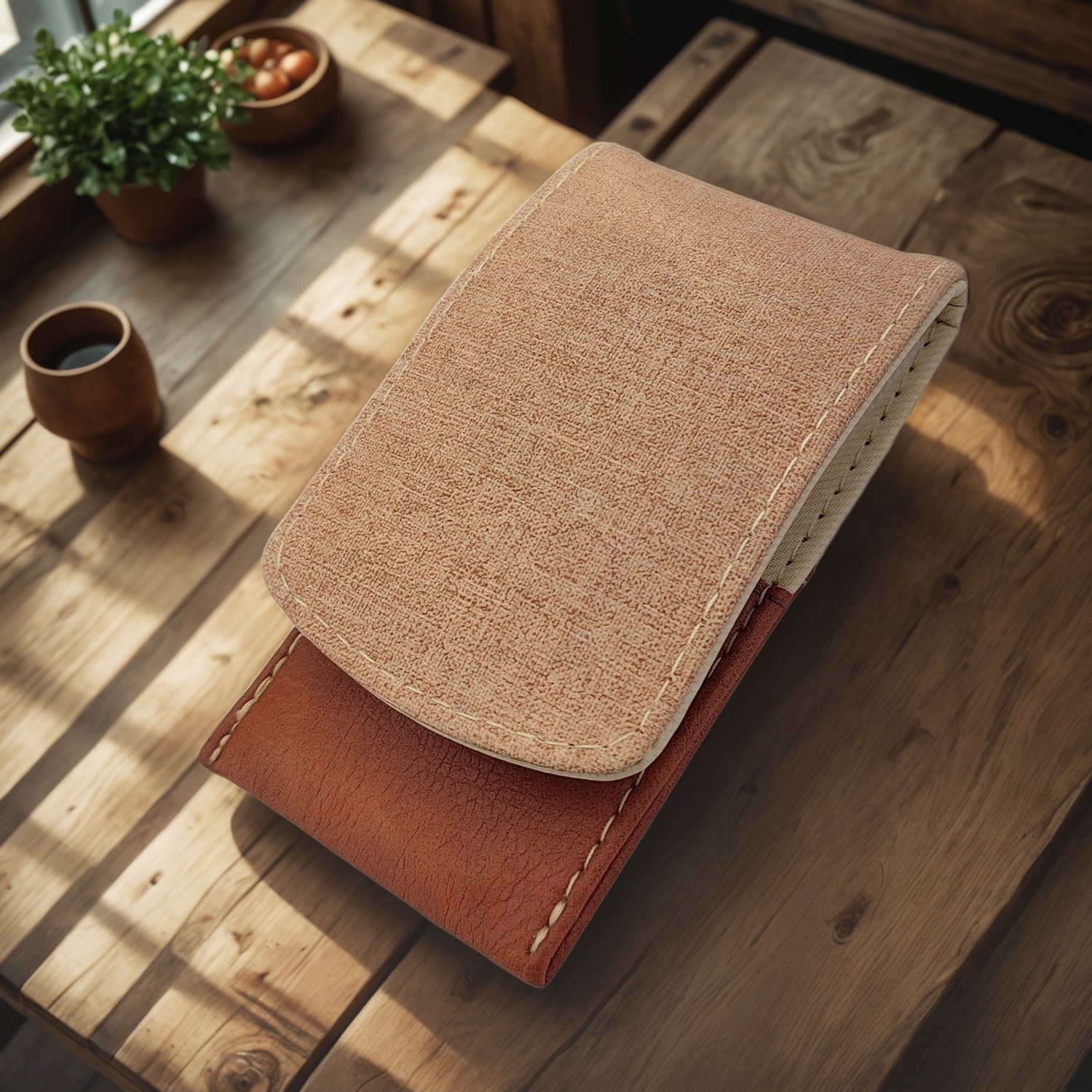
Packaging should match the sales channel and handling environment. For salon back-room use, the priority may be protection during transit and easy counting on arrival. For retail sale, packaging must also support display, customer understanding and a clean first impression. For kit assembly, dimensions and repeatability are important because small packaging differences can affect packing efficiency.
Bulk pedicure tools should be protected from unnecessary friction, moisture exposure and pressure during shipping. Scratched surfaces, bent tips or damaged packaging can make a new product look used. If tools include sharp or pointed working areas, packaging should also help prevent accidental damage during handling.
Storage after arrival matters as well. Keep tools dry, organized and separated by product type. Avoid mixing loose tools in a way that causes edges to collide. For salons, clean storage procedures should align with local hygiene requirements and the tool’s intended use. For retailers, cartons should be stored in conditions that preserve packaging appearance until the products reach the shelf.
How to Compare Suppliers Without Focusing Only on Price
Price is important, but it should be reviewed together with quality stability, communication and the supplier’s ability to follow agreed requirements. A very low price may not be valuable if the order produces high defect rates, inconsistent finishing or packaging damage. On the other hand, the most expensive option is not automatically the best fit if the tool does not match your customer’s needs.
When comparing suppliers, look for practical signs of professionalism: clear product communication, willingness to discuss specifications, sample consistency, realistic production information and organized order follow-up. Olimor Beauty focuses on beauty tools and related sourcing needs, so buyers can review available beauty tool products and broader product collections to understand which items may fit their purchasing plan.
It is also helpful to prepare your inquiry clearly. Include intended use, target market, estimated order direction, packaging needs and any inspection priorities. This allows the supplier to respond with more relevant information and reduces misunderstandings later. If you are ready to discuss a project, you can send an inquiry with your requirements or contact Olimor for purchasing communication.
A Practical Buyer Checklist Before Confirming an Order
Before confirming a pedicure tools bulk order, take time to review the order as a complete product program rather than a single item. The following checklist can help reduce avoidable mistakes:
- Confirm the tool type, intended user and service or retail purpose.
- Review sample quality for surface finish, alignment, edge condition and comfort.
- Test the tool in a realistic handling scenario, not only by visual inspection.
- Define packaging requirements for transit protection, retail display or kit assembly.
- Agree on reference samples or documented quality expectations.
- Clarify how goods should be packed, counted and labeled for receiving.
- Plan arrival inspection so issues can be recorded quickly and accurately.
- Consider long-term repeatability if you expect to reorder the same product.
This process does not need to be complicated, but it should be consistent. A simple checklist gives your purchasing, operations and sales teams a shared standard when evaluating products.
Final Thoughts on Buying Pedicure Tools in Bulk
Quality pedicure tools support better services, smoother retail experiences and stronger customer trust. For bulk buyers, the best decisions come from looking beyond the unit price and examining the full picture: material, finish, ergonomics, precision, packaging, quality control and supplier communication.
By defining your use case, reviewing samples carefully and setting clear expectations before production, you reduce risk and improve the chance of receiving tools that meet your business needs. A thoughtful sourcing process helps ensure that every pedicure tool you buy in bulk is not only presentable on arrival, but also practical for the professionals or customers who will use it.