










What Is an OEM Personal Care Tools Supplier?
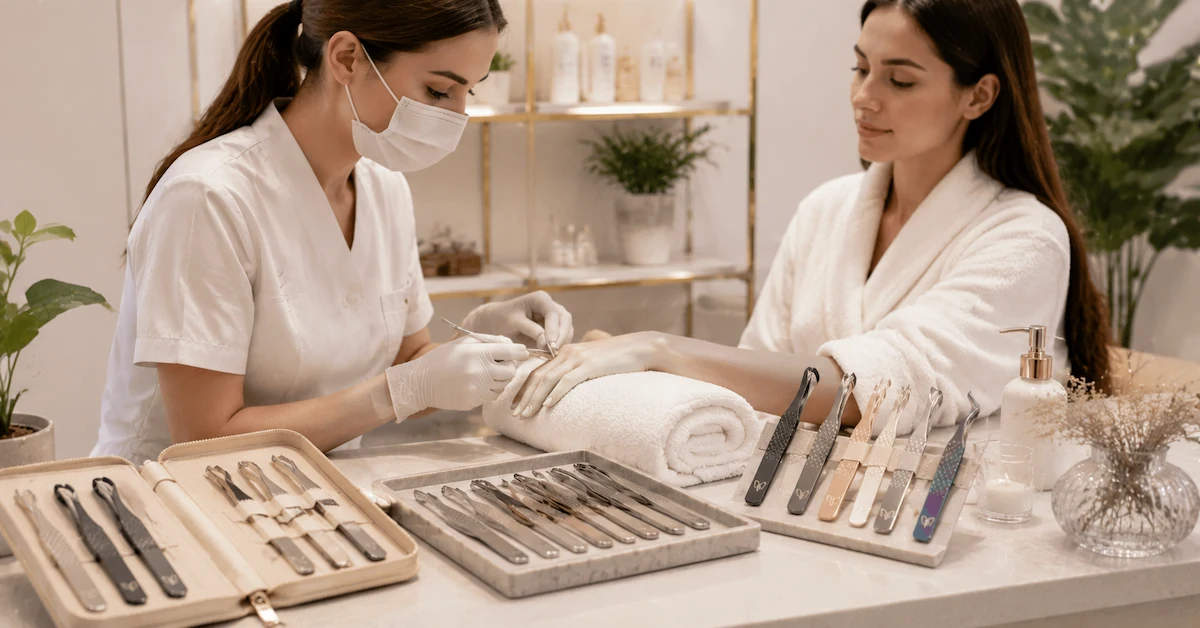
An OEM personal care tools supplier provides customized manufacturing solutions for brands, retailers, ecommerce sellers, and distributors that want to develop personal care products under their own brand.
Unlike standard wholesalers that mainly provide ready-made products, OEM suppliers support buyers through multiple stages, including:
- Product selection
- Product customization
- Sample development
- Logo branding
- Packaging design
- Mass production
- Quality inspection
For companies entering the beauty and personal care market, choosing the right OEM partner can influence:
- Product quality
- Brand reputation
- Customer satisfaction
- Repeat purchase opportunities
- Long-term product expansion
A reliable OEM supplier should not only provide products but also understand the commercial goals behind each project.
For example:
A beauty brand may need a complete grooming collection.
An ecommerce seller may need differentiated products with customized packaging.
A retailer may need private label products suitable for shelves and online channels.
OLIMOR BEAUTY provides professional beauty and personal care tool solutions for global brands, retailers, and distributors. Buyers can explore the complete OLIMOR product collection to understand available product categories.
Why Brands Choose OEM Personal Care Tools Suppliers
Building a personal care product line requires more than purchasing existing products.
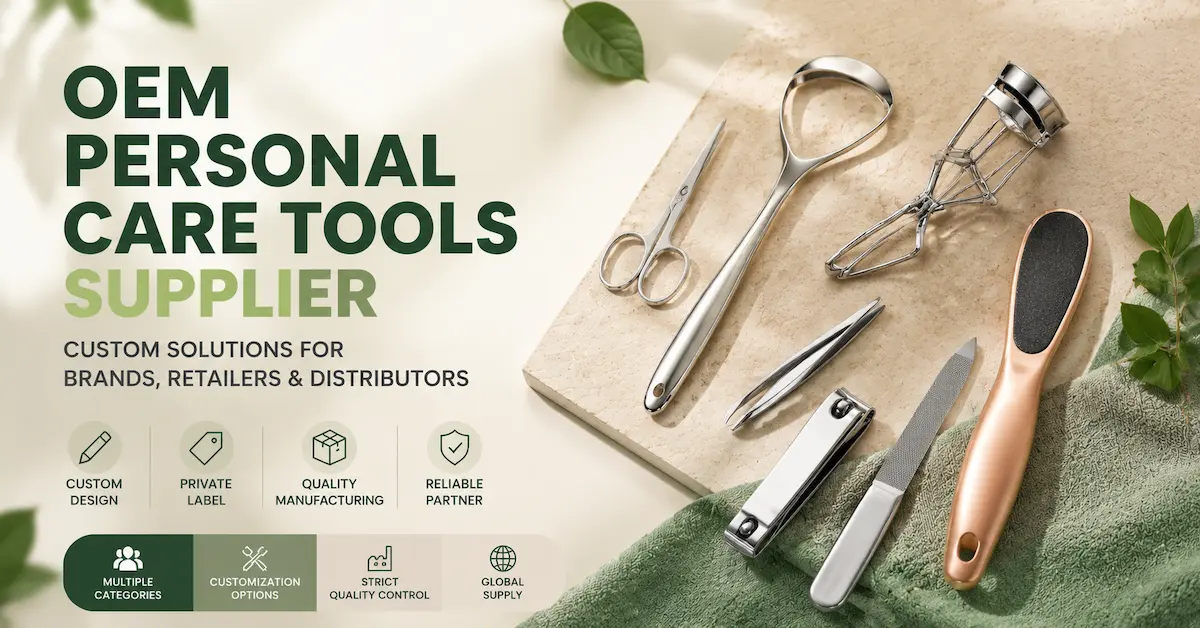
Brands increasingly work with OEM suppliers because they need:
- Product differentiation
- Brand ownership
- Flexible customization
- Stable supply
- Professional manufacturing support
Create Products Under Your Own Brand
OEM cooperation allows companies to develop products that match their own market positioning.
Customization opportunities may include:
- Product selection
- Logo placement
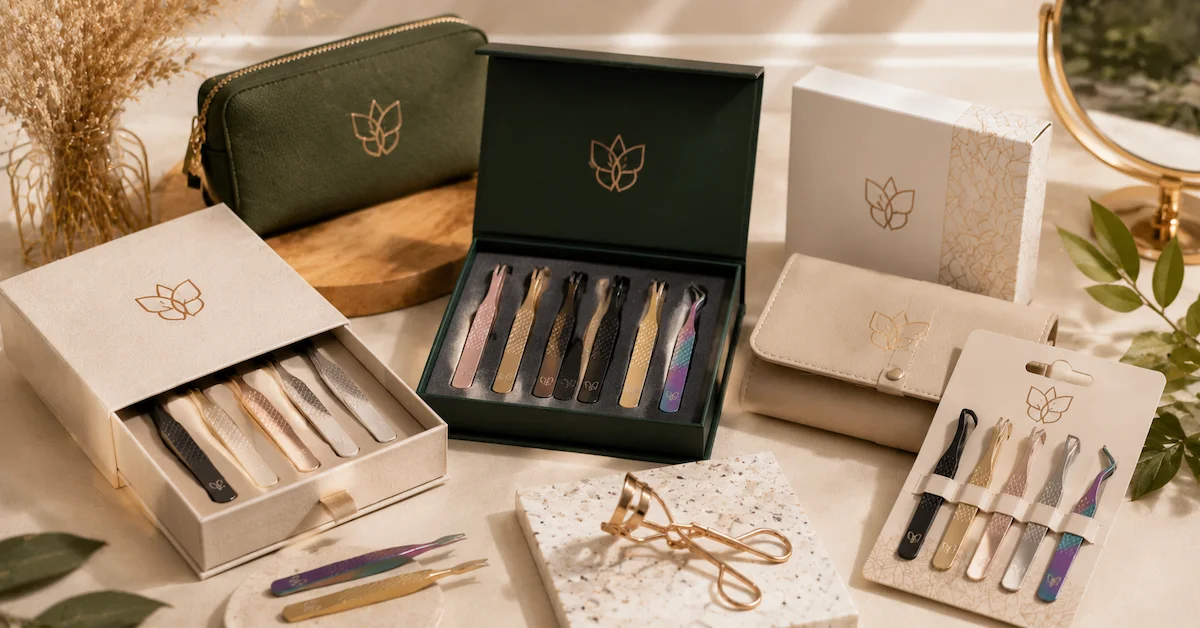
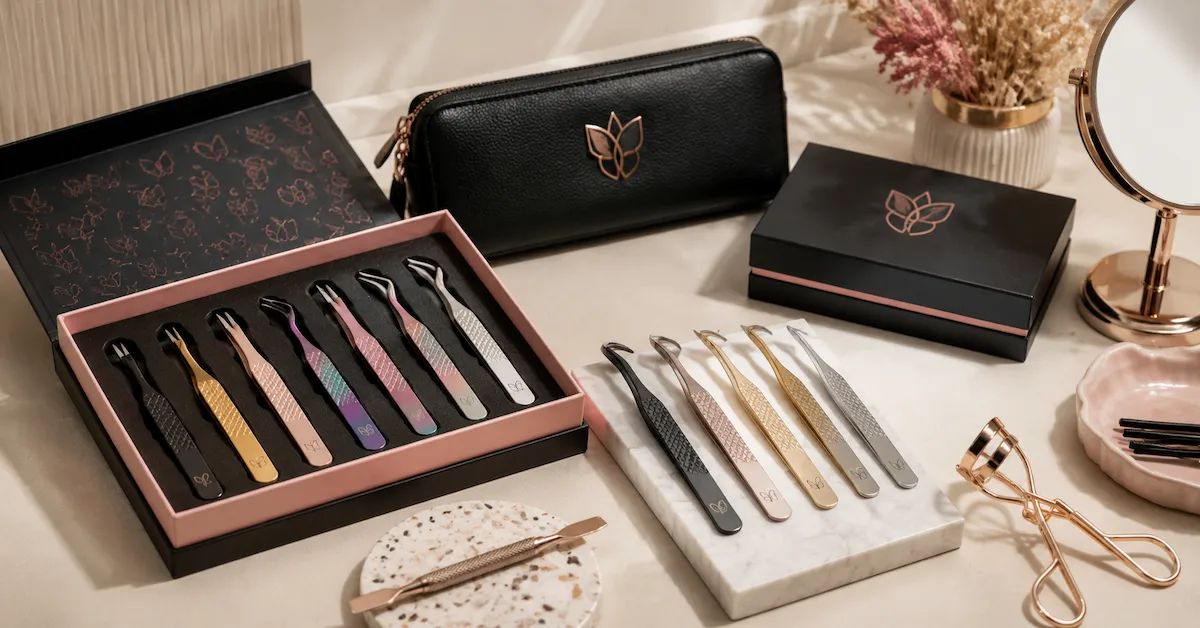
- Packaging design
- Product combinations
- Appearance preferences
This gives brands more control over how customers see and experience the product.
Build Complete Personal Care Product Collections
Many buyers no longer want only one product.
Instead, they develop product collections.
Examples:
Nail Care Collection
Including:
- Nail Clippers
- Nail Files
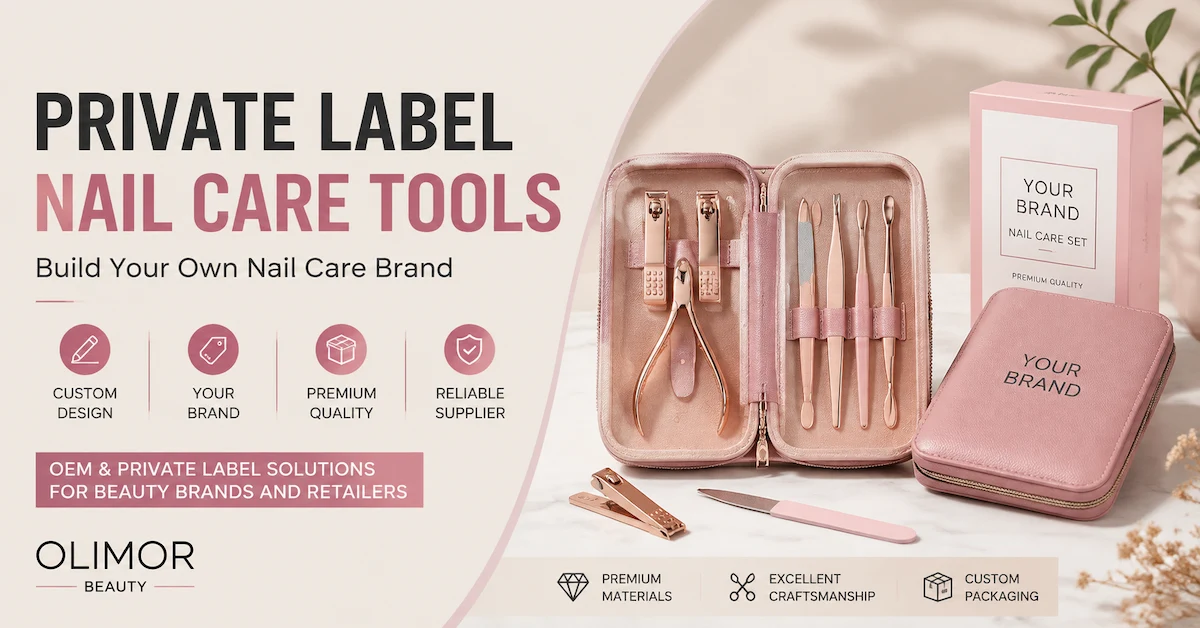
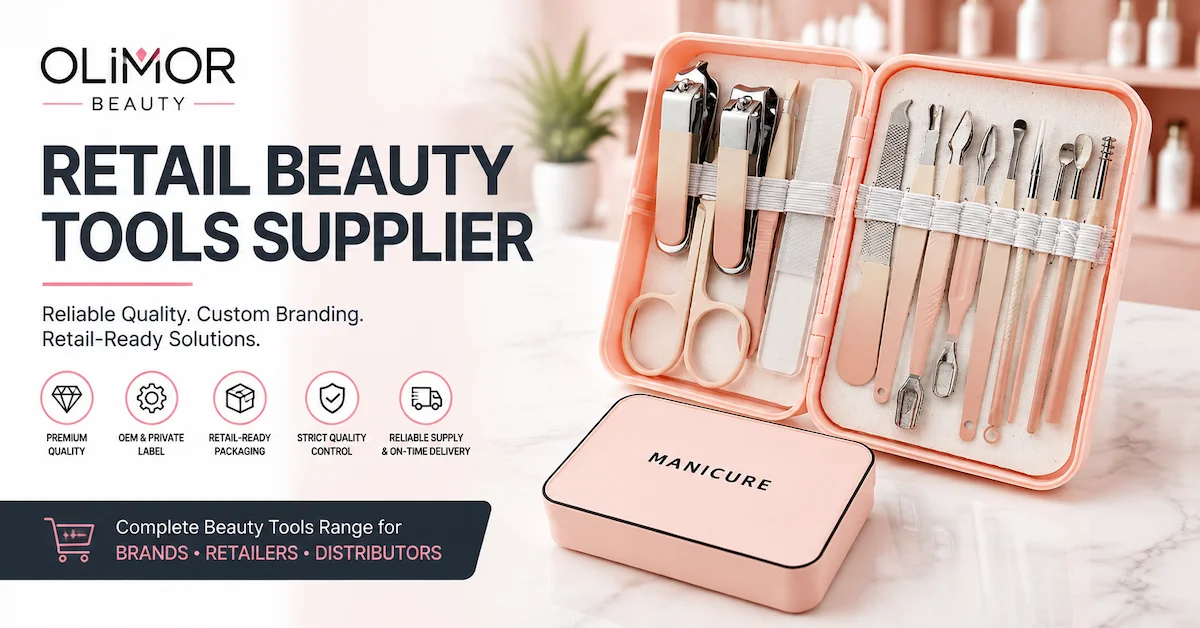
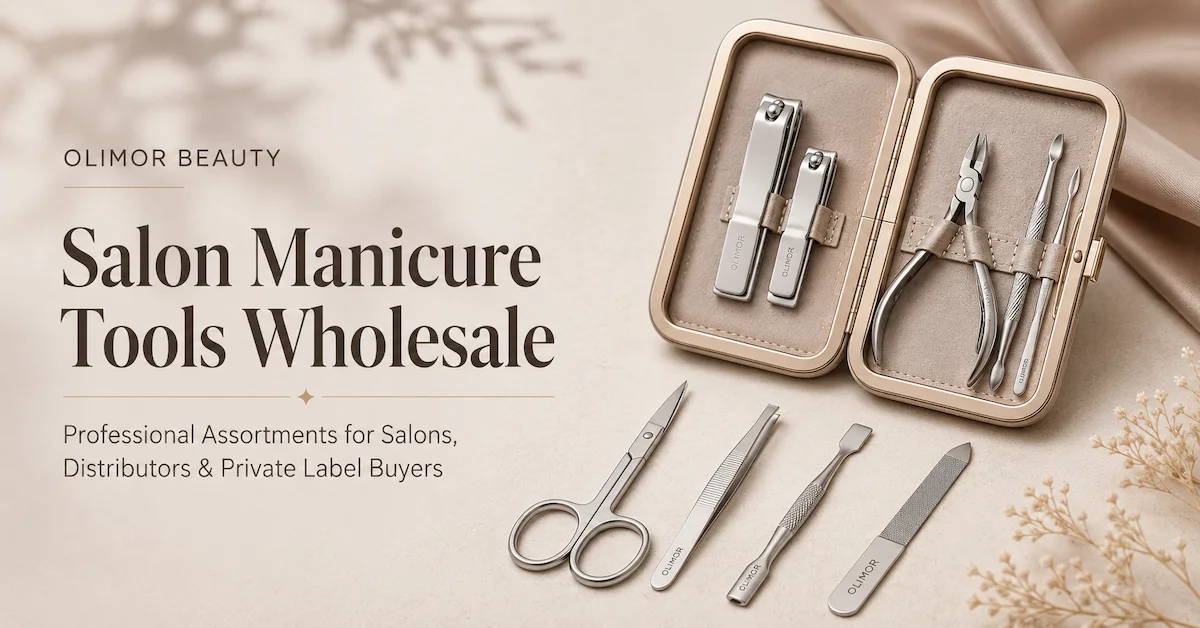
- Manicure Sets
- Cuticle Tools
Lash & Brow Collection
Including:
- Eyelash Curlers
- Eyebrow Razors
- Tweezers
- Beauty Scissors
Foot Care Collection
Including:
- Foot Files
- Pedicure Tools
- Foot Care Accessories
Oral Care Collection
Including:
- Tongue Scrapers
- Personal Hygiene Tools
A supplier with multiple categories helps brands create a consistent product portfolio.
Reduce Product Development Complexity
For many businesses, managing multiple factories creates additional challenges.
A capable OEM personal care tools supplier can help coordinate:
- Product specifications
- Sample confirmation
- Packaging requirements
- Production schedules
- Quality expectations
This reduces communication complexity and improves project efficiency.
Personal Care Tools Categories Supported by OEM Suppliers
A professional OEM supplier should understand different product categories because each tool requires different manufacturing and quality considerations.
Nail Care Tools
Nail care products are among the most common personal care tools for brands and retailers.
Typical products include:
- Nail Clippers
- Manicure Sets
- Nail Files
- Cuticle Tools
- Nail Care Kits
For OEM nail care projects, buyers should consider:
- Cutting performance
- Material quality
- Surface finishing
- Ergonomic design
- Packaging presentation
For brands developing manicure collections, OLIMOR provides different nail tool solutions including Manicure & Nail Tools.
Lash and Brow Tools
Lash and brow tools are popular categories for beauty brands and ecommerce sellers.
Common products include:
- Eyelash Curlers
- Eyebrow Razors
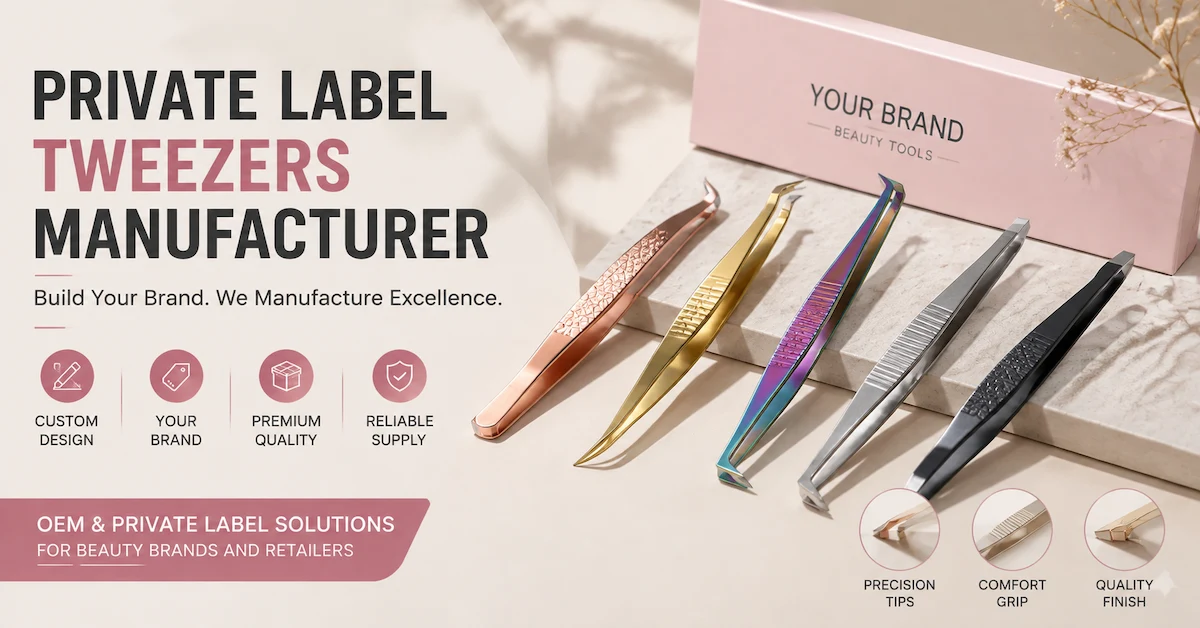
- Tweezers
- Beauty Scissors
Important manufacturing factors include:
- Precision
- Alignment
- Product comfort
- Surface quality
- Visual appearance
For example:
A tweezer requires accurate tip alignment.
An eyelash curler requires stable movement and suitable curvature.
An eyebrow razor requires careful blade assembly and finishing.
Related OLIMOR products can be viewed through the Lash & Brow Tools collection.
Foot Care Tools
Foot care products solve specific customer needs and are suitable for both retail and ecommerce markets.
Common products include:
- Foot Files
- Pedicure Tools
- Foot Care Kits
Important considerations include:
- Surface consistency
- Handle comfort
- Product durability
- Packaging protection
For brands targeting personal care and wellness markets, foot care tools can also become part of larger self-care collections.
Oral Care Tools
Personal care brands are also expanding into oral hygiene accessories.
Examples include:
- Tongue Scrapers
- Oral Care Accessories
For OEM oral care projects, buyers should evaluate:
- Material specification
- Surface finishing
- Product safety
- Packaging communication
OLIMOR's Tongue Scraper products support brands looking to develop reusable personal care products.
OEM Personal Care Tools Customization Options
Customization is one of the main reasons brands choose OEM suppliers.
However, customization should be planned according to product category, target market, and production requirements.
Product Customization
Depending on the product, OEM customization may include:
- Product model selection
- Size adjustment
- Shape preferences
- Product combinations
- Functional requirements
For example:
A manicure brand may customize a complete tool set.
An ecommerce brand may create a compact travel beauty kit.
A gift company may develop a premium packaged collection.
Logo and Brand Customization
Brand identity is important for private label products.
Possible branding options include:
- Logo marking
- Product branding
- Packaging logo
- Label customization
The exact method depends on:
- Product material
- Surface structure
- Manufacturing process
Therefore, logo requirements should always be confirmed during the sample stage.
Packaging Customization
Packaging affects both product protection and customer perception.
Common OEM packaging solutions include:
- Retail boxes
- Gift packaging
- Product cards
- Storage cases
- Inserts
- Custom sets
Different channels have different requirements.
Ecommerce Packaging
Focus on:
- Shipping protection
- Product presentation
- Compact structure
Retail Packaging
Focus on:
- Shelf visibility
- Brand communication
- Product information
Gift Packaging
Focus on:
- Premium appearance
- Product value perception
- Complete presentation
OEM Personal Care Tools Manufacturing Process
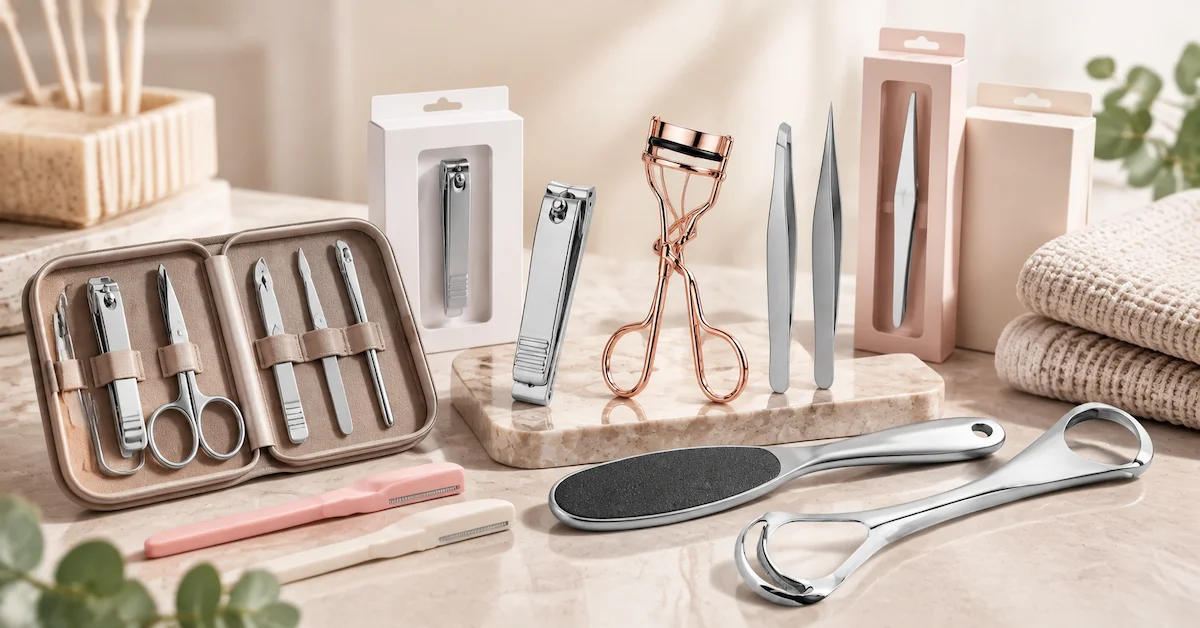
A professional OEM process helps transform product ideas into finished products.
Step 1: Requirement Discussion
The supplier and buyer confirm:
- Product category
- Target market
- Quantity
- Branding requirements
- Packaging expectations
- Quality standards
Clear communication at the beginning reduces later adjustments.
Step 2: Product Selection and Development
The buyer selects:
- Existing products
- Customized options
- Product combinations
The supplier evaluates:
- Manufacturing feasibility
- Material options
- Production requirements
Step 3: Sample Development
Before bulk production, samples should confirm:
- Product appearance
- Function
- Material
- Logo
- Packaging
Samples allow buyers to evaluate the actual product instead of relying only on descriptions.
Step 4: Sample Approval
Approval should include both:
Functional Review
Checking:
- Product operation
- Performance
- Comfort
- Durability
Appearance Review
Checking:
- Finish
- Color
- Branding
- Packaging
Step 5: Mass Production
After approval,production begins with:
- Manufacturing
- Assembly
- Inspection
- Packaging
A stable production process helps ensure repeat orders maintain consistent quality.
Quality Control Standards for OEM Personal Care Tools
For brands developing personal care products, quality control is one of the most important factors when selecting an OEM supplier.
A professional supplier should not define quality only through appearance. Personal care tools directly interact with users, so buyers should evaluate:
- Product function
- Material consistency
- Surface finishing
- Assembly quality
- Packaging accuracy
- Batch consistency
Different product categories require different inspection standards.
| Product Category | Key QC Points |
|---|---|
| Nail Clippers | Blade alignment, cutting performance, lever movement |
| Tweezers | Tip alignment, gripping accuracy, tension |
| Eyelash Curlers | Frame movement, curvature, pad position |
| Eyebrow Razors | Blade assembly, edge finishing, structure stability |
| Foot Files | Surface consistency, handle strength,durability |
| Tongue Scrapers | Material specification, edge smoothness, surface finish |
Functional Quality Inspection
Functional performance directly affects customer experience.
Nail Tool Inspection
For nail clippers, buyers should check:
- Cutting smoothness
- Blade alignment
- Handle operation
- Pivot stability
A product may look visually attractive but still fail if the cutting mechanism does not perform consistently.
Precision Tool Inspection
For products such as tweezers and cuticle tools, inspection should focus on:
- Tip alignment
- Closing accuracy
- Grip performance
- Spring response
Small manufacturing differences can affect the user experience.
Moving Component Inspection
Products with moving structures, such as eyelash curlers or scissors, require attention to:
- Smooth operation
- Structural stability
- Proper assembly
- Consistent movement
Material and Surface Quality Control
Materials and finishing influence both appearance and product reliability.
A professional OEM supplier should control:
- Material specifications
- Surface treatment
- Polishing consistency
- Color consistency
- Visible defects
Common appearance issues buyers should check include:
- Scratches
- Uneven finishing
- Surface marks
- Color differences
- Poor assembly appearance
For premium beauty tools, surface quality directly influences customer perception.
Packaging Quality Control
Packaging is part of the final product experience.
A complete inspection should include:
- Correct packaging artwork
- Accurate product information
- Product protection
- Proper placement
- Label accuracy
For ecommerce sellers, packaging should also consider:
- Shipping protection
- Product presentation
- Customer unboxing experience
For gift businesses, packaging quality can directly affect perceived product value.
How to Choose a Reliable OEM Personal Care Tools Supplier
Choosing the right supplier requires evaluating more than product price.
A suitable OEM partner should provide:
- Manufacturing experience
- Product knowledge
- Customization ability
- Quality management
- Stable communication
Evaluate Product Experience
A supplier with experience across multiple personal care categories can better understand different product requirements.
For example:
A nail clipper requires cutting performance control.
A tweezer requires precision alignment.
A tongue scraper requires edge finishing and surface quality.
A professional supplier should be able to discuss these technical details clearly.
Check OEM and Private Label Capability
Brands should confirm whether the supplier supports:
- Custom product projects
- Logo branding
- Packaging customization
- Product combinations
- Long-term production cooperation
A true OEM partner should help transform an idea into a finished product instead of only offering existing inventory.
Review Sample Development Process
A reliable supplier should have a clear sample workflow:
Requirement Confirmation
↓
Product Selection
↓
Sample Development
↓
Customer Review
↓
Modification
↓
Approval
↓
Mass Production
The sample should become the reference standard for bulk production.
Confirm Production Consistency
For brands, the first order is not the final goal.
Long-term success depends on whether the supplier can maintain consistency across:
- Repeat orders
- Different production batches
- Packaging updates
- Product expansion
Stable production helps reduce:
- Customer complaints
- Returns
- Rework costs
- Brand reputation risks
OEM Supplier vs Trading Supplier
Both OEM suppliers and trading suppliers can support business needs, but their roles are different.
| Factor | OEM Personal Care Tools Supplier | Trading Supplier |
|---|---|---|
| Production communication | Direct manufacturing communication | Usually indirect |
| Product customization | Stronger support | Depends on factory |
| Technical discussion | Manufacturing-focused | Sourcing-focused |
| Sample modification | More direct | Requires coordination |
| Product development | Suitable | Depends on supplier |
| Long-term OEM projects | Better fit | Depends on model |
For companies building private label personal care brands, direct cooperation with an OEM supplier often provides better control over product development.
However, buyers should choose based on their actual business model.
Common Mistakes When Selecting an OEM Personal Care Tools Supplier
Choosing Only Based on Price
The lowest quotation does not always represent the lowest total cost.
A cheaper product may create additional expenses through:
- Quality problems
- Returns
- Rework
- Packaging issues
- Delayed delivery
Buyers should compare:
- Product specification
- Quality standards
- Packaging
- Service capability
rather than only unit price.
Ignoring Product Specifications
Many sourcing problems happen because requirements are unclear.
Before production, buyers should define:
- Product model
- Material
- Size
- Finish
- Logo
- Packaging
- Quality expectations
Clear specifications reduce misunderstanding.
Skipping Sample Approval
Bulk production should not begin without approved samples.
Sample approval should confirm:
- Product function
- Appearance
- Branding
- Packaging
- User experience
Working With a Supplier Without Expansion Capability
Many brands start with one product but later expand.
A supplier with multiple personal care categories can support future development.
For example:
A brand may begin with:
- Eyebrow Razor
and later expand into:
- Tweezers
- Eyelash Curlers
- Manicure Sets
- Foot Care Tools
This creates a more complete product ecosystem.
OEM Personal Care Tools Opportunities for Different Buyers
Beauty Brands
OEM manufacturing helps beauty brands create:
- Exclusive product collections
- Consistent branding
- Custom packaging
- Market-specific products
Ecommerce Sellers
Online sellers can use OEM solutions to create:
- Differentiated products
- Private label listings
- Gift-ready packaging
- Product bundles
Retailers
Retail companies can develop:
- Store-brand products
- Exclusive collections
- Seasonal beauty products
Distributors
Distributors benefit from:
- Stable supply
- Multiple product categories
- Long-term cooperation
Gift Companies
OEM personal care tools can be developed into:
- Beauty gift sets
- Promotional products
- Corporate gifts
How OLIMOR Supports OEM Personal Care Tools Projects
OLIMOR BEAUTY provides professional personal care tool solutions for global brands, retailers, ecommerce sellers, and distributors.
The product range includes:
- Nail Care Tools
- Lash & Brow Tools
- Foot Care Tools
- Oral Care Tools
- Grooming Accessories
Through OEM and private label cooperation, OLIMOR supports:
- Product selection
- Custom branding
- Packaging solutions
- Sample confirmation
- Quality inspection
Brands can explore the OLIMOR product collection or learn more about the company's capabilities through the About OLIMOR page.
For OEM project discussions, buyers can contact OLIMOR through the contact page.
FAQ About OEM Personal Care Tools Suppliers
What is an OEM personal care tools supplier?
An OEM personal care tools supplier develops and manufactures personal care products according to buyer requirements, including customization, branding, packaging, and production support.
What products can OEM personal care tools suppliers provide?
Common products include:
- Nail tools
- Beauty tools
- Grooming tools
- Lash and brow tools
- Foot care tools
- Oral care tools
Can I create my own private label personal care tools?
Yes.OEM suppliers can support private label projects through product customization, branding, and packaging development.
What customization options are available?
Customization may include:
- Product selection
- Logo branding
- Packaging design
- Product combinations
- Appearance details
How do I choose an OEM personal care tools supplier?
Evaluate:
- Manufacturing experience
- Product categories
- Quality control system
- Sample process
- Customization capability
- Communication efficiency
Can one supplier provide multiple personal care products?
Yes.Many brands prefer suppliers that can support multiple categories because it simplifies sourcing and helps maintain consistent brand presentation.
What should I prepare before requesting an OEM quotation?
Prepare:
- Product requirements
- Target market
- Order quantity
- Branding requirements
- Packaging needs
- Quality expectations
How long does OEM personal care tool production take?
Production time depends on:
- Product type
- Customization requirements
- Sample approval
- Order quantity
- Packaging complexity
Specific lead times should be confirmed according to the actual project.
Conclusion
Choosing the right OEM personal care tools supplier helps brands create customized products with better control over quality, branding, packaging, and long-term development.
A reliable OEM partner should provide:
- Product expertise
- Manufacturing capability
- Customization support
- Quality management
- Stable cooperation
For beauty brands, retailers, ecommerce sellers, and distributors, OEM manufacturing provides an effective way to build differentiated personal care product lines.
OLIMOR BEAUTY supports global partners with customized beauty and personal care tool solutions, helping businesses develop market-ready products from concept to production.
Explore the OLIMOR product range or contact OLIMOR BEAUTY to discuss your OEM personal care tools project.