










Nail files are small, low-cost tools, but they influence the speed, comfort and finish of almost every manicure and pedicure service. For salons, spas, nail bars, beauty schools, retailers and distributors, buying nail files wholesale is not only about reducing the unit cost. It is about choosing a stable supply of tools that technicians can use confidently, customers can understand easily and purchasing teams can reorder without surprises.
The right wholesale nail file supports smooth shaping, predictable control, practical hygiene routines and clean presentation. The wrong file may feel too harsh, lose its abrasive surface quickly, bend during use, arrive with rough edges or vary from batch to batch. Those problems can slow appointments, increase replacements and weaken customer confidence.
This guide explains how professional beauty buyers can compare bulk nail files by use case, surface feel, construction, packaging, inspection and supplier support. Olimor supplies personal care and beauty tools for wholesale buyers, with attention to checks from raw materials through final packaging. Buyers can review related categories through Olimor beauty tool products when building a broader manicure, pedicure or retail assortment.
Why Wholesale Nail Files Matter in Professional Beauty Workflows
Every nail service includes shaping, smoothing or refinement at some point. A file may be used to shape natural free edges, prepare or refine enhancements, smooth nail tips after trimming, or complete pedicure results. Because files are handled repeatedly throughout the day, small differences in feel and durability become obvious in a busy service environment.
Wholesale purchasing helps a salon standardize the tool used across technician stations. Standardization makes training easier because staff learn how a specific file behaves under normal pressure. It also helps reception and stockroom teams avoid emergency purchasing when service demand rises. For beauty schools, consistent files help students build technique without being distracted by irregular tool performance.
Retailers and distributors have a different reason to care about consistency. Customers may not know every technical detail, but they notice whether the file looks clean, feels comfortable and lasts long enough for its intended use. Consistent wholesale supply supports planned displays, promotional kits, online listings and replenishment schedules.
Bulk buying also supports hygiene planning. Many salons prefer single-client, limited-use or client-dedicated files depending on local rules, service type and internal policy. When files are stocked in volume, it is easier to replace them before overuse and to keep service kits organized. Buyers should always check local health department, state board or public hygiene requirements that apply to their location and verify the supplier documentation relevant to their purchasing policy.
Start With One Clear Use Case Before Comparing Files
The best wholesale nail file is the one matched to its working environment. A file for natural nail shaping may need a different feel from a file used for enhancement refinement. A pedicure-focused file may need stable handling around thicker nail edges. A retail file should be packaged and explained clearly for non-professional users.
Before requesting samples or quotations, define the intended application. This prevents the common mistake of choosing only by appearance or low price. A file that is inexpensive but wears out too fast, feels inconsistent or requires frequent replacement can create hidden costs in wasted time and extra inventory.
Common Wholesale Nail File Use Cases
- Natural manicure services: prioritize smooth shaping, comfortable edges and predictable control for regular salon clients.
- Pedicure services: look for stable handling, practical storage at pedicure stations and a surface that remains controlled during routine use.
- Enhancement refinement: confirm that the file suits the salon’s service method and technician technique without relying on vague claims.
- Retail resale: focus on clean packaging, clear use indication and presentation that fits the shelf, counter display or online product page.
- Training schools: choose consistent files that support repeated practice and economical replenishment.
- Service kits: confirm that the file size and packaging fit treatment trays, travel kits or disposable manicure and pedicure sets.
Key Selection Criteria for Nail Files Wholesale
Professional buyers should evaluate a nail file as part of a complete service workflow: how it is stored, distributed, used, replaced and presented to the client. The following criteria help compare bulk nail files in a practical way.
Abrasive Surface Consistency
The filing surface should feel even from one piece to another and from edge to edge. Inconsistent abrasiveness can affect shaping accuracy and may make one file feel too weak while another feels too aggressive. During sample review, technicians should check for loose grit, weak bonded areas or surfaces that shed excessively during normal use.
Core Strength and Flexibility
A file should feel stable enough for controlled pressure without unwanted bending. At the same time, a file that feels too rigid may be uncomfortable around nail edges depending on the service. The ideal balance depends on technician preference, nail type and service category.
Shape and Handling
Straight, curved, half-moon and slim file shapes support different working styles. A straight file may feel familiar for general shaping, while a curved or half-moon form can help some technicians work around corners. Pedicure tools may benefit from shapes that are easy to grip while positioning the client’s foot. Retail files should be intuitive for home users.
Edge Finish
Edges should be neat and comfortable to hold. Rough or poorly finished edges can irritate skin near the nail fold during careful use. This is especially important for salons, training schools and any buyer preparing client service kits.
Packaging Format
Bulk loose packs, individual sleeves, retail cards and kit-friendly formats each serve different channels. A salon may prefer efficient packing that saves storage space. A retailer may need attractive, easy-to-count packaging that communicates the use case quickly. A distributor may care about carton strength, labeling clarity and inventory handling.
Batch Consistency
Files in the same order should have a similar look, feel and filing performance. If a product will be reordered over time, changes in color tone, surface feel, packaging format or edge finish should be managed carefully so salons and retail customers are not surprised.
Comparison Table: Matching Nail Files to Business Needs
| Buyer or Use Case | What to Prioritize | Common Buying Risk | Practical Check |
|---|---|---|---|
| Natural nail salon services | Smooth shaping, comfortable edges, predictable control | Files feel too harsh or vary between pieces | Ask multiple technicians to test samples during routine services |
| Pedicure tools bulk purchasing | Stable handling, organized station storage, durable surface feel | Mixing manicure-only stock with pedicure workflow needs | Review grip comfort and storage method at the pedicure station |
| Retail personal care tools | Clean packaging, clear use message, attractive presentation | End users do not understand the product purpose | Check whether packaging explains the use case without professional guidance |
| Training schools and practice kits | Consistent feel, economical replenishment, simple handling | Batch variation affects student technique | Compare samples from different cartons or production lots when available |
| Distributors and multi-location buyers | Reorder consistency, carton labeling, count accuracy | Unexpected changes in finish, packaging or surface feel | Keep a written product standard and confirm order details before replenishment |
Quality Control Points That Protect a Bulk Purchase
Wholesale nail files may look simple, but defects become important when multiplied across cartons. Olimor places emphasis on inspection through the production and packaging process, from raw materials to final packing, so professional buyers receive tools that match the agreed specification. Buyers should also create their own receiving inspection routine.
A practical receiving check should sample more than the top layer of a carton. Review size consistency, surface bonding, clean printing if branding or labeling is included, neat edges and packaging condition. If the files are intended for resale, appearance matters before the customer even opens the pack.
For salon use, test the file in a realistic service setting. A technician should be able to control pressure, shape smoothly and hold the file without discomfort. If the tool feels too stiff, too flexible, too sharp at the edges or inconsistent across pieces, it may not be suitable for professional daily use.
Some buyers use formal acceptance sampling plans as a purchasing reference. ISO 2859-1 is one recognized standard related to sampling procedures for inspection by attributes. It is not a substitute for defining your own product requirements, and buyers should verify the applicable version, inspection level and supplier documentation before relying on any standard in a purchase agreement. Do not assume a supplier certification or test result unless it is provided and verified.
Hygiene, Storage and Salon Workflow Considerations
Hygiene expectations are a major reason salons pay close attention to nail file sourcing. Depending on local regulations and salon policy, files may be single-use, limited-use, client-dedicated or handled through a defined cleaning and storage process. Wholesale purchasing should support that workflow rather than complicate it.
If a salon uses disposable files, organized bulk dispensing or individual wrapping may help technicians prepare services efficiently. If files are assigned to individual clients, the salon needs labeling and storage practices that prevent mix-ups. If files are part of a manicure or pedicure kit, the dimensions and packaging should fit trays without creating clutter.
Storage conditions also matter. Keep files dry, clean and separated from liquids or products that can damage abrasive surfaces. Avoid crushing cartons under heavier stock, because bent or warped files can be harder to use accurately. For multi-location businesses, a simple reorder log helps each branch report usage before stock runs low.
Packaging and Presentation for Wholesale Channels
Packaging should match the sales or service channel. A salon buying files for back-bar use may prefer efficient bulk packing that reduces waste and saves cabinet space. A retailer may need hangable packs, compact display units or packaging that shows the product purpose quickly. A distributor may need clear carton labeling and packaging that can be counted during warehouse handling.
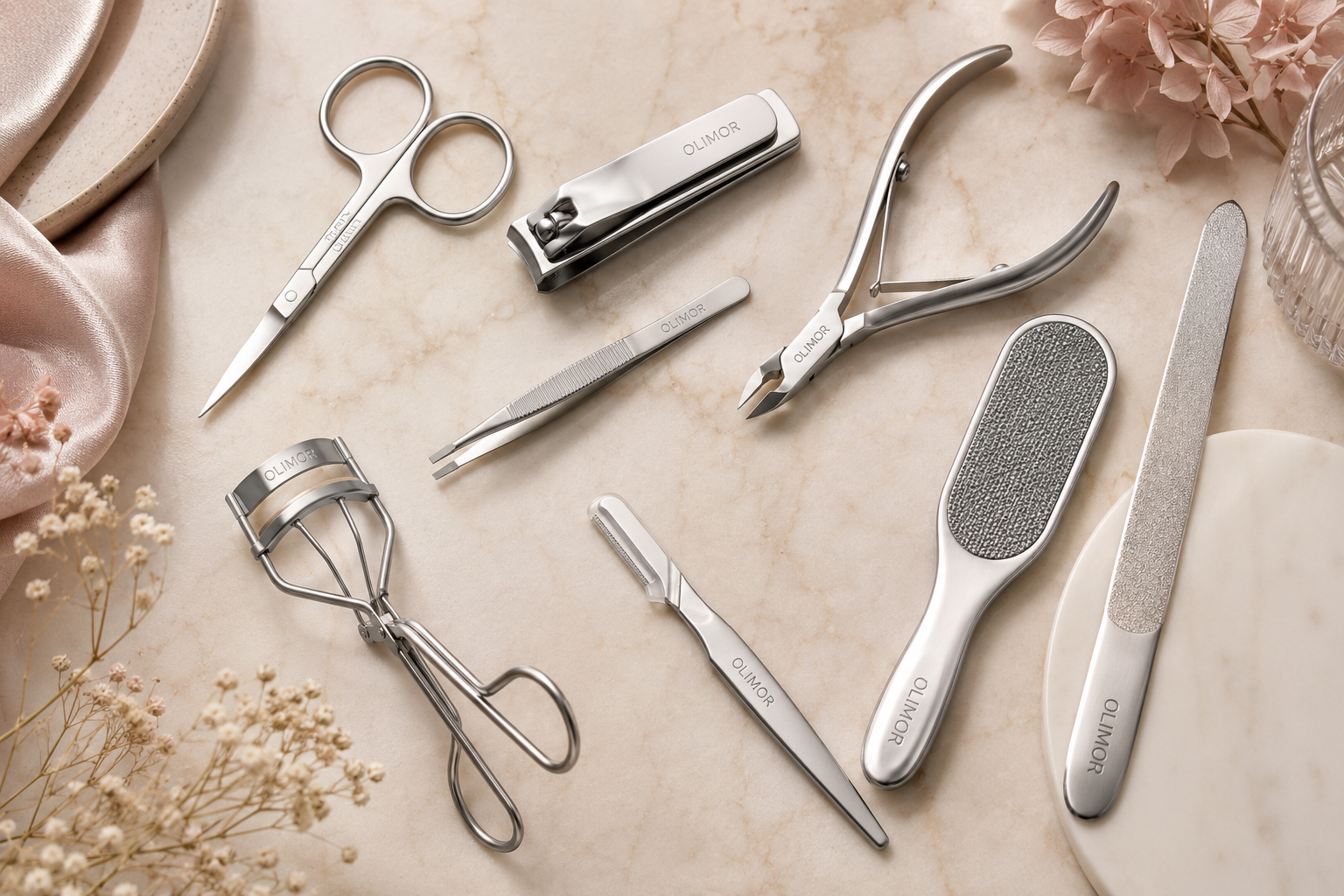
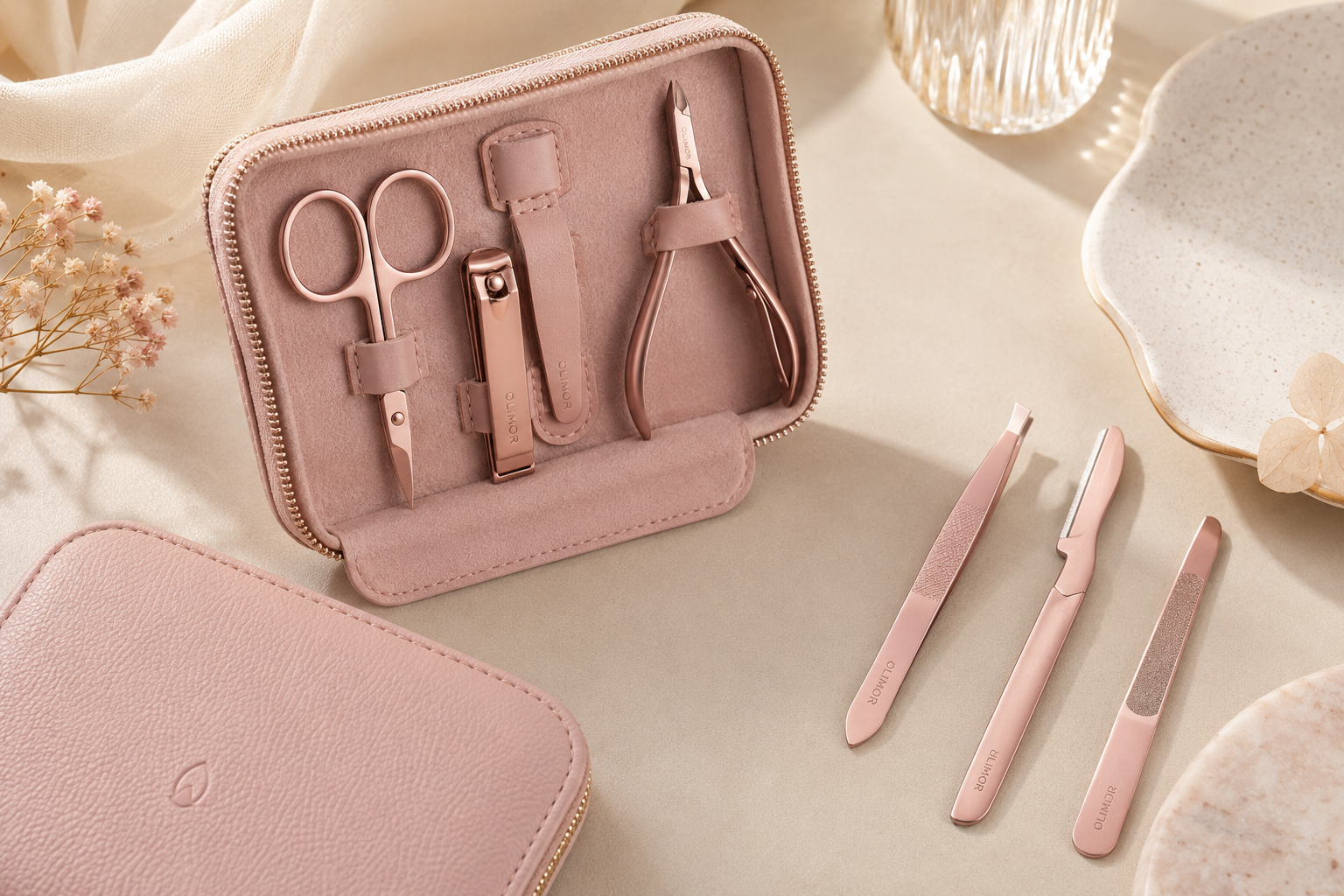
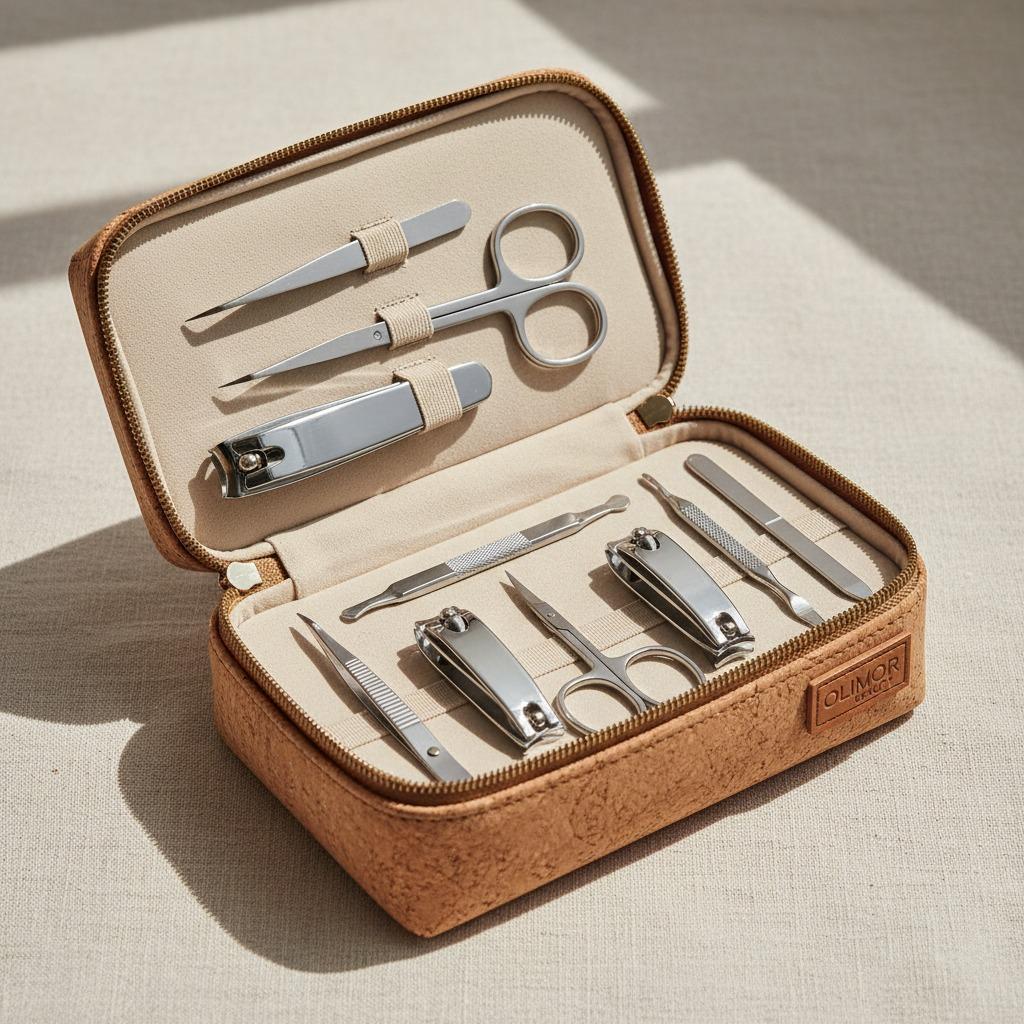
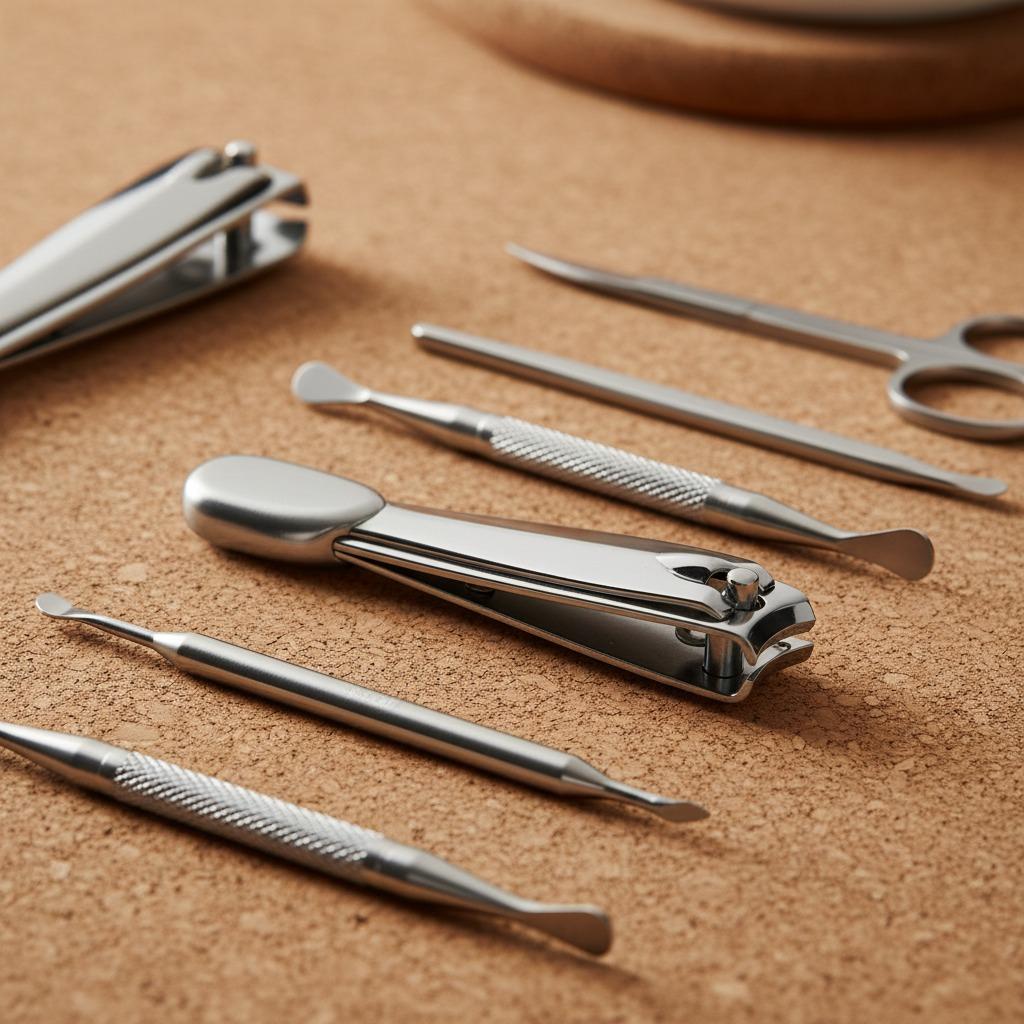
Retail presentation should be considered early. If a nail file is sold as part of a manicure set, its size, color, finish and packaging should align with the other tools in the kit. Files can be paired with clippers, tweezers, cuticle tools or pedicure accessories to create practical personal care assortments. Buyers planning a broader category can browse Olimor personal care tool collections to compare nail care items with related beauty tools.
Packaging is also part of quality protection. Crushed, dusty or poorly sealed packaging can make even a usable file look unsuitable for retail sale. For B2B buyers, the packaging discussion should include how goods will be counted, stored, displayed, picked for kits or distributed to technician stations.
How to Evaluate a Nail File Supplier
A reliable wholesale nail file supplier should help buyers define requirements, review samples and confirm packaging expectations before bulk production or replenishment. Supplier evaluation should focus on practical communication rather than broad marketing claims.
Questions to Ask Before Ordering
- Product application: Is the file intended for natural nails, pedicure use, enhancements, retail resale or training kits?
- Sample review: Can samples be evaluated before a larger order is confirmed?
- Customization: What options are available for packaging, labeling or kit inclusion, and what information is needed to confirm them?
- Quality checks: What inspection steps are used for raw materials, filing surfaces, edges, printing and final packaging?
- Order planning: How should buyers discuss MOQ, lead time and replenishment without assuming fixed answers?
- Documentation: What product, packaging or inspection documents can be shared for buyer review?
Cost should be compared through total usability, not price alone. Important cost factors include file durability for the intended service, defect risk, packaging suitability, storage efficiency, replacement frequency and whether the product supports technician workflow. A cheaper file that creates rework or customer dissatisfaction may not be the best wholesale choice.
Olimor works with B2B buyers sourcing nail files and related manicure and pedicure tools. If you are comparing options for salon use, retail packs or distributor programs, you can send a wholesale nail file inquiry with your target use case, packaging needs and customization questions.
Practical Buying Process for Salons and Beauty Retailers
- Define the channel: Decide whether the files are for professional services, pedicure stations, training kits, retail resale or mixed use.
- Choose the style requirements: Confirm preferred shape, surface feel, core flexibility, edge comfort and packaging type.
- Request samples: Test files in realistic use rather than judging only by photos.
- Compare feedback: Ask more than one technician or retail team member to review handling, appearance and clarity.
- Confirm inspection points: Agree on surface consistency, edge finishing, packaging condition and labeling details.
- Plan storage and replenishment: Decide how files will be counted, distributed, stored and replaced.
- Document the standard: Keep a record of the chosen item, packaging format and any approved customization to support repeat orders.
This process helps buyers avoid product drift. Instead of searching for one generic file to cover every situation, build a practical product map that matches the service menu, retail shelf and inventory system.
When Customization Makes Sense
Customization can be useful when nail files are sold under a retail program, included in a salon service kit or supplied to a distributor with specific packaging requirements. Customization may involve packaging presentation, labeling, kit configuration or visual details, depending on the product and order plan.
Buyers should avoid confirming customization based only on appearance. A file still needs appropriate surface consistency, edge comfort and packaging protection. If branding or labeling is used, printing should be clean and aligned with the product purpose. For retail buyers, instructions or use indications should be simple enough for non-professional customers.
Because customization requirements affect sampling, production planning and packaging review, buyers should discuss them early. Olimor can review project details through Olimor wholesale sourcing support so the product direction, packaging expectations and inspection concerns are clear before moving forward.
FAQ: Wholesale Nail Files
Can I request samples before ordering wholesale nail files?
Sample review is recommended because nail file feel, flexibility and edge comfort are difficult to judge from images alone. Buyers should test samples in the intended setting, such as salon services, pedicure stations, training kits or retail packaging review.
Does Olimor publish a fixed MOQ or lead time for every nail file order?
MOQ and lead time depend on product style, packaging format, customization and order planning. Buyers should share their target use case and requirements so the appropriate order details can be discussed without assuming a fixed number.
Can nail files be customized for retail packs or service kits?
Customization may be possible for suitable projects, including packaging, labeling or kit arrangement. The final option depends on the selected file, packaging requirements and production feasibility, so it should be confirmed during inquiry and sampling.
What quality checks should buyers focus on?
Key checks include abrasive surface consistency, secure bonding, edge finishing, size consistency, packaging condition, clean labeling if applicable and real-use technician feedback. Buyers should also verify any supplier documentation relevant to their own quality policy.
How should salons manage hygiene with bulk nail files?
Salons should follow applicable local rules and internal policy. Depending on the service, files may be single-use, limited-use or client-dedicated. Wholesale purchasing should support clear storage, replacement and labeling routines.
Final Takeaway
Wholesale nail files should be selected for fit, consistency and workflow, not only for appearance or low price. The most reliable choice is the file that matches the intended service, feels predictable across batches, arrives in suitable packaging and supports the buyer’s hygiene, retail or distribution plan. By comparing samples, defining inspection points and asking supplier questions early, salons and beauty retailers can build a more dependable nail care tool supply.