Choosing a nail clippers supplier is a practical business decision, not just a product purchase. Retailers, salons, grooming professionals and private-label buyers need tools that cut cleanly, feel controlled in the hand and arrive with consistent quality from batch to batch. A low-quality clipper can leave rough edges, crush the nail instead of cutting it, or loosen at the hinge after repeated use. Those problems quickly become customer complaints, returns and lost trust.
The best supplier conversations focus on details: blade alignment, stainless steel quality, handle comfort, hinge stability, inspection standards and packaging suitability. Olimor Beauty works in the beauty-tools category with a focus on grooming essentials for personal care and pet care, making supplier selection especially important for buyers who serve users with different nail thicknesses, comfort expectations and price positions.
Why Nail Clipper Quality Matters to Retailers and Grooming Professionals
A nail clipper is small, but users judge it immediately. The first cut reveals whether the tool has enough sharpness, leverage and stability. In retail, this affects repeat purchase and product reviews. In salon or grooming environments, it affects service efficiency and client comfort. A clipper that requires too much pressure can feel unsafe, while a poorly finished edge can snag, scratch or leave the nail uneven.
For professional pet grooming, control is even more important. Pet nails can vary widely in thickness and shape, and many animals dislike pressure or vibration. A stable, clean-cutting clipper helps the user work carefully and confidently. For personal care, buyers often look for compactness, comfortable grip and a clean finish that reduces the need for extra filing. In both cases, the supplier should understand that “sharp” is only one part of performance. Alignment, hinge tension and hand feel are equally important.
Core Criteria for Evaluating a Nail Clippers Supplier
When comparing suppliers, it is useful to move beyond appearance and request a product assessment based on function. A polished clipper can still perform poorly if the blades do not meet accurately or if the lever feels loose. A reliable nail clipper manufacturer should be able to discuss how the product is made, how it is checked and how it is packed for your sales channel.
- Cutting performance: The blades should meet cleanly and cut without crushing or bending the nail. Test on suitable sample materials and, where appropriate, real-use scenarios.
- Blade alignment: Misalignment causes uneven cutting and premature dulling. Inspect the jaw closure from multiple angles.
- Material choice: The original product information highlights high-grade stainless steel for durability and rust resistance. Buyers should confirm that the chosen material fits their target market and use environment.
- Hinge and lever stability: A weak hinge can loosen quickly. The lever should move smoothly without side-to-side wobble.
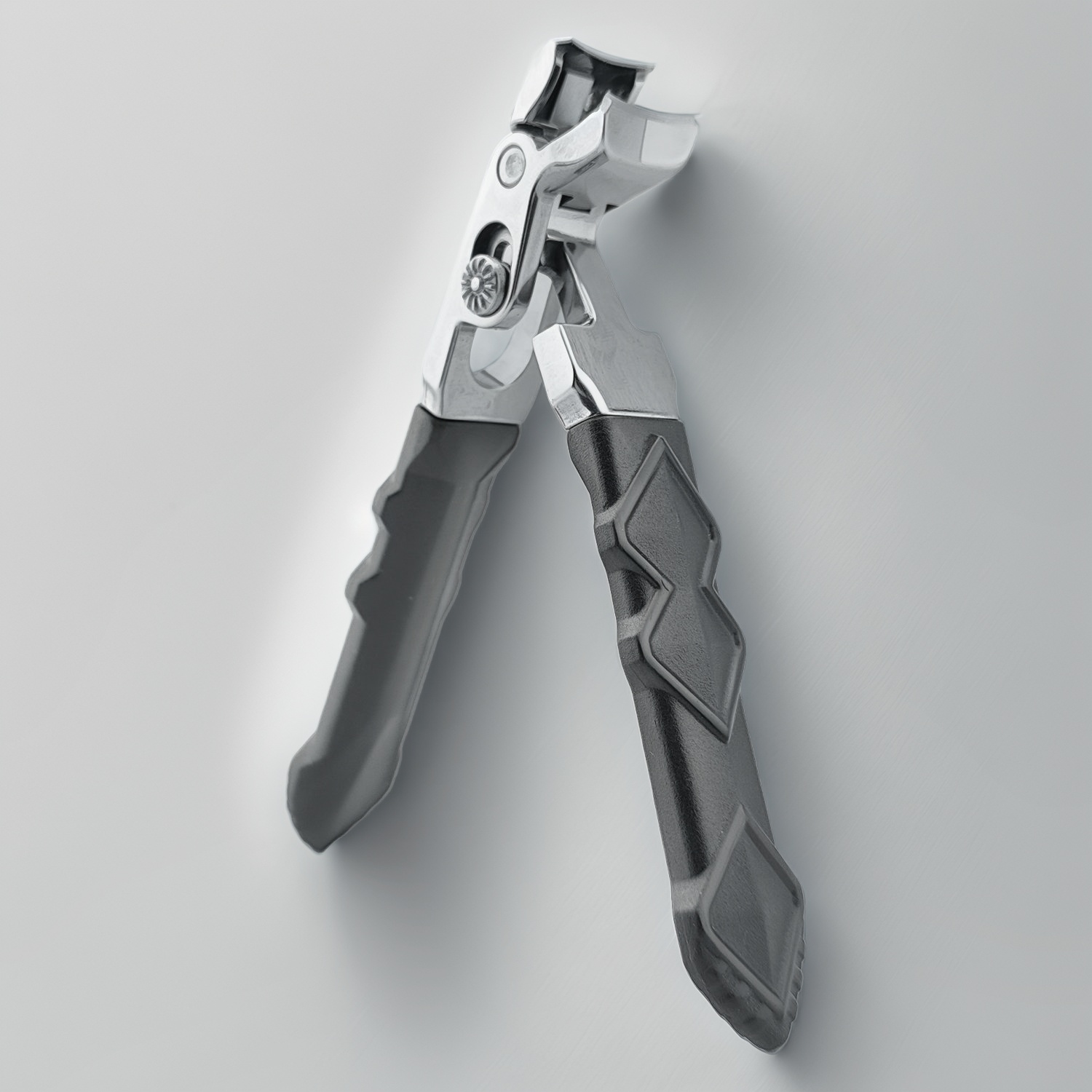
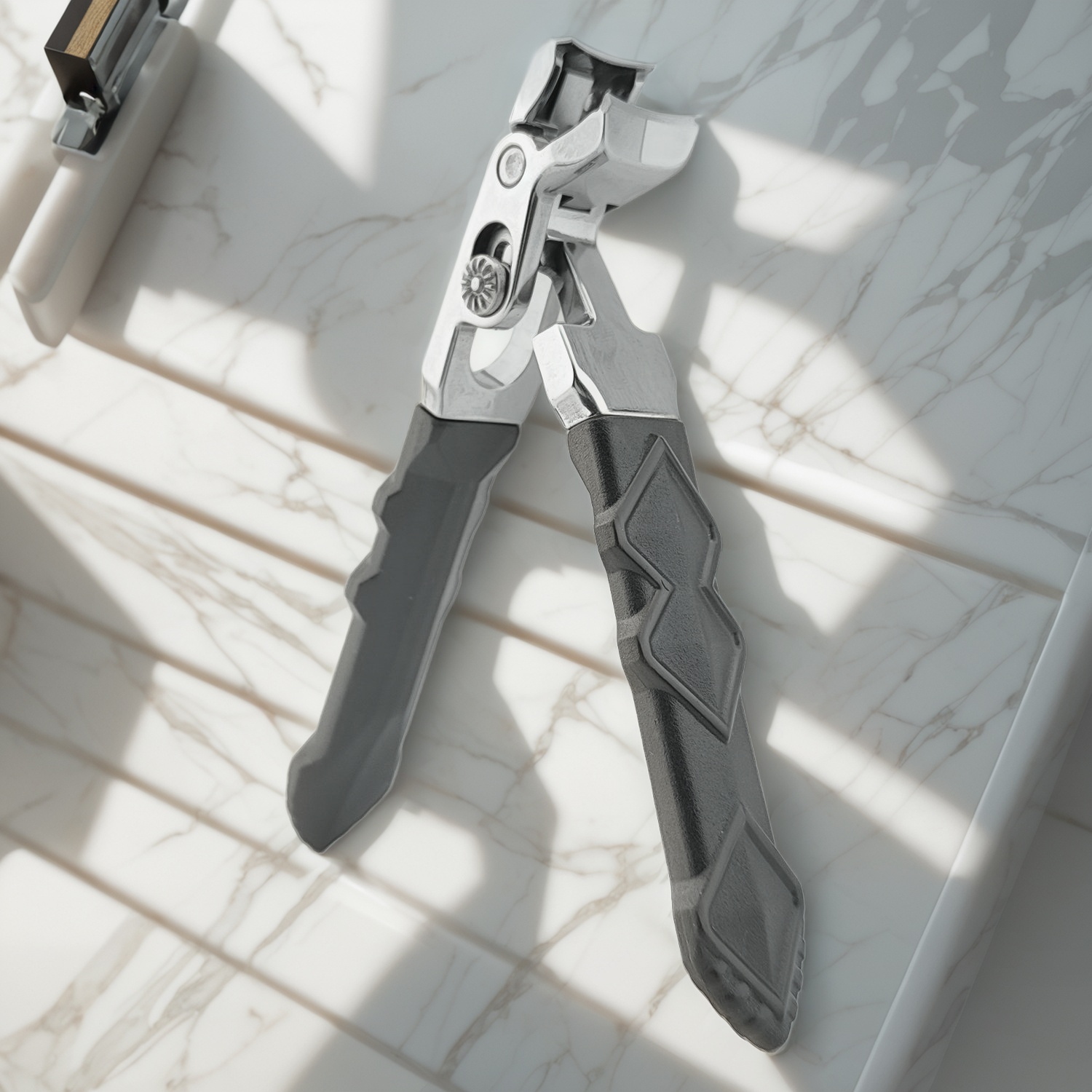
- Ergonomics: Contoured handles and a comfortable lever shape help users maintain control, especially during repeated use.
- Finish quality: Check for burrs, sharp non-cutting edges, uneven polishing, stains or rough surfaces that may affect safety and perceived value.
- Packaging readiness: Retail, salon supply and e-commerce channels may need different packaging protection and presentation.
These criteria help buyers compare products more objectively. They also make it easier to communicate requirements when exploring beauty tool products or building a broader grooming assortment.
Material, Blade and Hinge Details That Affect Precision
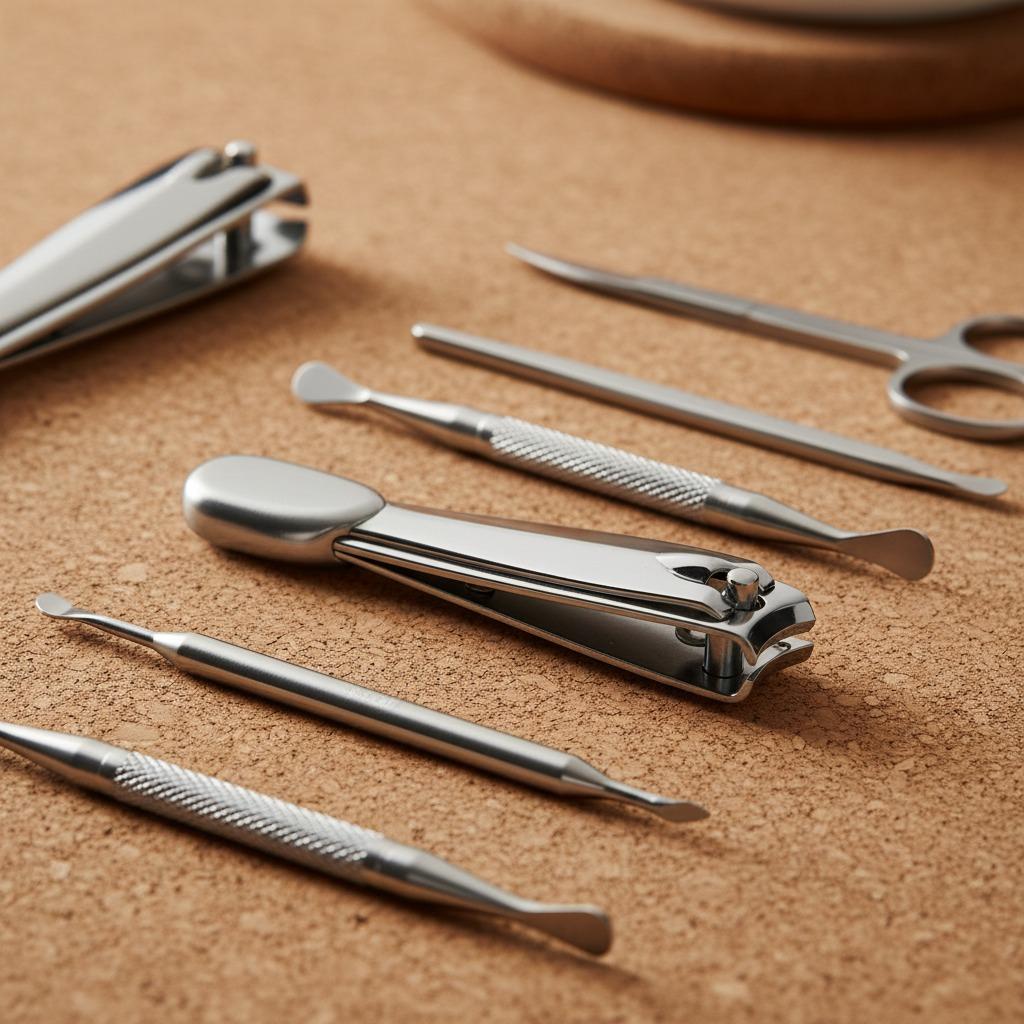
Stainless steel is commonly used for nail clippers because it supports durability and rust resistance when properly manufactured and maintained. However, the phrase “stainless steel” alone is not enough to predict performance. Buyers should look at how the blade edge is formed, whether the cutting surfaces meet evenly and whether the finish is suitable for the expected retail positioning.
The cutting edge should be sharp enough to make a clean clip, but it should not feel fragile. A blade that is too thin or poorly finished may deform, while a dull edge forces the user to apply extra pressure. The jaw opening also matters. A clipper intended for thick nails or pet grooming may require a different jaw shape and leverage from a compact personal-care clipper.
The hinge is another critical point. Precision clippers depend on stable movement. If the hinge is too tight, the clipper feels awkward and tiring. If it is too loose, the blades may not meet consistently. During sample evaluation, open and close the clipper many times, check whether the lever returns smoothly and confirm that the cutting edges remain aligned after repeated operation.
Wholesale Nail Clippers: What Business Buyers Should Plan Before Ordering
Sourcing wholesale nail clippers can support a consistent product offering, but the buying process should start with a clear definition of the market. A beauty retailer may prioritize shelf-ready packaging and attractive finishing. A salon distributor may care more about durability and daily-use comfort. An e-commerce seller may need packaging that protects the clipper during shipping and presents well in product photography.
Before narrowing your supplier list, define the following:
- Primary user: Personal grooming, professional manicure use, household use, travel kits or pet care.
- Target price position: Entry-level, mid-range or premium presentation. This influences material, finish and packaging choices.
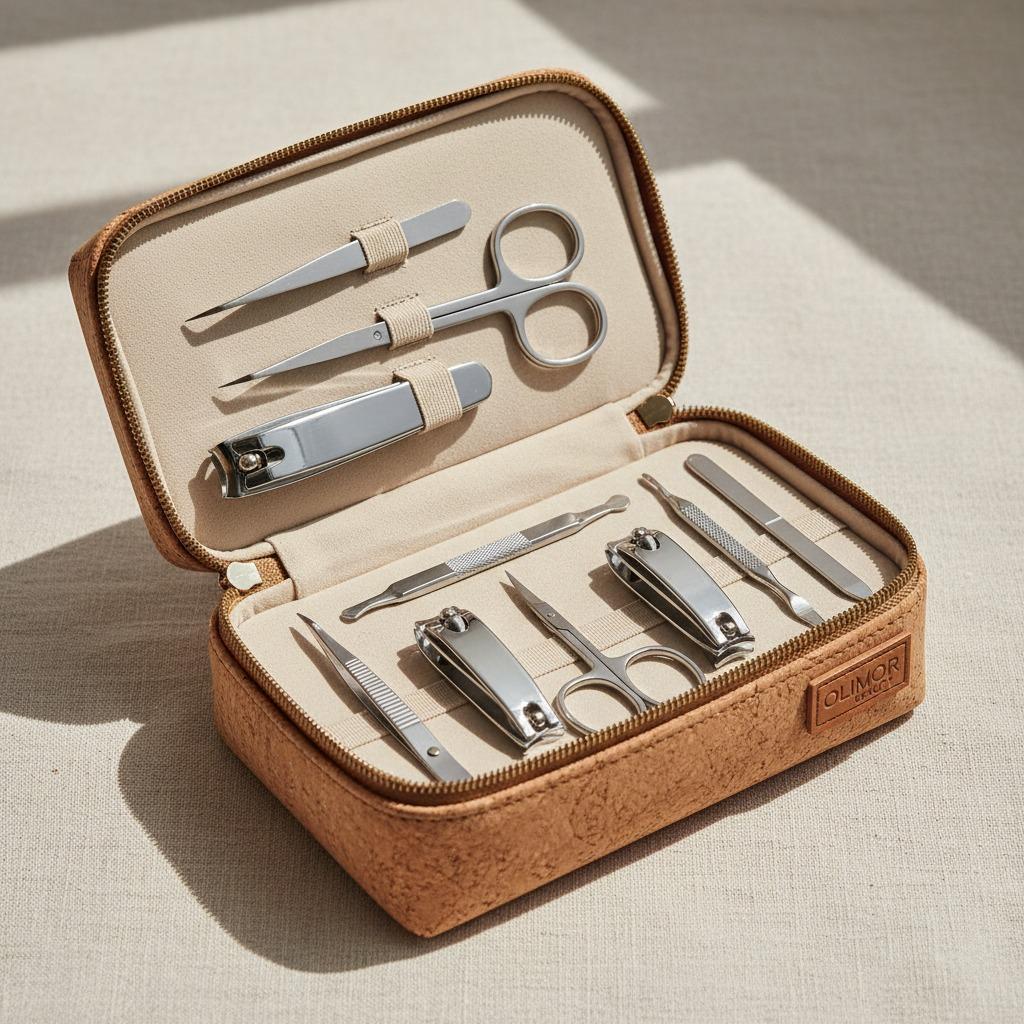
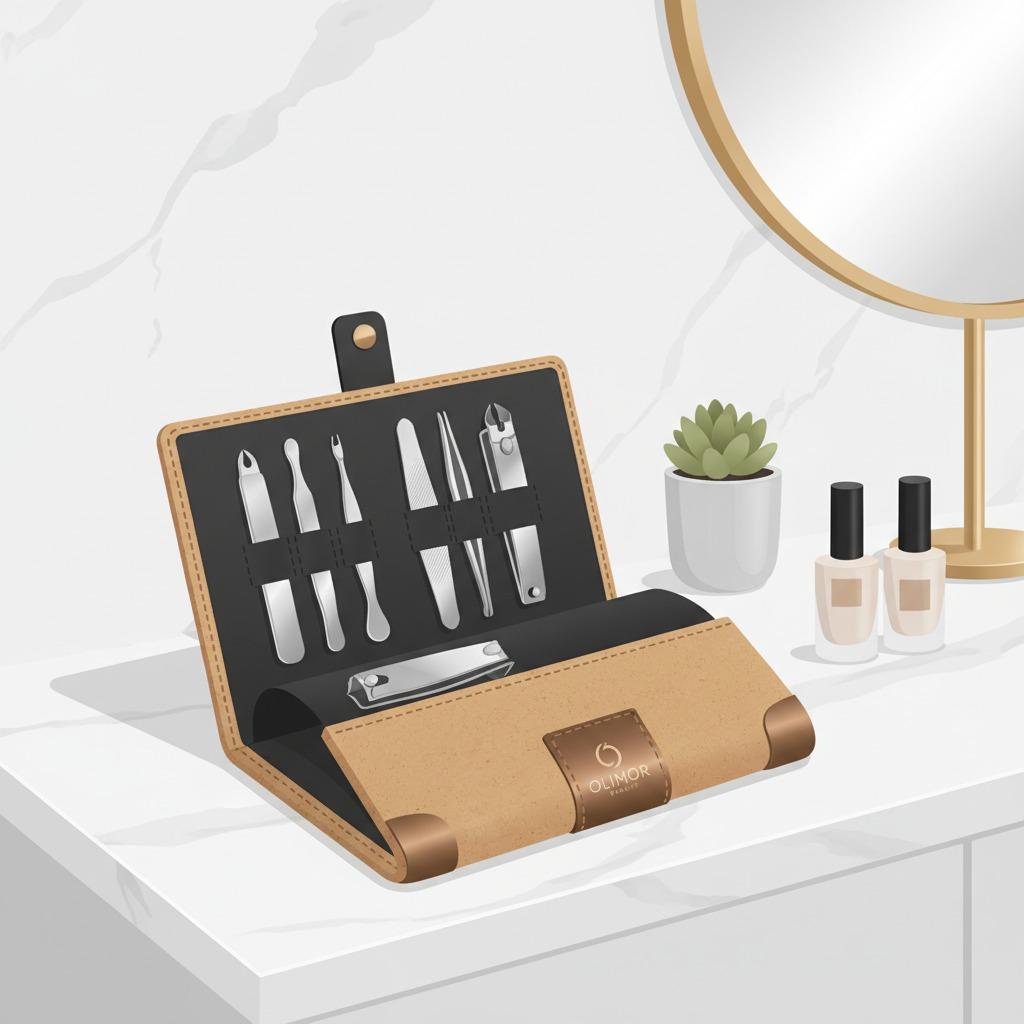
- Preferred format: Standard nail clipper, larger clipper, compact clipper, pet clipper or set-based assortment.
- Sales channel: Retail shelf, salon supply, online marketplace, subscription kit or promotional bundle.
- Packaging needs: Display card, box, protective sleeve or custom retail presentation, depending on your channel and brand plan.
- Inspection priorities: Cutting edge, hinge consistency, finish defects, packaging damage and labeling accuracy.
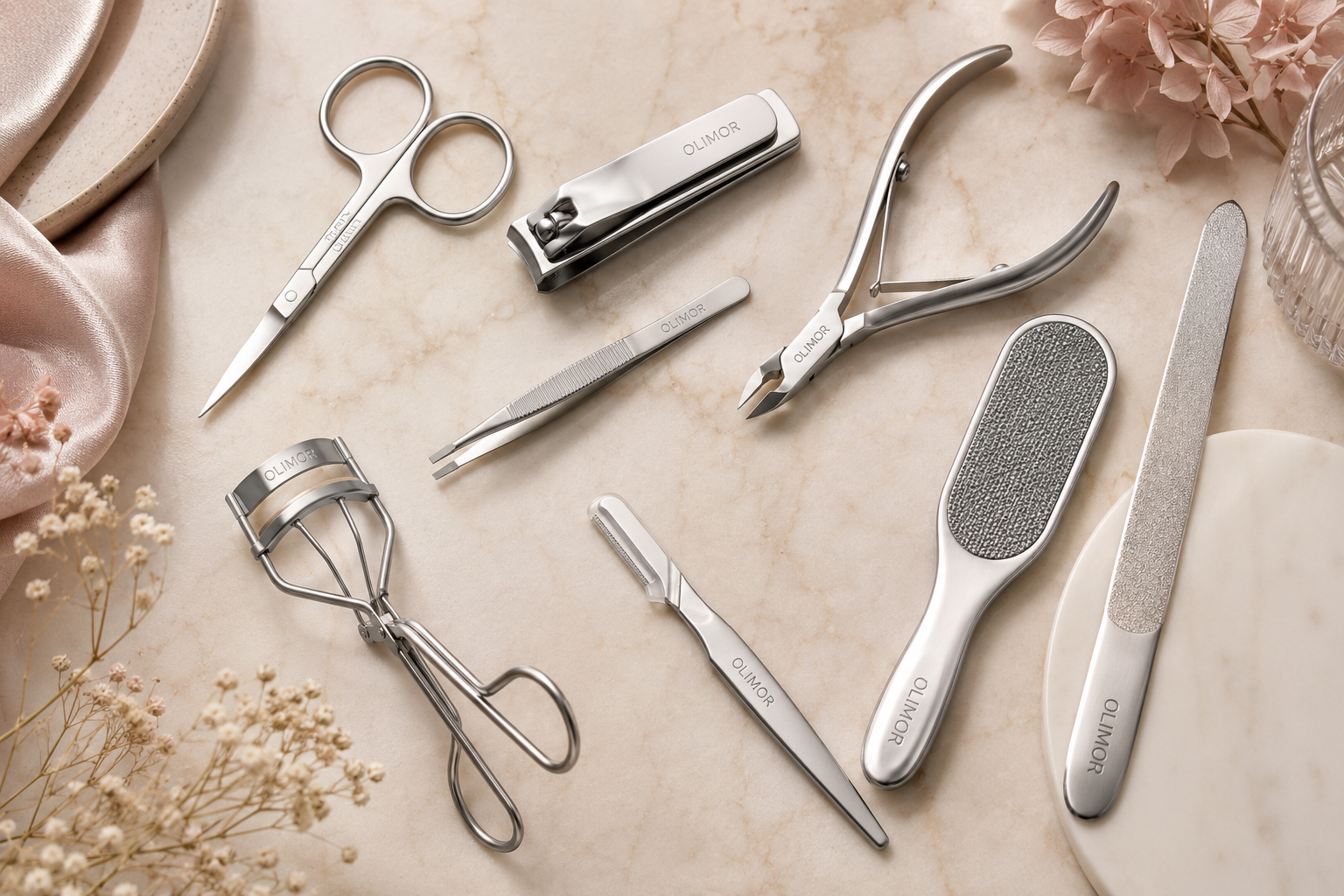
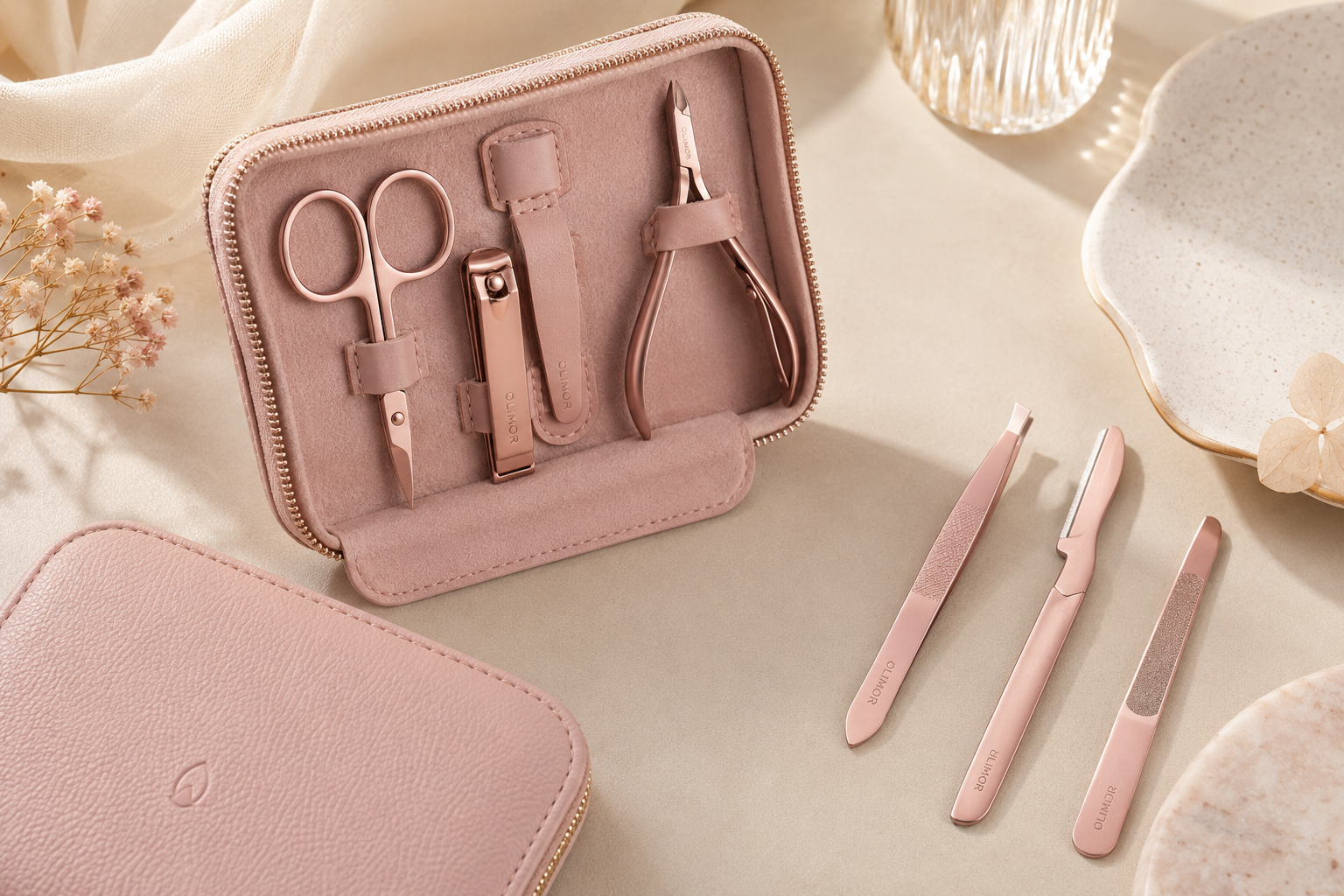
This planning makes supplier discussions more productive and reduces the chance of choosing a product that looks acceptable in a sample but does not fit the actual sales channel. Buyers developing multiple items can also review Olimor product collections to think about how clippers may fit with other grooming tools.
Sample Testing Checklist for Nail Clippers
Samples should be tested in a structured way. Looking at one clipper on a desk is not enough. A buyer should compare several pieces from the same sample set, test the opening and closing action, inspect finish consistency and evaluate the cut. If the product is intended for repeated professional use, durability and comfort should carry more weight than decorative appearance.
| Test Area | What to Check | Why It Matters |
|---|---|---|
| Blade closure | Edges meet evenly without visible gaps | Supports clean cutting and reduces nail crushing |
| Lever action | Smooth movement with controlled resistance | Improves comfort and reduces hand fatigue |
| Hinge stability | No excessive wobble after repeated use | Maintains alignment and product lifespan |
| Surface finish | No burrs, stains or rough non-cutting edges | Improves safety and perceived quality |
| Packaging fit | Clipper is secure and protected | Reduces transit damage and retail complaints |
Keep written notes during testing. If several team members evaluate samples, use the same scoring method so opinions can be compared fairly. This is especially helpful when choosing between similar wholesale nail clippers from different manufacturing sources.
Maintenance Information Buyers Can Share With Customers
Good maintenance instructions increase user satisfaction and can reduce avoidable complaints. Nail clippers should be kept clean and dry after use, especially when used in humid bathrooms or professional grooming spaces. If the clipper is used for pet care, cleaning becomes even more important because debris can collect around the hinge and blade area.
Simple care guidance can be included on packaging inserts, product pages or retailer training materials. Recommend wiping the clipper after use, storing it in a dry place and avoiding drops that may damage blade alignment. If a clipper becomes dull, misaligned or damaged, users should replace it rather than force the tool through the nail. These practical instructions help protect the product reputation after the sale.
Working With Olimor Beauty on Nail Clipper Sourcing
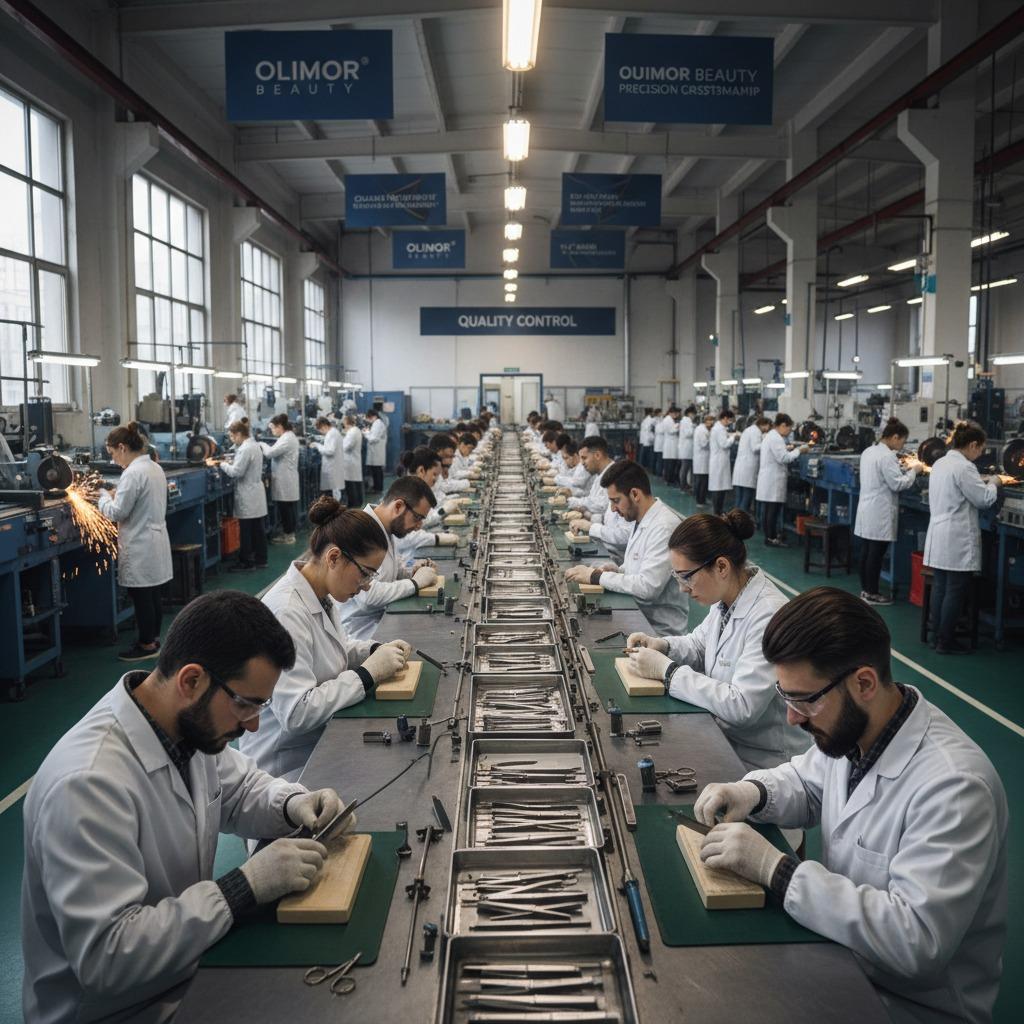
Olimor Beauty focuses on grooming tools that combine function with considered design. For nail clippers, that means attention to cutting performance, ergonomic handling and quality control from material inspection through final packaging. The goal is to help business buyers source tools that feel reliable in everyday use and suit the expectations of their market.
When preparing a sourcing request, include your intended user group, order channel, packaging expectations and any benchmark sample you are trying to match or improve. Clear information helps the supplier recommend a suitable direction without guessing. Buyers who need to discuss a project can contact Olimor or send an inquiry with their product requirements.
A strong nail clippers supplier should help you avoid inconsistent cutting, weak hinges, uncomfortable handling and packaging mismatches. By assessing samples carefully and defining your commercial needs early, you can build a grooming tool assortment that supports customer trust and performs consistently in personal care, salon supply or pet grooming channels.