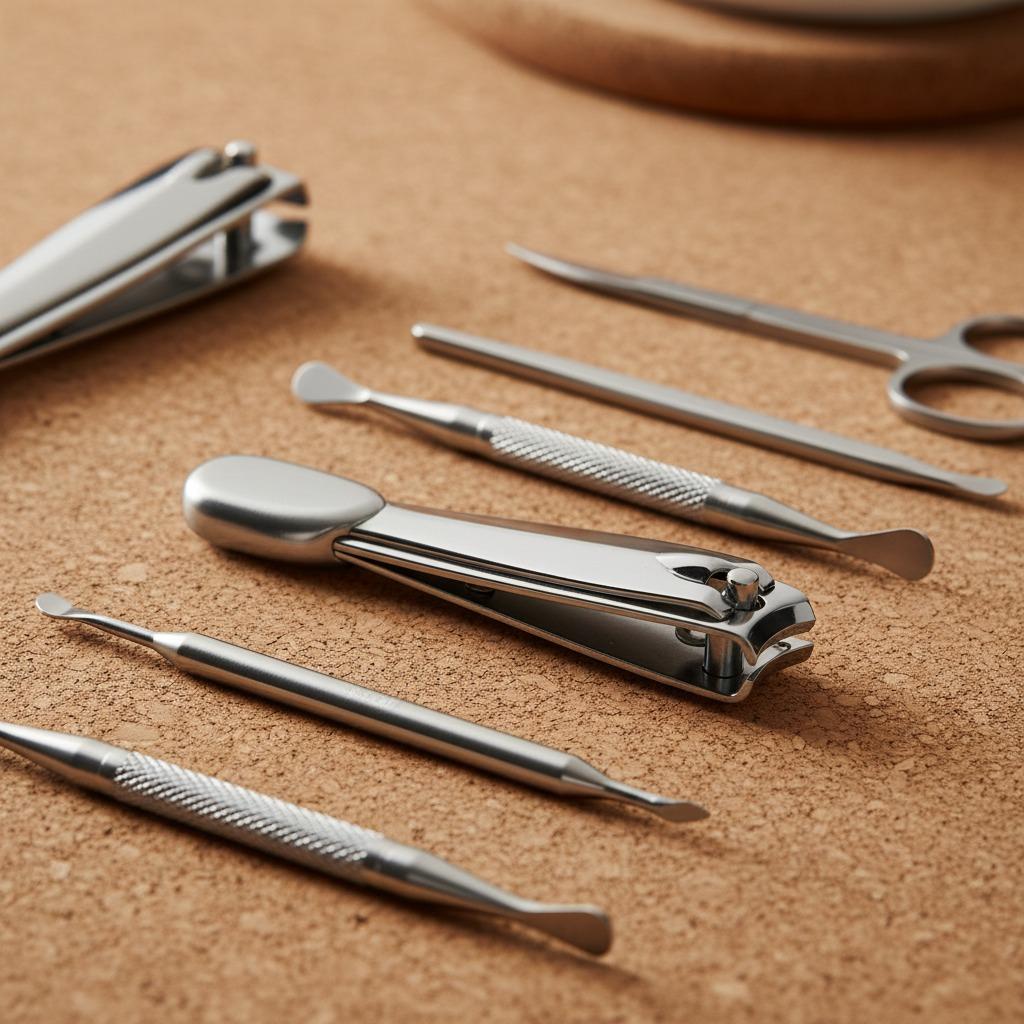











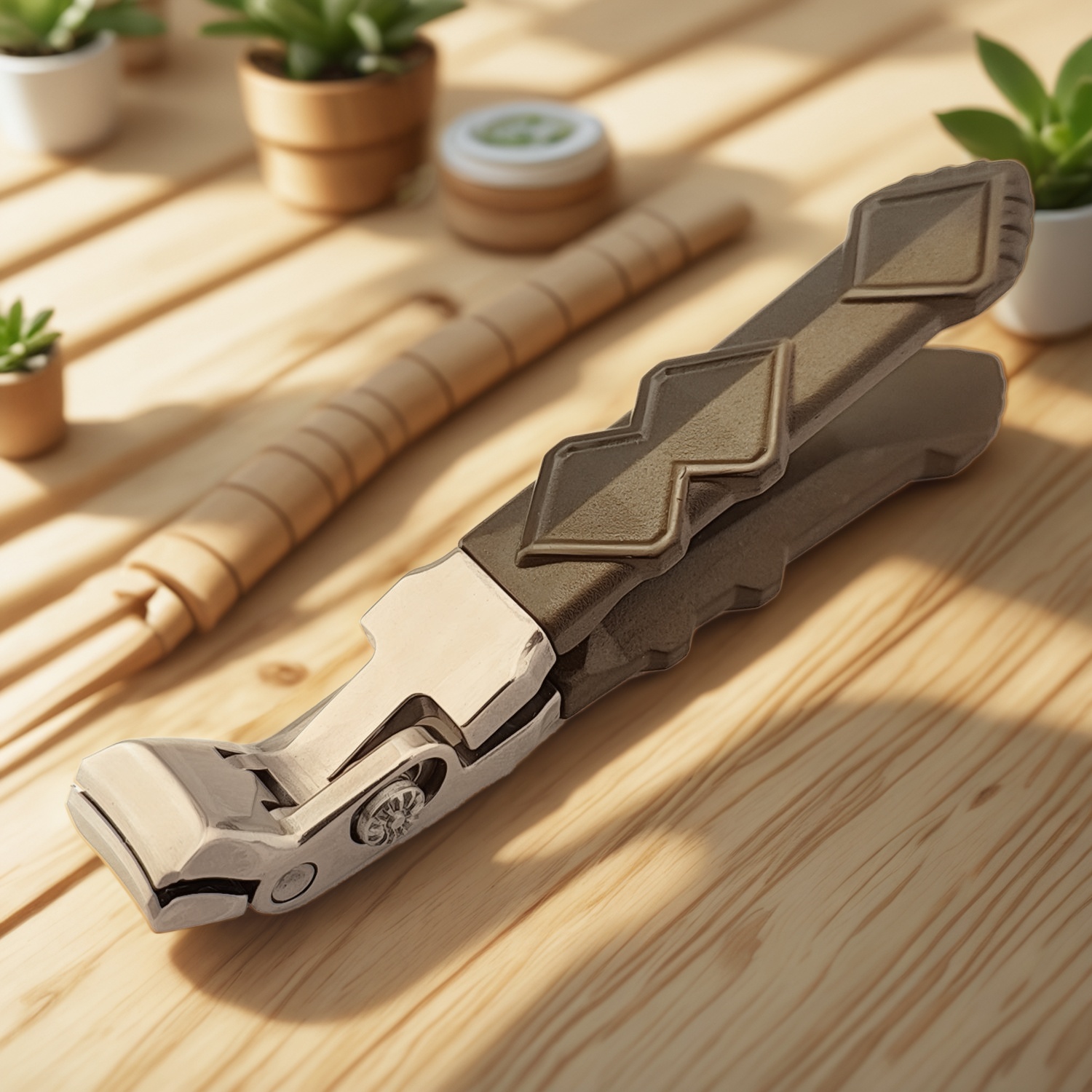
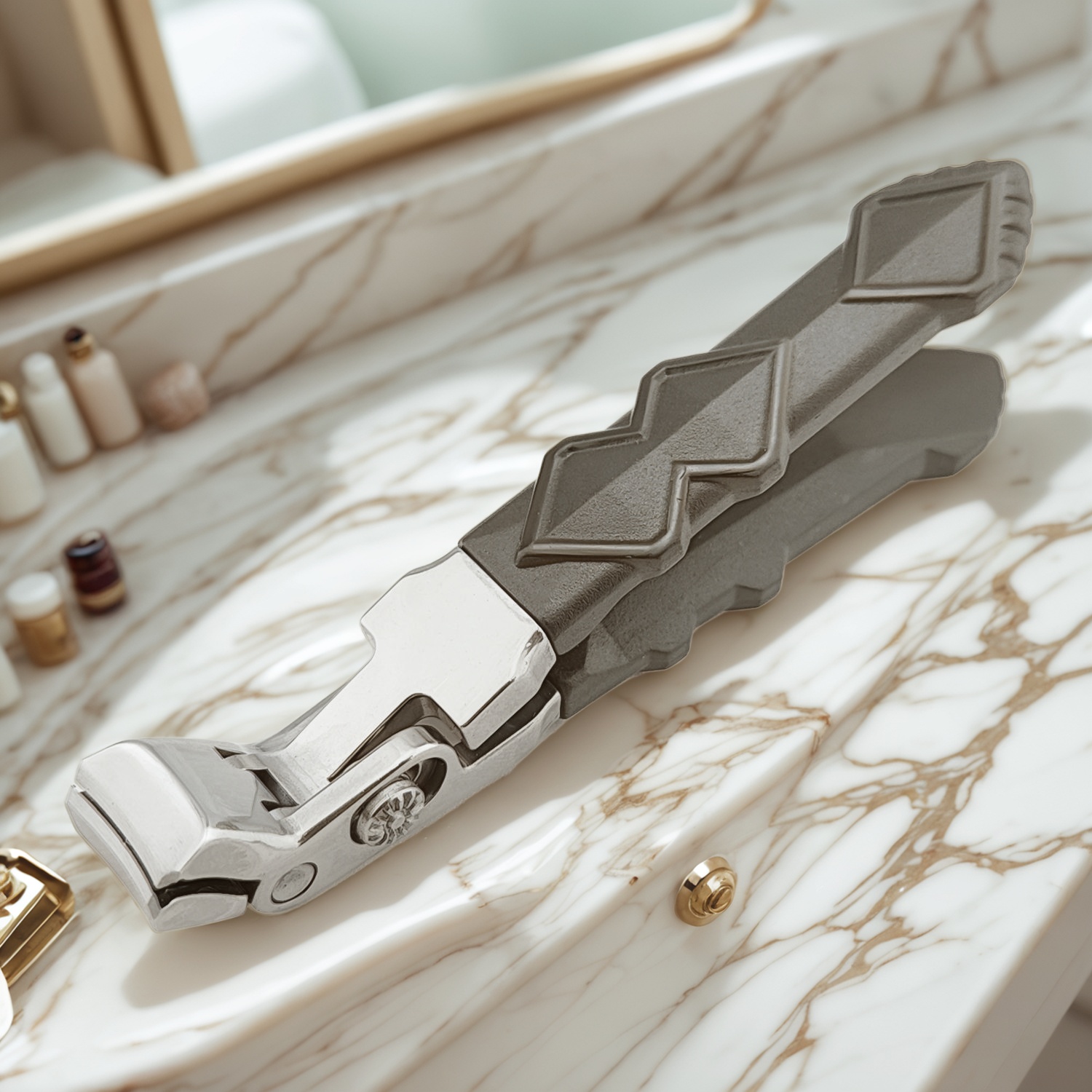
Choosing a nail clippers supplier is a practical product-quality decision, not just a catalog comparison. Nail clippers are small, but users judge them immediately by how cleanly they cut, how stable the lever feels, whether the edges align, and whether the tool looks suitable for regular personal care use.
For retailers, beauty brands, salon distributors, importers and grooming-kit buyers, the right supplier should help you balance cutting performance, material consistency, ergonomic handling, finish, packaging and repeat-order reliability. The goal is simple: source nail clippers that look ready for sale, feel dependable in the hand and remain consistent from sample approval through bulk production.
Olimor Beauty focuses on beauty and personal care tools for daily grooming, retail programs and professional distribution. Buyers comparing wholesale nail clippers can review related Olimor beauty tool products to understand how nail care items may fit within a broader personal care assortment.
Start With the User and Sales Channel
The best nail clipper selection starts with the end user. A clipper for a salon retail counter may require a more refined finish and comfortable operation, while a travel grooming kit may prioritize compact size, secure packaging and coordination with other tools. A supermarket, pharmacy or value retail buyer may focus on clear presentation and dependable function, while a private-label grooming brand may need a product that supports repeat purchase and brand trust.
Before asking for samples or quotations, define the product role clearly. This helps the supplier recommend a suitable construction, finish and packaging direction rather than offering a generic option.
- Retail shelves: prioritize clean appearance, safe handling, clear packaging and consistent surface finishing.
- Salon resale: focus on cutting precision, controlled lever pressure, secure grip and professional presentation.
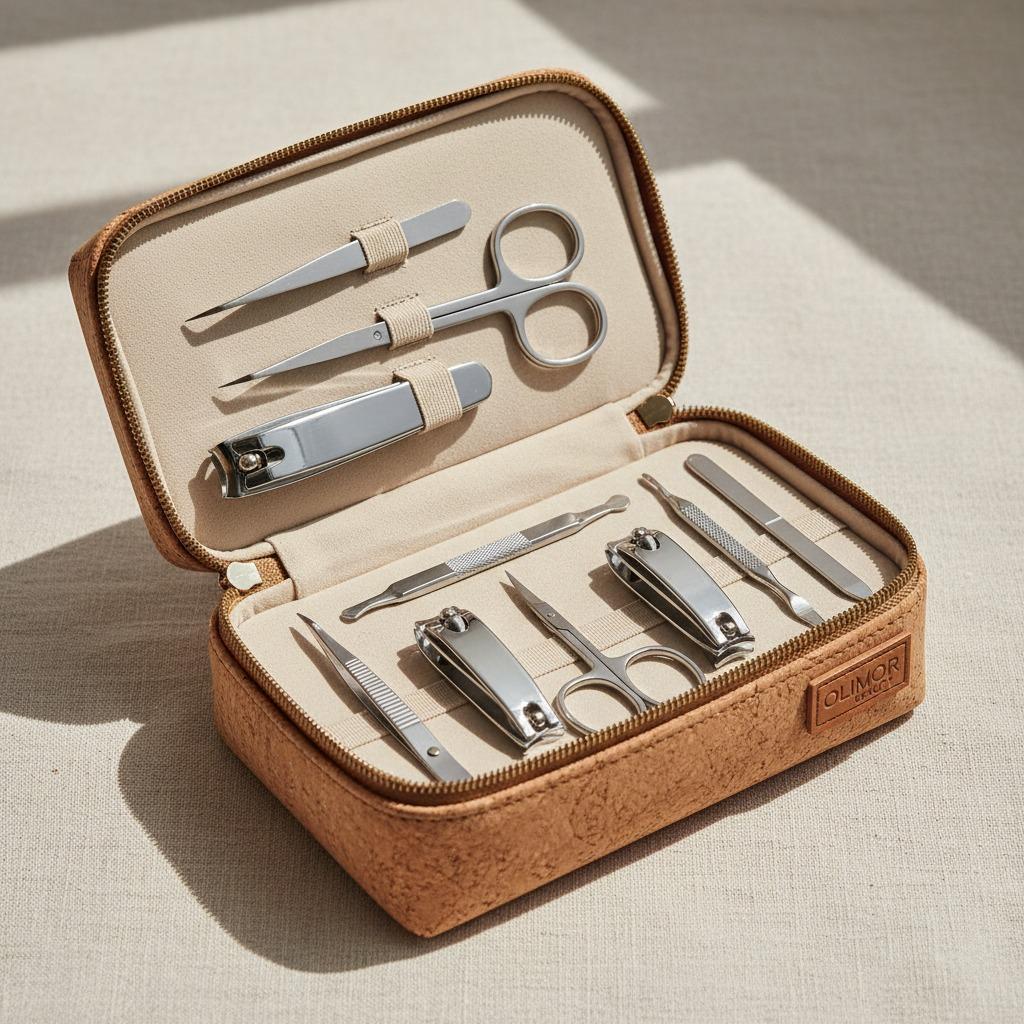
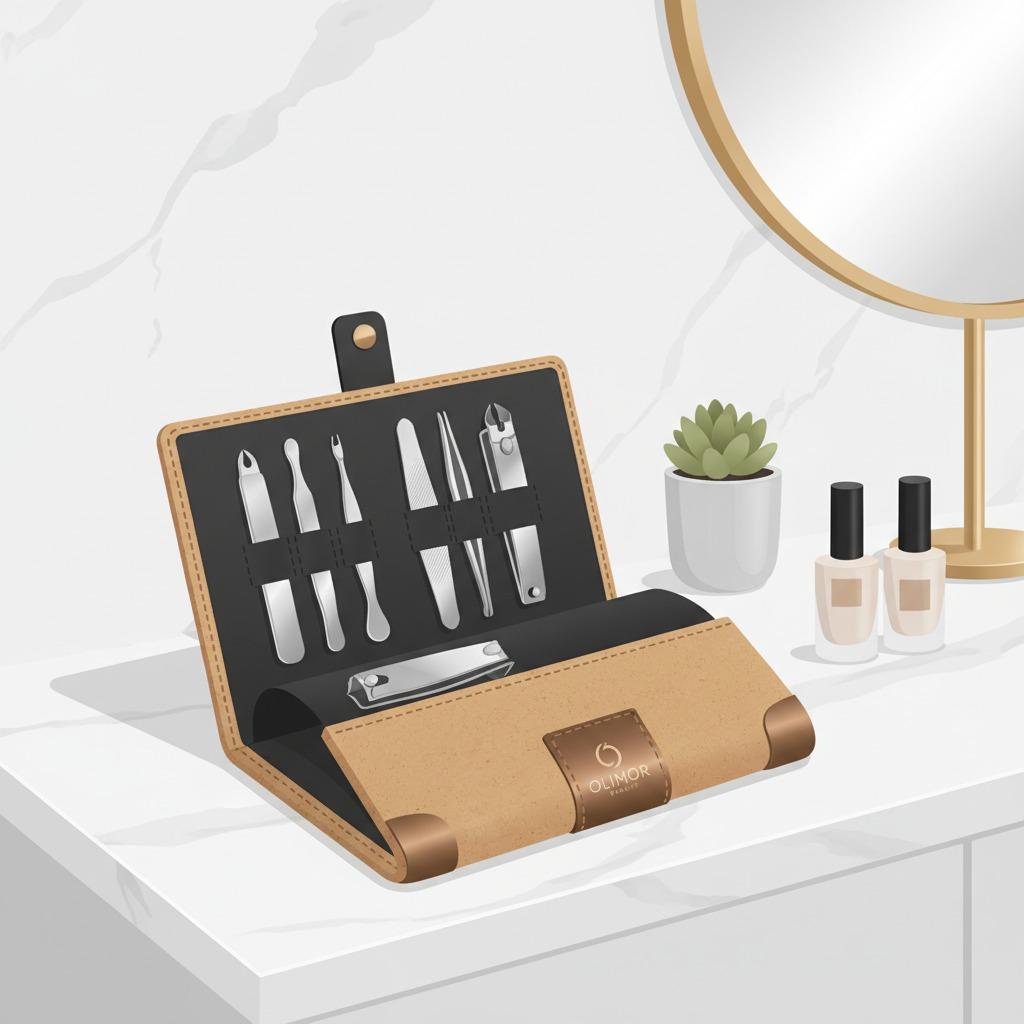
- Travel or gift sets: check compact size, protection during packing and visual compatibility with other grooming tools.
- Private-label assortments: confirm whether the clipper matches the expected brand position, packaging style and related beauty tools.
- Specialty use cases: confirm the intended user and nail type before selecting a design, especially where stronger leverage or a different jaw shape may be needed.
Useful early questions include: Who will use the clipper most often? Will it be sold alone or inside a grooming kit? Will the purchase decision be driven mainly by price, appearance, perceived durability or professional usability? Is the buyer building one item or a coordinated nail care range? These answers influence every later sourcing decision.
What Makes Nail Clippers More Demanding Than They Look
Nail clippers are often treated as simple accessories, but their performance depends on precise details. The cutting edges need to meet evenly. The lever must provide enough force without feeling stiff or loose. The body should resist twisting during ordinary clipping. The surface should be smooth enough for comfortable handling and suitable retail presentation.
If one part is poorly made, the user notices quickly. A weak or misaligned blade may crush or tear the nail instead of cutting it cleanly. A rough edge or burr may create an uncomfortable grooming experience. A loose lever can make the tool feel low value, even when the material looks acceptable. For a retailer or distributor, these small defects can turn into returns, complaints and lost confidence in the wider grooming line.
This is why a reliable nail clipper manufacturer should be evaluated on repeatable production quality, not only on a polished sample photo. A strong supplier conversation should cover materials, forming, edge finishing, assembly stability, ergonomic design, inspection steps and packaging protection.
Material Selection: Stainless Steel, Grip Texture and Practical Design
Stainless steel is commonly valued for nail care tools because it can support a clean appearance, practical strength and simple maintenance when properly processed and cared for. However, buyers should not judge stainless steel nail clippers by shine alone. The edge finish, pivot stability, surface polish and assembly quality matter just as much as the basic material description.
Some nail clippers may also include textured plastic or shaped grip areas. These features can improve control, especially when the user needs more leverage or when hands are slightly wet. A grip should feel secure, comfortable to press and free from sharp seams. It should support the intended use rather than simply make the product look different.
When comparing samples, inspect how materials are combined. The metal cutting body should feel stable. The lever should move smoothly. The jaw should align without obvious gaps. Any plastic component should be firmly fitted and comfortable under pressure. Surface finish, color tone, texture and packaging presentation should match the approved sample closely enough for retail sale.
For wholesale buyers, consistency is often more important than a single attractive sample. One good unit does not prove that repeat orders will perform the same way. Ask how the supplier controls material selection, forming, assembly, finishing and final packing so that bulk production reflects the approved specification.
Blade Performance Is the Core Buying Factor
The blade is the feature users judge first. A nail clipper should cut in a controlled motion without crushing, bending or tearing the nail. The supplied product information for Olimor nail care tools emphasizes precision-engineered cutting and practical grooming use, so buyers should verify this area carefully during sample testing.
Do not evaluate a nail clipper only on appearance. Open and close it several times. Check whether the cutting edges meet evenly across the curve. Test it on suitable nail thicknesses for the intended user group. Observe whether the cut is clean, whether the tool twists, and whether the lever requires uncomfortable force.
Blade and Lever Checks During Sampling
- Edge alignment: upper and lower cutting edges should meet evenly without visible gaps or twisting.
- Cut smoothness: the clipper should cut cleanly rather than tear, crush or require repeated pressure.
- Lever resistance: pressure should feel controlled, not flimsy, sticky or excessively stiff.
- Jaw stability: the body should not flex or wobble during normal use.
- Edge finish: the blade area should be smooth enough for comfortable personal care handling.
- Repeatability: multiple samples should show similar cutting action, finish and lever feel.
For businesses sourcing wholesale nail clippers, repeatability protects the buyer more than one impressive sample. Customers expect the same experience across units, stores and repeat purchases.
Ergonomics: Grip, Control and Everyday Comfort
Ergonomic design matters because nail clipping requires pressure, control and accuracy. A tool that slips in the hand or forces an awkward angle can frustrate older users, salon professionals or anyone clipping tougher nails. The lever length, grip texture, curve shape and body size all influence how easy the tool is to use.
When reviewing samples, ask people with different hand sizes to test the clipper. The best option is not always the largest or heaviest tool. It is the one that provides stable control during the cut and lets the user see the nail clearly. A balanced lever and secure grip can raise perceived value even when the product design is simple.
Ergonomics should also match the sales channel. A compact clipper for a travel kit may need safe storage and efficient packaging. A salon-oriented clipper should feel comfortable during repeated use. A retail item may need a balance of shelf appeal, simple handling and dependable everyday performance.
Wholesale Sample Review Checklist
A structured checklist helps purchasing teams avoid decisions based only on the lowest quotation or the most attractive product photo. Use the table below when comparing suppliers, approving samples or documenting product requirements for repeat orders.
| Review Area | What to Check | Why It Matters |
|---|---|---|
| Cutting performance | Clean cut, aligned edges, no tearing or repeated pressure | Directly affects user satisfaction and repeat purchase |
| Assembly stability | Stable lever, aligned jaw, no loose or shaking parts | Reduces complaints about weak or inconsistent tools |
| Surface finish | Even polishing or texture, no burrs, stains or rough seams | Supports safe handling and retail presentation |
| Grip and comfort | Secure hold, controlled lever pressure and natural cutting angle | Improves usability for home, salon and travel customers |
| Packaging fit | Tool secured, label area clear, product protected in transit | Helps prevent damage and improves shelf readiness |
| Batch consistency | Several pieces show similar appearance and function | Indicates whether quality may be repeatable beyond one sample |
| Supplier communication | Clear answers on materials, finish, packaging and inspection steps | Makes sourcing decisions easier and reduces misunderstandings |
Quality Control From Raw Material to Final Packaging
Quality control is essential because many nail clipper defects are small but obvious once the product is used. A tiny burr, uneven jaw, loose lever or inconsistent polish may be missed in a quick catalog review but become clear when the customer clips a nail.
A dependable grooming tools supplier should be able to explain how inspection is handled at different stages. At the material stage, the supplier should confirm that the selected material suits the intended product role. During forming and assembly, checks should focus on shape, jaw alignment and mechanical action. During finishing, inspection should identify rough edges, scratches, stains or inconsistent surface treatment. Before packaging, finished products should be reviewed for appearance and function so defective units are not hidden inside sealed retail packaging.
Olimor emphasizes practical quality checks from raw materials to final packaging in its beauty tool production approach. Buyers should still document their own approved sample, product photos, packaging artwork, finish expectations and inspection priorities. Clear documentation helps both sides maintain consistency across repeat orders.
For management systems or market access, buyers may refer to recognized frameworks such as ISO 9001 for quality management practices or REACH requirements for certain products sold into the European market. These references are not a substitute for supplier verification. Buyers should confirm the applicable version, market requirements and supporting supplier documentation before placing orders. Do not assume a supplier holds any certification unless current evidence is provided.
Packaging and Presentation for Retail Buyers
Packaging affects how customers judge a nail clipper before they use it. A well-made tool can appear low value if it is poorly secured, unclear or inconsistent with the rest of a product range. Retail packaging should protect the clipper, show the product cleanly and leave space for required product information, branding, barcodes or handling details where applicable.
When comparing packaging options, consider whether the clipper will hang on a card, sit in a box, be packed inside a set or ship in a display-ready format. The packaging should prevent movement that can scratch the finish or damage the presentation. It should also match the channel: efficient and clear for value retail, more refined for gift sets, and practical for salon resale.
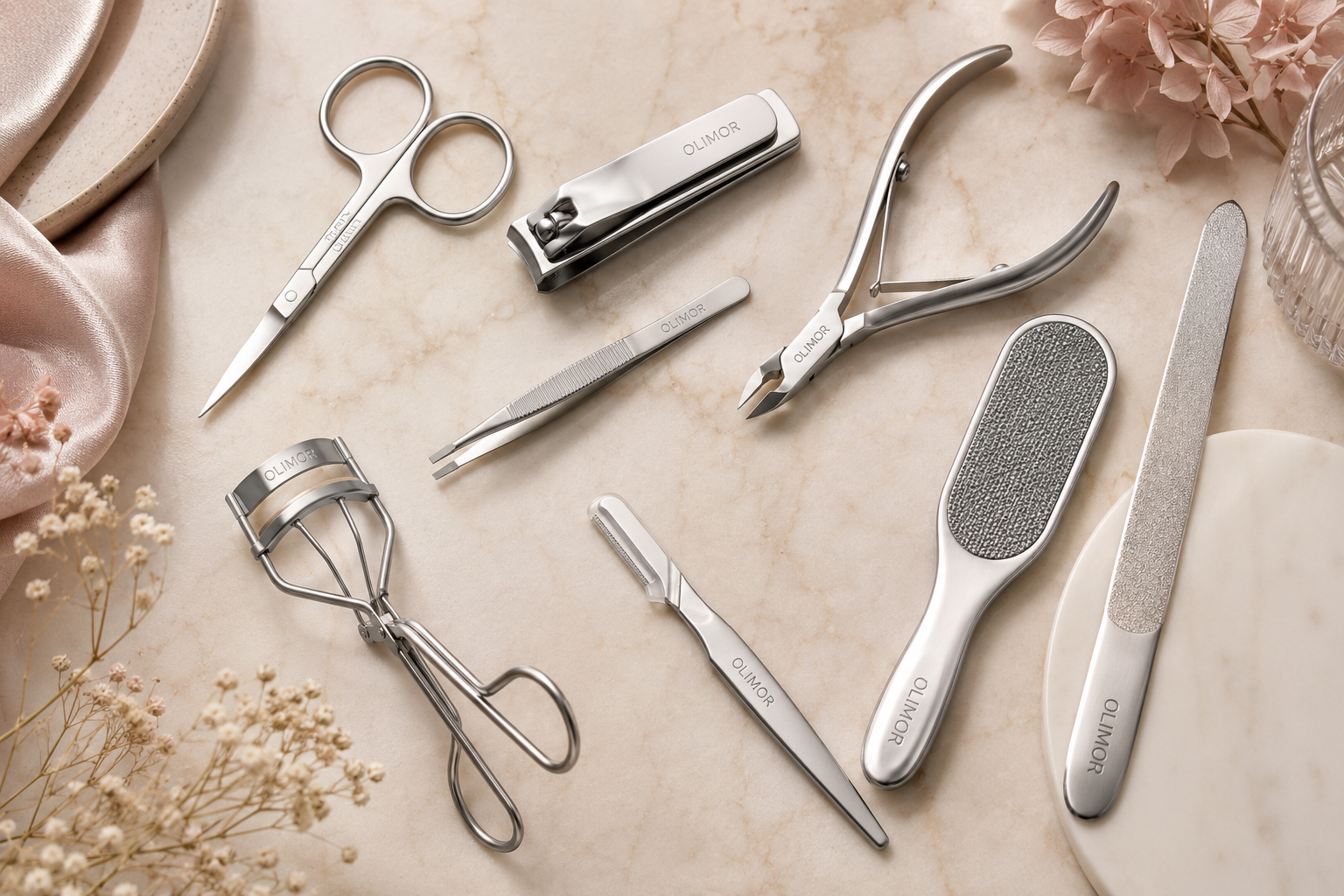
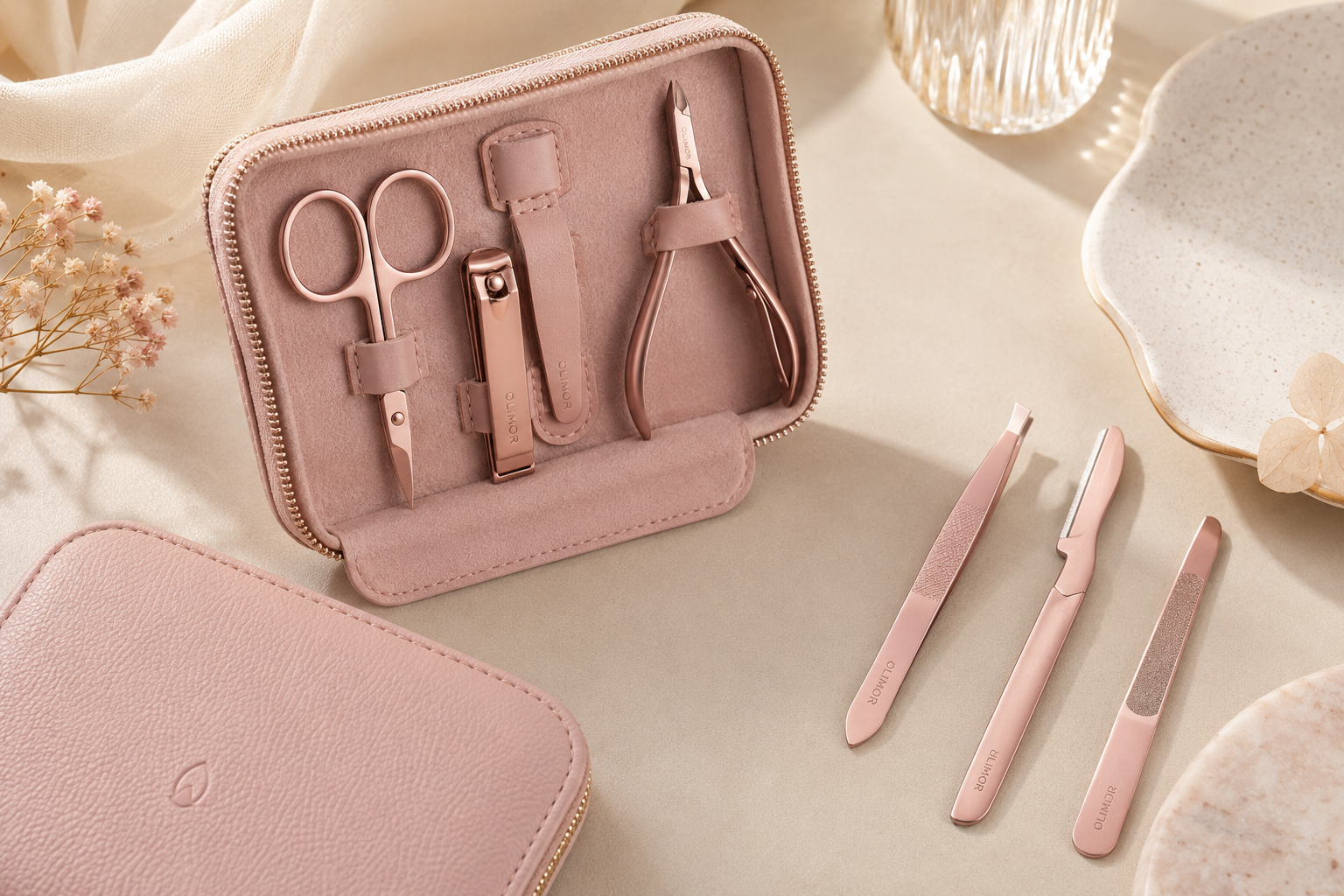
If the nail clipper will be sold with cuticle tools, tweezers or other personal care items, visual consistency matters. Buyers building coordinated ranges can review Olimor product collections to consider how nail clippers may sit alongside related beauty tools in a retail or distribution program.
How to Evaluate a Nail Clippers Supplier Beyond the Product
A reliable supplier should provide more than a sample and a quotation. B2B buyers need clear communication, practical product knowledge and the ability to support repeatable requirements. Before moving toward a larger order, prepare a sourcing brief that explains the target market, packaging style, expected product role, finish preferences and any compliance or documentation needs for your sales market.
Ask focused questions rather than broad questions. Instead of asking whether the clipper is good quality, ask how the cutting edges are checked, how many sample units can be reviewed, what packaging formats are practical for the selected item, and how approved details are recorded for repeat orders. If customization is needed, provide visual references and confirm which elements can be adjusted without compromising function.
Supplier Evaluation Questions
- Can the supplier provide samples that match the intended finish, packaging and user group?
- How are blade alignment, lever action and surface finish checked before packing?
- Can the supplier explain material choices and how they suit the target channel?
- What customization options are available for packaging, finish or coordinated assortments?
- How are approved samples, product photos and written specifications controlled for repeat orders?
- What documentation can the supplier provide for the destination market, if required?
These questions help separate a basic trading response from a supplier that understands grooming tool sourcing. They also reduce the risk of approving a product that looks acceptable but does not fit the commercial program.
Cost Factors Without Chasing the Lowest Quote
Wholesale nail clipper cost is influenced by more than the metal body. Material selection, cutting-edge finishing, lever construction, grip design, surface treatment, packaging type, customization requirements, inspection expectations and order planning can all affect the final quotation. A lower price may be attractive, but it should not come from weak alignment, rough finishing or packaging that increases complaints.
For B2B buyers, the more useful question is not simply which supplier is cheapest. It is which supplier can meet the required quality level consistently at a commercially workable cost. A product that cuts cleanly, looks presentable and arrives packed correctly may protect margin better than a cheaper item that creates returns or damages the reputation of a grooming line.
When discussing cost, share the target channel and quality priorities. If a product is for entry-level retail, the supplier may recommend a simple, efficient construction. If it is for a premium grooming kit, finish consistency and packaging detail may matter more. Clear priorities allow a supplier to suggest practical options instead of guessing.
Working With Olimor on Nail Clipper Sourcing
Olimor Beauty supports buyers looking for practical beauty and grooming tools, including nail care products for daily use, retail ranges and professional distribution. A good sourcing conversation begins with the intended user, target channel, sample expectations, packaging direction and any customization requirements.
If you are comparing nail clippers wholesale options or developing a broader grooming tools program, you can contact Olimor Beauty to discuss product direction, sample review and supplier questions. For a specific project, submit details through the Olimor inquiry page so the team can review your intended use, packaging needs and customization expectations.
FAQ
Can I request nail clipper samples before placing a wholesale order?
Sample review is a practical step before bulk sourcing. Buyers should use samples to test cutting performance, lever feel, surface finish, grip comfort and packaging fit. Confirm sample availability and any related terms directly with Olimor before ordering.
Does Olimor offer customization for nail clippers or packaging?
Customization may depend on the selected product, finish, packaging format and project requirements. Share your target market, branding needs, visual references and packaging expectations early so feasibility can be reviewed without affecting product function.
What MOQ applies to wholesale nail clippers?
MOQ can vary by item, packaging style, customization level and production planning. Buyers should avoid assuming a fixed quantity and should confirm current requirements with Olimor for the exact product and order plan.
What quality checks should buyers request?
Important checks include blade alignment, cutting smoothness, lever stability, surface finish, grip comfort, packaging security and consistency across multiple units. Buyers should keep approved samples and written specifications for future repeat orders.
How should lead time be confirmed?
Lead time depends on product selection, customization, packaging confirmation and order details. Confirm timing after the specification, sample approval and packaging requirements are clear, and verify any shipping or documentation needs for your destination market.