










Choosing a nail clipper supplier is not just a price decision. For retailers, salons, distributors and gift-set buyers, the clipper has to feel secure in the hand, trim cleanly, look right on shelf and stay dependable after repeated use. One poor cut, a loose lever or a rough edge can affect the whole customer experience.
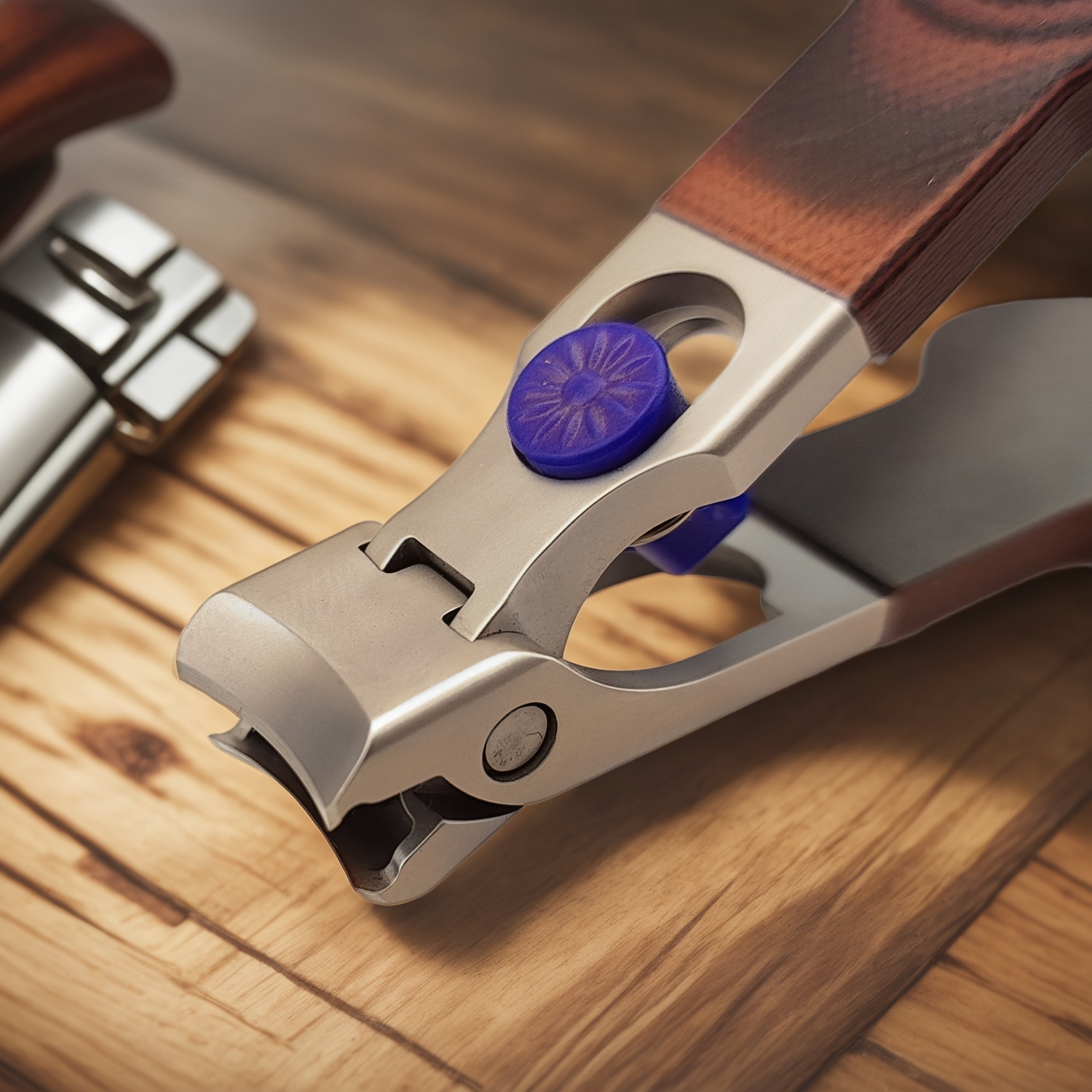
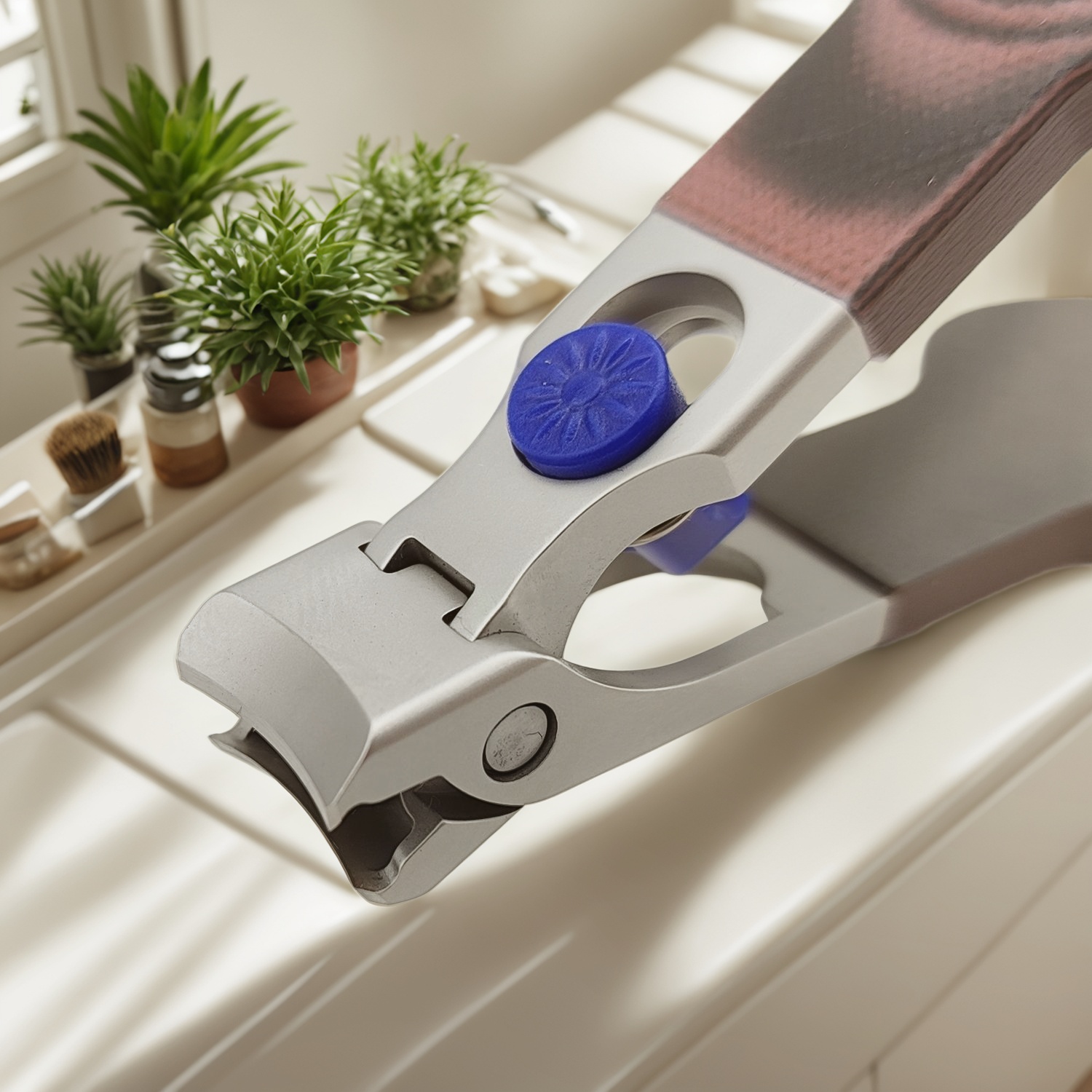
Olimor Beauty focuses on beauty tools where practical performance and presentation both matter. The Platinum Series Nail Clipper with Ergonomic Lever is a useful reference point because it combines stainless steel construction, a matte finish designed to resist tarnishing, a comfortable lever, a wide jaw and decorative blue resin grips with floral motifs. When you evaluate a nail clipper supplier, these are the kinds of details that separate a basic item from a product suited to B2B grooming programs.
Start with the end user and selling channel
Before comparing samples, define who will use the clipper and where it will be sold. The right sourcing priorities are different for each channel.
- Salon buyers often want a reliable cutting feel, easy cleaning and a professional look.
- Retail buyers usually need attractive design, consistent presentation and broad consumer appeal.
- Gift-set buyers may care more about finish, decorative detail and how the clipper fits with other personal-care tools.
- Distributors often need balanced quality, stable supply and packaging that works across multiple accounts.
This is why a nail clipper should be sourced as part of a use case, not as a generic commodity. A wide jaw can make the tool more versatile for different nail types. An angled cutting edge can help with positioning and cleaner trimming. An ergonomic lever improves control and comfort, which matters in daily grooming as well as professional-style home use.
What to inspect in a nail clipper sample
A catalog image can show the shape, but it cannot prove cutting action, lever stability or hand feel. Buyers should inspect samples the way an end user would use them.
Cutting alignment
The upper and lower cutting edges should meet evenly, without visible gaps or twisting. Misalignment can lead to rough trimming or a poor user impression.
Lever feel
The lever should press with controlled resistance and return smoothly. It should not feel flimsy, sharp or unstable.
Edge finish
Surfaces near the cutting area should feel smooth enough for safe handling. Any burrs, rough spots or uneven finishing can signal weak process control.
Grip comfort
Decorative grips should still support practical handling. The user should be able to hold the clipper securely with dry or slightly damp fingers.
Jaw opening
A wider jaw can improve versatility, but it should still feel controlled and precise rather than overly loose.
Appearance consistency
Finish, color and decorative details should match the intended product identity across samples.
The Platinum Series example shows how a clipper can combine stainless steel construction, a matte surface, ergonomic control and decorative resin details without losing the sense of a working tool. That balance is exactly what buyers should look for in a supplier sample.
Material and finish: why they matter in wholesale sourcing
Material choice affects durability, appearance and perceived value. Stainless steel is commonly used for grooming tools because it supports strength and a clean look. In the supplied product description, the clipper uses superior stainless steel with a matte finish designed to resist tarnishing.
For wholesale buyers, that matters because a clipper may be stored, displayed, packed in sets and shipped through several stages before it reaches the customer. A finish should be reviewed under realistic lighting, not only in a studio photo. Check whether fingerprints, scuffs or small marks are noticeable after handling.
If the product includes decorative resin grips, inspect how the resin is placed, whether the edges feel smooth and whether the motif looks intentional rather than fragile or uneven. In the featured design, the blue resin grips with floral motifs add retail appeal while still leaving room for everyday function.
Appearance also influences channel fit. A matte stainless steel surface can feel more refined than a glossy one in some assortments. A decorative accent can help a clipper stand out in a gift set or personal-care range. The key is to make sure the design supports the market rather than distracting from usability.
Supplier questions that reveal process control
When comparing a nail clippers supplier, ask questions that go beyond the quote. You want to understand how the supplier manages sample quality, consistency and order communication.
| Evaluation area | What to check | Why it matters |
|---|---|---|
| Cutting performance | Edge alignment, jaw opening, smooth trimming | Reduces rough cuts and customer complaints |
| Lever construction | Stability, pressure and return movement | Supports control and user comfort |
| Surface finish | Matte consistency, tarnish resistance, visible marks | Supports retail appearance and perceived quality |
| Decorative parts | Grip placement, motif clarity, edge smoothness | Prevents a premium-looking product from feeling poorly made |
| Packaging readiness | Protection, display format, labeling space | Helps align the tool with retail or wholesale distribution |
| Communication | Sample feedback process and documentation | Improves sourcing efficiency before bulk purchasing |
Useful supplier questions include:
- How do you control cutting alignment during production?
- What sample feedback process do you use before bulk orders?
- How do you protect the finish and decorative parts during packing?
- What packaging options are available for retail or kit use?
- What quality documentation can you provide for the buyer’s review?
Compare samples like a buyer, not just a user
Wholesale purchasing requires consistency, not only a good first sample. If possible, review more than one sample from the same production group. Compare cutting feel, lever movement, finish and decorative alignment side by side.
Some variation is normal in physical products, but the buyer should decide what level of variation is acceptable for the channel. Retail programs are especially sensitive to inconsistency because customers may compare items side by side. A blue resin grip should not vary so much that the products appear to belong to different lines. A matte finish should not look polished on one unit and scratched on another.
For this reason, it helps to create a simple internal checklist for purchasing, quality and sales teams. That keeps the decision objective and reduces misunderstandings before ordering.
- Confirm the target use case and customer profile.
- Review sample cutting action and lever feel.
- Inspect surface finish and decorative details.
- Check packaging needs for retail or kit use.
- Assess supplier communication and documentation.
- Compare consistency across more than one sample if available.
Use cases that influence supplier selection
A good supplier should be able to support multiple channel needs, but each use case changes the sourcing priorities.
Retail shelves
Retail buyers often want a tool that looks polished, is easy to understand at a glance and fits a broader beauty accessory range.
Travel grooming sets
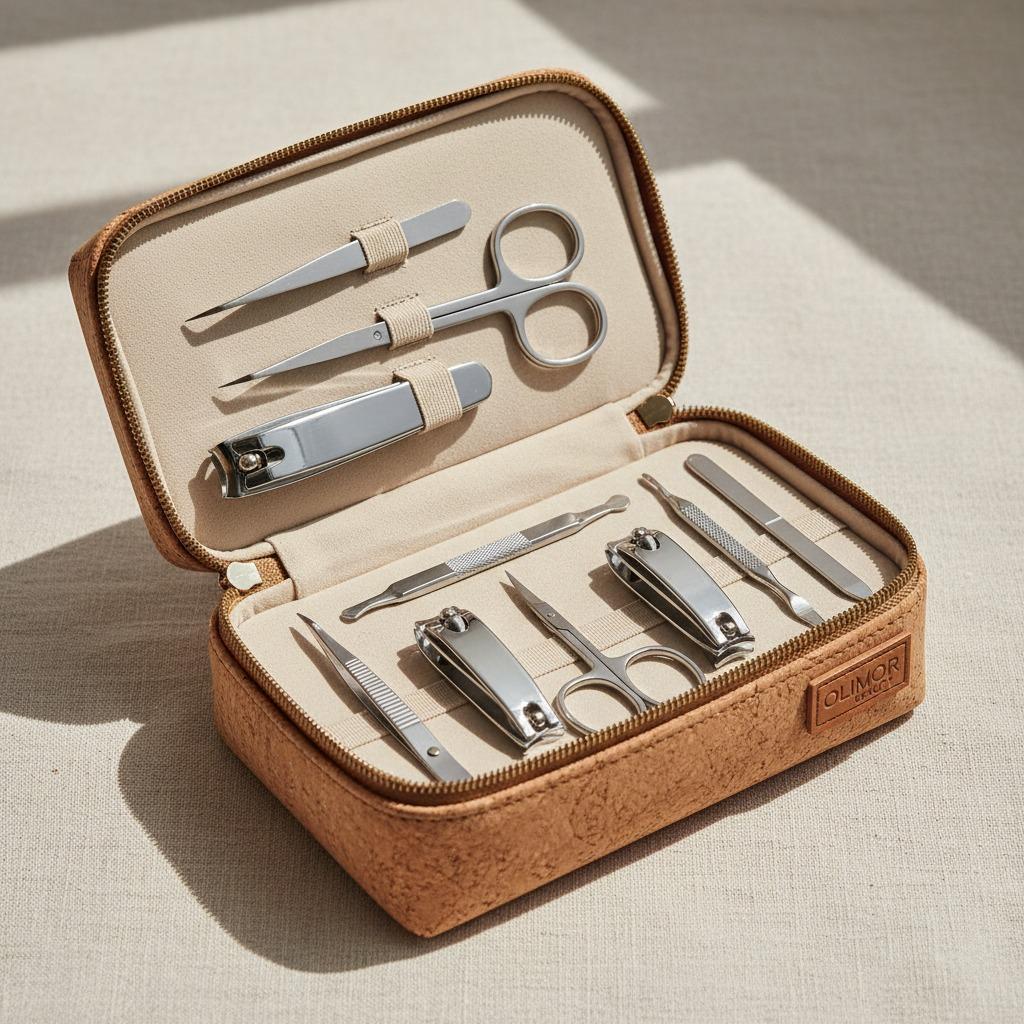
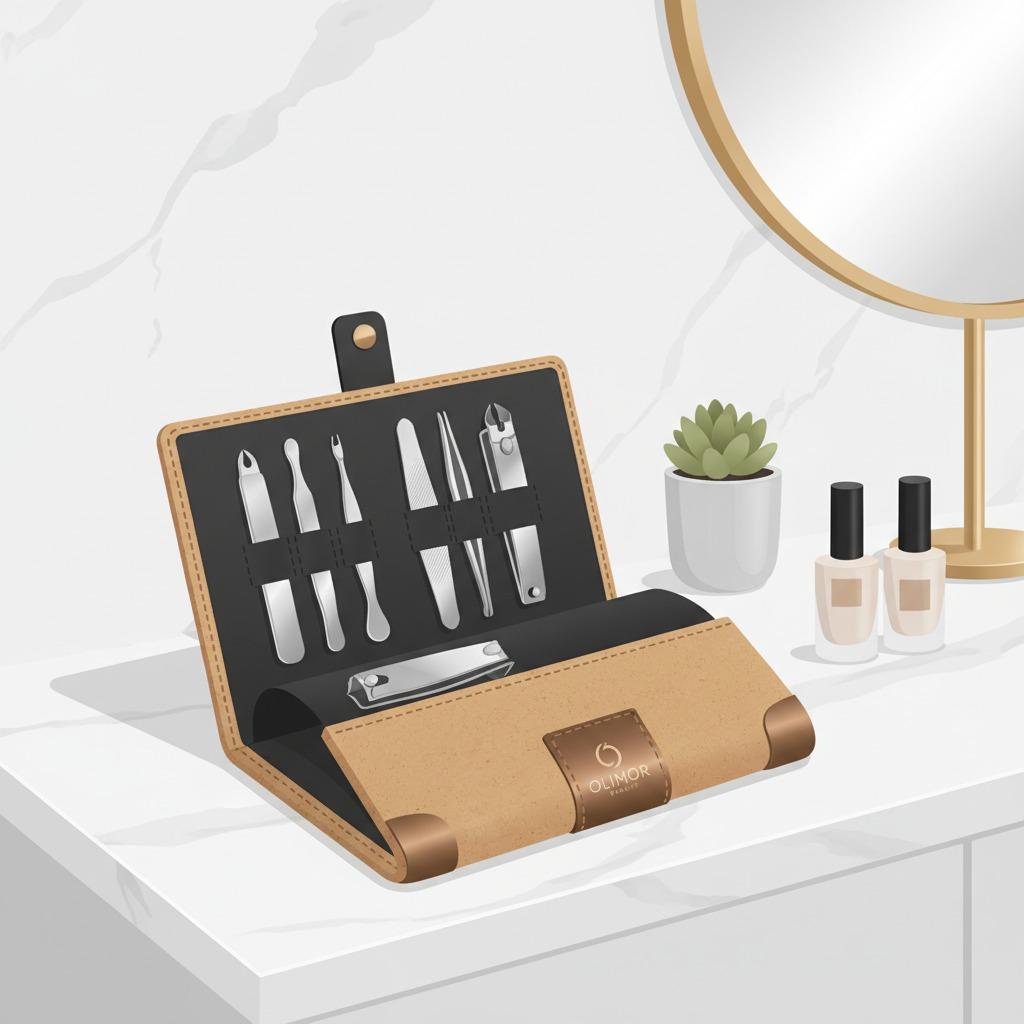
For travel programs, the clipper should be practical, compact in presentation and protected well in packaging.
Salon resale
Salons may prefer a dependable cutting feel and a professional appearance that looks credible near other tools.
Promotional kits
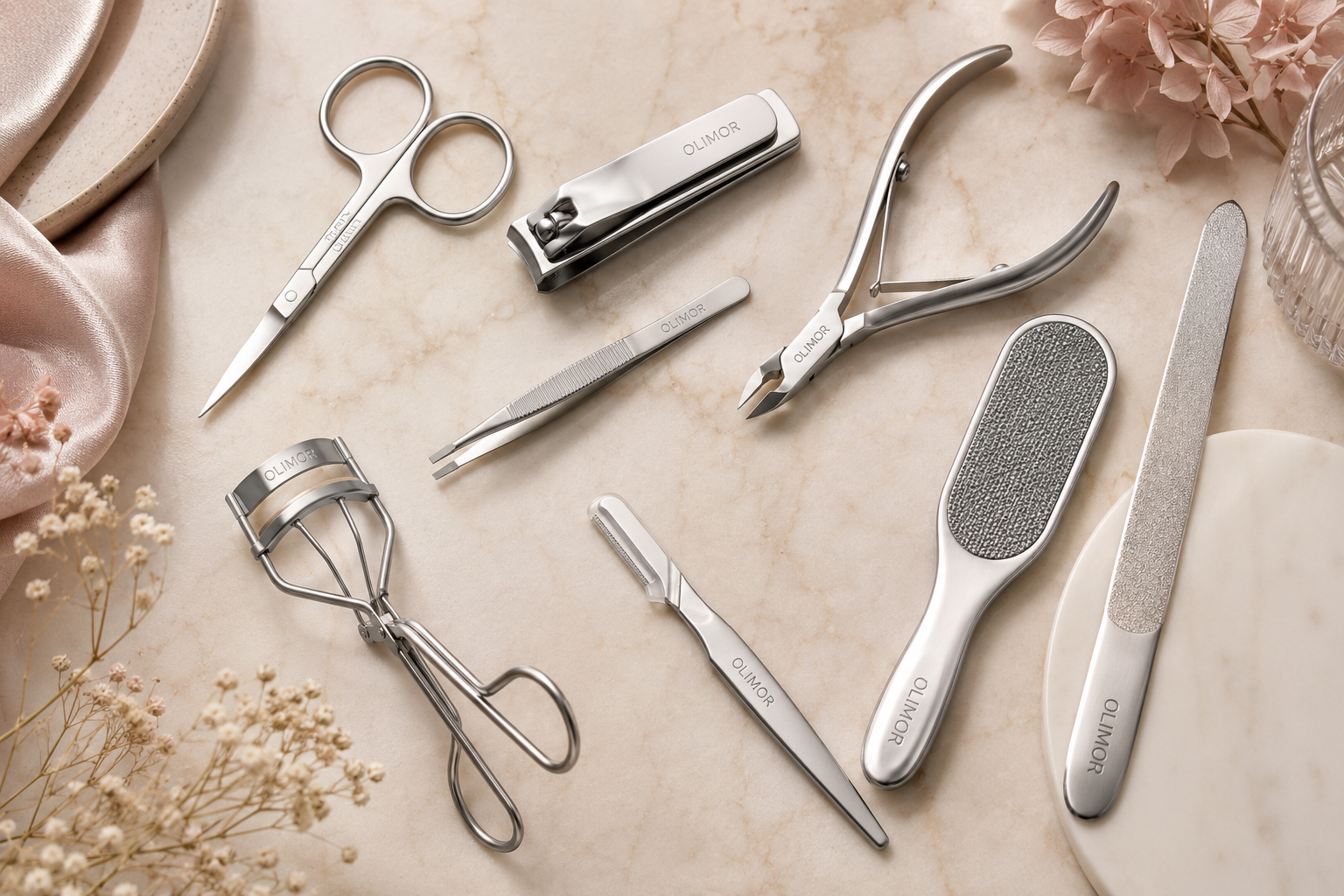
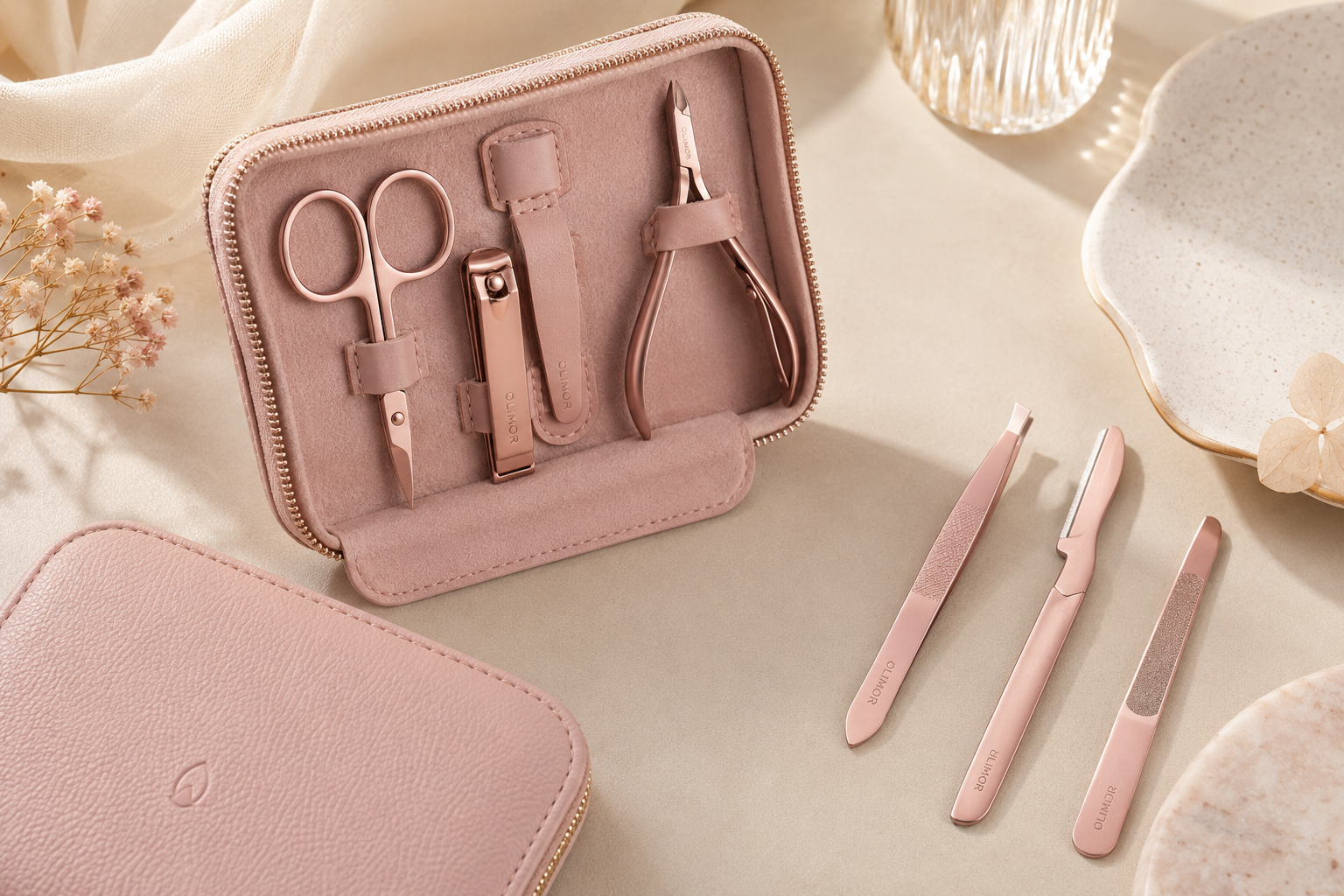
When a clipper is part of a larger kit, visual coordination matters as much as function. Buyers may compare it with tweezers, scissors or other grooming items.
If you are building a broader beauty-tool assortment, it can help to review the wider Olimor product range so that finish, presentation and tool style remain consistent across categories.
What matters in supplier evaluation beyond the product
Product quality is only part of the decision. A strong nail clippers supplier should also support a practical B2B process.
- Clear product photos that show the tool from multiple angles.
- Responsive communication during sample review and order discussions.
- Realistic lead-time conversations based on the order’s scope.
- Packaging and labeling support where needed for retail or distribution.
- Consistent documentation for the buyer’s internal approval process.
When buyers need a coordinated sourcing discussion, the Olimor contact team can help with product questions and commercial follow-up.
Standards and documentation buyers may want to verify
For nail clippers and similar grooming tools, buyers may sometimes ask suppliers about applicable documentation tied to market requirements. Depending on the destination market and product specification, a supplier may reference general quality management practices such as ISO 9001 or market-specific safety and substance requirements used by public bodies or regulators. Buyers should always verify the applicable version, the exact scope and the supplier documents provided for the specific product.
Do not assume that a standard mentioned in discussion automatically applies to every clipper or every market. Instead, ask which documents are available for the exact item, finish and packaging you plan to buy.
How Olimor fits buyer evaluation
Olimor Beauty positions its tools around practical use and attractive presentation. The nail clipper example reflects several features buyers commonly look for in a sourcing program: stainless steel construction, a matte finish designed to resist tarnishing, ergonomic lever control, a wide jaw and decorative blue resin grips with floral motifs.
For buyers comparing wholesale grooming tools, that combination is useful because it shows how a clipper can serve both retail appeal and everyday function. If you are planning a new assortment or looking for a more coherent grooming line, review the available categories through the beauty tools collection and then submit product questions through a direct inquiry.
Practical checklist before you place an order
- Does the clipper match the intended customer and channel?
- Do the cutting edges meet evenly and feel controlled?
- Is the lever comfortable, stable and easy to use?
- Does the stainless steel finish look clean under real lighting?
- Are decorative elements smooth, consistent and securely integrated?
- Is the packaging suitable for shelf display, kits or shipping?
- Has the supplier answered sample and documentation questions clearly?
FAQ
Can I request samples before ordering in bulk?
Most buyers should request samples first so they can test cutting feel, finish, lever action and packaging suitability before committing to a larger order.
What should I ask about minimum order quantity?
Ask the supplier for the MOQ tied to the exact clipper style, finish and packaging format you need, since these details can affect order terms.
Can the clipper be customized?
Customization depends on the supplier’s production setup. Ask about available options for finish, decorative details, packaging and branding without assuming every feature can be changed.
How should I evaluate quality checks?
Request information on alignment, lever stability, finish inspection and packaging checks. Buyers should also ask what documentation can be shared for review.
What lead-time information should I confirm?
Confirm lead time after the supplier understands the exact product, quantity, packaging and any customization needs. Avoid relying on a generic estimate.
Choosing the right nail clipper supplier is about more than finding a low-cost grooming tool. The best choice is the one that balances cut quality, finish, comfort, presentation and dependable supplier communication for your specific market.