










Choosing a nail clippers supplier is a quality decision, not just a purchasing task. For beauty brands, wholesalers, distributors, salons, promotional buyers and personal-care retailers, the right supplier affects cutting consistency, product presentation, customer complaints and repeat-order confidence.
A nail clipper is small, but users notice problems immediately. If the jaws do not align, the lever feels loose, the surface has rough contact points or the handle slips in the hand, the product can feel unreliable even before long-term use is considered. A dependable supplier should help buyers evaluate function, finish, packaging and batch consistency before production or bulk purchasing.
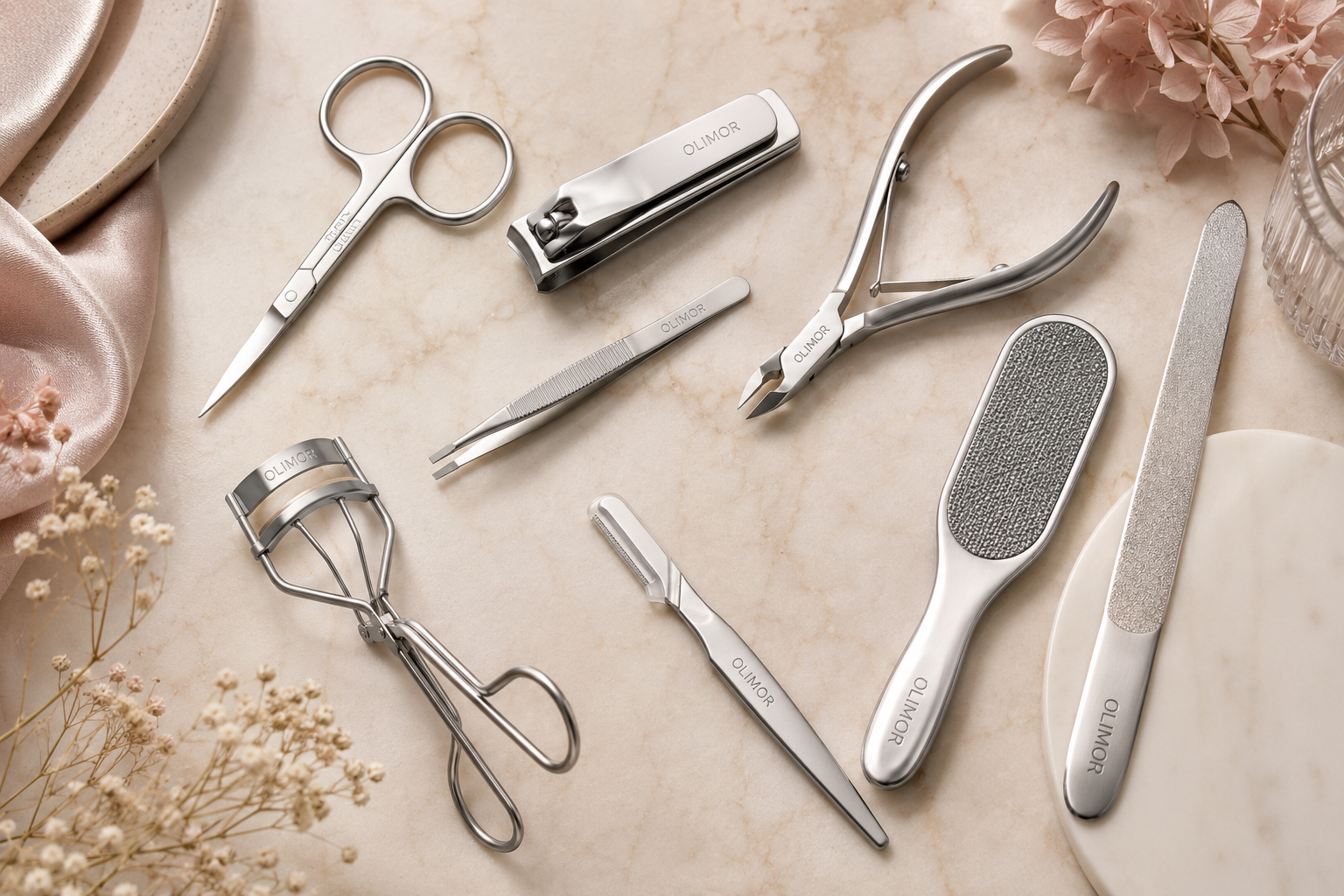
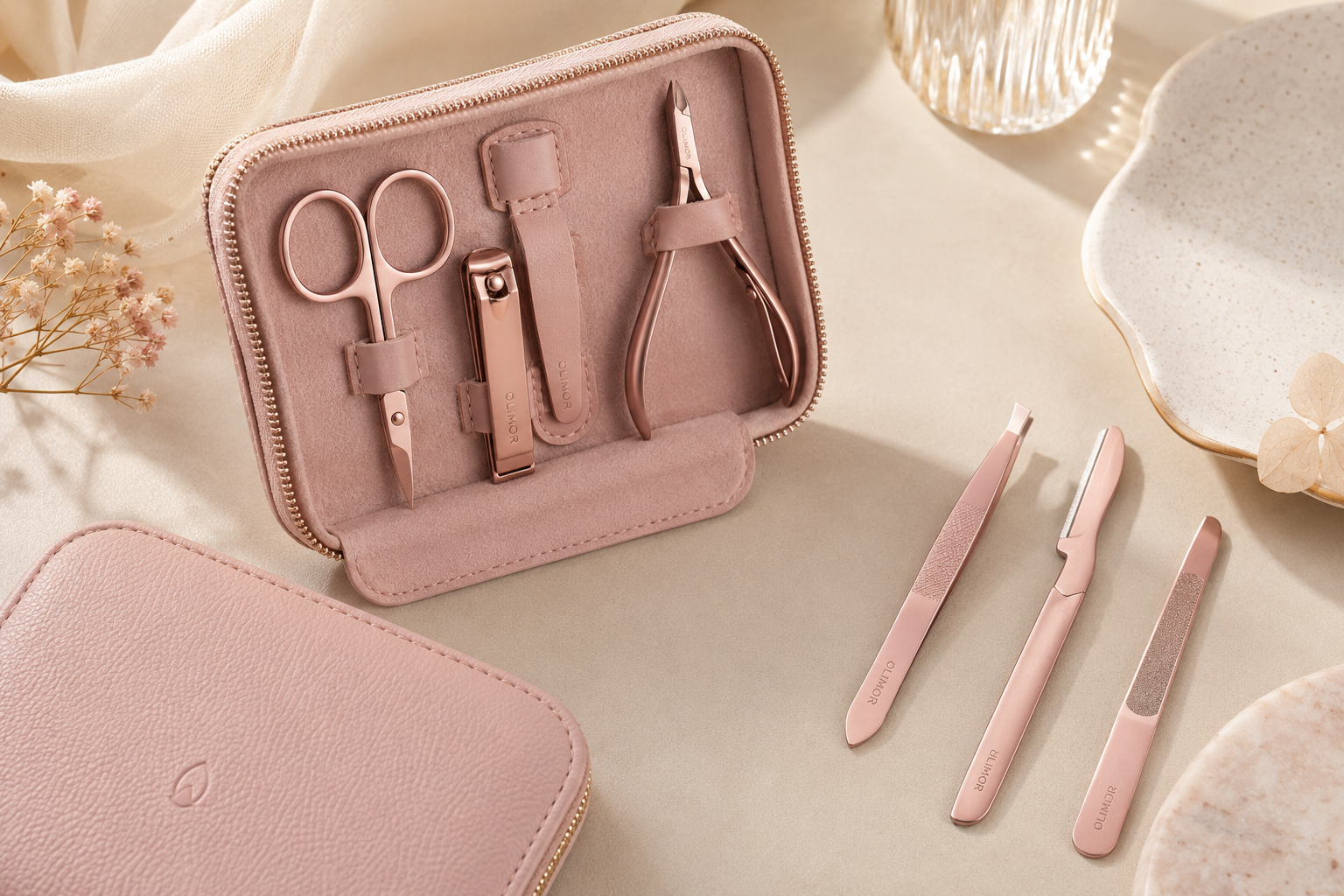
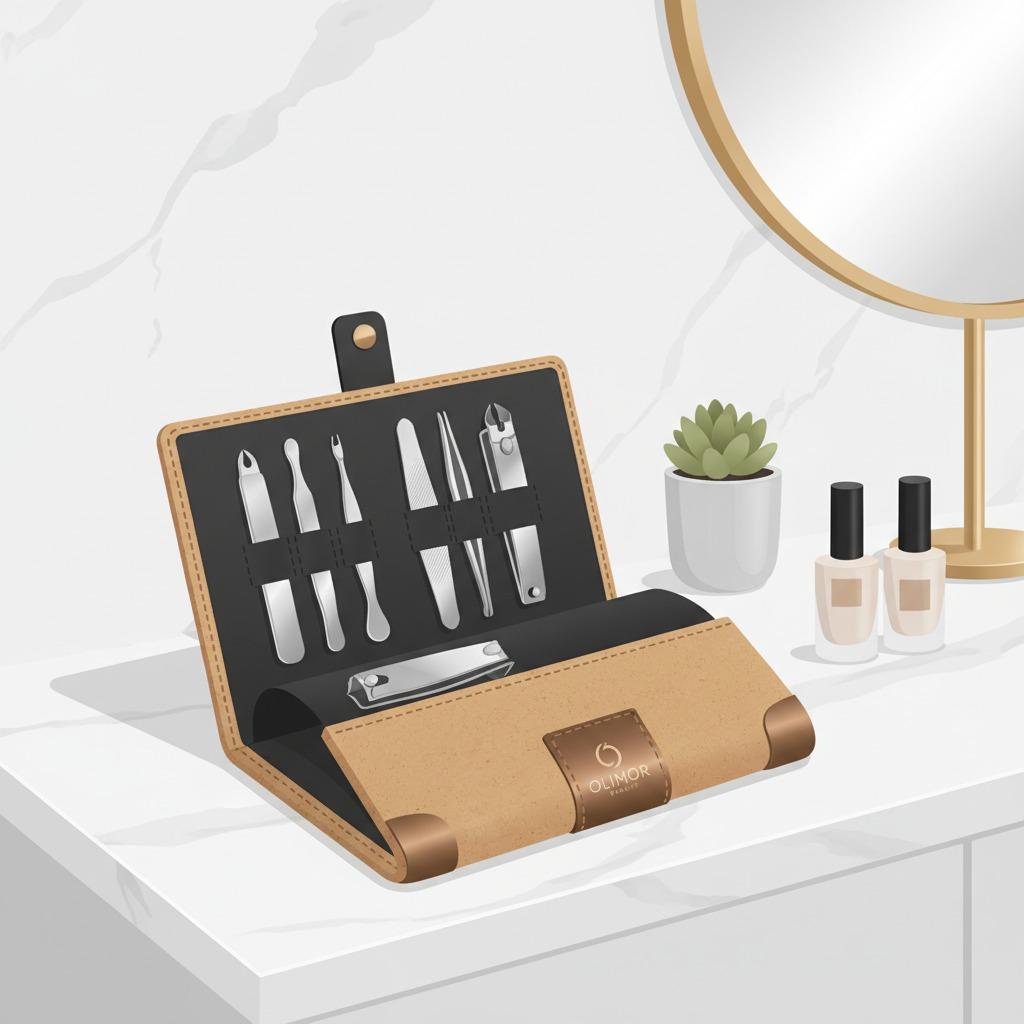
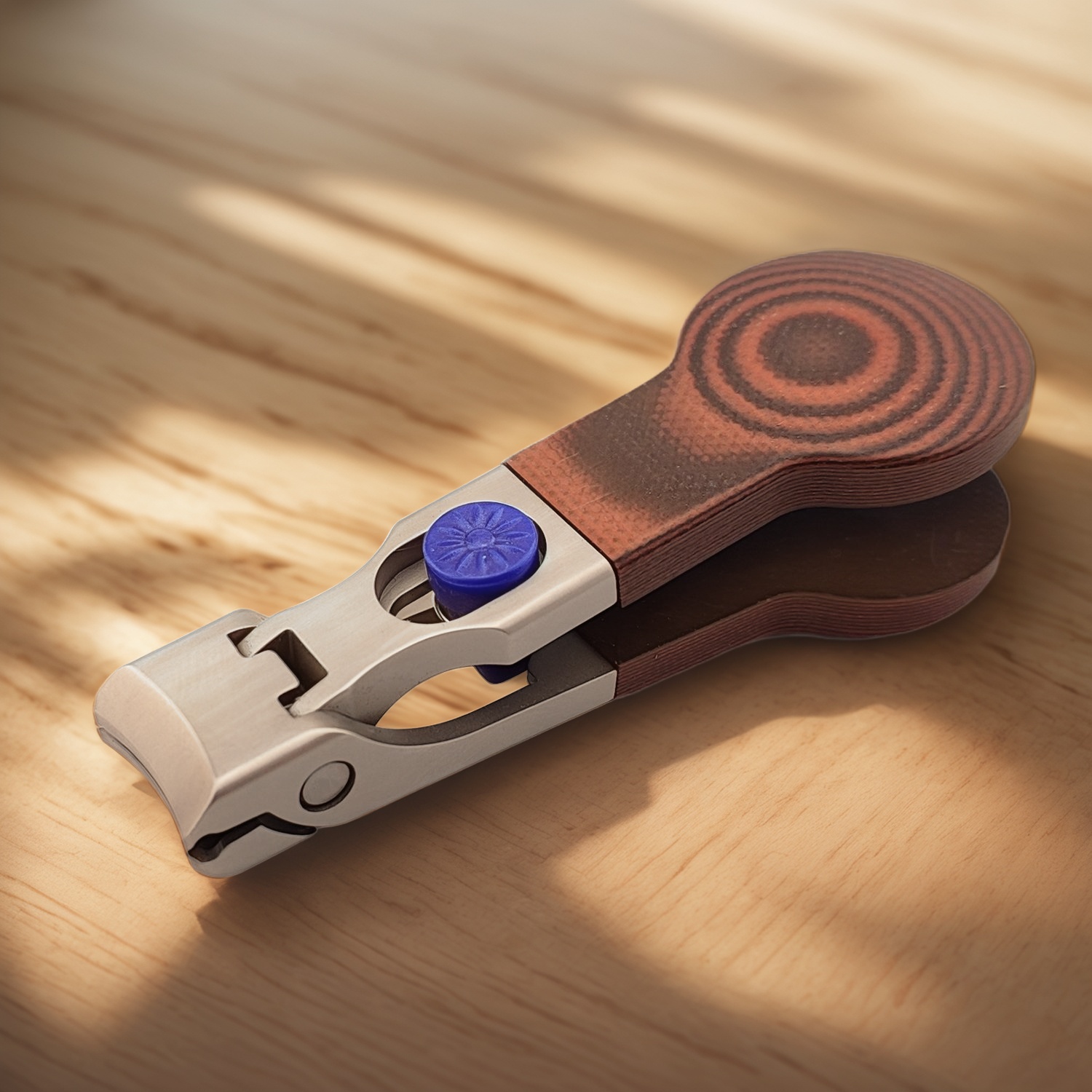
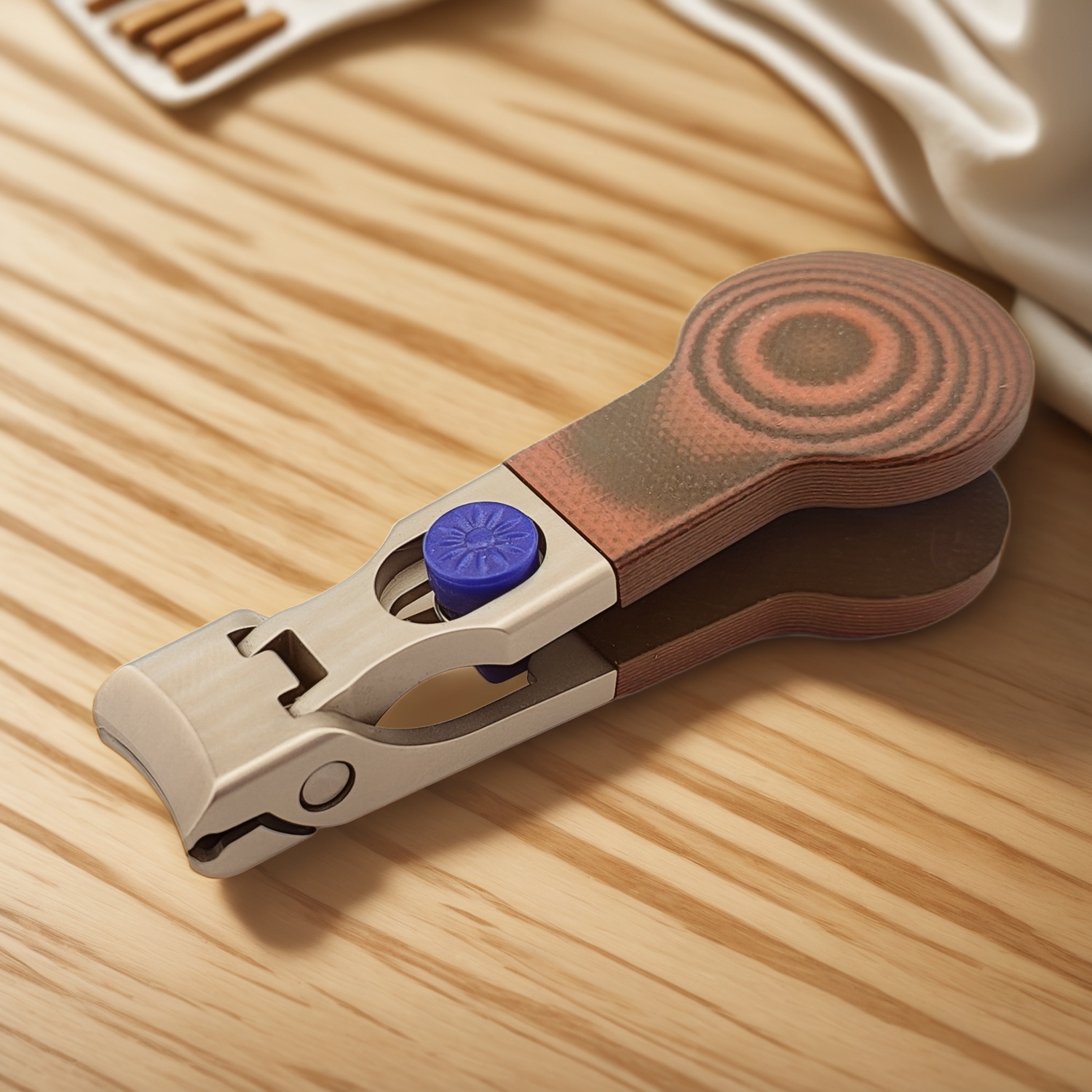
Olimor Beauty supplies beauty and grooming tools, including nail clippers with a clean stainless steel finish and a wood-textured handle. This type of design combines a polished personal-care appearance with a warmer grip area that can support better handling than a plain metal surface alone. Buyers can review related grooming assortments through Olimor beauty tool products when comparing nail clippers with other personal-care accessories.
What Makes a Nail Clippers Supplier Worth Comparing?
A reliable nail clippers supplier should be evaluated on more than catalog photos or unit cost. Two clippers may look similar online, but they can feel very different in daily use because of jaw alignment, edge sharpness, lever stability, handle shape and surface finishing.
The best supplier comparison starts with one question: can this supplier repeatedly deliver a grooming tool that cuts cleanly, feels controlled in the hand and arrives in saleable condition? For B2B buyers, that means judging the product and the supplier process together.
- Product function: The clipper should cut smoothly without crushing, dragging or twisting the nail.
- Manufacturing consistency: Samples should be checked across multiple pieces, not approved from one ideal display sample.
- Finishing quality: Metal surfaces, handle areas and edges should feel clean and safe to touch.
- Packaging control: The clipper should be protected against scratches, movement and deformation during transit.
- Communication: The supplier should answer practical questions about intended use, materials, finishing, inspection and packaging options.
For a retailer, shelf appearance and packaging neatness may be the priority. For a salon or grooming-service buyer, repeated handling and cutting comfort may matter more. For a distributor, carton-to-carton consistency and reorder stability are usually critical. A strong sourcing decision matches the nail clipper to the sales channel instead of treating every clipper as the same commodity.
Key Design Details That Affect Cutting Performance
The core job of a nail clipper is simple: the upper and lower cutting edges must meet cleanly and apply enough controlled force to trim the nail. In practice, small mechanical differences create major differences in user experience.
Cutting Edge Alignment
Edge alignment is the first point to check. The jaws should close evenly across the cutting curve without visible gaps, crossed edges or uneven pressure. If the jaws do not meet correctly, the clipper may crush, split or leave a jagged edge instead of producing a clean trim.
Bulk buyers should test the center and both sides of the jaw. A sample that cuts well only in the middle may still cause complaints when users trim at an angle or work on thicker nails.
Lever Stability and Hand Pressure
The lever should press smoothly and return without feeling loose or unstable. A lever that is too short may require excessive pressure, while a loose lever can reduce control and make the tool feel unfinished. Buyers should open, close and press each sample repeatedly to detect wobble, squeaking, stiffness or inconsistent motion.
For products intended for both fingernails and toenails, buyers should confirm the intended use with the supplier and test samples accordingly. Do not assume that every clipper is suitable for every nail thickness or grooming routine.
Grip Comfort and Handle Finish
Grip affects control. A sharp edge cannot perform well if the tool twists in the hand or feels slippery. The Olimor nail clipper design described here uses a stainless steel finish with a wood-textured handle, giving the tool visual contrast and a more tactile grip area. The stainless steel finish supports a clean grooming-tool appearance, while the wood-textured handle can make the product feel less cold and more comfortable than plain metal alone.
This combination is useful for beauty kits, personal grooming sets, giftable assortments and retail displays where the buyer wants a product that looks more considered than a basic utility tool. As with any sourcing decision, exact material details and production specifications should be confirmed through supplier documentation and sample review.
Materials, Finishing and Edge Quality Questions
When discussing materials, buyers should avoid vague terms and ask practical questions. A supplier should be able to explain the material type used, how the surface is finished, how the cutting edge is formed and what checks are performed before packing. If technical details are not yet confirmed, sample testing becomes even more important.
A polished body can create a premium impression, but the cutting edge remains the core performance feature. Heavier weight does not automatically mean better quality. Buyers should judge whether the clipper cuts smoothly, whether the lever gives controlled leverage and whether the trimmed nail edge is reasonably clean.
Surface finishing should also match the product’s sales channel. A salon-focused clipper may prioritize stable grip, smooth touch points and easy handling. A retail gift set may place more emphasis on coordinated packaging and a clean, attractive appearance. Neither approach should compromise cutting function.
Quality Control Checklist for Nail Clippers Wholesale
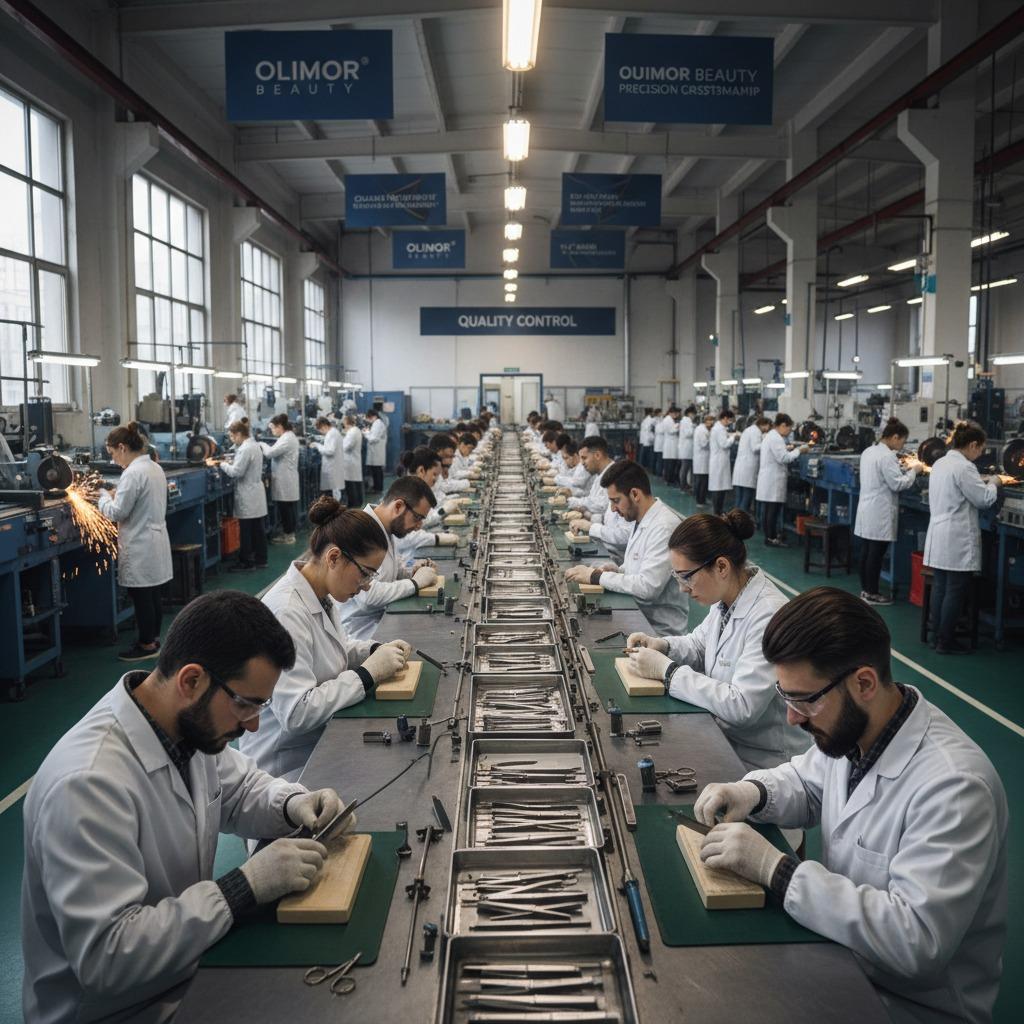
Wholesale buyers should define quality expectations before confirming bulk orders. Olimor Beauty follows internal quality controls from raw materials through final packaging, which is important because nail clippers can show defects at many points: uneven edges, loose levers, finish marks, inconsistent handle texture or packaging damage.
Buyers can also use recognized quality-management and sampling references as part of their own supplier evaluation process. For example, ISO 9001 is commonly referenced for quality management systems, and ISO 2859-1 is commonly referenced for sampling procedures. These standards should be used carefully: buyers should verify the applicable version, confirm what documentation a supplier can provide and avoid assuming certification unless it is specifically supplied and validated.
| Check Area | What to Review | Why It Matters | Practical Review Method |
|---|---|---|---|
| Cutting edge | Alignment, smooth closure and clean cutting feel | Directly affects trimming performance and user complaints | Test multiple samples at the center and sides of the jaw |
| Jaw closure | Gaps, crossing edges or uneven pressure | Prevents crushing, splitting or jagged nail edges | Inspect under bright light and close the jaws slowly |
| Lever mechanism | Stable pressure, return action and looseness | Improves control and perceived quality | Open, close and press repeatedly to detect wobble or noise |
| Handle area | Wood-textured appearance, grip feel and consistency | Supports comfort, handling and retail appeal | Hold with dry and slightly damp hands to compare control |
| Metal finish | Clean stainless steel appearance without rough contact points | Influences safety of touch and visual quality | Run a fingertip over edges and inspect for scratches or burrs |
| Packaging | Protection, fit and presentation consistency | Reduces scuffing and supports retail readiness | Shake packaged samples gently and check for movement or marks |
| Batch consistency | Similarity across several samples | Reduces complaints after larger orders | Compare multiple pieces rather than approving one sample only |
A photo record of approved and rejected details can help prevent misunderstandings during reorder discussions. For distributors and private-label buyers, this is especially useful because the end customer will judge the product received, not the original approval sample.
How Different Buyers Should Evaluate Nail Clippers
Not every buyer needs the same nail clipper. Before comparing suppliers, define the product’s role in your assortment and the expectations of the final user.
Retail Beauty Buyers
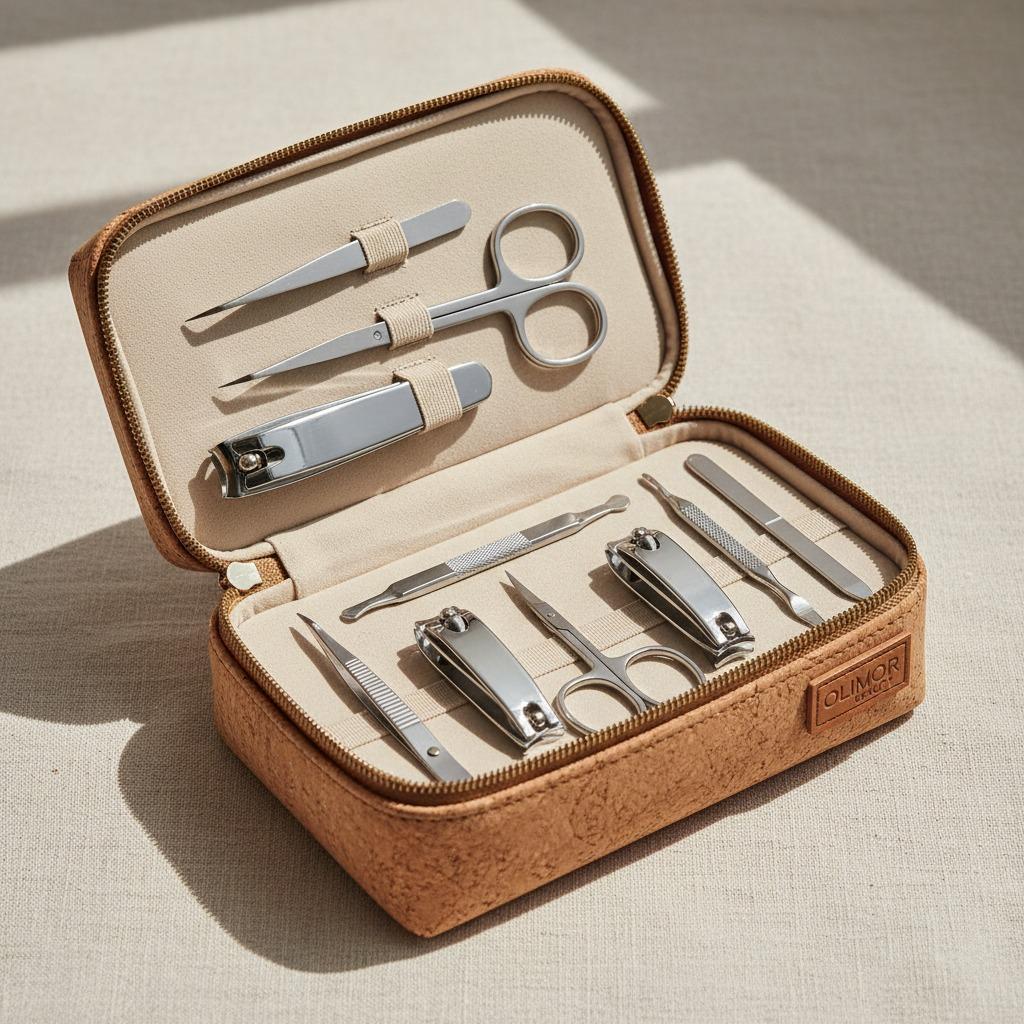
Retail buyers should focus on shelf appeal, packaging neatness, handle detail and whether the tool fits naturally beside other personal-care items. A stainless steel finish with a wood-textured handle can help the product stand out without relying on bright colors or novelty styling. The product should look clean, giftable and easy to understand at first glance.
Salon and Grooming Service Buyers
Salons and grooming-service buyers should test handling over repeated use. Comfort, leverage and cutting smoothness matter because tools may be handled frequently. Check for rough underside surfaces, sharp corners, unstable levers or grip areas that become uncomfortable during longer use.
Wholesale Distributors
Distributors should prioritize consistency across cartons and repeat batches. A distributor may accept different packaging formats for different channels, but product function must remain stable. Incoming inspection plans, sample records and clear defect definitions can make supplier communication more efficient.
Private Label and Promotional Buyers
Private-label and promotional buyers should confirm customization boundaries before artwork or packaging is finalized. Ask what can be customized, what requires tooling or packaging changes, and how the supplier confirms pre-production samples. Claims on packaging should be accurate, supportable and aligned with the buyer’s market requirements.
Asia Sourcing: Benefits and Evaluation Points
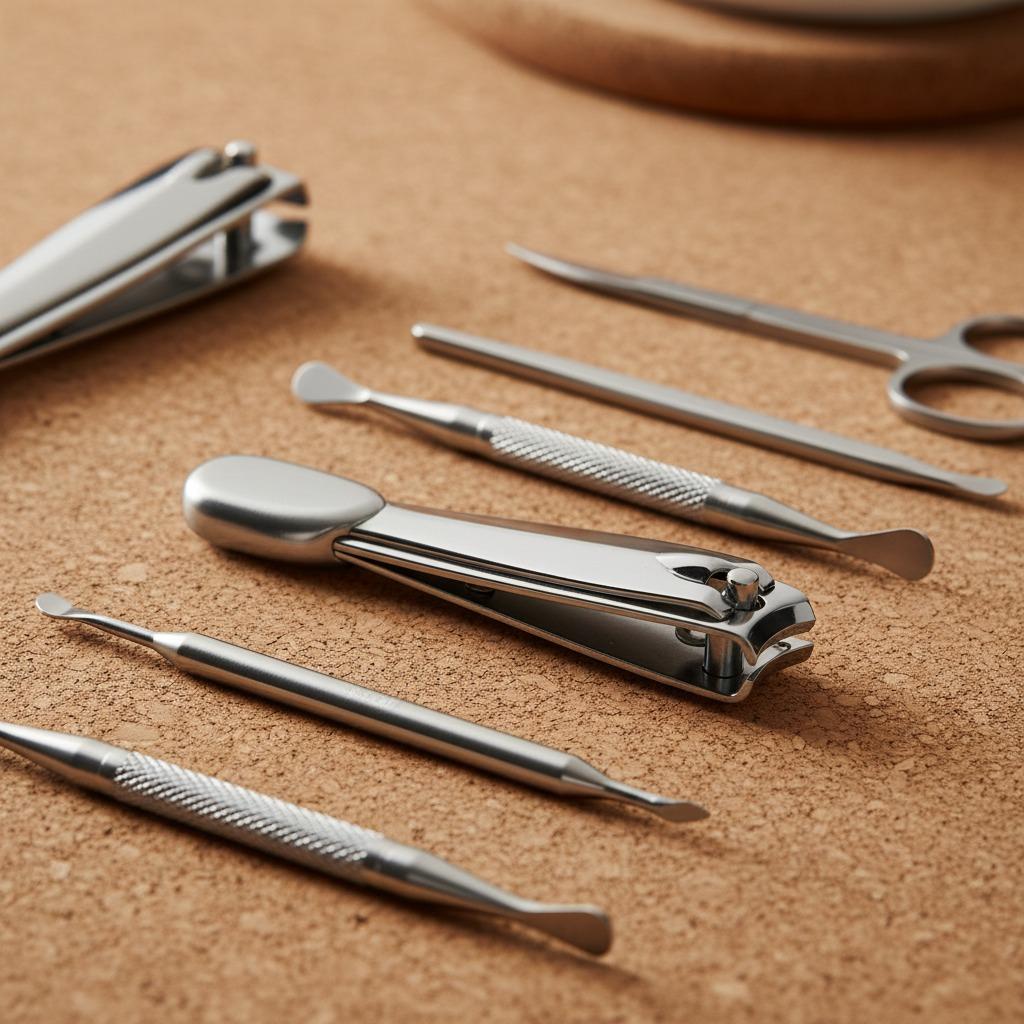
Asia is a major sourcing region for beauty and personal-care tools because buyers can often find broad category coverage, established production experience and practical presentation options. Nail clippers may be sourced alongside tweezers, scissors, files and related manicure accessories, allowing buyers to build coordinated grooming ranges.
The advantage of a broad sourcing region should not replace supplier evaluation. Buyers still need to check function, finishing, packaging protection, communication and documentation. If you are building a broader beauty tool program, Olimor product collections can help you consider how nail clippers fit with related grooming accessories.
When comparing suppliers, look for practical answers rather than broad promises. A useful supplier discussion should cover intended use, sample approval, inspection points, packaging requirements, customization limitations and how quality concerns are handled before shipment.
Ethical, Cruelty-Free and Claim Considerations
Cruelty-free and ethical positioning should be handled accurately. Nail clippers are mechanical tools, so buyers should clarify what any claim covers. In some cases, the relevant questions may involve coatings, accessory materials, adhesives, packaging components, promotional statements or any included care products.
If a market requires vegan-friendly, cruelty-free or other ethical positioning, the buyer should define the claim early and request appropriate supplier documentation before packaging is printed. Avoid broad claims that cannot be supported. A modest, documented statement is safer than an impressive but vague promise.
Ethical sourcing can also include workplace expectations, material responsibility, packaging reduction and waste control. These topics should be discussed as part of a clear sourcing brief so that the supplier understands which requirements are essential for the buyer’s market.
Cost Factors Without Reducing Quality to Price
Cost matters in B2B sourcing, but the lowest quoted price may not deliver the best commercial result. Nail clipper cost can be influenced by material selection, edge formation, lever construction, handle treatment, surface finishing, packaging style, customization, inspection requirements and order complexity.
A low-cost clipper that generates complaints, returns or weak repeat sales can become expensive over time. Buyers should compare total value: usable quality, presentation, consistency, communication and fit for the intended sales channel.
- Functional requirements: A clipper intended for thicker nails may require different construction than a basic travel item.
- Finish expectations: Cleaner surfaces, handle details and more refined presentation can affect production complexity.
- Packaging format: Retail-ready packaging, kit packing or protective inner packing can change cost and handling.
- Customization: Branding, artwork, packaging and special presentation requests may affect sampling and production planning.
- Inspection scope: More detailed checking may require clearer standards and coordination before shipment.
Instead of asking only for the cheapest nail clipper, buyers should ask which specification best fits the market, complaint risk and target presentation.
Supplier Evaluation Questions Before Ordering
A structured sourcing brief helps both buyer and supplier avoid confusion. Before placing an order, prepare questions that connect product function with commercial requirements.
- What is the intended use of this clipper: fingernails, toenails, travel kits, salon use or general grooming?
- How are the cutting edges formed, aligned and checked during production?
- What material and finish information can be documented for the product?
- How is lever stability checked before packing?
- Can multiple samples be reviewed before approval?
- What packaging options are suitable for retail, wholesale cartons or grooming kits?
- What customization options are available for handle appearance, branding or packaging?
- How are raw materials, in-process work and final packaging reviewed?
- What documentation can the supplier provide, and what standards or versions does it reference?
- How should quality concerns be reported and resolved before repeat orders?
Clear questions create clearer quotations and more useful samples. They also help prevent the common mistake of approving a product visually before confirming whether it performs well in actual trimming use.
Why Work With Olimor for Nail Clippers and Grooming Tools?
Olimor Beauty supports buyers looking for practical beauty and grooming tools with attention to function, finish, internal quality review and market-ready presentation. The stainless steel finish and wood-textured handle nail clipper is suitable for buyers who want a clean personal-care look with a more tactile grip detail.
Olimor is a good fit for buyers who want to discuss how a nail clipper fits into a broader beauty tool assortment, retail pack, grooming kit or private-label direction. The most productive inquiry includes the target channel, desired product style, packaging expectations, customization needs and any documentation requirements.
To compare available beauty tools and discuss a suitable nail clipper sourcing direction, send Olimor a focused brief through the product inquiry page or reach the team through Olimor contact support.
FAQ
Can I request samples before placing a bulk nail clippers order?
Yes. Sample review is important because cutting feel, jaw alignment, lever stability, grip comfort and packaging fit cannot be judged reliably from photos alone. Buyers should test more than one sample and keep records of approved quality details.
Does Olimor offer customization for nail clippers?
Customization may depend on the product design, handle treatment, branding request and packaging format. Buyers should provide artwork, target channel and presentation requirements early so the available options can be confirmed before production planning.
What quality checks should I request for wholesale nail clippers?
Important checks include cutting edge alignment, smooth jaw closure, lever stability, surface finish, handle consistency, packaging protection and comparison across multiple samples. Buyers should also confirm what supplier documentation is available for the specific product.
How should I evaluate MOQ or lead time?
MOQ and lead time depend on specification, customization, packaging and order requirements. Buyers should avoid assuming fixed answers and instead request a quotation based on the exact product, packaging plan and approval process.
What information should I send when contacting a supplier?
Include the target market, sales channel, intended use, preferred finish, packaging style, customization needs, documentation requirements and any inspection expectations. A clear brief helps the supplier recommend a more suitable nail clipper solution.