










Nail clippers are small tools, but they have a direct effect on comfort, hygiene and the final appearance of the nail. A well-made clipper should cut cleanly with controlled pressure instead of crushing, bending or tearing the nail plate. For salons, beauty distributors, personal care retailers and grooming brands, the right nail clipper also needs to be consistent across batches, easy to use for different hand sizes and suitable for practical daily cleaning.
Olimor Beauty offers stainless steel nail clippers designed for reliable nail grooming, including options suited to everyday trimming and thicker nails. The key value of a professional clipper is not only sharpness. Buyers should also evaluate the cutting edge alignment, grip comfort, lever movement, material choice, finish quality and quality control process from raw material inspection through final packaging. This guide explains how to assess those points before adding nail clippers to a retail range, salon kit or grooming set.
Why Stainless Steel Is Commonly Chosen for Nail Clippers
Stainless steel is widely used for nail clippers because it balances strength, durability and practical hygiene. A nail clipper is exposed to moisture, hand oils, cleaning routines and repeated pressure. Stainless steel helps support rust-free performance when the tool is used and maintained properly, making it a sensible option for beauty tools that need to remain presentable and functional over time.
For buyers, the material decision should be connected to the product’s expected environment. A clipper used at home may be cleaned occasionally and stored in a bathroom drawer. A clipper used in a salon or mobile grooming kit may be cleaned more often and handled by multiple users. In both situations, stainless steel is a practical foundation, but the finish, blade preparation and assembly quality still determine the user experience.
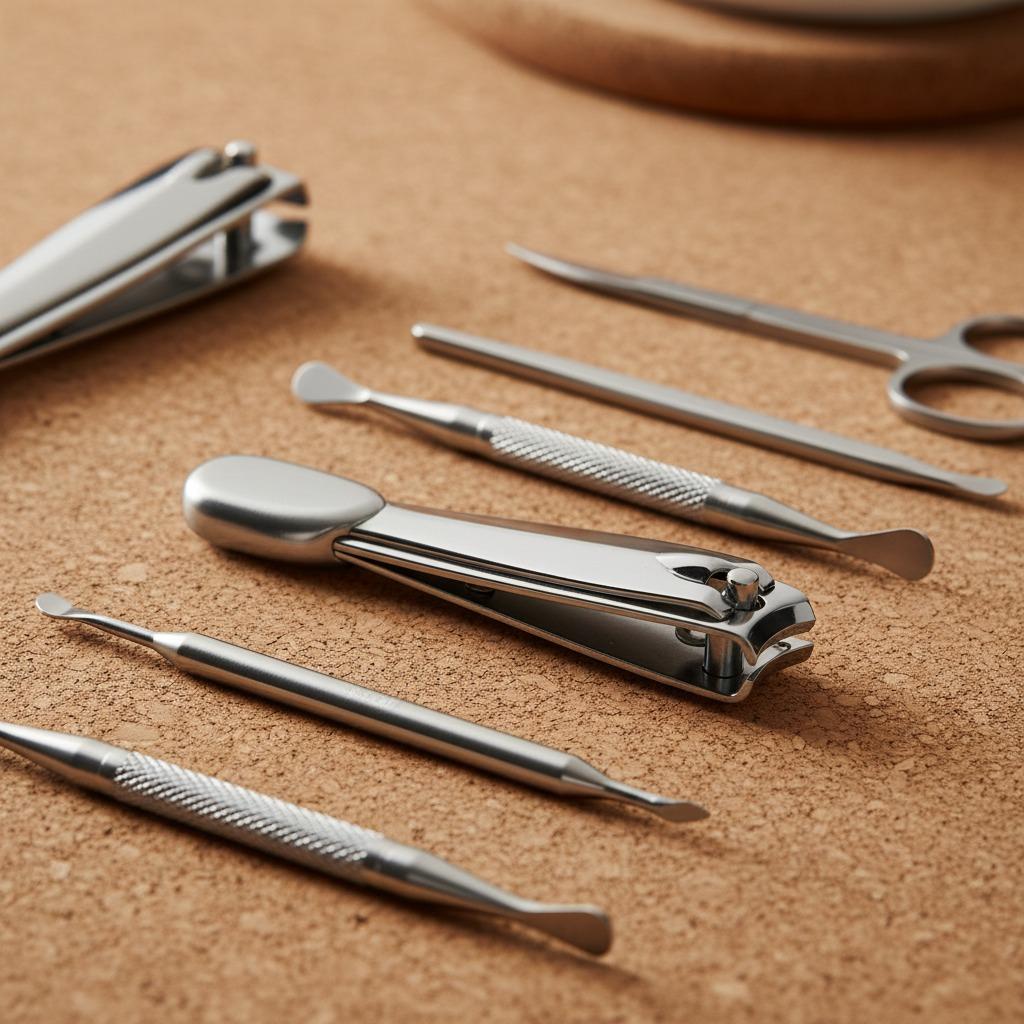
When reviewing stainless steel nail clippers, look for smooth surfaces that do not catch on cotton pads, towels or storage pouches. The cutting jaws should meet evenly from one side to the other. The lever should rotate smoothly without feeling loose, unstable or overly stiff. These details may seem minor, but they influence both trimming precision and customer perception.
What Makes a Nail Clipper Feel Professional?
A professional nail clipper should give the user a sense of control. It should not require excessive force for a normal nail, and it should not slip in the hand when trimming at an angle. The shape of the body, the length of the lever and the texture of the grip all influence how confidently a person can position the tool.
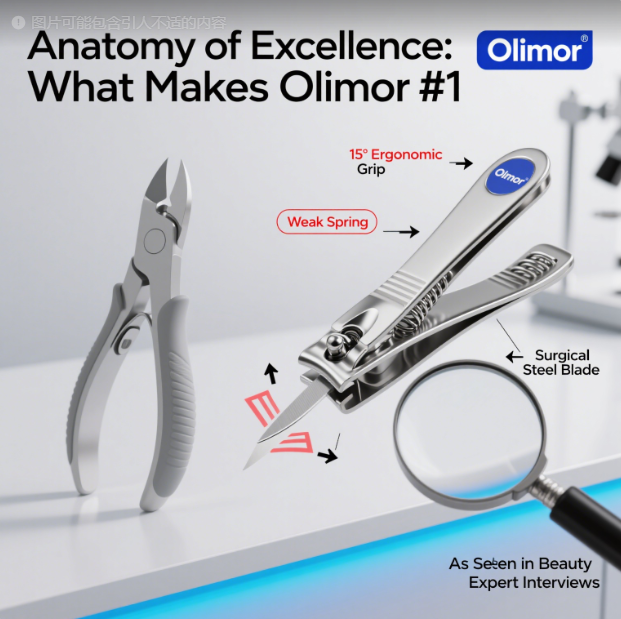
Olimor Beauty’s nail clippers are described with ergonomic designs and precision-focused performance. In practical buying terms, ergonomics should be assessed by testing how the clipper works for different users, not just by looking at the shape. A clipper that feels comfortable in a large hand may feel awkward for a customer with smaller hands. A lever that is easy for a salon technician may be less comfortable for an older user with reduced hand strength.
- Jaw alignment: The cutting edges should close evenly, helping reduce nail splitting and rough edges.
- Lever control: The lever should offer enough resistance for accuracy while still being easy to press.
- Grip stability: The surface and shape should help prevent slipping during trimming.
- Edge finish: The cutting edge should be clean, with no visible burrs that could catch the nail.
- Body finish: Exposed edges should feel smooth in the hand and safe during storage.
These points are especially important for distributors and brands comparing multiple beauty tool products. A low-quality clipper may look acceptable in a product photo, but performance issues appear quickly during sample testing.
Choosing Nail Clippers for Thick Nails
Thick nails require a clipper with more cutting force and better stability. This does not mean the tool should be aggressive or difficult to control. A suitable thick-nail clipper should help the user trim gradually, with reduced risk of cracking the nail or creating discomfort.
Olimor Beauty provides nail clippers designed for thicker nails, with enhanced grip and cutting force. For buyers, the practical question is how those features translate into use. A clipper for thick nails should have a sturdy body, a lever that supports firm pressure and jaws that can approach the nail cleanly. If the cutting area is too narrow or the tool twists under pressure, users may compensate by forcing the cut, which can damage the nail or reduce confidence in the product.
Thick nails are common among people who need toenail grooming, older users and customers whose nails are harder or more curved than average. For these users, packaging and product education also matter. Clear instructions can encourage trimming after bathing or soaking, cutting small sections rather than one deep cut and smoothing the edge afterward with an appropriate nail file.
Everyday Nail Trimming: Clean Cuts Matter
For everyday fingernail trimming, the best clipper is often the one that feels precise, balanced and easy to position. A clean cut reduces the amount of filing needed afterward and helps avoid ragged edges that catch on fabric. Users may not describe this as “edge alignment” or “lever control,” but they notice when a clipper leaves a neat finish.
Professional stainless steel clippers are also useful for grooming sets because they serve a broad audience. A compact clipper may suit fingernails and travel kits, while a larger clipper may be preferred for toenails or thicker nails. Without inventing model names or specifications, the important buying decision is whether the range covers the main use cases your customers expect.
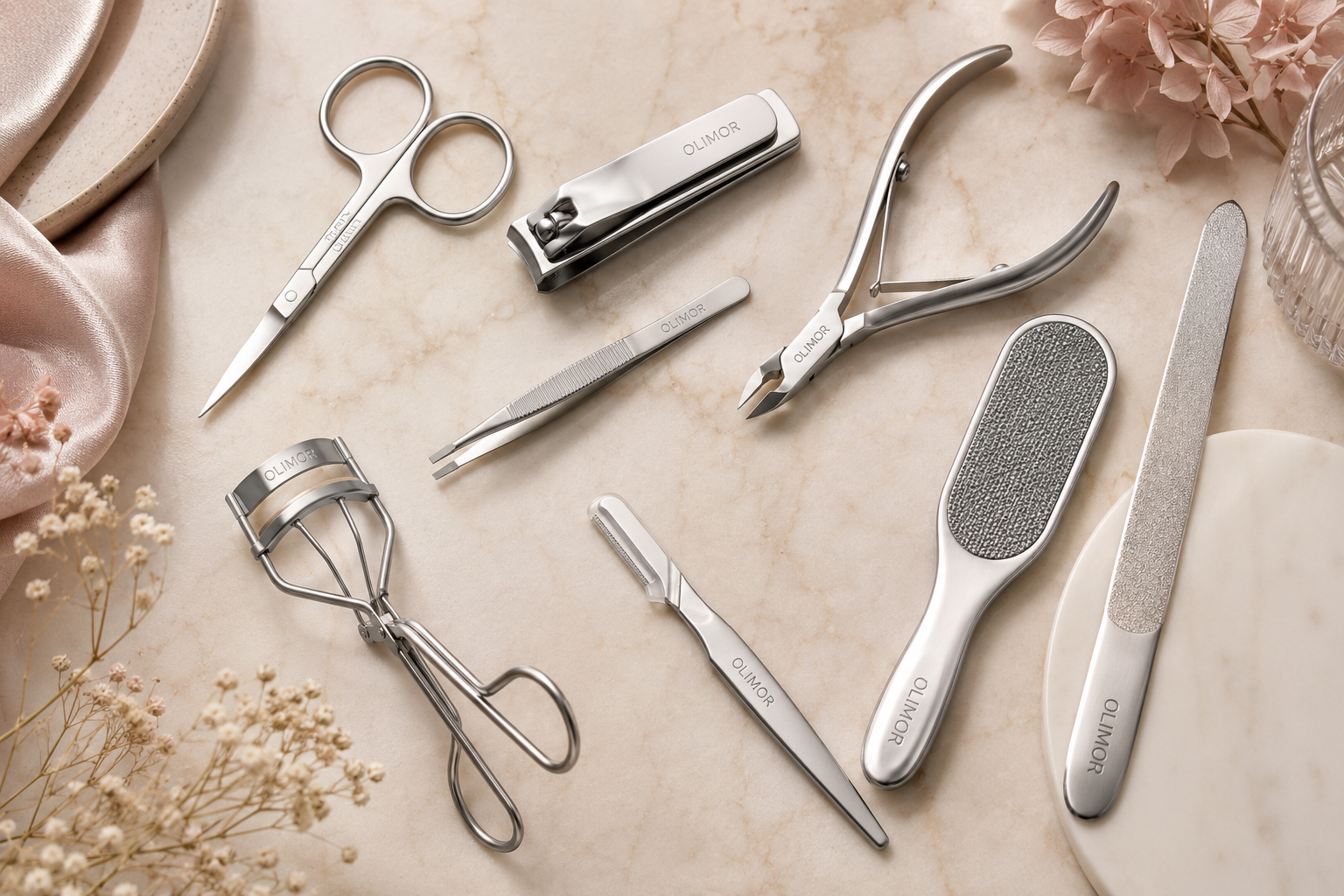
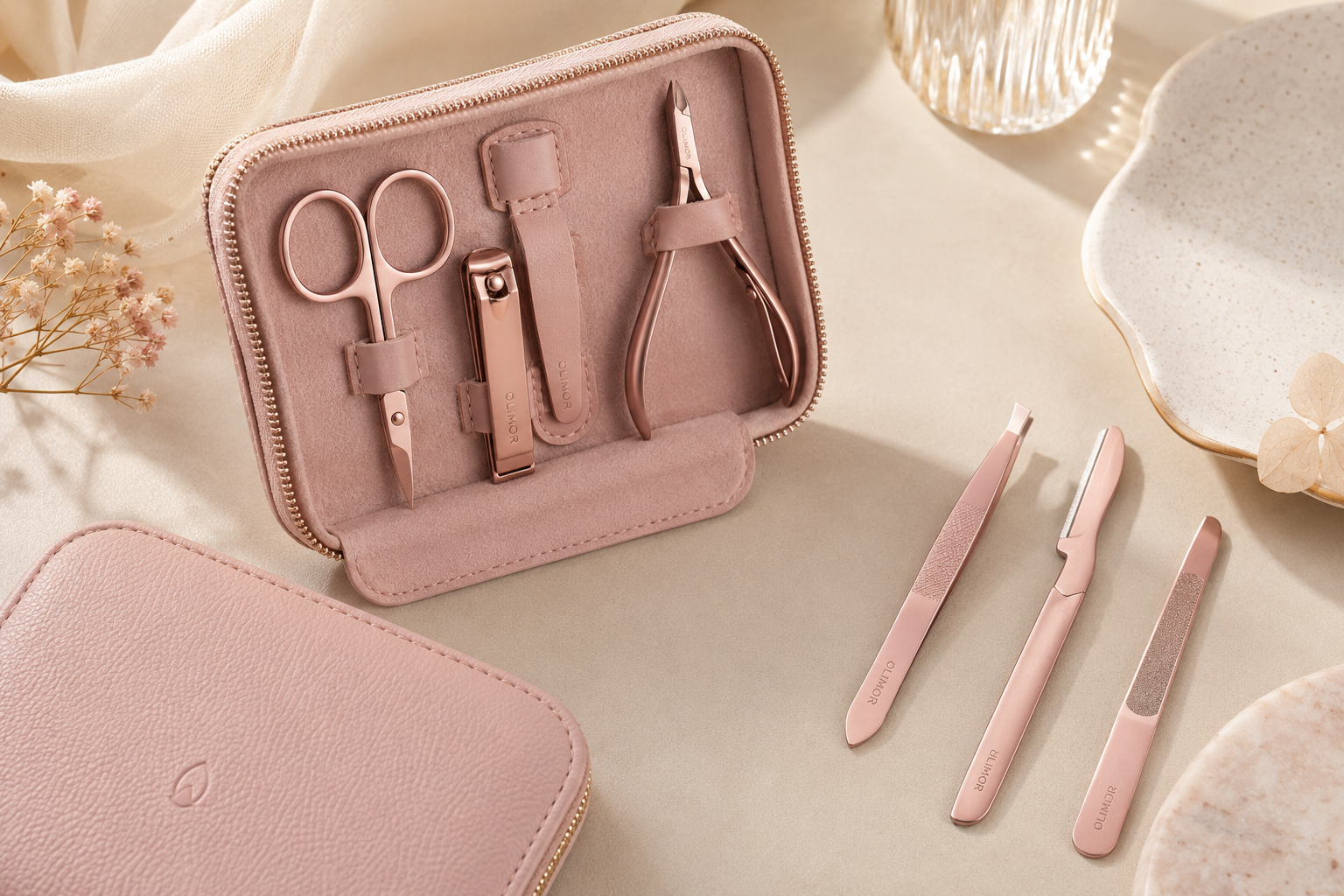
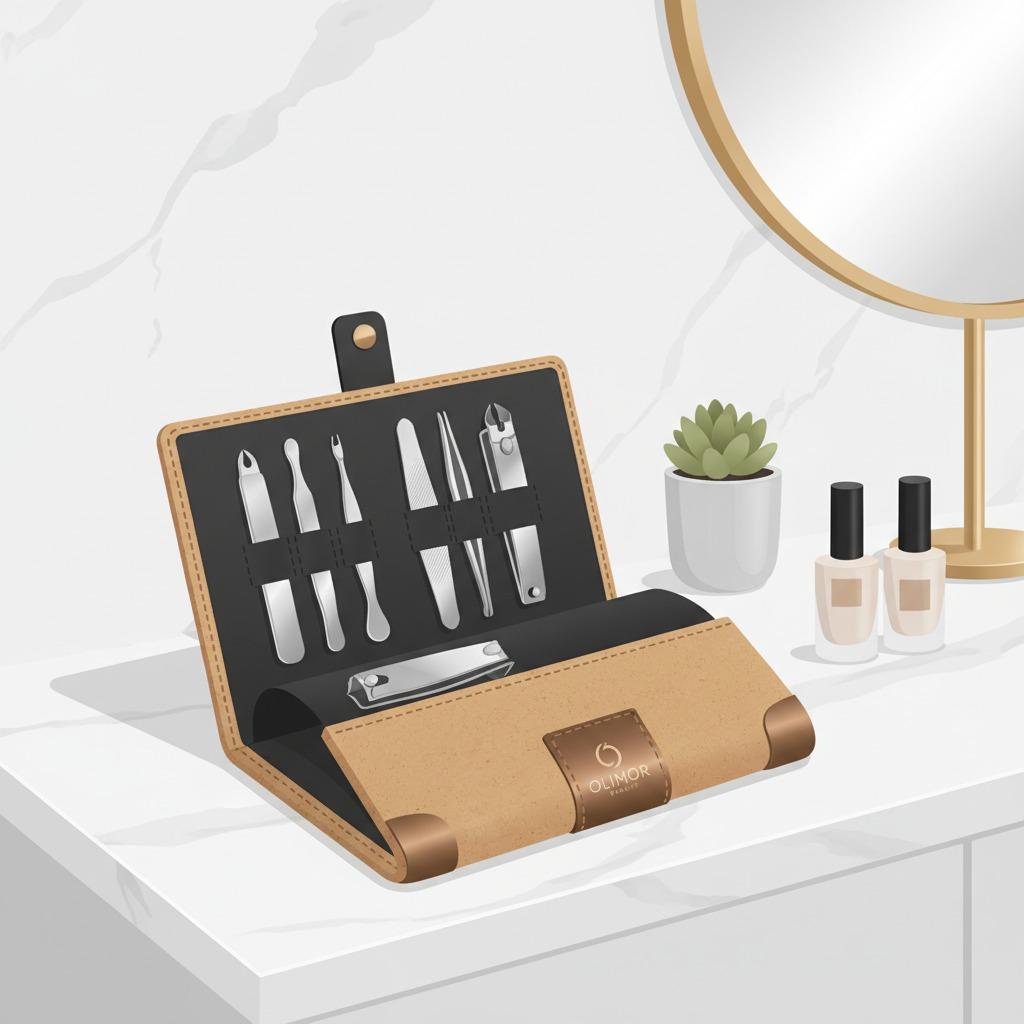
If you are building a nail care assortment, consider how clippers pair with other tools such as nail files, cuticle tools and tweezers. Olimor’s product collections can help buyers think in terms of coordinated grooming categories rather than selecting one item in isolation.
Quality Control Points Buyers Should Review
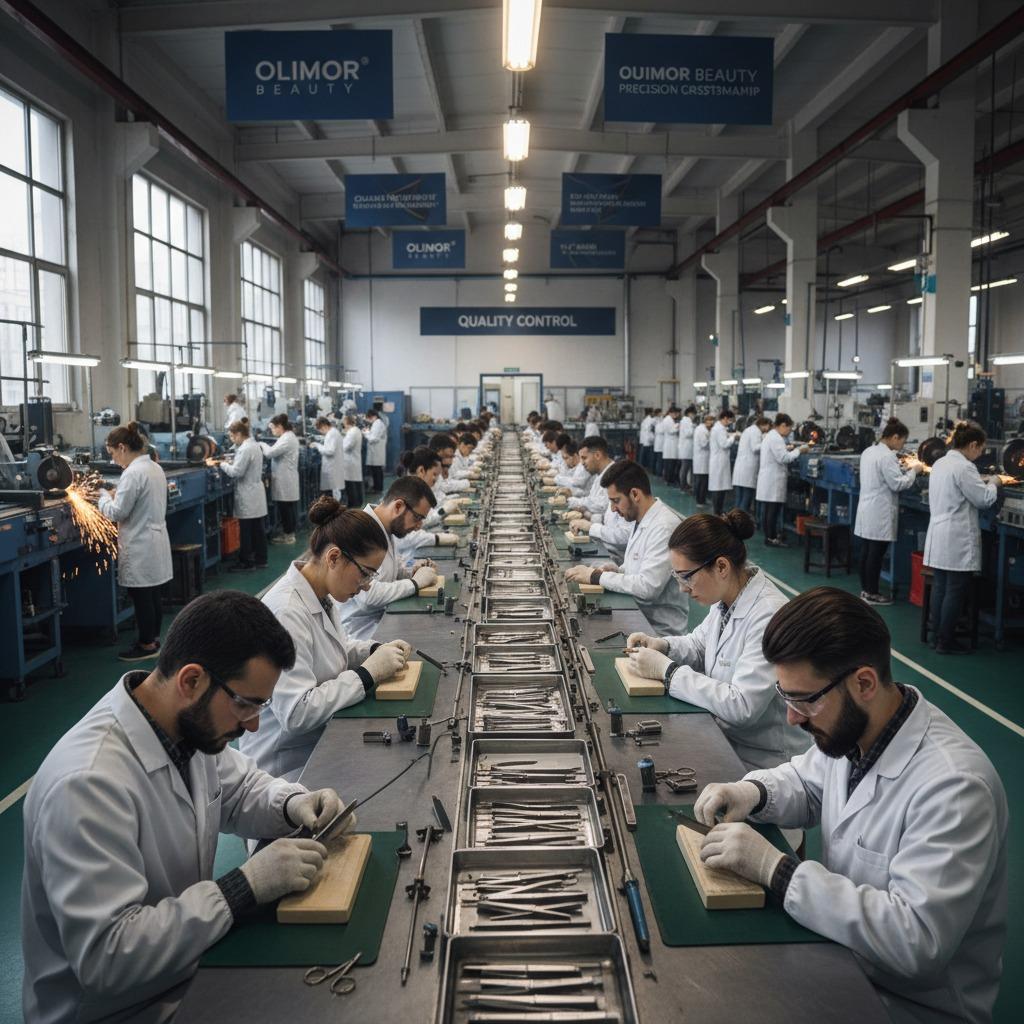
Olimor Beauty applies internal quality control, including checks from raw material inspection to final packaging. For professional buyers, that process should be connected to visible and functional criteria. Nail clippers are mechanical tools, so small deviations in assembly can change the cutting feel. A strong quality review should include both appearance checks and actual cutting tests.
| Evaluation Area | What to Check | Why It Matters |
|---|---|---|
| Material and finish | Clean stainless steel surface, no rough exposed areas, consistent appearance | Supports durability, hygiene and retail presentation |
| Cutting edge | Edges meet evenly and cut without crushing the nail | Improves comfort and reduces nail splitting |
| Lever movement | Smooth opening and closing, stable pressure, no loose feel | Helps users control the cut safely |
| Grip design | Comfortable hold from different angles and hand sizes | Important for both home users and salon professionals |
| Packaging review | Product protected from scratches and presented clearly | Reduces damage risk and supports customer trust |
Sample testing should include more than a quick visual inspection. Test repeated opening and closing. Try trimming nails of different thicknesses if appropriate and hygienic testing conditions are available. Check whether the clipper remains stable when pressure increases. Review packaging after transport simulation or handling to see whether the tool stays protected.
Hygiene, Cleaning and Maintenance
Even a durable stainless steel nail clipper needs proper care. Users should remove nail debris after trimming, wipe the tool dry if it becomes wet and store it in a clean location. In shared or professional environments, hygiene routines should follow the salon’s applicable procedures and local requirements.
For retail packaging or product instructions, maintenance guidance should be simple and realistic. Customers are more likely to follow instructions that are clear and brief. Suggested user guidance may include: clean after use, dry before storage, avoid dropping the clipper on hard surfaces and do not use the tool for materials other than nails. Misuse can damage the cutting edge and affect performance.
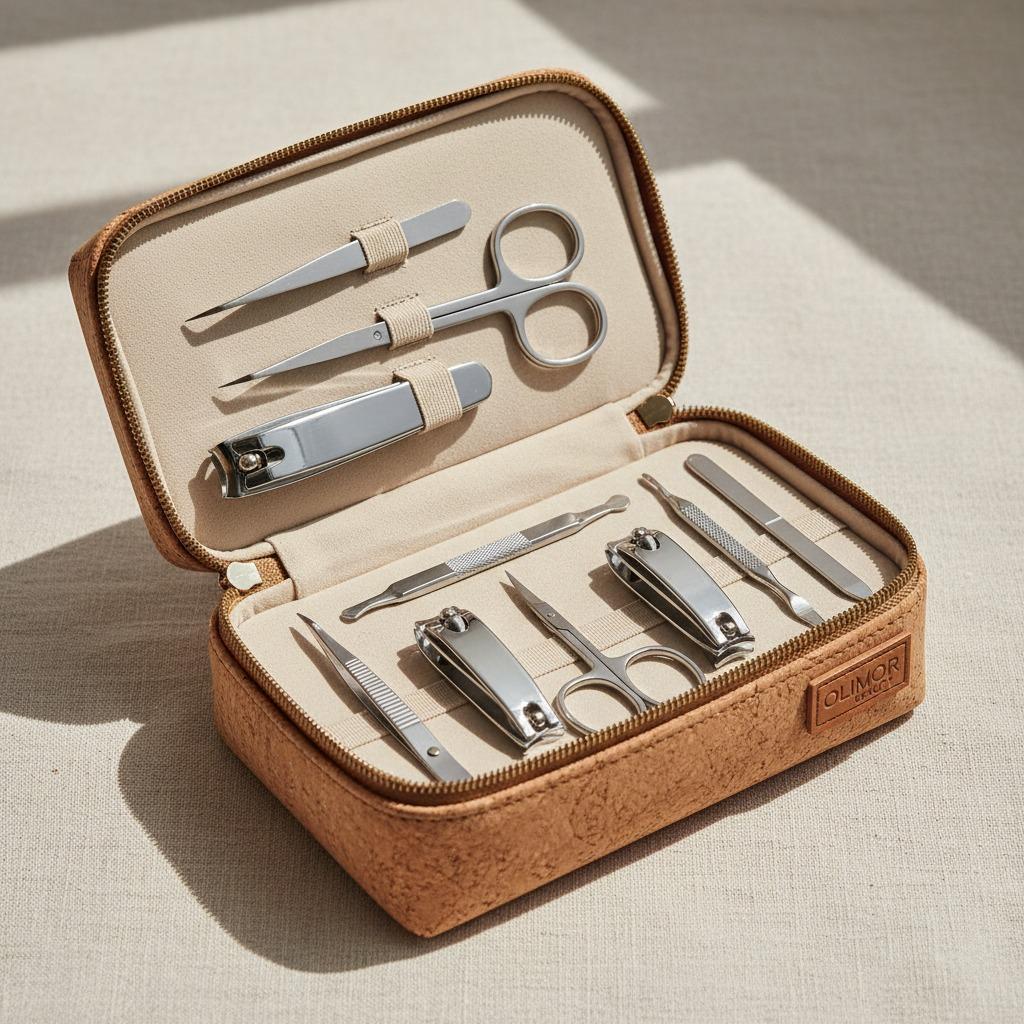
Storage also matters. A nail clipper left loose among metal tools may become scratched or dulled over time. If included in a grooming kit, the clipper should have a secure position so that the jaws and lever are not pressed unnecessarily during shipping or daily storage.
Questions to Consider Before Sourcing
Before selecting stainless steel nail clippers for a product line, define the intended user and sales channel. A salon-oriented clipper may emphasize repeated use and grip stability. A travel grooming kit may prioritize compact size and safe storage. A thick-nail option should focus on cutting force, control and comfort under pressure.
Useful sourcing questions include:
- Will the clipper be used mainly for fingernails, toenails or thicker nails?
- Does the lever feel comfortable for users with different hand strengths?
- Are the cutting edges aligned consistently across samples?
- Is the finish smooth enough for direct skin contact and premium presentation?
- Does the packaging protect the stainless steel surface during handling?
- Are cleaning and maintenance instructions clear for the end user?
For buyers comparing options or preparing a custom beauty tool assortment, it is worth discussing the intended market, packaging expectations and sample evaluation process early. You can contact Olimor for product guidance or send an inquiry when you are ready to review sourcing details.
A Practical Tool With Details That Matter
Nail clippers may look simple, but professional performance depends on many small manufacturing and design decisions. Stainless steel construction supports durability and rust-free performance, while ergonomic design helps users trim with better control. For thick nails, enhanced grip and cutting force are especially important because the tool must remain stable under greater pressure.
Whether the goal is a salon-quality grooming tool, a retail nail care product or a component in a broader personal care set, buyers should evaluate nail clippers through real use: how they cut, how they feel, how they clean and how consistently they are finished. A well-selected stainless steel nail clipper gives users a cleaner trimming experience and gives brands a practical product with everyday value.