










Nail clippers are simple tools, but nail damage often starts with small mistakes: using the wrong jaw size, cutting too short, clipping with a dull edge, or storing the tool while damp. A good trim should shorten the nail in controlled steps, leave a smooth edge, and avoid pressure on the skin around the nail.
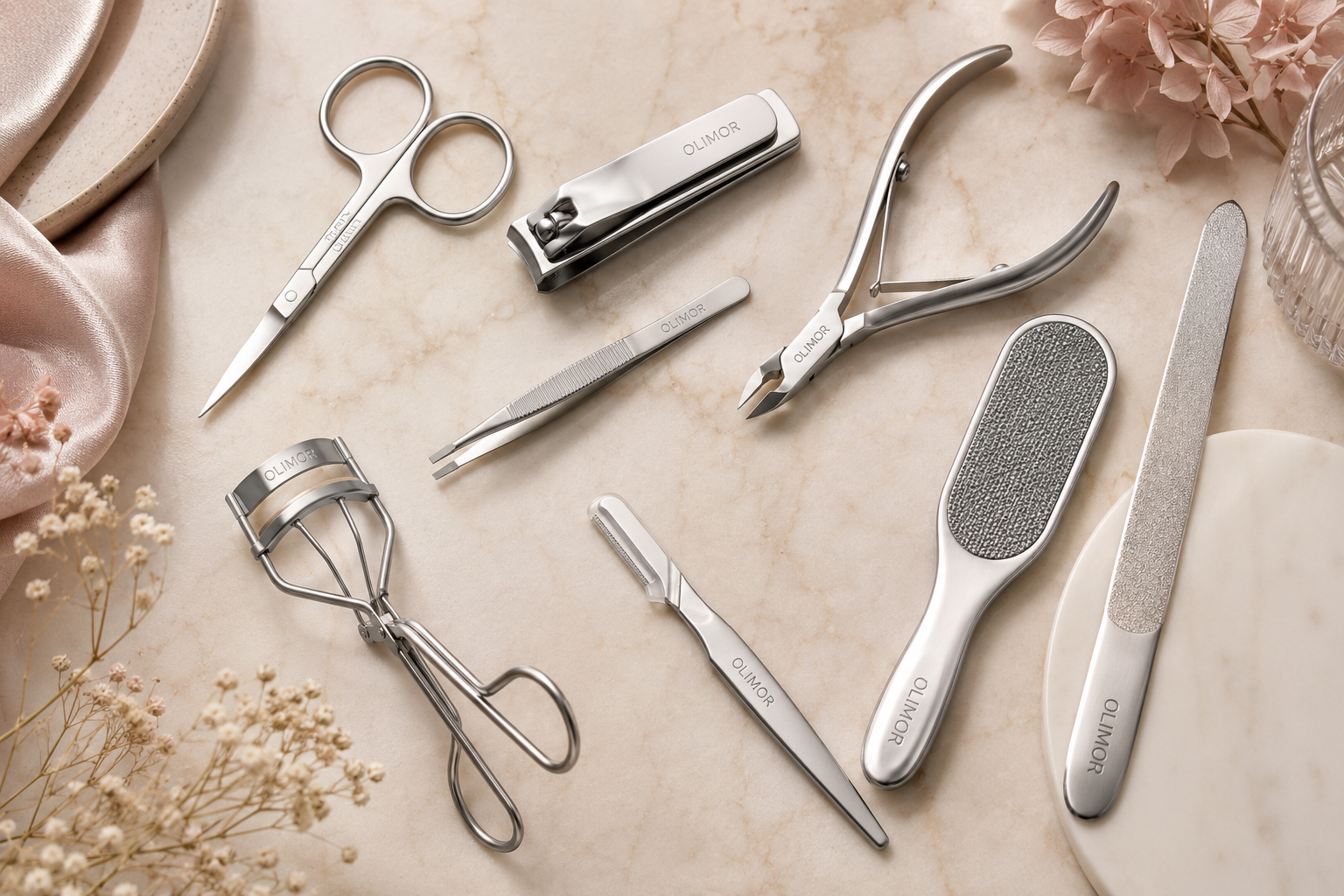
This guide explains how to trim fingernails and toenails safely, how to compare clipper designs, what quality details buyers should inspect, and how to maintain clippers for personal care, salon use, travel kits or retail assortments. For buyers comparing related grooming categories, Olimor beauty tool options can be reviewed through the product range or by sending specific requirements through a product inquiry.
Quick Answer: What Causes Most Nail Clipper Damage?
Most nail clipping problems come from a mismatch between the nail, the technique and the tool. Fingernails usually need lighter, more curved trimming. Toenails usually need a straighter cut with more attention to shoe pressure and corner shape. When one small clipper is forced through a thick toenail, or a large toenail clipper is used aggressively on a small fingernail, the nail can bend, split or tear before the cut is complete.
Damage is also more likely when nails are cut below the free edge, when the tool is dirty or wet, or when blades no longer meet evenly. A sharp, aligned clipper should cut with a crisp action. If the nail is crushed, folded or left with a ragged edge, the clipper may be dull, misaligned or unsuitable for that nail.
The safest general approach is simple: clean and dry the nail, use the right size clipper, take several small cuts, leave a slight free edge, file sharp points, then clean and dry the tool before storage.
Fingernail vs Toenail Trimming: Use Different Techniques
Fingernails and toenails should not be treated the same way. Fingernails are typically thinner and more flexible, so they can be shaped with a gentle curve that follows the fingertip. Toenails are generally thicker and exposed to pressure from shoes, so cutting too deeply into the corners can contribute to discomfort and may make an ingrown nail problem more likely.
How to trim fingernails
For fingernails, use a smaller clipper that allows controlled placement. Start slightly off-center and trim toward the middle, then repeat from the other side. This avoids one wide bite across the whole nail, which can stress the nail plate and leave a rough curve. After clipping, use a file to soften points and create a consistent shape.
How to trim toenails
For toenails, use a clipper with a jaw size and lever strength suited to thicker nails. Trim more straight across instead of rounding deeply into the sides. If corners feel sharp, soften them lightly with a file rather than digging into the side groove with the clipper. This is especially important for users who wear tight footwear or have toenails that press against the shoe.
Any nail that is painful, swollen, discolored, cracked into the nail bed, or unusually thick should be handled with extra caution. People with diabetes, reduced circulation or reduced foot sensation should follow professional medical guidance for foot care rather than trimming aggressively at home.
Common Nail Clipper Mistakes and How to Avoid Them
Many nail problems are preventable once users understand what the clipper is designed to do. A nail clipper is made for the free nail edge, not for cuticles, hard skin, splinters or cleaning under the nail. Using it for the wrong task can injure skin, contaminate the tool and weaken the cutting edges.
Cutting nails too short
Cutting below the white free edge may look neat at first, but it can expose tender skin and make fingertips or toes sore. On toenails, very short trimming can increase pressure between the nail edge and footwear. Leave a small visible edge and refine the shape with a file if a shorter appearance is needed.
Clipping wet or over-softened nails
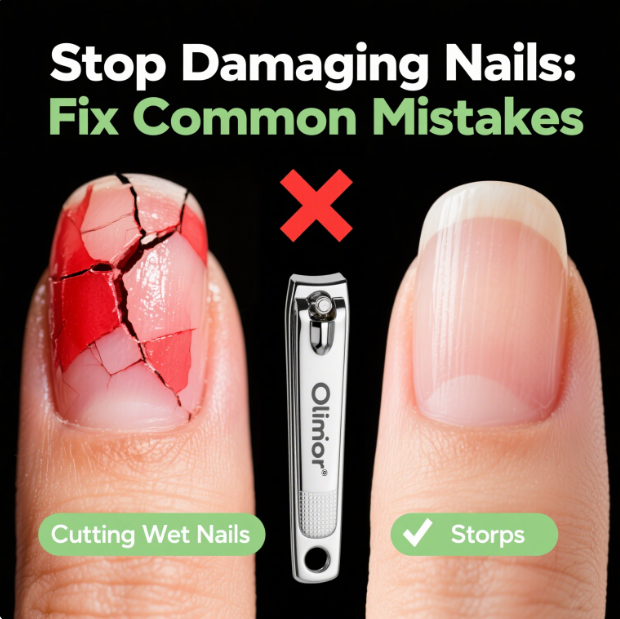
Nails often feel easier to cut after soaking, but over-softened nails may bend under the blade and tear unevenly. For routine grooming, trim clean, dry nails. If a thick toenail needs slight softening, keep the cut gradual and dry the nail and surrounding skin before clipping so the tool does not slip.
Using one large cut instead of several small cuts
A single wide cut can twist the nail plate, especially on curved nails. Several smaller cuts create less stress and make it easier to stop before the nail becomes too short. This is particularly useful for children, elderly users and anyone with reduced hand strength.
Ignoring hygiene
Clippers collect nail dust, skin debris and moisture. Wipe the cutting edges before and after use, allow them to dry, and store the tool away from sinks and showers. In shared environments such as salons, family bathrooms, dorms or demonstration kits, hygiene procedures should be stricter and tools should not be shared when there is irritation, broken skin or suspected infection.
Public health bodies such as the CDC publish general hand hygiene and infection prevention guidance that can be useful when building salon or retail demonstration procedures. Always verify current guidance and match it with local regulations and supplier documents.
How to Use Nail Clippers Correctly: Step-by-Step
A consistent routine protects the nail and helps users judge whether the tool is performing properly. The aim is not to cut as much as possible; it is to shorten the nail predictably and finish the edge smoothly.
- Wash and dry hands or feet. Remove visible dirt and make sure the nail and surrounding skin are dry enough for secure handling.
- Inspect the nail. Do not clip aggressively if the area is swollen, painful, cracked or irritated.
- Clean the clipper. Wipe the cutting jaws with alcohol and let the tool dry before use.
- Select the right tool. Use a smaller clipper for fingernails and a larger, stronger option for toenails when needed.
- Make small cuts. Trim gradually instead of removing the entire edge at once.
- Shape according to nail type. Use a gentle curve for fingernails and a straighter cut for toenails.
- Leave a small free edge. Do not cut into the sensitive skin beneath the nail.
- File rough points. Smooth corners and jagged areas with a nail file rather than clipping deeper.
- Clean and store. Brush away fragments, wipe the tool, dry it fully and store it in a dry place.
How to Compare Nail Clipper Types and Features
For consumers, the best clipper is the one that cuts the intended nail cleanly and feels easy to control. For B2B buyers, the best clipper also needs to fit the sales channel, packaging plan, user group and quality expectations. Appearance matters in retail, but performance details decide whether customers keep using the tool.
| Feature | Why it matters | What to check during selection |
|---|---|---|
| Jaw size | Determines how much nail is removed per cut and whether the tool fits the nail shape | Choose smaller jaws for fingernails and wider, stronger jaws for many toenail uses |
| Blade alignment | Uneven edges can crush or tear the nail instead of cutting cleanly | Check that cutting edges meet evenly across the jaw without visible gaps |
| Lever action | Affects comfort, pressure and control | The lever should feel stable, smooth and not loose or excessively stiff |
| Body rigidity | A flexible body can twist under pressure and reduce cutting precision | Apply moderate hand pressure and look for stable tool movement |
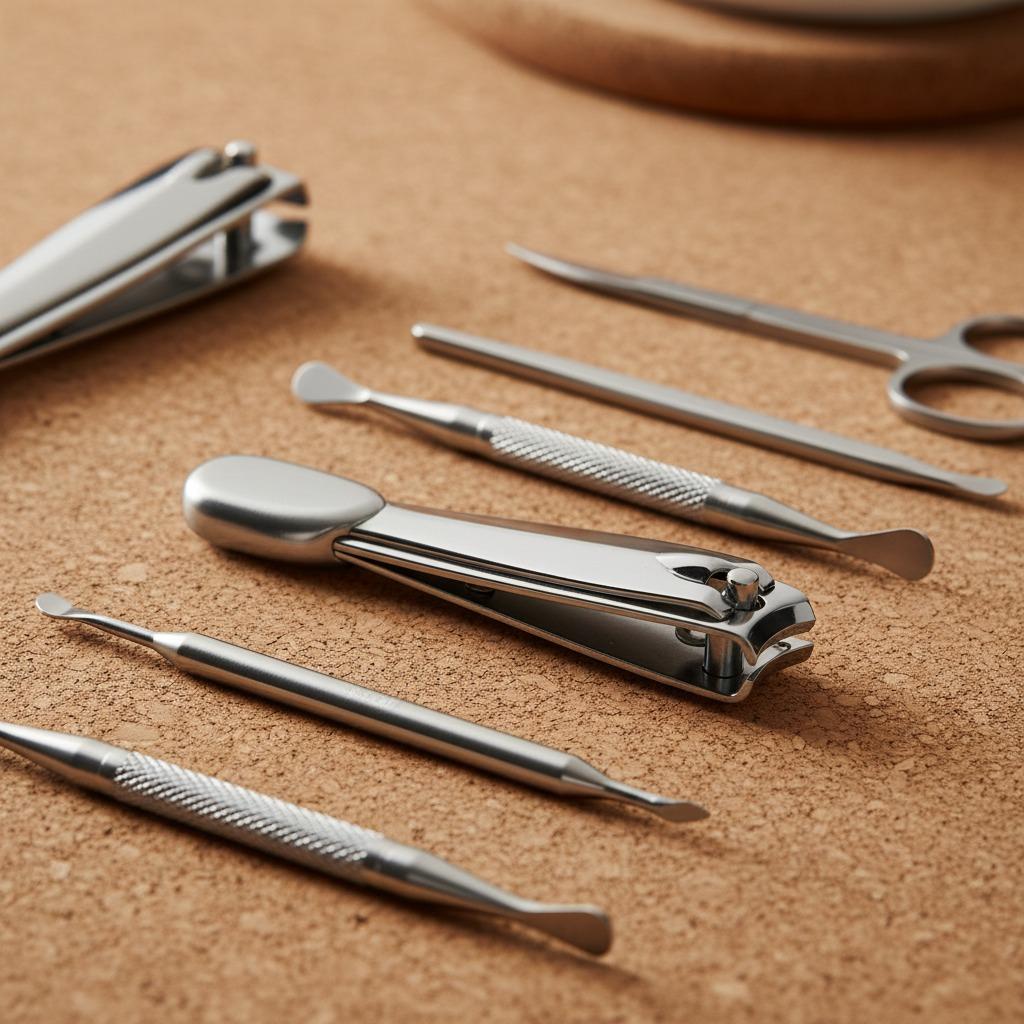
| Material and finish | Impacts cleaning convenience, durability and perceived quality | Look for practical stainless steel construction where available and a smooth, easy-to-wipe finish |
| Grip and ergonomics | Helps users make smaller, more accurate cuts | Check whether the tool is secure in hand and suitable for the target user group |
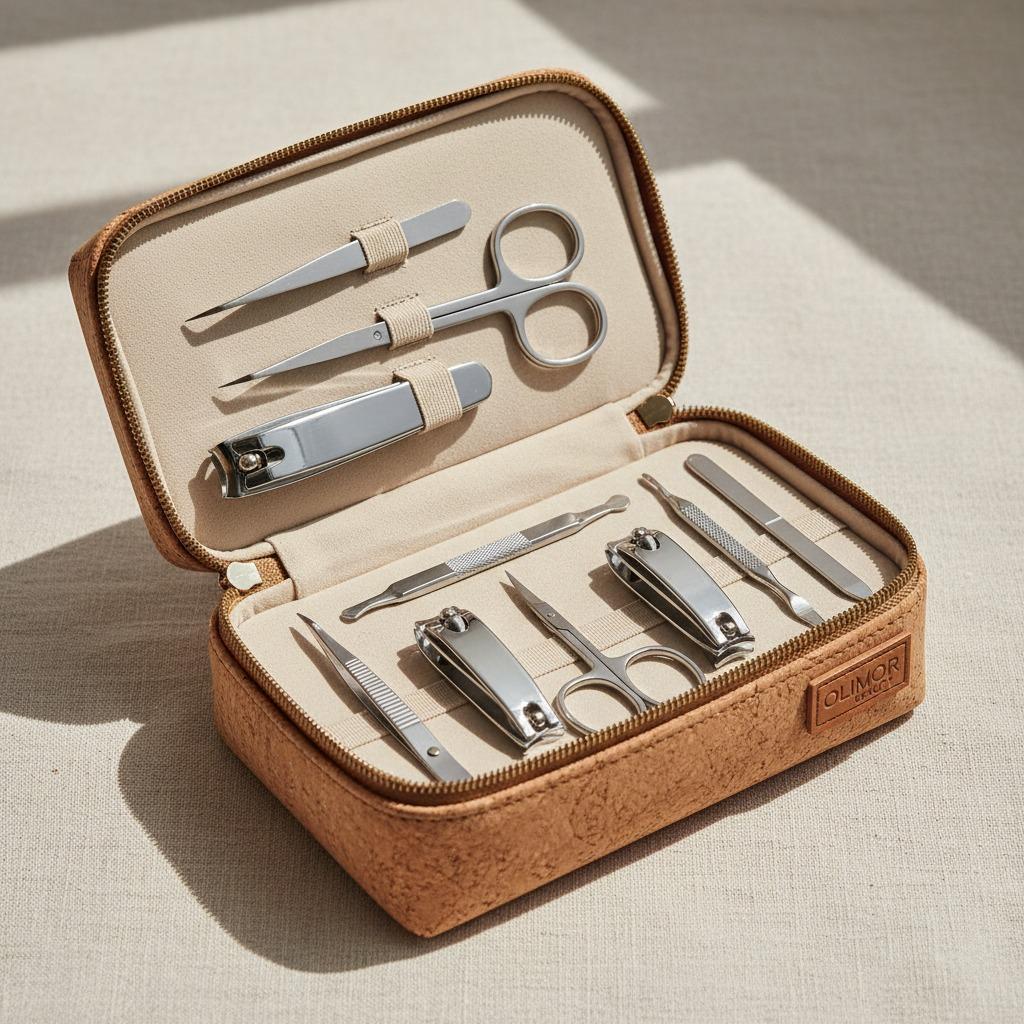
| Packaging format | Influences retail positioning and kit design | Consider single tools, travel sets, home grooming kits or coordinated beauty tool assortments |
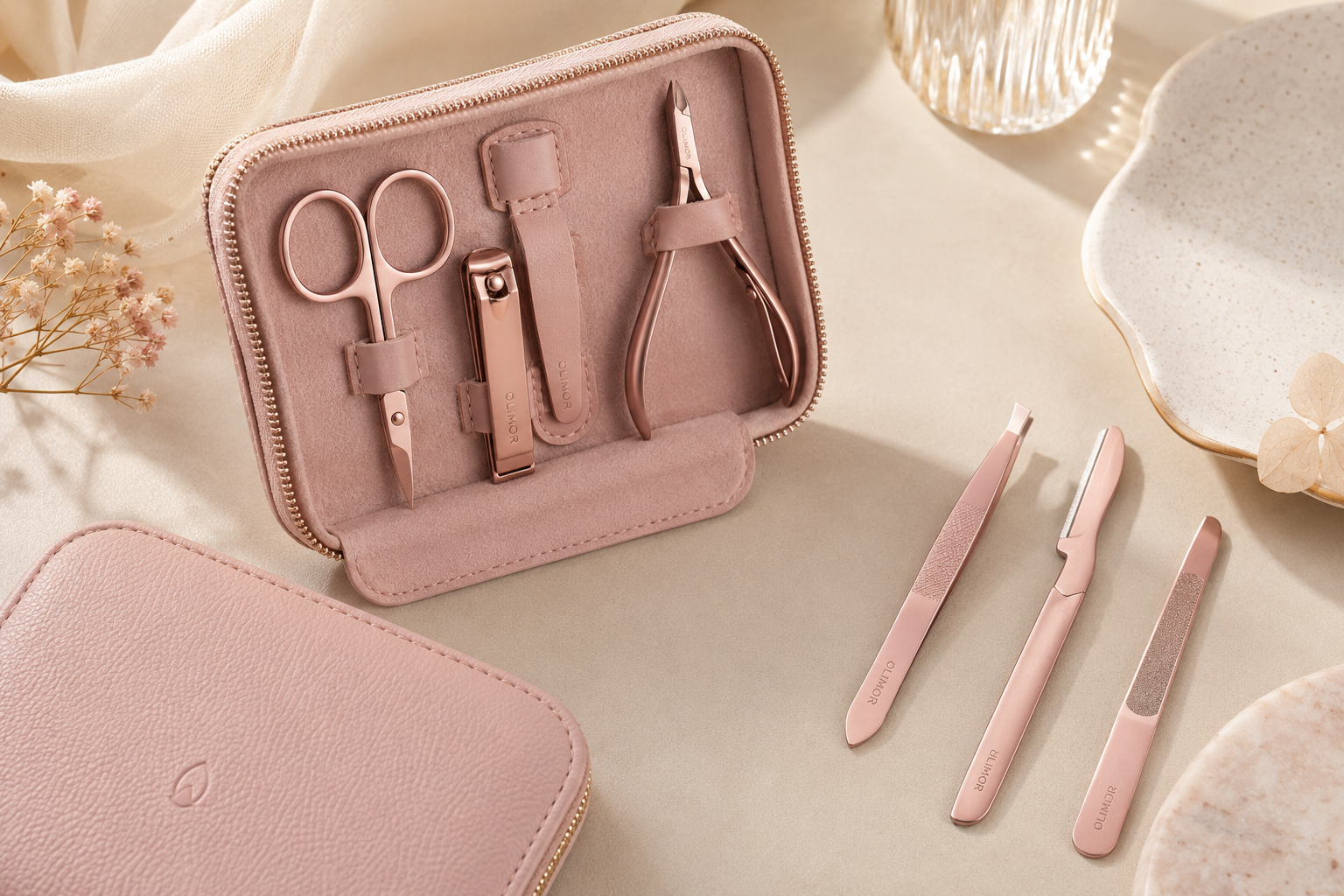
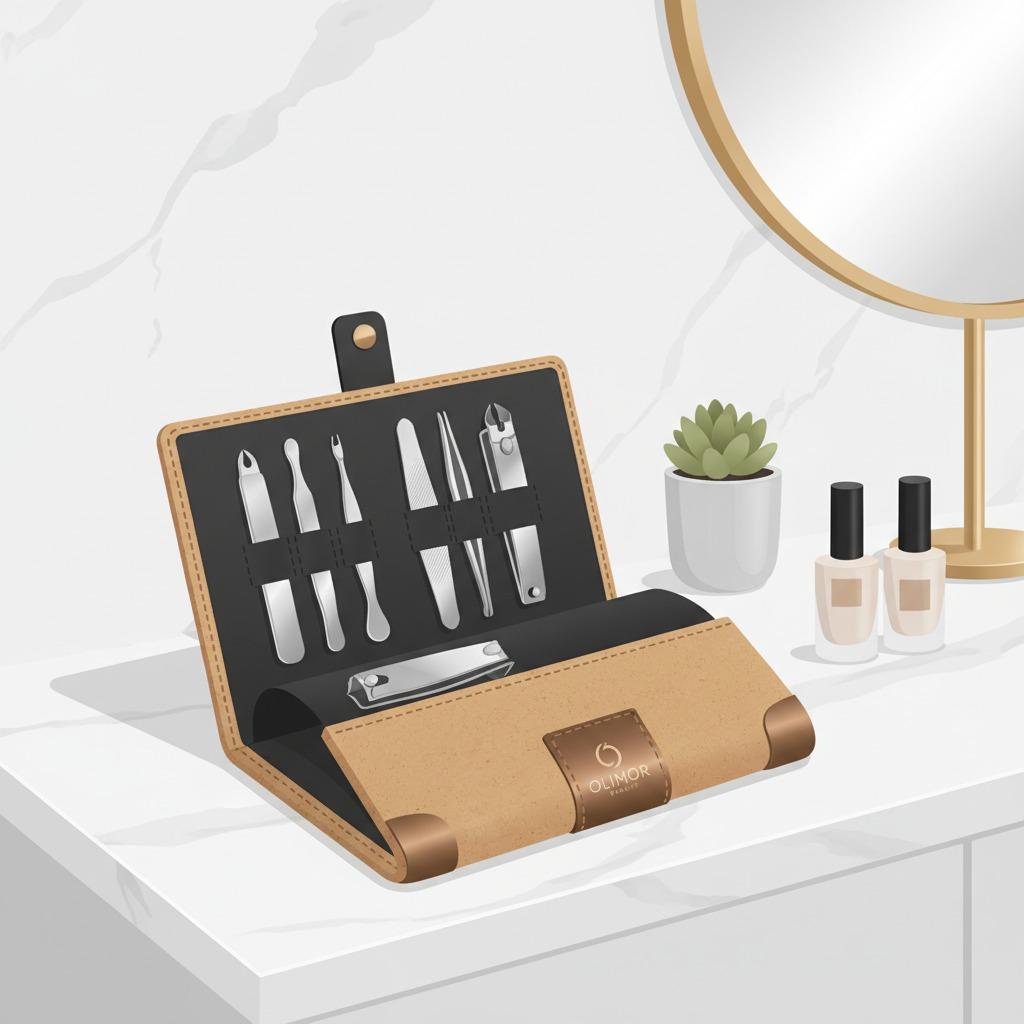
Buyers building a broader grooming offer may compare nail clippers alongside tweezers, scissors, files and other care tools in the Olimor beauty tool collections. A balanced range can include separate fingernail and toenail options instead of asking one tool to serve every use case.
Quality Inspection Points for Retailers, Salons and Importers
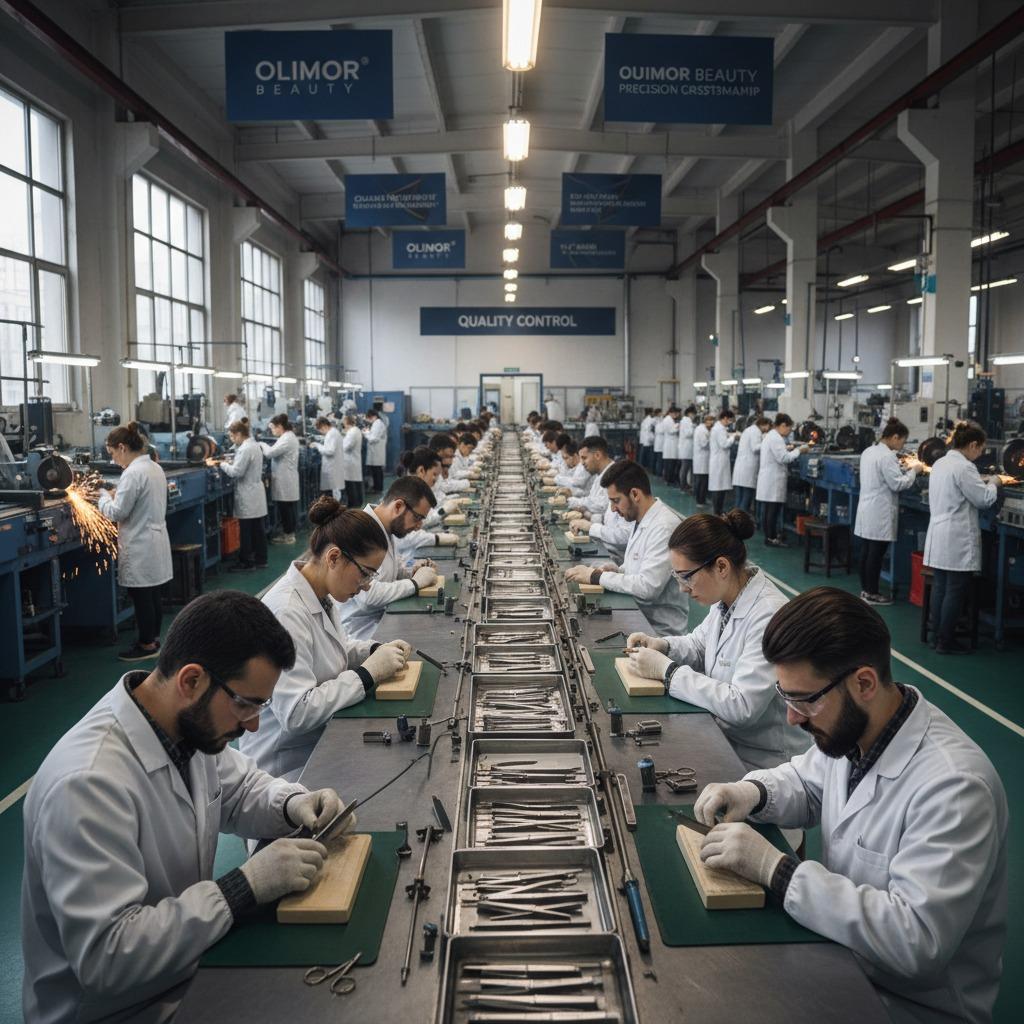
Before committing to a nail clipper assortment, evaluate samples with the same inspection routine each time. This helps prevent decisions based only on shine, packaging or catalog photos. It also gives the supplier clearer feedback if adjustments are needed.
Sample inspection checklist
- Cutting edge contact: The upper and lower cutting edges should meet evenly.
- Jaw finish: Edges should be cleanly formed without obvious burrs that could scratch skin.
- Lever stability: The lever should not wobble excessively during opening and pressing.
- Cut feel: The tool should cut a suitable test nail or sample material with a crisp, controlled motion, not crushing or slipping.
- Surface condition: Check for stains, rough polishing areas, sharp non-cutting edges or visible defects.
- Cleaning access: Nail fragments should be easy to remove from the jaw area.
- Packaging fit: The clipper should be secured in its retail or kit packaging without unnecessary movement.
- Instructions: User guidance should explain basic trimming, cleaning and storage in a practical way.
If a supplier references a quality management standard such as ISO 9001, buyers should ask for current documents and verify that the scope is relevant to the products being purchased. Do not rely on a logo or claim without checking the current version, validity and issuing body.
Cost Factors: What Affects Nail Clipper Pricing?
Nail clipper cost is influenced by more than the size of the tool. Buyers comparing quotations should separate product construction, finishing, packaging and service requirements. A lower unit price may not be better if the clipper needs more rework, has inconsistent jaw alignment or does not fit the intended retail position.
Common cost factors include material choice, tool size, blade forming and alignment requirements, surface finishing, handle or grip design, packaging complexity, assortment configuration, inspection requirements and customization. Branded packaging, bundled kits and additional accessories can also change cost. Shipping terms, order structure and destination requirements should be reviewed with the supplier rather than assumed.
For private label or wholesale planning, prepare a brief that includes the target customer, intended channel, product style, packaging type, any required labeling, inspection priorities and expected documentation. This allows suppliers to quote on comparable requirements and reduces the risk of misunderstandings after sampling.
Maintenance and Storage: Keep the Cut Clean
Even a well-made clipper performs poorly if it is dirty, damp or damaged. After each use, remove nail fragments from the jaw area, wipe the cutting edges and allow the tool to dry completely. Store it in a dry pouch, case or drawer rather than leaving it near standing water.
Replace a nail clipper when it becomes dull, rusty, loose, misaligned or difficult to control. Trying to force a worn clipper through a thick nail can create more damage than using no tool at all. In retail display or salon environments, tools used for demonstration should be cleaned according to local hygiene procedures and separated from saleable inventory when appropriate.
Maintenance instructions should be clear on packaging or inserts, especially for travel kits and family grooming sets. Simple reminders about cleaning, drying and using the right tool for fingernails or toenails can reduce customer complaints and improve long-term satisfaction.
Supplier Evaluation for B2B Nail Clipper Orders
A good supplier conversation should cover product function, inspection, packaging and after-sales communication. For beauty tool buyers, the most useful questions are specific: which clipper size suits the target user, how samples will be reviewed, what customization is possible, how quality concerns are handled, and what documents can be provided for the order.
Avoid making decisions only from product photos. Request samples when possible and test them with a consistent checklist. Compare the cutting feel, jaw alignment, finish and packaging suitability across options. If your assortment includes multiple tools, check whether the visual style and user instructions remain consistent across the set.
Olimor offers beauty tools for practical grooming assortments, including stainless steel tool options. Buyers can share target market, packaging needs and product preferences through Olimor contact so the discussion starts with clear requirements rather than a generic quotation request.
FAQ: Nail Clipper Samples, Customization and Quality
Can I request samples before placing a nail clipper order?
Sample availability depends on the product and order requirements. Share the intended market, clipper type, packaging needs and inspection priorities so the supplier can confirm what sample options are suitable.
Is there a fixed MOQ for nail clippers?
MOQ can vary by product style, customization level, packaging and production plan. Buyers should confirm the current requirement for the exact item and configuration instead of assuming one quantity applies to all tools.
Can nail clippers be customized for retail or private label programs?
Customization may include packaging, assortment design or branding details depending on the product and project scope. Confirm available options, artwork requirements and approval steps with the supplier before production.
How should quality be checked before shipment?
Agree on inspection points in advance, including jaw alignment, lever action, surface finish, packaging condition and cleanliness. Ask the supplier what documentation or inspection process can be provided for the order.
What affects lead time for nail clipper orders?
Lead time can be affected by product availability, customization, packaging complexity, sample approvals, order quantity and shipping arrangements. Confirm current timing with the supplier for each order.
Better Nail Trimming Starts With the Right Tool and Routine
Healthy-looking nails do not require aggressive trimming. The best results come from clean, dry nails, a suitable clipper, small controlled cuts and careful finishing with a file. Fingernails usually need a gentle curve; toenails usually need a straighter edge and extra caution around the corners.
For retail, salon or sourcing teams, focus on practical performance: blade alignment, stable lever feel, smooth finish, cleaning convenience and packaging fit. A clipper that looks good but cuts poorly will not build repeat trust. To discuss nail clippers or related beauty tools for your assortment, contact Olimor with your target use, packaging preferences and quality expectations.