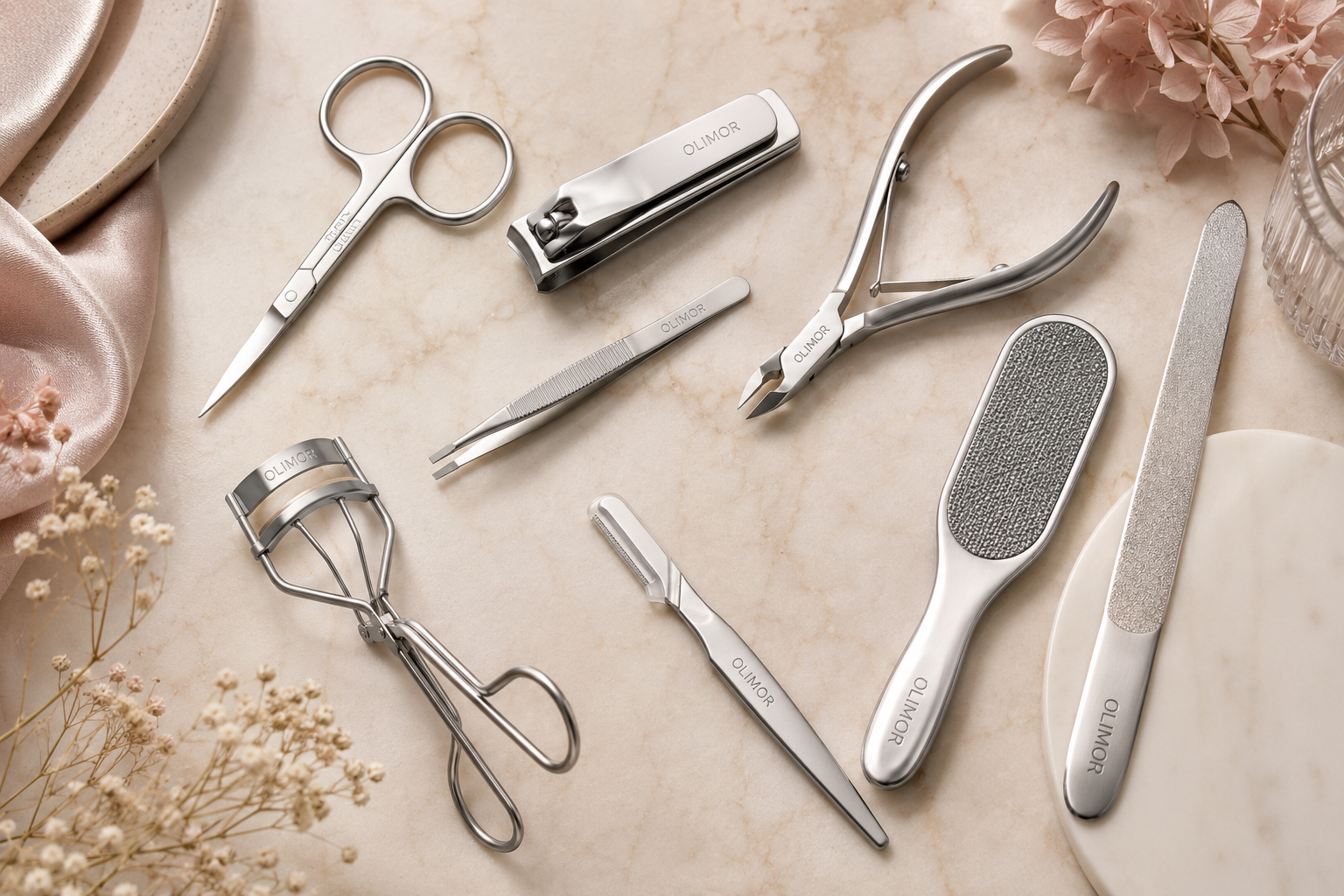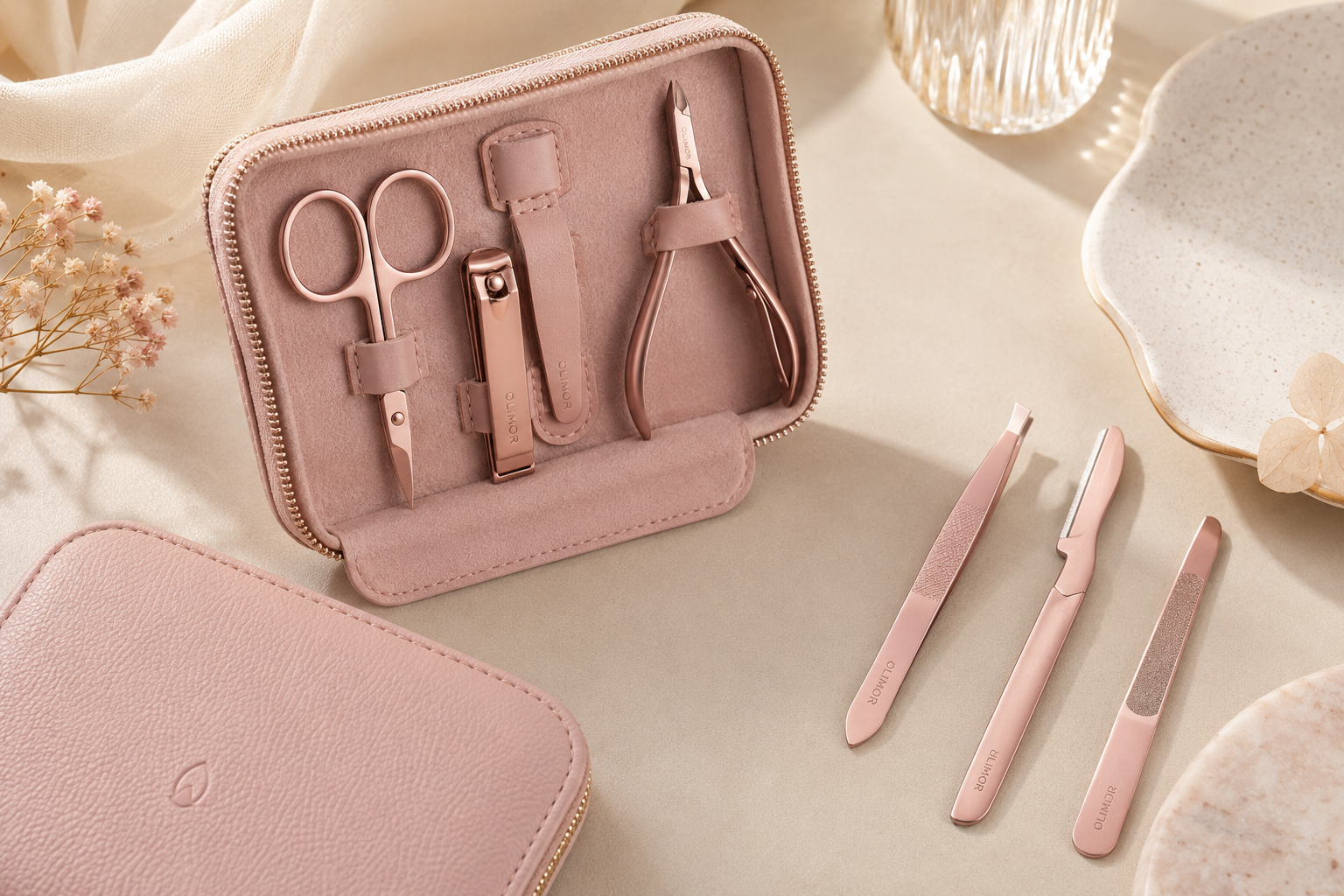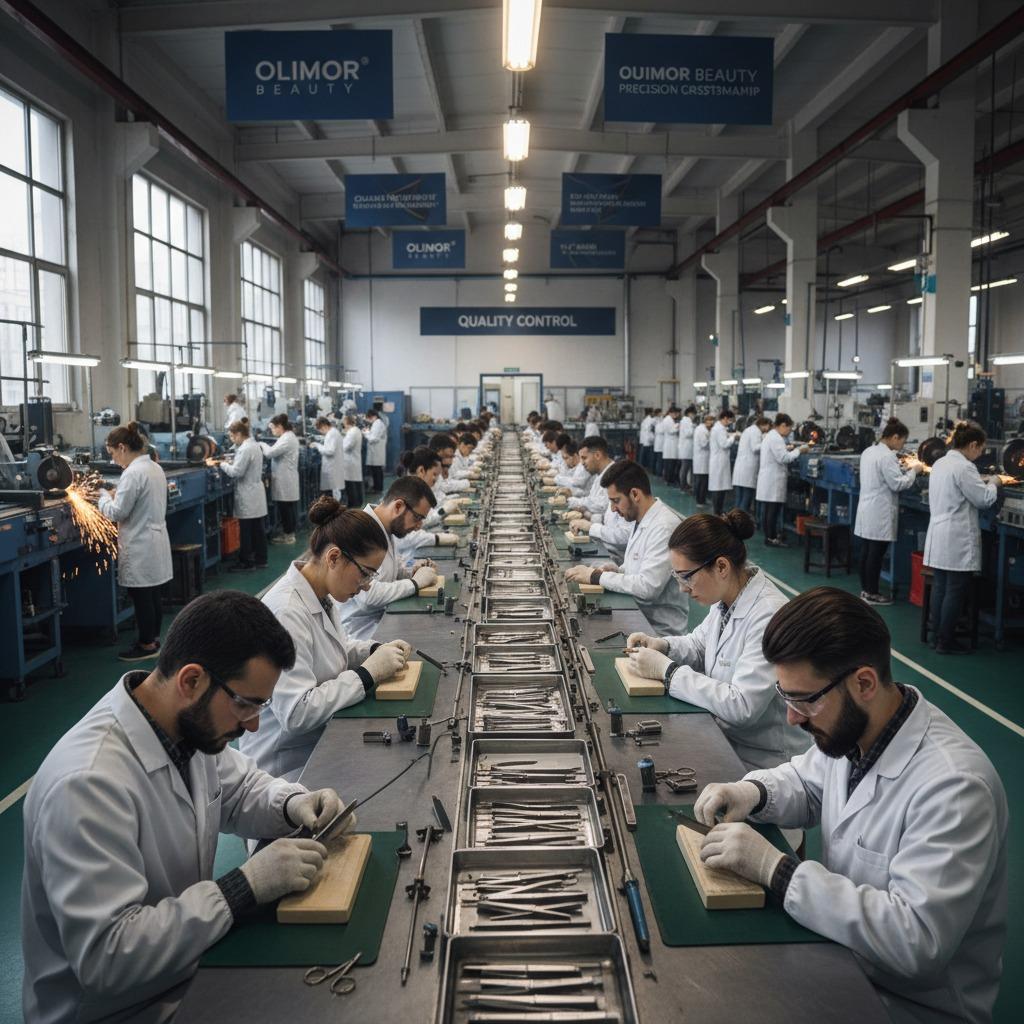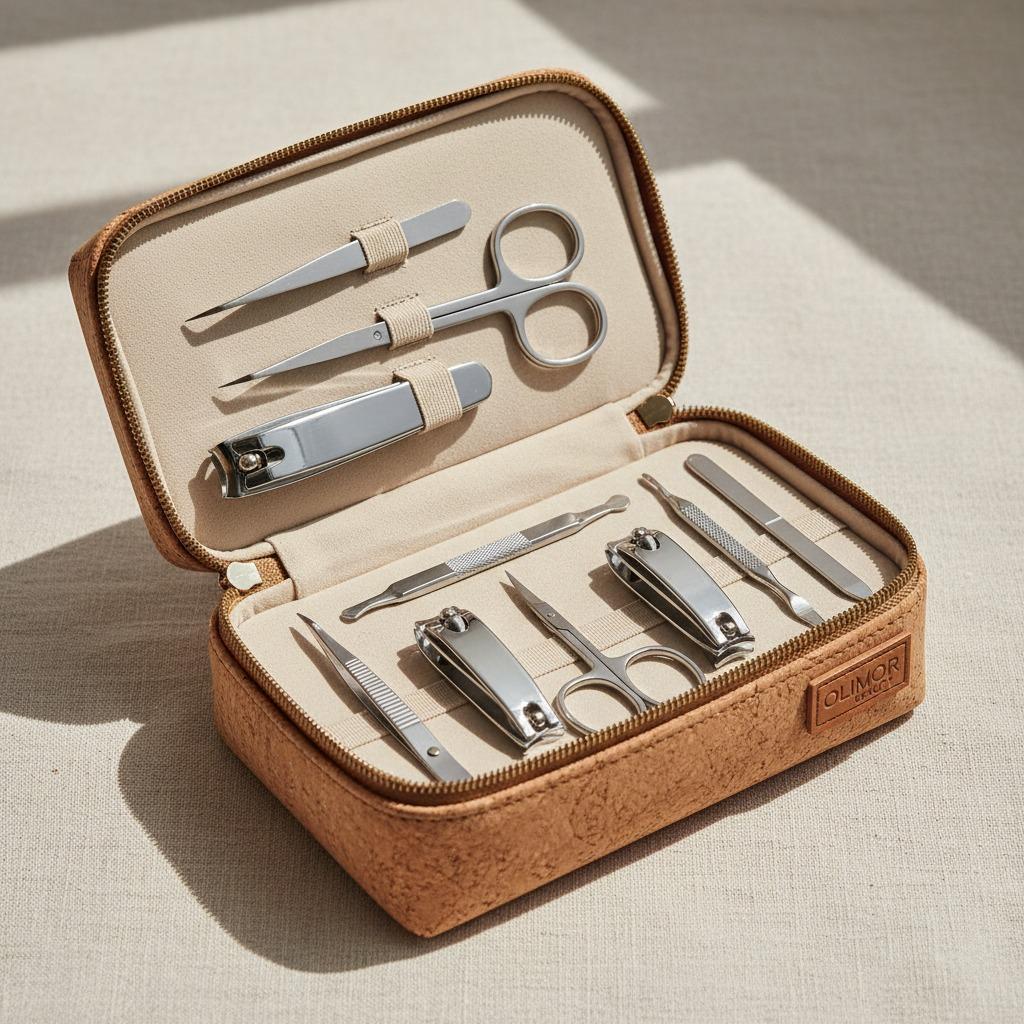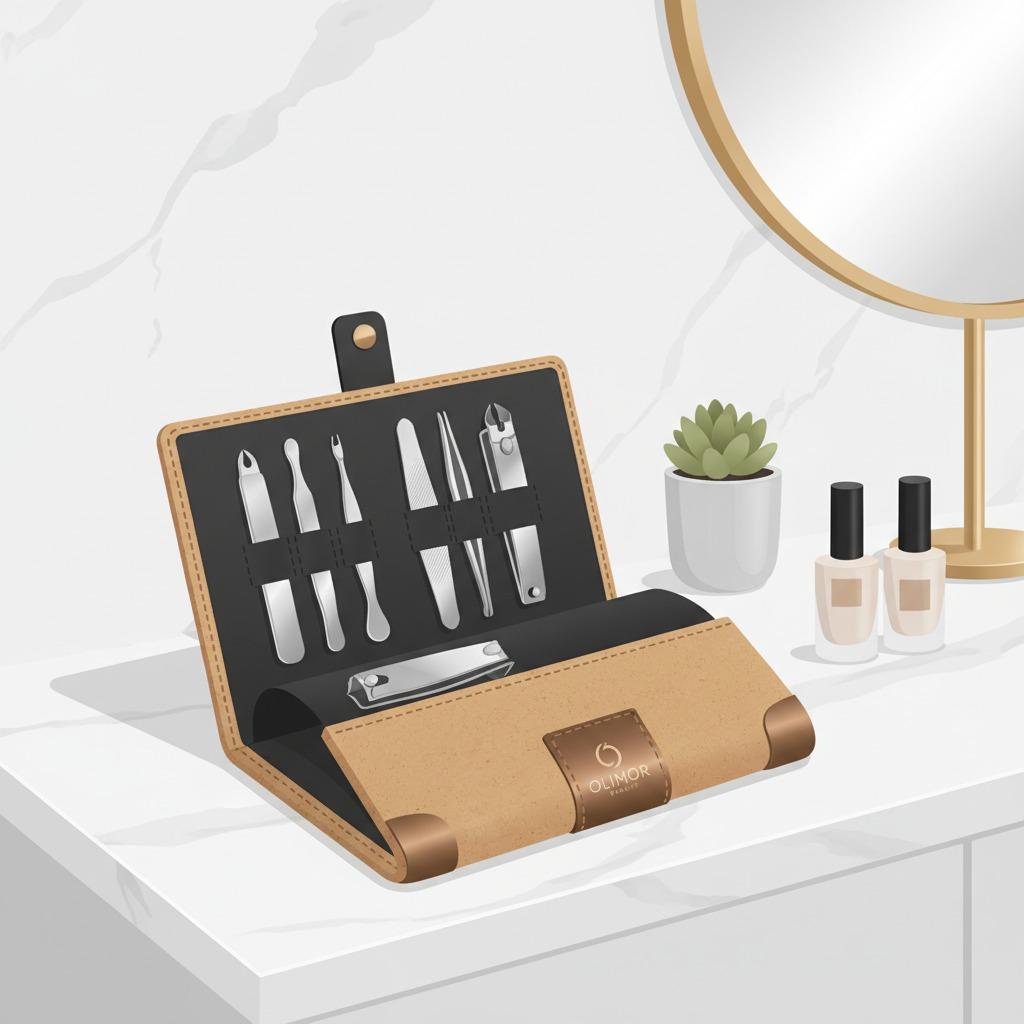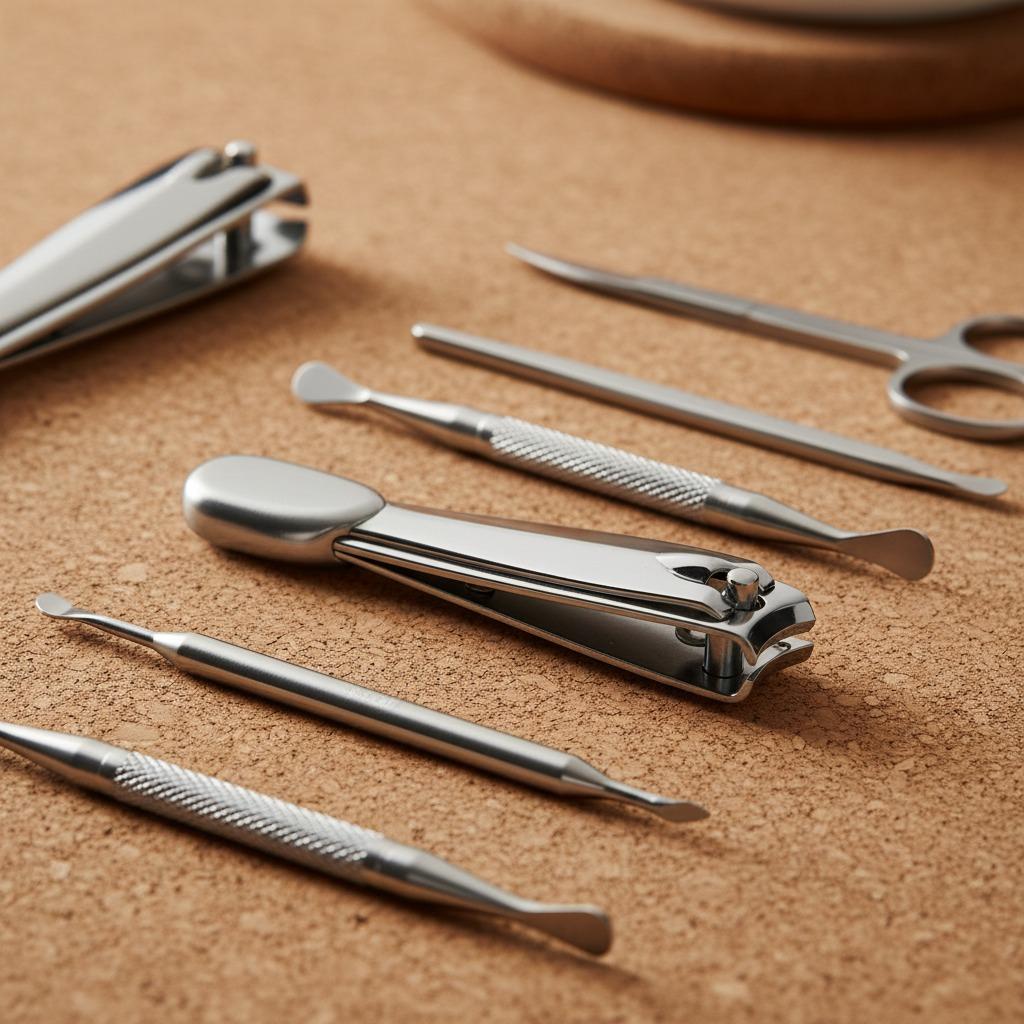











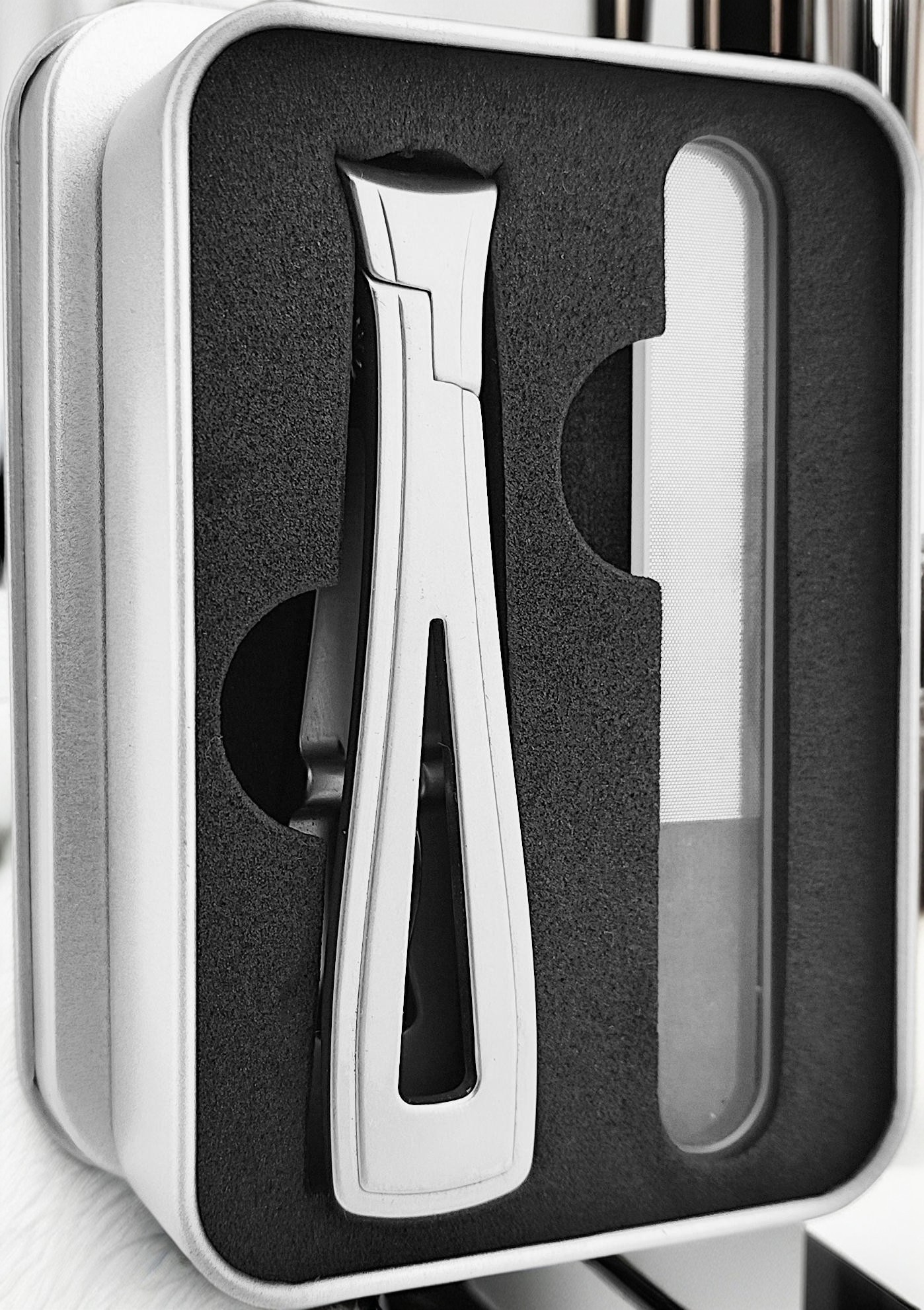
A nail clipper looks simple, but the difference between a clean cut and a rough, squeezed nail edge often comes down to material, blade alignment, hand control, and finishing. Olimor Beauty’s nail clipper described on this page focuses on advanced powder metallurgy, integrated molding, higher density, and lasting sharpness. For consumers, that can mean a more controlled grooming experience. For beauty-tool buyers, distributors, and private-label teams, it also raises useful questions about manufacturing consistency, packaging, and inspection standards.
This guide explains what makes this type of nail clipper worth evaluating, how to judge it against ordinary clippers, and what details to confirm before placing an order or adding it to a grooming product range. If you are comparing broader beauty tool products, use the criteria below to assess whether a powder metallurgy nail clipper fits your positioning, retail channel, and customer expectations.
Why Powder Metallurgy Matters in a Nail Clipper
Powder metallurgy is a manufacturing approach that forms metal parts from metal powder through controlled shaping and densification. In the context of this nail clipper, the key customer-facing benefit is not the technical process alone, but the intended performance outcome: a dense, integrated structure that supports lasting sharpness and reliable cutting feel. A clipper blade must resist deformation at the cutting edge, maintain alignment under repeated pressure, and deliver enough bite to trim without tearing.
For daily grooming tools, consistency is especially important. A clipper that feels sharp only for a short period may create uneven edges, require extra force, or encourage users to cut too deeply. A well-made nail clipper should close smoothly, meet the nail at a controlled angle, and leave an edge that needs minimal filing. Powder metallurgy is one way to pursue that goal because it can support uniform material characteristics when properly engineered and inspected.
The original product description also highlights military technology integrated molding. For a buyer, the practical takeaway is to evaluate whether the tool feels solid as a complete structure rather than flimsy at the lever, hinge, or jaw. Marketing language should always be supported by the physical sample: the clipper should open and close cleanly, show no obvious misalignment, and hold steady when trimming thicker nails.
What a Precision Nail Clipper Should Do Well
A high-quality nail clipper is judged by more than sharpness. The user’s hand position, the pressure required, the curve of the cutting edge, and the smoothness of the lever all affect the result. When testing this Olimor Beauty nail clipper, evaluate it across common use cases: fingernails, toenails, quick maintenance trims, and controlled edge shaping before filing.
Useful performance indicators include:
- Clean first cut: The clipper should trim with a decisive motion rather than crushing or bending the nail.
- Even jaw contact: Both cutting edges should meet evenly from side to side, with no visible gap that causes partial cuts.
- Comfortable leverage: The lever should provide enough mechanical advantage without requiring excessive hand strength.
- Controlled opening: The clipper should not feel loose, shaky, or unstable when positioned on the nail.
- Edge finish: After clipping, the nail edge should feel reasonably smooth and require only light filing.
- Durability of feel: After repeated test cuts, the tool should continue to feel aligned and sharp.
These points matter for both personal and commercial buyers. A retail customer may not know the manufacturing terminology, but they will quickly notice whether the tool cuts cleanly, feels balanced, and remains comfortable in the hand. A distributor or brand buyer should therefore review not only the product appearance but also the trimming experience across multiple samples.
Design, Ergonomics, and the User Experience
The supplied product information emphasizes a sleek design and an ergonomic form tailored to fit comfortably in the hand. Ergonomics are particularly important because nail clipping involves small movements close to the skin. A tool that is slippery, too short, or difficult to control increases the chance of angled cuts or over-trimming.
When reviewing a sample, check how the clipper sits between the thumb and finger. The lever surface should allow steady pressure. The body should feel stable during cutting, and the jaws should be easy to position where the user wants the trim to begin. For many customers, especially those who keep grooming tools in a travel kit, handbag, bathroom drawer, or professional beauty station, the tool should also feel compact without becoming hard to grip.
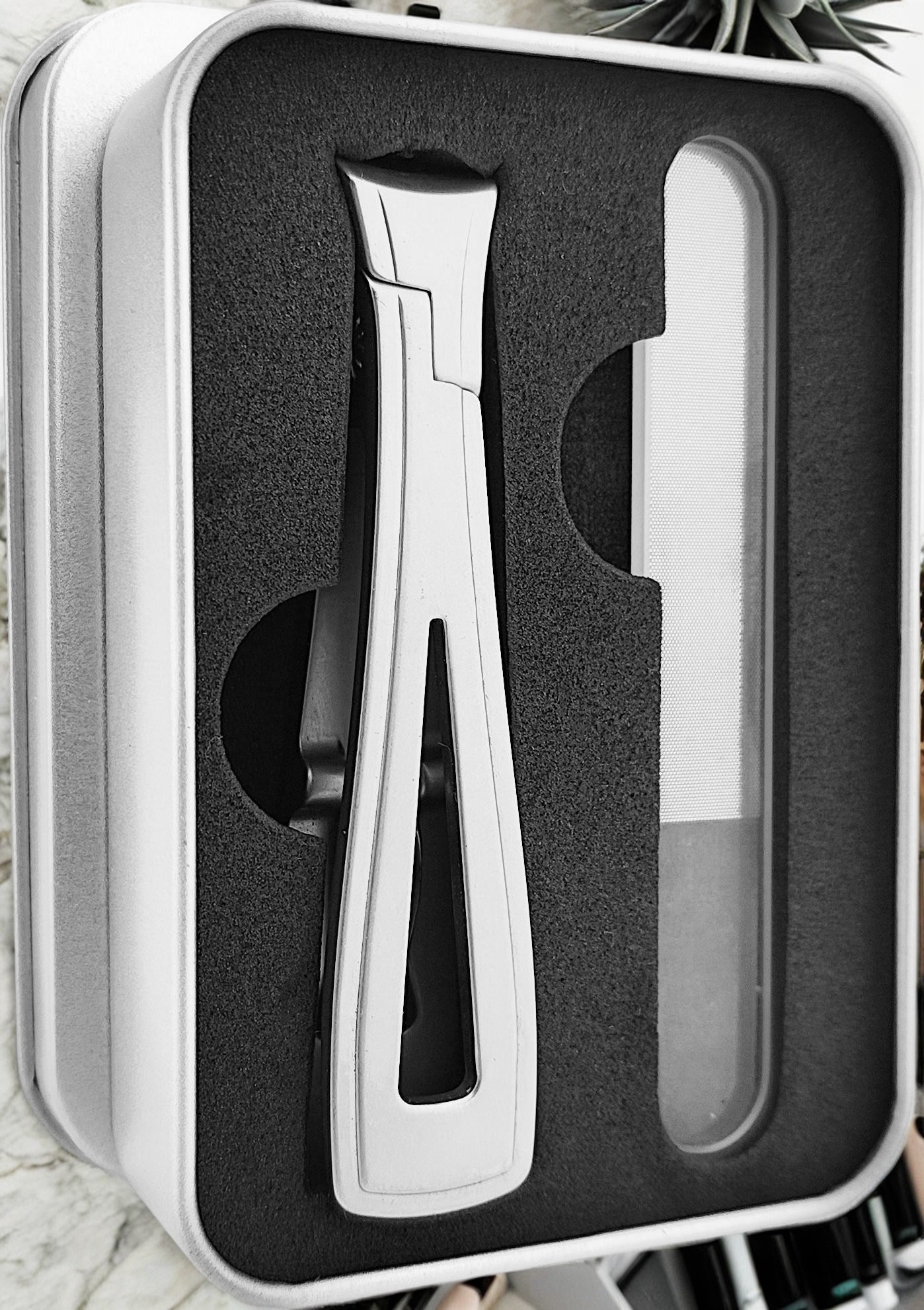
Buyers should consider the intended end user. A premium grooming gift set may prioritize a refined hand feel and presentation. A travel grooming kit may need compact dimensions and protective packaging. A professional retail assortment may require consistent finishing and reliable cutting performance across bulk quantities. The product’s metallic tin packaging, mentioned in the supplied description, may support giftability, storage, and shelf presentation, provided the tin protects the clipper and matches the target market’s expectations.
How to Compare This Clipper With Standard Nail Clippers
Standard nail clippers can vary widely. Some are acceptable for occasional use, while others lose sharpness quickly or feel rough at the hinge. A powder metallurgy nail clipper should be evaluated against ordinary options in a structured way, not only by appearance. The table below offers a practical comparison framework for product selection meetings or sample reviews.
| Evaluation Point | What to Check | Why It Matters |
|---|---|---|
| Cutting edge | Inspect alignment and test on different nail thicknesses | Determines whether the trim is clean or crushed |
| Material feel | Look for a dense, solid body with stable jaw movement | Supports confidence in durability and control |
| Lever action | Press slowly and repeatedly to feel resistance | Affects comfort for daily or repeated use |
| Surface finish | Check for rough edges, coating flaws, or uneven polishing | Influences perceived quality and safety |
| Packaging | Review the metallic tin fit, protection, and presentation | Important for gifting, retail display, and storage |
| Consistency | Compare several samples from the same batch | Reveals whether the product can scale reliably |
This approach helps avoid a common sourcing mistake: choosing a clipper that looks attractive in photos but does not perform well in use. For additional assortment planning, explore Olimor product collections to compare grooming tools by category and intended retail positioning.
Care and Maintenance for Longer Tool Life
Even a sharp, well-made nail clipper benefits from proper care. Nails contain moisture, oils, and fine keratin dust. If residue is left around the jaws, the clipper may feel less smooth over time. Simple maintenance can help preserve cutting performance and hygiene.
- Wipe after use. Remove nail dust and residue with a dry, clean cloth, especially around the cutting edge and hinge area.
- Keep it dry. Store the clipper away from standing water or damp bathroom surfaces. If it becomes wet, dry it before placing it back into the tin.
- Avoid cutting non-nail materials. Using a nail clipper on wire, plastic tags, or packaging can damage the cutting edge.
- Use steady pressure. Position the nail fully in the jaw and press smoothly rather than twisting the tool during the cut.
- Inspect periodically. Check for looseness, misalignment, or roughness before continued use.
For retail brands, including care instructions with the product can reduce misuse and improve customer satisfaction. Clear maintenance guidance is especially helpful when the product is positioned as a premium or long-lasting grooming tool.
Sourcing Questions for Beauty-Tool Buyers
If you are purchasing for resale, promotional sets, salons, pharmacies, travel kits, or online stores, evaluate more than the clipper itself. The product description mentions rigorous quality checks and raw material selection, but every buying project has its own requirements. A neutral checklist helps keep discussions focused on measurable details.
- What inspection points are used for blade alignment, lever function, surface finish, and packaging condition?
- How is cutting performance tested during production or final inspection?
- Can packaging be reviewed for protective fit, labeling space, barcode placement, and retail display needs?
- What finish options, if any, are appropriate without compromising grip or edge performance?
- How are samples compared with production goods to maintain consistency?
- What shipping protection is recommended for metallic tin packaging to reduce dents or scuffs?
- Are product care instructions, warning text, or market-specific labeling requirements needed for the destination country?
These questions do not require invented claims or assumptions; they simply help buyers verify that the final product matches the chosen market. For a premium grooming accessory, a small defect in finish or packaging can affect perceived value. For a functional everyday clipper, inconsistent sharpness can lead to returns or poor reviews. If you need product details for a sourcing project, you can send an inquiry with your intended channel, packaging needs, and sample evaluation plan.
Who This Nail Clipper Is Best Suited For
This powder metallurgy nail clipper is best suited to customers who value controlled trimming, a solid metal feel, and a more refined presentation than a basic disposable-style grooming tool. It can fit personal grooming kits, premium travel accessories, men’s and women’s self-care assortments, and gift-oriented beauty ranges. The metallic tin packaging may also make it suitable for customers who want a clean storage solution rather than leaving the tool loose in a drawer or toiletry bag.
For retailers and brand teams, the strongest angle is practical performance supported by manufacturing technology. Avoid relying only on broad luxury language. Instead, communicate what users can understand: lasting sharpness, stable control, dense integrated construction, comfortable handling, and protective tin packaging. These benefits are easier to demonstrate in photos, product pages, and customer education than vague claims.
If you are comparing this clipper with other grooming accessories or building a broader beauty-tool line, contact Olimor to discuss the product context and the best way to evaluate samples. A nail clipper may be small, but when it cuts cleanly, stores neatly, and feels dependable in the hand, it becomes one of the most frequently used tools in a grooming set.