










A nail clipper should be replaced when it no longer cuts cleanly in one controlled motion, shows rust near the jaws or pivot, feels loose in the lever, or leaves nails split, crushed or jagged. Cleaning can remove debris, but it cannot restore a worn cutting edge, correct a damaged pivot or reliably fix misaligned jaws.
This guide is designed for practical decision-making. It helps personal users, salon teams, retailers, hospitality buyers and private-label grooming brands identify nail clipper wear, compare replacement options and evaluate suppliers without relying on appearance alone. A nail clipper is a small beauty tool, but it is handled often and judged immediately by cutting feel, finish and hygiene condition.
For buyers building a grooming range, nail clippers should be assessed with the same discipline as other beauty tool products: sample inspection, use-case testing, packaging review and clear supplier communication. The goal is not to replace tools too early, but to avoid keeping a clipper in use after its cutting performance and user experience have declined.
Why Nail Clippers Wear Out
Nail clippers work by concentrating pressure along two narrow cutting edges. When the lever is pressed, the upper and lower jaws meet and cut through the nail plate. Every cut creates contact between metal edges and nail material. Over time, those edges can become dull, the lever can loosen and the jaws can shift out of even alignment.
Wear can happen faster in demanding conditions. Thick toenails require more leverage than regular fingernail trimming. Damp bathroom storage can encourage staining or corrosion. Dropping the tool on a hard floor can affect jaw alignment. Using a nail clipper to cut tags, tape, plastic packaging or wire can deform the edge. Shared environments, such as salons, hospitality kits and retail demonstrations, also increase handling and cleaning frequency.
The most reliable warning sign is performance. A clipper may still look acceptable but fail to cut cleanly. If trimming takes more force, more attempts or more filing than before, the tool should be inspected. For customer-facing kits and professional settings, a marginal clipper should be removed from service sooner than a tool used occasionally at home.
Clear Signs a Nail Clipper Should Be Replaced
Use the nail and the tool together as evidence. One minor issue may only require cleaning, but several symptoms usually mean replacement is the safer and more professional decision.
- Jagged nail edges: A good clipper leaves a controlled cut. Torn or ragged edges suggest dull or uneven blades.
- Repeated squeezing: If one nail section needs several attempts, the cutting edge may no longer be effective.
- Nail splitting or peeling: Dull or misaligned jaws can crush the nail before cutting it.
- Rust or dark staining: Rust near the jaws, file area or pivot affects appearance and may reduce smooth movement.
- Loose lever action: A lever that wobbles, shifts sideways or feels unstable reduces control.
- Uneven jaw contact: If one side of the jaw closes before the other, the clipper may pinch or leave uncut sections.
- Rough or squeaking action: Grit, corrosion or pivot wear can make the tool feel unreliable.
- Burrs on the body or lever: Rough metal edges can scratch fingers, pouches, retail inserts or packaging.
For a personal grooming drawer, the decision may depend on comfort. For a salon, spa, hotel kit, retail assortment or private-label program, the threshold should be stricter. A nail clipper that feels weak, stained or unpredictable can damage confidence in the entire grooming set.
How to Inspect a Nail Clipper Before It Fails
A quick inspection can prevent poor grooming results and customer complaints. Use good lighting and never test the clipper on skin. The aim is to evaluate alignment, cutting consistency, surface condition and hand feel.
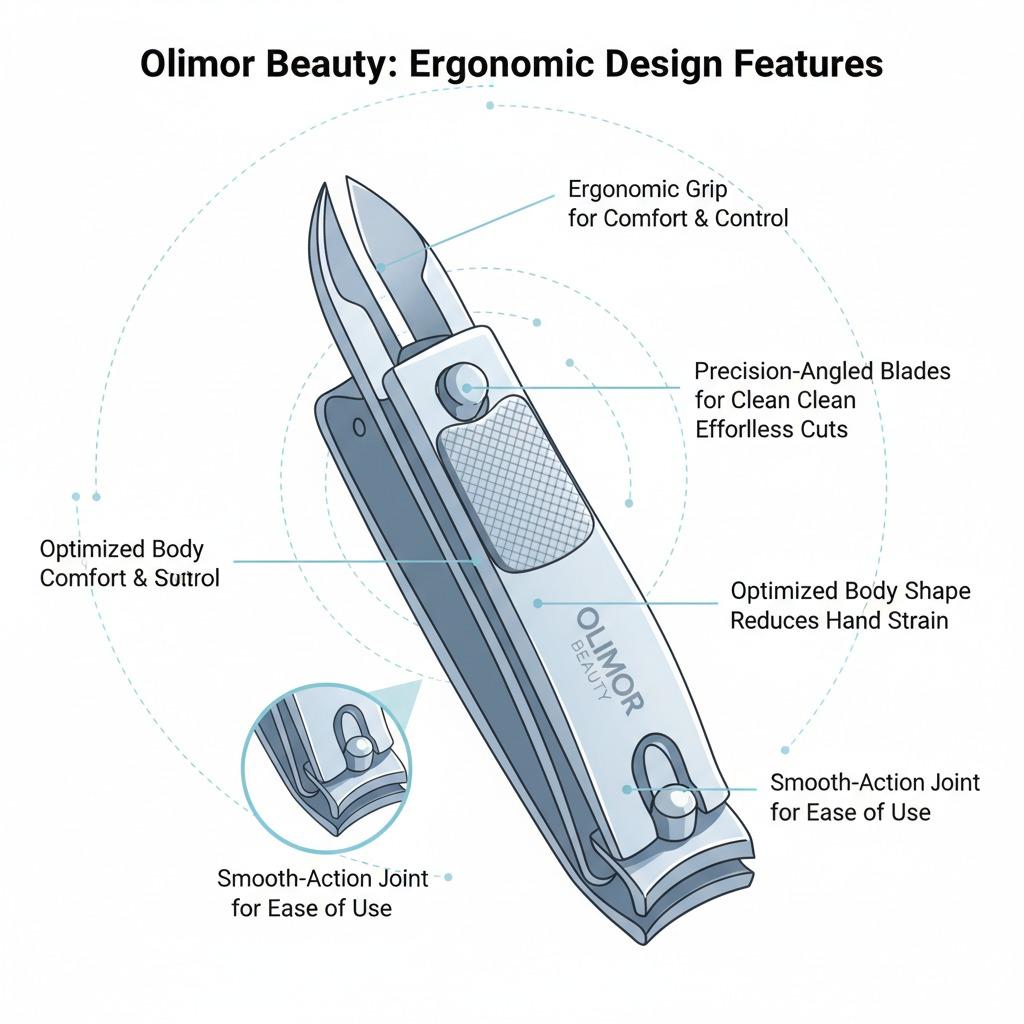
- Look at the jaws from the front. The upper and lower cutting edges should appear even, with no obvious chips, flat spots or bent sections.
- Close the clipper slowly. The jaws should meet across the cutting area. A visible gap or one-sided contact is a warning sign.
- Press the lever gently. The action should feel controlled and stable, not loose, gritty or shaky.
- Inspect the pivot pin. Check for looseness, rust, deformation or debris around the connection point.
- Review the finish. Touch only safe areas and look for burrs, rough corners or surface defects that could affect comfort or packaging.
- Clean and retest if needed. Nail dust and residue can interfere with movement. If cleaning does not improve performance, replace the tool.
- Test carefully on a nail edge. A reliable clipper should cut decisively without bending or tearing the nail.
This same inspection process is useful when reviewing supplier samples. Buyers should test several units, not just one perfect sample, because consistency matters in retail and private-label sourcing.
Dull, Rusty or Misaligned: What the Problem Means
Different defects lead to different user complaints. The table below helps separate issues that may be solved by cleaning from problems that normally require replacement.
| Issue | What users notice | Likely cause | Recommended action |
|---|---|---|---|
| Dull cutting edges | More force, jagged cuts, nail splitting | Normal wear, misuse on non-nail materials or hard toenails | Replace for dependable cutting performance |
| Rust near jaws or pivot | Stained appearance, rough movement, hygiene concern | Moisture exposure, poor drying or unsuitable storage | Replace if rust remains on cutting surfaces or moving parts |
| Loose lever | Unstable feel and reduced control | Pivot wear, impact damage or repeated heavy use | Replace, especially for shared or commercial use |
| Misaligned jaws | Incomplete cut, pinching or uneven nail edge | Drop damage, deformation or manufacturing inconsistency | Replace unless safe adjustment is specifically supported |
| Surface debris only | Residue under jaws or around file area | Nail dust, oils or storage lint | Clean, dry and retest before deciding |
Sharpening small consumer nail clippers is usually not practical. The jaw geometry is compact, and poor sharpening can worsen alignment or create burrs. For most users and B2B buyers, replacement is more reliable than repair when the cutting edge itself is worn.
Cleaning and Maintenance Habits That Extend Useful Life
Maintenance cannot make a worn blade new again, but it can slow corrosion and keep a clipper working smoothly for longer. After each use, remove nail debris from the jaws and wipe the tool dry. If the clipper has been rinsed or exposed to moisture, let it dry fully before placing it into a pouch, drawer or sealed kit.
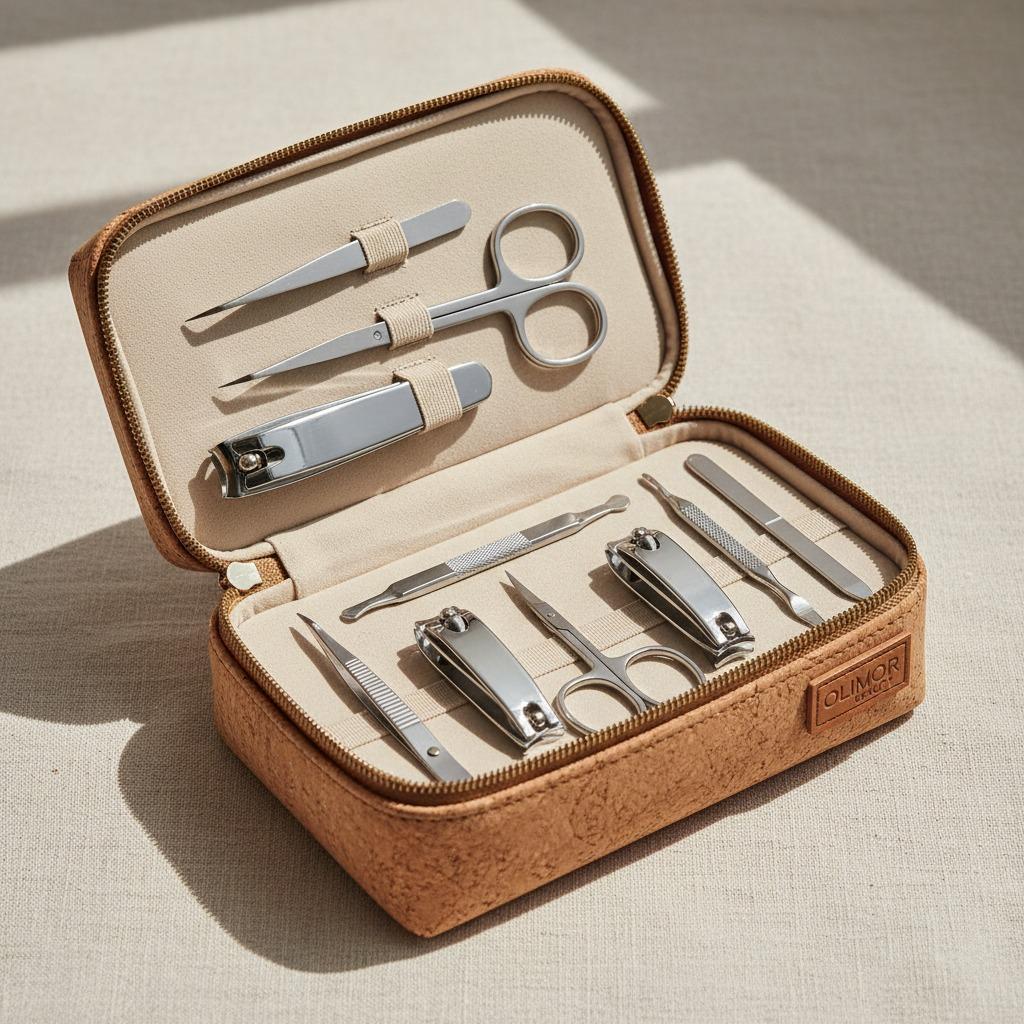
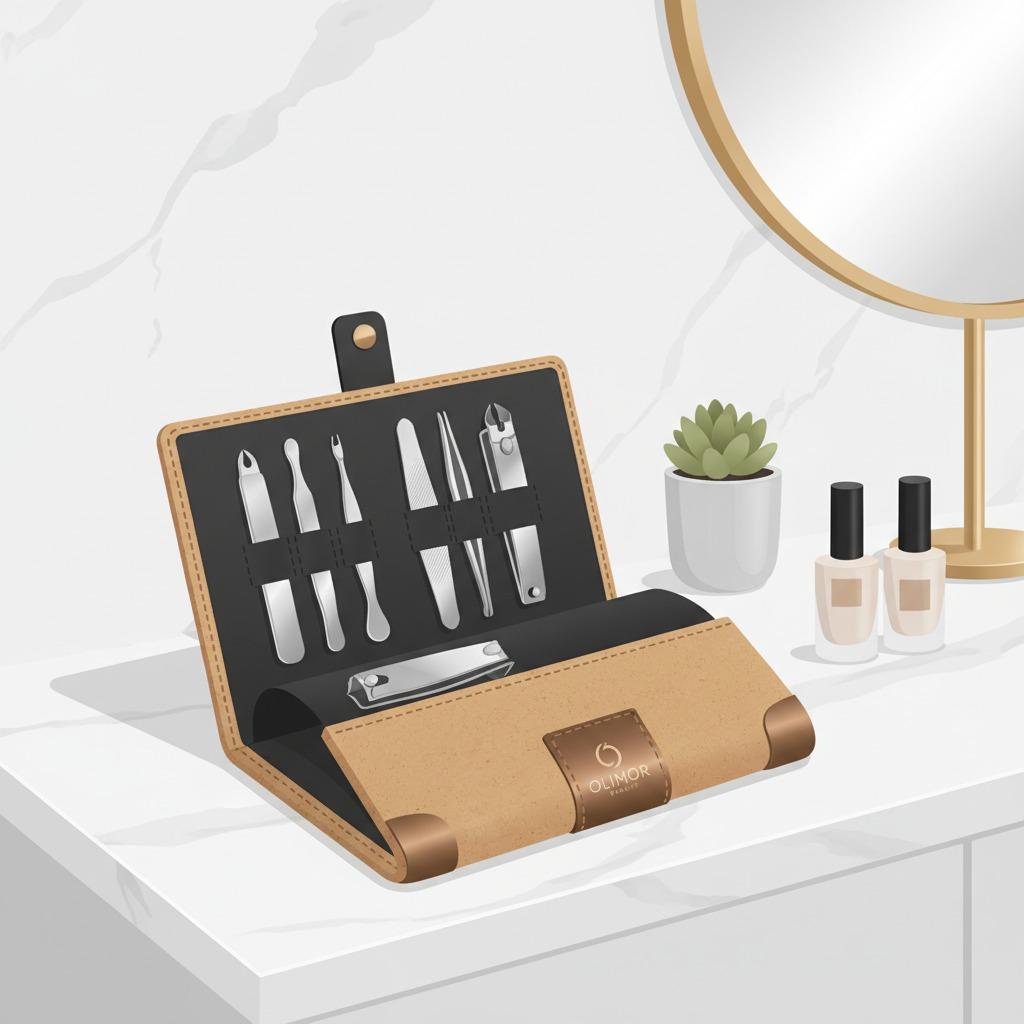
Storage also matters. Keep nail clippers away from hard metal items that can strike or chip the jaws. In a manicure set, a sleeve, tray, elastic loop or molded compartment helps protect the cutting edge. Avoid leaving the clipper in a damp bathroom, wet travel bag or closed pouch with moisture inside.
Never use a nail clipper for non-grooming tasks. Cutting plastic tags, tape, thin wire, adhesive labels or packaging straps may seem convenient, but it can dull the edge or loosen the pivot. For retail and hospitality kits, simple care instructions can reduce misuse and post-purchase complaints.
For shared-use environments, cleaning procedures should match the business setting and local rules. Salons and spas should verify current hygiene requirements with relevant local health authorities. In the United States, buyers and operators may also look to public guidance from bodies such as the Centers for Disease Control and Prevention for general infection prevention principles, while remembering that business requirements can vary by location and service type.
Choosing the Right Replacement Nail Clipper
The right replacement depends on the intended use. A compact fingernail clipper for a travel kit is not evaluated in exactly the same way as a larger toenail clipper for a home grooming set or a retail men’s care assortment. Start with the user, then assess the tool.
For fingernails, buyers often prioritize compact size, smooth lever movement and clean curved cutting. For toenails, leverage and jaw opening become more important because the nail may be thicker. For salon stations and grooming kits, durability, easy cleaning and consistent finish matter. For retail programs, the tool must also fit the packaging format, price position and brand presentation.
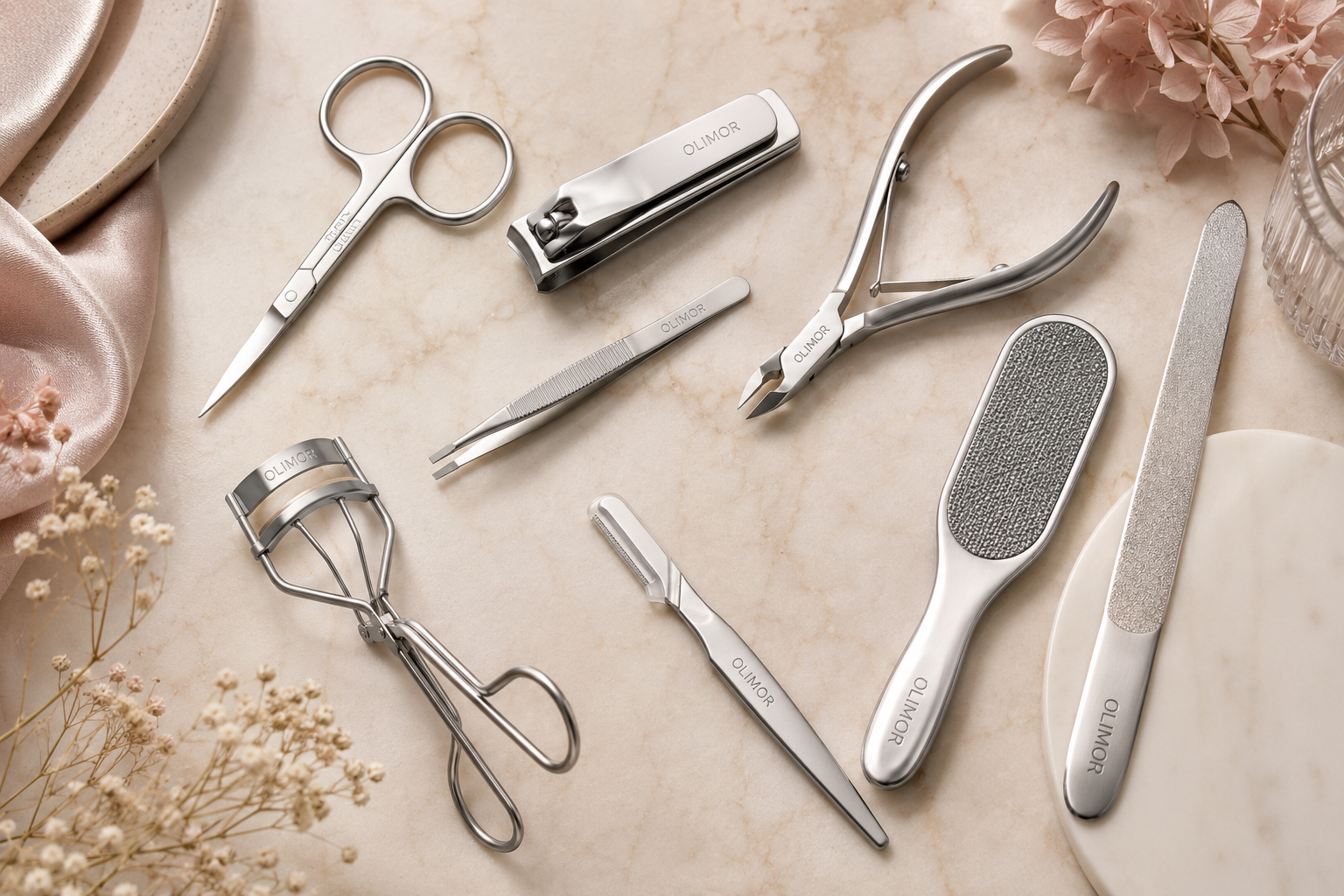
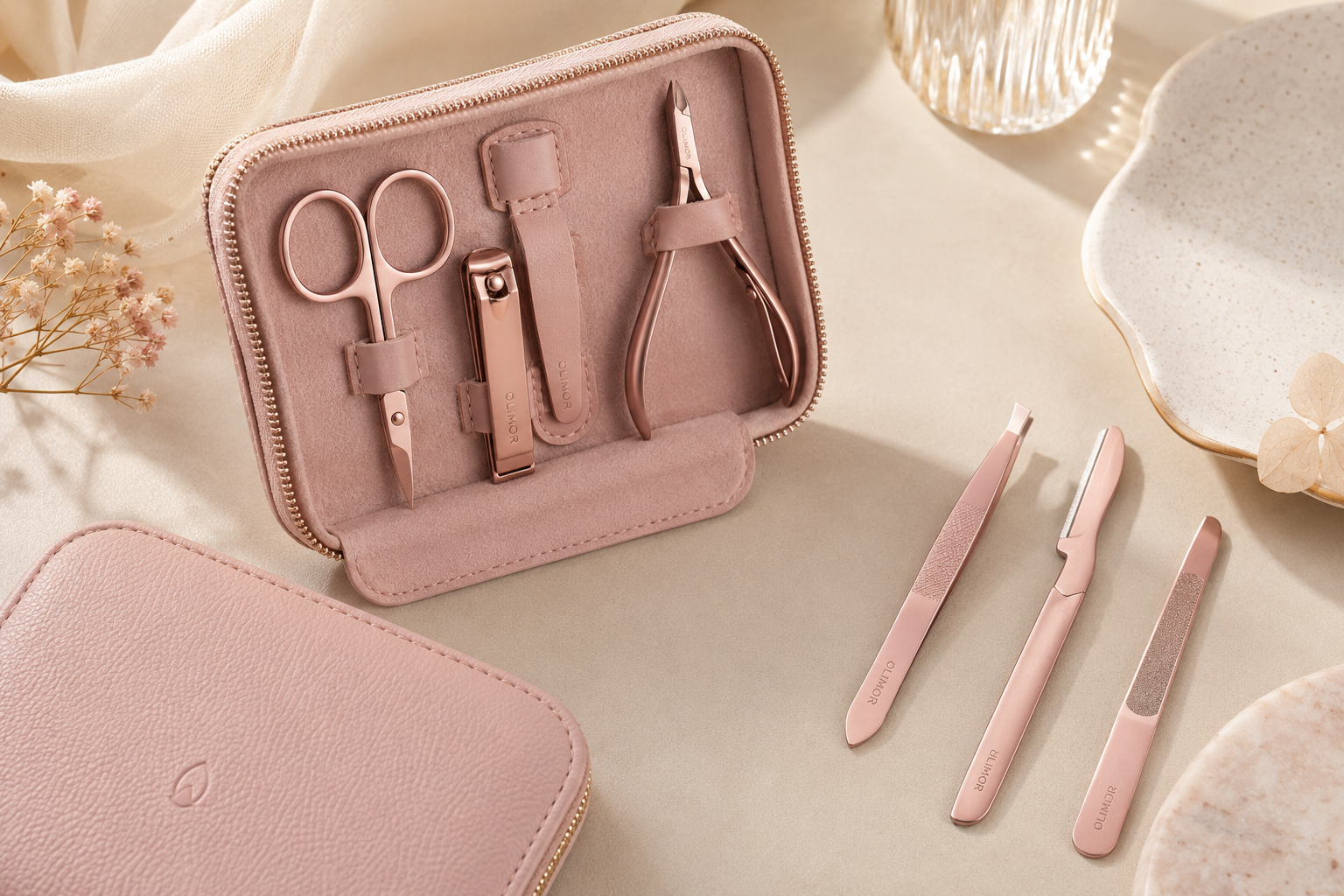
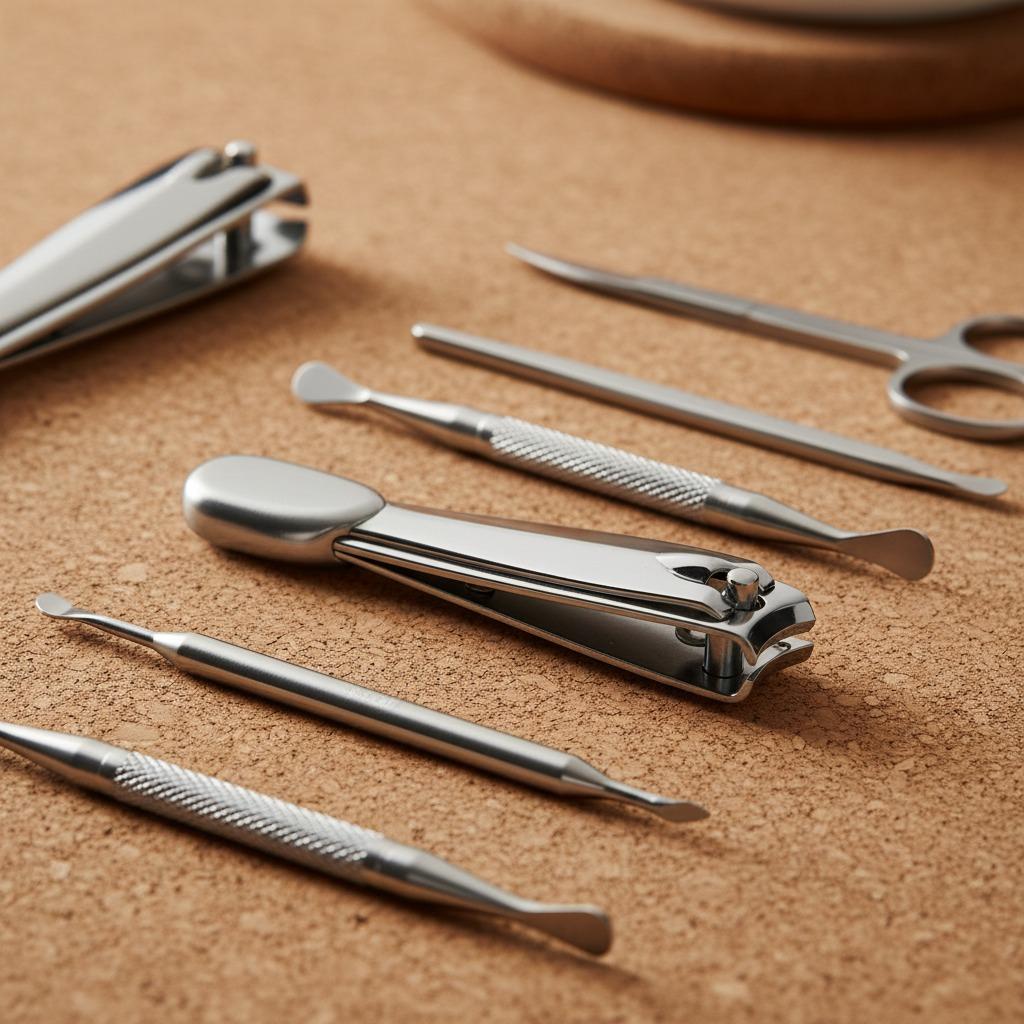
When comparing options in a broader grooming line, review relevant beauty tool collections and consider whether the nail clipper should match other items such as tweezers, scissors, nail files or manicure sets. A consistent finish, handle style and packaging structure can make the range feel more coherent.
Replacement Selection Checklist
- Cutting feel: The clipper should cut a nail edge cleanly without excessive pressure.
- Jaw alignment: Edges should meet evenly across the curve or straight cutting line.
- Lever stability: Pressing should feel controlled, with no distracting side movement.
- Grip comfort: The lever should be easy to hold for the intended user group.
- Finish quality: Surfaces should be smooth, without burrs or rough points.
- Size suitability: Fingernail and toenail use may require different jaw widths and leverage.
- Cleaning access: The design should not trap debris in hard-to-reach areas unnecessarily.
- Packaging fit: Confirm whether the clipper will be sold loose, carded, boxed, pouched or included in a kit.
- Branding needs: Decide whether logo placement, color, finish or packaging customization is part of the project.
- Supplier documentation: Ask what product, material, packaging and compliance documents are available for review.
B2B Sourcing Considerations for Retail and Private-Label Buyers
Commercial buyers should evaluate nail clippers beyond the first visual impression. A shiny finish can look attractive in a catalog photo, but cutting consistency, alignment and lever control determine repeat satisfaction. Ask for samples that represent the proposed production item, then inspect multiple pieces from the sample set.
Cost is influenced by several factors, including tool size, construction, surface finish, packaging format, customization requirements, order quantity, inspection expectations and shipping method. Buyers should avoid assuming that the lowest unit cost is the best value. A clipper that creates complaints, returns or weak reviews can be more expensive than a better-matched option.
Supplier evaluation should include communication quality as well as product quality. A dependable supplier should be able to discuss intended use, packaging requirements, branding options and inspection points clearly. For regulated markets, verify current applicable requirements and request supporting documents instead of relying on verbal claims. For example, retailers may consider U.S. Consumer Product Safety Commission expectations for consumer products, while restricted substance considerations for metal articles or coatings may involve frameworks such as EU REACH where applicable. Always confirm the current versions and ask the supplier for project-specific documentation; do not assume that a general statement covers your market.
If you are planning a retail assortment, promotional grooming kit or private-label beauty tool line, share the use case early. A supplier can respond more effectively when they know whether the clipper is intended for fingernails, toenails, travel kits, salon resale, hospitality amenities or a complete manicure set.
When Replacement Is More Important Than Cleaning
Cleaning is appropriate when the issue is surface residue, nail dust or light debris around the jaws. Replacement is more appropriate when the problem affects cutting performance, control or user trust. Do not keep using a clipper that pulls the nail, requires heavy force, has rust on cutting surfaces, leaves repeated jagged edges or feels unstable in the hand.
Replacement is especially important for customer-facing products. In a manicure set, the nail clipper is often one of the first tools used. If it feels dull or rough, the entire kit may be judged as low quality, even if the other components are well made. Retailers, beauty brands and hospitality buyers should treat the clipper as a high-touch item, not a minor accessory.
For personal use, a simple rule works well: if nail trimming feels harder than it used to, inspect and clean the clipper. If clean cutting does not return, replace it. Keeping a reliable clipper on hand reduces rough nail edges and shortens grooming time.
Practical CTA for Replacement and Sourcing Projects
Olimor Beauty offers nail clippers within its beauty tool range for buyers comparing grooming tools, kit components and private-label possibilities. If you need to evaluate options for a retail program or grooming assortment, you can send a project inquiry with your intended use, packaging idea and customization needs. For direct discussion, contact Olimor and request guidance based on your product plan.
FAQ
Can I request nail clipper samples before placing an order?
Sample availability depends on the product style, customization request and current supply situation. Buyers should ask which sample options are available and confirm whether the sample represents the intended production version.
Is there a minimum order quantity for customized nail clippers?
MOQ can vary by item, finish, packaging and branding method. Confirm the current MOQ with Olimor before planning retail pricing, launch quantities or promotional schedules.
What customization options should buyers discuss?
Common discussion points include logo placement, surface finish, packaging format, kit arrangement and assortment matching. Final options depend on the selected nail clipper design and production feasibility.
How should quality be checked before shipment?
Buyers should agree on inspection points such as jaw alignment, cutting feel, lever stability, surface finish, cleanliness, packaging condition and labeling requirements. Any required documents or market-specific checks should be confirmed before production.
How long does production and delivery take?
Lead time depends on order details, customization, packaging, production schedule and shipping method. Ask for a current project timeline after the item, quantity, packaging and approval process are defined.
Final Takeaway
A nail clipper should be replaced when it stops cutting cleanly, shows rust, feels loose, has misaligned jaws or leaves nails split and jagged. Regular inspection helps separate tools that only need cleaning from tools that have reached the end of useful life. For B2B buyers, the strongest replacement choices are based on cutting performance, alignment, finish, packaging fit and supplier clarity. A small grooming tool can strongly influence the user’s impression of a beauty range, so it deserves careful selection.