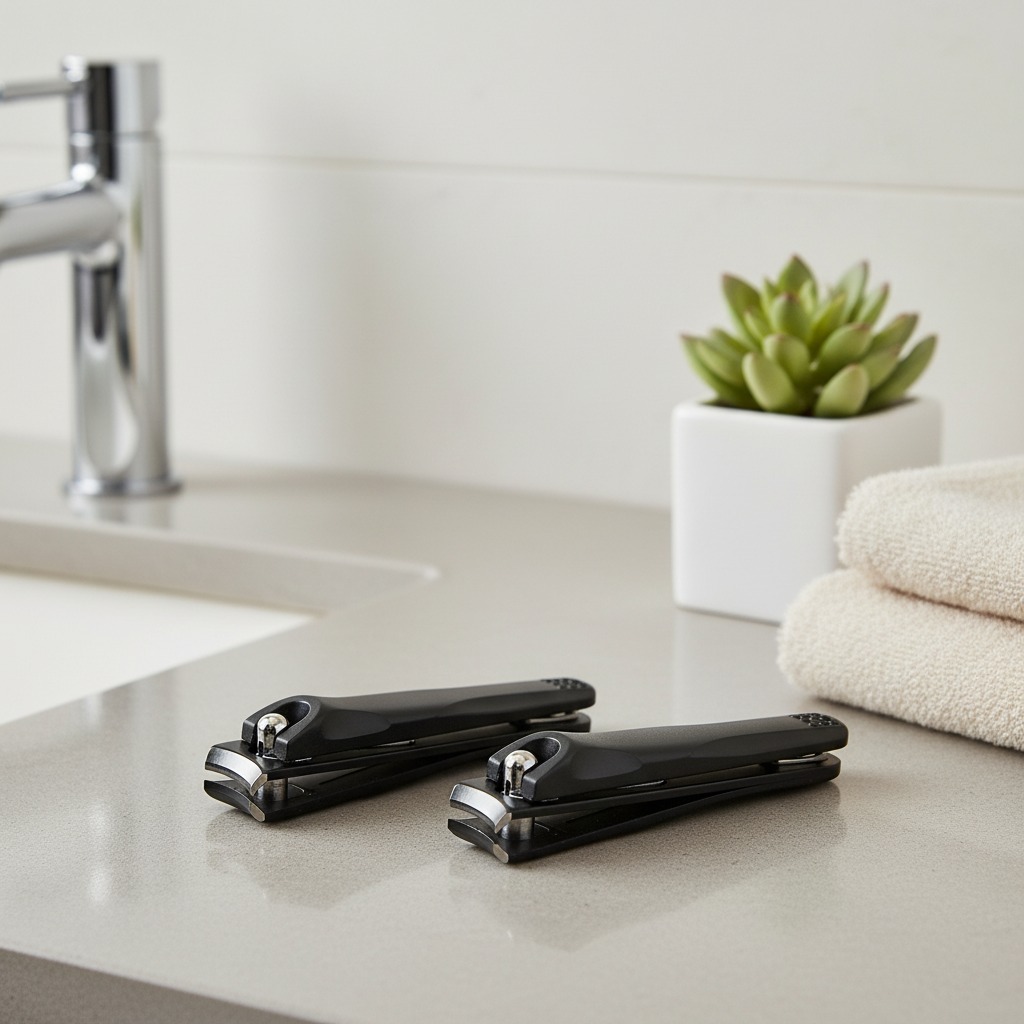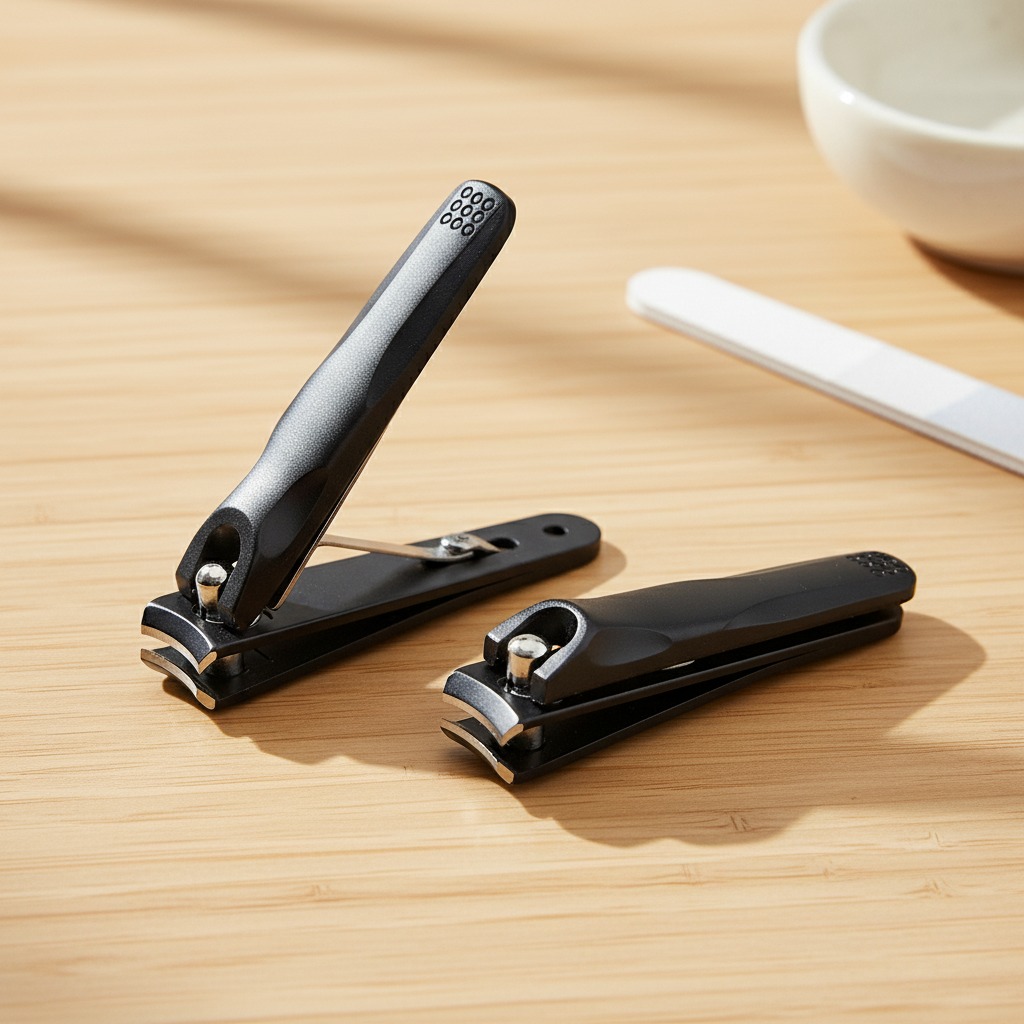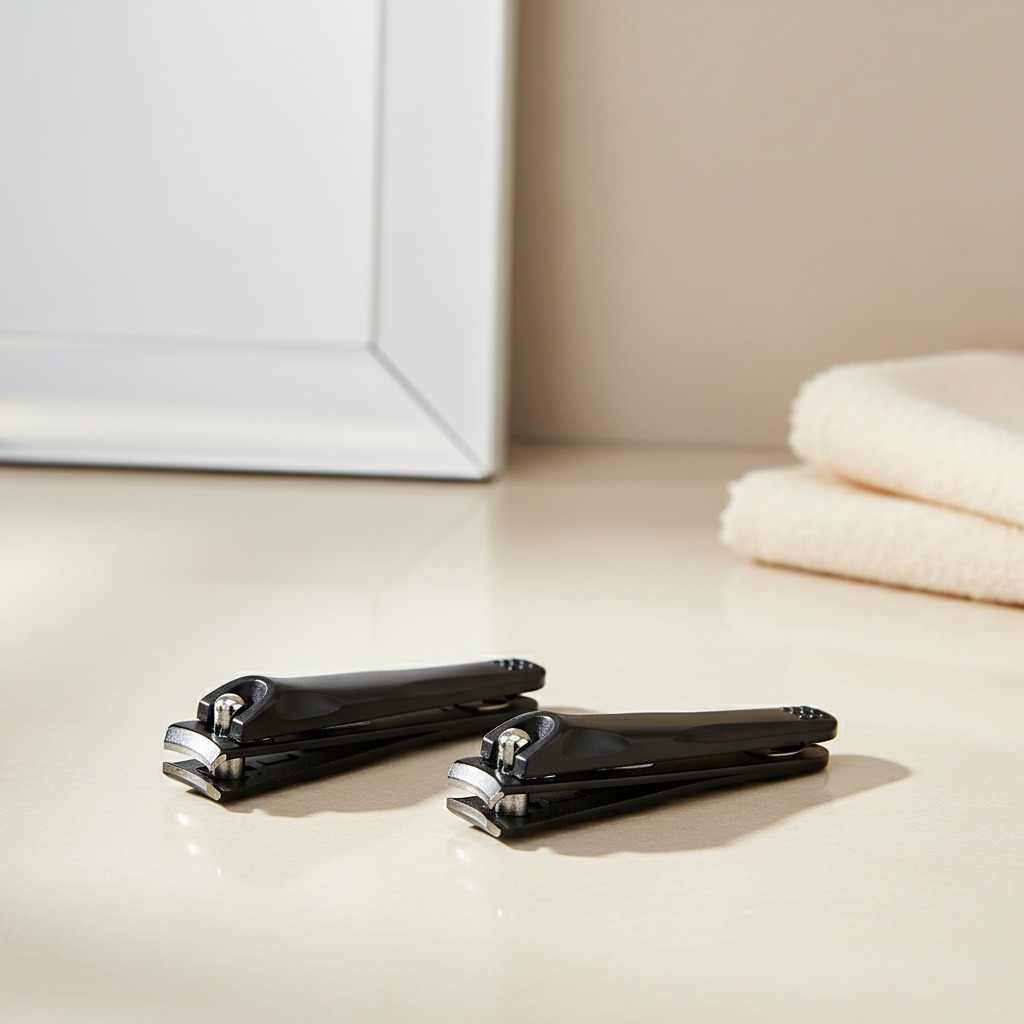











A nail clipper looks simple, but buyers know that small grooming tools can create large quality problems when sourcing is rushed. A weak spring action, dull curved blade, uneven plating, rough edge or loose nail file can turn an inexpensive item into a return, complaint or damaged retail reputation. For beauty retailers, grooming brands, salons, promotional buyers and distributors, choosing the right nail clipper supplier is therefore less about finding any available stock and more about confirming repeatable quality.
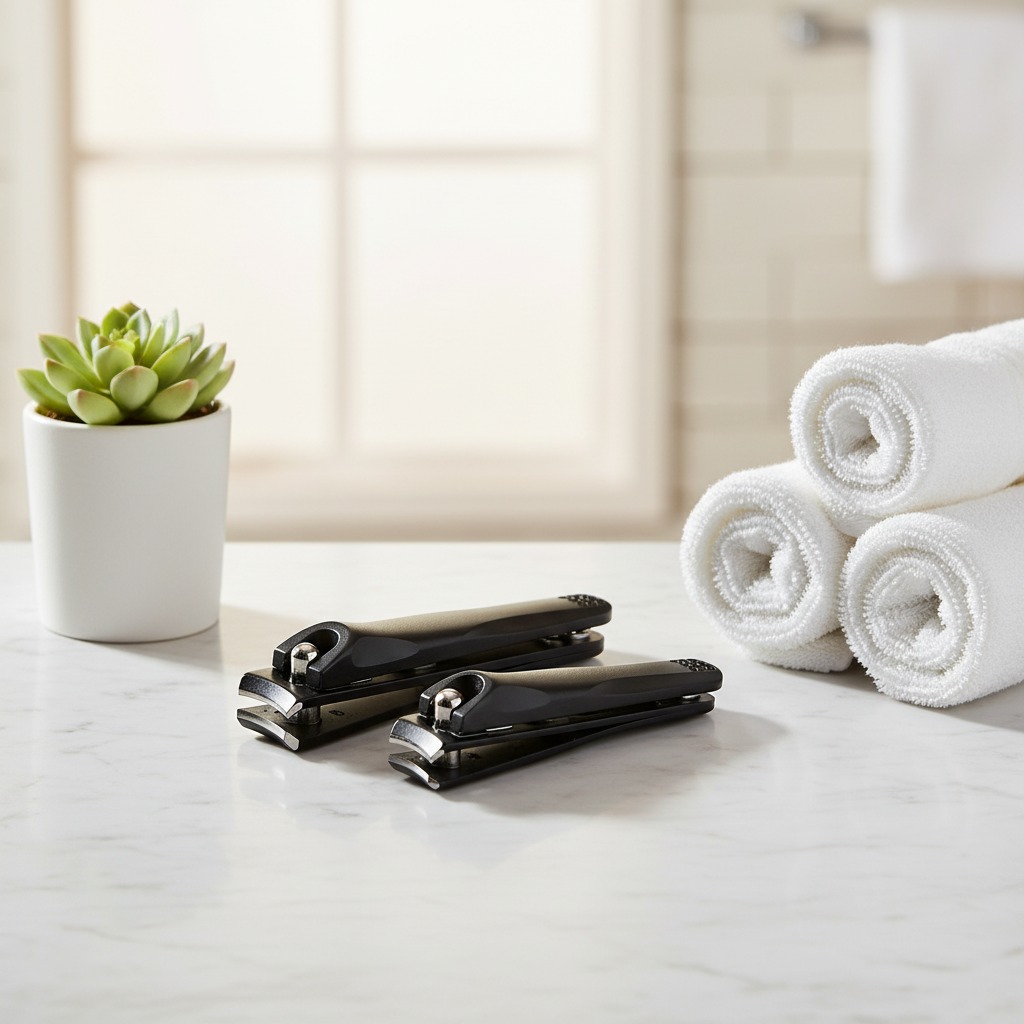
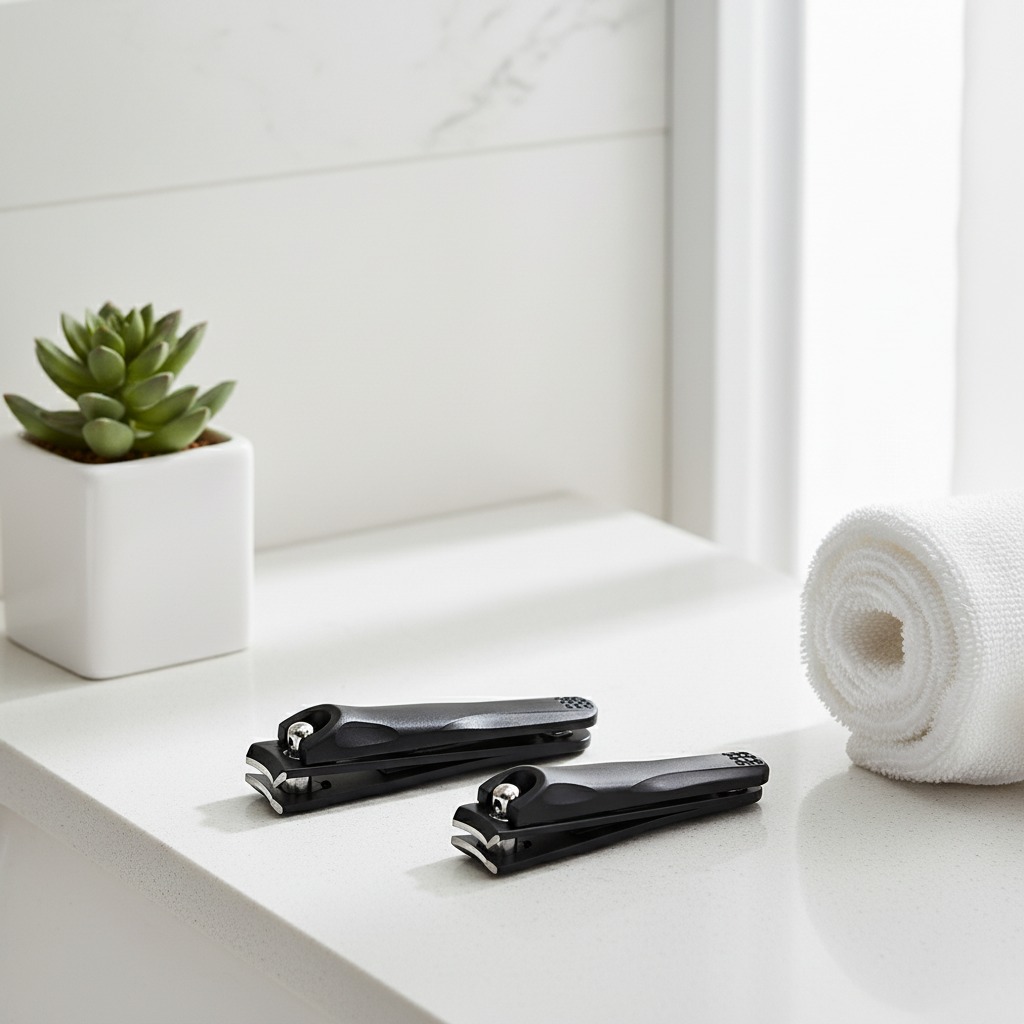
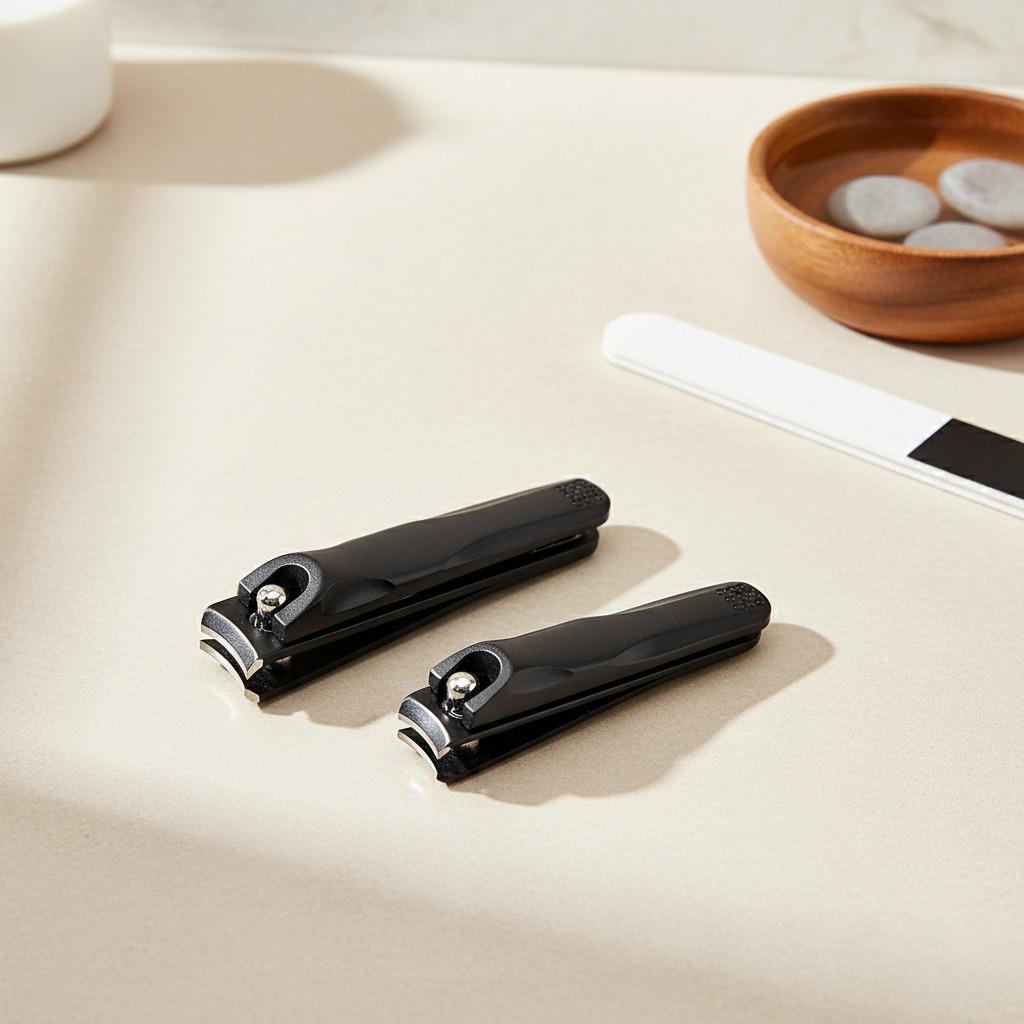
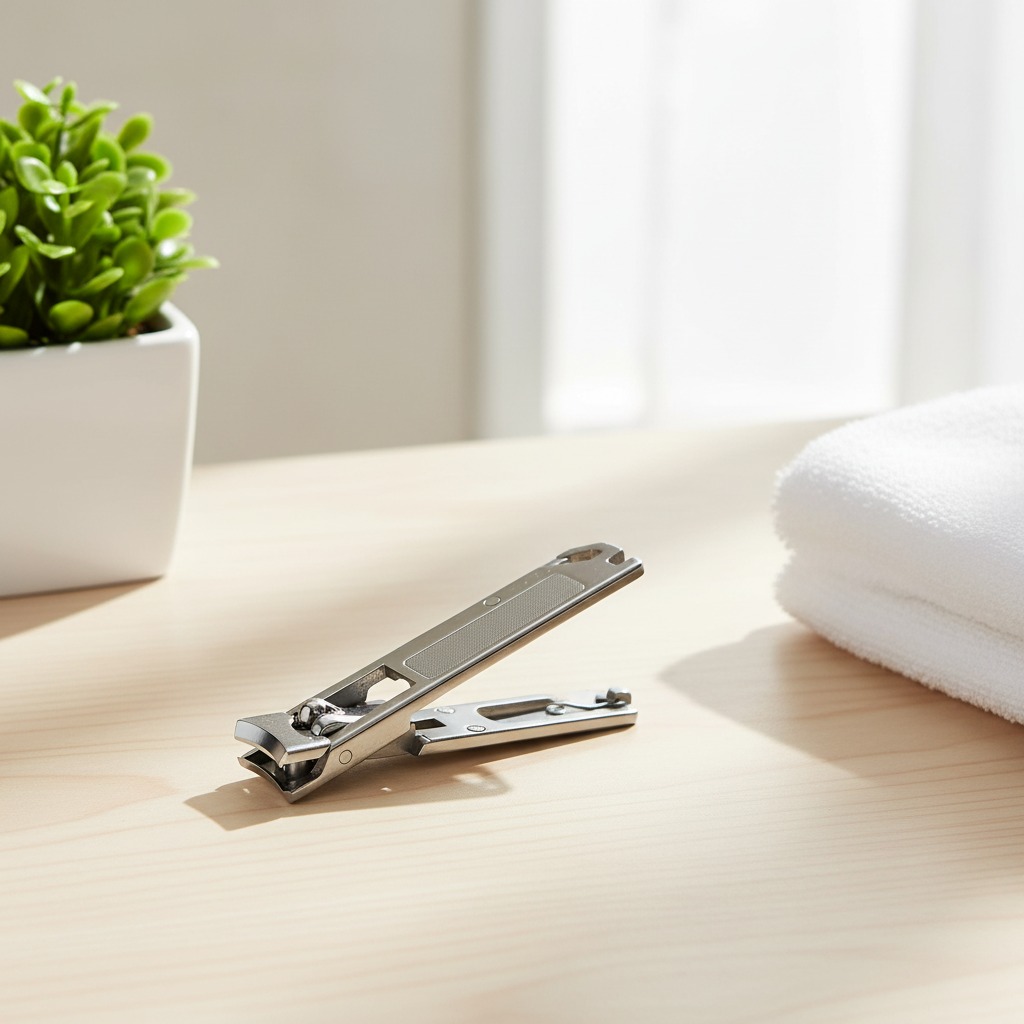
Olimor Beauty supplies stainless steel nail clippers designed for everyday grooming, with features such as a brushed metallic finish, corrosion-resistant appearance, ergonomic handling, curved cutting blades and an integrated nail file. If you are comparing suppliers for wholesale nail clipper programs or nail clipper OEM projects, the following guide explains what to evaluate before committing to production.
Start With the End User and Sales Channel
The best supplier conversation begins with the user, not the catalog. A nail clipper sold in a pharmacy, included in a manicure kit, supplied to a hotel amenity program or placed under a private label beauty brand may require different priorities. A retail pack may need stronger shelf presentation. A professional grooming kit may need consistent blade alignment across repeated use. A promotional buyer may prioritize reliable bulk supply and clean branding space.
Before reviewing samples, define the buying scenario clearly:
- Retail resale: packaging appearance, barcode space, product consistency and consumer-safe finishing are important.
- Salon or grooming use: grip comfort, cutting feel and easy cleaning matter more than decorative details.
- Gift sets and travel kits: compact shape, secure built-in file and finish consistency support a better set presentation.
- Private label programs: branding method, packaging artwork, batch consistency and reorder stability should be reviewed early.
- Wholesale distribution: carton durability, clear labeling and predictable supply are key operational concerns.
Olimor Beauty’s range of beauty tool products can help buyers compare nail clippers with other grooming and manicure tools when planning a complete category or kit.
Material and Finish: What to Check on a Stainless Steel Nail Clipper
The original product focus is stainless steel, which is a practical choice for nail clippers because it supports strength, hygiene and a clean metallic look. However, buyers should not stop at the material description alone. A useful sample review should examine how the material is formed, finished and assembled.
For a brushed metallic finish, look for an even surface direction without heavy scratches, blotchy areas or sharp burrs around the lever and handle. The finish should support a neat appearance and help resist visible corrosion in normal grooming environments. It should also feel smooth in the hand, since a nail clipper is usually used with pressure from the thumb and fingers.
When comparing suppliers, inspect the following points on every sample:
- Edges around the body, lever and file should be smooth, not sharp or unfinished.
- The curved blades should meet evenly without visible gaps at the cutting point.
- The lever should move firmly and return without feeling loose or unstable.
- The built-in nail file should be securely attached and not rattle excessively.
- The surface finish should be consistent across samples, not only on one display piece.
These checks are simple, but they reveal whether a nail clipper factory has good control over forming, polishing, assembly and final inspection.
Cutting Performance Is the Core Quality Test
A nail clipper’s value depends on how it cuts. Elegant packaging cannot compensate for a blade that bends the nail, tears at the edge or requires repeated pressure. The supplied product description highlights sharp, curved blades designed to follow the natural nail shape. For buyers, this means sample testing should focus on the cutting line, pressure required and comfort during use.
Test samples across different nail thicknesses where appropriate for your market. The tool should cut cleanly without requiring excessive force. The curve should feel natural for fingernail grooming, and the lever should give enough control to trim gradually. If the clipper includes a built-in nail file, it should be practical for smoothing small edges after trimming.
For wholesale and OEM orders, test more than one sample. One good piece is not enough. Pull samples from different inner packs if available and compare cutting sound, lever feel and blade alignment. Inconsistent cutting quality is often a warning that production control may vary from batch to batch.
Factory Quality Control From Raw Material to Packaging
A dependable nail clipper supplier should be able to explain its quality control process in clear, practical terms. The original product information describes inspections from raw materials to final packaging. That type of process matters because nail clippers require quality control at several stages, not just a quick check before shipment.
A useful factory quality review may include these checkpoints:
- Incoming material review: confirm that the metal used for production matches the agreed product plan.
- Forming and shaping checks: verify that the clipper body and lever shape are consistent.
- Blade alignment review: inspect whether curved blades meet accurately for clean cutting.
- Surface finishing inspection: check brushed finish uniformity and remove pieces with scratches, stains or burrs.
- Assembly testing: confirm lever action, pin stability and built-in nail file placement.
- Final packaging inspection: review product placement, labeling, carton condition and packing quantity accuracy.
These steps are especially important for buyers placing repeat wholesale orders. If quality is only inspected at the final stage, problems may be discovered too late, after labor and materials have already been used. A stronger process catches issues earlier.
Wholesale Nail Clipper Buying: Beyond Unit Price
Price matters in wholesale sourcing, but the lowest quote is not always the lowest cost. A nail clipper wholesaler should help buyers manage consistency, packaging suitability and reorder convenience. If a shipment arrives with mixed finishes, weak cartons or uneven cutting performance, the buyer may spend more on sorting, customer service and replacement handling than was saved at purchase.
When comparing wholesale nail clipper options, build a simple evaluation table before deciding:
| Buying factor | Why it matters | What to review |
|---|---|---|
| Cutting consistency | Reduces complaints and returns | Test multiple samples, not only one piece |
| Finish quality | Affects retail appearance and perceived value | Check brushed surface, edges and visible marks |
| Packaging plan | Supports display, shipping and storage | Confirm inner packs, cartons and labeling needs |
| Reorder stability | Protects long-term product programs | Discuss how specifications are recorded for repeat orders |
| Communication | Prevents specification errors | Use clear drawings, photos, samples and written approvals |
Buyers planning a broader grooming category can also review Olimor Beauty product collections to coordinate nail clippers with complementary beauty tools.
OEM Nail Clipper Projects: Branding Without Losing Function
Nail clipper OEM sourcing is attractive for brands that want a consistent private label grooming tool. However, customization should not interfere with basic performance. A logo, packaging design or surface preference should be reviewed alongside cutting quality, grip feel and assembly stability.
For OEM projects, prepare a clear brief before sample development. Include the target user, sales channel, desired finish direction, packaging style, branding placement and any retail compliance requirements for your market. When exact technical requirements are unknown, begin with approved samples and create a written reference standard. This helps both the buyer and manufacturer compare future production against the same benchmark.
Important OEM questions include:
- Where can branding be placed without affecting grip or lever movement?
- Will the brushed metallic finish remain consistent after branding or packaging handling?
- How will the built-in nail file be presented and protected in the package?
- What sample approval process will be used before bulk production?
- How will rejected pieces be identified during inspection?
A good OEM partner should focus on the complete product experience: how the clipper looks on arrival, how it feels in the hand and how reliably it trims nails.
Why Work With a China Nail Clipper Manufacturer
Many buyers consider a nail clipper China manufacturer because China has a mature supply chain for personal care and beauty tools. The advantage is not simply location; it is the ability to coordinate material sourcing, forming, finishing, assembly, packaging and export communication through an experienced production network.
For buyers, the goal is to find a manufacturing partner that can translate product expectations into controlled production. Olimor Beauty positions its nail clipper supply around stainless steel construction, ergonomic design, curved blades, brushed metallic finish and quality checks through the production process. Those qualities are relevant for both personal grooming tools and wholesale programs.
Still, every buyer should make decisions based on verified samples, written specifications and clear approval steps. A supplier relationship works best when the expectations for finish, blade performance, packaging and inspection are documented before the order moves forward.
Care, Handling and Merchandising Tips for Buyers
Even a well-made nail clipper benefits from proper handling after delivery. Retailers and distributors should store cartons in dry conditions and avoid unnecessary exposure to moisture. For display, keep products in clean packaging that protects the brushed finish from scratches. If the clippers are included in a kit, ensure other tools do not rub directly against the surface during transport.
For end-user instructions, simple guidance can reduce misuse and improve satisfaction. Users should trim nails gradually rather than forcing one large cut, wipe the clipper after use and store it dry. If the nail file is used, it should be applied gently to smooth the edge after trimming.
Final Supplier Checklist Before You Order
Before selecting a nail clipper supplier, combine product testing with sourcing discipline. Confirm that the sample represents the intended bulk order. Review stainless steel appearance, brushed finish quality, corrosion-resistant presentation, curved blade alignment, ergonomic grip and built-in file function. Check packaging expectations and document the approved standard.
If you are preparing a wholesale program, OEM project or mixed beauty tool order, you can send an inquiry with your target channel, quantity planning and packaging needs. For more specific questions about nail clipper sourcing, you may also contact Olimor to discuss the right product direction for your market.
A nail clipper may be small, but it represents your brand every time it is used. Careful supplier selection helps ensure that the tool feels precise, looks consistent and supports repeat business.