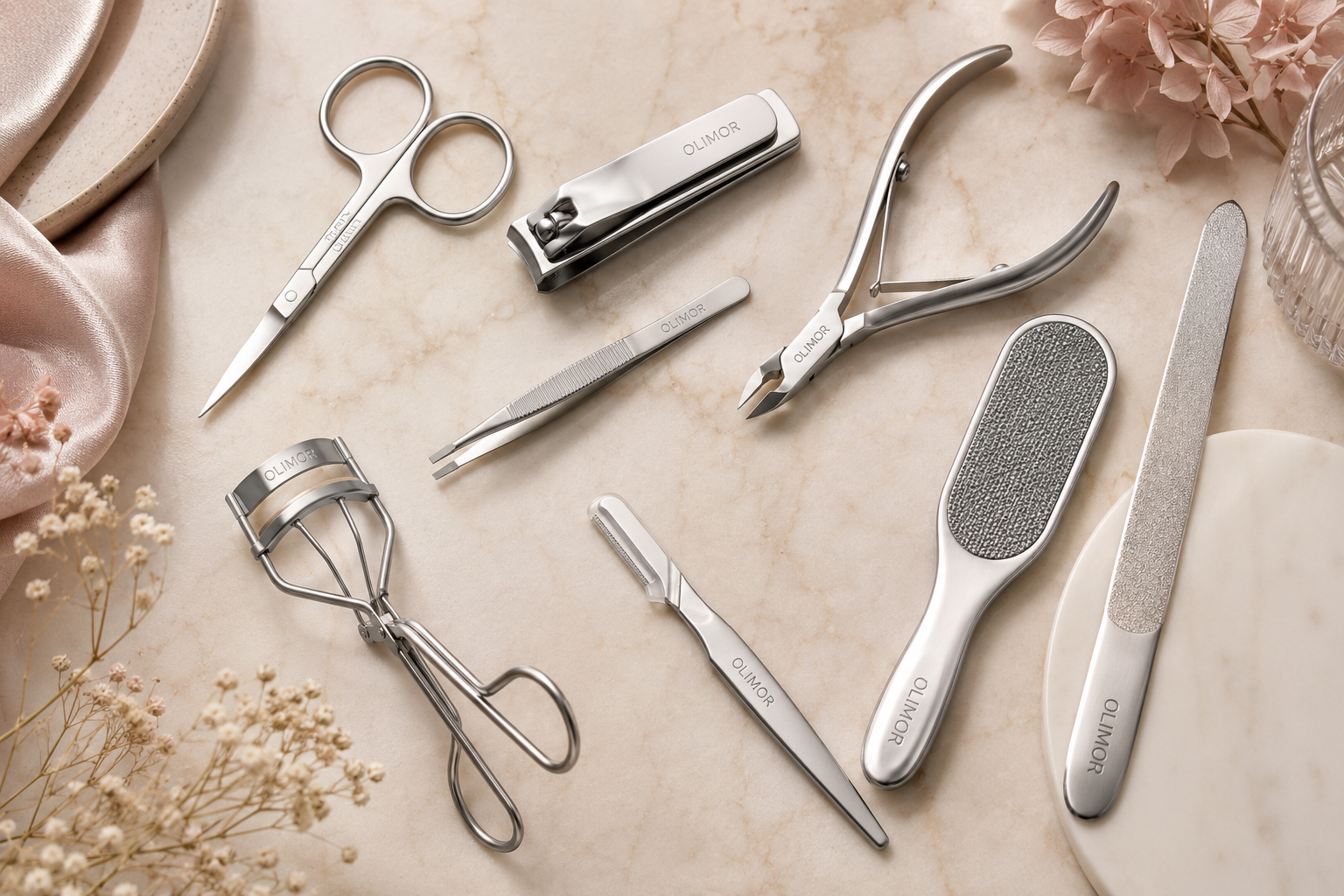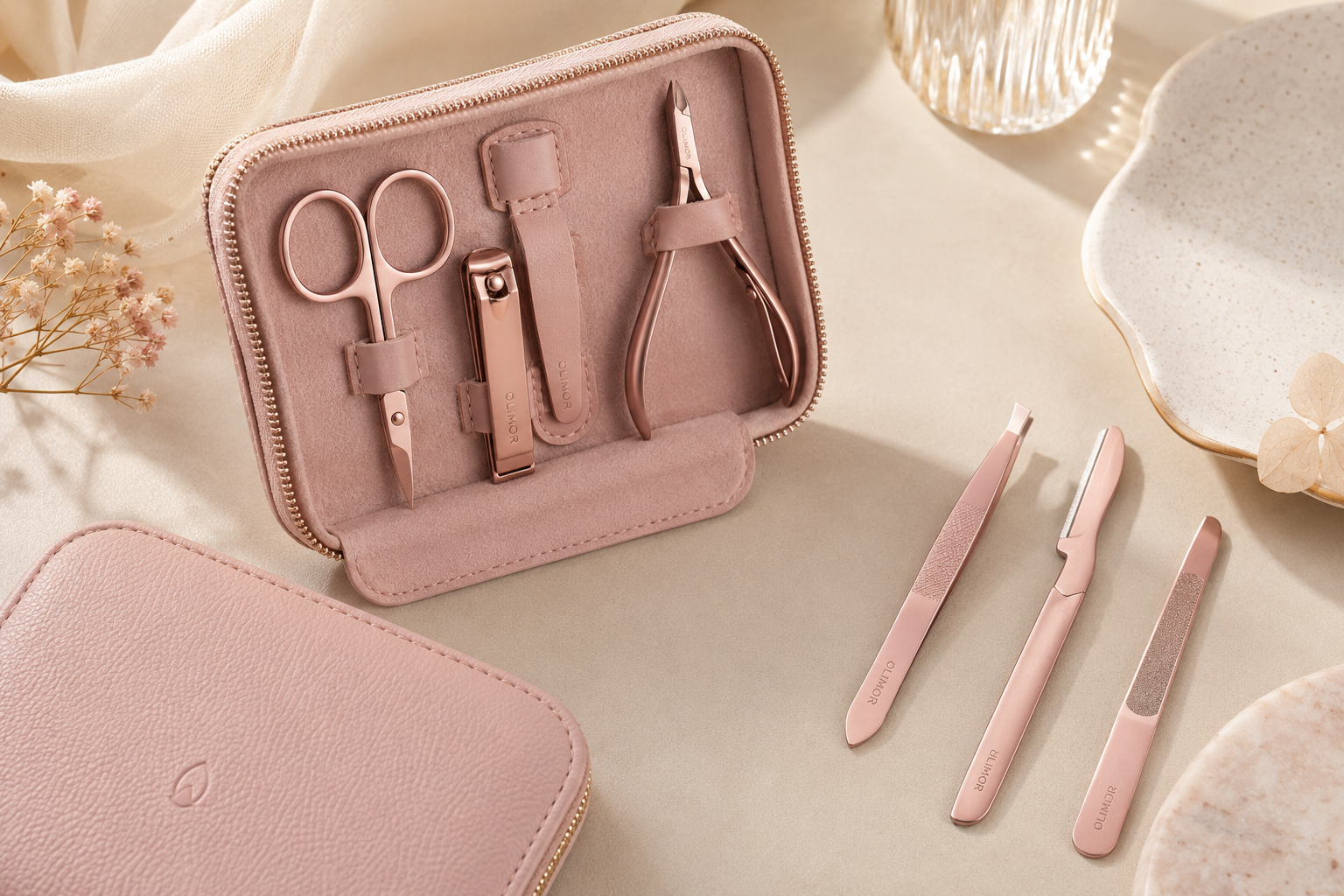











Ergonomic nail clippers are designed to make nail trimming easier to control, more comfortable in the hand and safer to store between uses. For beauty-tool buyers, grooming brands, distributors and private-label programs, the best choice is not simply the clipper that looks the most modern. It is the one with dependable blade alignment, a stable grip, suitable leverage, clean finishing and a design that matches the intended customer.
A nail clipper is a small product, but customers quickly notice poor performance. Crushed nail edges, slipping handles, loose levers, uncomfortable pressure and rough polishing can make a tool feel low value after only a few uses. This guide explains how to compare ergonomic nail clippers in a practical way, including material and construction details, user-fit questions, inspection points, maintenance needs and supplier evaluation. Buyers comparing broader beauty tools can also review Olimor beauty tool products and category options in the product collection.
What Makes a Nail Clipper Ergonomic?
An ergonomic nail clipper helps the user guide the cutting edge accurately while applying pressure without strain. In practical terms, ergonomics includes the handle shape, surface texture, lever angle, cutting resistance, balance and storage safety. The tool should feel stable before the cut, controlled during the cut and easy to reset after the cut.
Ergonomics matters because nail trimming requires small movements near skin. If the clipper slips or requires too much force, the user may cut too deeply, leave a jagged edge or avoid trimming thicker nails properly. A more comfortable design is especially valuable for older users, people with reduced hand strength, customers trimming toenails and anyone who prefers a secure non-slip feel.
For B2B buyers, the key question is not whether a clipper has an ergonomic label. The question is whether the design solves real user problems. A compact travel clipper may need a secure safety lock and easy storage. A senior-friendly clipper may need a longer contact area and stronger leverage. A premium retail item may need refined finishing, a balanced hand feel and consistent blade performance across samples.
Common Nail Clipper Types and Best-Fit Use Cases
Most sourcing decisions begin with the basic clipper type. Each format has advantages, and the right option depends on the product line, sales channel and target user. A general manicure set, a travel grooming kit and a specialized toenail care item should not be evaluated with the same priorities.
Fingernail Clippers
Fingernail clippers are compact tools used for routine trimming. They are suitable for personal care sets, gift kits, travel pouches and everyday retail. Buyers should prioritize clean blade alignment, smooth lever movement and comfortable grip surface because these tools are often used frequently.
Toenail Clippers
Toenail clippers are usually larger and designed with stronger cutting force and a wider jaw. They are useful for tougher nail plates, but they must still cut in a controlled way. A toenail clipper that feels powerful but unstable may create a poor user experience.
Nipper-Style Clippers
Nipper-style tools can help with edge work and thicker nails, but they require careful handling. They are often better suited to users who understand controlled trimming. For consumer retail, packaging and instructions should make safe use clear.
Ergonomic Lever Clippers
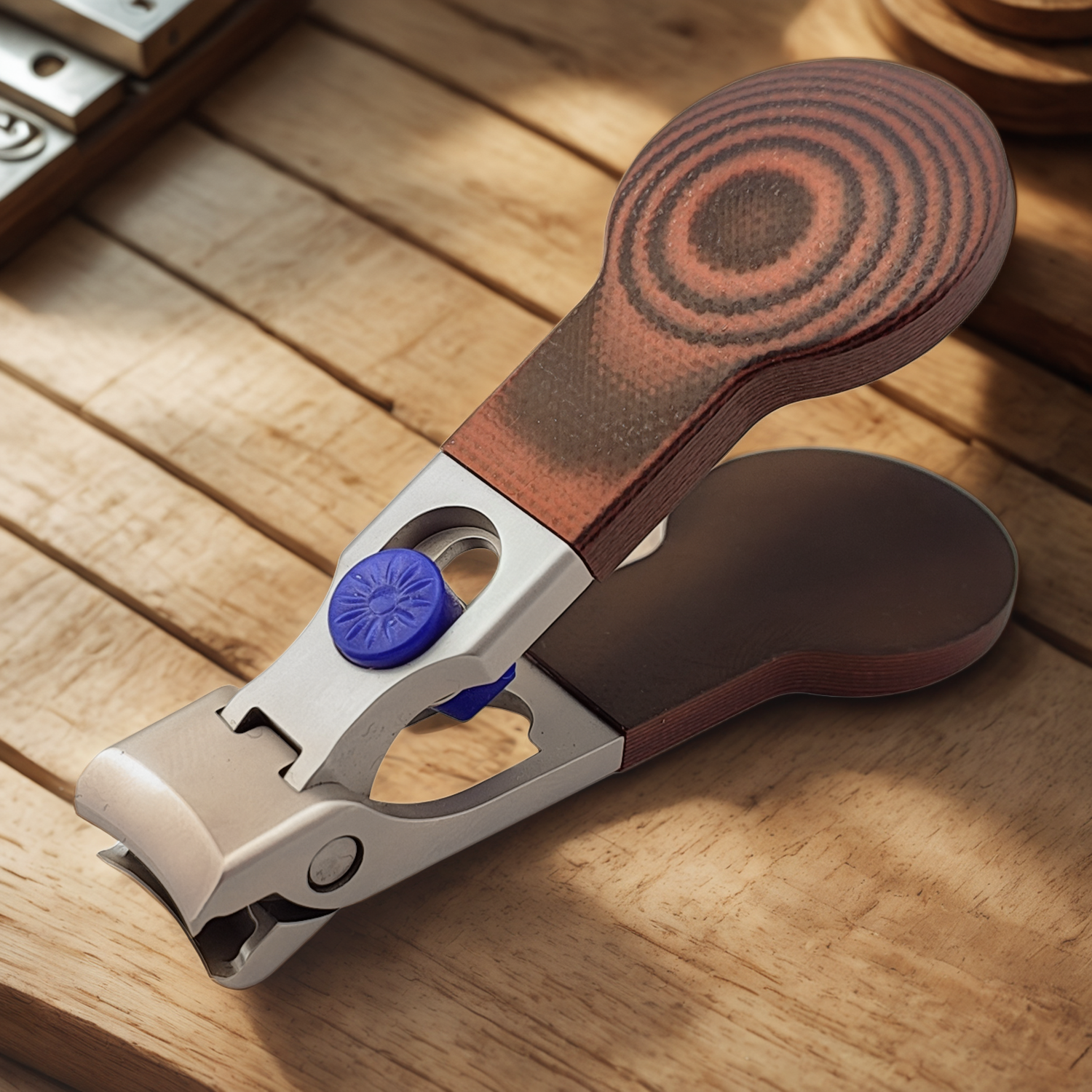
Ergonomic lever clippers use handle shape, grip texture and leverage to reduce effort and improve control. Some designs include a lever-power mechanism, an adjustable knob or a safety lock. These features are valuable only when they operate smoothly and remain secure during normal use.
Blade and Material Quality: What Buyers Should Inspect
The blade is the core performance area of any nail clipper. A well-made clipper should cut the nail cleanly rather than crush it. Stainless steel is commonly used for nail clipper blades because it supports a sharp cutting edge and offers practical corrosion resistance for tools used in bathrooms, travel bags and grooming kits. Stainless steel still requires proper care, so buyers should not treat the material name alone as a guarantee of long service life.
When inspecting samples, start with blade alignment. The upper and lower cutting edges should meet evenly across the full cutting surface. There should be no obvious gap, twist or uneven bite. Open and close the clipper several times and watch whether the cutting edges return to the same position. If the blade shifts sideways under pressure, the tool may become less accurate with use.
Next, evaluate the edge finish. The cutting edge should be sharp enough for clean trimming, but surrounding areas should not have burrs or rough points that can scratch the user or collect debris. Inspect the pivot, jaw, underside of the lever and any areas where two materials meet. Rough polishing, discoloration, sharp handle corners and uneven seams can signal inconsistent finishing.
Some ergonomic nail clippers use G10 composite material in the handle area. This type of handle can provide a tough, lightweight feel and a textured surface for grip. If reviewing a G10-style or other composite handle, check that the handle edges are comfortable, the texture improves traction without feeling abrasive and the surface can be wiped clean after use.
Grip, Leverage and Safety Features
Grip design is often the first detail customers notice. A nail clipper is used with small movements, so even slight slipping can reduce confidence. Textured surfaces, wider contact areas and well-rounded handle edges can help the user maintain control, especially if hands are slightly damp after washing or applying hand care products.
Leverage determines how much hand pressure is needed to complete a cut. A lever-power mechanism can make trimming easier, especially for toenails or users with less hand strength. However, more force is not always better. The lever should provide controlled pressure so the user can trim in small sections rather than snapping through the nail unpredictably.
An adjustable knob can add flexibility by changing the operating feel or tightness of the clipper. This feature is useful only if it remains secure and easy to understand. During sample review, turn the knob, operate the clipper repeatedly and check whether the setting stays in place. A loose adjustment can frustrate users and create more quality complaints than a simpler fixed design.
A safety lock is valuable for storage, travel kits and retail grooming sets. It can keep the cutting edge closed when the tool is not being used, helping protect the blade and preventing accidental contact with other items in a bag or drawer. The lock should engage firmly, release smoothly and not interfere with normal trimming.
Comparison Checklist for Selecting Ergonomic Nail Clippers
Use a structured checklist when comparing samples. This helps buyers move beyond appearance and assess whether the tool is suitable for retail, promotional use, salon resale or private-label programs.
| Evaluation Point | What to Check | Why It Matters |
|---|---|---|
| Blade alignment | Confirm that the upper and lower edges meet evenly with no visible twist or gap. | Good alignment supports clean trimming and reduces crushed nail edges. |
| Cutting feel | Test whether the tool trims smoothly without requiring uncomfortable pressure. | Comfortable cutting improves usability for daily grooming and thicker nails. |
| Grip surface | Hold the clipper with dry and slightly damp hands to check slipping. | A stable grip helps prevent over-cutting and improves confidence. |
| Handle finishing | Inspect corners, seams and textured areas for roughness or sharp edges. | Clean finishing improves perceived quality and repeated-use comfort. |
| Lever and pivot | Open and close the tool repeatedly; check for wobble or uneven return. | A stable mechanism helps preserve accuracy during use. |
| Safety lock | If included, confirm it holds securely and releases without sticking. | Reliable closure is important for storage, travel and retail kits. |
| Cleaning access | Look for areas where nail dust can become trapped. | Simple cleaning supports hygiene and long-term satisfaction. |
| Packaging fit | Confirm the tool size and closure suit the intended pouch, box or set. | Good fit reduces movement during transport and improves presentation. |
How to Match the Clipper to the Target Customer
A successful nail clipper program starts with the intended user. The same tool can perform well in one product line and poorly in another if the customer need is different. Before choosing a design, define the main use case: everyday fingernail trimming, toenail care, travel grooming, senior-friendly care, salon resale or premium gift set.
For everyday grooming, buyers should prioritize reliable cutting, compact handling and easy cleaning. The tool should feel intuitive because many customers will not read long instructions before use. For travel kits, safe closure and compact storage become more important. A safety lock can add practical value if it is easy to operate and does not add bulk.
For customers with thicker nails or reduced hand strength, stronger leverage and a more secure grip are important. A longer handle area may be easier to press than a very small clipper. For premium positioning, buyers should look closely at polishing, material presentation, smooth operation and the consistency of multiple samples, not only the first sample provided.
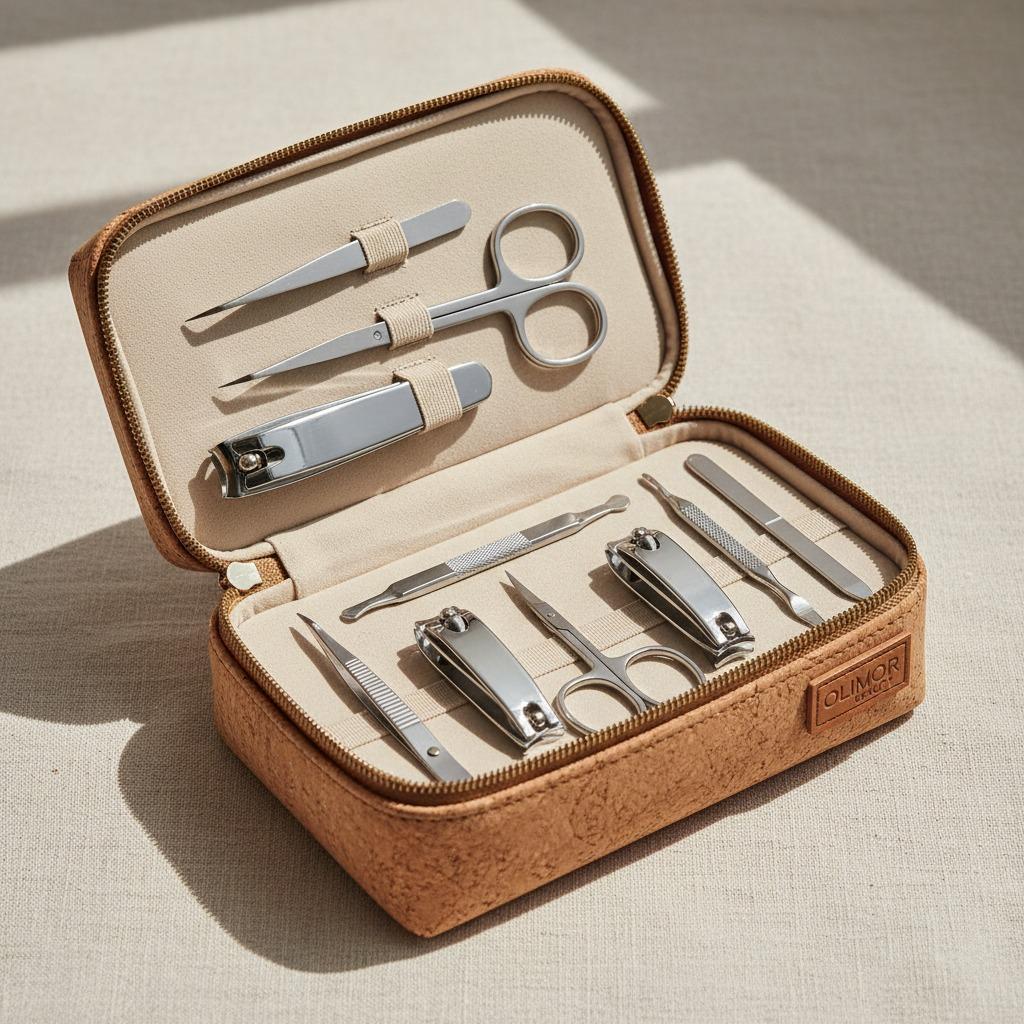
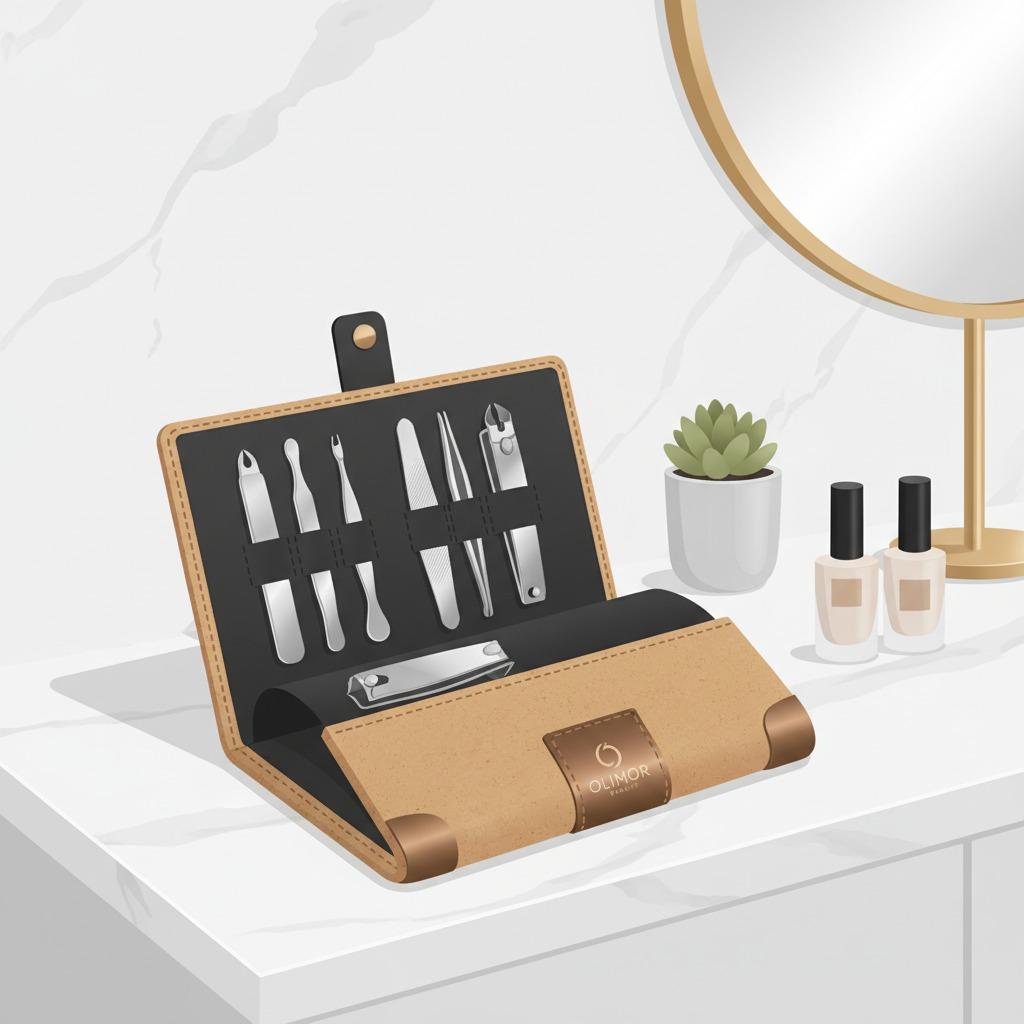
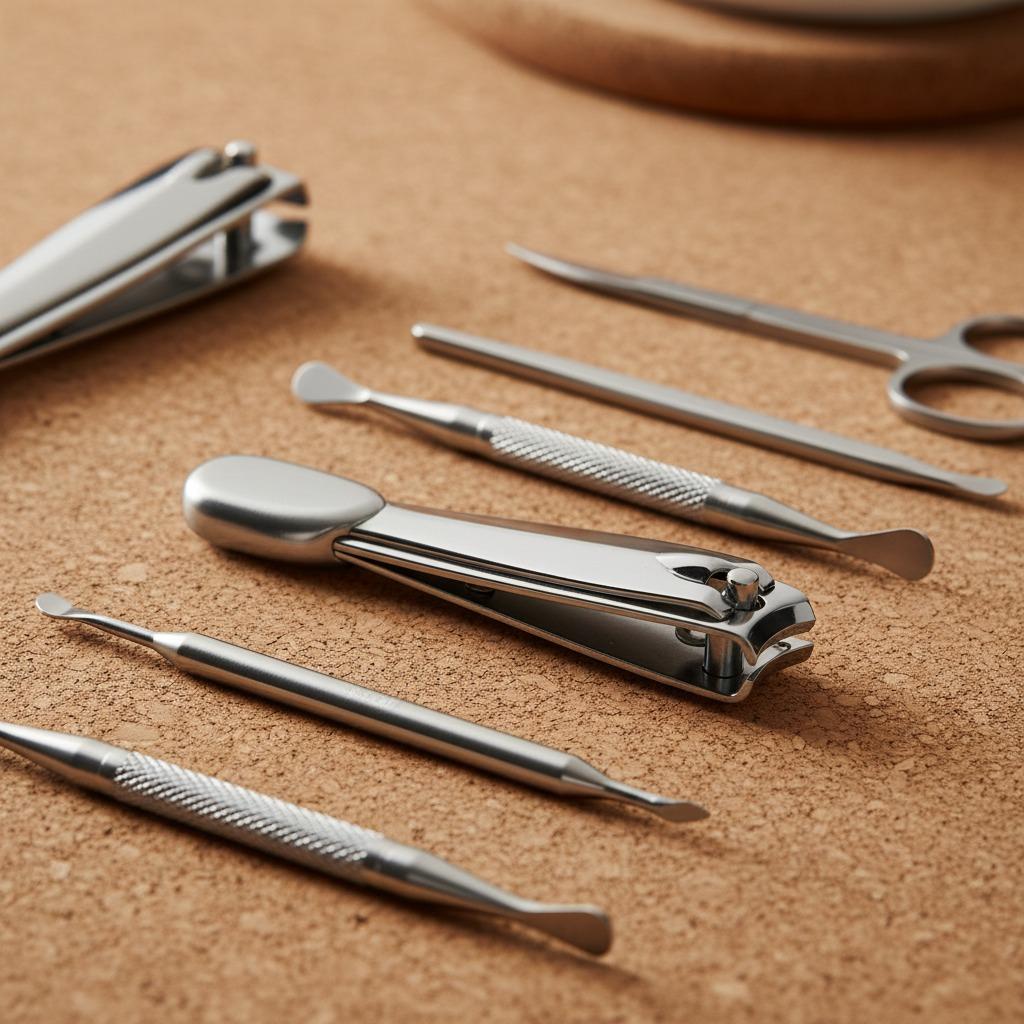
Private-label and retail buyers should also consider how the clipper fits with other tools in a set. A stainless steel nail clipper paired with files, tweezers or other grooming accessories should have a coherent finish and quality level. If you are building a wider assortment, Olimor can be contacted through the contact page to discuss category planning and product requirements.
Cost Factors Without Reducing Quality to Price Alone
Cost is important in B2B sourcing, but the lowest unit cost may not produce the best overall value. Nail clipper cost can be affected by material selection, handle construction, blade finishing, polishing requirements, safety-lock design, packaging, customization and inspection expectations. More complex features, such as textured composite handles, adjustable knobs or refined surface finishing, may require closer review during sampling and production.
Buyers should compare total value rather than price alone. A clipper that reduces complaints, supports better retail presentation and matches the customer use case may be more valuable than a lower-cost option with inconsistent cutting. At the same time, unnecessary features can increase complexity without improving customer satisfaction. The best design is the one that solves the target user’s problem at the right quality level for the sales channel.
When discussing cost with suppliers, avoid vague requests such as asking for the best ergonomic clipper. Instead, provide clear requirements: intended use, preferred size range, material expectations, handle style, safety-lock needs, packaging format, customization requirements and inspection priorities. This allows the supplier to recommend realistic options and explain what affects quotation differences.
Quality Control and Supplier Evaluation Questions
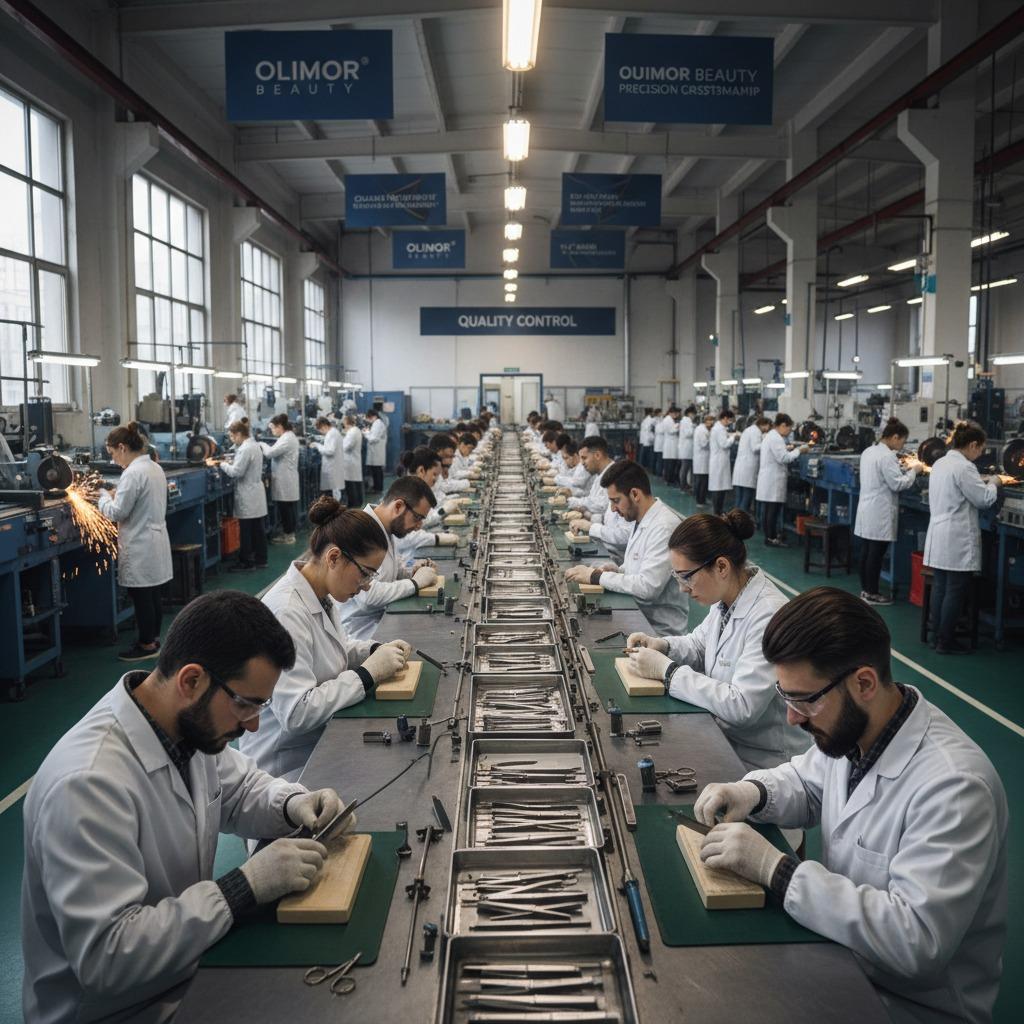
Supplier evaluation should focus on repeatability. A single attractive sample is not enough. Buyers should ask how the supplier controls blade alignment, lever assembly, handle finishing, surface inspection and packaging condition. If customization is needed, confirm how logos, colors, packaging artwork or set combinations will be reviewed before production.
For consumer products, buyers should also verify the regulatory expectations in their target market. For example, companies selling in the United States may need to consider applicable U.S. Consumer Product Safety Commission expectations for consumer product safety, while companies selling in the European Union should review current general product safety obligations such as the EU General Product Safety Regulation. Requirements can change, and obligations vary by product, market and claim, so buyers should verify current versions and request supplier documents instead of relying on general statements.
Useful supplier questions include:
- How is blade alignment checked before shipment?
- What finishing defects are rejected during inspection?
- Can samples be reviewed with the same material, finish and packaging proposed for production?
- How are safety locks, adjustable knobs or special handle parts tested during assembly inspection?
- What customization options are available for the tool, packaging or set configuration?
- What documents can be provided for the buyer’s market and compliance review?
For product development or sample discussions, buyers can send an inquiry with target market, intended customer group and any preferred design features.
Maintenance Guidance to Include With Retail Products
Clear maintenance instructions can reduce misuse and improve customer satisfaction. Nail clippers should be wiped after use to remove nail dust and debris, especially near the blade and pivot. If the tool is exposed to moisture, it should be dried before storage. This is particularly important for clippers kept in bathrooms, gym bags or travel pouches where humidity can remain trapped.
Users should avoid twisting the clipper sideways while cutting. Side pressure can stress the pivot and reduce blade alignment over time. Thick nails are best trimmed with several smaller cuts rather than one large cut. This gives the user more control and reduces unnecessary strain on the cutting edge.
For shared or professional environments, cleaning and hygiene practices should follow the requirements of that setting. For consumer retail, simple care guidance on packaging or inserts is often enough: trim only nails, wipe clean after use, dry before storage, keep closed when not in use and store away from children.
FAQ for B2B Buyers
Can I request samples before placing an order?
Sample availability depends on the product style, customization needs and current stock or development status. Buyers should share the intended use case, target market and preferred features so the supplier can recommend suitable samples.
Is there a fixed MOQ for ergonomic nail clippers?
MOQ can vary by design, material, packaging, customization and production arrangement. Confirm the MOQ for the exact clipper style and packaging plan rather than assuming one quantity applies to every option.
Can nail clippers be customized for private-label programs?
Customization may include tool appearance, packaging, set configuration or branding details depending on the selected design. Buyers should confirm what can be customized and request pre-production approval materials when branding or packaging is important.
How should quality be checked before shipment?
Important checks include blade alignment, cutting feel, lever stability, grip finish, safety-lock operation, surface defects, packaging condition and consistency across units. Inspection criteria should be agreed before production.
What affects lead time?
Lead time may be influenced by sample approval, material availability, customization, packaging preparation, production scheduling and inspection requirements. Buyers should confirm timing with current order details rather than relying on general estimates.
Final Takeaway
A good ergonomic nail clipper should feel controlled, clean-cutting and comfortable from the first use. For buyers, the strongest selection process focuses on real performance details: blade alignment, stainless steel construction, grip stability, leverage, safety lock reliability, finishing quality, cleaning access and fit for the target customer.
Modern design features such as textured handles, lever-power mechanisms, adjustable knobs and safety locks can add value when they are executed well. The goal is not to add every possible feature, but to choose a nail clipper that solves the user’s trimming problem with dependable quality and practical maintenance. When those basics are in place, a small grooming tool becomes a product customers keep using and retailers can present with confidence.