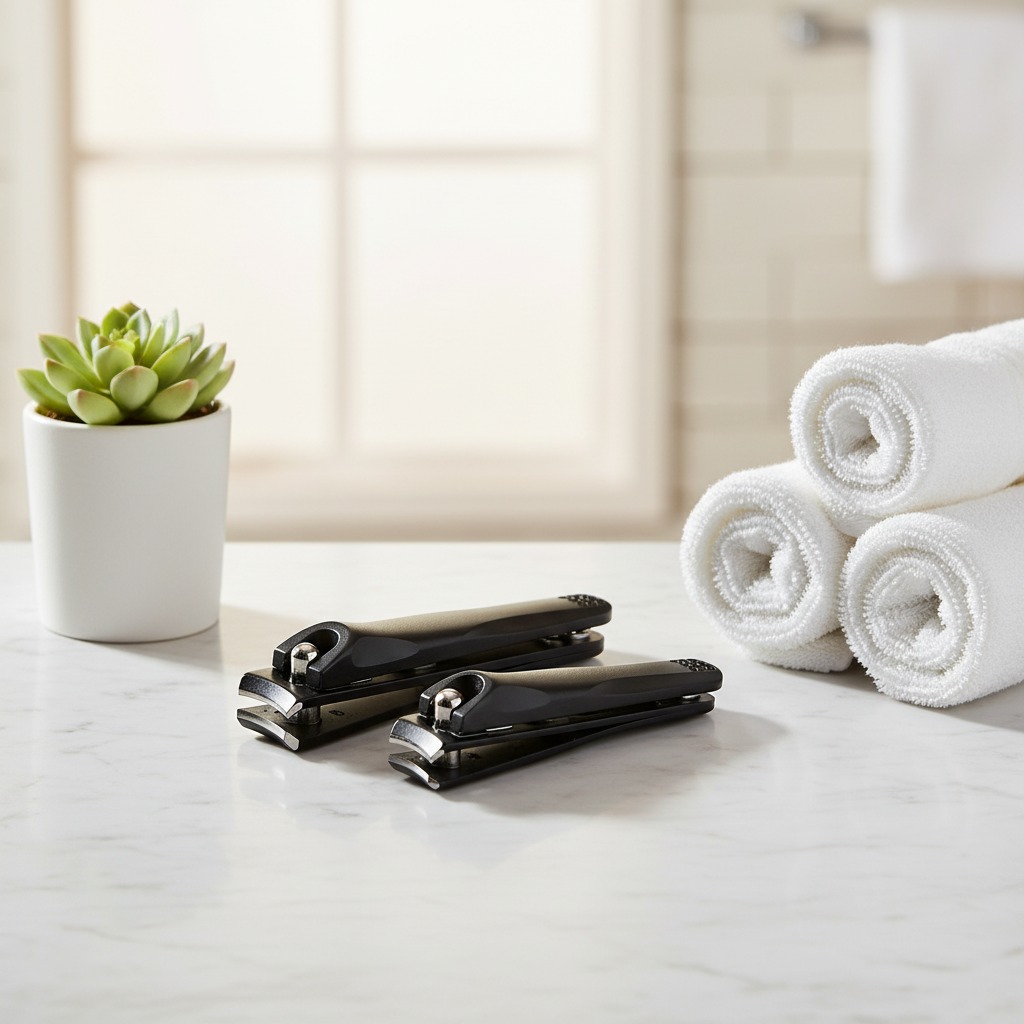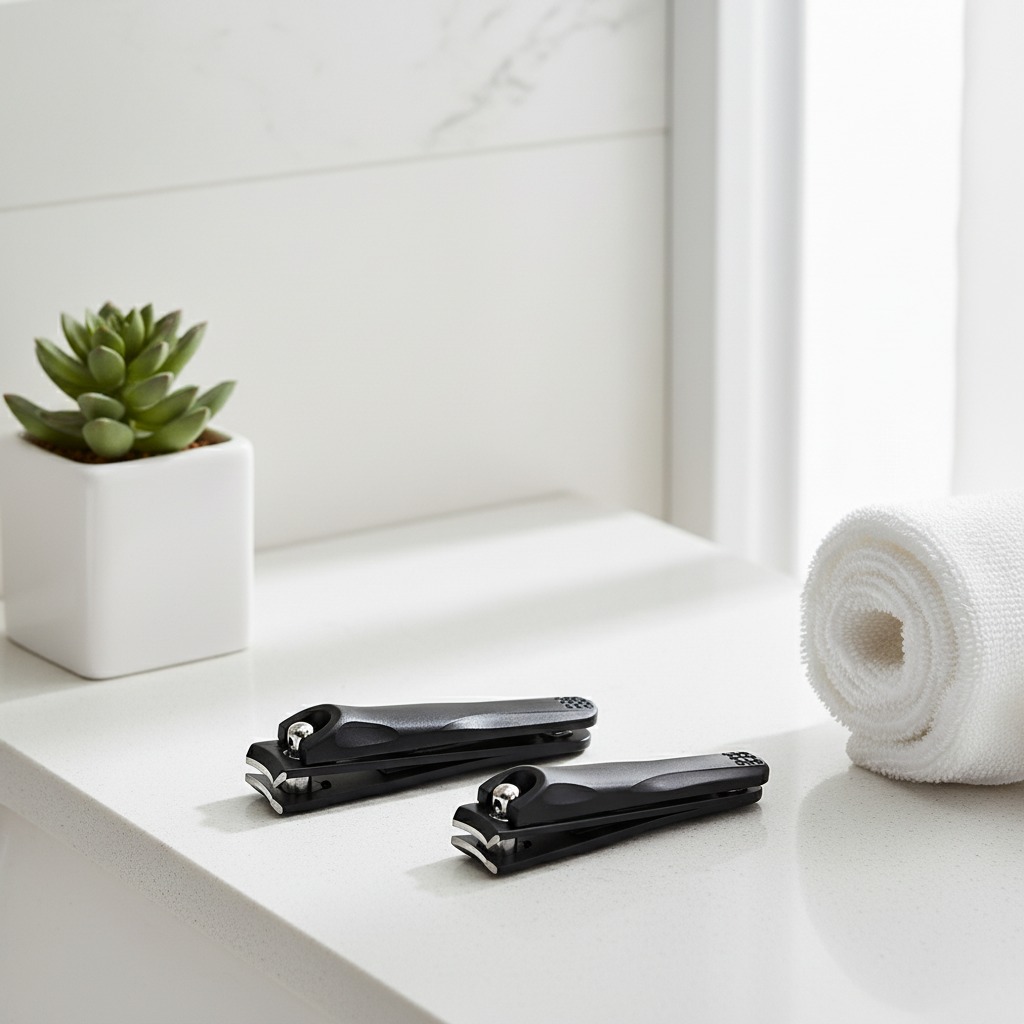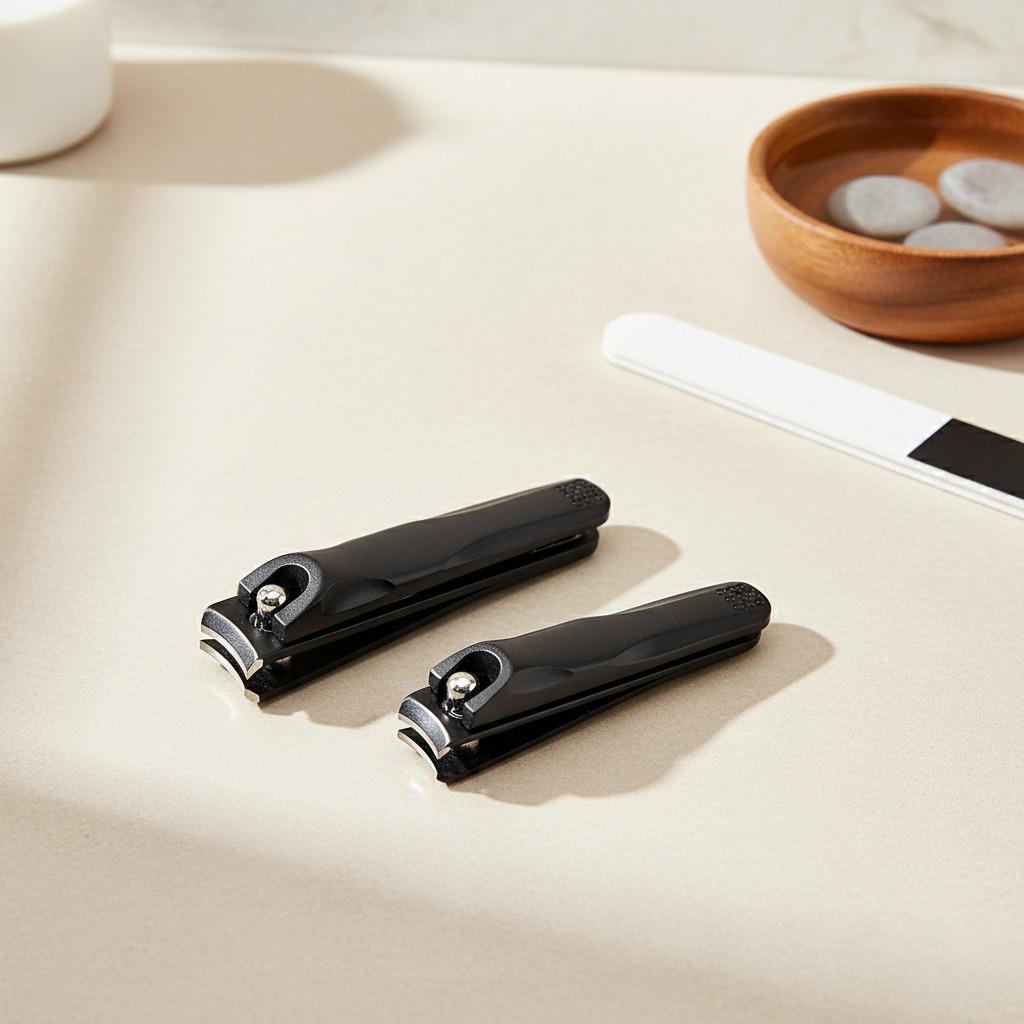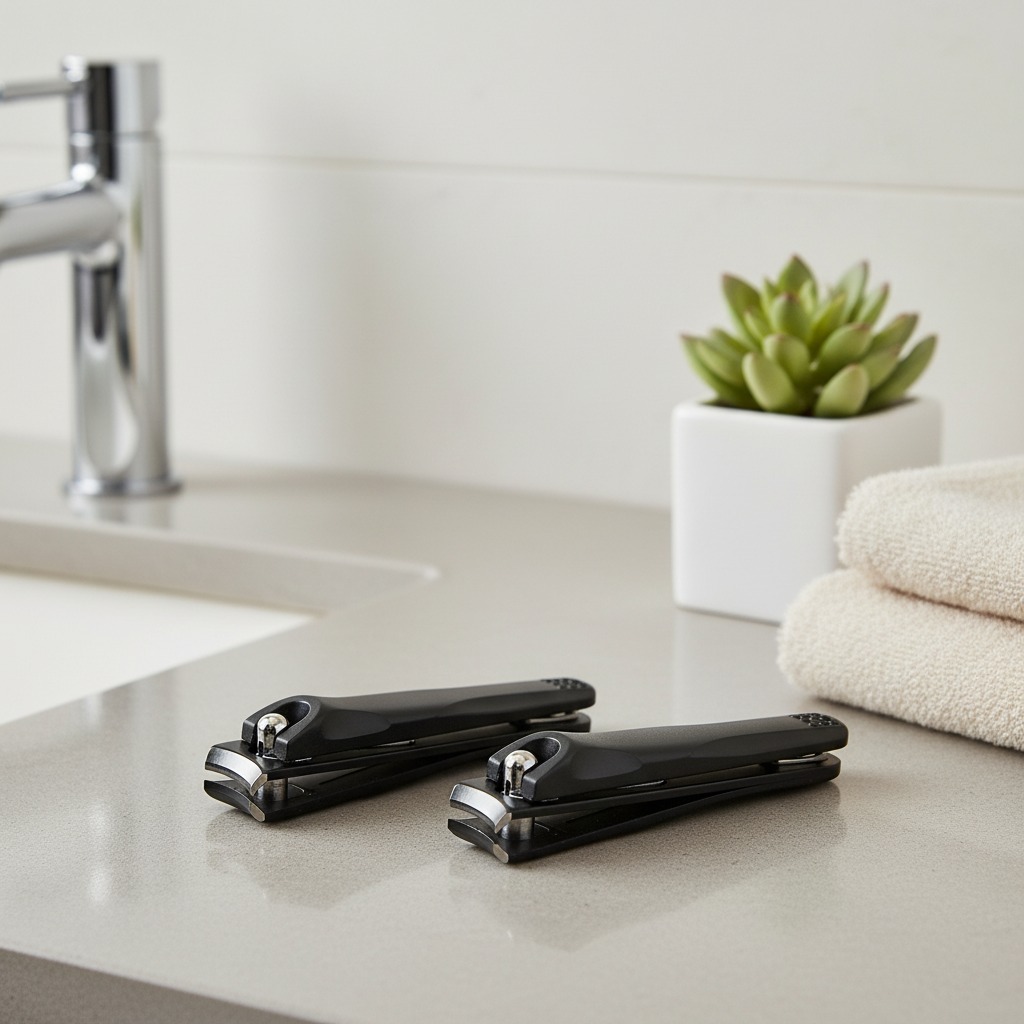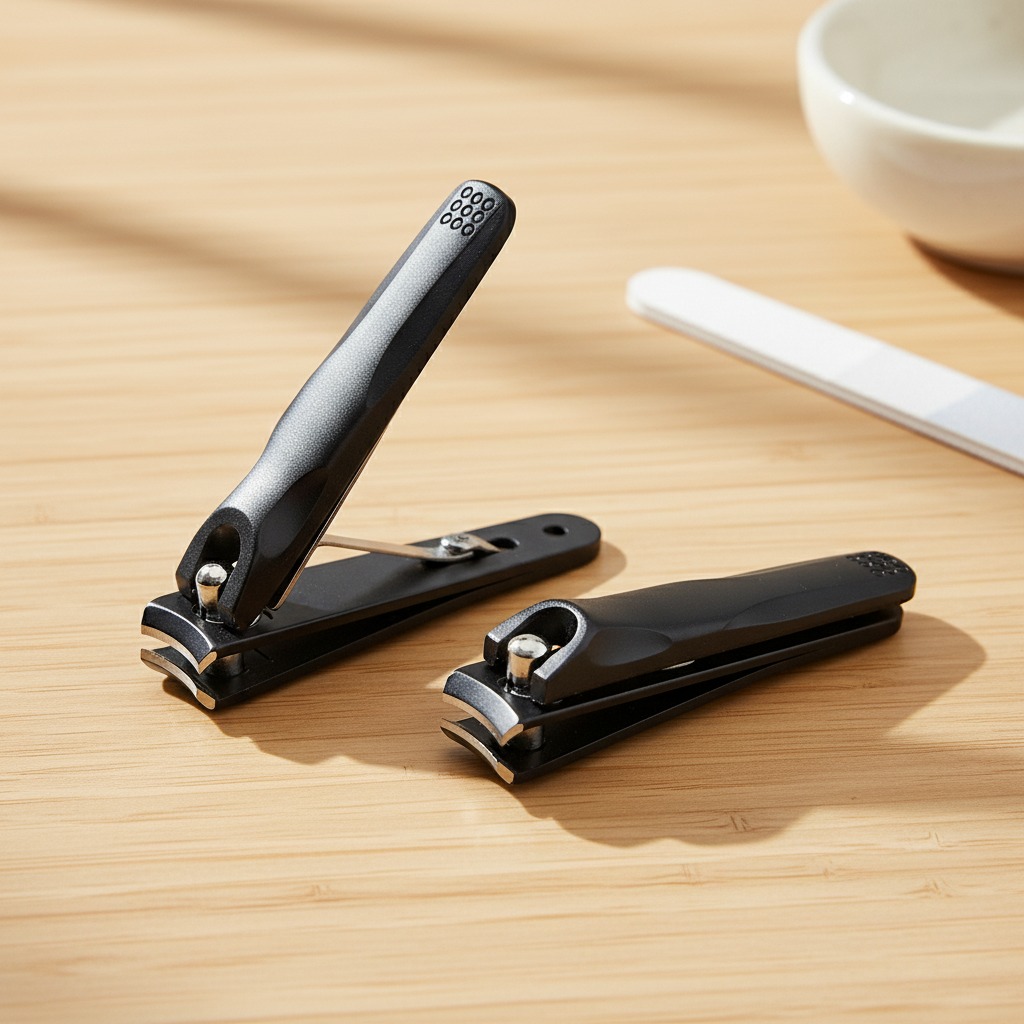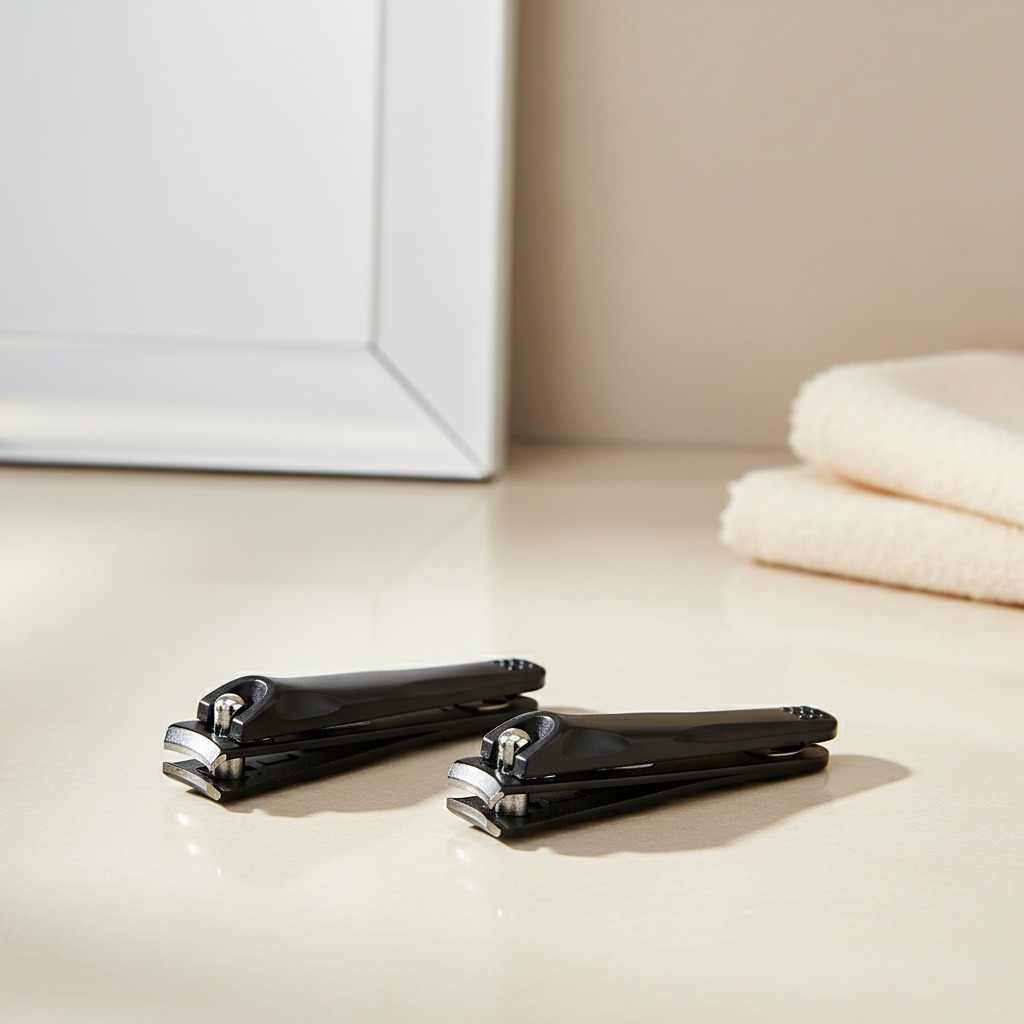











A nail clipper looks simple, but small manufacturing differences can decide whether it cuts cleanly, bends under pressure, pinches the user, or develops rust too quickly. For beauty tool brands, importers, salon suppliers, and private-label buyers, nail clipper quality control is not only a factory checkpoint. It is a way to protect repeat orders, reduce complaints, and make sure the finished tool matches the user’s expectations.
Good quality control follows the product from raw material selection to final packaging. It checks whether the steel is suitable, whether the cutting edges meet correctly, whether the lever action feels smooth, and whether each finished clipper is safe to handle. This guide explains the main inspection points buyers should understand when sourcing nail clippers from a manufacturer such as Olimor Beauty. If you are comparing options across beauty tool products or building a grooming set from different product collections, these criteria will help you discuss quality in practical terms.
Why Nail Clipper Quality Control Is More Than a Final Inspection
Many buyers think of inspection as the last step before shipping. Final inspection is important, but it cannot correct every problem. If the blade geometry is wrong, if the pivot hole is inconsistent, or if the surface treatment is uneven, defects may already be built into the product. A stronger approach is to control each stage of production so that problems are found early and the final inspection confirms consistency rather than discovers surprises.
For nail clippers, the most common user complaints are usually easy to understand: the clipper does not cut cleanly, the edges are too sharp on the handle, the lever feels loose, the product rusts after exposure to moisture, or the packaging arrives damaged. Each complaint can be linked to a specific quality control point. That is why a useful QC plan should cover material, stamping or forming, blade grinding, heat treatment where applicable, polishing, assembly, functional checks, and packing.
Buyers should also define the expected use before production begins. A compact fingernail clipper, a larger toenail clipper, and a clipper for a gift set may require different expectations for size, leverage, finish, and packaging. A product intended for everyday retail use may need a different inspection emphasis than a promotional item. Clear positioning helps the manufacturer set tolerances and choose the right checking method.
Raw Material and Stainless Steel Checks
The original quality of the steel affects strength, corrosion resistance, edge performance, and the final appearance. Stainless steel is widely used for nail clippers because it offers a balance of durability and resistance to corrosion. However, buyers should avoid treating “stainless steel” as a complete specification by itself. Different projects may require different material decisions, and the chosen steel should match the target price, finishing process, and end-use environment.
A practical raw material check includes verifying that the incoming steel batch is suitable for the production order and that its thickness is consistent. If the material is too soft, the clipper may deform or fail to hold a clean edge. If it is too brittle, cracking or chipping may become a risk during forming or use. If thickness varies, blade alignment and assembly pressure can become inconsistent across the batch.
- Material consistency: Check that the steel sheet or strip matches the production requirement and remains consistent across the batch.
- Surface condition: Look for scratches, stains, pitting, or rolling marks that may remain visible after polishing.
- Thickness control: Confirm that material thickness supports proper stamping, blade shaping, and lever performance.
- Corrosion expectation: Define whether the clipper is for dry personal use, salon retail, travel kits, or humid bathroom environments.
Good material control reduces downstream waste. It also makes polishing, sharpening, and assembly more predictable, which is essential for stable large-batch production.
Blade Sharpness, Edge Alignment, and Cutting Feel
The blade is the most important functional area of a nail clipper. A clipper can look attractive, but if the cutting edges do not meet correctly, the user will notice immediately. Quality control should evaluate not only whether the blade is sharp, but also whether both edges contact evenly from one side to the other.
Blade grinding and finishing must be controlled carefully. If the edge angle is uneven, the clipper may crush the nail instead of cutting it. If the edge is too aggressive or has burrs, it can feel rough or unsafe. If the two jaws are misaligned, one side may cut while the other side leaves the nail attached. These problems are especially important for toenail clippers, where thicker nails require greater pressure and better jaw contact.
A useful inspection method combines visual checks, touch checks, and functional cutting tests. Inspectors should look at the gap between the cutting edges, check whether the jaws close evenly, and test the clipper on a suitable test material that simulates real cutting resistance. The goal is not simply to make the edge as sharp as possible; it is to achieve controlled, clean cutting without snagging, tearing, or requiring excessive hand force.
Assembly Control: Pivot, Lever, Spring Action, and Comfort
Assembly determines whether the clipper feels stable in the hand. Even when each individual component looks acceptable, poor assembly can create a weak final product. The pivot, rivet, lever, and body must work together. If the pivot is too loose, the clipper may wobble. If it is too tight, the lever may feel stiff and uncomfortable. If the lever is incorrectly fitted, pressure may not transfer efficiently to the cutting jaws.
Quality control during assembly should focus on repeatable movement. The lever should lift and press smoothly. The jaws should close in a controlled way. The clipper should return properly after each cut if its design includes spring action. Edges and corners should be checked because users hold the tool with direct skin contact, often after washing hands or in a bathroom environment.
Comfort is also a quality issue. A clipper with sharp unfinished handle edges may pass a simple cutting test but still feel unpleasant to use. Polished surfaces, rounded contact points, and clean finishing around the lever slot can all improve the final experience. For private-label buyers, this is where sample approval matters: the approved sample should define the acceptable hand feel, not only the product dimensions.
Surface Finish and Corrosion Resistance
Nail clippers are frequently exposed to moisture, nail dust, cosmetics, and bathroom storage conditions. Surface quality therefore affects both appearance and long-term usability. Stainless steel provides useful corrosion resistance, but poor polishing, contamination, or unsuitable storage conditions can still lead to staining or rust marks.
Surface inspection should check for visible scratches, discoloration, uneven shine, polishing residue, burrs, and stains. Areas around the pivot and inside the jaws deserve extra attention because residue can collect there. If the product has a matte, brushed, or polished finish, the approved finish standard should be clear before production. A mismatch in gloss level can make an otherwise functional product look inconsistent on a retail shelf.
Corrosion resistance testing can be designed around the buyer’s market and product positioning. For many projects, the key is to confirm that the clipper remains clean under reasonable moisture exposure and that packaging does not trap humidity against the metal surface. Buyers should also consider whether protective oil, cleaning, drying, or individual wrapping is appropriate for the order. The right decision depends on the finish, packaging material, shipping route, and expected shelf time.
A Practical Nail Clipper QC Checklist for Buyers
The following checklist can help buyers organize discussions before sample approval, production, and shipment inspection. It is not a substitute for a full technical specification, but it highlights the main points that affect daily user satisfaction.
| Inspection Area | What to Check | Why It Matters |
|---|---|---|
| Material | Steel suitability, surface condition, thickness consistency | Supports strength, finish quality, and stable cutting performance |
| Blade | Sharpness, edge angle, jaw alignment, absence of burrs | Determines whether the clipper cuts cleanly without snagging |
| Assembly | Pivot tightness, lever movement, jaw closing position | Affects durability, comfort, and cutting control |
| Surface finish | Polishing quality, stains, scratches, rough edges | Influences appearance, safety, and perceived value |
| Function | Repeated cutting action and pressure feel | Shows whether the tool performs consistently over use |
| Packaging | Cleanliness, protection, labeling, carton condition | Reduces damage, contamination, and retail presentation issues |
Before mass production, buyers should keep an approved sample and define acceptable limits for appearance and function. During production, spot checks can help identify drift in blade alignment or finishing. Before shipment, random inspection should confirm that the final goods match the approved sample and agreed packaging.
Packaging and Shipment Checks for Finished Nail Clippers
Packaging is often treated as separate from product quality, but it directly affects how the buyer receives the goods. Nail clippers are small metal items that can scratch each other if not separated properly. They can also be affected by moisture if cartons are stored poorly or if packaging traps condensation.
Packaging checks should confirm that each clipper is clean, dry, and protected. If retail packaging is used, the card, blister, pouch, box, or insert should hold the product securely and present it consistently. Printed information should be legible and correctly positioned. For bulk packing, the arrangement should reduce movement during transport and prevent metal-on-metal damage.
Carton checks are also important. Inspectors should review carton strength, sealing, inner packing, and product count. A well-made nail clipper can still create a poor customer experience if it arrives scratched, dusty, or mixed with incorrect packaging components. For buyers assembling grooming kits, packaging consistency across multiple tools should be discussed early so the final set looks unified.
How to Discuss Nail Clipper Quality With Olimor Beauty
When planning a nail clipper order, the most productive discussions are specific. Instead of asking only for “high quality,” prepare a short list of expectations: target user, preferred finish, packaging format, cutting feel, sample approval process, and inspection priorities. If the nail clipper will be sold with other grooming tools, share the overall product direction so the finish and packaging can be coordinated.
Olimor Beauty works with buyers who need practical beauty tool sourcing support, and clear quality expectations help both sides avoid misunderstandings. You can review related beauty tool products to compare categories, or explore product collections when planning a broader grooming assortment. If you are preparing a purchase brief, you may send an inquiry with your target product type, packaging needs, and quality priorities. For project questions that require direct discussion, contact Olimor and outline the inspection points that matter most to your market.
Strong nail clipper quality control is built on careful material selection, accurate blade finishing, stable assembly, clean surface treatment, functional testing, and protective packaging. When these steps are managed together, the result is a small tool that performs reliably and gives end users a cleaner, more comfortable grooming experience.