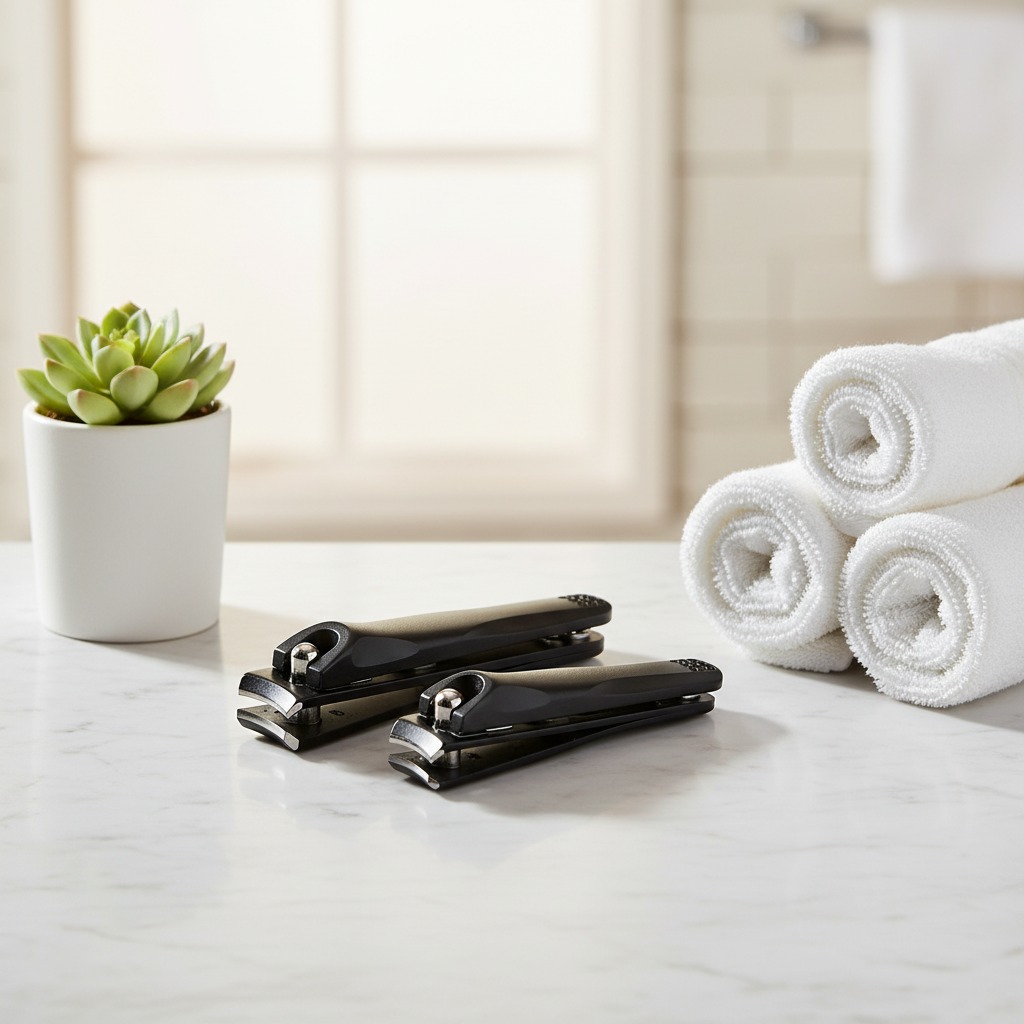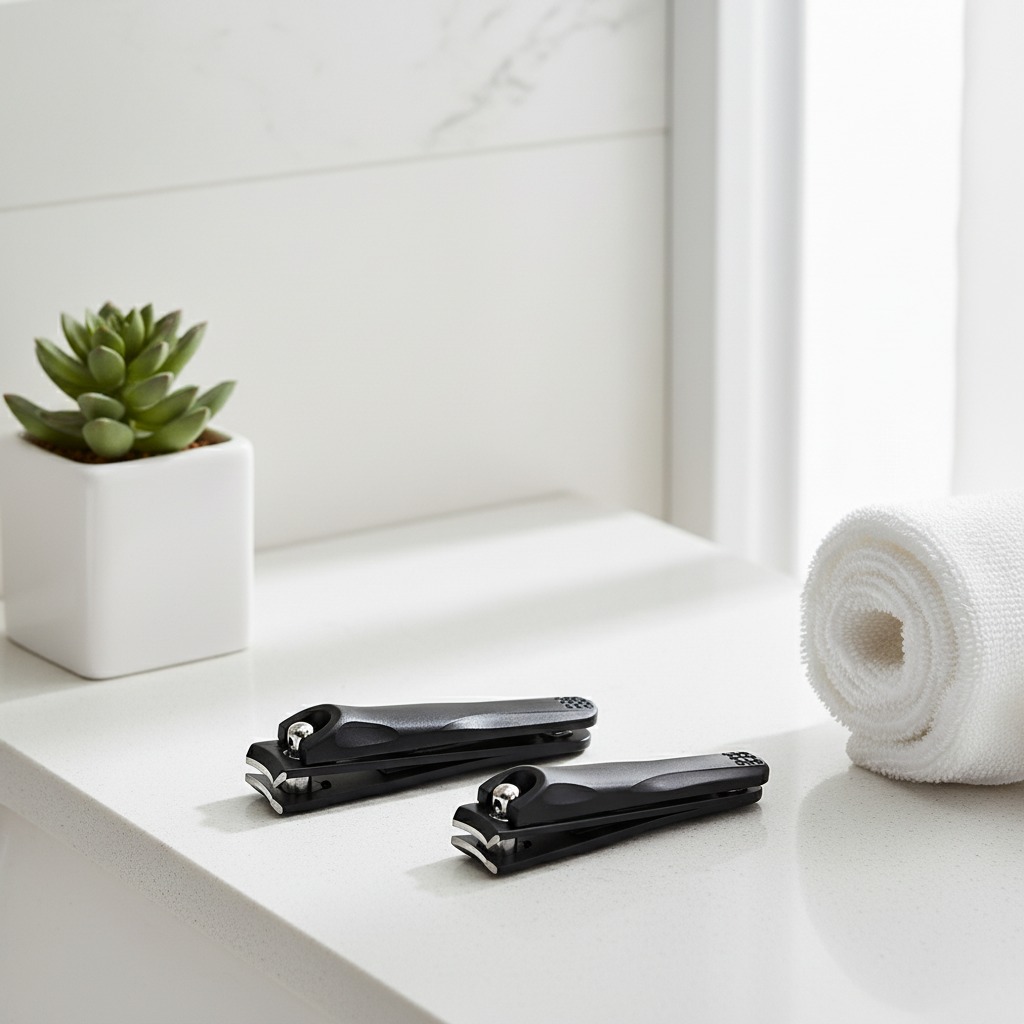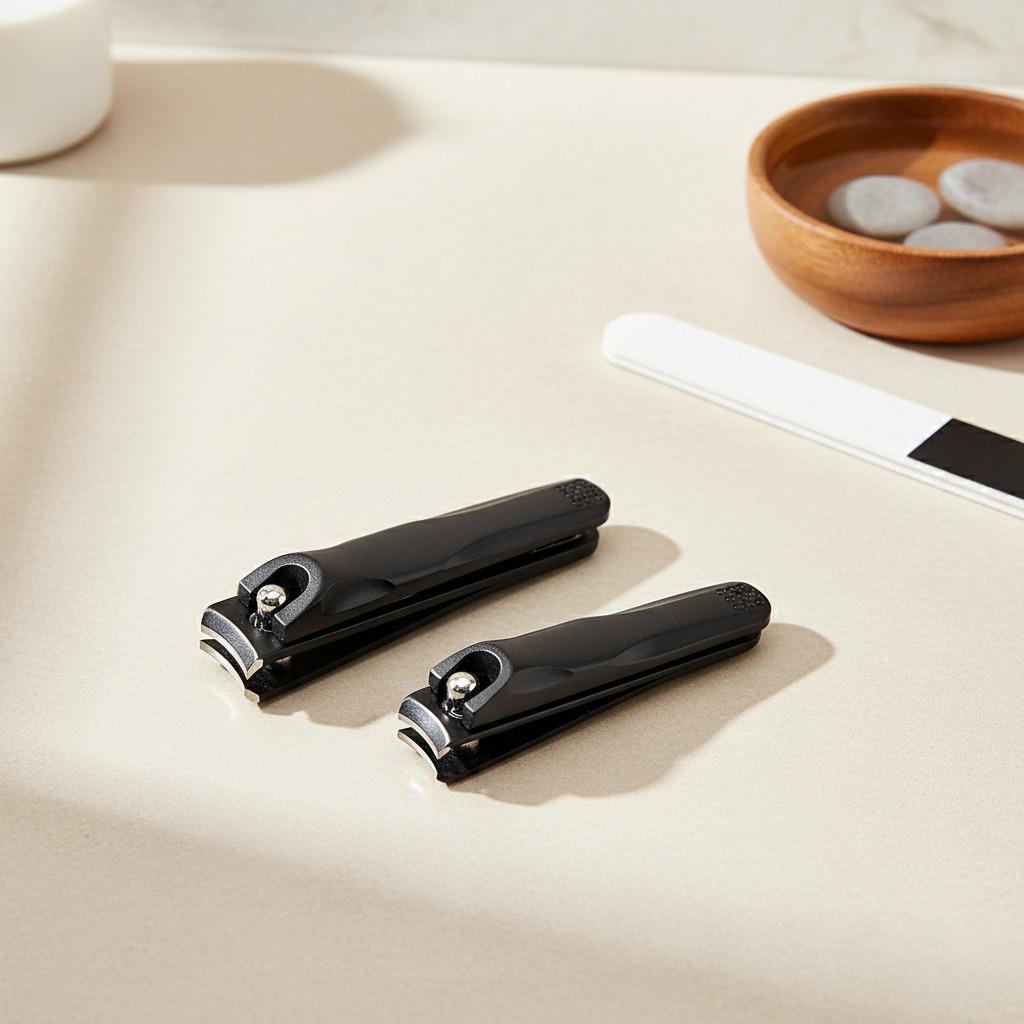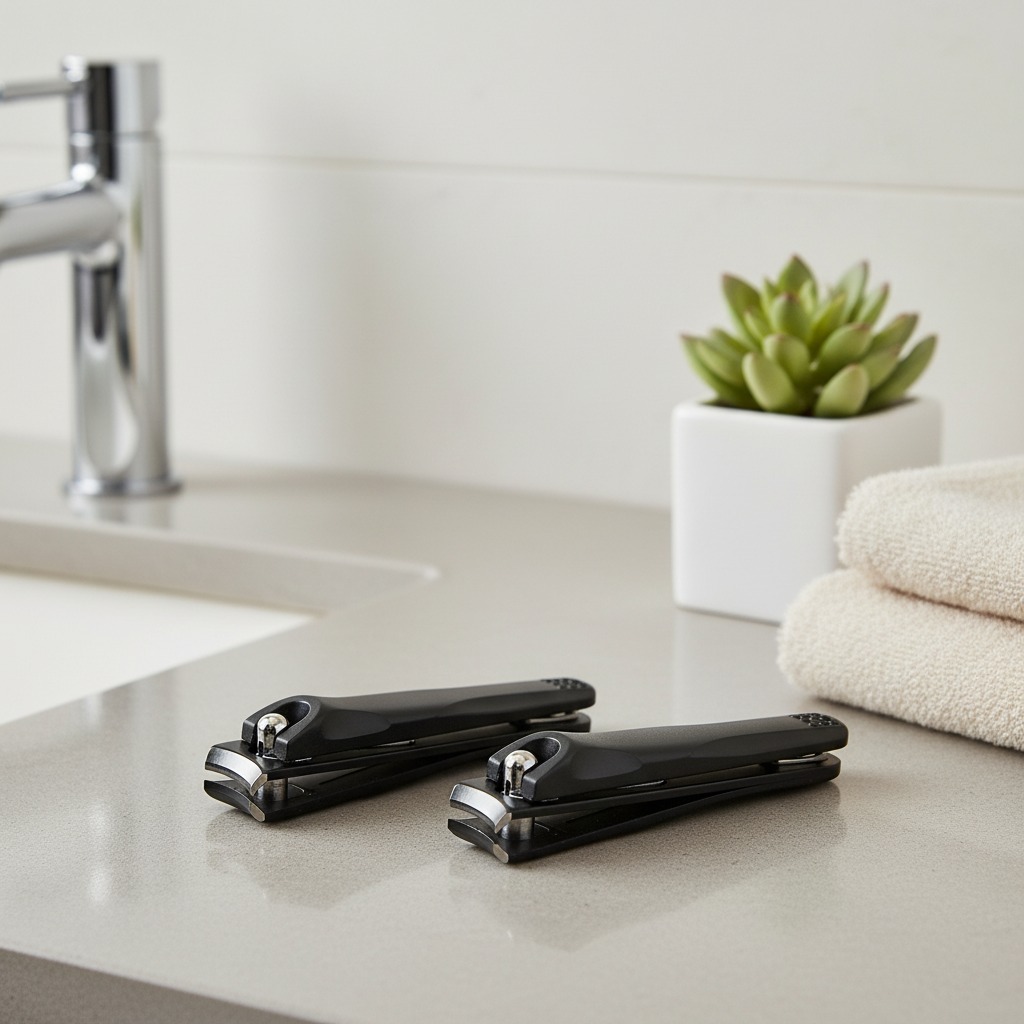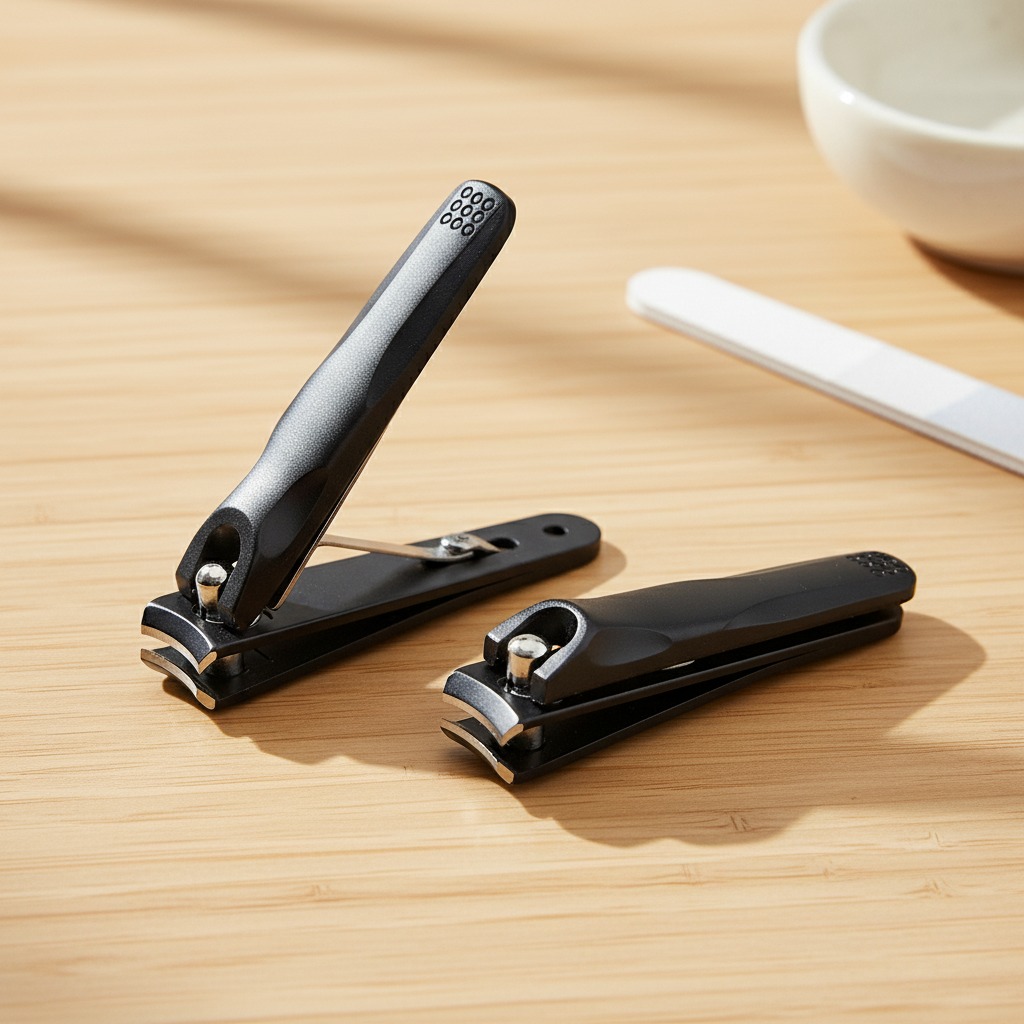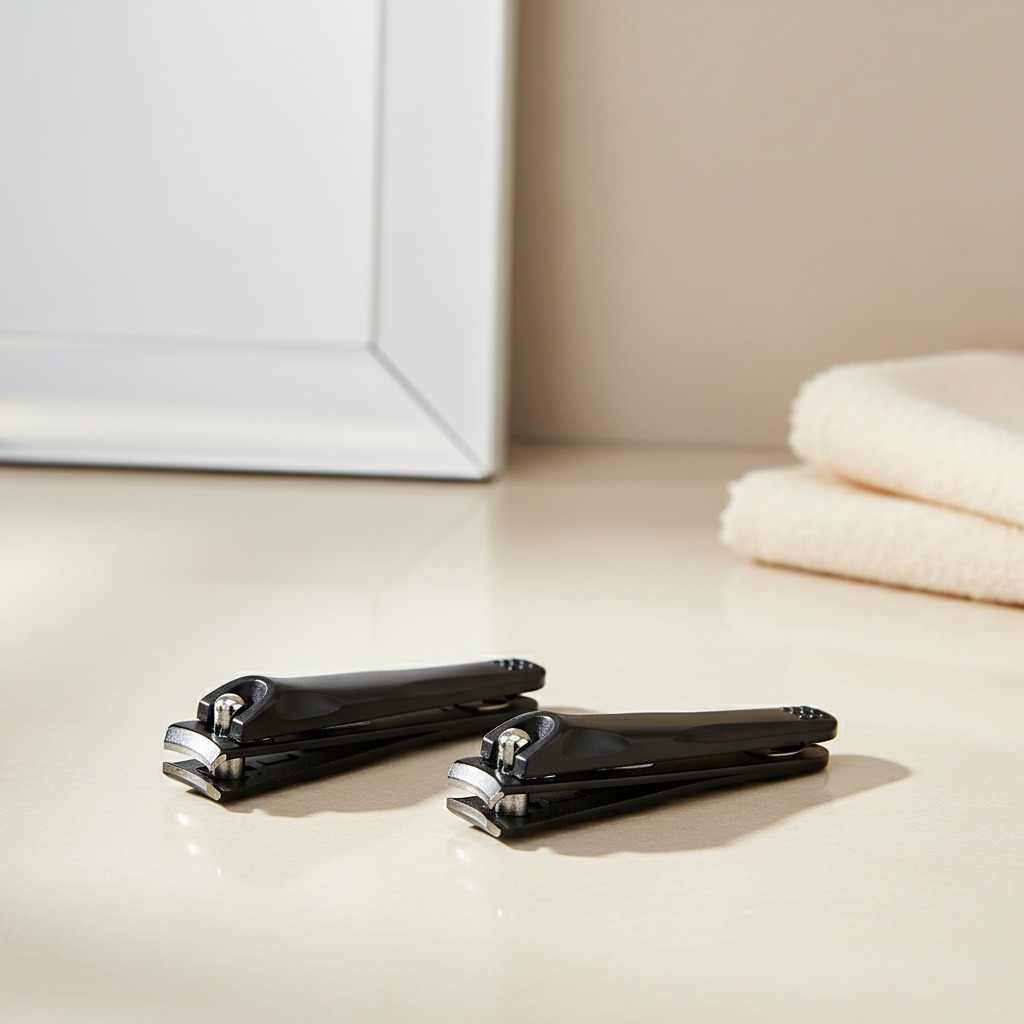











A nail clipper looks simple from the outside, but its performance depends on a small and demanding detail: the cutting edge. If the blade edges are uneven, too blunt, overheated or poorly aligned, the clipper may crush the nail instead of cutting it cleanly. For brands, wholesalers and sourcing teams, this means that nail clipper quality cannot be judged by appearance alone. The edge-opening process is one of the most important production steps to understand before placing an order.
In nail clipper manufacturing, edge opening refers to the controlled grinding and shaping of the cutting edges after the clipper blank has been formed. Traditional manual grinding can produce good results when handled by highly skilled workers, but it is difficult to keep every unit identical in larger production runs. Olimor Beauty uses a semi-automatic edge-opening process designed to reduce this variation by combining guided machine grinding with operator oversight. The goal is not simply to make a blade sharp; it is to make sharpness repeatable from one nail clipper to the next.
Why the Cutting Edge Determines the User Experience
Most users notice nail clipper quality only when something goes wrong. A dull edge requires extra pressure. A misaligned edge can leave a ragged nail. A clipper with uneven bite may cut on one side first and twist the nail before the cut is complete. These issues often begin during production, long before the product reaches retail packaging.
A reliable nail clipper edge should meet several practical expectations. It should cut cleanly without excessive force, maintain an even contact line between the upper and lower blades, and avoid rough burrs that can scratch the nail. The spring and lever matter too, but even a well-assembled clipper cannot perform properly if the blade edge was not opened and finished with control.
For buyers comparing suppliers, edge quality is therefore a sourcing question as much as a technical one. Two nail clippers with similar shape, plating and packaging may behave very differently in use if their edge-opening processes are inconsistent.
The Limitation of Fully Manual Grinding
Manual blade grinding has been used for a long time in grooming tool production. It relies on a worker holding or positioning each blank against an abrasive surface, adjusting pressure and angle by hand. Skilled workers can create a usable cutting edge, but the method has natural variability. Pressure can change from operator to operator. Grinding time may differ slightly between pieces. Alignment may drift during a long shift.
These small variations matter because nail clipper blades are short and curved. A minor change in angle can affect how the upper and lower edges meet. Too much grinding can weaken the edge or change the geometry. Too little grinding leaves the clipper feeling dull. In mass production, even a low percentage of inconsistent edges can create customer complaints, returns or additional inspection costs.
Semi-automatic edge opening was developed to address this specific problem: keeping the critical grinding action more stable while still allowing trained operators to monitor feeding, alignment and output.
How Semi-Automatic Edge Opening Works
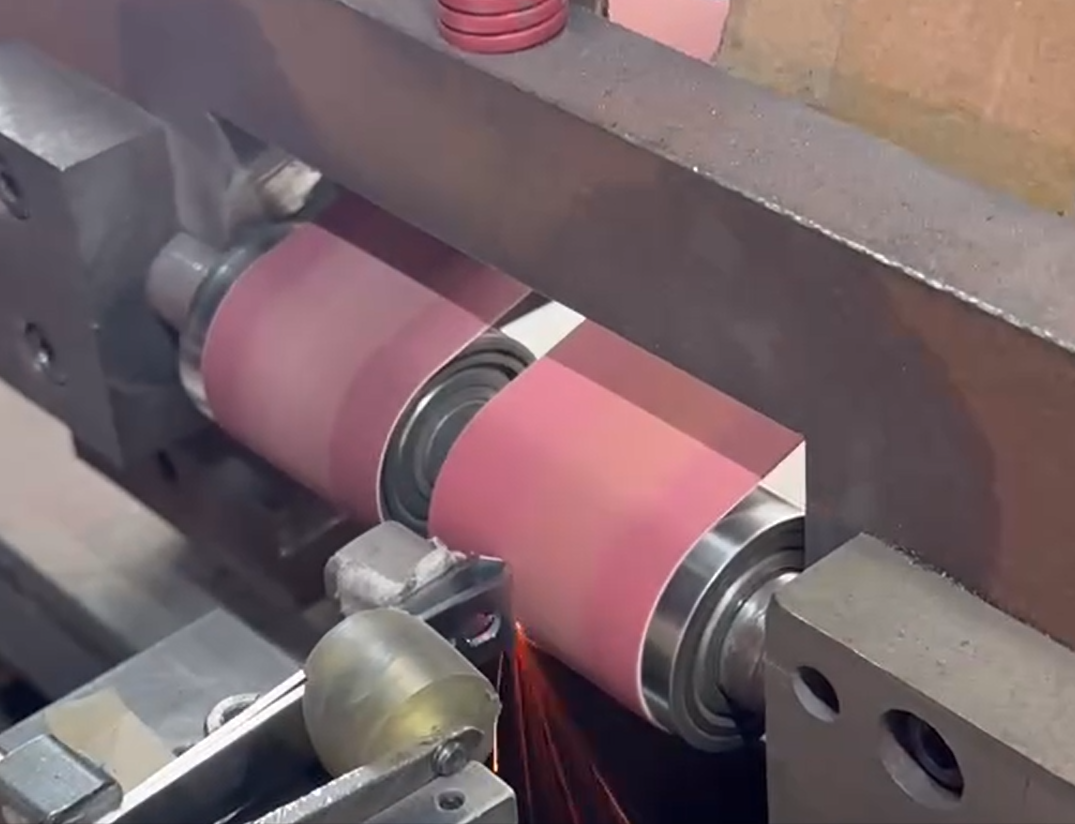
The semi-automatic process used for nail clipper edge opening relies on a custom-built machine with two cylindrical abrasive rollers. The rollers rotate at a controlled speed and apply grinding action to the blade area as the pre-formed nail clipper blank passes through the guided section. A guide system helps position the blank so that the abrasive contact happens in the intended area rather than depending entirely on hand positioning.
This setup changes the role of the operator. Instead of manually creating each edge from start to finish, the operator feeds and supervises the process. Human oversight is still important: the worker checks that blanks are positioned correctly, monitors the machine behavior, and watches for visible signs such as sparks, metal shavings or abnormal contact. However, the repeated grinding motion is handled by the rollers, which helps keep pressure and movement more consistent than hand grinding alone.
The machine also includes a robust metal frame and adjustable components suitable for production use. Air or coolant hoses may be used to help control operating conditions and reduce the risk of overheating during grinding. Heat control is important because excessive heat can affect the blade surface and the quality of the finished edge. The combination of abrasive rollers, guided feeding and temperature awareness creates a more controlled production environment for the cutting edge.
What Buyers Should Check When Evaluating Nail Clipper Edges
A sourcing team does not need to be a grinding engineer to evaluate nail clipper edge quality. However, it should look beyond the product photo. When reviewing samples or discussing production with a supplier, use clear inspection points that connect directly to user performance.
| Check point | Why it matters | How to evaluate it |
|---|---|---|
| Edge alignment | The upper and lower blades must meet evenly for a clean cut. | Close the clipper slowly and inspect whether contact is balanced across the cutting line. |
| Cutting feel | A good edge cuts without crushing or requiring excessive force. | Test on suitable sample material or nail test media using the same motion each time. |
| Burr control | Burrs can cause rough cuts and affect comfort. | Inspect the cutting edge visually and by touch with safe handling procedures. |
| Consistency across samples | One good sample is not enough for wholesale purchasing. | Compare multiple pieces from the same batch for similar cutting feel and alignment. |
| Heat or discoloration marks | Overheating during grinding may indicate poor process control. | Look for abnormal color changes or surface damage near the blade edge. |
These checks are useful when comparing nail clippers from different factories or different production lots. They also help buyers communicate requirements more precisely. Instead of saying a clipper should feel “better,” the buyer can define the issue as weak alignment, inconsistent cutting feel, burr presence or poor finishing near the blade.
Why Process Consistency Matters for Private Label and Wholesale Orders
For retail and private label programs, consistency is often more important than creating an impressive single sample. A buyer may approve one clipper that cuts well, but the real test is whether cartons of finished goods perform the same way. Semi-automatic edge opening supports this goal by reducing dependence on individual hand pressure during the grinding stage.
Consistent edge opening can also make downstream quality control more efficient. If the grinding process is stable, inspectors are less likely to find large differences between pieces. This does not remove the need for inspection, but it can reduce avoidable sorting caused by uneven sharpening. For B2B buyers, that means fewer surprises when goods are checked before shipment or when customers begin using the product.
Olimor Beauty supplies a range of grooming and beauty tools, and nail clippers are often considered alongside files, tweezers, scissors and other personal care items. Buyers building a coordinated assortment can review related beauty tool products or browse broader product collections to plan a line with consistent quality expectations.
Maintenance Factors That Protect Cutting Performance
Edge quality begins in production, but it can be affected by handling, packaging and consumer use. Nail clippers should be kept dry, protected from corrosive environments and stored so the cutting edge does not strike hard objects during transport. Packaging should prevent unnecessary movement that could chip or deform the edge before the product reaches the customer.
For end users, simple maintenance helps preserve cutting performance. The clipper should be wiped clean after use, dried if exposed to moisture, and kept away from grit or residue that can settle between the blades. If the lever feels stiff, the joint area may need cleaning. A clipper should not be used to cut wire, plastic tags or other hard non-nail materials, because the blade geometry is designed for grooming use.
Wholesale buyers can support better customer satisfaction by including care guidance in packaging or product pages. The instructions do not need to be complicated; short, practical notes about cleaning, drying and using the tool only for nails can reduce misuse and complaints.
Questions to Settle Before Ordering
Before confirming a nail clipper order, buyers should align on both appearance and performance. Plating, surface finish and packaging are visible, but the blade edge determines repeat purchase confidence. A practical pre-order review should include the following:
- Confirm the intended user group, such as general adult grooming, travel kits, salon retail or promotional sets.
- Review multiple samples, not just one selected piece, to judge consistency.
- Check whether the cutting edges meet evenly and cut without excessive squeezing force.
- Define acceptable cosmetic standards near the blade area, including burrs, scratches or discoloration.
- Clarify packaging requirements that protect the cutting edge during shipping and storage.
- Plan incoming inspection criteria so the same standards are used when goods arrive.
These points help buyers make decisions based on actual product performance rather than surface appearance alone. If you are developing a nail clipper program or comparing grooming tool options, you can send an inquiry with your product requirements. For broader sourcing discussions, contact Olimor to discuss the type of beauty tool assortment you want to build.
A Better Edge Starts With a Better-Controlled Step
The semi-automatic edge-opening process is valuable because it focuses on the part of the nail clipper that users feel immediately: the blade. By using abrasive rollers, guided positioning and operator supervision, the process helps reduce the unevenness associated with manual grinding while keeping human judgment in the production flow.
For buyers, the takeaway is straightforward. Do not evaluate nail clippers by shape and finish alone. Ask how the cutting edge is produced, test several samples, and define inspection criteria that reflect real use. A consistent edge-opening process can make the difference between a clipper that merely looks acceptable and one that performs reliably across a full order.