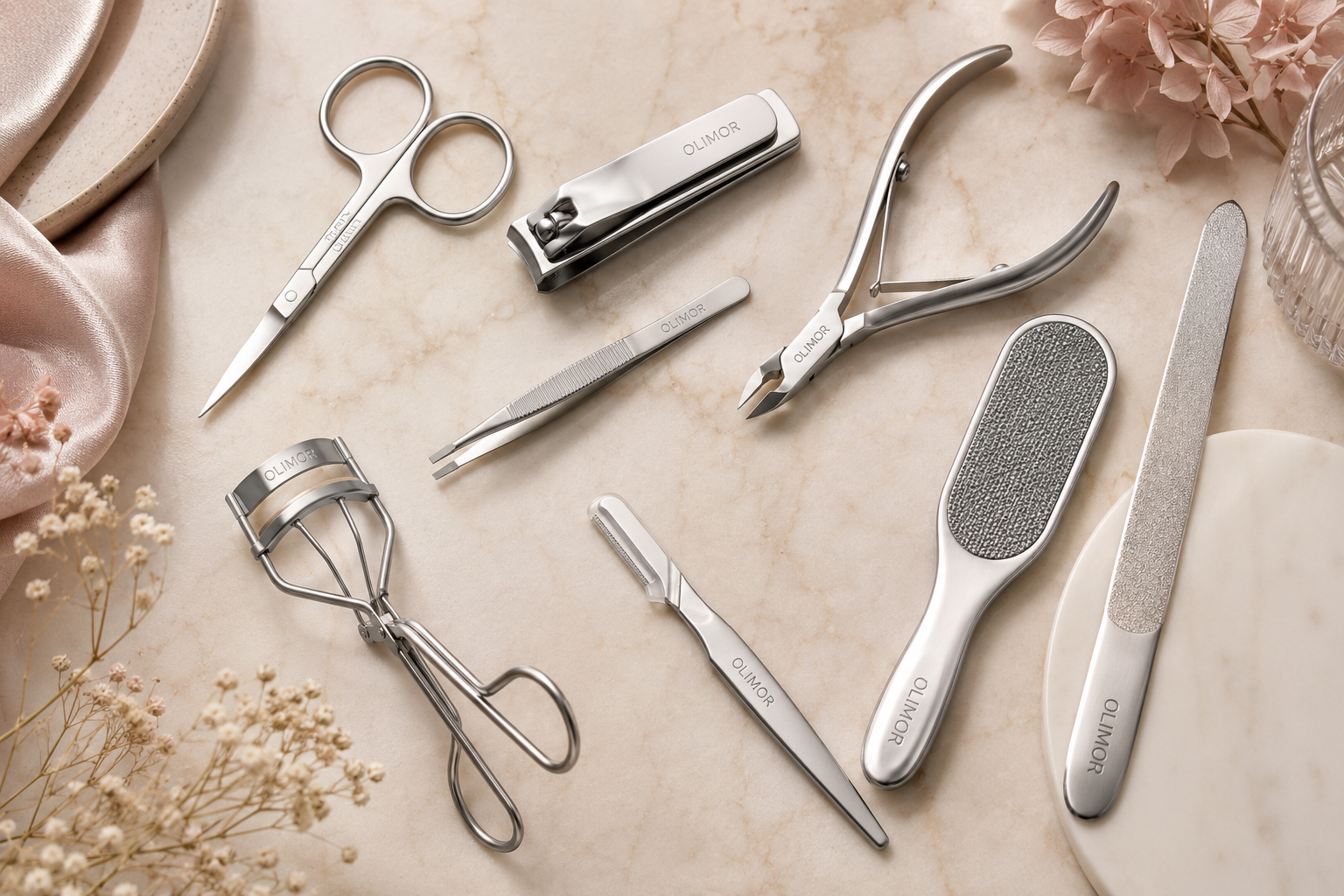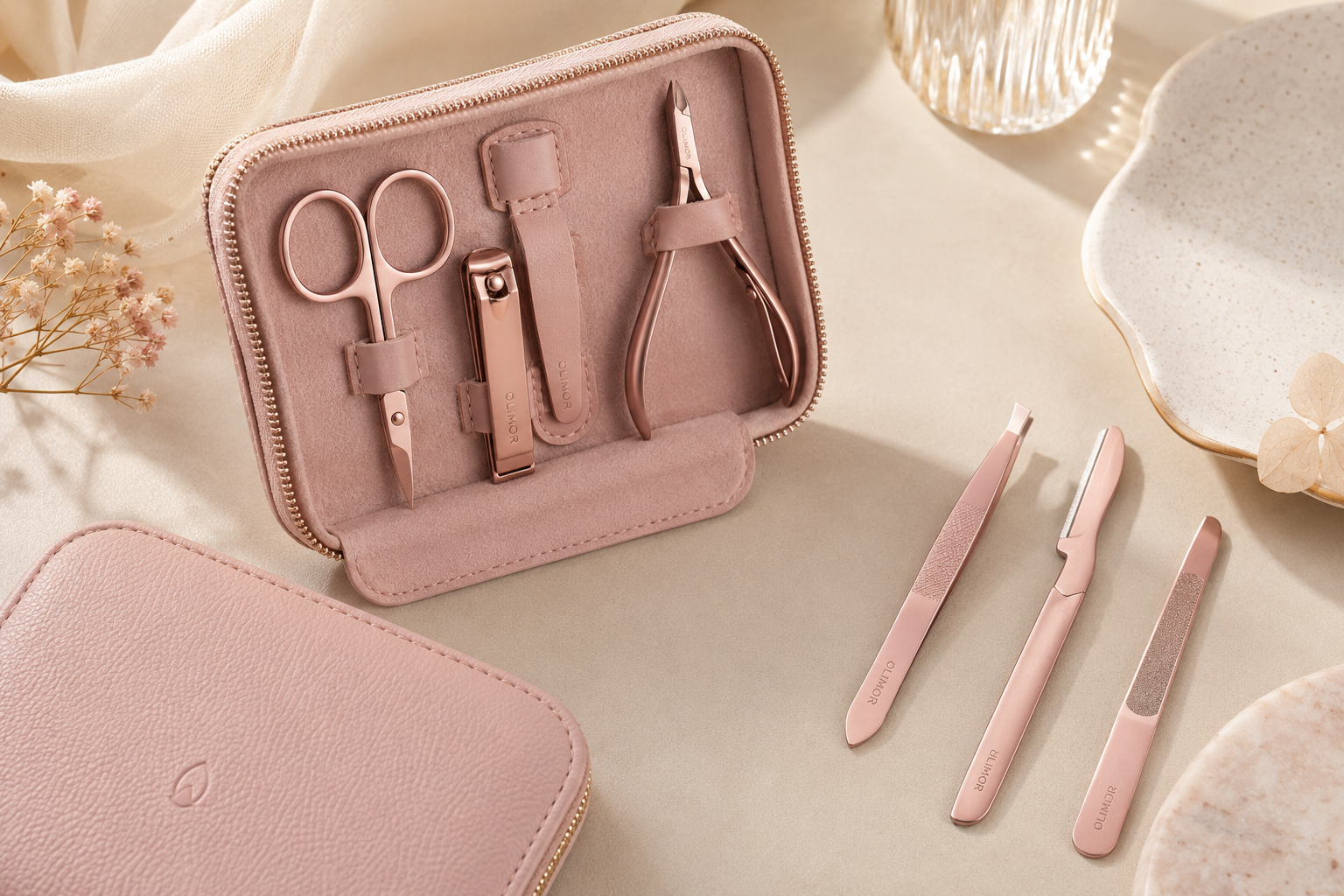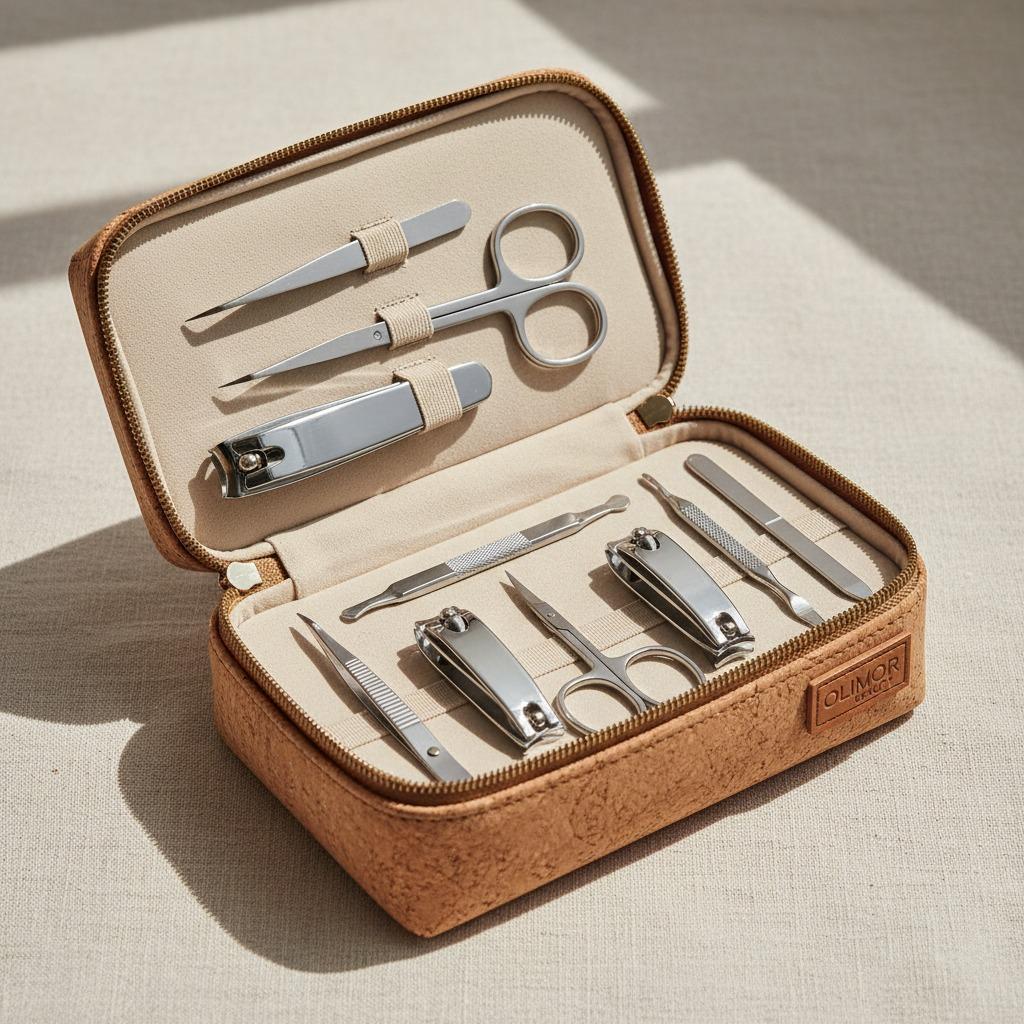











A nail clipper is a small tool, but its design affects comfort, control, hygiene, and trimming results. For everyday users, the right clipper helps keep nails neat without tearing or jagged edges. For seniors and caregivers, secure handling and predictable cutting can make routine grooming safer and less tiring. For retailers, distributors, and beauty-tool buyers, a reliable stainless steel nail clipper is a practical essential that serves a wide customer base.
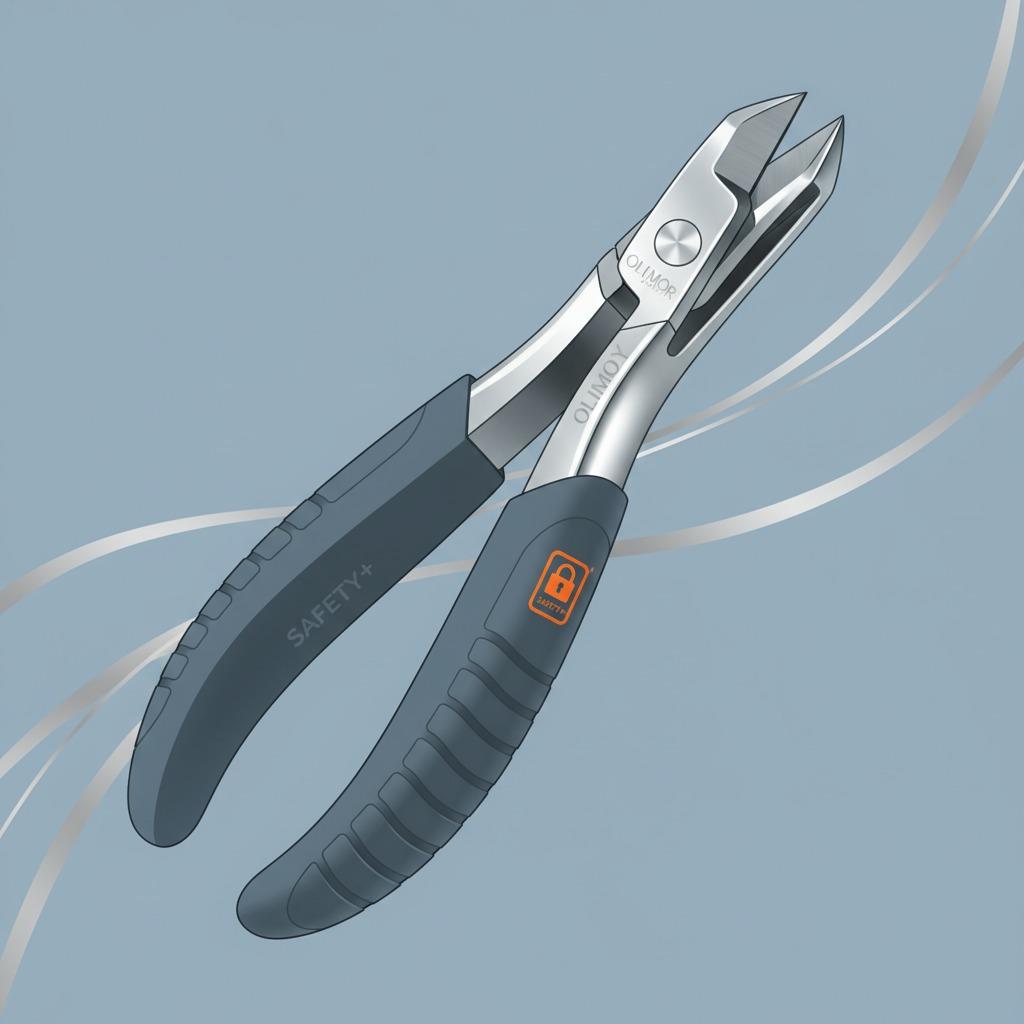
Olimor Beauty offers a nail clipper positioned for everyday precision, ergonomic handling, and stainless steel construction. Those three points matter because most nail-trimming problems are not caused by complicated technique. They usually come from dull cutting edges, poor alignment, uncomfortable grip, or using the tool too aggressively. This guide explains how to choose, inspect, use, maintain, and source a nail clipper for home care, senior care, travel kits, retail shelves, and beauty-tool assortments.
What Makes a Nail Clipper Worth Choosing?
A good nail clipper should cut cleanly with controlled pressure. It should not crush the nail, skid sideways, or require the user to squeeze so hard that the wrist twists. The cutting edges should meet evenly, the lever should feel stable, and the body should be comfortable enough for repeated grooming.
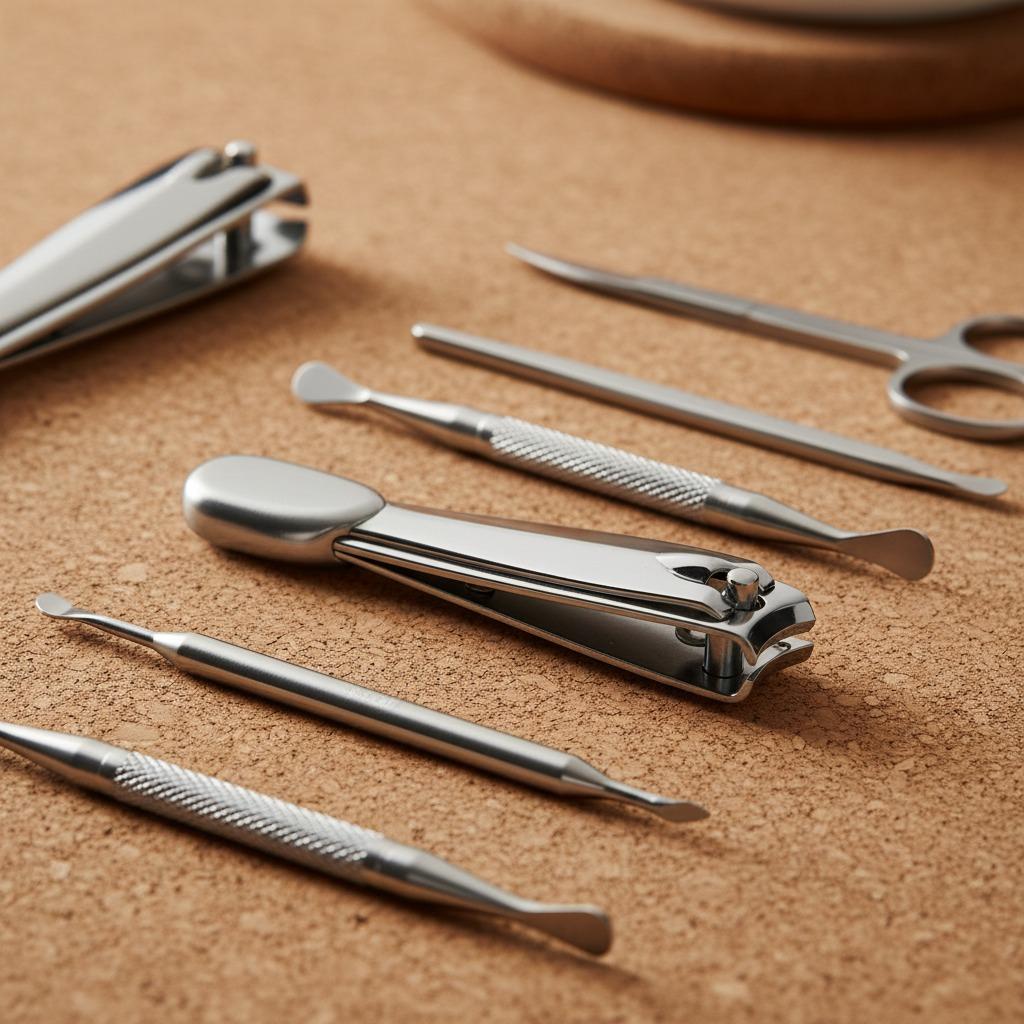
Stainless steel is commonly used for nail tools because it is durable, easy to wipe clean, and practical for regular contact with moisture in bathroom or salon environments. It also gives the clipper a solid feel that many users associate with dependable grooming tools. However, stainless steel alone does not guarantee a better product. Buyers should still check blade alignment, surface finishing, lever movement, and user comfort.
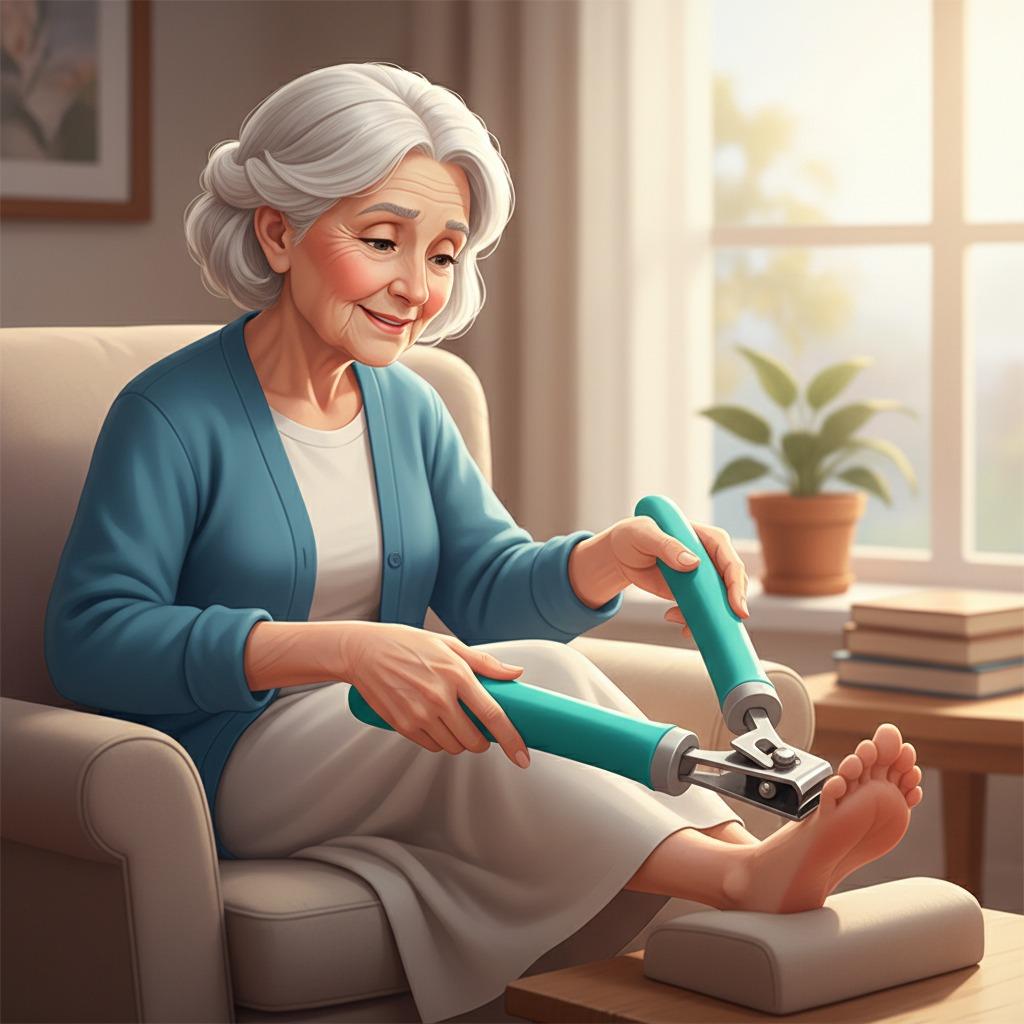
For seniors, ergonomic design has added value. A clipper that sits securely in the hand can reduce unnecessary strain and help users make smaller, safer cuts. For caregivers, controlled handling makes it easier to assist another person without clipping too deeply or contacting surrounding skin.
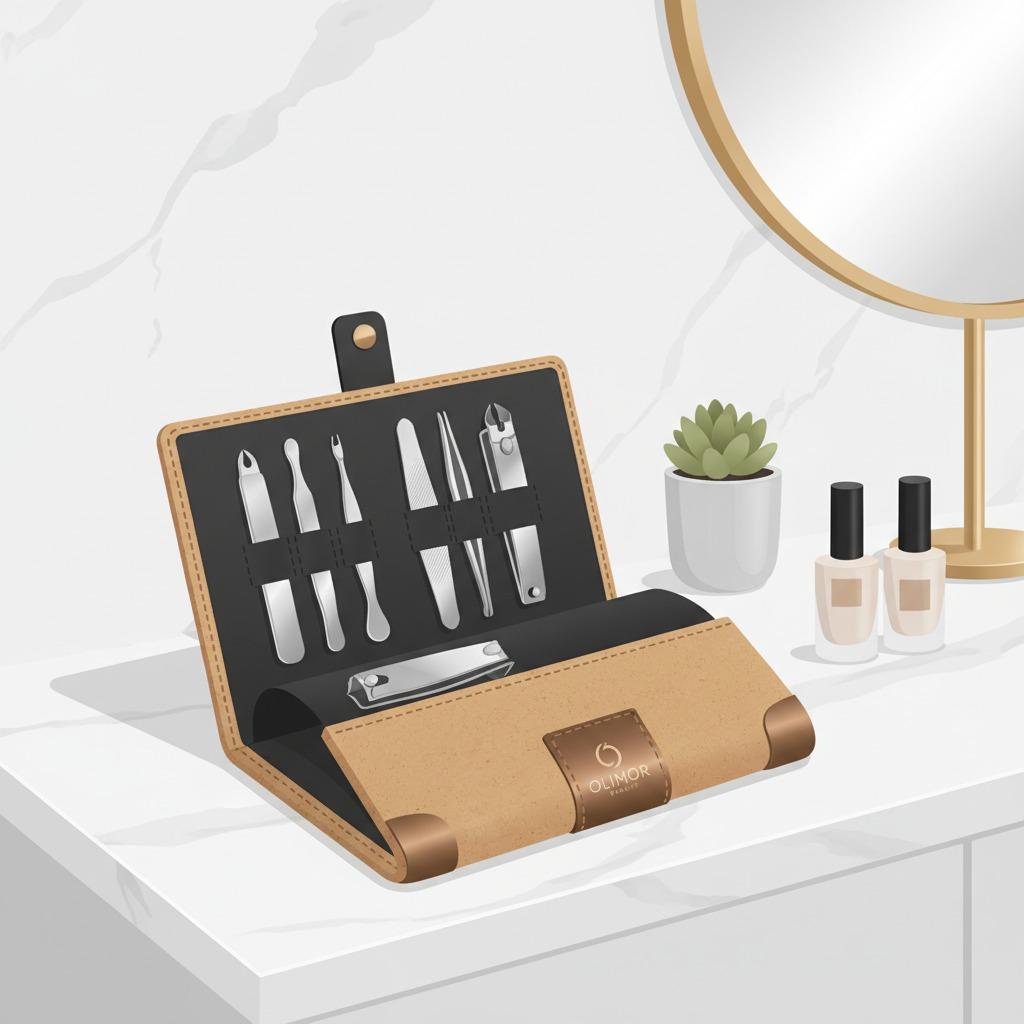
If you are building a broader grooming range, review related beauty tool products to see how nail clippers can fit alongside files, tweezers, grooming scissors, and personal care accessories.
Key Buying Criteria for Users, Retailers, and Distributors
The best way to evaluate a nail clipper is to treat it as a functional tool rather than a simple accessory. Product photos are useful, but they cannot show whether the cutting edges align correctly or whether the lever feels secure in real use.
Cutting edge alignment
When the clipper is closed, the two cutting edges should meet evenly. Misalignment can bend or crush the nail before cutting through it. This is especially frustrating for thicker nails or users who need several small clips instead of one large cut.
Grip and leverage
An ergonomic nail clipper should be easy to position before pressure is applied. The user should not need to pinch awkwardly or shift the tool repeatedly. A stable lever helps the user predict when the cut will happen, which improves confidence and reduces sudden movement.
Surface finish and cleaning
The surface should feel smooth enough to handle comfortably and clean easily. Nail residue can collect around the cutting area, so the tool should allow simple wiping or brushing after use. For shared or assisted-care settings, cleaning access becomes more important.
Audience fit
A nail clipper for a travel kit may prioritize compact storage. A senior-friendly option should prioritize secure handling and cutting control. A retail assortment may need a balanced tool that appeals to everyday users, family buyers, and practical grooming customers.
| Evaluation Point | What to Check | Why It Matters |
|---|---|---|
| Blade alignment | Edges meet evenly when closed | Supports clean trimming and reduces crushing |
| Lever action | Firm, stable, and predictable pressure | Improves control for seniors and daily users |
| Grip comfort | Secure hold in different hand sizes | Reduces strain and slipping during trimming |
| Material practicality | Stainless steel construction and smooth finish | Supports durability and simple cleaning |
| Retail suitability | Packaging, labeling, and assortment fit | Helps distributors and stores position the product clearly |
Safe Nail Trimming for Seniors and Caregivers
Senior nail care requires patience and visibility. Nails may become harder, thicker, or more difficult to trim cleanly. Reduced grip strength, limited mobility, or lower eyesight can also make a basic grooming task feel difficult. A comfortable stainless steel nail clipper helps, but safe technique is just as important.
Start in a well-lit area with the person seated comfortably. Keep the hand or foot supported so the clipper does not move unexpectedly. If nails are hard, trimming after bathing or after a short soak can make the nail easier to cut. Avoid rushing and avoid trying to remove too much nail in one clip.
Use small, controlled cuts and leave a modest free edge rather than cutting into the sensitive area near the skin. For fingernails, following the natural curve usually creates a comfortable shape. Sharp corners can be lightly smoothed with a suitable nail file instead of clipped repeatedly.
Caregivers should be especially cautious if the person has pain, swelling, broken skin, unusual nail thickening, discoloration, or known circulation concerns. Routine grooming tools are not a substitute for medical evaluation. When nail changes look unusual or trimming causes pain, professional healthcare advice is appropriate.
For hygiene practices in shared care environments, public health bodies such as the CDC provide general guidance on hand hygiene and infection prevention. Always verify current guidance and apply the procedures required by your facility, market, or local regulator.
Step-by-Step Method for Cleaner Nail Trimming
Clean trimming comes from steady positioning, not force. The following method works for routine fingernail care and can be adapted for assisted grooming.
- Prepare the area: Choose good lighting, sit comfortably, and place the hand on a stable surface.
- Clean hands and tool: Wash and dry hands. Wipe the nail clipper before use, especially if it has been stored with other tools.
- Inspect the nail: Look for cracks, rough corners, or areas likely to snag on clothing.
- Position before squeezing: Place the cutting edge only where the nail should be shortened. Do not press into the skin.
- Clip in small sections: Make several controlled clips rather than one deep cut across the nail.
- Follow the natural shape: Keep the nail comfortable and avoid sharp corners that can catch or tear.
- Stop before over-cutting: Leave enough nail edge to protect the fingertip from tenderness.
- Smooth roughness: If needed, use a nail file instead of repeatedly clipping the same area.
- Clean and store: Remove debris, dry the tool, and store it in a clean, dry location.
This process reduces common problems such as jagged edges, painful over-trimming, and accidental slips. It is also easy to teach, which makes it useful for family care, care facilities, and retail education.
Common Nail Clipper Problems and How to Solve Them
Many users replace nail clippers only after they become frustrating. Retailers and sourcing teams can reduce complaints by understanding the signs of poor performance before ordering or recommending a product.
The nail bends instead of cutting
This usually points to dull edges, poor blade alignment, or trying to cut too much nail at once. Use smaller cuts first. If the tool still bends the nail, it may not be suitable for precise grooming.
The clipper slips in the hand
Slipping can happen when hands are wet, the surface is too smooth for the user, or the tool shape is hard to grip. Dry the hands and tool before trimming. For seniors, prioritize an ergonomic design that feels secure before pressure is applied.
The nail edge feels jagged
Jagged edges may come from uneven clipping, a worn cutting edge, or cutting brittle nails too aggressively. Trim gradually and finish with a nail file when needed. Do not keep clipping deeper to chase a perfectly smooth edge.
The lever feels unstable
A wobbly or unpredictable lever reduces confidence and can create uneven cuts. During supplier evaluation, open and close the lever repeatedly and test whether it remains stable under normal hand pressure.
Maintenance and Hygiene for Long-Term Use
A stainless steel nail clipper still needs regular care. After each use, remove nail debris from the cutting area and wipe the tool. If it becomes damp, dry it before storage. Moisture, residue, and contact with other metal tools can affect appearance and performance over time.
For personal use, storing the clipper in a clean drawer, pouch, or grooming kit is usually sufficient. For shared use, cleaning procedures should be more careful. Avoid using the same clipper on irritated, infected, or broken skin. Separate tools used for different people when required by care policies or hygiene expectations.
Users should also inspect performance regularly. If the clipper starts requiring excessive force, leaves rough cuts, or no longer closes evenly, it may be time to replace it. Continuing to use a worn or misaligned tool can increase the chance of nail splitting and discomfort.
B2B Sourcing: Questions to Ask Before Ordering Nail Clippers
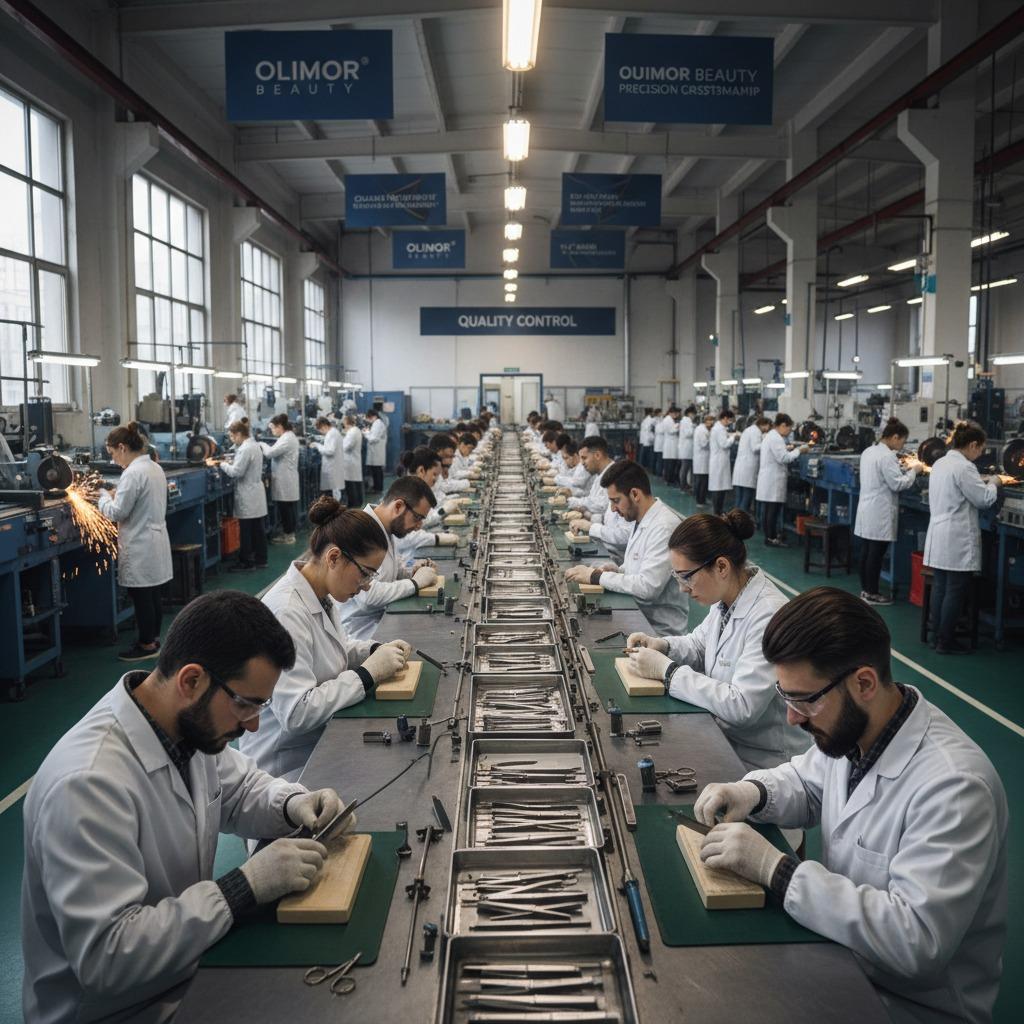
For retail, wholesale, private assortment planning, or promotional grooming kits, supplier evaluation should cover more than the product name. Ask practical questions about materials, finishing, inspection, packaging, and customization. Do not rely only on broad claims such as “premium” or “professional.” Request documents and samples that help your team verify the tool’s real handling and finish.
Depending on the sales market, nail clippers may need to meet general consumer product safety, labeling, packaging, or chemical compliance expectations. For example, companies selling consumer goods in the European Union should understand applicable obligations under the EU General Product Safety Regulation and related market requirements. Always verify current versions, local rules, and supplier documents before purchasing or importing. Do not assume a certificate applies unless the supplier provides relevant, current evidence for the specific product and order.
Supplier evaluation checklist
- Can the supplier provide pre-order samples for functional review?
- Does the clipper feel stable in different hand sizes?
- Are the cutting edges aligned and smoothly finished?
- Is the stainless steel surface easy to wipe clean?
- Does the lever action feel controlled after repeated opening and closing?
- Can packaging, labeling, or assortment requirements be discussed for the target channel?
- Are inspection expectations, order details, and quality documents confirmed before production or shipment?
Buyers comparing nail clippers with other grooming tools can browse Olimor product collections to plan a coordinated personal care range. For order-specific questions, use the business inquiry form and include your target market, packaging expectations, and customization needs.
Retail Positioning and Cost Factors
Nail clippers are usually easy for customers to understand, but smart positioning improves sell-through. They can be merchandised as daily hygiene essentials, senior-friendly grooming tools, travel kit components, manicure accessories, or practical add-on items near nail files and tweezers.
Cost is influenced by several factors: material choice, cutting-edge finishing, handle or lever design, inspection requirements, packaging style, customization, order quantity, and shipping arrangements. A lower-cost clipper may still look acceptable in a photo, but weak alignment or uncomfortable handling can lead to customer dissatisfaction. For B2B buyers, the better comparison is total value: product function, return risk, packaging fit, supplier responsiveness, and consistency across repeat orders.
Before choosing a supplier, test a sample in real conditions. Try the clipper on routine nails, assess grip comfort, check whether it trims gradually, and confirm whether the finish matches your sales channel. Retailers serving older adults or caregivers should pay particular attention to control and comfort rather than appearance alone.
When an Ergonomic Stainless Steel Nail Clipper Is the Right Choice
An ergonomic stainless steel nail clipper is a strong fit when the buyer wants a practical grooming tool for repeated everyday use. It suits home bathrooms, family manicure kits, senior care routines, personal travel kits, beauty retail assortments, and distributor catalogs. Its main value is not complexity; it is dependable trimming, comfortable control, and simple maintenance.
For users, the most important habits are trimming in good light, making small cuts, avoiding over-trimming, and cleaning the tool after use. For commercial buyers, the important steps are sample testing, supplier verification, clear packaging requirements, and practical inspection before committing to an order.
Olimor Beauty’s nail clipper offers a practical option for buyers seeking an ergonomic stainless steel grooming tool for precision daily care. To discuss product selection for your retail or distribution needs, contact Olimor Beauty with your intended use, market, and sourcing requirements.
FAQ
Can I request samples before placing a business order?
Sample availability should be confirmed directly with Olimor Beauty. For the most useful review, explain whether the sample is for retail testing, senior-care evaluation, packaging approval, or comparison within a grooming tool assortment.
Is there a minimum order quantity for nail clippers?
MOQ can depend on product configuration, packaging, customization, and order requirements. Ask for current order terms through the inquiry process rather than assuming a fixed quantity.
Can nail clippers be customized for retail or distributor needs?
Customization may involve packaging, labeling, assortment planning, or other order-specific details. Confirm available options, artwork requirements, and approval steps with the supplier before production.
How should buyers verify quality before shipment?
Review samples, confirm material and packaging details, check cutting alignment and lever stability, and agree on inspection expectations in writing. Request relevant product documents for your market and verify that they apply to the exact item being ordered.