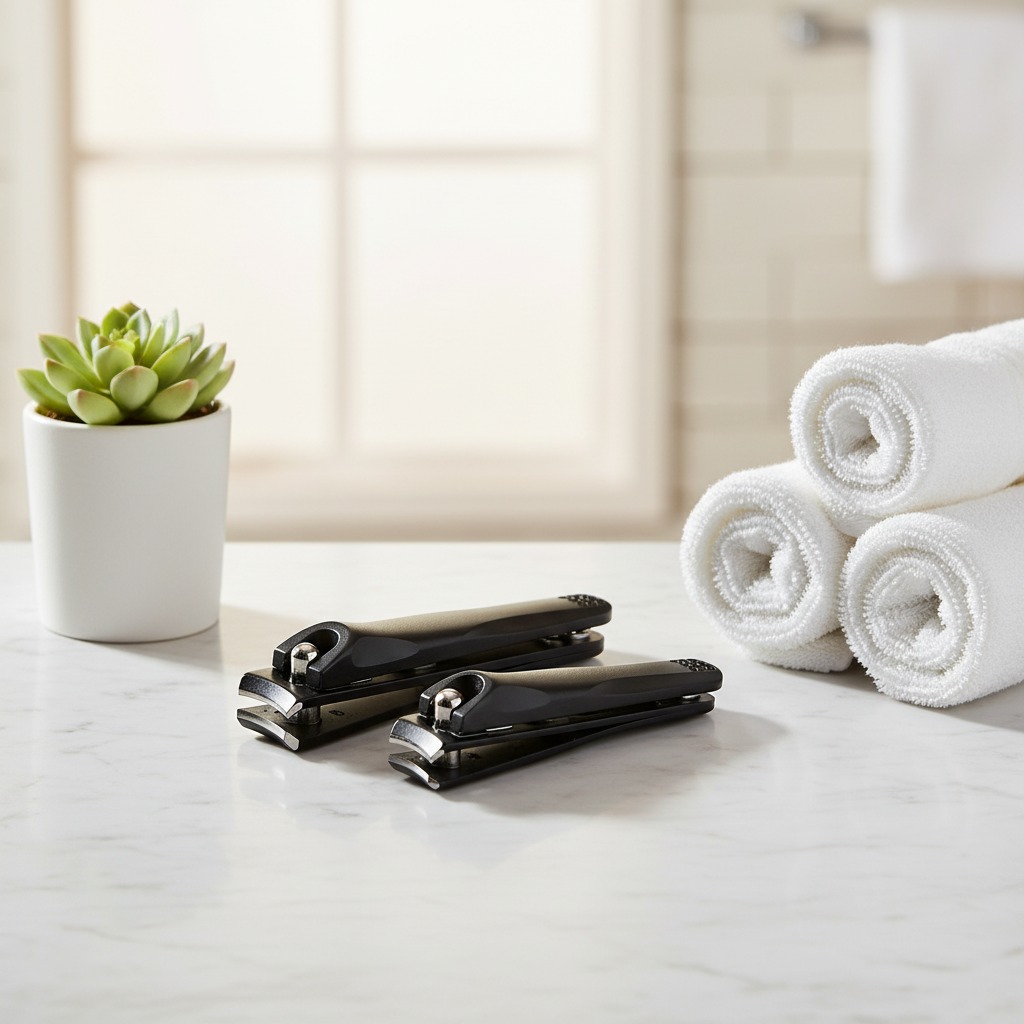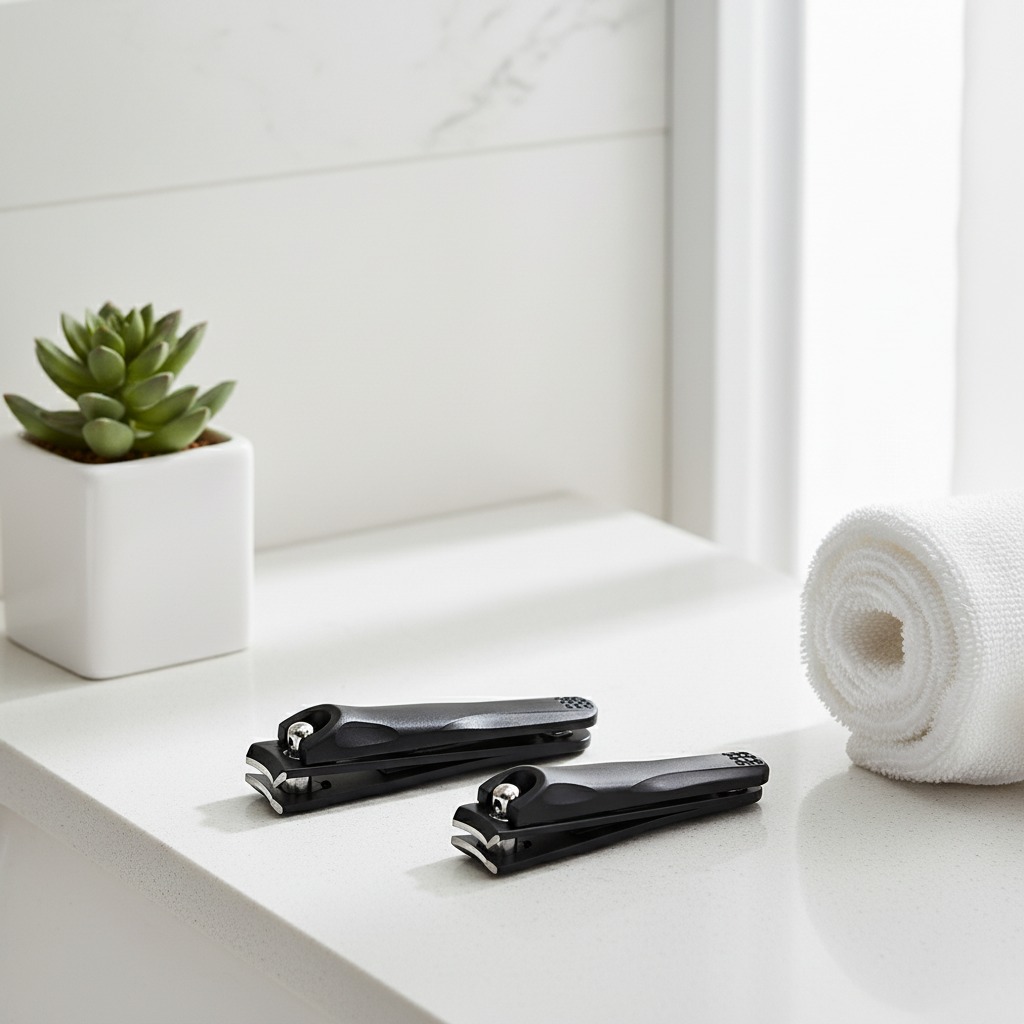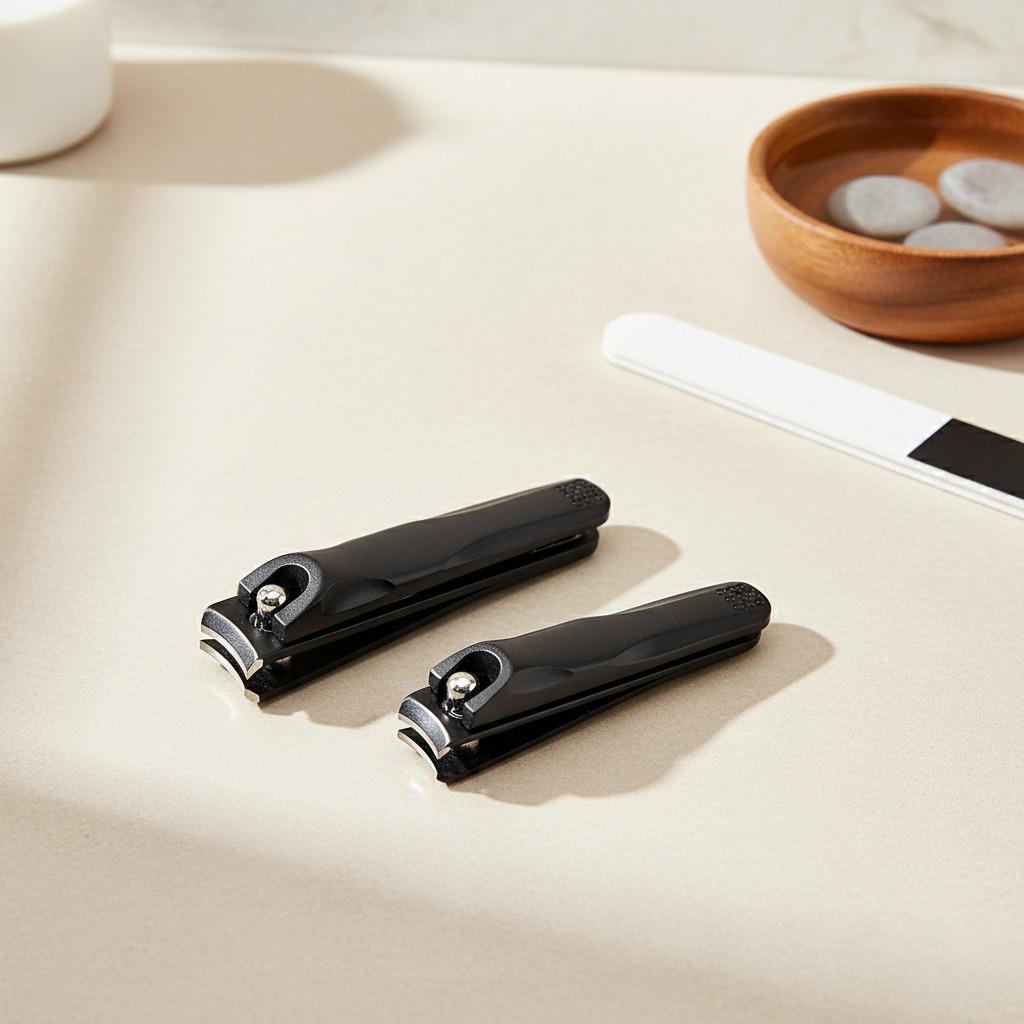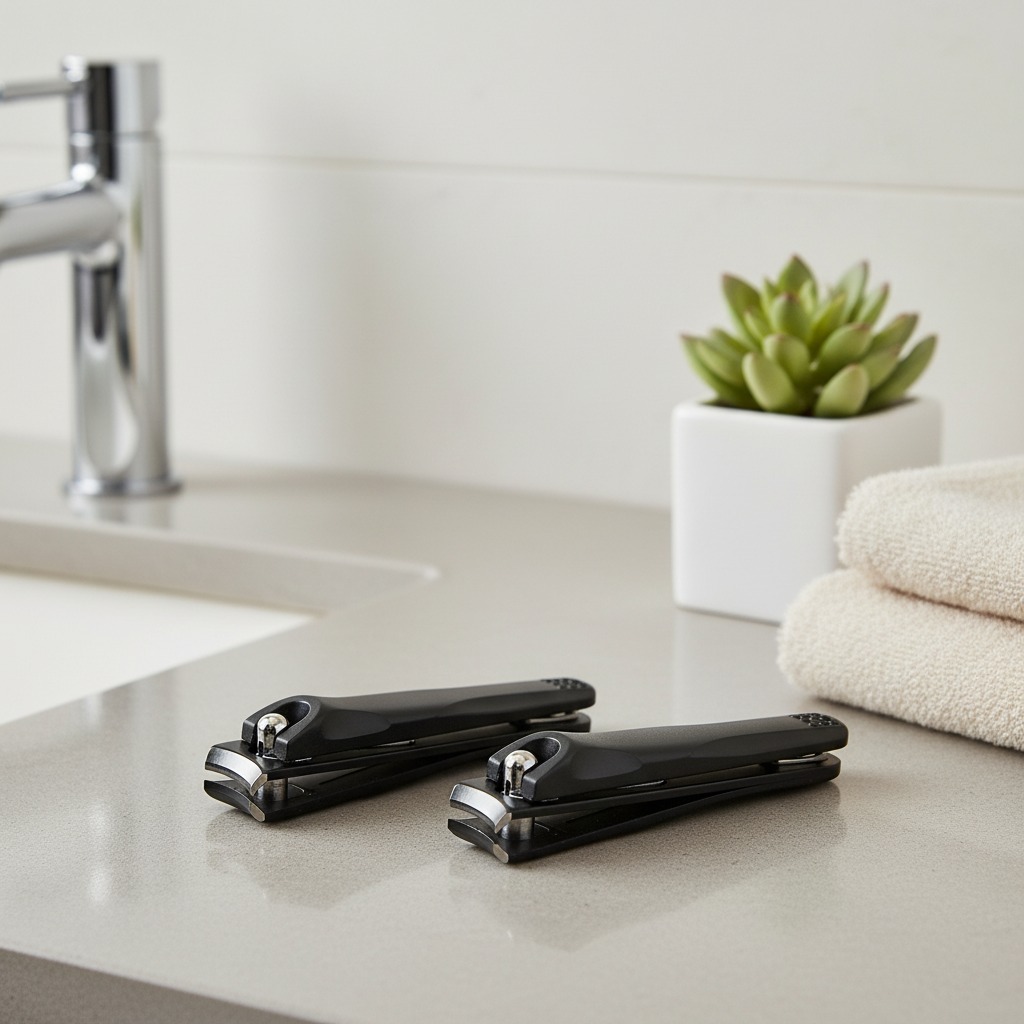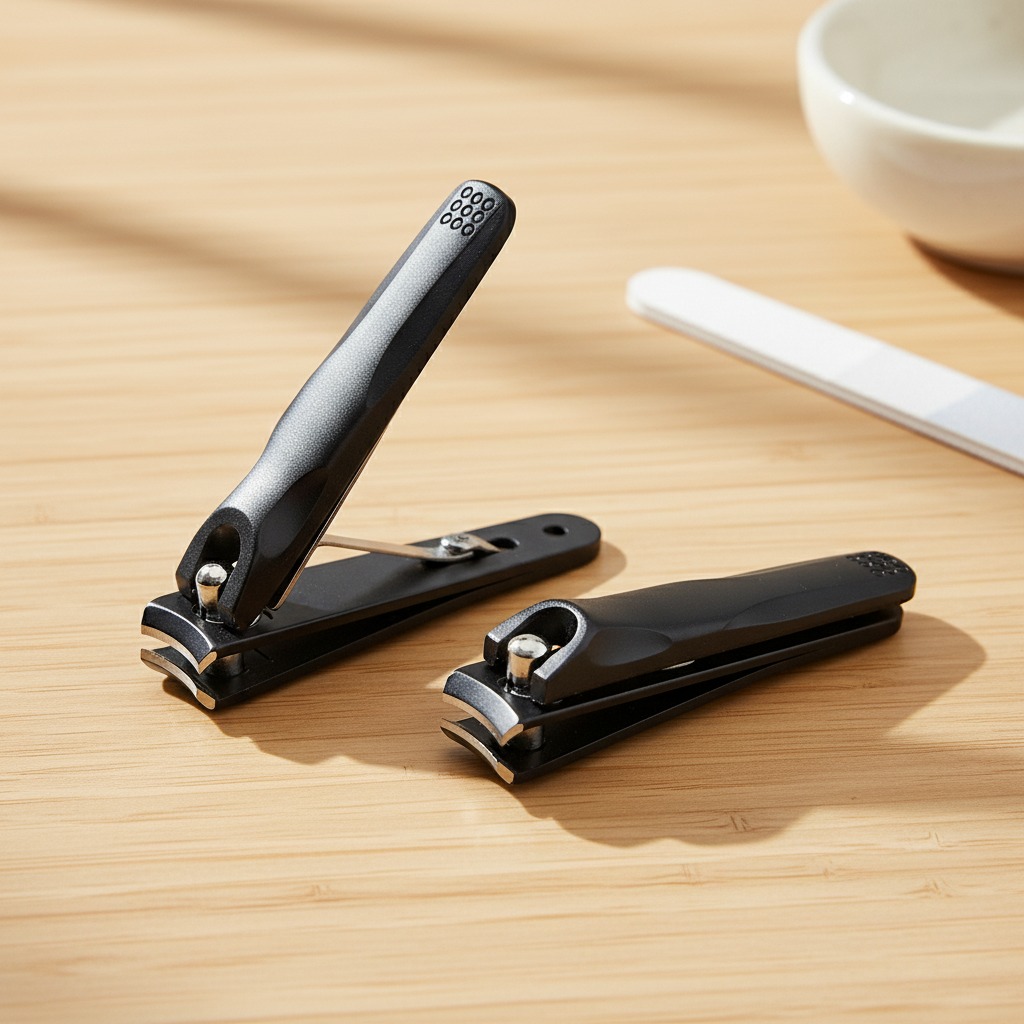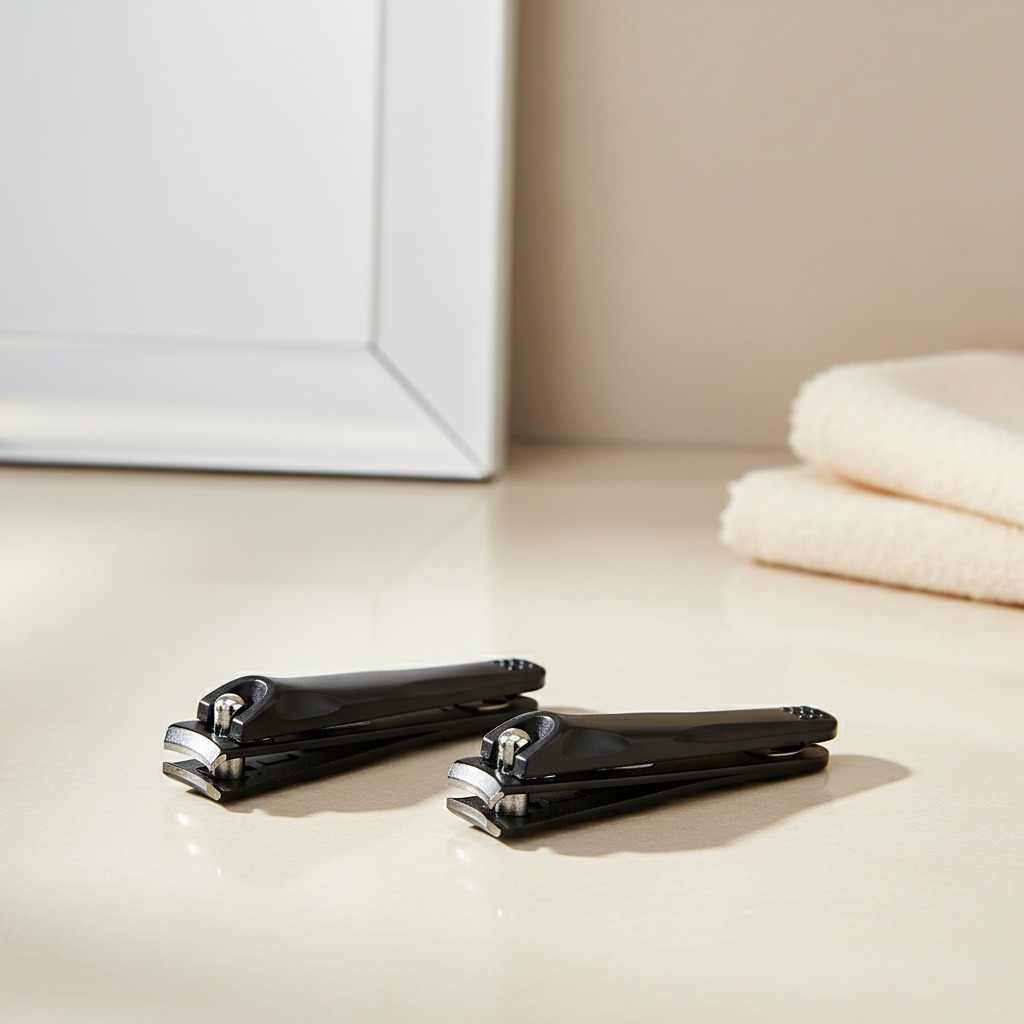
Choosing a nail clipper OEM partner is not only about finding a factory that can produce a familiar grooming tool. For a beauty brand, retailer, salon supplier, or distributor, the right nail clipper can influence customer trust every time it is used. A clipper that feels stable in the hand, cuts cleanly, and arrives in consistent packaging is easier to sell, easier to reorder, and less likely to create service issues after purchase.
Nail clippers are compact products, but they involve many buying decisions: blade alignment, stainless steel body construction, hand feel, packaging, branding, carton planning, inspection points, and order quantity strategy. Olimor Beauty works with beauty tool buyers who need nail clipper OEM support for branded product lines, wholesale programs, and bulk purchasing plans. This guide explains how to evaluate an OEM project before you commit to production, so your sourcing decision is based on practical product quality rather than generic claims.
What Nail Clipper OEM Should Deliver for Your Brand
OEM sourcing means the product must match your commercial goal, not just look acceptable in a sample photo. For nail clippers, the core requirement is reliable cutting performance. The body should feel solid, the lever should operate smoothly, and the blades should meet cleanly enough to trim nails without tearing or crushing. Stainless steel bodies are commonly valued because they support durability and a polished finish, but buyers should still review the surface, edges, and assembly quality carefully.
A well-planned nail clipper OEM project should also consider the product's position in your range. A clipper for a basic travel kit may need different packaging and price planning than a clipper intended for a salon retail display or a premium manicure set. Before requesting samples or confirming a production direction, define the expected user, selling channel, and packaging format. This prevents the project from drifting toward a product that is technically usable but commercially mismatched.
If you are building a broader beauty tool offer, it can help to compare nail clippers with related beauty tool products so the finish, packaging tone, and quality level feel consistent across your assortment.
Quality Checks That Matter Before Bulk Production
A nail clipper is judged in seconds by the user. If it slips, pinches, or leaves a rough edge, the customer may not give the product another chance. For wholesale nail clipper sourcing, quality control should focus on repeatable details that affect daily use.
- Blade alignment: The cutting edges should meet evenly from side to side, without visible gaps that reduce cutting accuracy.
- Cutting feel: The lever should give controlled pressure, not feel loose, overly stiff, or unstable.
- Edge finishing: Corners and contact points should be smooth enough for comfortable handling.
- Body finish: The stainless steel surface should be checked for scratches, stains, burrs, and inconsistent polish.
- Ergonomic handling: The clipper should be easy to hold, especially if the design includes textured grips for better control.
- Packaging fit: The product should sit securely in its retail or kit packaging without rubbing, rattling, or damaging the finish in transit.
These checks are especially important when you buy nail clipper in bulk because small issues become expensive when repeated across cartons. A single sample can look good, but bulk production needs consistent execution. Buyers should request clear sample approval criteria and align on what will be inspected before shipment.
Customization Options: Branding Without Overcomplication
Customization is one of the main reasons to choose nail clipper OEM services. However, effective customization does not always mean adding many features. For many brands, the strongest result comes from a focused combination of product finish, logo placement, packaging, and assortment planning.
Common customization decisions include whether the clipper will be sold individually, included in a manicure kit, paired with files or other grooming items, or packed as a promotional item. The answer affects packaging size, artwork space, barcoding, shipping efficiency, and retail presentation. If your brand sells through marketplaces, salons, spas, gift shops, or distributors, the packaging requirements may differ for each channel.
Branding should also be tested against the product's real surface area. A small nail clipper has limited space, so artwork must remain legible and durable-looking without making the item appear crowded. When reviewing branding options, confirm the visible area, color contrast, and how the final product will appear under normal store or product photography conditions.
Wholesale Nail Clipper Sourcing for Different Buyers
Different buyers have different priorities when sourcing nail clippers. A distributor may prioritize repeatable bulk availability and carton efficiency. A new beauty brand may prioritize low MOQ nail clipper options to test customer response. A salon supplier may focus on comfortable handling and a professional look. A gift set company may care most about packaging fit and visual consistency with other items.
| Buyer Type | Key Sourcing Priority | What to Check First |
|---|---|---|
| Emerging beauty brand | Market testing and brand presentation | Sample quality, packaging design, order flexibility |
| Retailer or distributor | Bulk consistency and reorder planning | Inspection criteria, carton packing, lead time communication |
| Salon or spa supplier | Professional use and customer confidence | Cutting feel, grip comfort, surface finish |
| Gift set or kit supplier | Compatibility with other tools | Size, packaging fit, finish consistency |
This type of comparison helps you avoid a common sourcing mistake: choosing a nail clipper only because it looks acceptable in isolation. The better question is whether it fits your specific route to market and your customer's expectations.
How to Approach Low MOQ Nail Clipper Projects
Low MOQ nail clipper sourcing can be useful for emerging brands that want to validate demand before committing to larger production. It can also help established buyers test a new finish, packaging concept, or sales channel. The benefit is flexibility, but the planning must still be disciplined.
For smaller runs, simplify where possible. A clear product structure is easier to control than a project with too many experimental features. Start by confirming the core clipper design, packaging format, and branding method. Then decide what feedback you need from the market: repeat purchase interest, giftability, salon acceptance, or online review quality. A smaller order is most valuable when it teaches you something specific.
Buyers should also consider reorder continuity. If the first batch performs well, you will want the next order to match it closely. Keep records of approved samples, packaging artwork, finish choices, and inspection notes so future production can be compared against a defined reference.
Questions to Resolve Before You Buy Nail Clipper in Bulk
Before moving from sample approval to bulk purchasing, build a short decision checklist. This makes internal approval easier and reduces the risk of overlooking details that matter once the goods arrive.
- Who is the end user? Define whether the product is for personal grooming, salon retail, travel kits, gift sets, or wholesale resale.
- What quality level is required? Confirm expectations for blade alignment, lever action, finish, and ergonomic handling.
- How will it be branded? Review logo placement, packaging artwork, and how the product will appear in product photos.
- How will it be packed? Check retail packaging, inner carton organization, protection during transit, and labeling needs.
- What is the reorder plan? Keep the approved sample and specifications documented for future consistency.
- How does it fit the wider range? Compare it with other grooming tools or product collections to maintain a coherent brand offer.
This checklist is especially valuable for teams that involve purchasing, product development, marketing, and logistics. Each team may notice different risks, and addressing them before production is simpler than correcting them after delivery.
Why Work With an Experienced Nail Clipper China Manufacturer
Working with a nail clipper China manufacturer can support efficient sourcing when the communication is structured and the product expectations are clear. Olimor Beauty focuses on beauty tool manufacturing support, including nail clipper OEM projects that require attention to stainless steel construction, precision-aligned blades, ergonomic handling, and branded presentation.
The most productive supplier conversations are specific. Instead of asking only for a price, provide the intended selling channel, target packaging style, approximate order plan, and quality concerns. This allows the manufacturer to respond with options that are closer to your real needs. If you are comparing several sourcing directions, share the criteria that matter most: finish, comfort, packaging, order flexibility, or bulk consistency.
For brands preparing a nail clipper OEM project, Olimor Beauty can help clarify product direction and sourcing requirements. You can send an inquiry with your project details or contact Olimor to discuss the next step for samples, packaging, and bulk planning.
Building a Nail Clipper Line Customers Will Reorder
A successful nail clipper is not defined by novelty. It is defined by dependable everyday performance, a comfortable feel, and a presentation that matches the customer's expectation when they open the package. For OEM buyers, that means the best results come from careful selection and consistent execution rather than unnecessary complexity.
Whether you are launching a new grooming item, adding a clipper to an existing manicure range, or sourcing wholesale nail clipper inventory for distribution, focus on the details that influence repeat trust: cutting accuracy, handling, finish quality, packaging protection, and clear production references. With a practical sourcing plan, nail clipper OEM can become a reliable part of your beauty tool business rather than a simple commodity purchase.