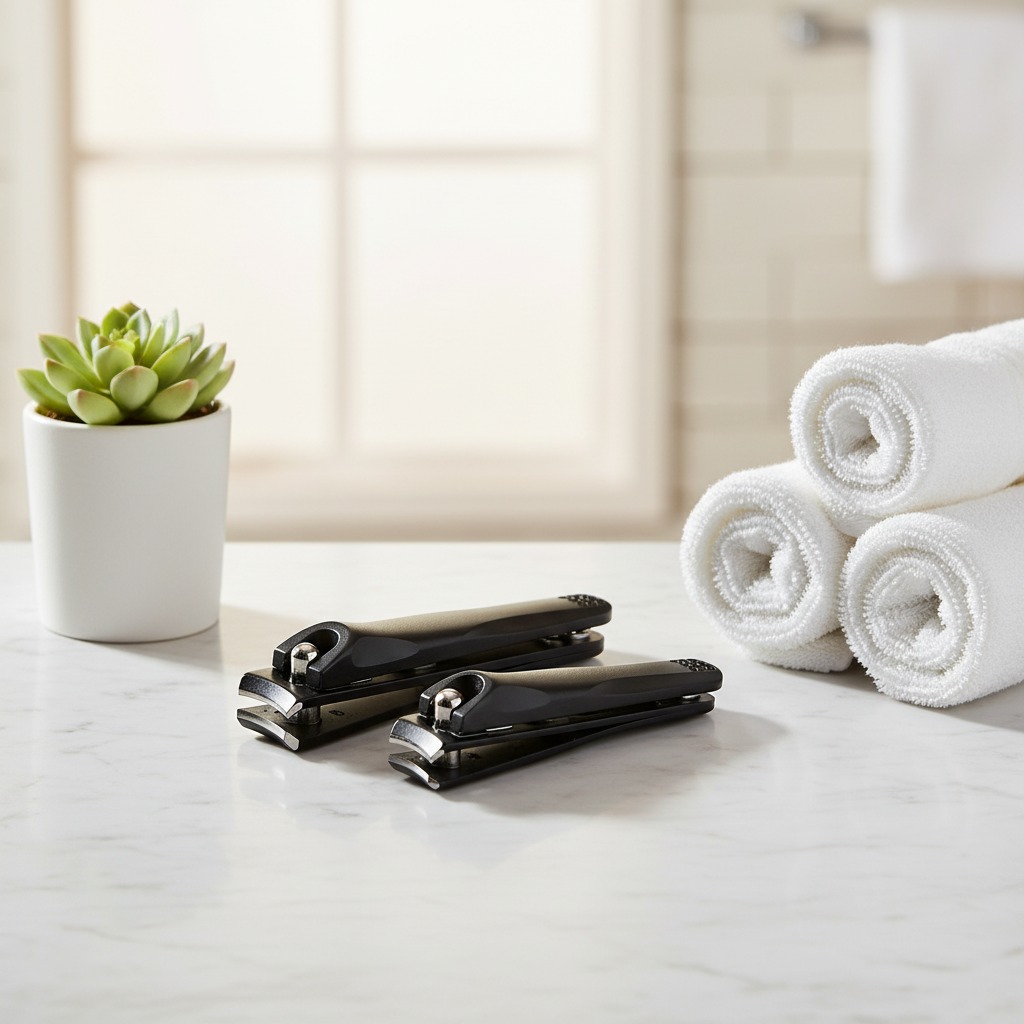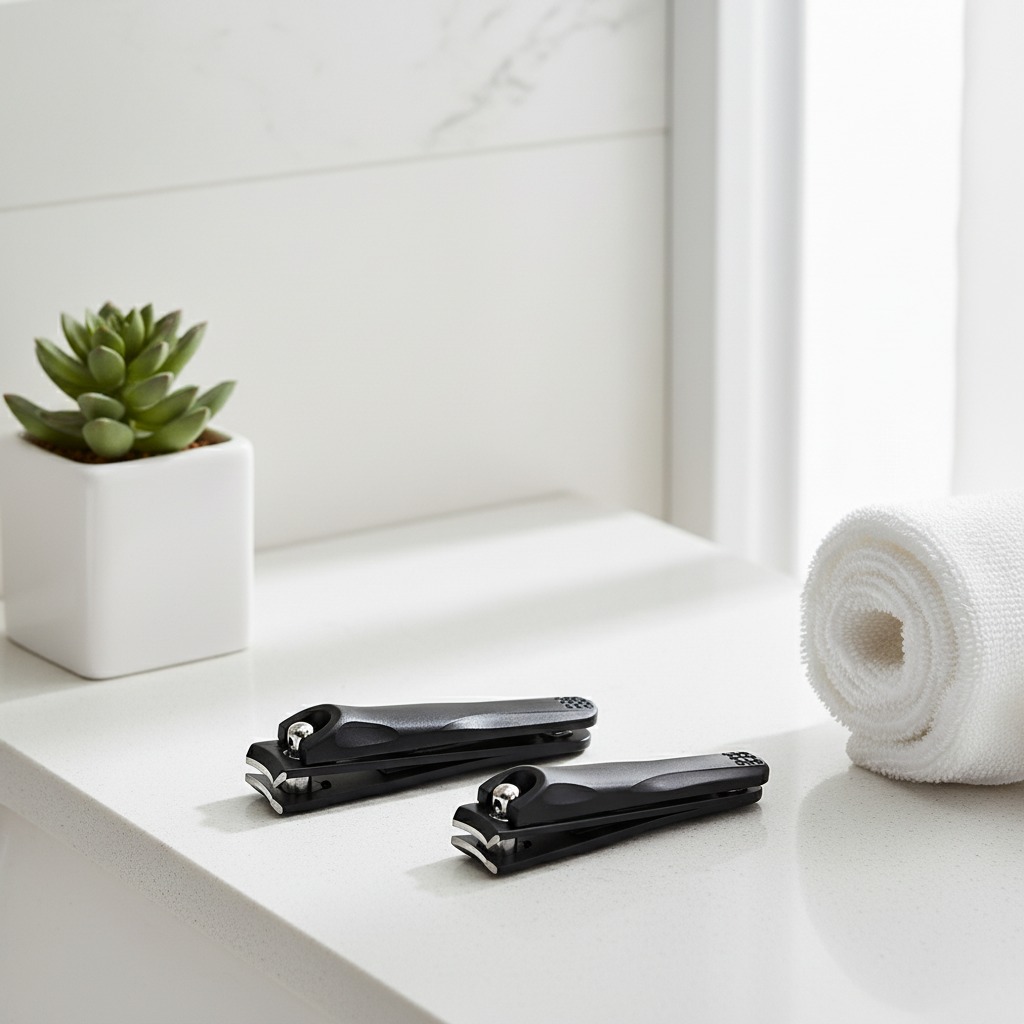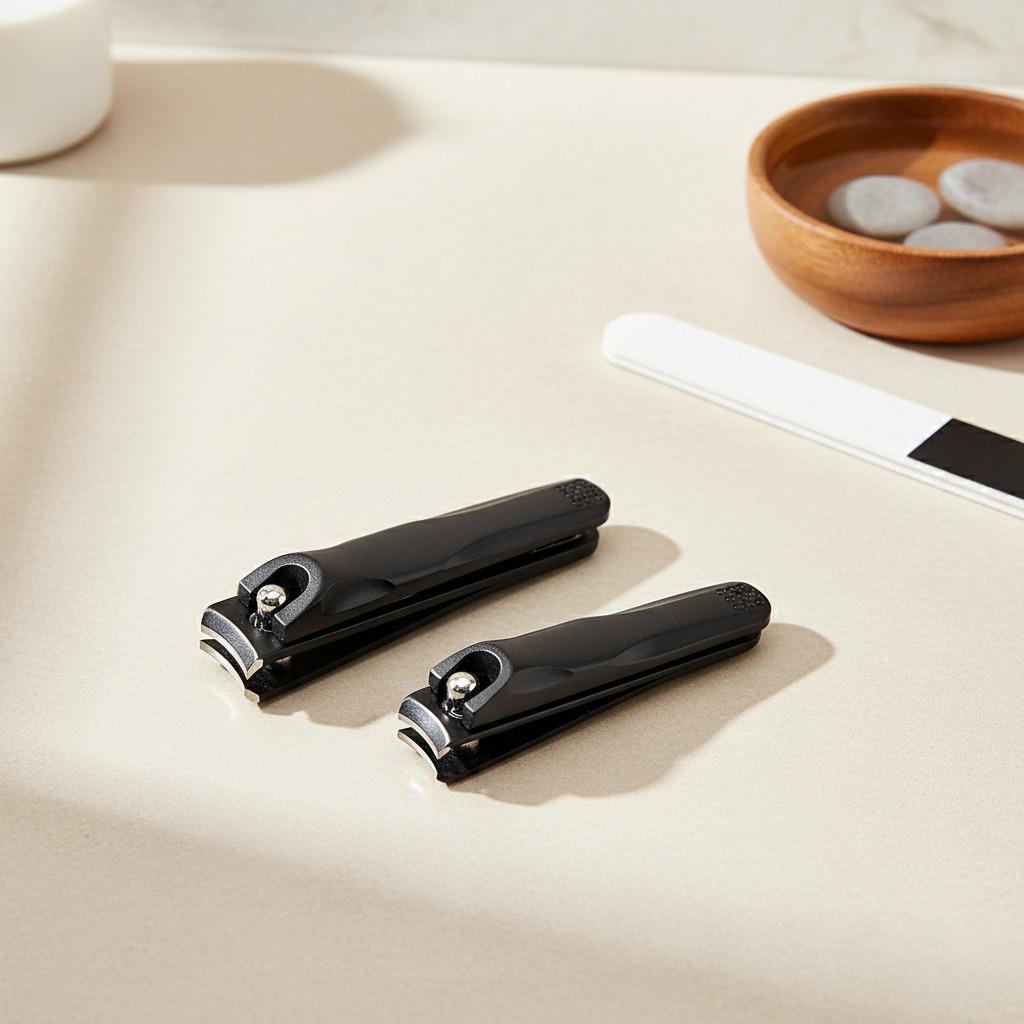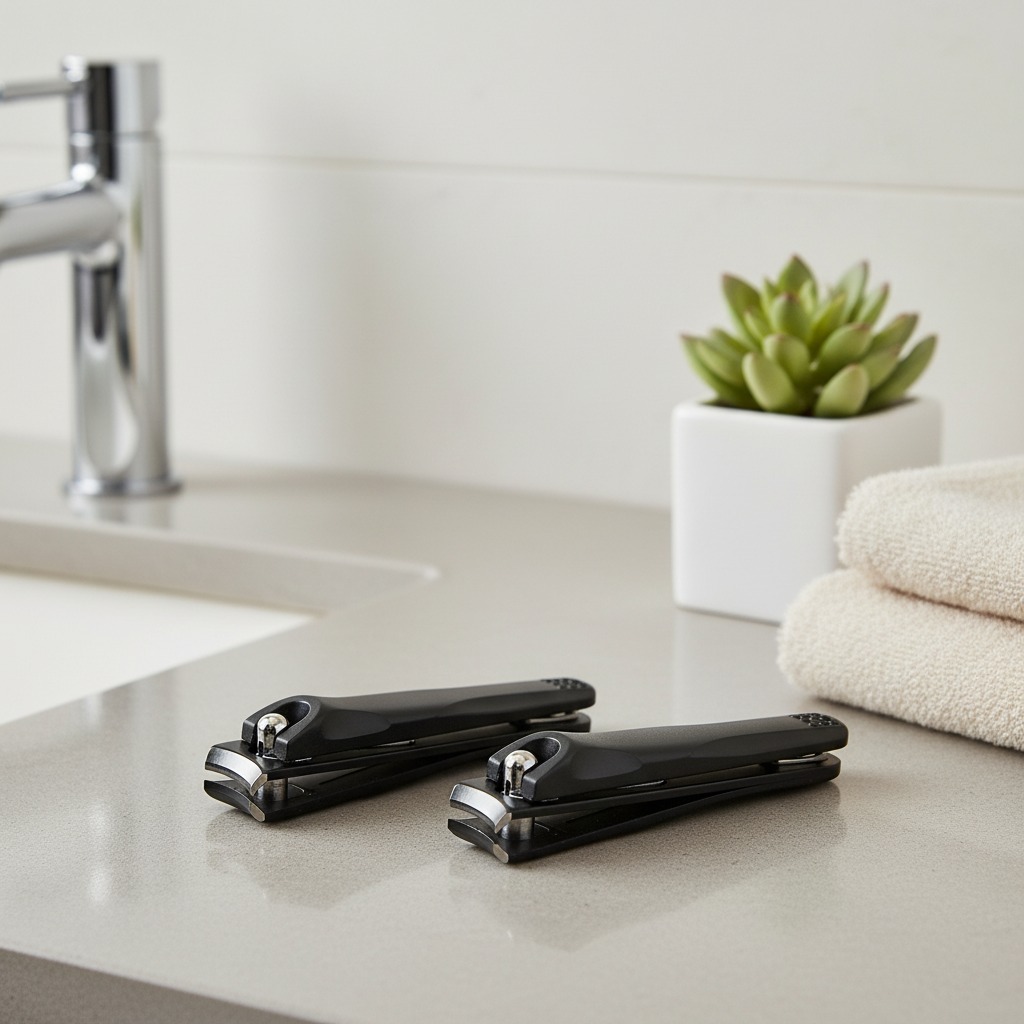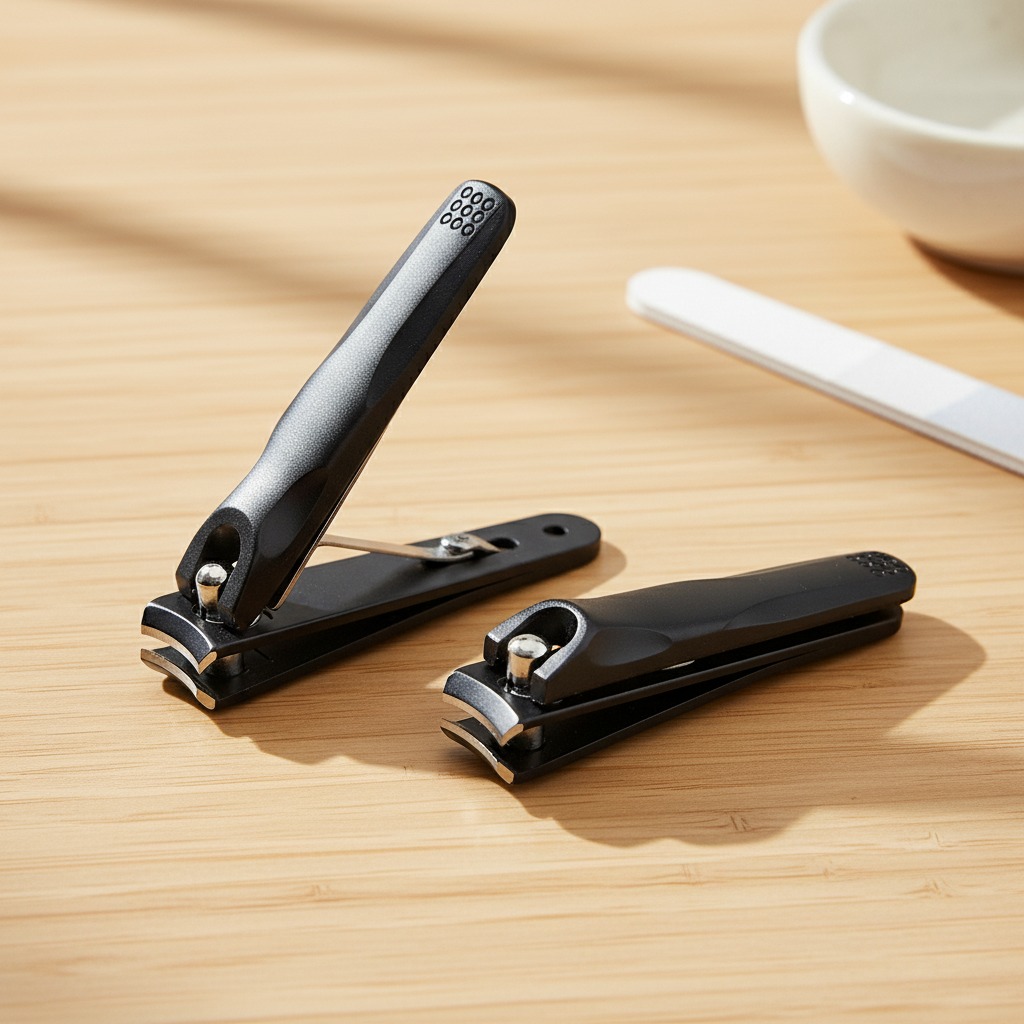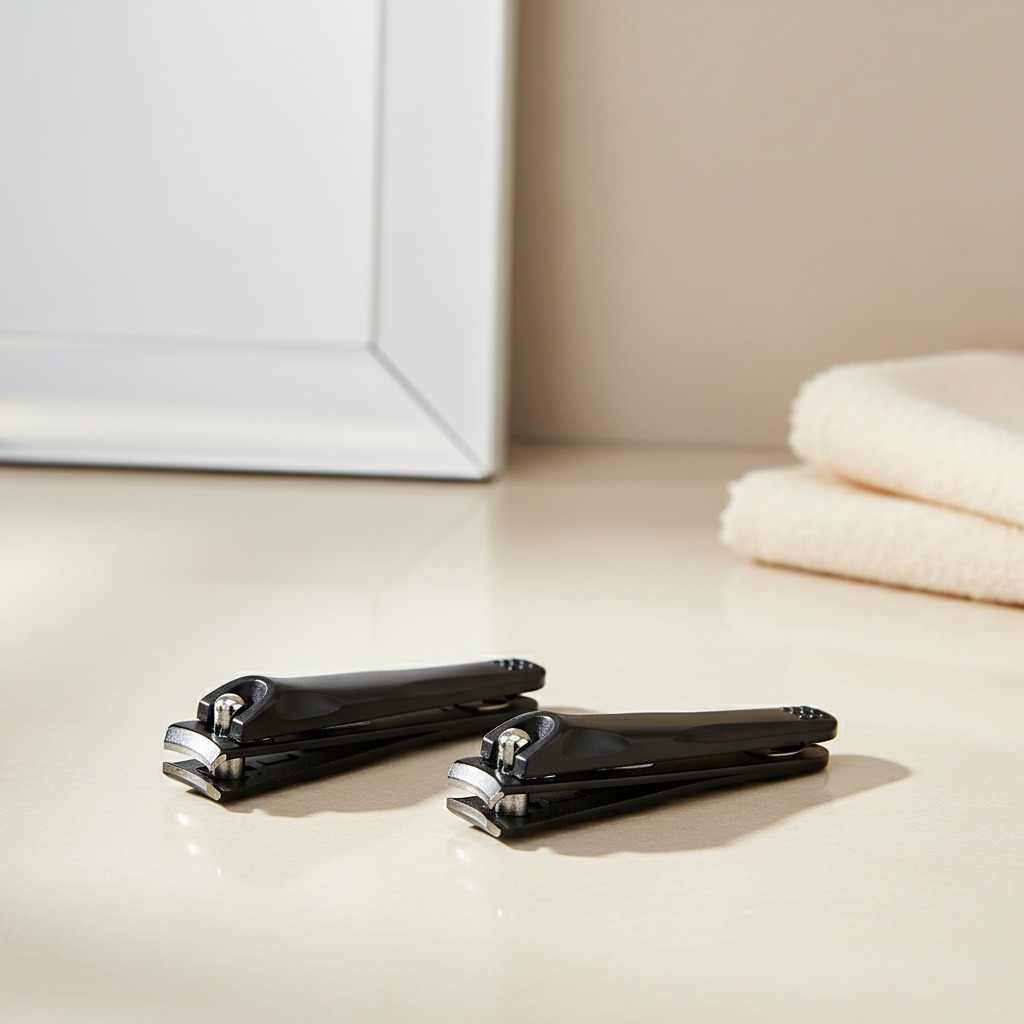











A nail clipper looks simple, but buyers know that a poor clipper can quickly damage a brand’s reputation. If the cutting edge feels dull, the lever bends, the finish scratches too easily, or the packaging looks inconsistent across batches, customers notice. For beauty brands, grooming retailers, salons, promotional distributors, and private-label sellers, choosing the right nail clipper OEM partner is not only about finding a low unit price. It is about controlling the details that make a basic grooming tool feel reliable in daily use.
Working with a nail clipper China manufacturer such as Olimor Beauty can help brands organize product development, sourcing, customization, and bulk purchasing in one process. Stainless steel craftsmanship, ergonomic handling, repeatable inspection, and practical order planning all matter when the product will be sold under your brand name. This guide explains what an OEM partnership can offer and how to evaluate the decisions that affect quality, cost, and customer satisfaction.
Why OEM Manufacturing Matters for Nail Clippers
OEM manufacturing gives a brand more control than simply buying ready-made generic stock. Instead of treating the clipper as a commodity, an OEM process lets you define the product position: daily household clipper, salon retail add-on, travel grooming item, men’s grooming accessory, manicure kit component, or promotional beauty tool. Each use case may require a different balance of blade sharpness, handle comfort, size, finish, packaging, and price point.
For example, a clipper sold in a premium grooming set may need a cleaner finish and stronger packaging presentation than a clipper supplied for high-volume retail bins. A salon-focused product may prioritize consistent cutting feel and easy handling. A travel kit may require compact dimensions and protective packaging. OEM planning helps connect these decisions before production, reducing the chance of mismatched expectations.
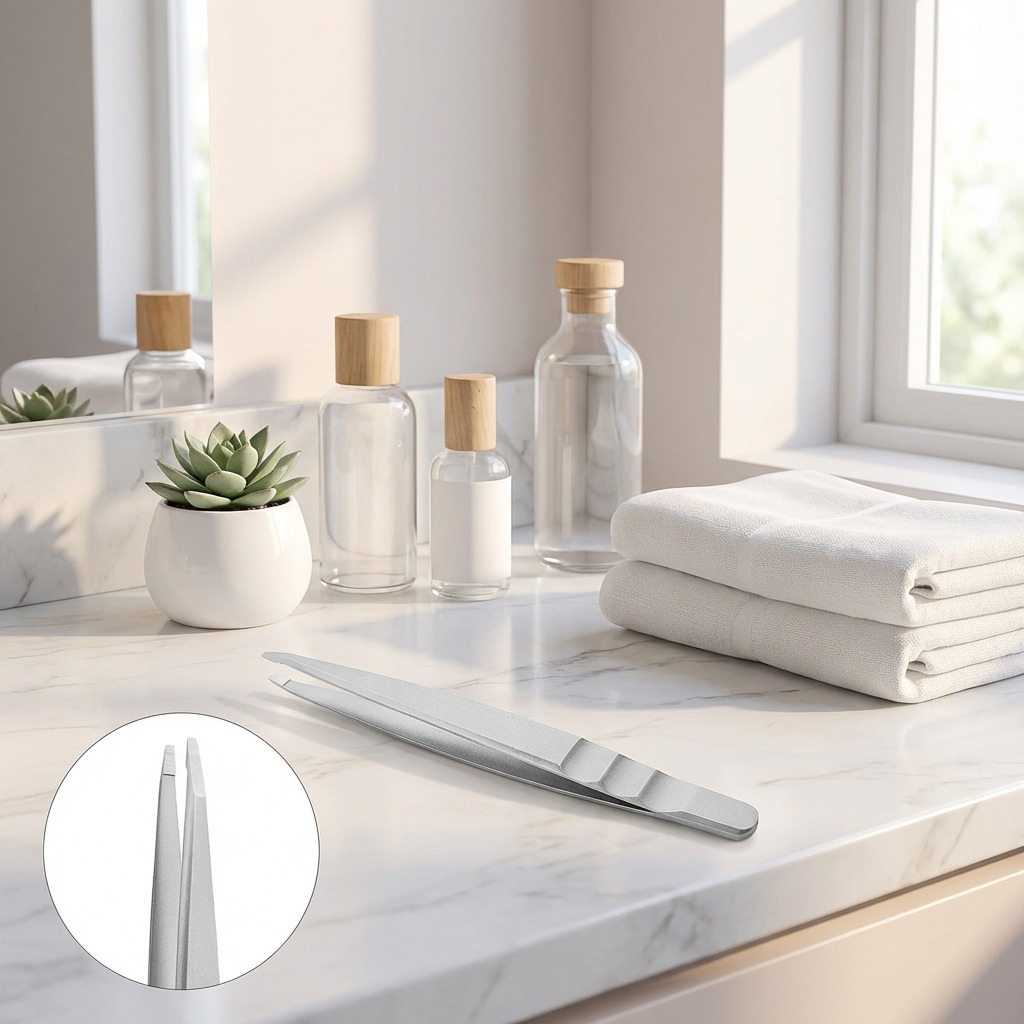
Brands reviewing beauty tool products can use OEM sourcing to build a more coherent assortment. Nail clippers can sit alongside tweezers, manicure tools, cosmetic accessories, and grooming kits, but the details should feel consistent across the line. Even small differences in surface finish, logo placement, or package structure can affect how customers perceive the collection.
Key Product Decisions Before Placing a Wholesale Nail Clipper Order
Before requesting a quote or confirming a bulk purchase, it helps to define the product clearly. Many sourcing problems begin when the buyer asks only for “a nail clipper” without specifying the intended market, user, or packaging format. A more precise brief allows the manufacturer to recommend suitable options and helps both sides compare cost fairly.
- Target user: Decide whether the clipper is for general household use, personal care retail, salon resale, men’s grooming, travel kits, or gift sets.
- Material expectation: Stainless steel is commonly preferred for durability and corrosion resistance, but the required finish, thickness, and construction should be discussed according to the product level.
- Cutting experience: Consider blade alignment, lever pressure, edge sharpness, and whether the clipper should suit fingernails, toenails, or a mixed grooming set.
- Handling: Check comfort, grip, lever length, and whether a non-slip or shaped handle is appropriate for the audience.
- Branding method: Logo placement, print method, engraving options, and packaging artwork should be chosen to match the selling channel.
- Packaging: Bulk packing, retail card, box, pouch, or kit packaging affects cost, shipping efficiency, and shelf presentation.
- Inspection priorities: Define what must be checked before shipment, such as appearance, cutting function, logo accuracy, and packaging consistency.
These decisions make wholesale nail clipper sourcing more measurable. Instead of comparing suppliers on price alone, you can compare whether each proposal matches the same product brief.
Five Practical Benefits of Choosing a Nail Clipper OEM Partner
The main advantage of OEM sourcing is structure. A capable partner helps translate a brand idea into a product that can be produced repeatedly. The benefits are especially important for brands that plan to reorder, build a grooming line, or sell through channels where consistency matters.
1. More control over product positioning
A private-label clipper should support the promise of your brand. If your line focuses on affordable everyday grooming, the product should be dependable and cost-aware. If your brand sells curated beauty accessories, the finish and packaging may need more attention. OEM development lets you adjust these features instead of accepting a one-size-fits-all item.
2. Better alignment between cost and quality
Cost control is important, but the cheapest option can become expensive if returns, complaints, or inconsistent batches occur. A wholesale nail clipper program should balance material, finish, packaging, inspection, and order quantity. By reviewing these factors together, buyers can identify where spending improves the customer experience and where unnecessary features can be simplified.
3. Bulk purchasing with more predictable repeat orders
Retailers and distributors often need stable supply more than a one-time deal. When you buy nail clippers in bulk through an OEM process, the product specification can be documented for future production. This helps maintain consistency in reorders, especially when the clipper is part of a larger product line or kit.
4. Customization that supports brand recognition
Customization does not need to be excessive. A well-placed logo, consistent package design, and a finish that matches your other grooming tools may be enough. For some markets, a clean and simple appearance performs better than an overly decorated tool. OEM planning helps determine which branding choices are practical for the item and selling price.
5. A clearer process for startups and emerging brands
New brands often want to test demand before committing to a large assortment. Low MOQ nail clipper options may help emerging businesses evaluate packaging, pricing, and customer response with less risk. The key is to keep the first version focused: choose a reliable core product, define the branding clearly, and collect feedback before expanding into more variants.
How to Evaluate a Nail Clipper Bulk Supplier
A nail clipper bulk supplier should be evaluated on more than catalog photos. Product appearance matters, but the real test is whether the supplier can support consistent manufacturing and communication. Buyers should look for a process that makes sampling, confirmation, production, and inspection understandable.
| Evaluation Area | What to Check | Why It Matters |
|---|---|---|
| Sample quality | Cutting feel, blade alignment, lever strength, finish, and comfort | Confirms whether the item fits the intended user experience |
| Customization clarity | Logo location, artwork requirements, packaging layout, and approved sample records | Reduces errors when moving from sample to bulk order |
| Material and construction | Stainless steel workmanship, surface finish, and component fit | Affects durability, appearance, and customer perception |
| Quality checks | Appearance review, functional testing, packaging checks, and batch consistency | Helps prevent avoidable complaints after delivery |
| Order planning | Bulk quantity, reorder expectations, packaging method, and shipping readiness | Supports inventory planning and launch timing |
This type of comparison keeps sourcing conversations practical. It also helps internal teams, such as purchasing, marketing, and product management, agree on what the final product should achieve.
Quality Details Customers Notice in Daily Use
Customers may not describe a nail clipper in technical terms, but they immediately notice the feel. A good clipper should cut cleanly without requiring excessive pressure. The lever should move smoothly. The edges should meet properly. The handle should feel stable rather than flimsy. The finish should look clean when the product is removed from the package.
For branded grooming products, packaging quality is also part of the experience. A clipper that performs well can still feel low-value if the printed card, box, or logo is poorly aligned. This is why OEM sourcing should include both tool inspection and presentation review. If the item is sold in a kit, the clipper should match the style of the other tools so the set feels intentional.
Maintenance guidance can also reduce dissatisfaction. Retail packaging or online product pages can remind users to keep the clipper dry after use, wipe it clean, and store it away from moisture. These simple instructions help preserve the tool and reduce misuse-related complaints.
When Bulk Buying Makes Sense for Your Brand
Buying nail clippers in bulk is most effective when demand, packaging, and product identity are clear. Bulk ordering can support better planning for retail launches, seasonal promotions, subscription boxes, salon distribution, or private-label grooming kits. However, it should be based on a confirmed sample and a realistic sales plan.
For a first order, many buyers benefit from limiting the number of variations. Too many sizes, finishes, or package types can complicate inspection and inventory management. A focused launch with one strong product is often easier to evaluate. After customer feedback is collected, additional versions can be considered, such as a toenail clipper, travel format, or kit combination, depending on actual market response.
If you are comparing product directions, Olimor’s product collections can help you think about how nail clippers fit into a broader beauty and grooming assortment. A clipper may be a small item, but it can increase the usefulness of a manicure set, travel kit, or everyday personal care range.
Preparing a Strong OEM Inquiry
A clear inquiry saves time and leads to a more accurate recommendation. Instead of sending only a target price, include the intended market, quantity range, packaging preference, branding needs, and any sample expectations. If you already have a reference product, describe what you like and what you want to improve without assuming that every detail must be copied.
- Define the sales channel, such as retail, salon, e-commerce, kit assembly, or promotional distribution.
- Explain the desired product level: basic, mid-range, giftable, travel-friendly, or salon-oriented.
- List branding needs, including logo placement and packaging artwork status.
- Confirm whether you need individual retail packaging or bulk packing for later assembly.
- Request sample review steps before confirming mass production.
- Identify the inspection points that matter most to your brand.
Brands ready to discuss a project can send an inquiry with these details, or contact Olimor for guidance on the most suitable sourcing path.
Building a Nail Clipper Line with Long-Term Value
A successful nail clipper OEM project is not only about producing a tool. It is about creating a dependable product that supports your brand promise each time a customer uses it. Stainless steel craftsmanship, thoughtful ergonomics, consistent finishing, suitable packaging, and practical quality checks all contribute to that result.
For established brands, OEM sourcing can help standardize repeat orders and align the clipper with a wider grooming range. For startups, it can provide a manageable way to test a private-label product without losing focus on quality. In both cases, the strongest results come from clear product decisions, realistic order planning, and a supplier relationship built around repeatable execution.
By treating the nail clipper as a carefully specified grooming tool rather than a generic accessory, your brand can offer customers a product that feels dependable, looks appropriate for the channel, and fits naturally into a broader beauty or personal care collection.