










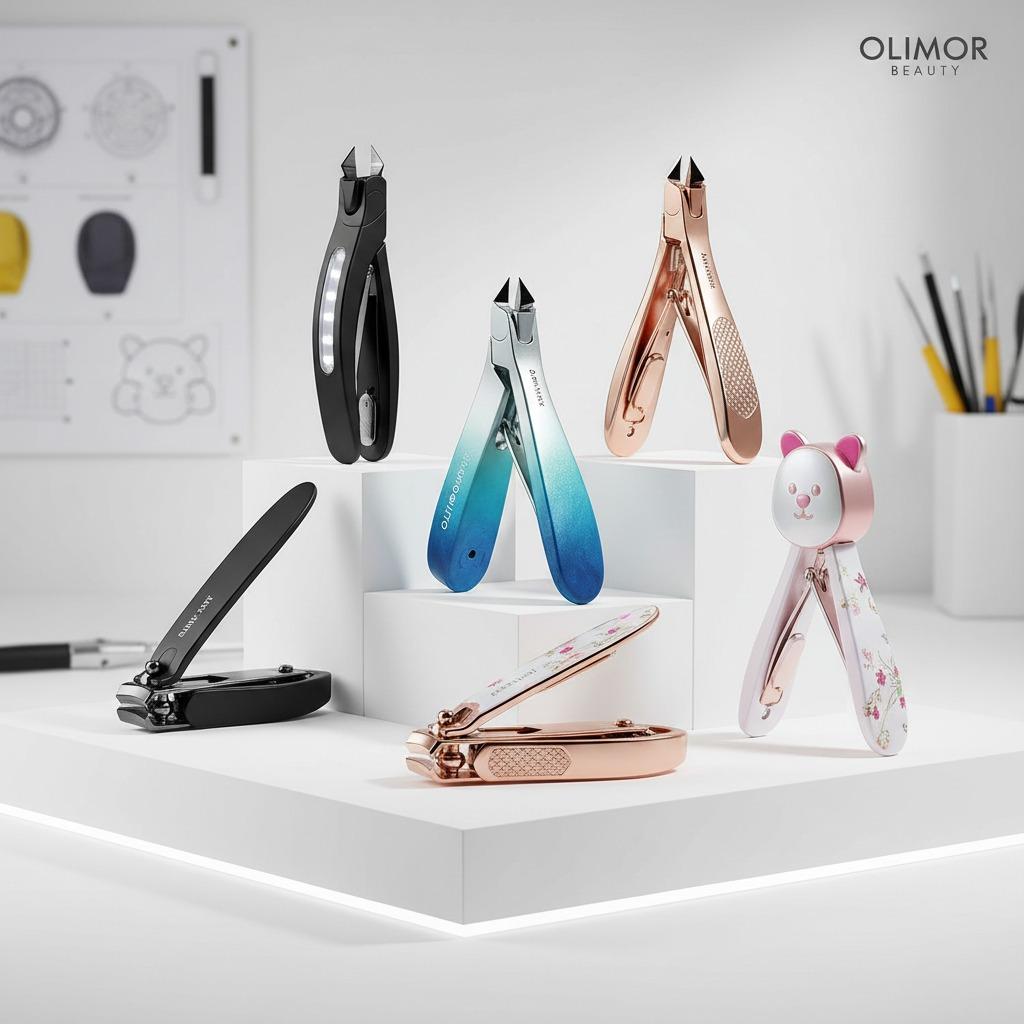
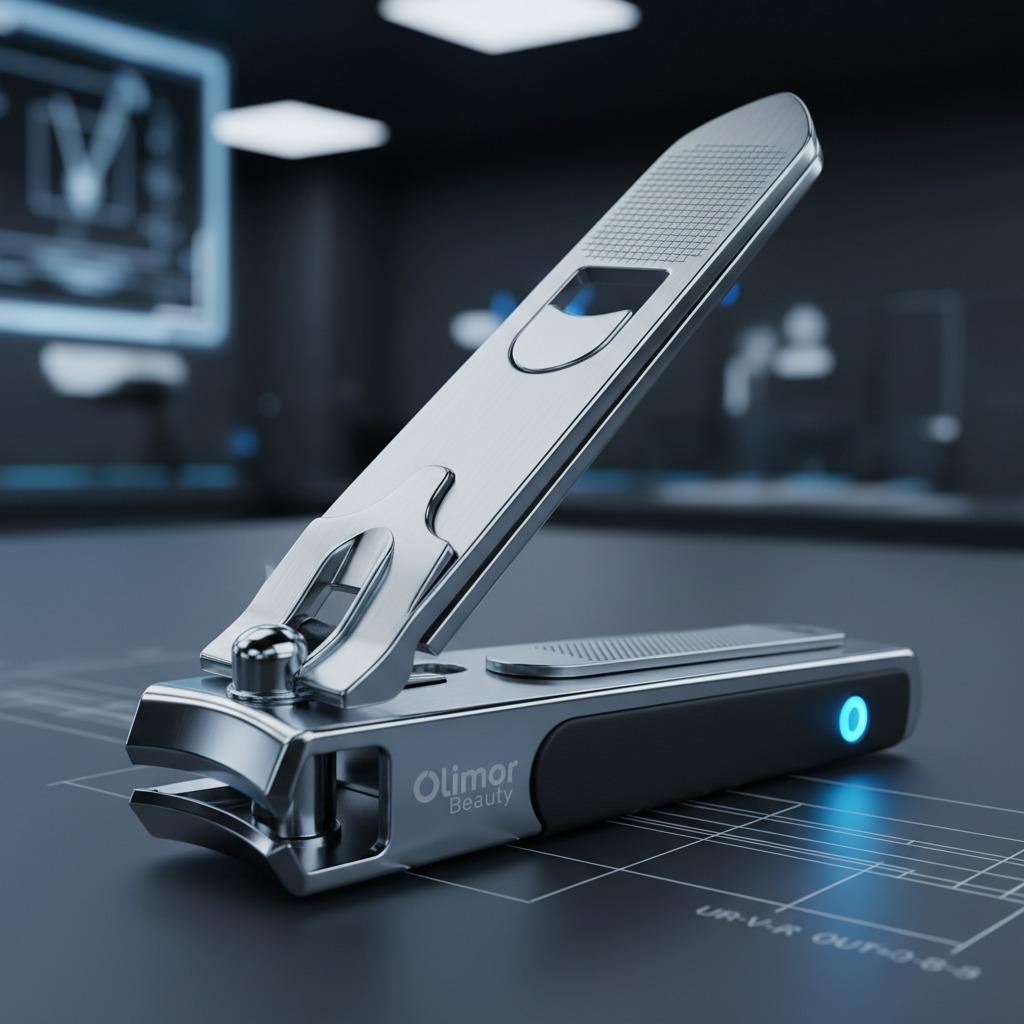
For a beauty, grooming or personal care brand, a nail clipper may look simple from the outside. In practice, it is a compact mechanical tool where small differences in blade alignment, lever tension, surface finishing and packaging can affect the entire user experience. Nail clipper OEM sourcing is therefore not only about adding a logo to an existing item. It is about selecting a product structure, confirming manufacturability, checking cutting performance and building a repeatable production workflow that supports your market positioning.
Olimor Beauty works in the beauty tools category and presents nail clipper OEM solutions for brands that need practical product development support. This guide explains the main decisions a buyer should review before moving forward: mold development, materials and construction, production workflow, quality checkpoints, customization options and communication points. If you are comparing nail clippers with other beauty tool products, the same sourcing principle applies: the better your specifications are at the beginning, the fewer problems appear during sampling and bulk production.
What Nail Clipper OEM Really Includes
Nail clipper OEM can cover several levels of development. Some brands choose an existing clipper shape and customize the surface color, logo and retail packaging. Others need adjustments to the body profile, grip surface, lever design or accessory set. A more involved project may require new mold development when the desired shape, ergonomic feel or brand identity cannot be achieved with available tooling.
Before requesting samples, define whether your project is closer to a standard private-label order or a customized OEM project. This distinction affects timeline, cost structure, sampling steps and technical risk. A standard option can be useful for a quick launch, while a customized clipper may better support a differentiated retail range, gift set or professional grooming line.
- Basic customization: logo placement, color direction, card or box packaging and barcode label requirements.
- Functional customization: changes to size, lever feel, file attachment, catcher design or grip texture where available.
- Tooling-based customization: new mold or mold modification for a specific body shape, handle profile or visual identity.
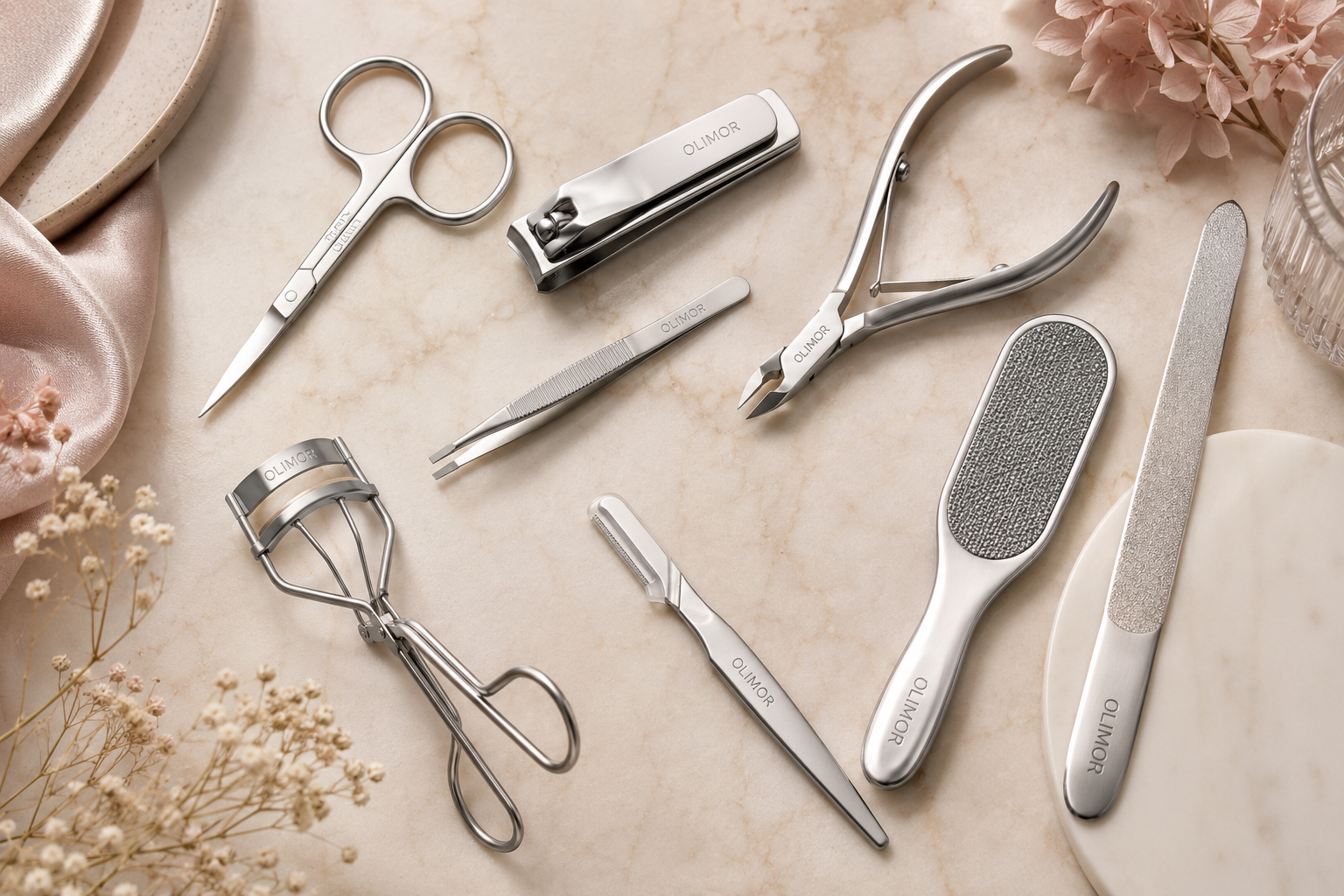
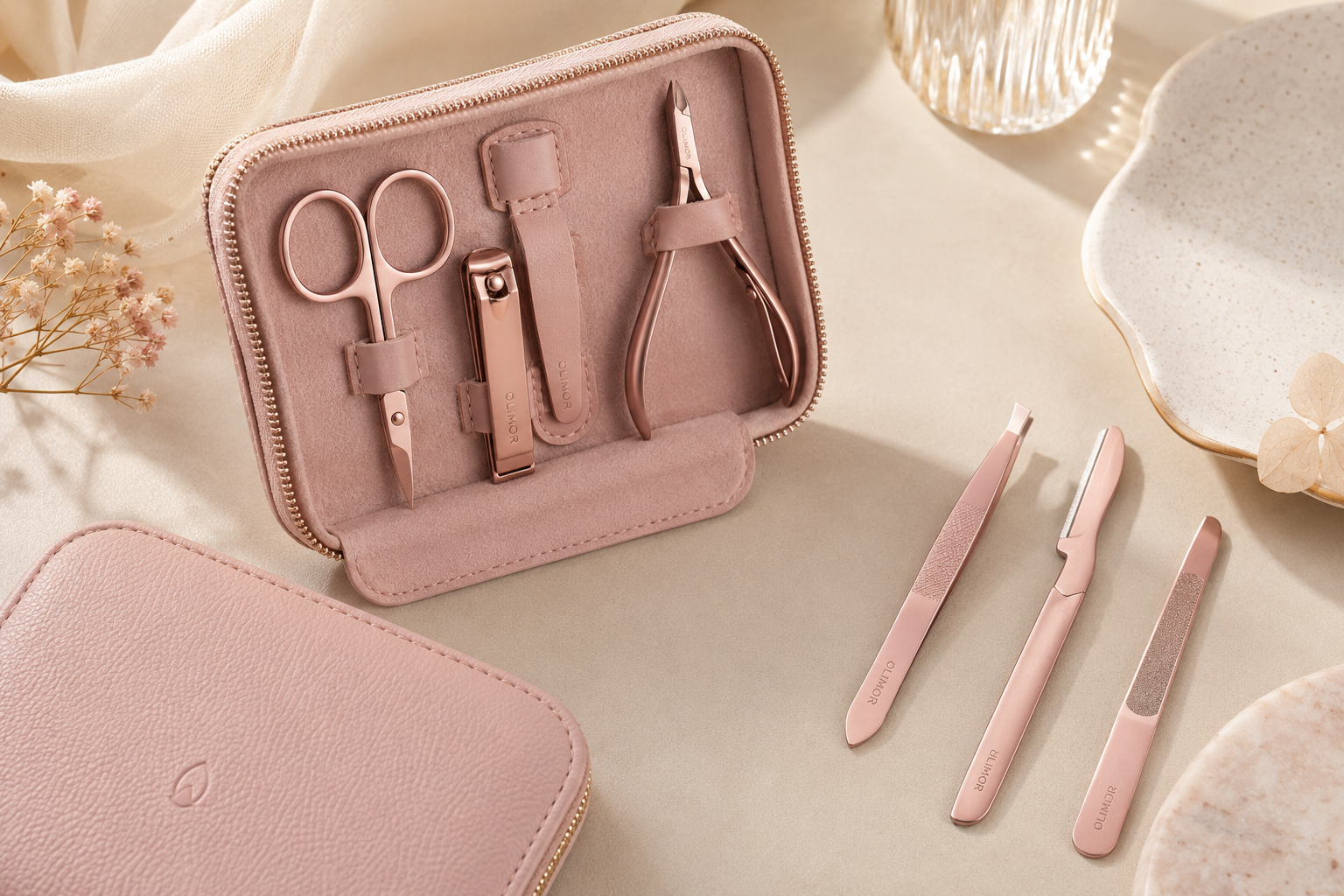
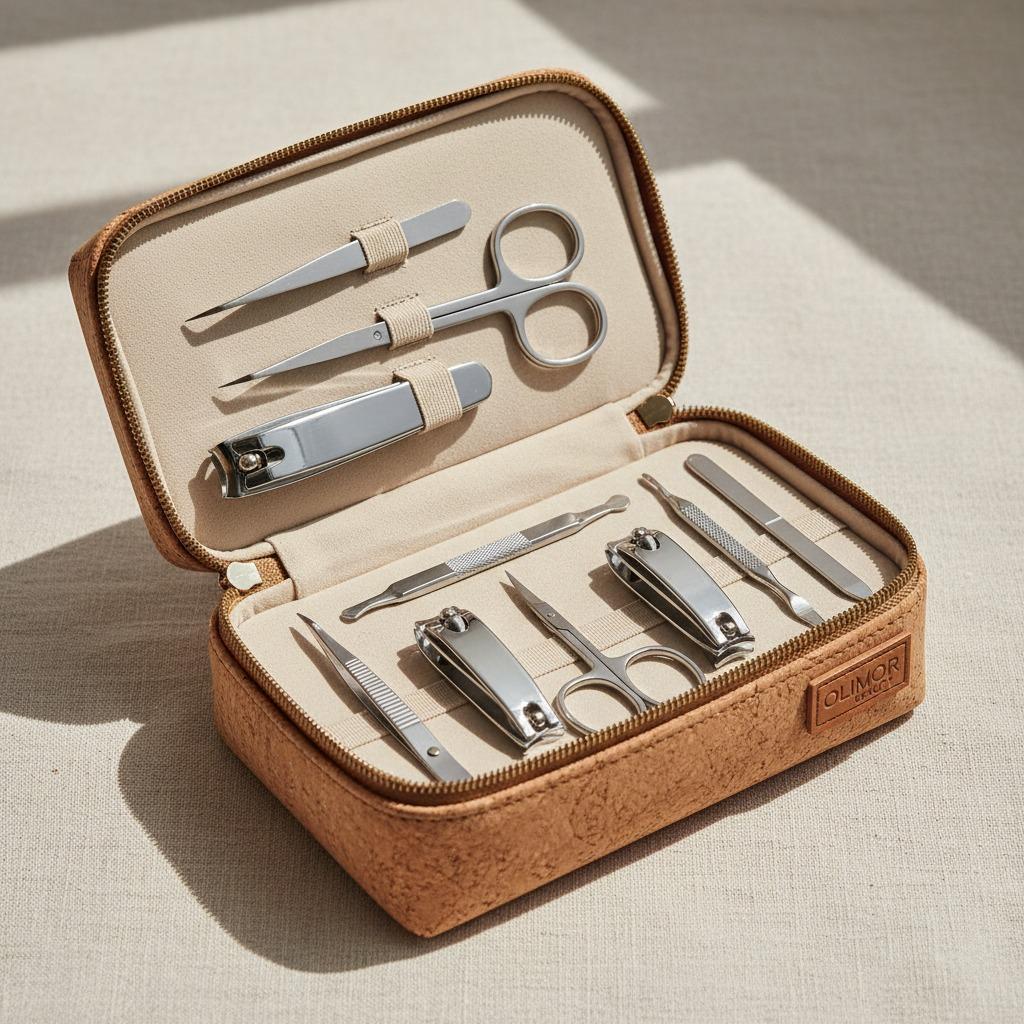
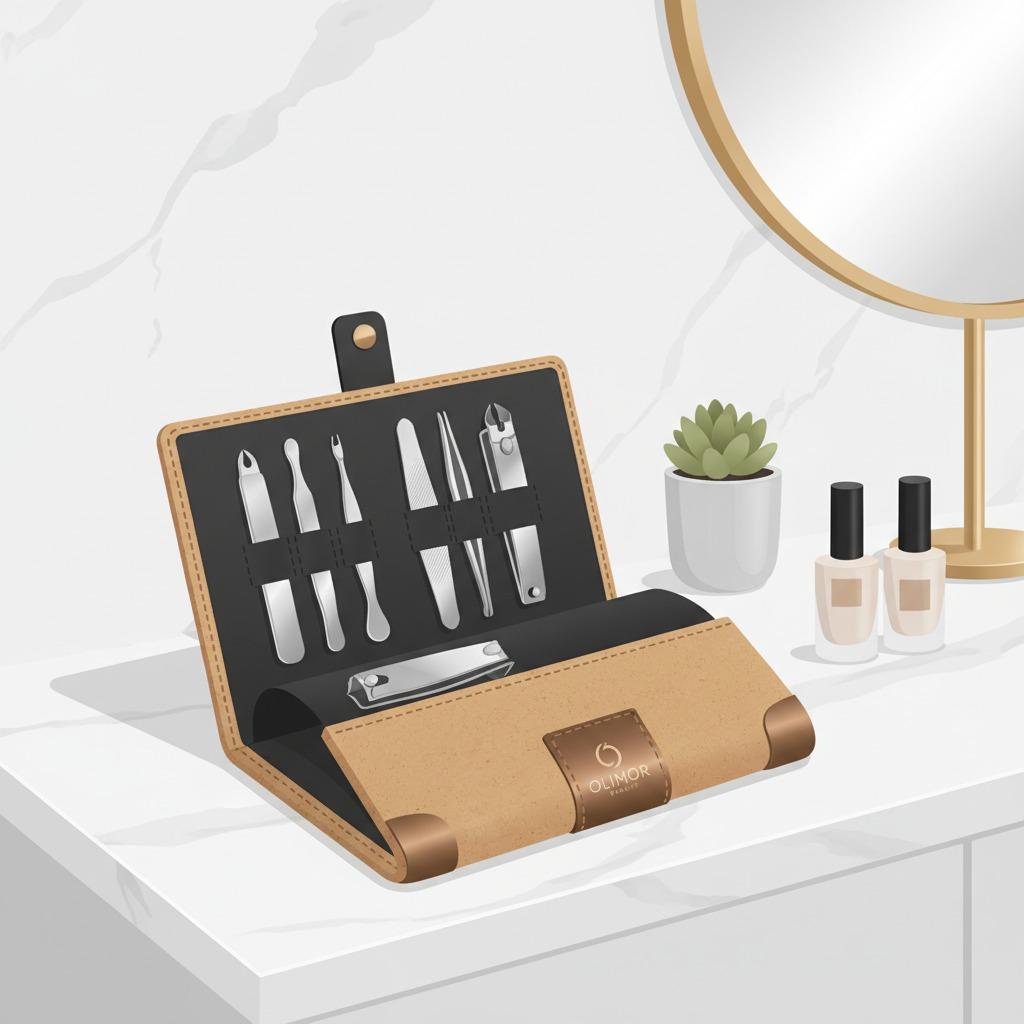
- Assortment planning: matching nail clippers with related items such as scissors, tweezers, files or grooming kits from product collections.
Mold Development: Where Product Performance Starts
Mold development is one of the most important stages for a customized nail clipper. A mold is not simply a shape-making tool; it influences repeatability, edge positioning, assembly consistency and the finished appearance. If the mold design does not consider practical production tolerance, the clipper may look acceptable in a drawing but become difficult to assemble or inconsistent in cutting feel.
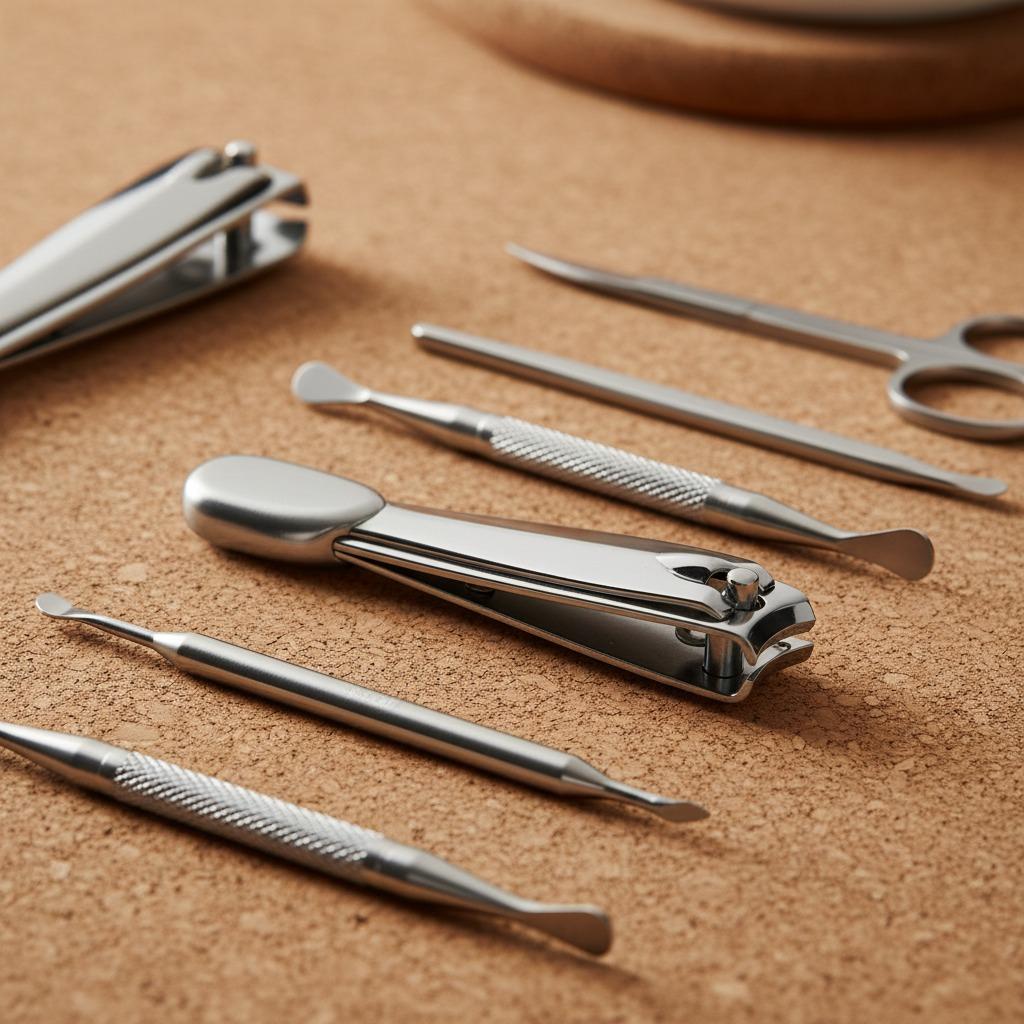
For nail clippers, the working geometry deserves special attention. The jaw opening, blade curve, cutting edge alignment and rivet or pin position all contribute to how cleanly the clipper cuts. The lever needs enough mechanical advantage to cut without forcing the user to press too hard, but it should not feel loose or unstable. If the clipper includes a catcher or file, these parts also need fit checks so they do not rattle, scratch the finish or interfere with normal use.
A useful mold review should include both appearance and function. Buyers should confirm whether the proposed design is intended for fingernails, toenails, travel kits, children’s grooming kits or a general retail line. The best size and curvature are not the same for every use. A compact clipper can suit portability, while a larger clipper may be preferred for thicker nails. The target use should guide the mold, rather than treating all clippers as interchangeable.
Technical Workflow from Concept to Bulk Production
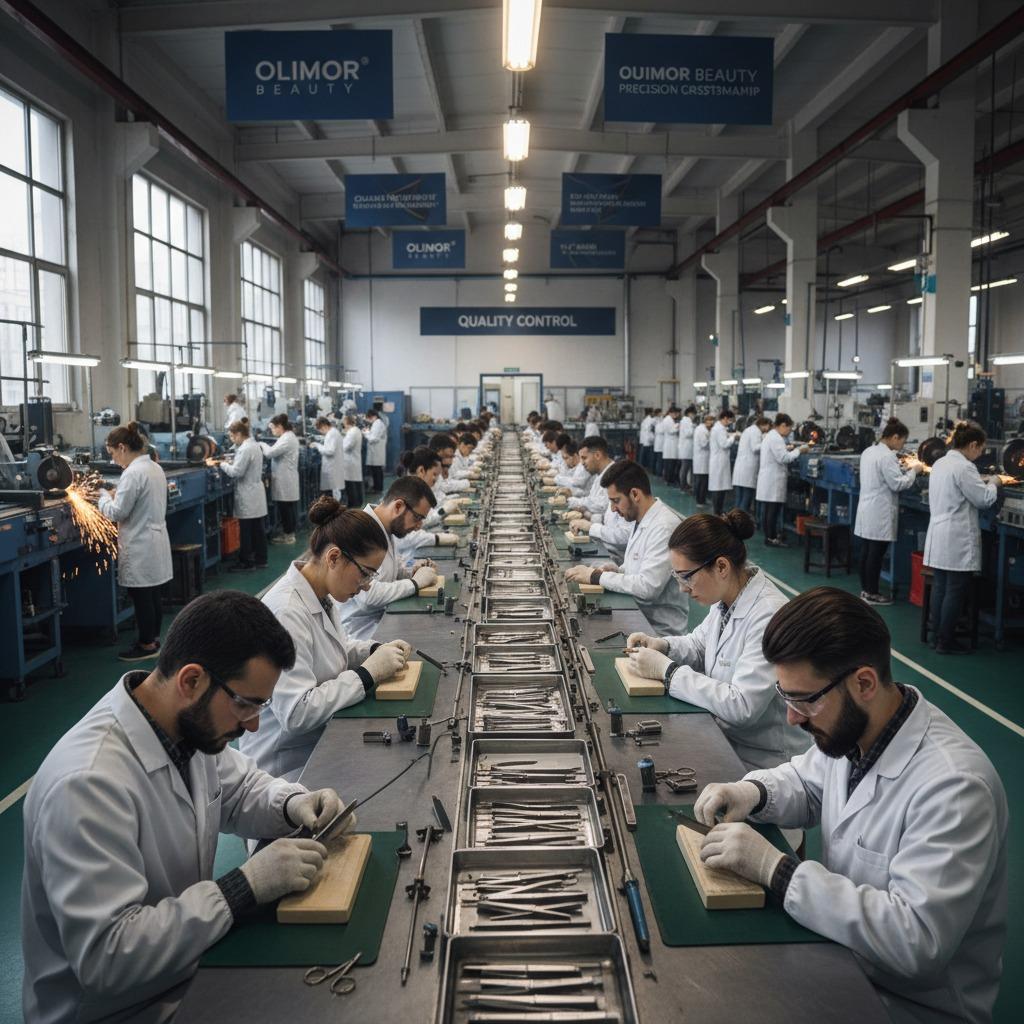
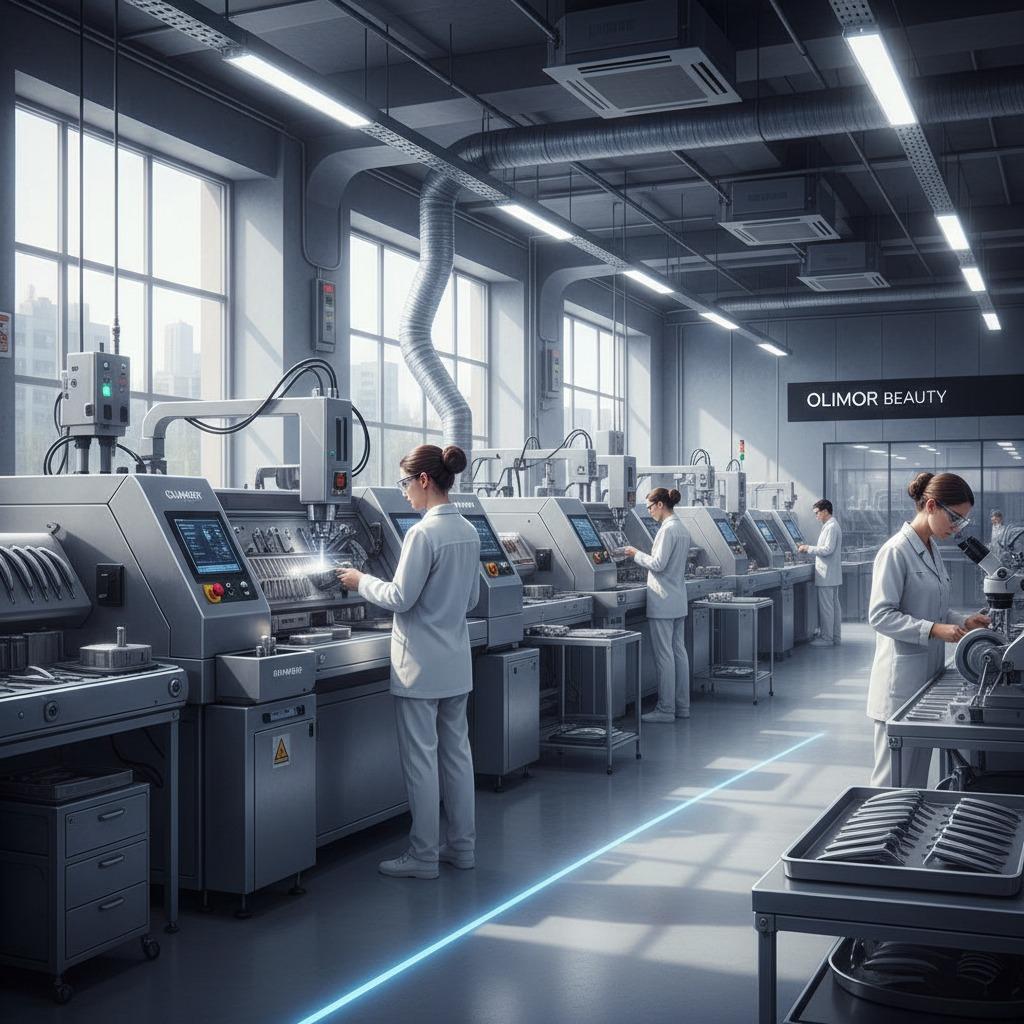
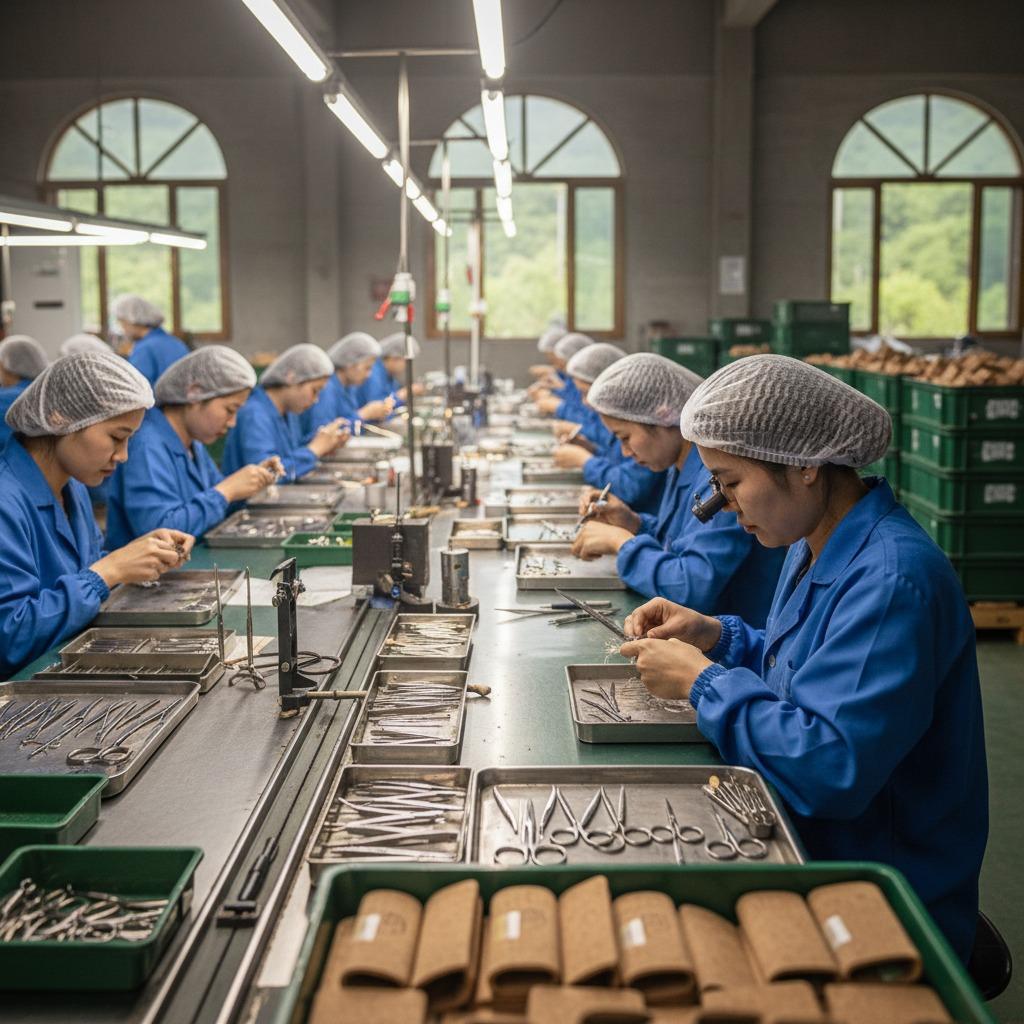
A clear technical workflow helps reduce confusion between design approval and finished goods. While each project can vary, nail clipper production usually moves through a structured sequence: requirement confirmation, sample evaluation, tooling or mold adjustment when needed, pre-production confirmation, bulk manufacturing, inspection and packing. Each stage should have a decision point rather than relying on informal approval.
- Requirement brief: define target market, clipper size, finish, logo method, packaging format and any special labeling needs.
- Reference review: compare existing sample quality, blade sharpness, hand feel and retail presentation.
- Design confirmation: check drawings, logo position, color direction and mold feasibility for customized parts.
- Prototype or sample testing: evaluate cutting feel, surface finish, assembly tightness, lever action and packaging fit.
- Pre-production approval: confirm the final sample, artwork and packing method before bulk production begins.
- Production inspection: monitor appearance, assembly, sharpness, logo consistency and packing accuracy.
- Final documentation: keep approved samples, artwork files and inspection criteria for future repeat orders.
This type of workflow is especially useful when several departments are involved, such as product development, purchasing, quality control and marketing. It also helps maintain consistency if the nail clipper will later be expanded into a broader grooming set.
Quality Checkpoints Buyers Should Not Skip
Quality for a nail clipper is easy to underestimate until customers begin using the product. A shiny finish or attractive retail card cannot compensate for poor cutting performance. Buyers should create a practical inspection checklist that combines visual checks and functional checks. The goal is not to overcomplicate the project, but to define what an acceptable nail clipper means for your brand.
| Checkpoint | What to Review | Why It Matters |
|---|---|---|
| Blade alignment | Upper and lower cutting edges meet evenly without visible offset. | Poor alignment can cause tearing, splitting or uneven cutting. |
| Lever action | Lever opens, rotates and presses smoothly without excessive looseness. | Users judge quality quickly by hand feel and control. |
| Surface finish | No obvious scratches, stains, rough edges or inconsistent coating. | Finish affects perceived value and retail acceptance. |
| Assembly stability | Rivet, pin and attached parts remain secure during normal handling. | Loose assembly can create safety and durability concerns. |
| Logo and packaging | Logo position, color, barcode, instructions and pack count match approval. | Incorrect branding can delay delivery or create marketplace issues. |
For sampling, it is wise to test more than one piece. A single good sample does not always prove production stability. Review several samples for consistency in cutting feel and appearance. For bulk orders, keep an approved sample as the benchmark so future inspections have a physical reference.
Customization Choices That Affect Cost and User Experience
Customization should support the user and the sales channel. A luxury retail product may require a refined finish and gift-ready packaging. A travel kit may prioritize compact size and protection inside a pouch. A family grooming set may need clear labeling, safe storage and coordinated tools. Each decision has an effect on production complexity, packing volume and final presentation.
Common customization areas include clipper size, finish, logo method, handle texture, packaging material and set configuration. A matte surface may communicate a different look from a bright polished finish. A printed logo can work for some retail programs, while an engraved or stamped effect may suit others depending on the available process. Packaging should also be designed around the clipper’s actual shape so it does not shift, scratch or look poorly fitted inside the pack.
When choosing customization, avoid adding features only for decoration. If a grip texture is included, it should make the clipper easier to hold. If a file is included, it should be placed where it is accessible and secure. If a catcher is added, it should be easy to clean. Functional details create more repeat purchase value than decorative complexity alone.
Sourcing Questions for a Better OEM Project
A strong sourcing brief helps Olimor Beauty or any manufacturing partner understand your commercial goal before technical work begins. Instead of asking only for the lowest quote, prepare information that supports a realistic recommendation. Useful details include your intended sales channel, target retail positioning, preferred packaging, estimated order plan, market compliance needs and whether the product is part of a larger beauty tool range.
Consider these questions before finalizing a nail clipper OEM project:
- Will the clipper be sold individually, in a manicure kit or as part of a promotional set?
- Is the main user looking for a compact travel tool, a daily household clipper or a heavier toenail clipper?
- Which surfaces need branding: the lever, body, packaging insert or outer carton?
- Are there retailer packaging rules, barcode requirements or language requirements?
- Do you need future repeat orders to match the first shipment exactly?
- Will the nail clipper be merchandised with other tools from the same visual range?
Clear answers make sampling faster and help prevent late changes. They also make it easier to decide whether an existing product structure is sufficient or whether new mold development is justified.
When to Contact Olimor Beauty
If your brand is planning a nail clipper launch or adding clippers to an existing grooming assortment, start by preparing product references, target packaging ideas and quality expectations. Olimor Beauty can review the direction and help clarify the next development steps without forcing premature decisions. For broader category planning, you can first browse beauty tool products or compare related product collections.
For a project discussion, use contact Olimor to introduce your brand and sourcing needs, or send an inquiry with your nail clipper specifications, artwork direction and expected application. A well-prepared inquiry helps align mold development, production workflow and packaging decisions from the beginning, which is the best foundation for a reliable OEM nail clipper program.