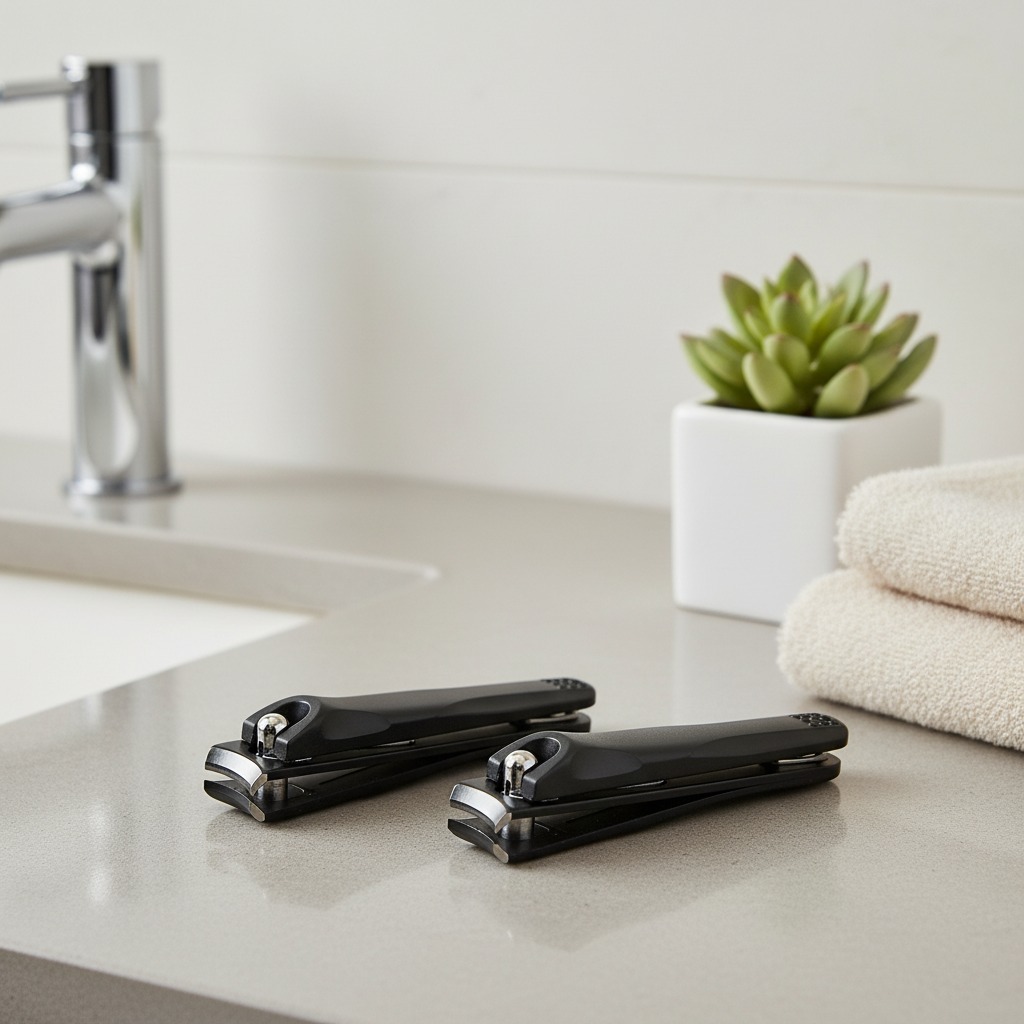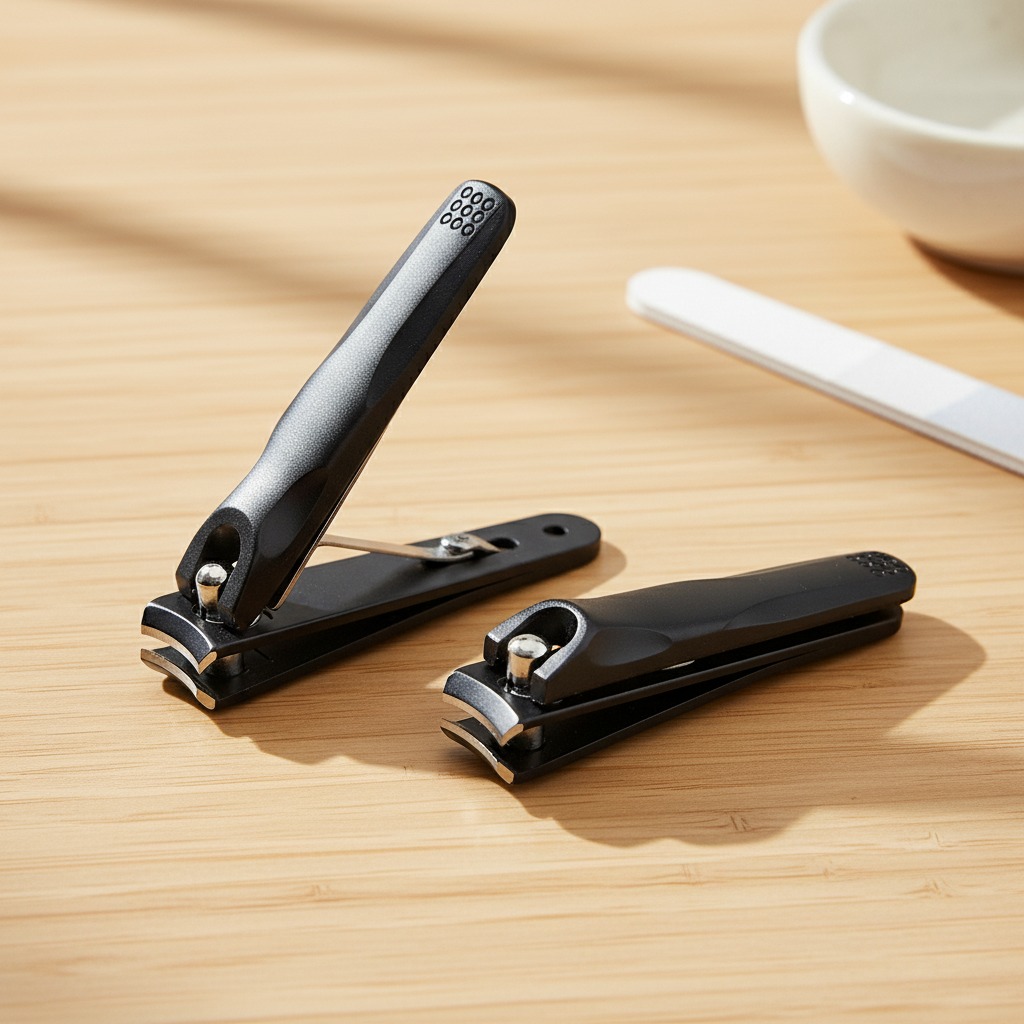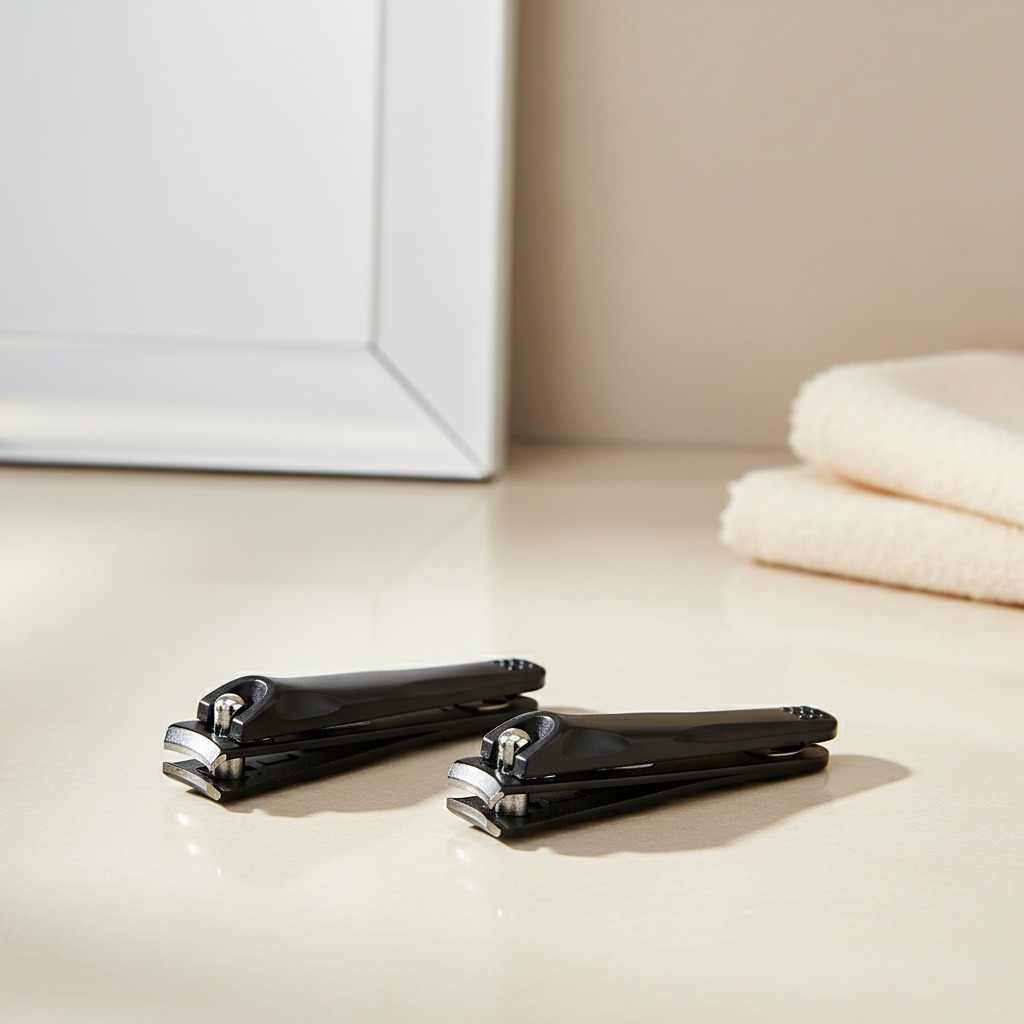











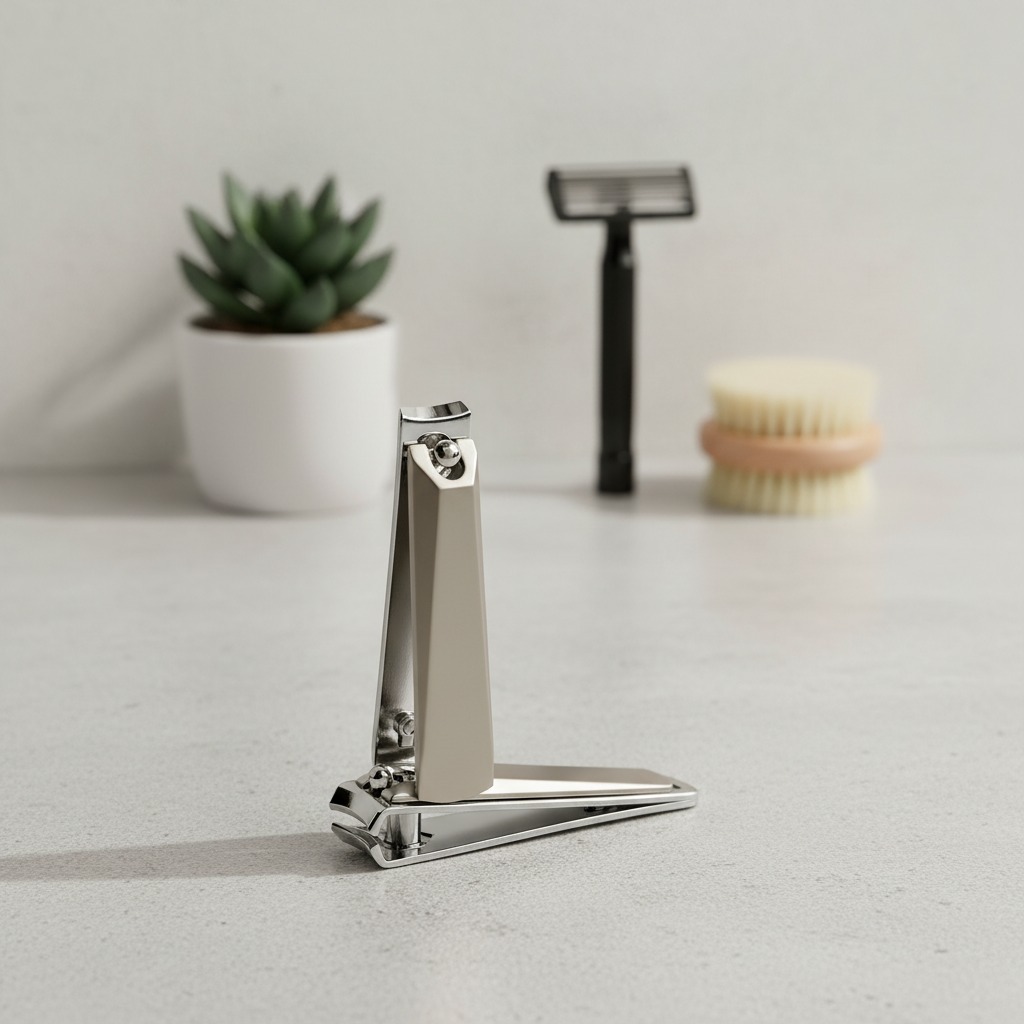
Nail clippers look simple, but buyers who source them for retail shelves, salon kits, travel sets or promotional grooming lines know that small design decisions can change the user experience. A clipper that feels stable in the hand, cuts cleanly and keeps its finish during daily use is more likely to earn repeat orders than one selected only by unit price. Nail clipper OEM services help brands define those details before production, from handle shape and cutting feel to packaging, branding and inspection requirements.
Olimor Beauty supports nail clipper OEM projects for businesses that need practical grooming tools with room for customization. Whether you are building a compact travel accessory, a family grooming set, a men’s care kit or a wholesale nail clipper program, the strongest projects begin with a clear product brief and measurable quality expectations. This guide explains how to approach OEM nail clipper sourcing, what to compare when reviewing samples and which questions matter before placing a bulk order.
What Nail Clipper OEM Services Usually Include
OEM, or original equipment manufacturing, means a supplier manufactures products according to the buyer’s requested design, branding and commercial requirements. For nail clippers, the OEM process may include existing shape selection, handle and lever adjustments, finish decisions, logo placement, packaging development and quality control planning. The goal is not only to put a logo on a generic tool; it is to create a grooming item that suits the intended audience and sales channel.
A buyer preparing an OEM project should think about how the clipper will be used. A clipper for travel may need a compact profile and protective packaging. A clipper for professional grooming kits may need a more substantial feel and reliable cutting action across repeated use. A value-focused retail pack may prioritize consistency, safe handling and clear presentation. These use cases influence blade geometry, lever design, size, finish, packaging and inspection standards.
Olimor Beauty’s experience in beauty and grooming tool production can help buyers turn a product concept into a workable manufacturing plan. You can also review broader beauty tool products to understand how nail clippers may fit alongside tweezers, scissors, manicure tools or personal care accessories in a larger assortment.
Key Design Choices That Affect User Experience
Many nail clippers share a familiar structure, but buyers still have meaningful choices. A clear specification reduces confusion during sampling and helps the manufacturer control consistency during bulk production. The most important design factors usually include size, grip comfort, lever action, cutting edge alignment and the appearance of the final finish.
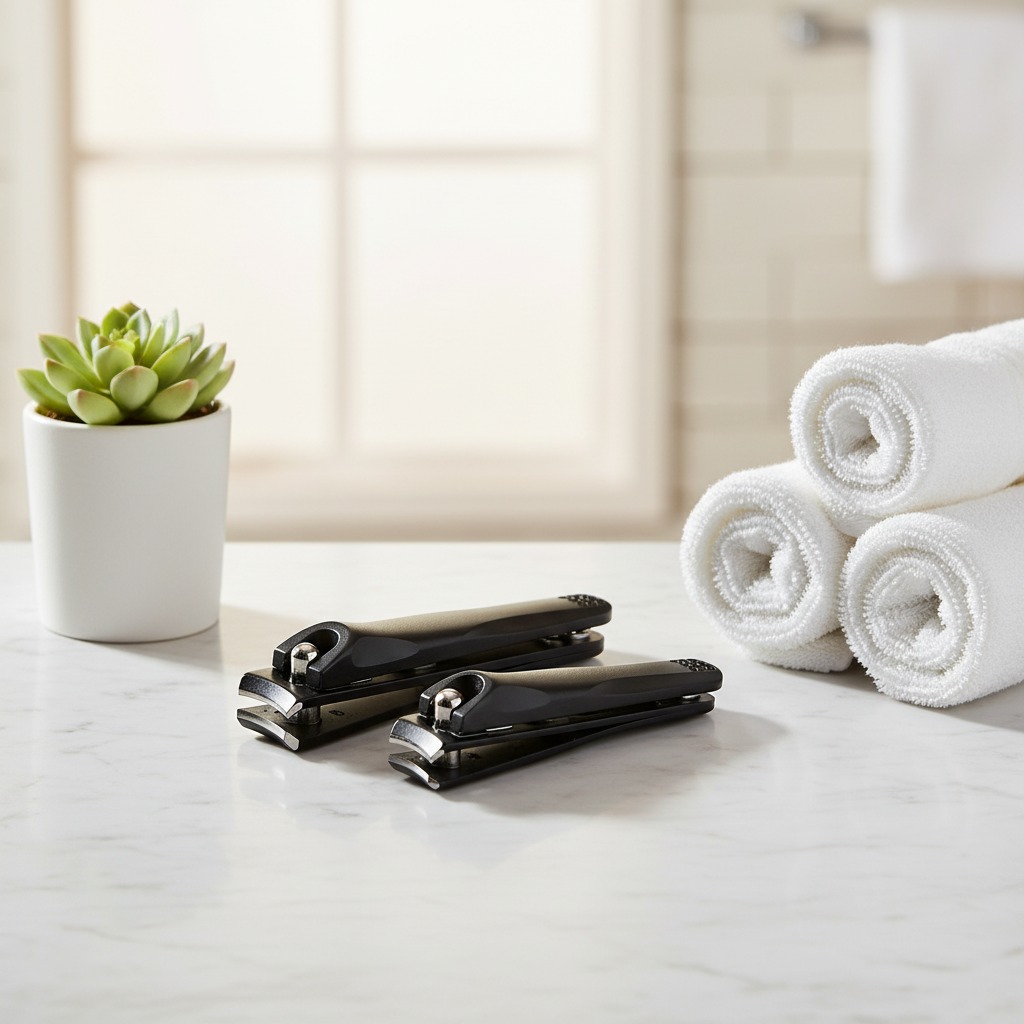
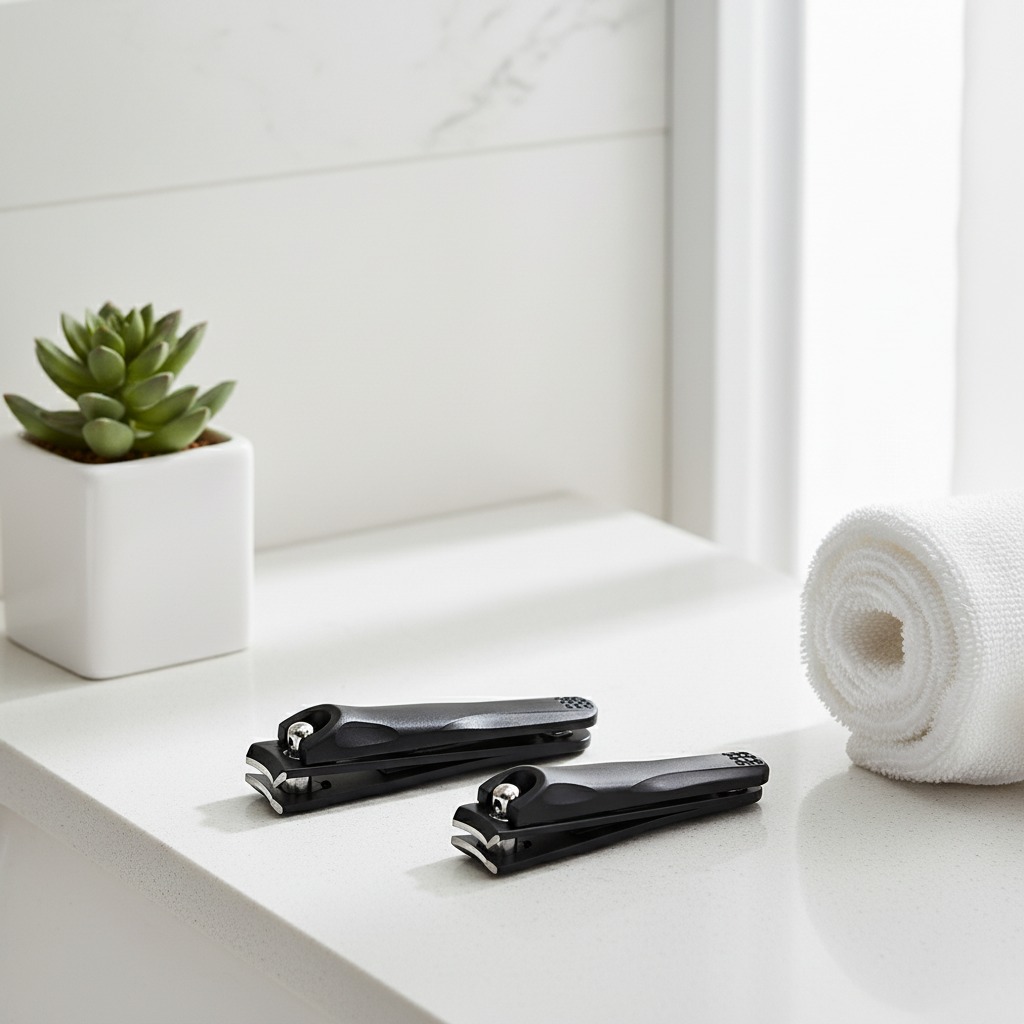
- Clipper size: Smaller clippers are convenient for travel and personal kits, while larger clippers may be easier to hold and better suited to toenail use. If you plan a set, define the role of each size.
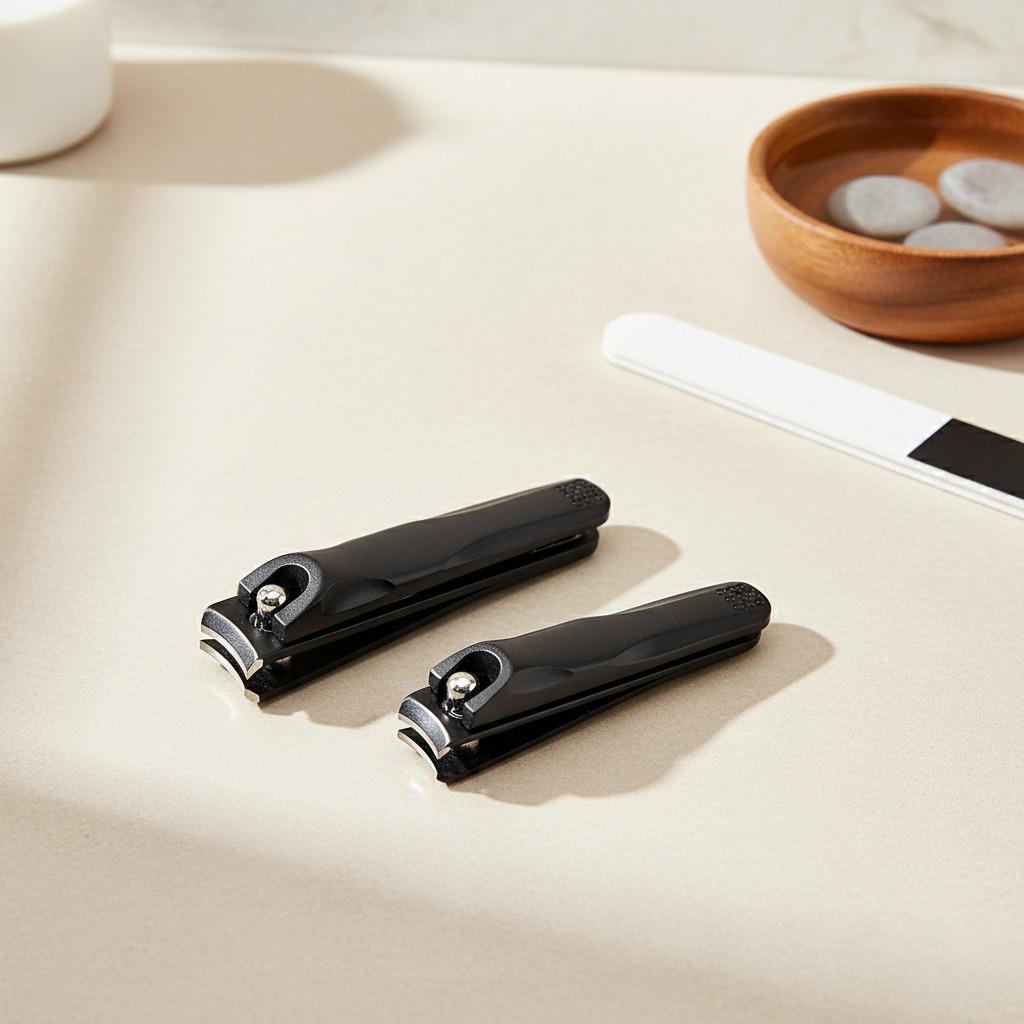
- Handle and lever feel: Ergonomic handles and smooth lever mechanisms can make clipping feel controlled rather than harsh. The lever should press evenly without wobbling or catching.
- Cutting edge alignment: Clean cutting depends on accurate edge alignment. During sample review, check whether the jaws meet evenly from side to side.
- Finish and appearance: A metallic finish can support a clean, professional look, but it should be assessed for uniformity, scratches and resistance to handling during packing.
- Branding method: Logo placement should be visible without interfering with the lever action or user grip. Packaging may carry more detailed branding than the clipper body itself.
Because nail clippers are handled close to the body, buyers should also consider smooth edges and safe touch points. Rough corners, sharp non-cutting areas and loose parts can quickly turn a low-cost item into a customer complaint. Sample evaluation should include ordinary use, not just visual inspection.
Why Source from a Nail Clipper China Manufacturer?
China remains a common sourcing base for nail clippers because manufacturers there often combine metalworking experience, supply chain access and scalable production processes. For buyers, the benefit is not simply lower cost; it is the ability to coordinate material sourcing, tooling, assembly, surface finishing, packaging and inspection in one production plan. Olimor Beauty works as a nail clipper China manufacturer for OEM and wholesale projects, helping businesses develop products for different market positions.
When comparing manufacturers, avoid relying only on catalog photos. A more reliable approach is to request samples, define inspection criteria and confirm which parts of the product can be customized. You should compare several areas before approving production:
- Sample consistency: Review more than one sample if possible. Check whether cutting feel, finish and assembly are consistent across pieces.
- Material and finish communication: Confirm the intended material, surface treatment and appearance standard in writing so the production team and buyer share the same expectation.
- Packaging protection: Nail clippers can scratch each other if packed poorly. Packaging should protect the finish and present the item clearly for its sales channel.
- Inspection process: Define checks for sharpness, alignment, lever movement, visible defects, logo placement and packing accuracy.
- Production communication: A good supplier should clarify trade-offs instead of simply agreeing to every request. Some shapes, finishes or packaging ideas may affect cost, timing or defect risk.
This practical evaluation is especially important if the nail clipper will be part of a larger grooming set. A clipper that differs in finish or quality from the rest of the kit can weaken the perceived value of the entire product line.
Wholesale Nail Clipper and Bulk Purchasing Considerations
Wholesale nail clipper purchasing is attractive for retailers, distributors, importers and brand owners because it can support consistent stock and better planning across sales seasons. Bulk purchasing may also simplify packaging standardization and branding control. However, ordering larger quantities makes the early specification stage more important. If the sample approval is vague, the same issue can repeat across the whole order.
Before buying nail clippers in bulk, define your commercial goal. Are you filling a low-cost checkout display, adding an accessory to a manicure kit, supplying salons or creating a branded grooming gift? Each channel has different priorities. Retail products may need barcode-ready packaging and strong shelf visibility. Salon and professional kits may place more importance on repeated handling and reliable performance. Travel products may need compact size, lightweight packaging and clean storage.
Olimor Beauty supports wholesale nail clipper and nail clipper OEM discussions for buyers with different quantity needs, including projects that require flexible order planning. Instead of focusing only on the lowest possible unit cost, compare the total value: product consistency, packaging reliability, communication, inspection clarity and the supplier’s ability to repeat the same standard in future orders. To discuss a sourcing plan, you can send an inquiry with your target use, packaging needs and expected order structure.
Customization Options That Should Be Decided Early
Customization works best when it is planned before sampling, not added after approval. Even a small change, such as logo position or packaging material, can affect production flow or final appearance. Buyers should create a simple product brief that separates fixed requirements from preferences. Fixed requirements might include product size, intended finish, packaging format and logo use. Preferences might include color direction, display style or accessory pairing.
Common OEM customization points include clipper size, handle contour, lever shape, finish appearance, logo placement, individual packaging, retail carding and set packaging. If the nail clipper will be sold with other tools, review the entire set together. Matching finish tone, packaging language and product proportions can make the assortment look more intentional.
It is also wise to define acceptable tolerances for visual details. For example, minor surface variation may be acceptable for some wholesale channels, while a premium retail program may require stricter cosmetic standards. The clearer these standards are before production, the easier it is to avoid disputes during final inspection.
Quality Checks for Nail Clipper OEM Production
A nail clipper quality plan should be specific enough to catch functional and cosmetic problems. General statements such as “good quality” are not useful during inspection. Buyers should list what inspectors need to check and what level of defect is unacceptable. Olimor Beauty emphasizes internal quality control for nail clipper production, including checks related to sharpness, assembly and finished appearance.
Useful inspection points include cutting edge alignment, lever movement, spring-back behavior where applicable, surface scratches, burrs, logo clarity, packaging accuracy and carton labeling. Test cutting should be performed carefully and consistently. The aim is to confirm clean performance without excessive hand pressure and without tearing the nail edge. For packaged goods, inspectors should also verify that each item is clean, correctly oriented and protected from rubbing during transport.
If the product is part of a wider beauty or grooming range, visit Olimor’s product collections to consider how nail clippers can be coordinated with related personal care tools. Consistency across a collection can improve merchandising and make reorders easier for distributors.
How to Prepare a Better OEM Inquiry
A detailed inquiry helps the manufacturer respond with realistic options and reduces back-and-forth. You do not need a complete engineering drawing to begin, but you should share the intended market, target user and any non-negotiable requirements. Photos of reference styles can be helpful, as long as they are used to communicate direction rather than copy another brand’s protected design.
Include the desired clipper size or set structure, branding requirements, packaging type, expected order quantity, destination market and any retailer compliance needs you already know. If you are unsure about finish, size or packaging, explain the sales channel and price position so the supplier can suggest practical options. For direct project support, you can contact Olimor with your specifications and questions.
Building a Nail Clipper Line That Can Be Reordered
The best OEM nail clipper projects are designed for repeatability. A buyer should be able to reorder the same item months later with the same general appearance, packaging and cutting feel. That requires clear specifications, approved samples, documented packaging artwork and agreed inspection standards. It also requires choosing a supplier that communicates production realities clearly and helps prevent avoidable quality drift.
For retailers and grooming brands, a nail clipper may be a small product, but it often sits at an important point in the customer’s routine. A clean cut, comfortable grip and reliable finish can support trust in the wider brand. By treating OEM sourcing as a structured product development process rather than a simple commodity purchase, buyers can create custom nail clippers that are practical, consistent and suitable for long-term wholesale programs.