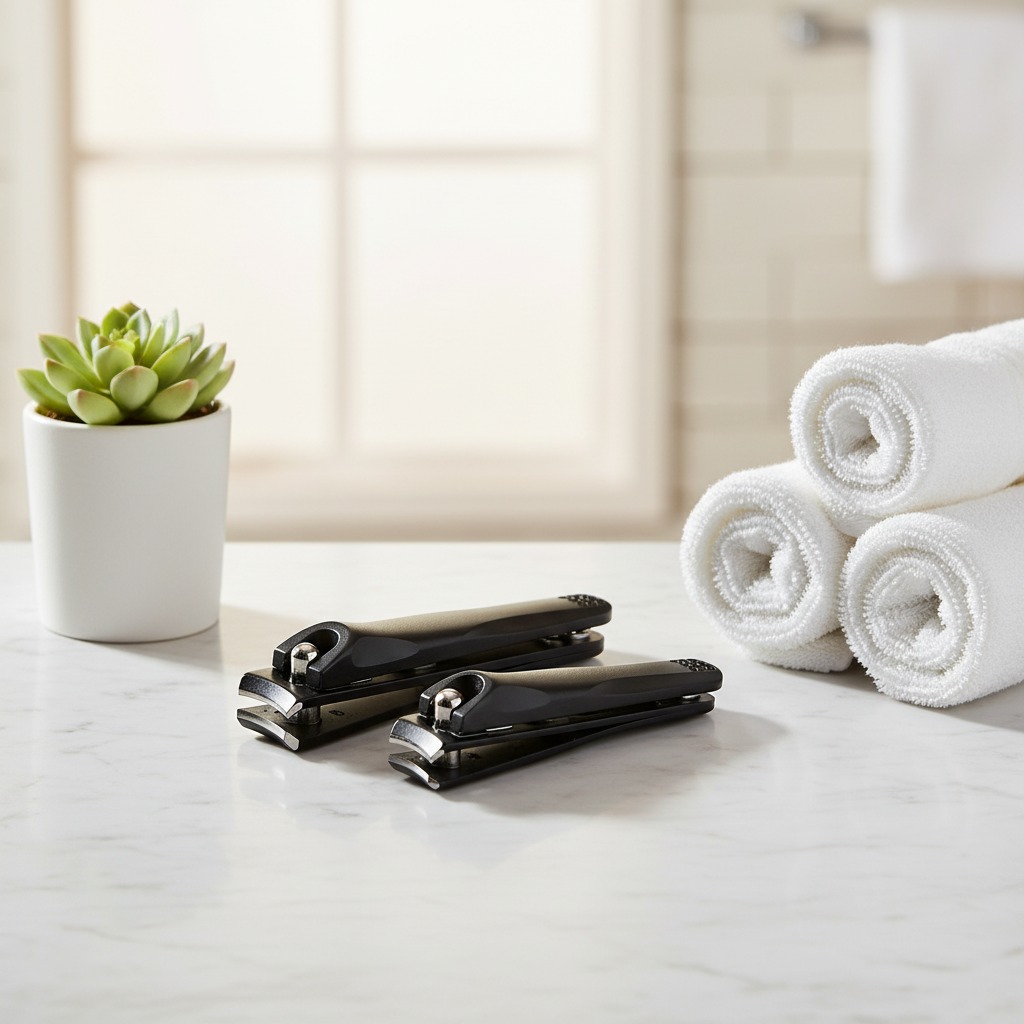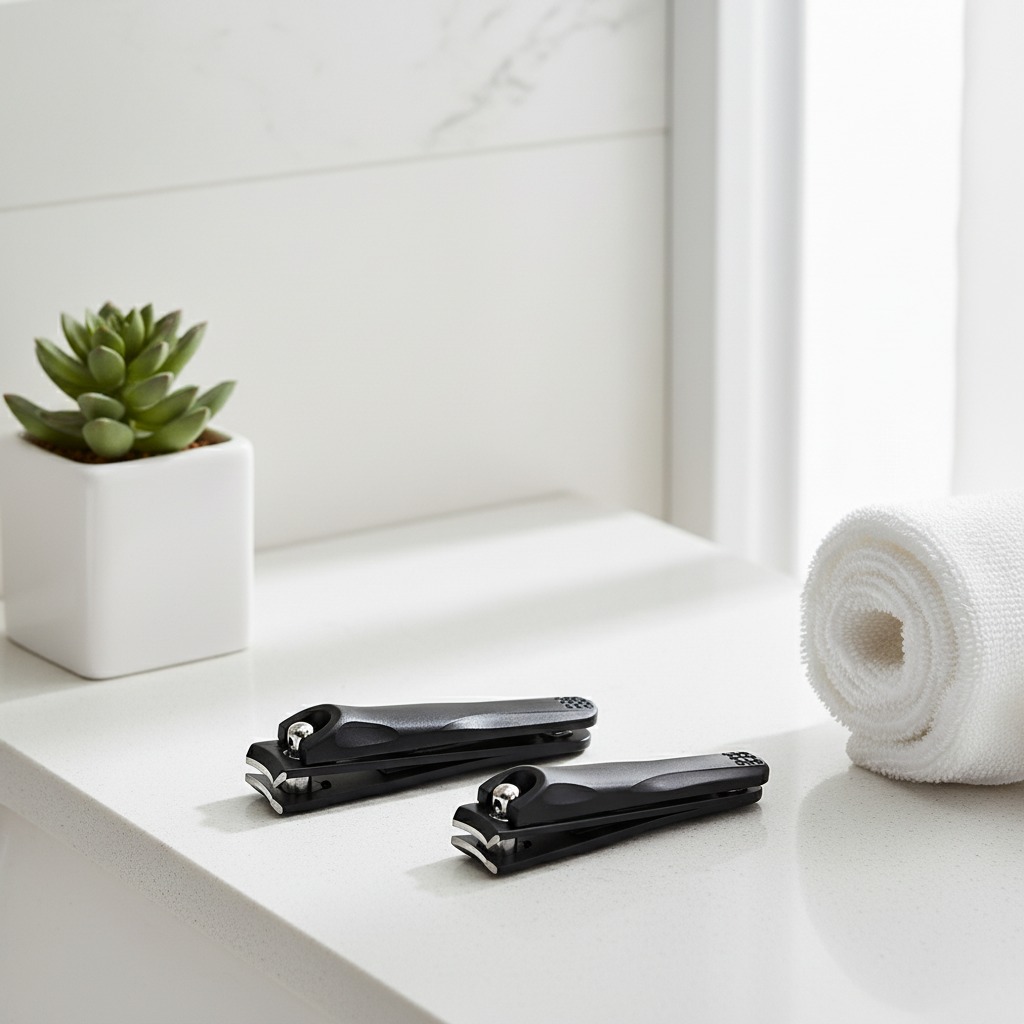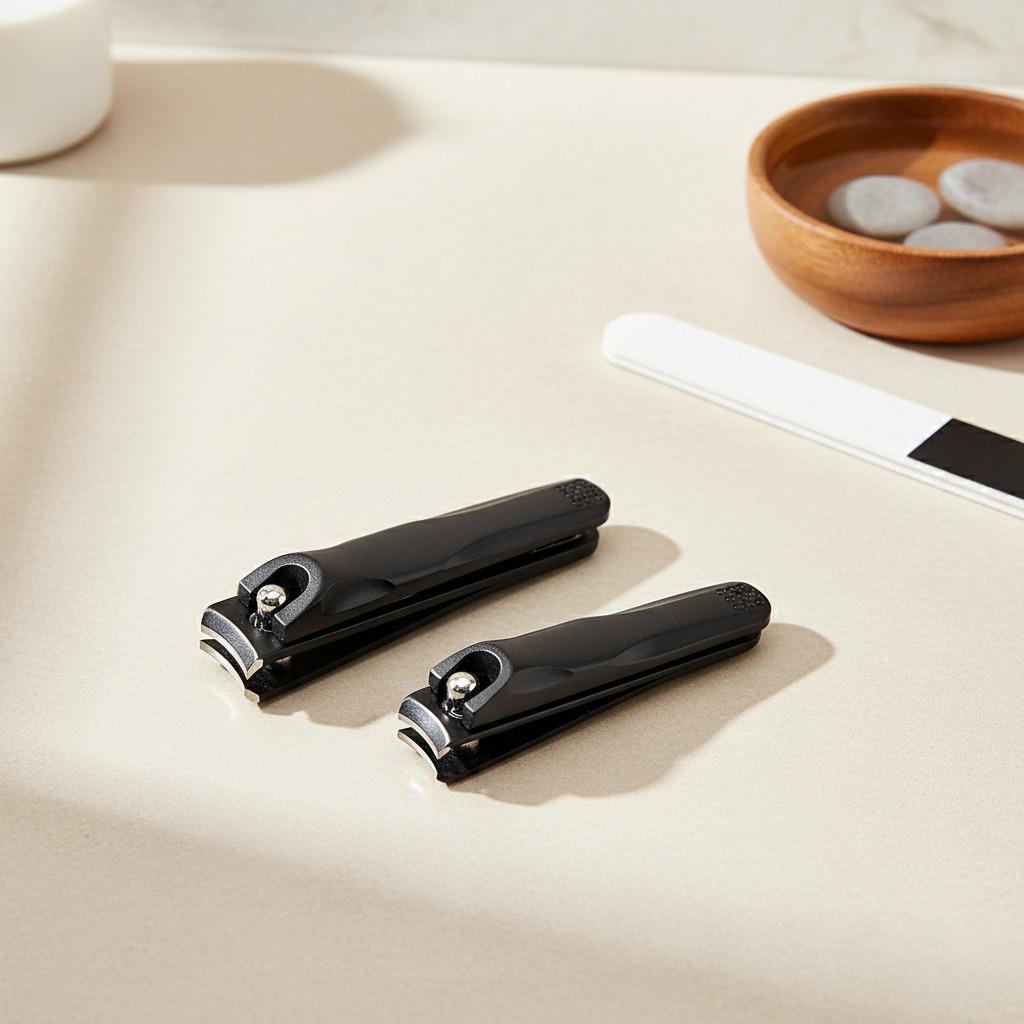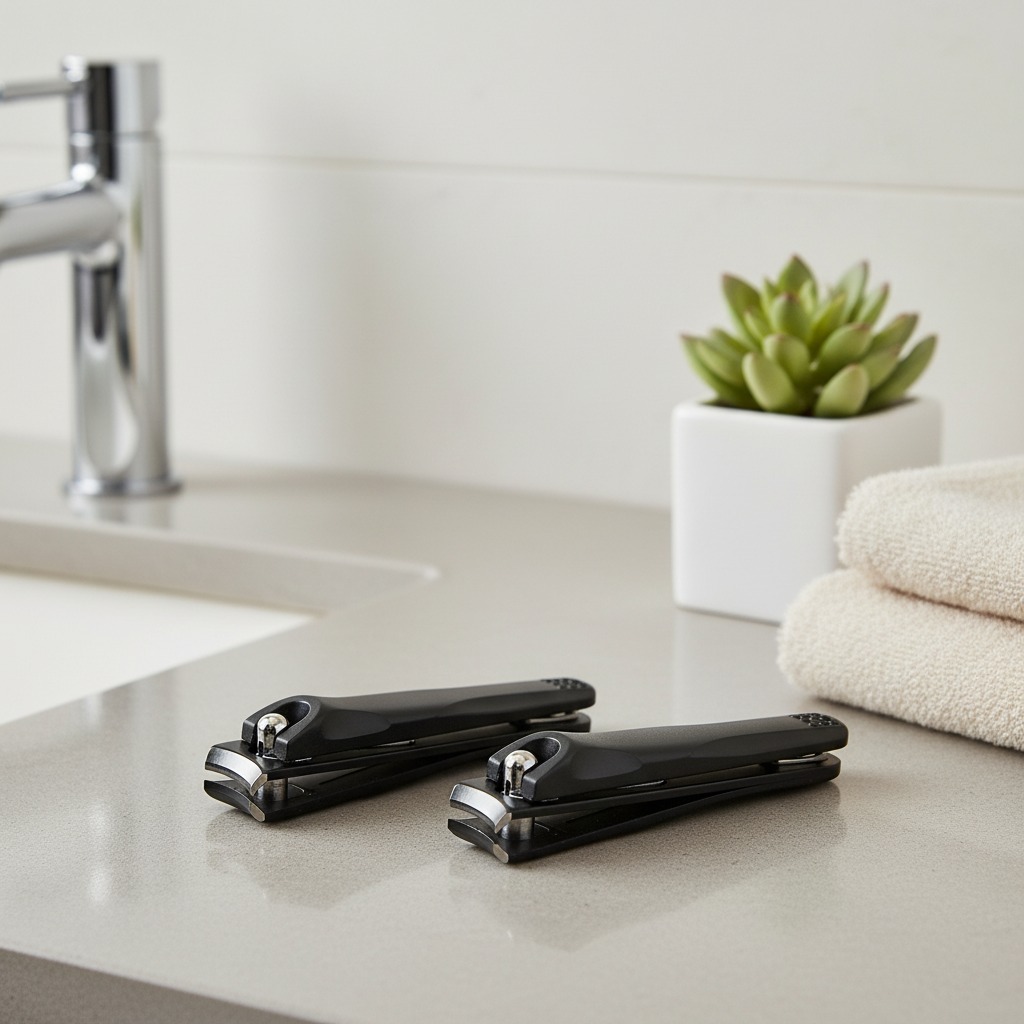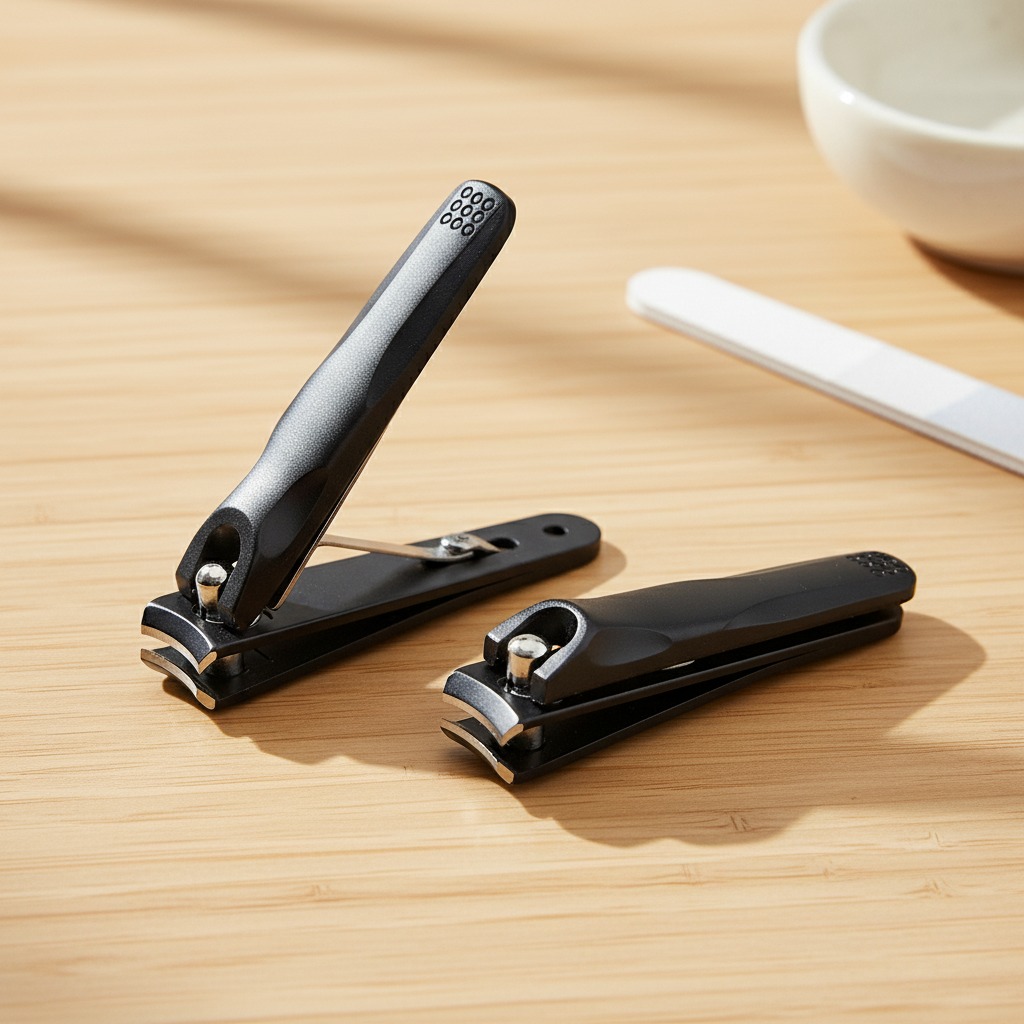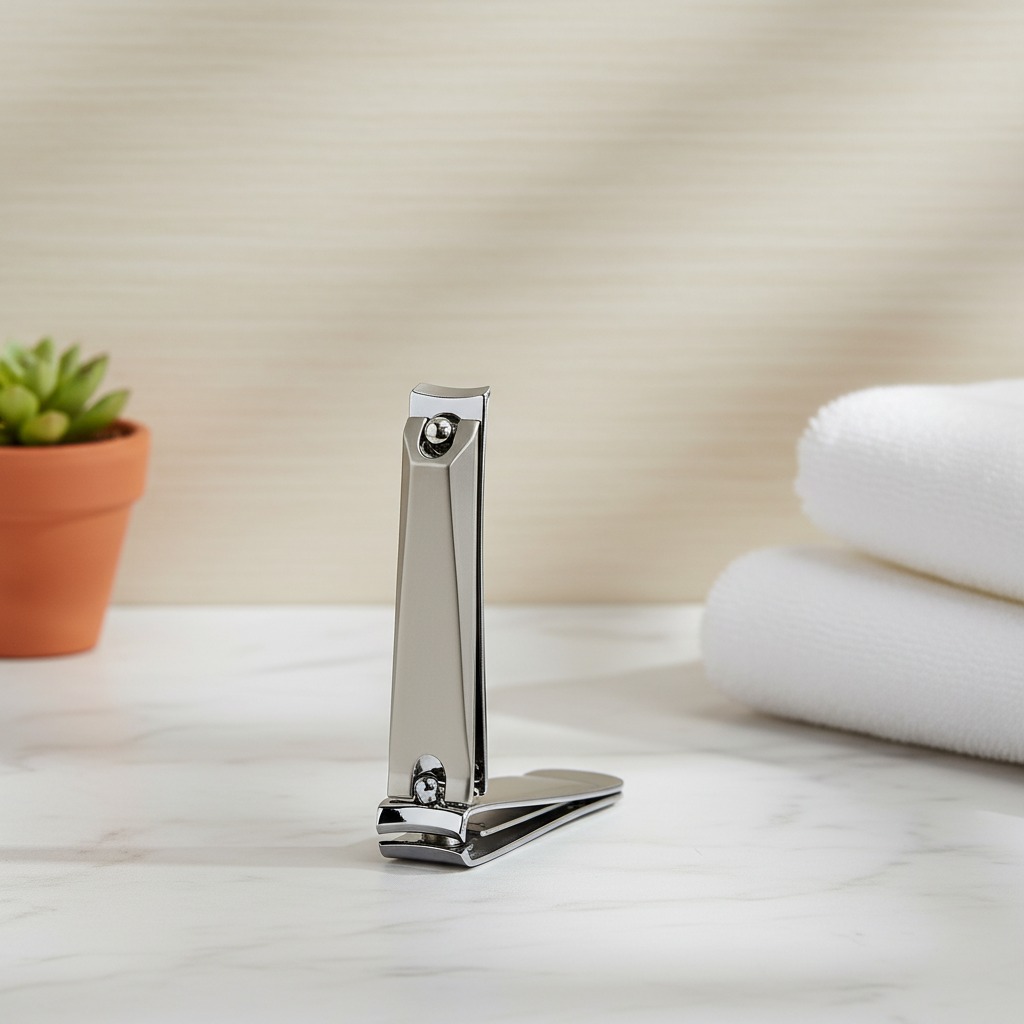
Nail clippers look simple on the shelf, but buyers know that small differences in cutting edge, lever tension, grip shape and finishing can decide whether a grooming tool feels dependable or disposable. For beauty brands, retailers, distributors and promotional product buyers, nail clipper OEM sourcing is not only about placing a logo on a standard item. It is about building a product that cuts cleanly, feels comfortable in the hand, survives repeated use and arrives consistently across bulk orders.
Working with a nail clipper OEM manufacturer can help brands develop retail-ready grooming tools without running their own metalworking, assembly and packaging operations. The key is to approach sourcing with clear selection criteria. Instead of focusing only on unit price, buyers should compare materials, blade alignment, production consistency, packaging suitability and the level of customization required for the sales channel.
Olimor Beauty supports beauty tool sourcing for businesses that need practical, brand-ready products. If you are comparing grooming tool options beyond clippers, you can also review Olimor beauty tool products or browse related product collections to understand how a complete personal care range can be planned.
What Nail Clipper OEM Means for Beauty Tool Buyers
OEM, or original equipment manufacturing, usually means a factory produces goods that another company sells under its own brand or retail program. In the nail clipper category, OEM can cover several levels of involvement. Some buyers choose an existing clipper shape and customize the surface finish, logo and packaging. Others may need more detailed adjustments such as grip texture, color pairing, handle profile, set composition or packaging format.
For a growing beauty brand, OEM manufacturing can reduce the burden of tooling, machine investment and assembly management. For distributors, it can make bulk ordering more efficient because the same product can be adapted for different retail channels, gift sets or regional packaging needs. For retailers, it can support private label development while maintaining a consistent visual identity across manicure and pedicure accessories.
The best starting point is to define the business purpose of the clipper before discussing details. A compact travel clipper, a professional salon counter item, a family grooming set and a value-driven retail multipack may require different priorities. Cutting performance matters in all cases, but the preferred size, packaging durability, finish and price position can vary greatly.
Key Manufacturing Details That Affect Clipper Performance
A nail clipper’s quality is determined by more than appearance. Buyers should pay close attention to the parts that influence cutting feel and long-term reliability. Stainless steel is commonly used for durable nail clippers, but the final user experience depends on forming, sharpening, alignment and assembly control.
- Blade sharpness and edge consistency: A clean cutting edge helps reduce crushing, tearing or splitting of the nail. Samples should be tested on different nail thicknesses where appropriate.
- Jaw alignment: The upper and lower cutting edges should meet evenly. Misalignment may cause uneven cuts or require extra pressure.
- Lever tension: The lever should press smoothly without feeling loose or overly stiff. This is especially important for frequent use.
- Pivot and pin stability: A durable pivoting mechanism helps the clipper maintain pressure and alignment after repeated opening and closing.
- Surface finishing: Edges around the handle and body should feel smooth in the hand. Rough finishing can affect comfort and perceived quality.
- Ergonomic handling: A curved or textured grip can help users control the tool, especially when clipping toenails or thicker nails.
When reviewing samples, test the clipper as a user would: hold it with dry hands, press repeatedly, examine the nail edge after cutting and check whether the lever returns properly. A product that looks acceptable in a photo may still fail if it feels unstable during use.
Choosing Between Standard, Customized and Bulk Nail Clippers
Not every buyer needs a fully customized product. In many cases, a well-made standard design with carefully chosen branding and packaging is the most efficient route. More advanced customization may be useful when a brand needs a distinctive retail identity or a specific user experience.
| Buying approach | Best suited for | What to evaluate |
|---|---|---|
| Standard bulk nail clippers | Distributors, promotional buyers, fast retail replenishment | Existing design quality, cutting feel, finish, packaging options |
| Private label clippers | Beauty brands and retailers building branded grooming lines | Logo method, color consistency, packaging layout, barcode or label needs |
| Customized OEM development | Brands seeking a more differentiated product or set | Shape changes, grip details, sampling timeline, tooling implications |
Bulk purchasing should also be planned around channel requirements. A clipper sold in a pharmacy display may need compact packaging and strong shelf visibility. A clipper included in a manicure kit may need to match other tools in finish and size. A travel grooming product may prioritize a compact body and protective packaging. Matching the product to its sales environment helps prevent unnecessary customization while still supporting a polished brand presentation.
Quality Control Questions Before Placing an OEM Order
Quality control for nail clippers should cover materials, component consistency, assembly and final packing. The objective is not only to approve one good sample, but to confirm that bulk production can match the approved standard. Buyers can prepare a simple inspection checklist before ordering, even when they rely on the manufacturer’s internal checks.
- Confirm the approved sample: Keep a reference sample for comparison with bulk goods. Note the finish, lever tension, size and packaging details.
- Define acceptable appearance: Clarify expectations for scratches, burrs, stains, uneven coating, logo placement and packaging marks.
- Test function consistently: Check whether the cutting edges close evenly and whether the lever operates smoothly across multiple units.
- Review packaging protection: Make sure cartons, inner boxes or retail packs protect the clippers during handling and shipment.
- Plan random checks: For bulk orders, inspect units from different cartons rather than only the top layer of one box.
Clear quality expectations protect both the buyer and the manufacturer. If the buyer is sourcing for multiple markets, packaging text, warnings, labeling and import requirements should also be reviewed early in the process. These points are not glamorous, but they often determine whether a product can move smoothly from factory to warehouse to retail shelf.
Branding and Packaging Decisions That Matter
For nail clipper OEM projects, branding should be durable, legible and appropriate for the sales price. A small tool has limited surface area, so logo placement should be simple and easy to recognize. Buyers should avoid overcrowding the clipper body with too much information. The packaging can carry more detail, such as product name, care instructions, set contents and retail messaging.
Common packaging considerations include whether the clipper will hang on a peg, sit in a counter display, ship as part of a kit or be sold online. Online sales may require packaging that photographs clearly and protects the product from scratches. Retail stores may require hang holes, blister cards or compact cartons. Gift sets may need coordinated colors and a more refined presentation.
It is also worth considering how the clipper fits into a broader grooming assortment. A brand selling tweezers, nail files, cuticle tools or beauty accessories may want a consistent finish and packaging style across the full range. This makes the line easier for customers to understand and helps retailers merchandise related products together.
How to Work With Olimor Beauty on Nail Clipper Sourcing
Olimor Beauty works with buyers looking for practical beauty tools, including nail clipper OEM and bulk sourcing options. A productive sourcing discussion usually begins with the intended market, target quantity range, preferred style, packaging concept and any brand requirements. If you already have a benchmark product, prepare photos, dimensions and notes about what you want to keep or improve.
Before moving ahead, compare samples carefully and make sure decision makers agree on the approved version. Small changes to finish, packaging or logo placement should be documented so the production standard is clear. If your project includes other beauty accessories, reviewing the broader beauty tool products category can help you plan a coordinated assortment instead of sourcing each item separately.
For project discussions, you can contact Olimor with your requirements or send an inquiry for sourcing support. Share the product use case, preferred packaging type, expected market and any compliance or labeling needs you already know. The more precise the brief, the easier it is to identify a suitable nail clipper option and avoid delays caused by unclear specifications.
Final Buyer Checklist for Nail Clipper OEM Projects
A good nail clipper OEM project balances performance, branding and supply practicality. Before confirming an order, review the product as both a buyer and an end user. Does it cut cleanly? Does it feel solid? Is the finish comfortable? Is the packaging appropriate for the sales channel? Can the design support your brand positioning without unnecessary complexity?
Buyers who treat nail clippers as precision grooming tools rather than generic metal items are more likely to build repeatable quality into their assortment. With clear specifications, realistic customization choices and disciplined sample review, bulk nail clipper sourcing can support a reliable private label or wholesale grooming program.