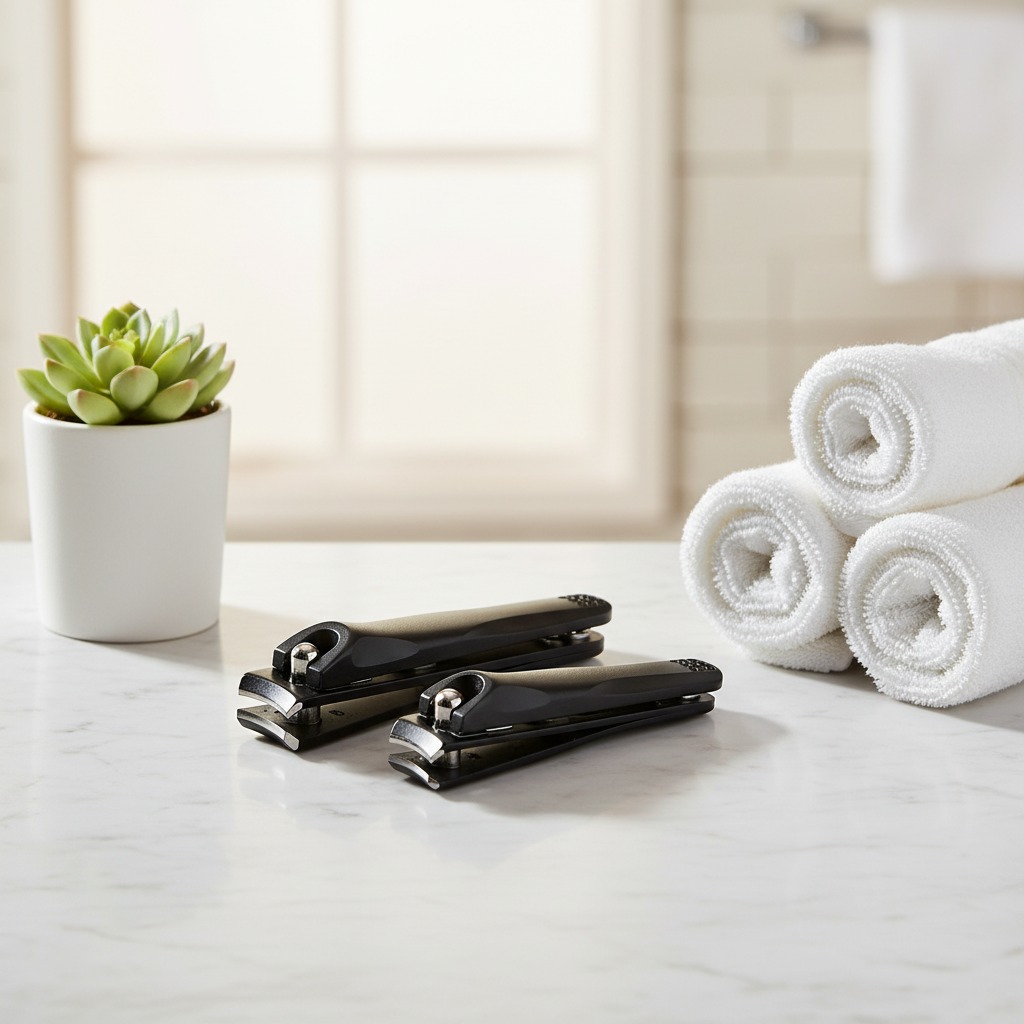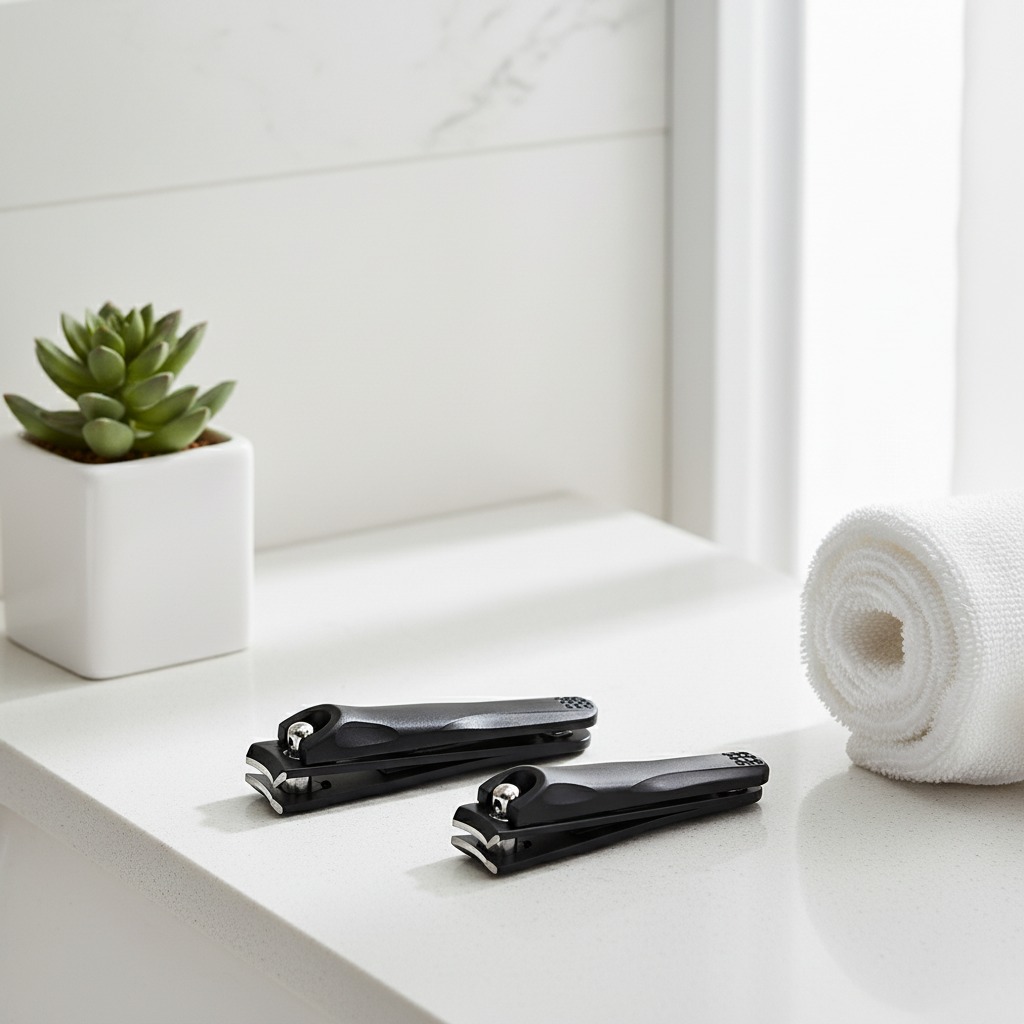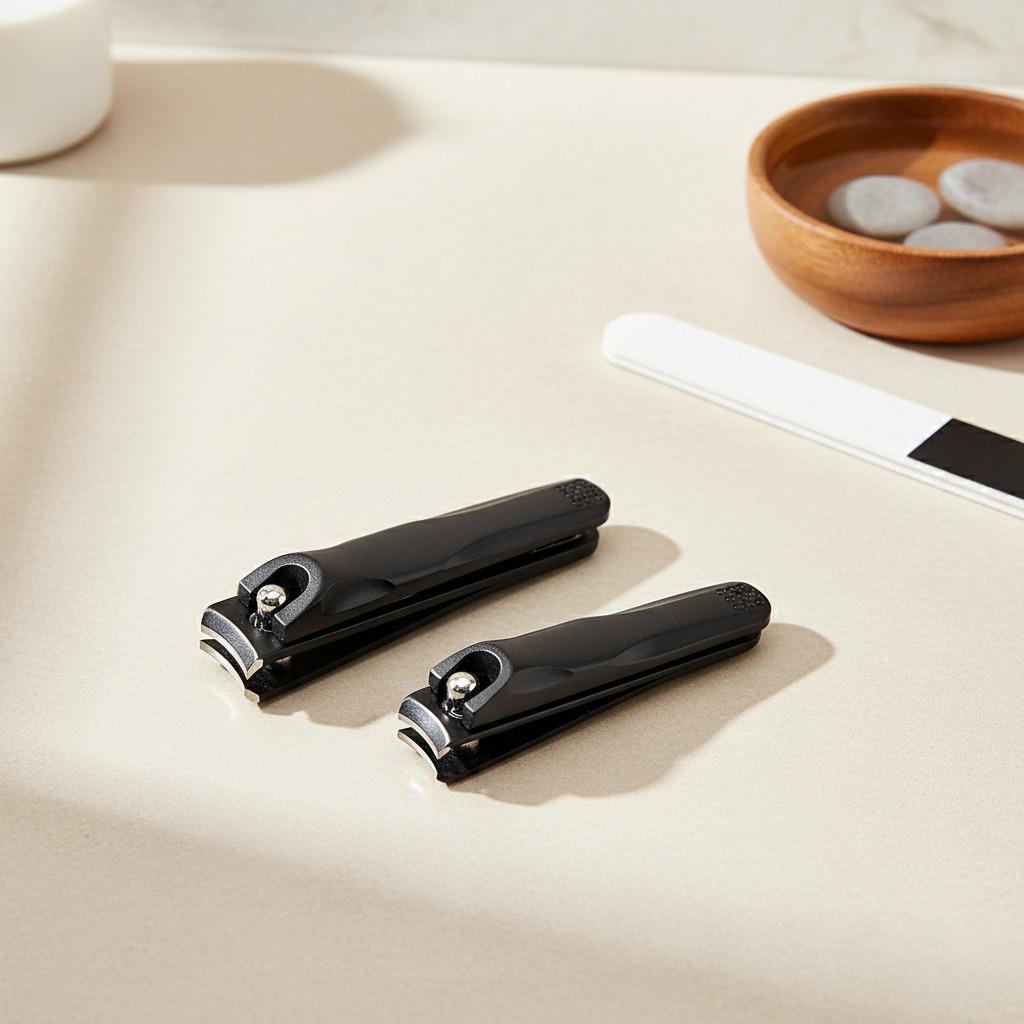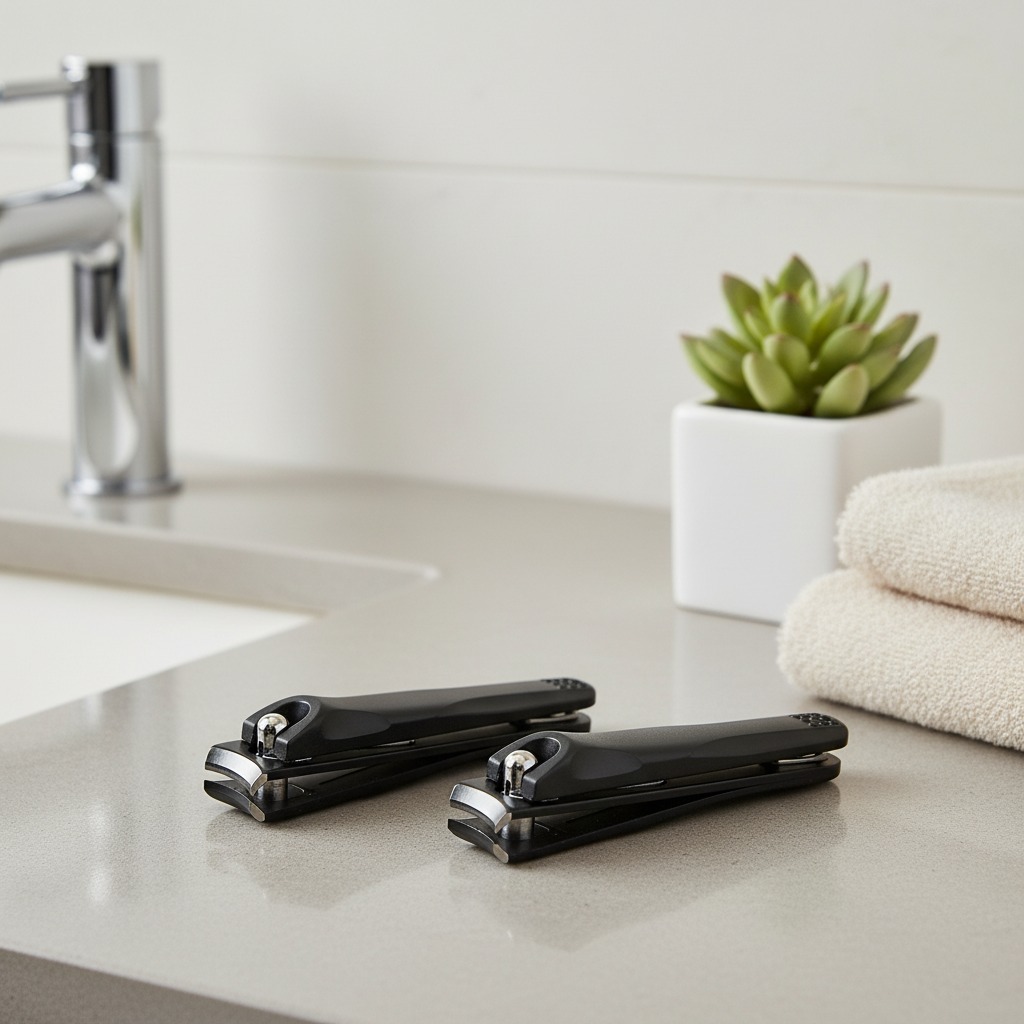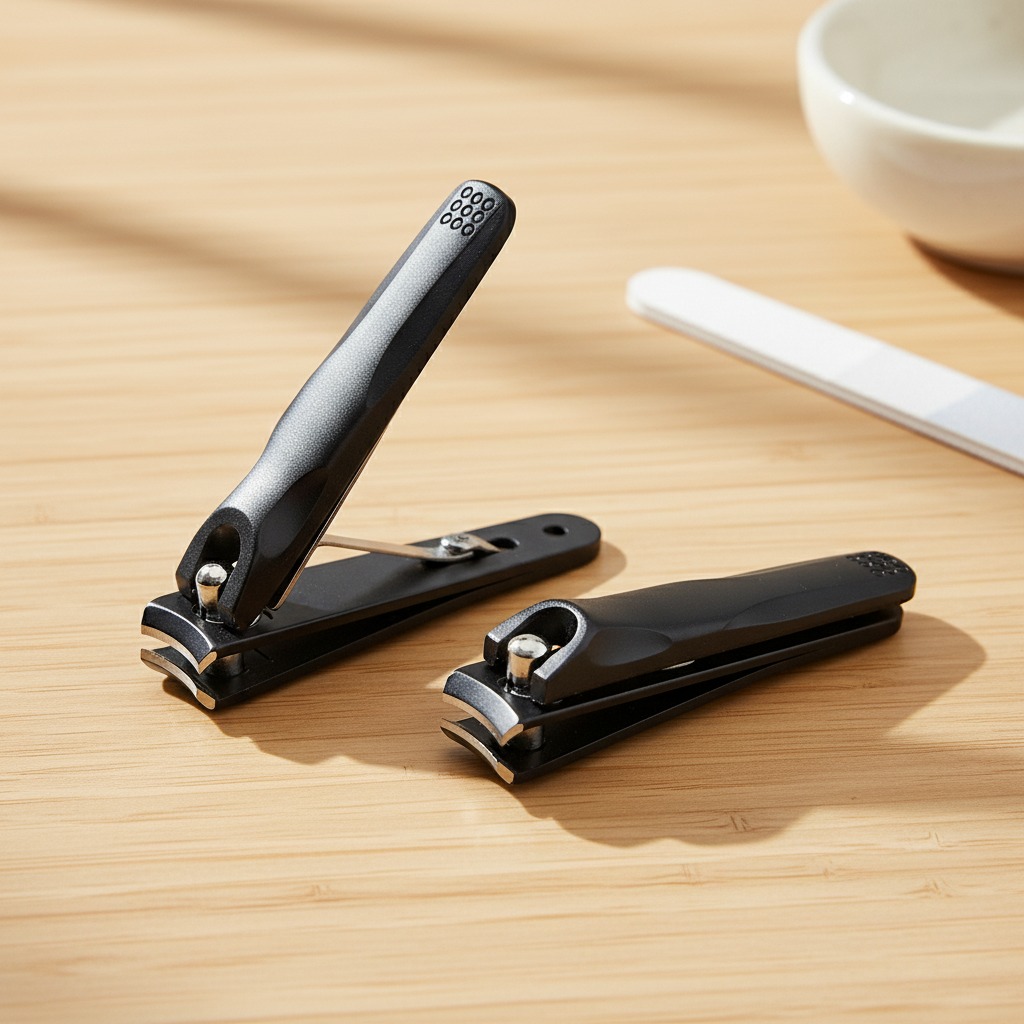











Nail clippers look simple, but they are not simple products to source well. A poor clipper pulls, bends, leaves rough nail edges or feels uncomfortable in the hand. A good clipper cuts cleanly, keeps its alignment, resists rust and feels consistent across a production batch. For beauty brands, grooming retailers, spa distributors and private-label buyers, nail clipper OEM production is an opportunity to create a practical daily-use tool that reflects the quality of the wider brand.
Olimor Beauty works with beauty-tool buyers who need custom sourcing support for items such as nail clippers and related grooming tools. If you are comparing suppliers, planning a wholesale nail clipper order or preparing to buy nail clipper products in bulk, the most important decisions should happen before production starts. The points below can help you define the product clearly, reduce avoidable revisions and communicate with a manufacturer in a more precise way.
Start with the nail clipper’s real use case
Before discussing logos or packaging, decide where the clipper will be sold and how customers will use it. A nail clipper for a travel kit may need a compact shape and protective packaging. A retail grooming set may need consistent finish and visual harmony with other beauty tools. A salon or spa buyer may care more about hand comfort, cutting performance and easy cleaning.
Use case affects almost every specification. A heavier clipper can feel substantial, but it may not suit a lightweight travel pack. A very small clipper can be convenient, but it may not feel comfortable for all users. A shiny finish may look attractive on a retail shelf, while a more understated finish may be better for professional kits. When buyers skip this step, they often end up with a generic product that does not match the sales channel.
If you are building a full grooming range, review the surrounding beauty tool products so the clipper fits the same quality level, finish direction and customer expectation as the rest of the line.
Define the core OEM choices before sampling
Custom nail clipper projects usually involve a combination of product, branding and packaging decisions. Not every project needs complex customization. In many cases, a clean design, reliable cutting edge and well-prepared packaging are more valuable than unnecessary decorative features.
- Clipper size and shape: Match the size to the target user, sales channel and whether the tool will be sold alone or inside a kit.
- Material direction: Stainless steel is commonly used for durable beauty tools and is valued for rust resistance when properly produced and cared for.
- Blade alignment: The cutting edges should meet evenly, without visible offset that can cause splitting or rough cuts.
- Handle comfort: The lever should feel stable and comfortable to press, especially for repeated use.
- Finish: Consider whether the surface should look polished, matte or otherwise coordinated with your product line.
- Branding: Logo placement should remain readable without interfering with handling or cleaning.
- Packaging: Decide whether the product needs retail display packaging, kit packaging or bulk distribution packaging.
Clear decisions at this stage make sampling more efficient. Instead of asking for a “high quality nail clipper,” prepare a short product brief that describes the intended customer, desired size range, visual direction, packaging format and any important inspection points. This gives the supplier a practical target.
What quality means in nail clipper OEM production
Quality in a nail clipper is not only about appearance. A clipper may look acceptable in a photograph but still perform poorly if the blade angle, alignment or lever tension is inconsistent. When evaluating samples or production goods, check both function and finish.
Useful inspection points include cutting smoothness, edge consistency, surface condition, rivet or joint stability, lever movement and overall symmetry. The clipper should open and close smoothly without feeling loose. Edges that touch the skin should be finished safely. The cutting edge should trim the nail cleanly rather than crush it. If a nail file or catcher is included in a design, it should not create sharp points or interfere with normal use.
For private-label and wholesale nail clipper orders, consistency matters as much as the first sample. A beautiful approved sample is not enough if the production batch varies widely. Buyers should define what is acceptable for finish marks, logo position, packaging placement and functional testing before the order moves forward. This helps avoid subjective disputes later.
Bulk buying does not mean ignoring customization
Many buyers associate bulk purchasing with standard products, but buying nail clippers in bulk can still include meaningful OEM decisions. The key is to prioritize changes that affect customer value. A different package structure, a better grip feel, a coordinated finish or a clearer brand presentation can make the product easier to sell without overcomplicating production.
For distributors, bulk orders may need practical carton planning, barcode or label preparation and packaging that suits local retail requirements. For new beauty brands, flexible starting quantities may be important while testing the market. The best approach is to discuss the commercial goal and product positioning early, then choose a customization level that matches the order plan.
Buyers can also compare related product collections to decide whether the nail clipper should stand alone or become part of a larger manicure, grooming or beauty-tool assortment.
Packaging decisions that affect retail success
Packaging for a nail clipper must do more than hold the tool. It should protect the cutting edges, communicate product value and make handling efficient for retailers or distributors. A clipper sold online may need packaging that resists movement during shipping. A clipper displayed in a store may need a front-facing format that shows the product clearly. A professional kit may need compact packaging that reduces waste and fits with other tools.
When preparing packaging artwork, keep claims accurate and avoid overpromising. If the product is stainless steel, the packaging can communicate that clearly. If you want to describe rust resistance, care instructions should also be included so the user understands that cleaning and drying are still important. Good packaging supports the product; it should not create expectations that the tool cannot meet.
Questions to settle before sending an inquiry
A well-prepared inquiry saves time for both buyer and manufacturer. It also helps the supplier respond with more relevant options instead of guessing. Before requesting a quote or sample, prepare the following information:
- Your target sales channel, such as retail, e-commerce, salon supply, gift set or distributor stock.
- The preferred clipper size, finish and general design direction.
- Whether you need logo application, custom packaging or both.
- The expected order stage, such as sampling, trial order or planned bulk purchase.
- Any functional requirements, such as clean cutting feel, comfortable lever pressure or kit compatibility.
- Packaging language, label needs and destination market requirements if already known.
- Your timeline for sample review, artwork confirmation and production planning.
If you are ready to compare options or clarify an OEM plan, you can send an inquiry with your product brief. For broader project questions, you can also contact Olimor to discuss sourcing direction.
Maintenance information to include for end users
Even a well-made nail clipper performs better when users care for it correctly. Brands should consider adding simple care guidance to packaging or inserts. The instructions do not need to be long, but they should be practical: clean the clipper after use, dry it before storage, avoid leaving it in wet areas and keep the cutting edge protected during travel. If the clipper is part of a manicure kit, the care note can apply to the whole set.
This information reduces misuse and supports customer satisfaction. It also reinforces the idea that beauty tools are precision items, not disposable accessories. For a brand selling grooming products, care guidance is a small detail that can make the product feel more professional.
Choosing the right OEM partner for long-term supply
A nail clipper OEM supplier should be evaluated on communication, sampling discipline, quality control thinking and ability to support repeat orders. Price matters, but the cheapest option can become expensive if samples are unclear, packaging is inconsistent or production goods do not match the approved standard.
Look for a partner that can discuss product details in concrete terms: material direction, cutting performance, surface finish, packaging format and inspection expectations. A reliable supplier should help turn a general idea into a manufacturable product without pushing unnecessary complexity. For beauty brands and distributors, this is especially important because nail clippers often sit beside other tools in the same product range. The clipper needs to feel consistent with the rest of the line.
With clear specifications, realistic customization choices and careful sample review, nail clipper OEM production can become a dependable part of a beauty-tool assortment. The goal is not simply to place a logo on a common item. The goal is to source a durable, comfortable and well-presented grooming tool that customers can use with confidence and that buyers can reorder with consistency.