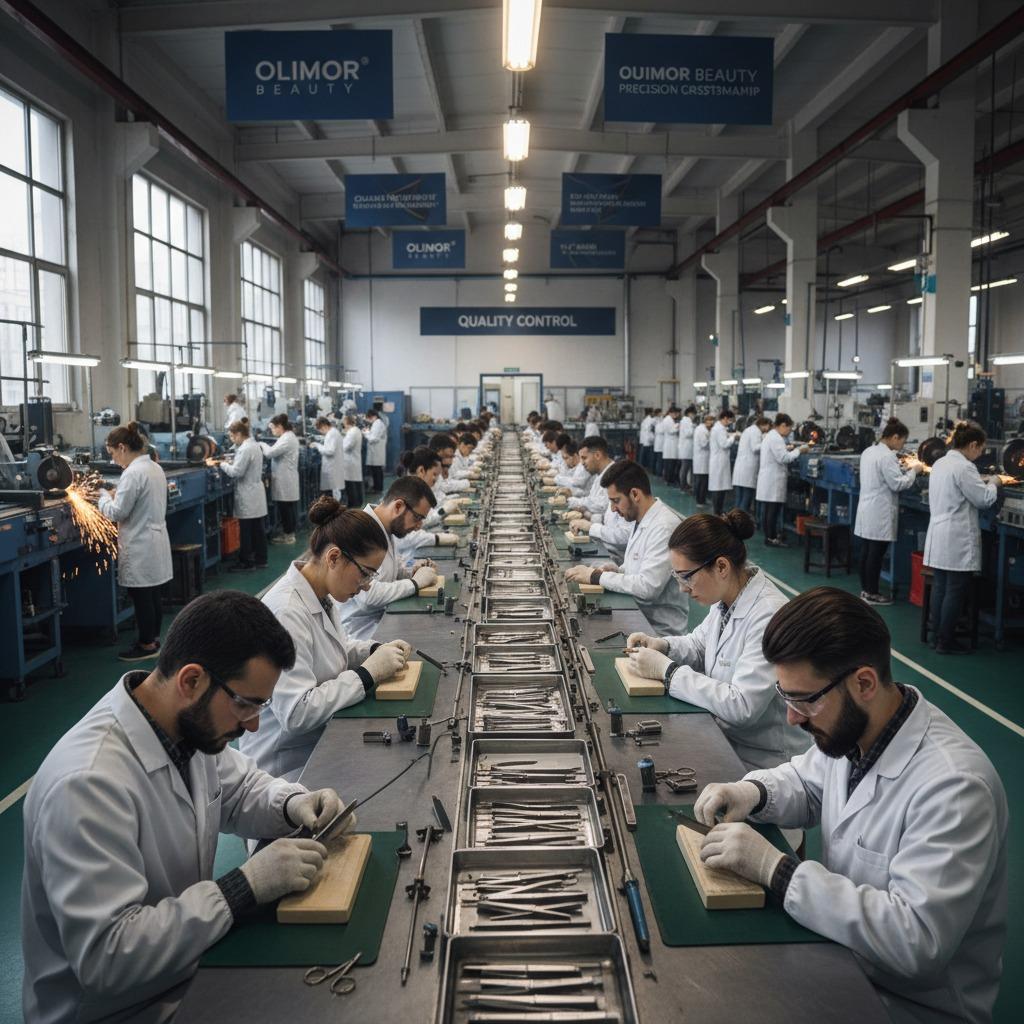











For beauty brands, grooming retailers, salon suppliers and private-label buyers, a nail clipper looks simple only until quality problems appear. A weak lever, misaligned jaws, rough blade edge or inconsistent finish can quickly turn a basic grooming tool into a customer complaint. Choosing the right nail clipper manufacturer is therefore less about finding a supplier that can make a familiar shape and more about confirming that the factory understands cutting performance, user comfort, repeatable production and retail-ready presentation.
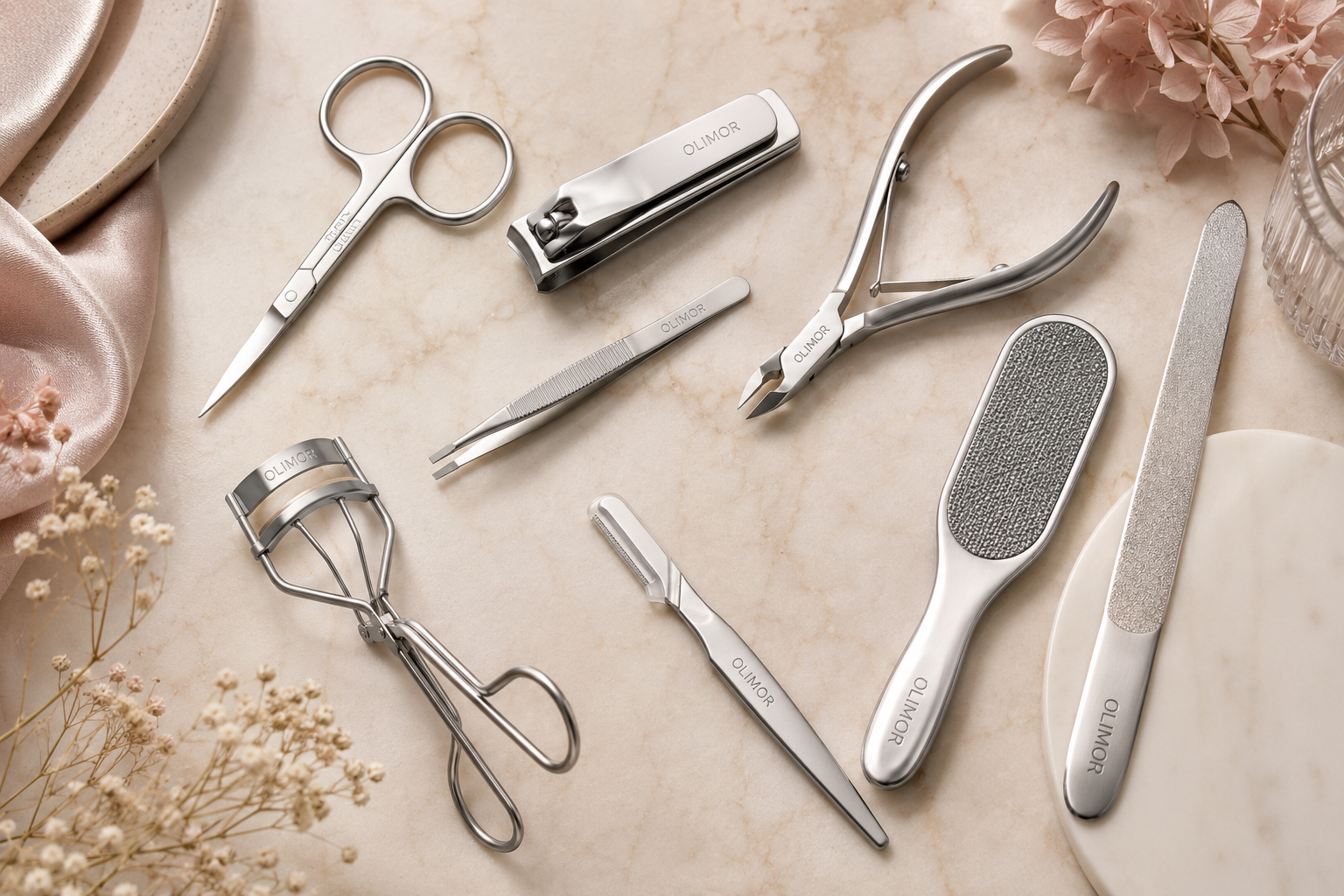
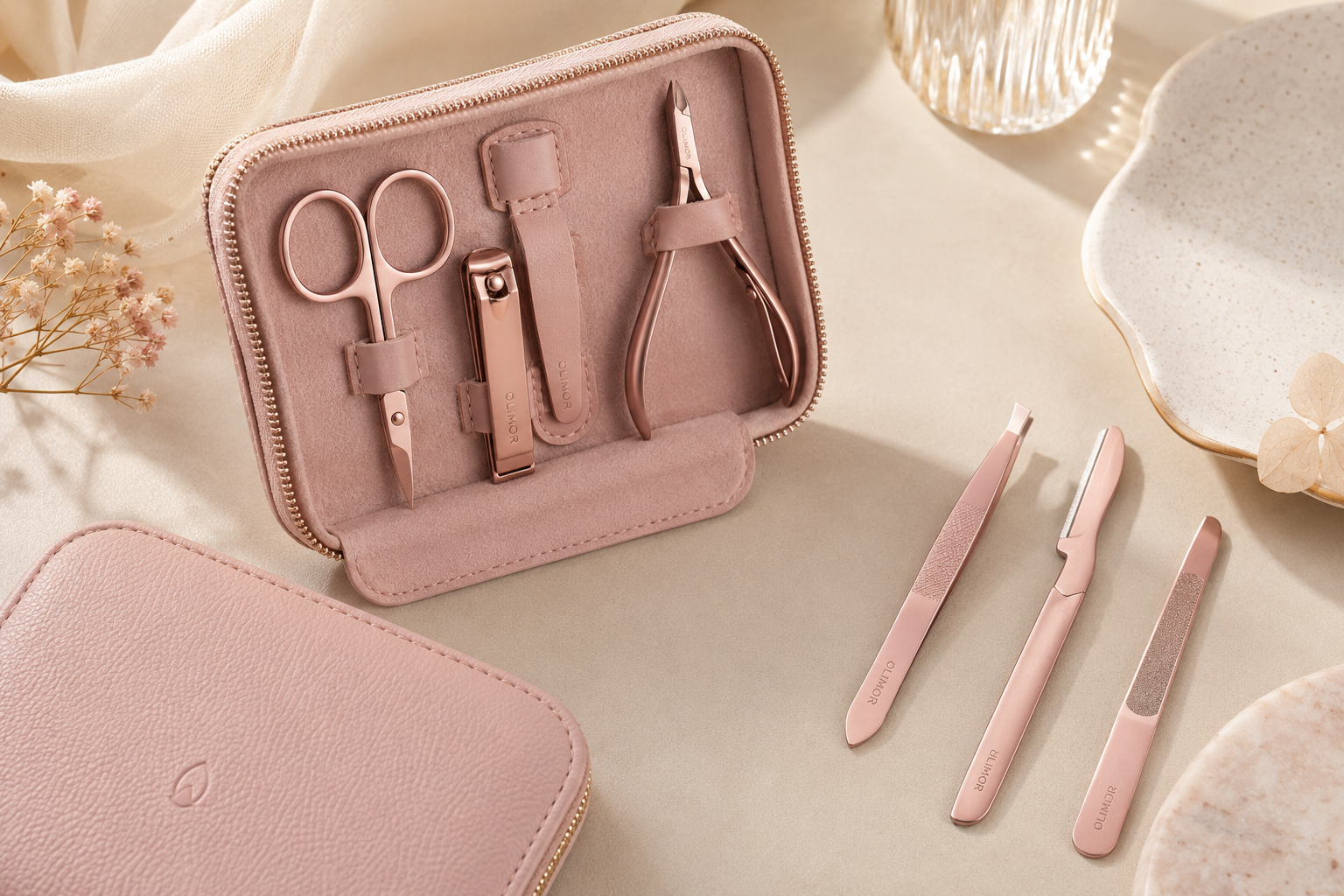
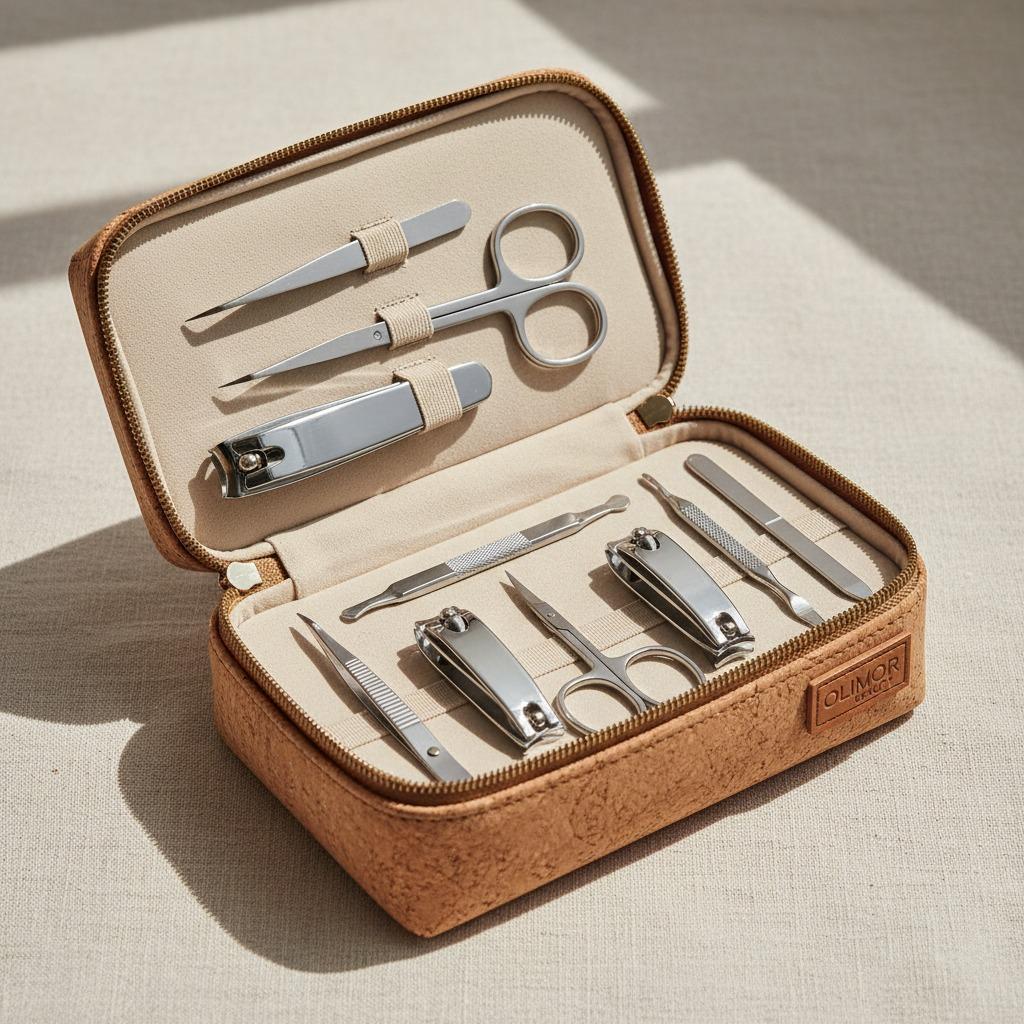
Olimor Beauty works in the beauty tools category and supports buyers who need practical, reliable grooming products rather than vague promises. If you are comparing beauty tool products for a new line or improving an existing nail care assortment, this guide explains what to look for when evaluating nail clipper manufacturing quality. It focuses on the decisions that affect daily use: sharpness, alignment, cutting force, surface finish, safety, packaging and communication before production.
Why Nail Clipper Quality Depends on More Than Sharp Blades
Sharpness matters, but it is only one part of a usable nail clipper. A blade that is sharp but poorly aligned can crush or split the nail. A clipper that cuts well for the first few uses but loses its bite quickly may create returns. A product that feels uncomfortable in the hand can disappoint both professional and home users even if the blade passes a basic cutting test.
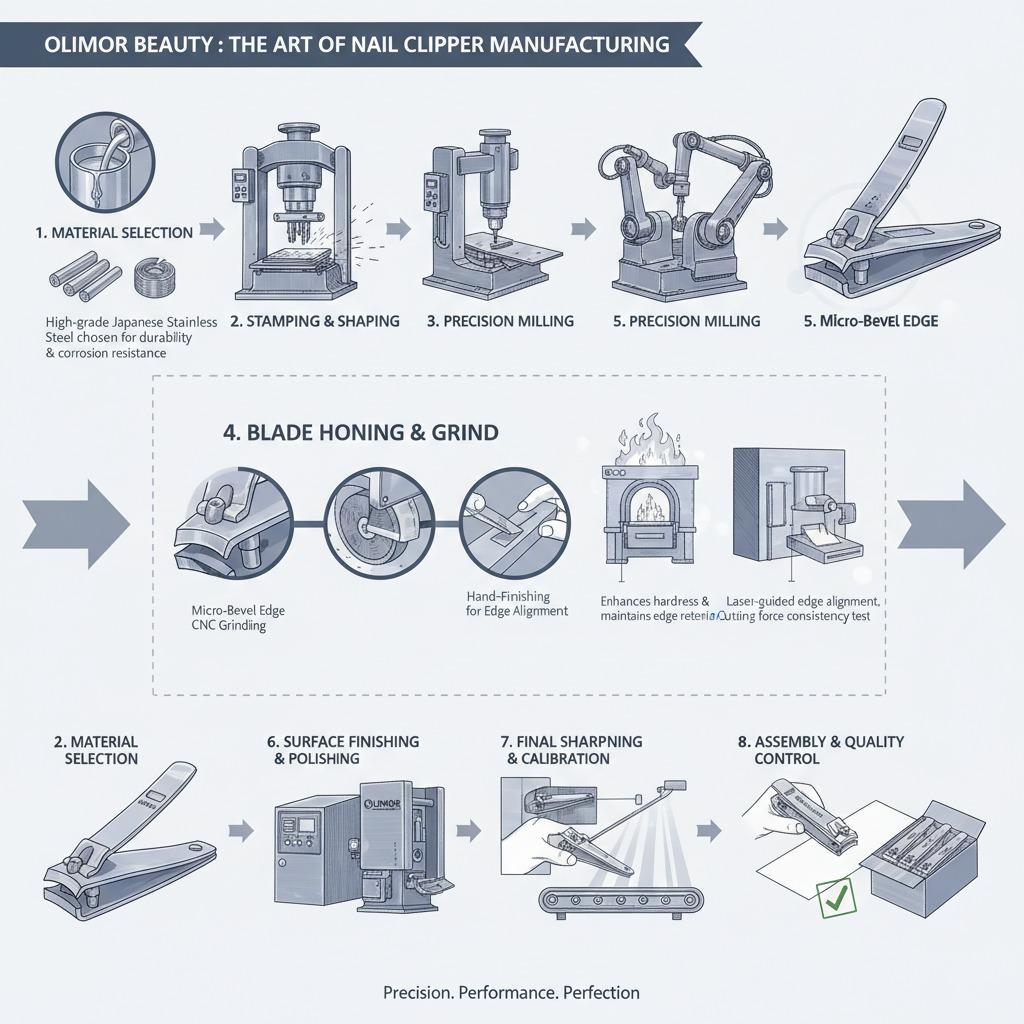
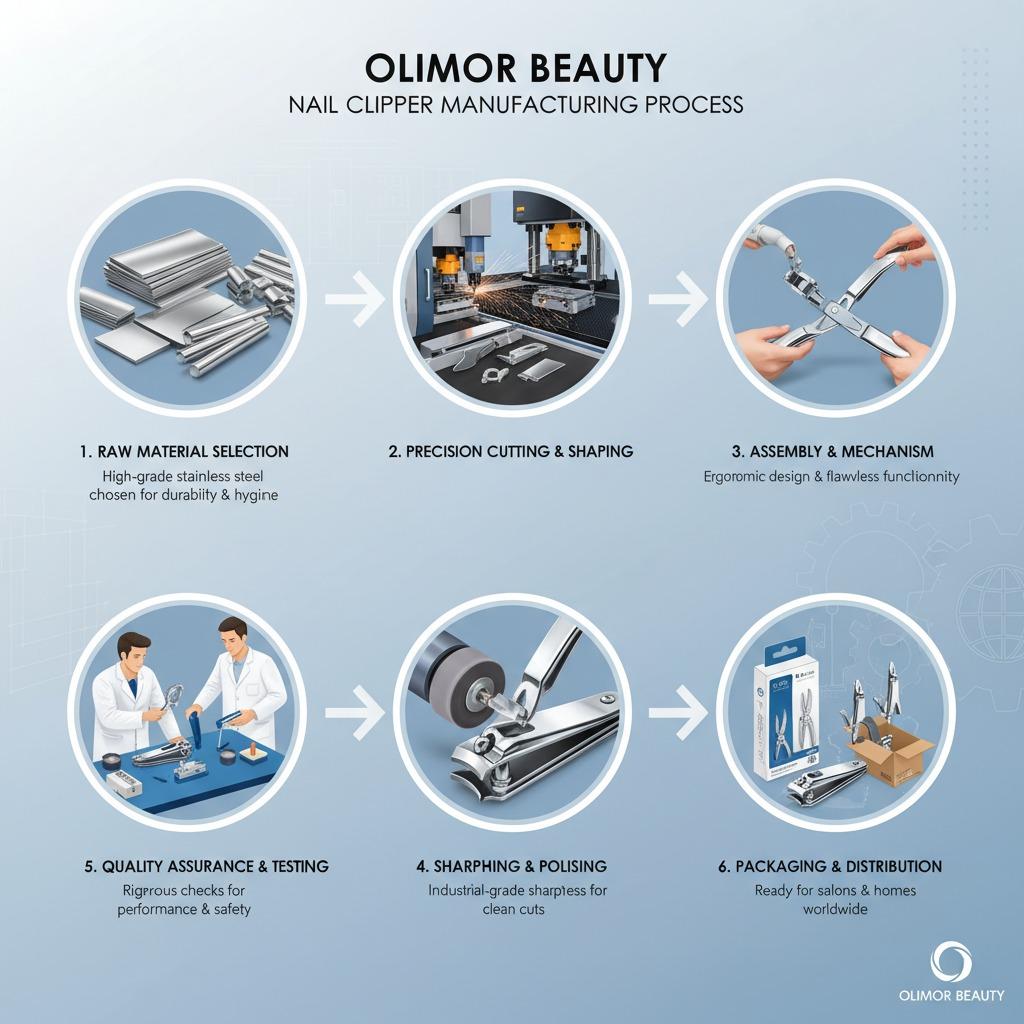
When evaluating a nail clipper manufacturer, consider the complete cutting system. The upper and lower jaws must meet cleanly. The lever should transfer pressure efficiently. The pivot area should feel stable without excessive looseness. The edges need to be finished so they cut the nail rather than tear it. For retail buyers, the product also needs a consistent cosmetic appearance across a full order, not just on the sample sent before purchase.
This is why reliability and precision should be assessed together. Reliability means the nail clipper performs consistently across production batches and over repeated use. Precision means the working parts are shaped, sharpened and assembled so the cutting action is controlled. A good manufacturer understands both goals and can discuss them in practical production terms.
Key Manufacturing Factors That Affect Cutting Performance
Before placing an order, it helps to review the features that make a nail clipper feel precise in the hand. The following checklist can guide sample evaluation and supplier discussions without requiring you to rely on vague quality claims.
- Jaw alignment: The cutting edges should meet evenly from one side to the other. Visible gaps, uneven contact or twisted jaws can cause poor cutting.
- Blade edge consistency: The edge should be clean and smooth, without burrs that can scratch skin or snag the nail.
- Lever action: The lever should move smoothly and provide enough mechanical advantage without feeling flimsy or unstable.
- Cutting force: A good clipper should cut natural nails with controlled pressure. Excessive force can make the product tiring or difficult for some users.
- Surface finishing: Polished, plated or brushed surfaces should look even, with no sharp unfinished corners where the user grips the tool.
- Assembly stability: The pin, lever and body should remain secure during normal opening, closing and repeated clipping.
- Cleaning practicality: Nail debris should be easy to remove, and the shape should not create unnecessary dirt traps.
These factors are especially important for brands that sell nail clippers as part of a wider grooming range. Customers often judge the entire brand by the small tool they use most frequently. A clipper that feels clean, controlled and durable can support repeat purchases across your nail care or personal care line.
Understanding Cutting Force and Everyday Ergonomics
Cutting force analysis sounds technical, but the buyer question is simple: how much effort does the user need to make a clean cut? A nail clipper should not require excessive pressure, particularly for people who trim multiple nails at once, use grooming tools professionally, or have limited grip strength. At the same time, the clipper should not feel overly loose or uncontrolled.
The balance comes from the relationship between blade geometry, lever length, pivot placement and material stiffness. If the lever does not transfer force efficiently, users may squeeze harder, which can make the cut sudden and less controlled. If the jaws flex too much, the edges may separate during clipping. If the edge is not properly finished, the user may feel crushing instead of cutting.
When testing samples, do not evaluate only one nail or one user. Try the tool across different nail thicknesses and hand sizes. Check whether the clipper remains comfortable after repeated cuts. Listen for a clean clipping sound rather than a dull crunch. Look at the nail edge after cutting; a smooth cut indicates better control than a ragged or split edge. These simple observations can reveal whether the manufacturer has optimized the clipper as a functional beauty tool, not just a metal part.
Material, Finish and Safety Questions for Sourcing
The original product concept may call for stainless steel or another common metal finish, but buyers should still confirm how materials and finishes support the intended market. A nail clipper for an entry-level travel kit, a salon retail display and a premium grooming set may have different expectations for weight, finish, packaging and long-term appearance.
Useful sourcing questions include whether the selected material is appropriate for normal bathroom storage, whether the surface finish resists visible wear during handling, and whether edges that contact fingers are smoothed after forming and polishing. For private-label programs, confirm how logos, color treatments or packaging elements may affect lead time, appearance and inspection criteria. If you are building a coordinated range, you can also compare related product collections to keep design language consistent across nail and beauty tools.
Safety also includes small details. The lever should not pinch unexpectedly during normal use. The corners should not feel sharp when held. The cutting edge must be protected during packaging and shipping so products arrive clean and undamaged. For retail channels, packaging should communicate the product clearly while preventing scratches and contamination before sale.
A Practical Inspection Table for Nail Clipper Samples
A structured sample review helps buying teams compare manufacturers fairly. Use a simple table like the one below during evaluation. It keeps feedback specific and makes it easier to decide whether a sample is ready, needs adjustment or should be rejected.
| Inspection Area | What to Check | Why It Matters |
|---|---|---|
| Cutting edge | Even contact, clean edge, no burrs | Prevents tearing, snagging and uncomfortable trimming |
| Lever and pivot | Smooth movement, stable pin, no wobble | Supports controlled force and longer usability |
| Body finish | Consistent polish or coating, no rough corners | Improves appearance and user comfort |
| Repeated cutting | Performance after multiple clips | Shows whether the tool remains reliable beyond first use |
| Packaging fit | Tool held securely, protected from scratches | Reduces damage during storage, shipping and display |
This type of inspection does not replace formal quality control, but it gives buyers a practical way to identify risks early. If several samples show the same defect, treat it as a manufacturing issue rather than a one-off problem.
How Olimor Beauty Supports Better Buyer Decisions
For sourcing teams, a productive supplier relationship begins with clear product expectations. Share the target user, price position, packaging format, finish preference and any market requirements before finalizing a nail clipper order. A manufacturer can then respond with more relevant options and help identify which features are essential and which may add cost without improving the user experience.
Olimor Beauty’s role as a beauty tools supplier is to help buyers focus on practical product performance. That means paying attention to blade alignment, cutting comfort, finish quality and order consistency. It also means discussing customization realistically, especially when branding, packaging or assortment planning is involved. If your project includes multiple tools, reviewing the full category through Olimor beauty tool products can help you plan a more coherent line instead of sourcing each item separately.
Good communication before production reduces surprises later. Provide reference samples if you have them, define acceptable finish standards, and confirm how samples will be judged. If the product will be sold through ecommerce, consider how the clipper looks in close-up photography and whether packaging protects the finish well enough for direct-to-consumer shipping.
Preparing Your Nail Clipper Inquiry
When you are ready to compare manufacturing options, prepare a concise specification brief. It does not need to be complicated, but it should answer the questions that affect performance and presentation. Include the intended market, preferred size range if known, finish direction, packaging style, logo needs and any testing or compliance expectations for your sales channel. If you are unsure about one of these points, identify it as open for recommendation rather than leaving it unclear.
A clear inquiry helps both sides move faster. It allows the manufacturer to recommend suitable options, highlight potential production constraints and prepare more accurate sample feedback. Buyers who want to discuss a nail clipper project can send an inquiry with their initial requirements, or contact Olimor for guidance on the next step.
The right nail clipper manufacturer should be able to support repeatable quality, not just a good first sample. By focusing on cutting precision, ergonomic force, finish consistency and practical inspection, you can select a product that serves everyday users well and strengthens your beauty tool assortment over time.