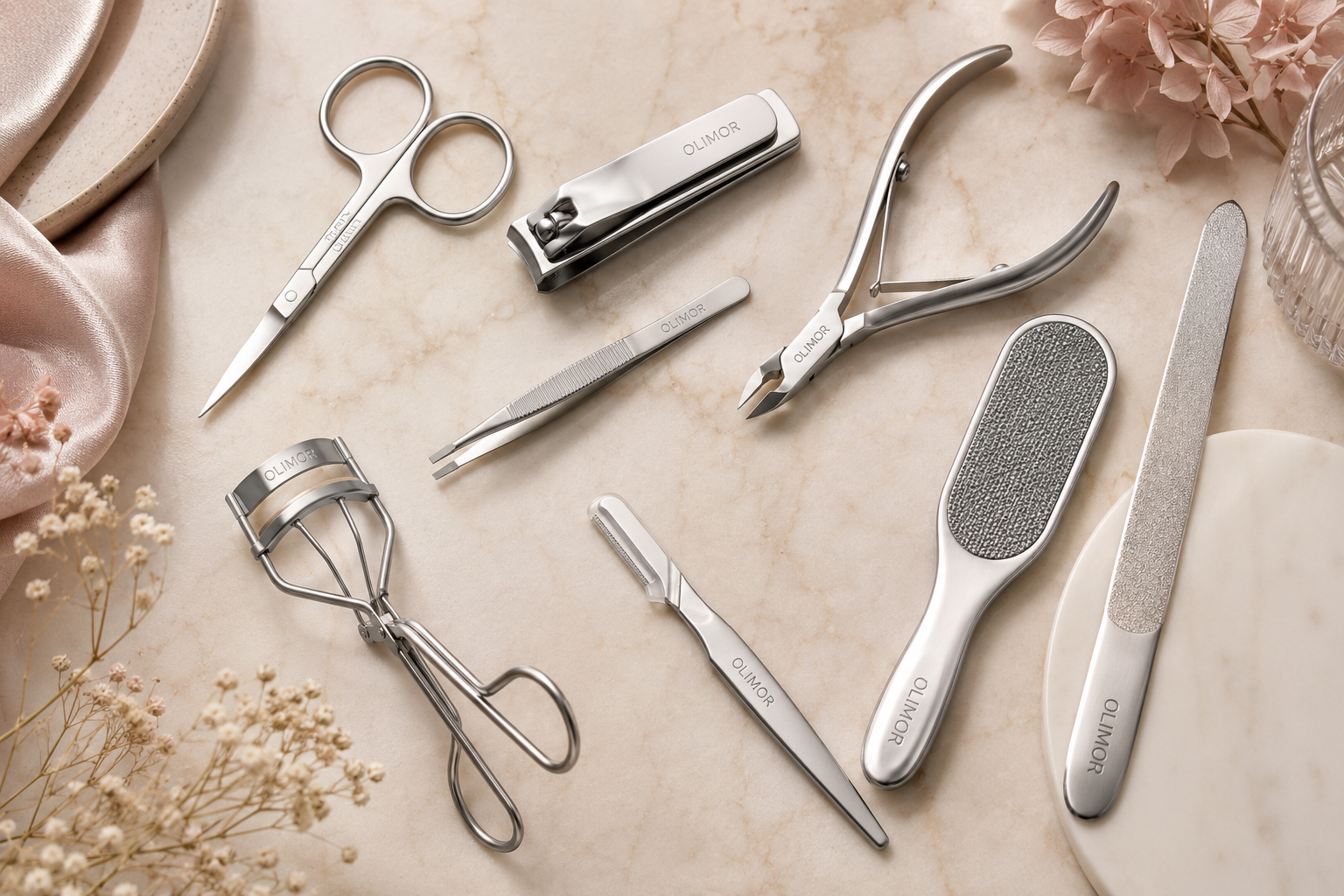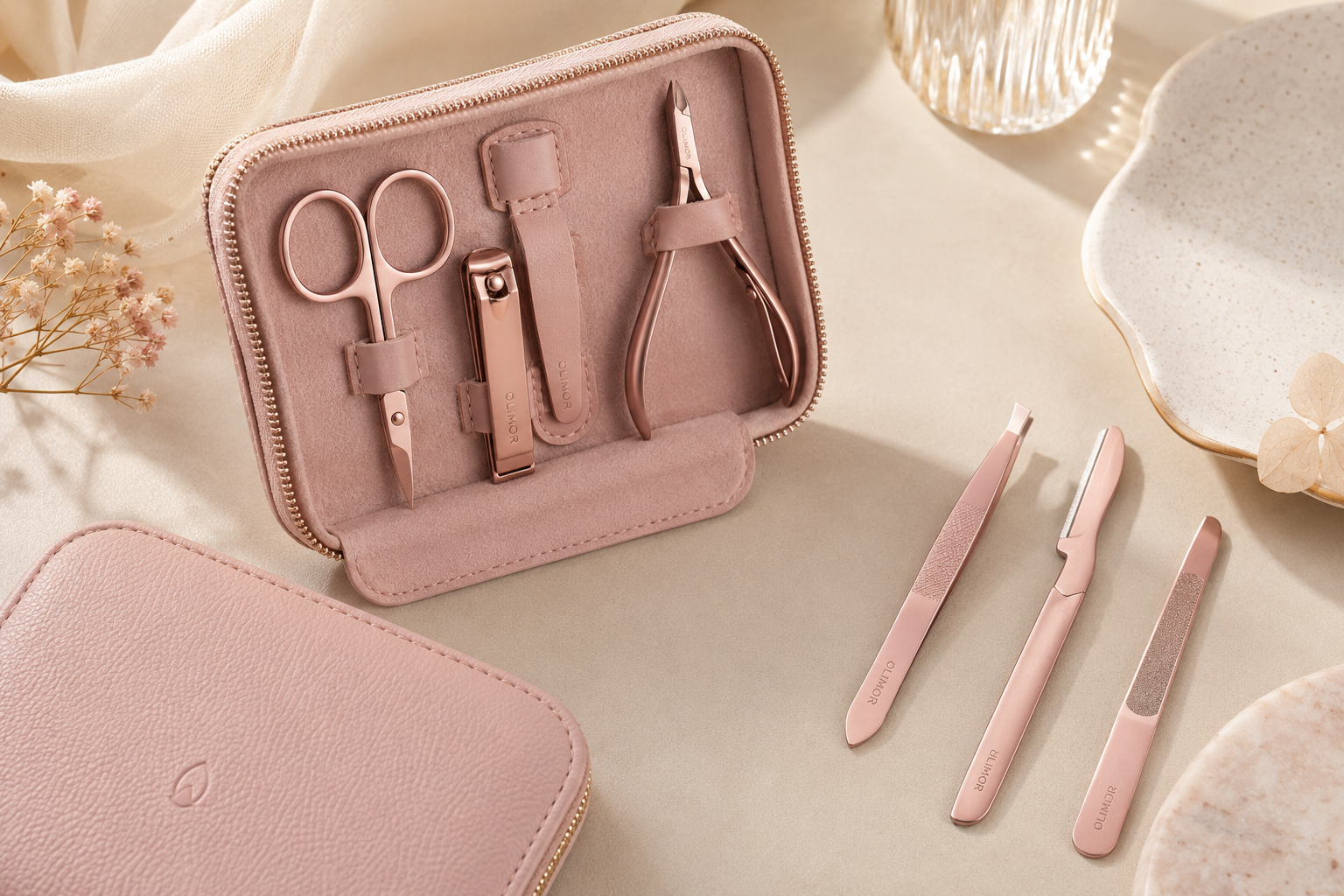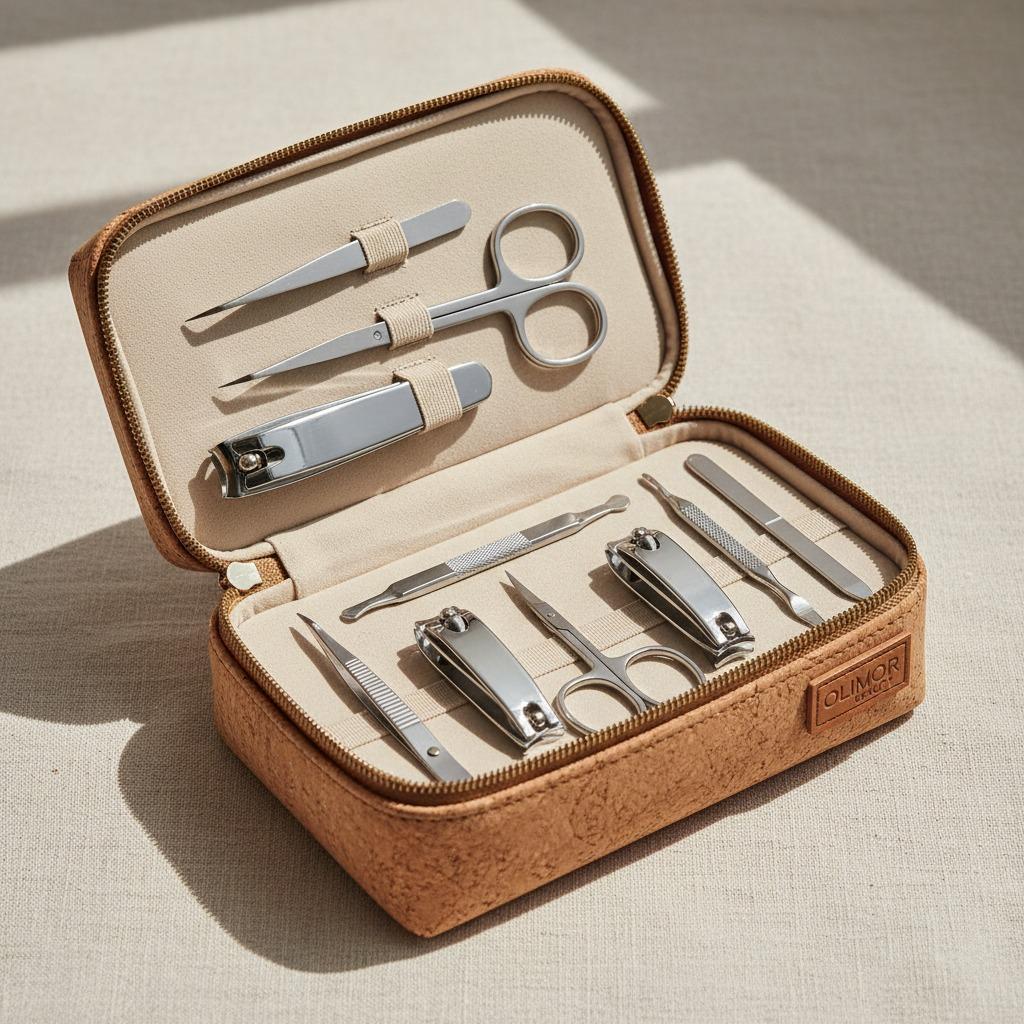











A nail clipper looks simple, but buyers know that small differences in blade alignment, handle leverage and finishing can decide whether a product feels reliable or forgettable. For retailers, salon suppliers, beauty brands and grooming kit developers, choosing the right nail clipper manufacturer is not only about finding a factory that can make a metal tool. It is about finding production control, repeatable cutting performance and a design approach that fits the customer’s daily use.
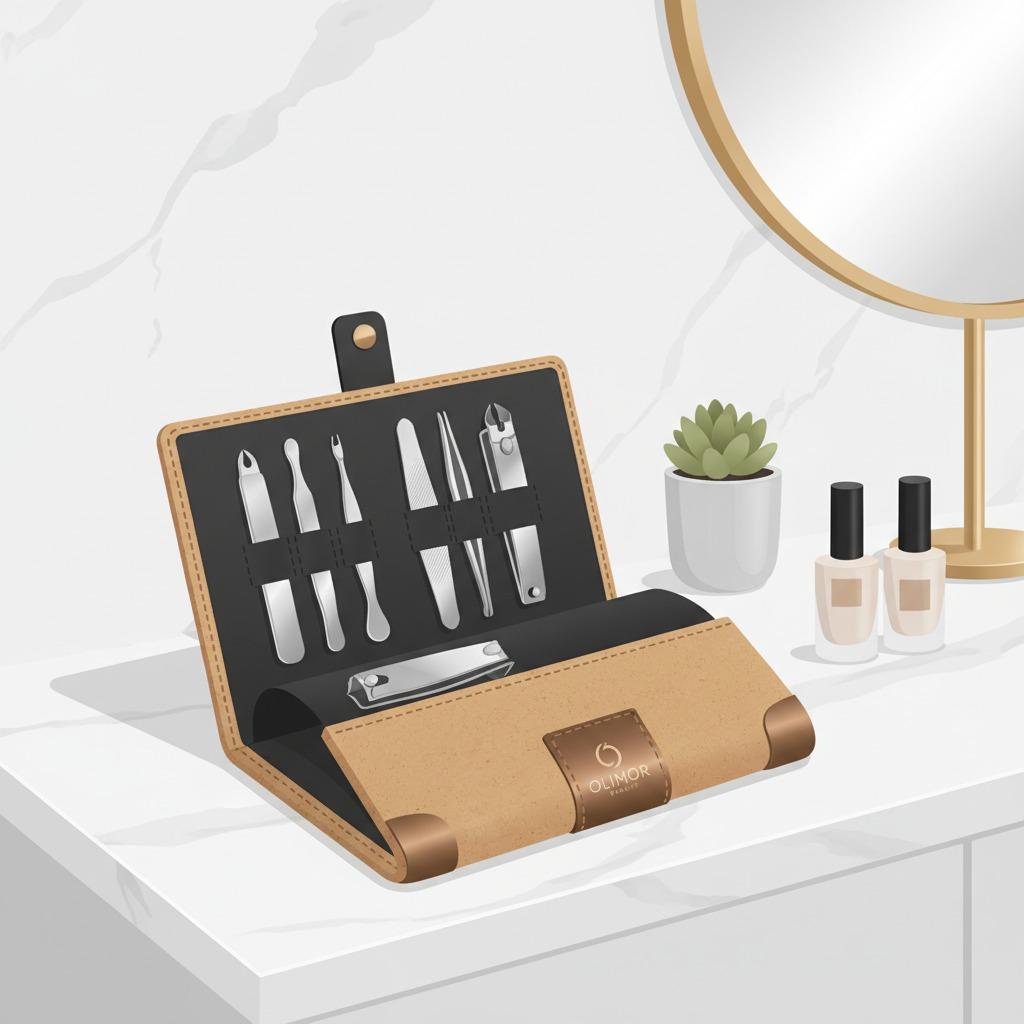
Olimor Beauty focuses on grooming tools that combine durability, precision and elegant design. In the nail clipper category, that means paying close attention to stainless steel processing, sharp cutting edges, comfortable handling and consistent assembly. Whether you are building a compact travel set, adding a nail clipper to a manicure kit or developing an OEM grooming line, the right sourcing questions can help you avoid weak springs, rough edges, misaligned blades and inconsistent batches.
What Buyers Should Expect from a Nail Clipper Manufacturer
A capable nail clipper manufacturer should understand both production and the real use of the tool. The clipper must trim cleanly without excessive pressure, sit comfortably in the hand and resist hygiene issues caused by poor finishing or hard-to-clean surfaces. The product should also look appropriate for its sales channel, whether that is a basic personal care range, a salon accessory line or a branded promotional grooming set.
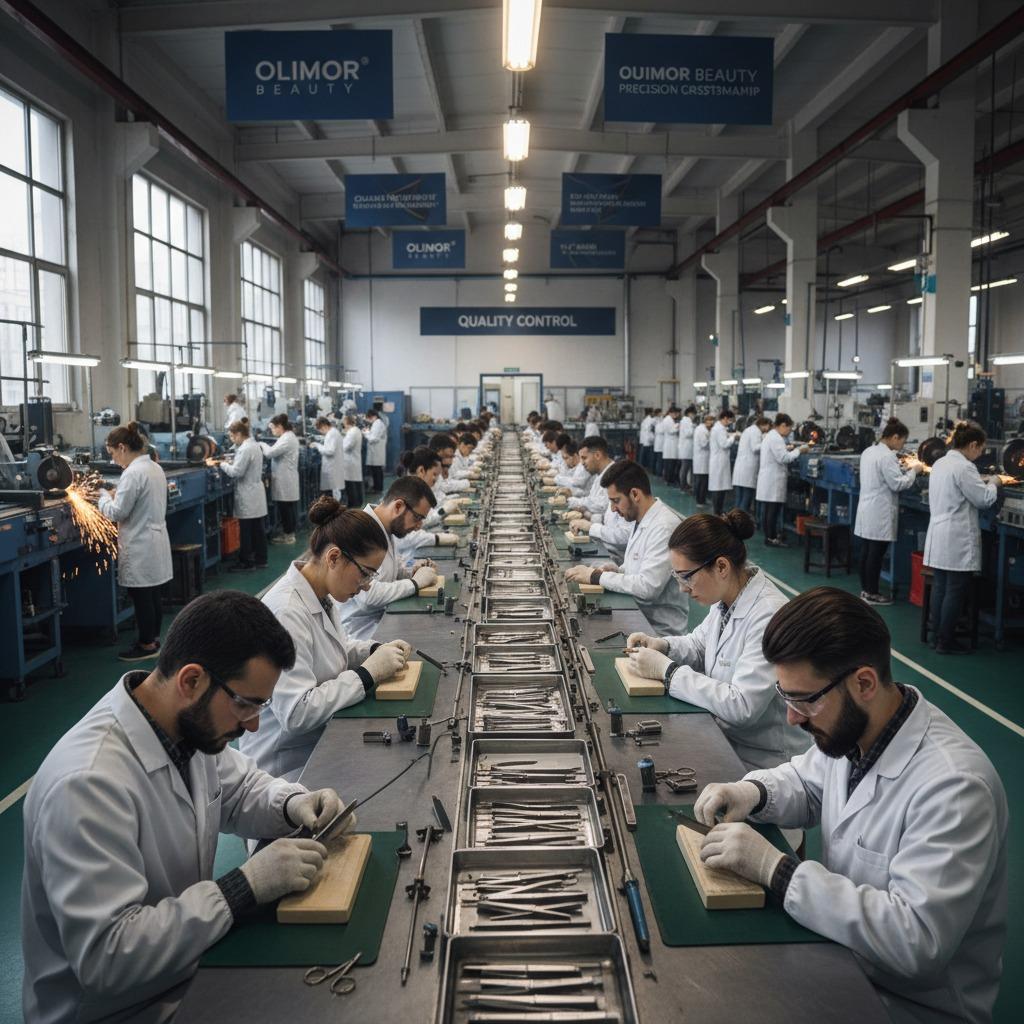
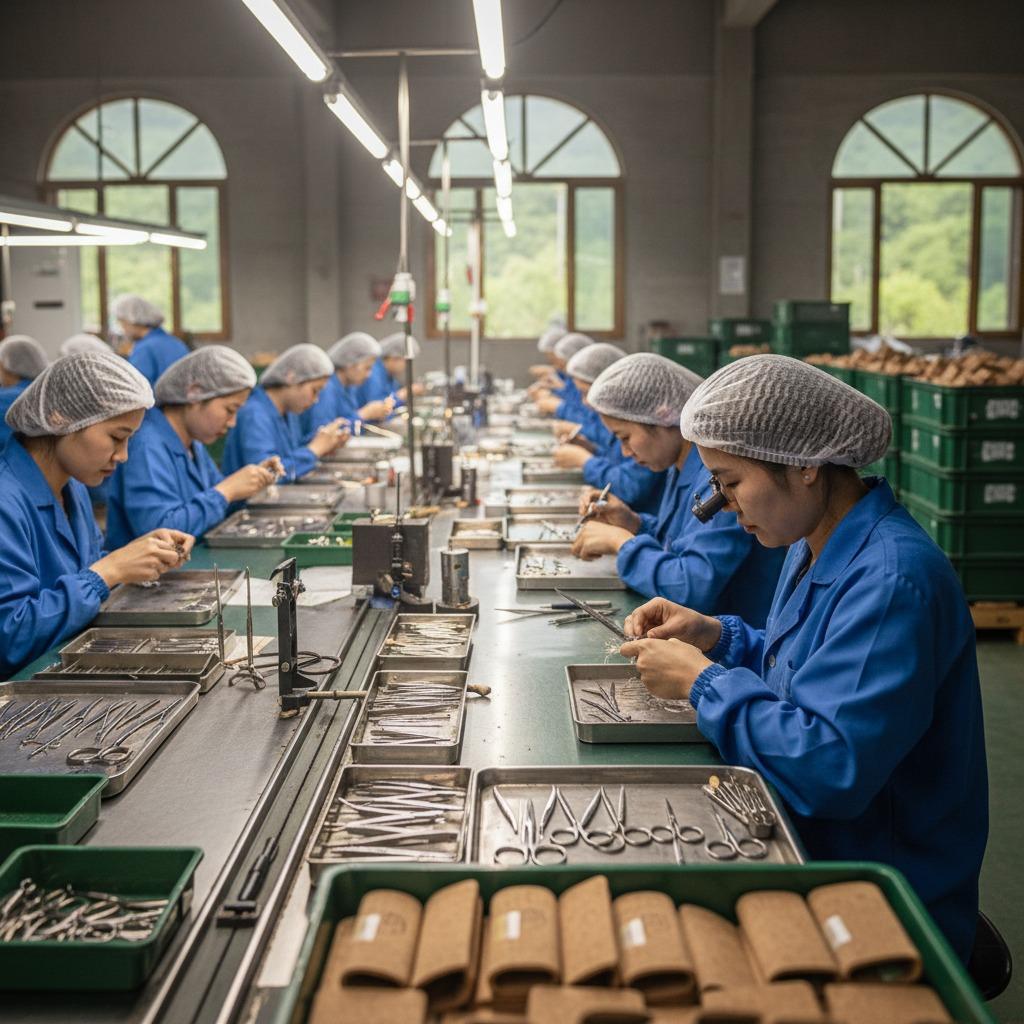
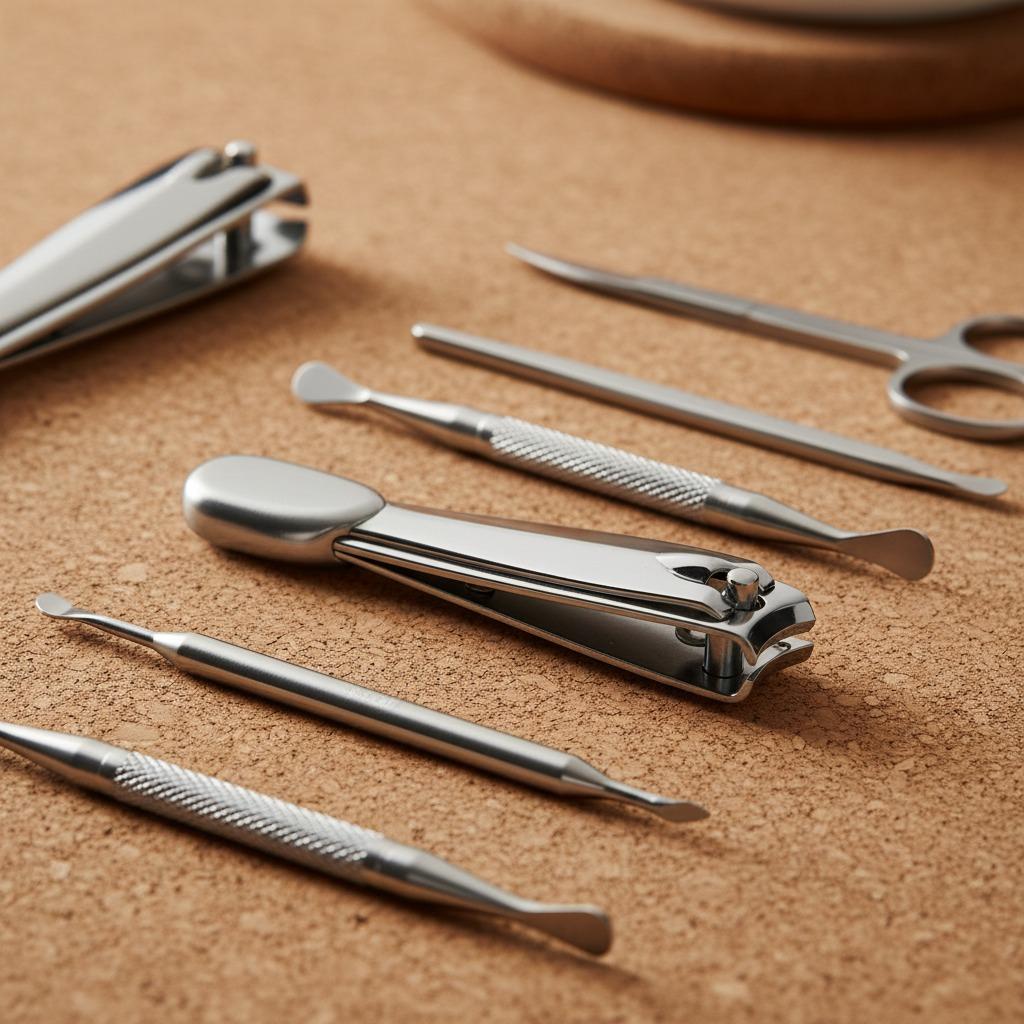
Manufacturing quality starts with material handling and forming. The original nail clipper article notes the use of stainless steel forging and quality checks in production. Stainless steel is widely selected for grooming tools because it can support strength, corrosion resistance and hygienic maintenance when properly finished. However, material alone does not guarantee a good clipper. The cutting jaw must be accurately shaped, the lever must generate enough force and the pivot point must be assembled so the clipper closes smoothly.
For sourcing teams reviewing beauty tool products, the most useful evaluation is often hands-on. Test the clipper on different nail thicknesses, compare how much pressure is needed and inspect whether the cut edge is smooth or leaves splitting. A good clipper should feel controlled, not aggressive, and should not require repeated bites on the same nail edge.
Blade Precision, Alignment and Cutting Comfort
The most important feature of any nail clipper is the blade. Sharp blades reduce crushing, while accurate alignment helps the upper and lower cutting edges meet evenly. When alignment is poor, the clipper may leave uncut sections, create ragged edges or require the user to squeeze harder than necessary. This can be especially frustrating in a retail product, because the user judges quality immediately during the first use.
Blade geometry also affects comfort. A compact nail clipper can be convenient for handbags, travel kits and daily carry, but it still needs enough leverage for practical trimming. Ergonomic handles, referenced in the existing product information, are useful because they improve grip and reduce the feeling of strain. In sourcing terms, the buyer should not only ask whether a clipper is sharp; the buyer should check how the blade, handle and pivot work together.
- Blade contact: The cutting edges should meet evenly from one side to the other.
- Lever action: The handle should press down smoothly without wobbling or sticking.
- Edge result: The nail should be trimmed cleanly with minimal splitting or tearing.
- Surface finishing: Corners and edges should feel smooth to the fingers.
- Cleaning access: The shape should not trap nail debris in areas that are difficult to wipe.
Compact Clippers, 7 cm Models and Everyday Use Cases
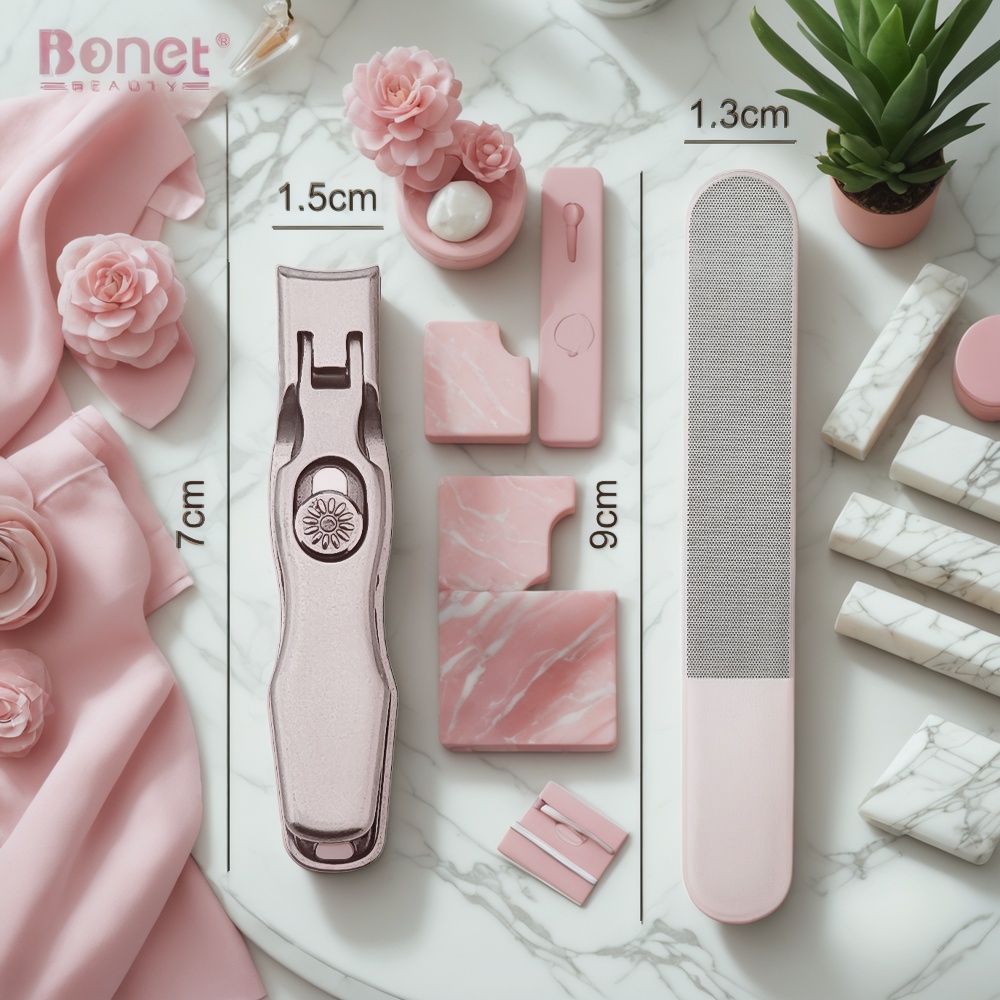
Compact nail clippers are popular because they solve a practical problem: people want a grooming tool that is easy to keep nearby. The supplied product information mentions compact 7 cm models paired with complementary nail files. A size around this range can work well for personal grooming kits, travel sets, retail impulse items and multi-piece manicure assortments. It is small enough for portability while still offering a familiar clipping motion.
The use case should guide the design decision. A compact clipper for a travel pouch may need a slim profile and secure lever closure. A clipper in a salon retail set may prioritize a more refined finish and comfortable finger contact. A promotional or private-label product may need a clean surface suitable for branding, while a family grooming kit may need a practical balance between strength and ease of use.
When considering a 7 cm compact model or any other size, think about who will use it and how often. A smaller clipper may be ideal for fingernails, while thicker toenails may require more leverage and a different jaw shape. If the clipper is paired with a nail file, the buyer should evaluate the set as a whole: the file should complement the clipper by smoothing the trimmed edge, and the packaging should prevent the two tools from scratching each other in transit.
OEM and Custom Nail Clipper Options
OEM nail clipper projects are common for beauty brands, grooming lines and retailers that want a product matched to their market identity. The original information highlights customization options such as embossed patterns and specific sizes. These are practical ways to make a standard grooming tool feel more aligned with a brand without changing its essential function.
Customization should be planned carefully. Visual changes are valuable, but they should not interfere with grip, blade movement or cleaning. An embossed pattern, for example, may improve recognition and tactile feel, but the depth and placement should be reviewed so it does not create discomfort. Size changes should also be tested for leverage. A compact shape may look attractive, yet the user still needs enough force to make a clean cut.
For OEM buyers exploring product collections, it can help to prepare a simple design brief before comparing options. Include the intended channel, target user, preferred finish direction, packaging format and whether the clipper will be sold alone or as part of a kit. This makes it easier to assess whether a custom nail clipper is being developed for real user value rather than decoration alone.
Quality Checks That Matter Before Bulk Ordering
Nail clipper quality control should cover function, appearance and consistency. The existing information notes that Olimor Beauty emphasizes internal controls and batch inspection for reliability. For buyers, this is important because a single sample can feel good while later production varies if controls are weak. A practical quality review should include multiple pieces, not just one display sample.
Key inspection points include blade closure, spring or lever response, surface polishing, burrs, plating or finish consistency where applicable, and packaging protection. The clipper should not feel loose at the pivot, and the lever should remain stable after repeated operation. Buyers should also check whether the cutting edges stay protected during shipping, especially if the clipper is packed with nail files or other metal tools.
| Inspection Area | What to Check | Why It Matters |
|---|---|---|
| Blade alignment | Upper and lower edges meet evenly | Supports clean trimming and reduces nail splitting |
| Lever movement | Smooth press, stable pivot, no excessive wobble | Improves user control and perceived quality |
| Finishing | No sharp burrs on handle, jaw or file contact areas | Protects hands and improves product presentation |
| Size and pairing | Compact clipper and nail file fit the intended kit | Helps the set feel planned, not randomly assembled |
| Batch consistency | Several samples perform similarly | Reduces risk in retail and private-label programs |
Supplier, Factory and Export Considerations
A nail clipper supplier may provide finished goods, components, packaging support or OEM coordination. A nail clipper factory is responsible for making the product consistently. An exporter helps make the product available to international markets. In many sourcing projects, these roles overlap, but buyers should still evaluate each part of the supply chain: production capability, communication, sampling process, packaging readiness and shipment preparation.
International buyers should be especially clear about labeling, packaging structure, carton protection and market expectations. A clipper that sells well in one market may need different packaging or instructions in another. This does not always require changing the tool itself; sometimes a clearer product card, safer internal tray or more appropriate set configuration makes the item more suitable for the sales channel.
If you are comparing nail clipper OEM, custom grooming kits or compact clipper options, you can send an inquiry with your intended application and quantity planning. For broader sourcing discussions or questions about matching nail clippers with other manicure tools, you can also contact Olimor for product communication.
Maintenance Tips to Support End-User Satisfaction
Even a well-made nail clipper performs better when users care for it properly. Retailers and brands can improve customer satisfaction by including simple maintenance guidance on packaging or inserts. The advice does not need to be complicated: keep the clipper dry, wipe it after use and avoid using it on materials other than nails. If the clipper is part of a set with a nail file, the user should store both tools so their edges do not damage each other.
For hygiene, users should remove nail debris after trimming and allow the tool to dry before storage. In shared environments, such as salon retail demonstrations or family use, cleaning practices are even more important. Clear care instructions help protect the perceived value of the product and reduce complaints caused by misuse rather than manufacturing defects.
Choosing a Nail Clipper That Fits the Program
The best nail clipper for a sourcing project is not always the most decorative or the lowest-cost option. It is the one that matches the end user, trims reliably, feels comfortable and can be produced consistently. For a compact personal care item, features such as ergonomic handles, sharp blades and a practical size are more meaningful than unnecessary complexity. For OEM projects, customization should support branding while preserving the tool’s cutting performance.
Olimor Beauty’s role as a nail clipper manufacturer is centered on producing grooming tools with precision, durability and elegant design. Buyers can use the criteria above to compare samples, refine custom requirements and build a product line that customers will use regularly. A nail clipper may be small, but when the details are right, it becomes a dependable part of everyday personal care.