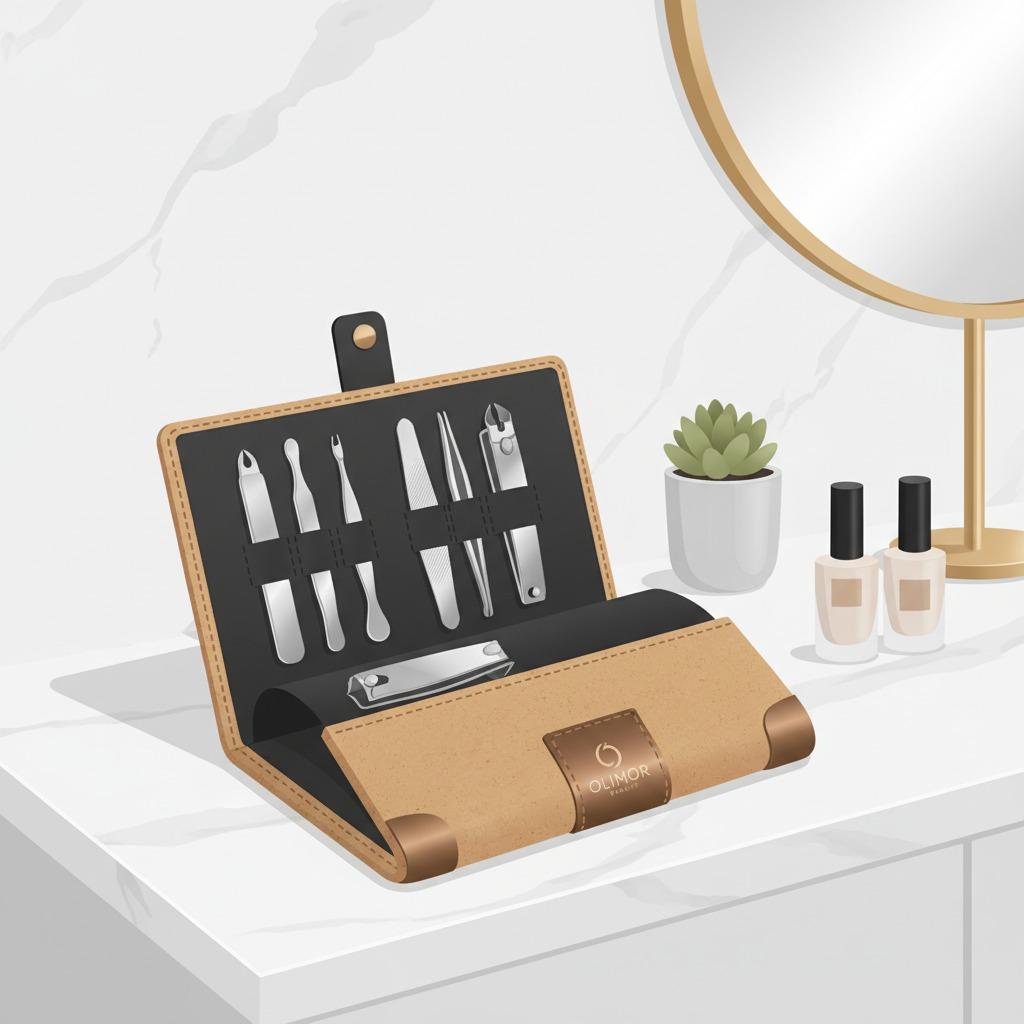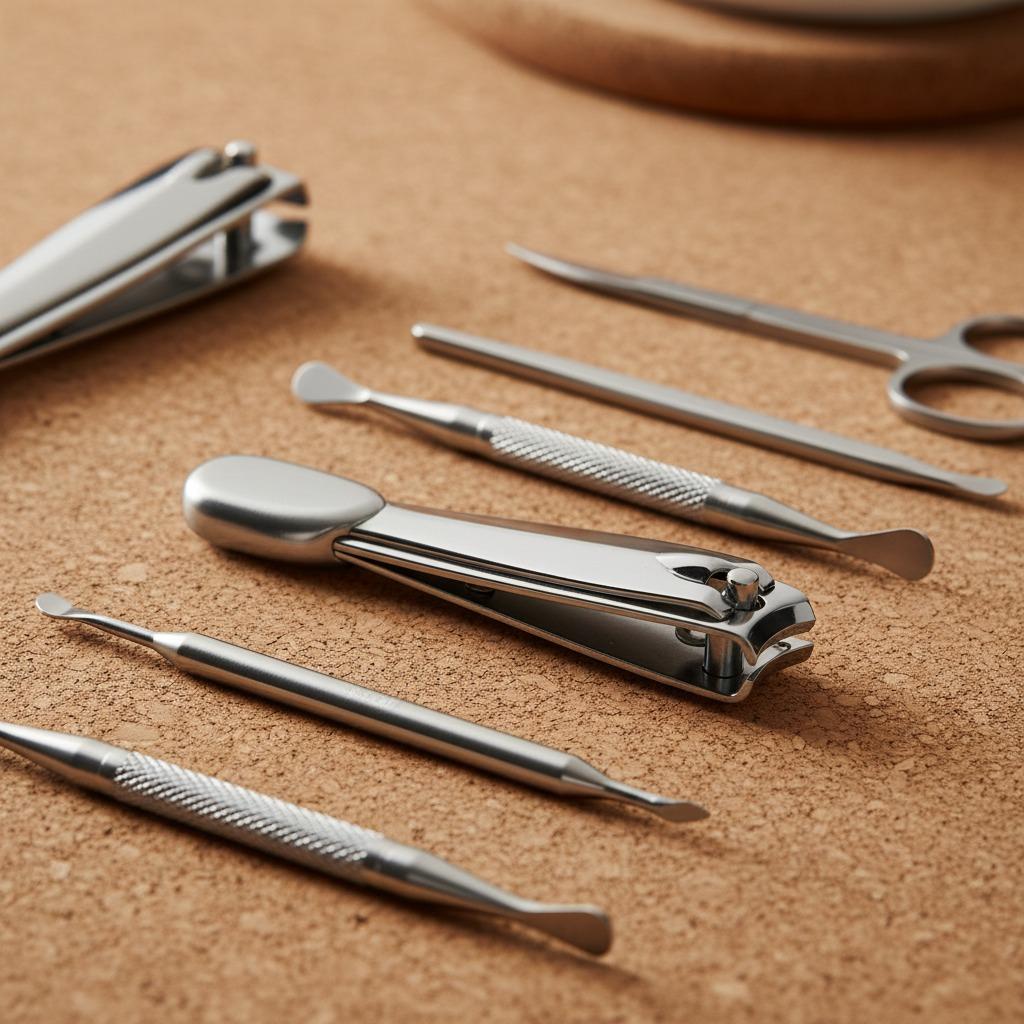













For beauty retailers, salon suppliers, grooming brands, and import buyers, a nail clipper may look like a simple product. In practice, it is a small tool with many details that affect customer satisfaction: blade alignment, leverage, corrosion resistance, hand feel, packaging, and consistency from one production batch to the next. Choosing the right nail clipper manufacturer is therefore less about finding the lowest unit cost and more about selecting a partner that can produce dependable stainless steel grooming tools for your target market.
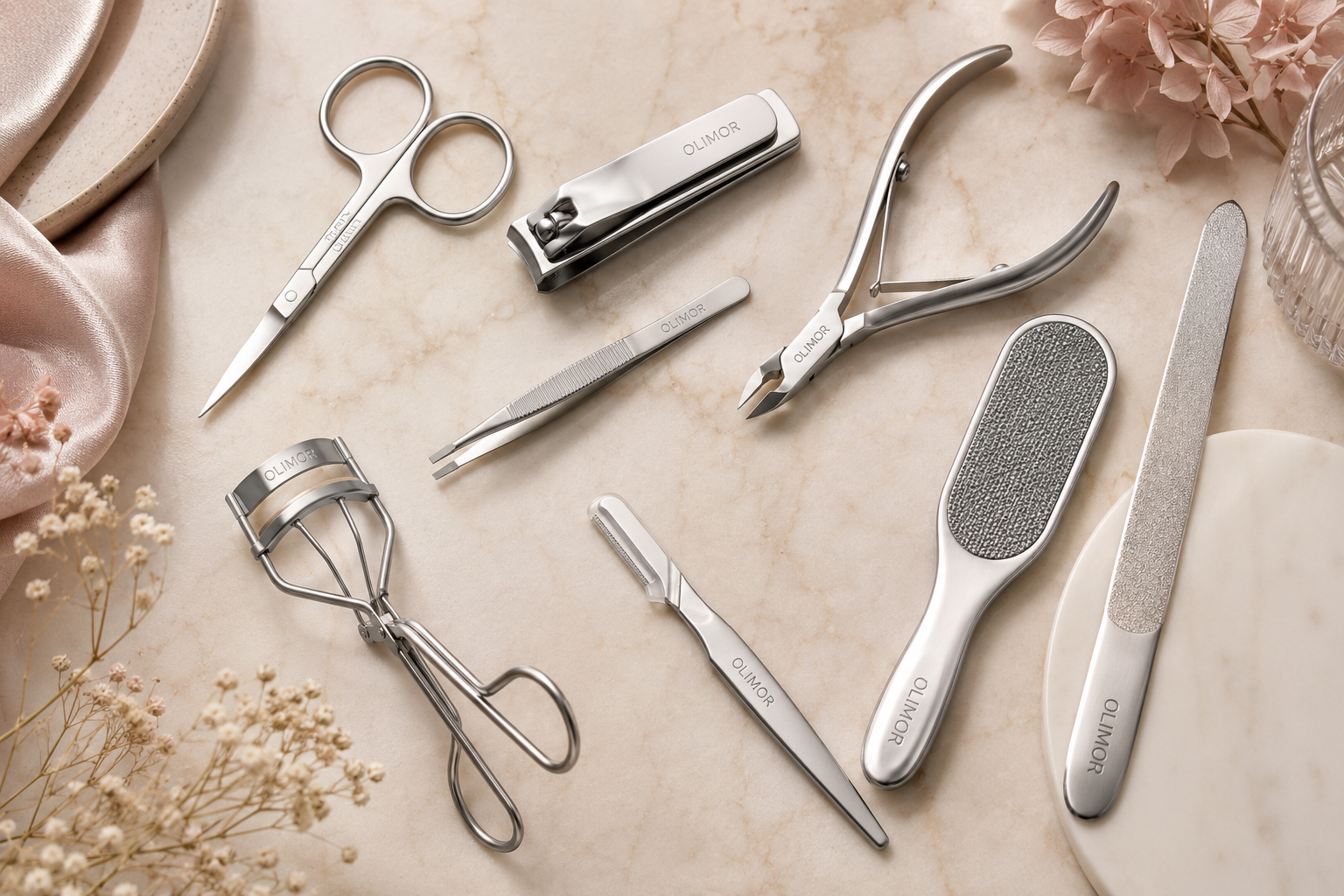
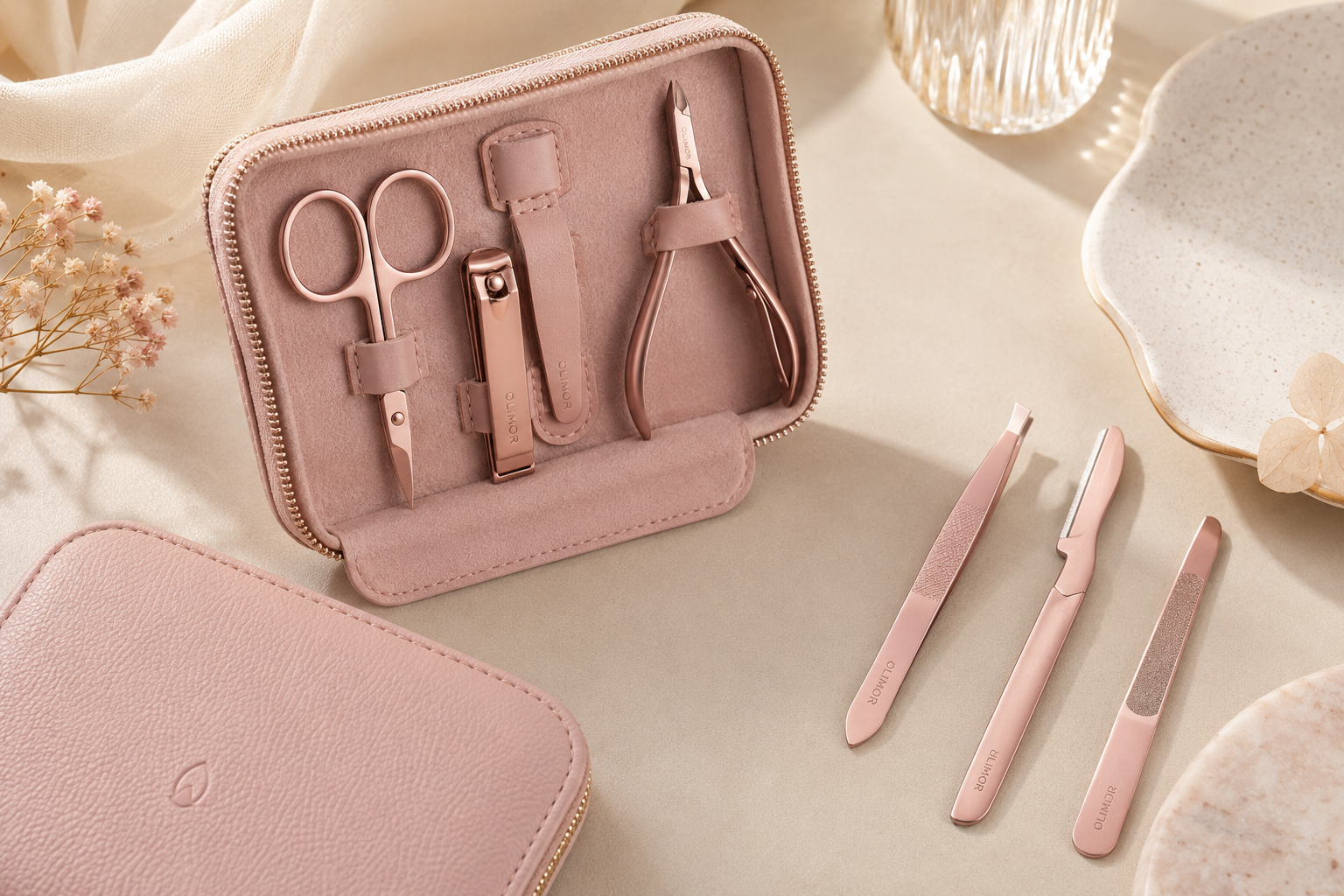
Olimor Beauty works in the beauty-tools field, including nail clippers and related personal care products. Buyers comparing suppliers can explore Olimor’s wider beauty tool products to understand how nail clippers fit within a broader grooming assortment. This guide explains what to look for when sourcing stainless steel nail clippers and how to evaluate the technical and commercial details that influence long-term product performance.
Why Stainless Steel Matters in Nail Clippers
Stainless steel is widely used for nail clippers because it offers a practical balance of hardness, corrosion resistance, and hygiene. A nail clipper is frequently exposed to moisture from bathrooms, hand washing, travel kits, and salon workstations. If the material is not suitable, the tool can stain, corrode, or lose its clean appearance quickly. Stainless steel helps reduce those risks, especially when the product is cleaned and stored correctly.
The original value of stainless steel comes from a surface phenomenon often described as a passive film. This thin protective oxide layer forms naturally on stainless steel and helps resist rust and environmental damage. For a nail clipper, this matters because customers expect the cutting jaws, lever, and body to remain clean-looking through repeated use. The passive film is not a substitute for proper care, but it is one reason stainless steel is preferred over materials that are more vulnerable to corrosion.
When evaluating a nail clipper manufacturer, do not stop at the phrase “stainless steel.” Buyers should check whether the supplier can explain the material used, the intended market positioning, and how the surface finish is controlled. The goal is not necessarily to choose the most expensive material; it is to choose a material and finish that match the product’s price level, expected use, and customer promise.
Cutting Performance: The Details Customers Notice First
The most important function of a nail clipper is clean cutting. A good clipper should trim fingernails or toenails without tearing, crushing, or requiring excessive pressure. Cutting performance depends on blade geometry, jaw alignment, spring response, lever strength, and the consistency of the manufacturing process.
For product managers and purchasing teams, samples should be tested in a realistic way before ordering. Look at how the tool performs on different nail thicknesses, whether the jaws meet evenly, and whether the cut edge feels smooth. The lever should move without rough friction, and the body should not twist under normal pressure. If a clipper feels acceptable for one cut but uncomfortable after repeated use, customers may notice that weakness quickly.
- Jaw alignment: The two cutting edges should meet evenly across the full curve or straight edge.
- Edge finish: The cutting surface should be clean, without visible burrs that can catch or scratch.
- Lever action: Pressure should feel controlled, not loose, stiff, or unstable.
- Cut quality: The clipper should cut cleanly rather than split or crush the nail.
- Repeatability: Several samples from the same batch should perform consistently.
These points are especially important if you plan to sell nail clippers as part of a grooming kit or personal care line. Customers may forgive simple packaging, but they rarely ignore a tool that pulls, bends, or leaves ragged nail edges.
Ergonomics and Use Cases: Fingernail, Toenail, Travel, and Salon Needs
Olimor Beauty’s existing product description highlights ergonomic design as a consideration, and this is a key factor for nail clippers. Ergonomics does not only mean a modern appearance. It means the clipper is comfortable to hold, easy to control, and suitable for the intended user. A compact fingernail clipper for travel has different priorities from a larger toenail clipper designed for thicker nails.
Before selecting a design, define the use case. A retail buyer may need a general-purpose clipper with broad appeal. A salon supplier may prefer a tool that is easier to clean and durable enough for frequent handling. A travel kit may require a smaller clipper with a secure lever and protective packaging. A senior-care or family grooming product may need a wider lever area for easier pressure control.
Useful ergonomic questions include: Is the lever long enough to provide comfortable leverage? Does the clipper feel stable between the fingers? Are the edges of the handle or lever smooth? Can the user see the cutting area clearly? Does the size match the product description and customer expectation? These details influence reviews, repeat purchases, and return rates.
Corrosion Resistance, Passive Film, and Everyday Maintenance
Stainless steel nail clippers are designed to resist corrosion, but they still benefit from sensible maintenance. The passive film on stainless steel can help protect the surface, yet residues, moisture, and harsh storage conditions may reduce the product’s appearance over time. Buyers should consider maintenance instructions as part of the total product experience, especially for e-commerce listings and packaged grooming sets.
Clear care guidance can reduce customer complaints. After use, the clipper should be wiped clean and stored dry. In a salon environment, cleaning practices should follow the business’s hygiene procedures and local requirements. For consumer use, simple instructions are often enough: avoid prolonged exposure to water, dry the tool before storage, and keep it away from corrosive chemicals.
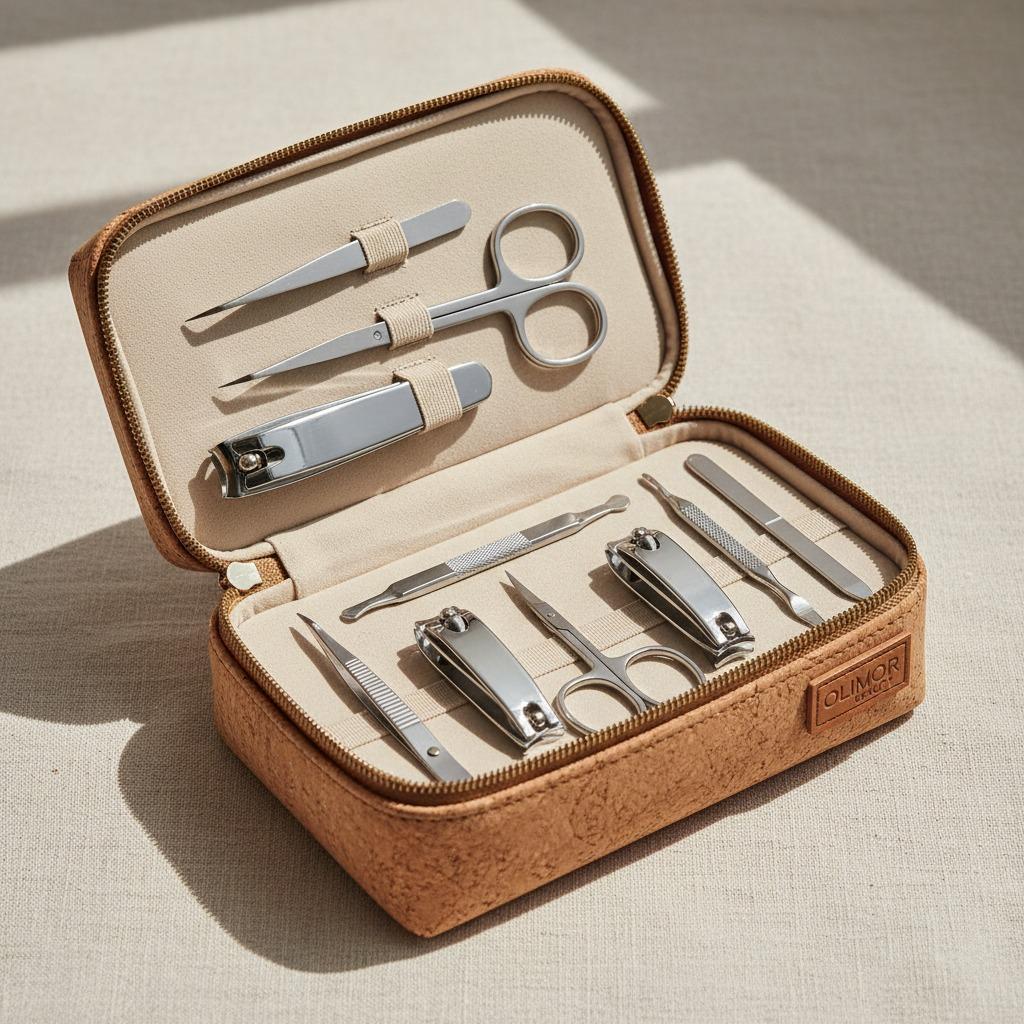
Packaging can also support corrosion resistance. A nail clipper placed loosely in a damp bathroom drawer may not perform the same as one stored in a dry pouch or case. If your target customer travels often, consider whether the packaging protects the cutting edge from impact and keeps the product clean in a toiletry bag.
Quality Control Questions for a Nail Clipper Manufacturer
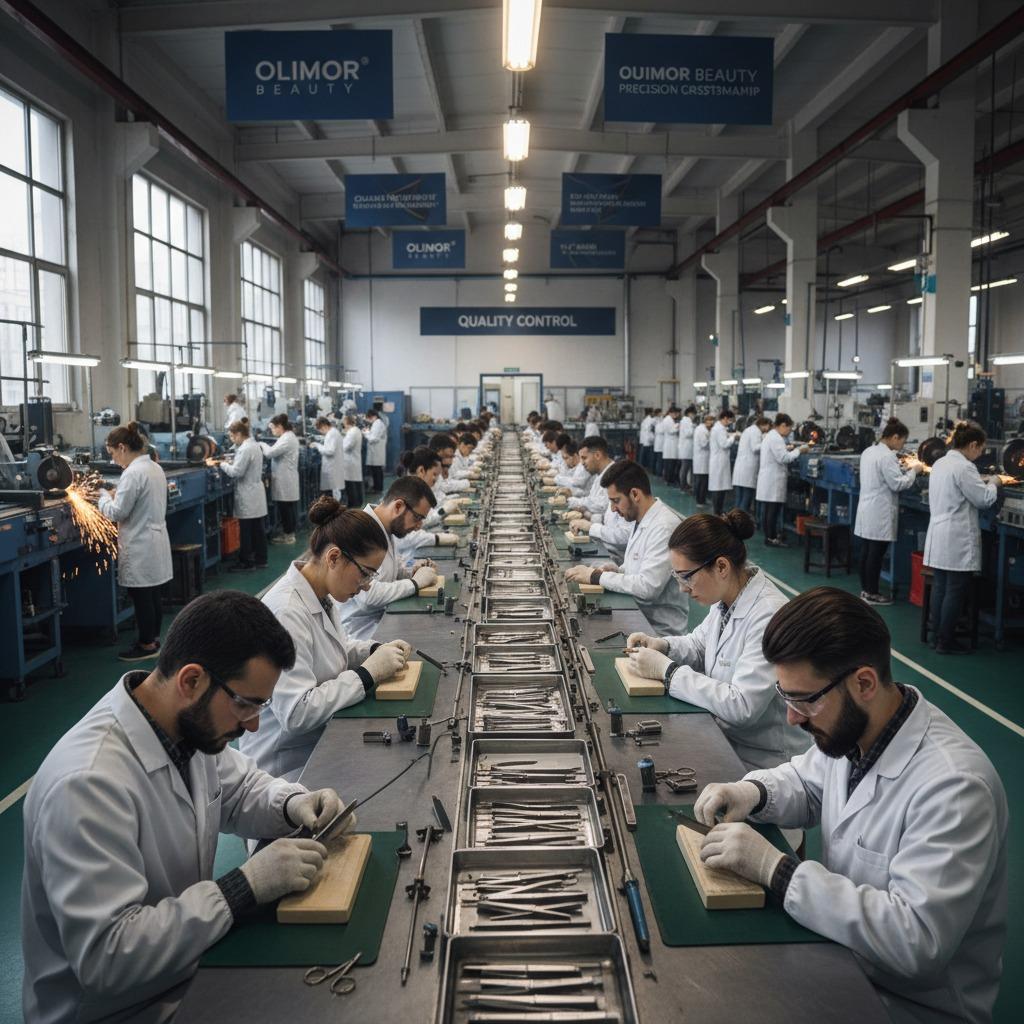
A reliable nail clipper manufacturer should be able to discuss how product quality is checked from raw material selection through final packaging. This does not require exaggerated claims or unnecessary technical language. It requires practical controls that match the buyer’s expectations.
The following checklist can help purchasing teams compare samples and supplier responses:
| Evaluation Area | What to Review | Why It Matters |
|---|---|---|
| Material and finish | Stainless steel type, surface finish, visible stains or scratches | Affects corrosion resistance, appearance, and customer trust |
| Blade alignment | Even contact between cutting edges across multiple samples | Determines whether nails are cut cleanly |
| Lever strength | Smooth action, stable pressure, no excessive looseness | Influences comfort and perceived durability |
| Edge safety | No sharp burrs on handle, lever, file area, or body edges | Reduces discomfort and handling complaints |
| Packaging fit | Protection, labeling space, retail display needs, shipping durability | Supports branding and reduces transit damage |
This type of review is more useful than relying only on catalog photos. Requesting samples, comparing multiple pieces, and documenting your acceptance criteria before ordering can make supplier communication clearer and reduce misunderstanding.
Sourcing for Retail, Private Label, and Beauty Tool Assortments
Nail clippers are often sold as standalone products, included in manicure kits, or bundled with other grooming tools. If your business is building a complete beauty tool range, it is helpful to compare product collections, finishes, and packaging directions together rather than sourcing each item in isolation. Olimor’s product collections page can be a starting point for viewing broader assortment possibilities.
For private label or retail programs, consider the complete customer journey. The product photo must match the item delivered. The packaging should explain what the clipper is for, especially if it is designed for fingernails, toenails, or travel use. The tool should feel appropriate for its price position. A premium-looking finish paired with weak cutting performance can damage brand credibility, while a strong tool with poor packaging may undersell its value.
Buyers should also define inspection standards early. For example, you may specify acceptable cosmetic limits, lever movement expectations, packaging requirements, barcode placement, or carton labeling needs. When these points are agreed in advance, production and receiving checks become more objective.
How to Start a Practical Supplier Conversation
When contacting a nail clipper manufacturer, prepare a concise brief. Include your target market, intended sales channel, expected packaging format, desired finish direction, and whether the clipper will be sold alone or as part of a kit. If you already have a reference sample, describe what you like and what should be improved without assuming every detail can be copied exactly.
A focused sourcing inquiry may include sample needs, packaging artwork status, product use case, quality concerns, and timeline. If you are comparing stainless steel nail clippers for a new grooming line, you can send an inquiry with your requirements or contact Olimor for product discussion. Clear information helps both sides determine whether the design, quality level, and order plan are aligned.
The right nail clipper manufacturer should help you move from a basic product idea to a dependable grooming tool that customers can use with confidence. By evaluating stainless steel quality, passive-film corrosion resistance, cutting performance, ergonomics, maintenance guidance, and packaging, you can make a sourcing decision based on real product value rather than surface appearance alone.