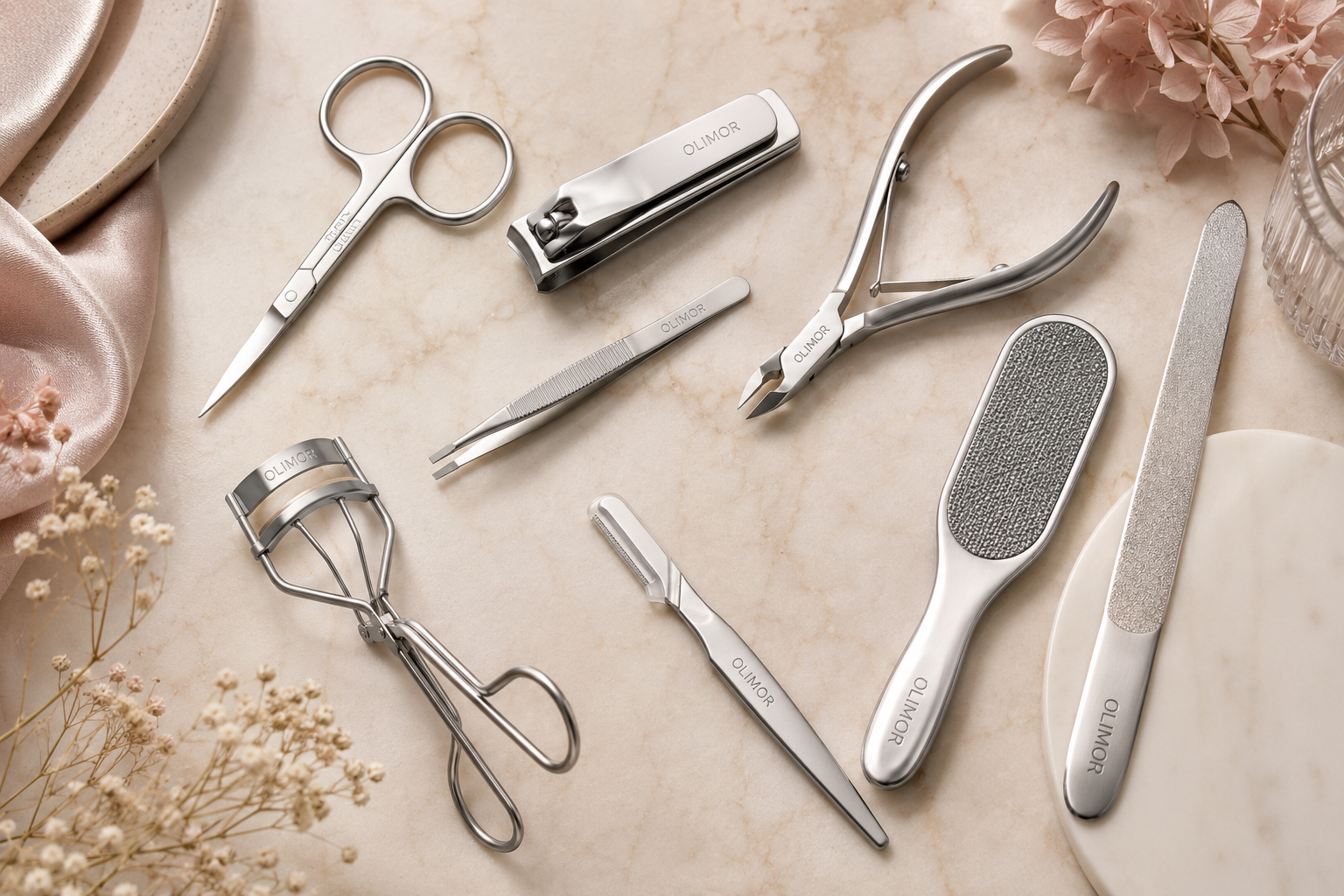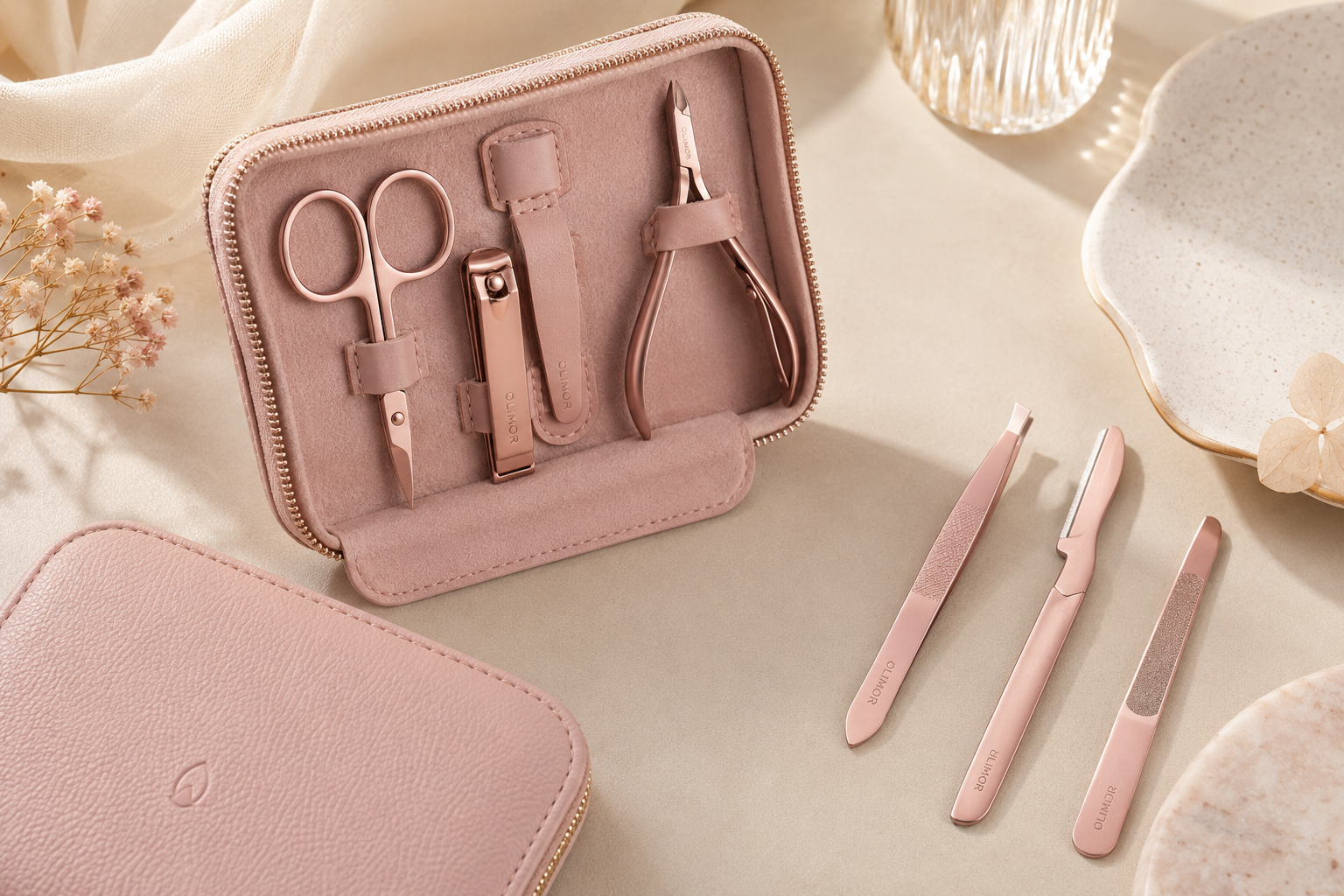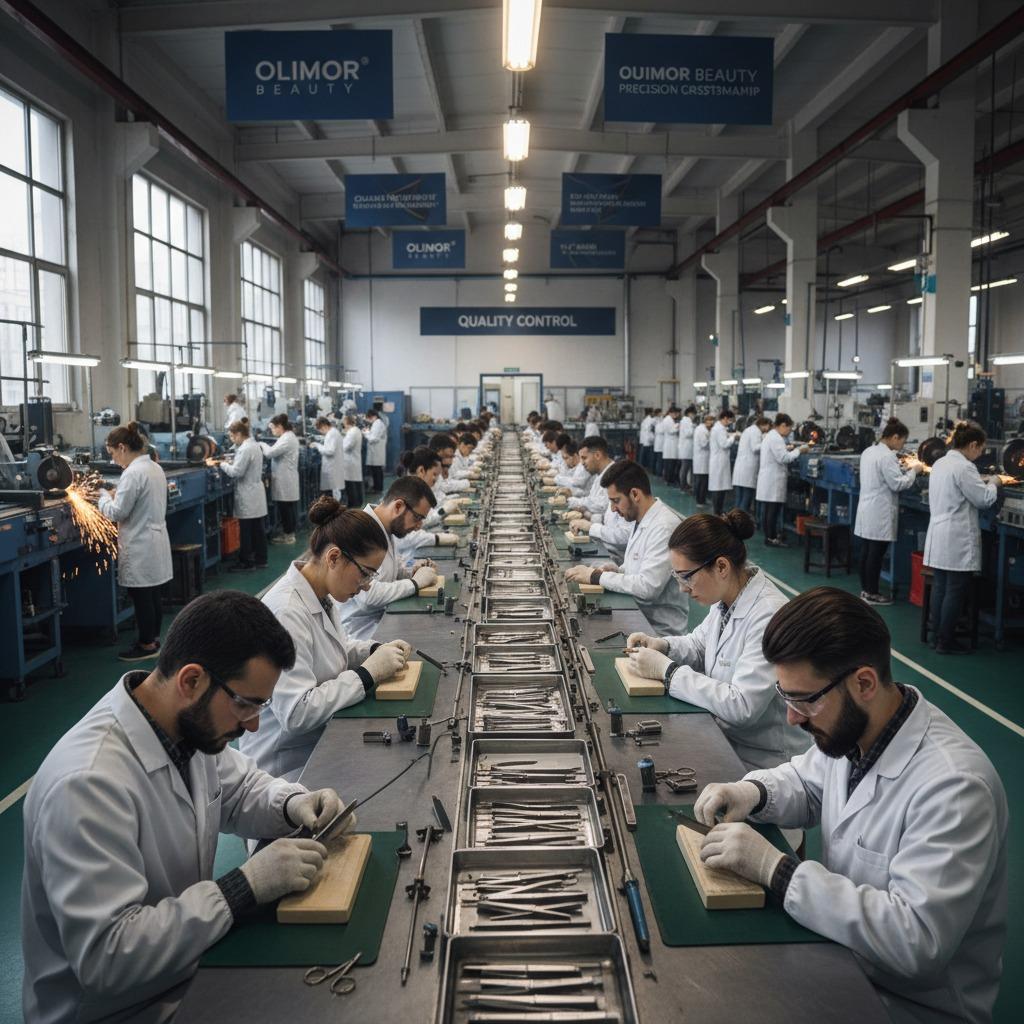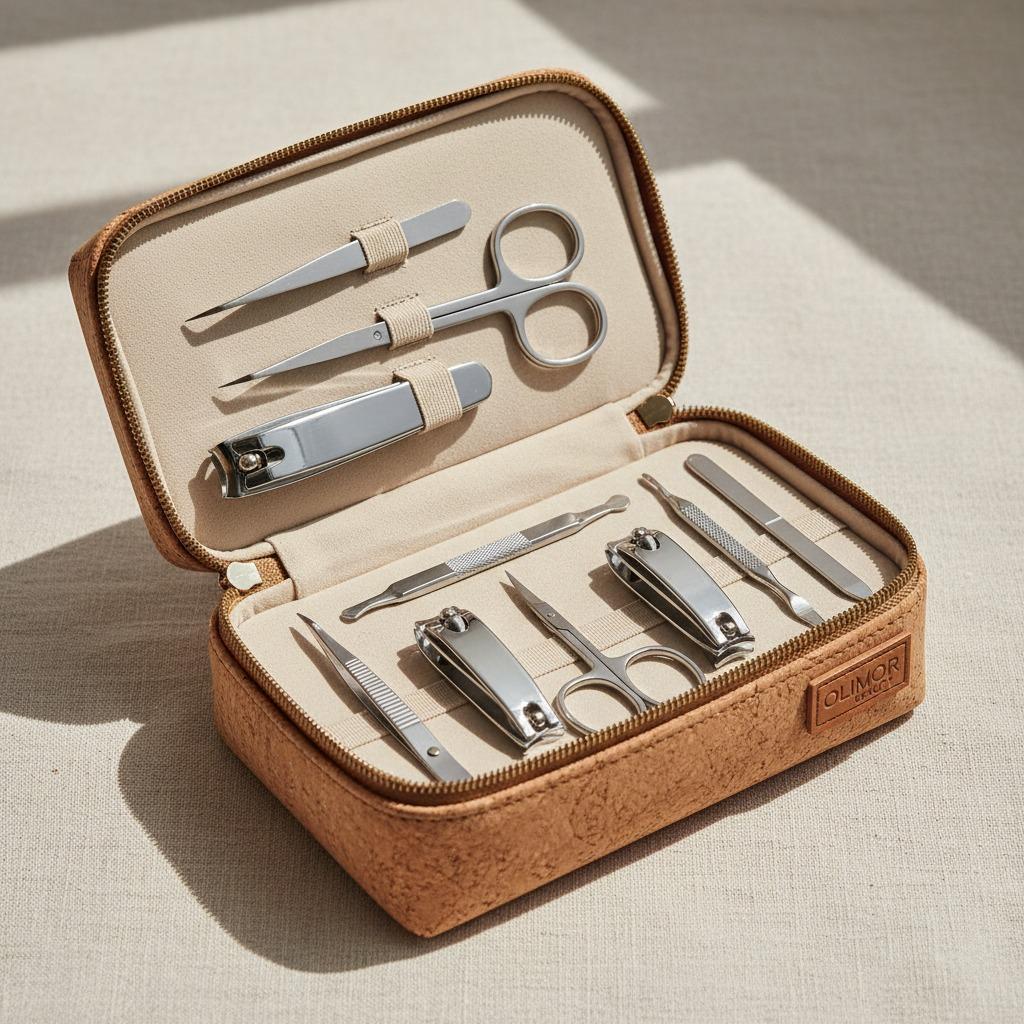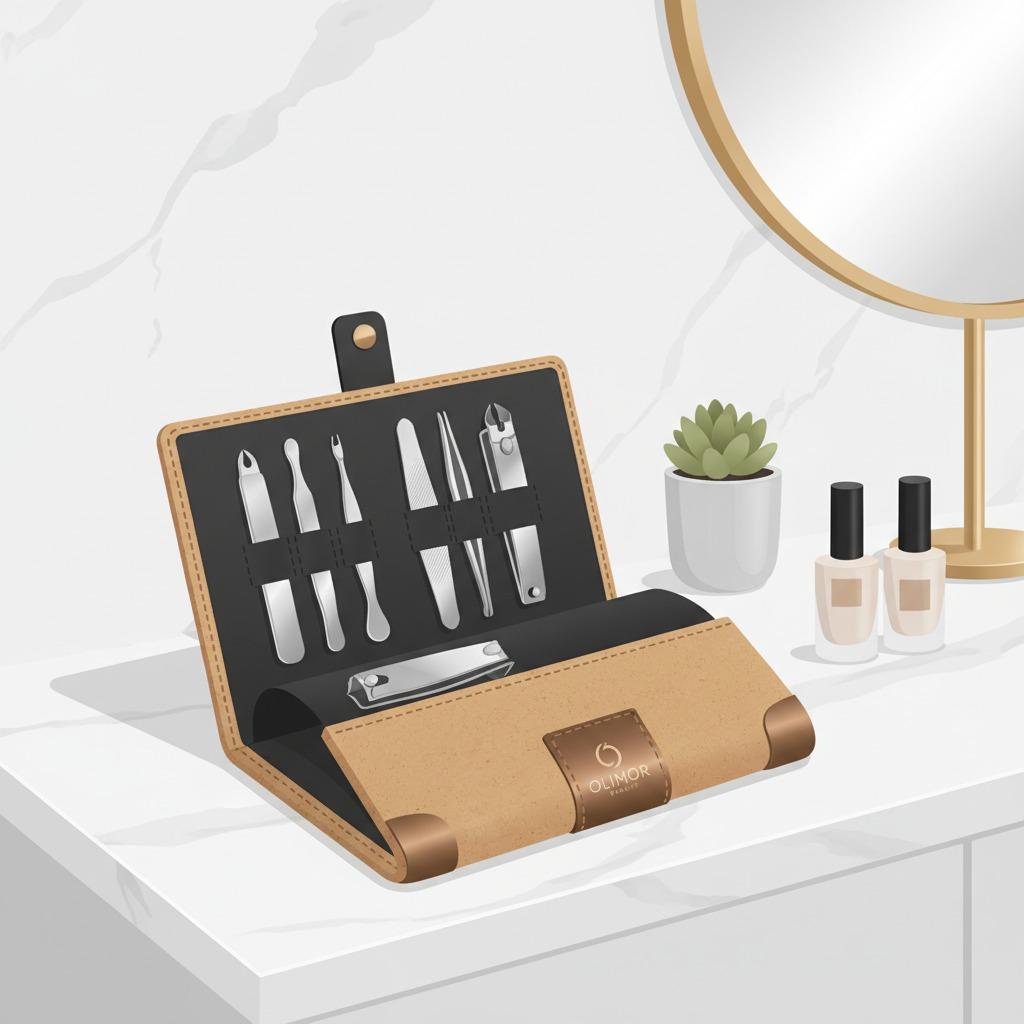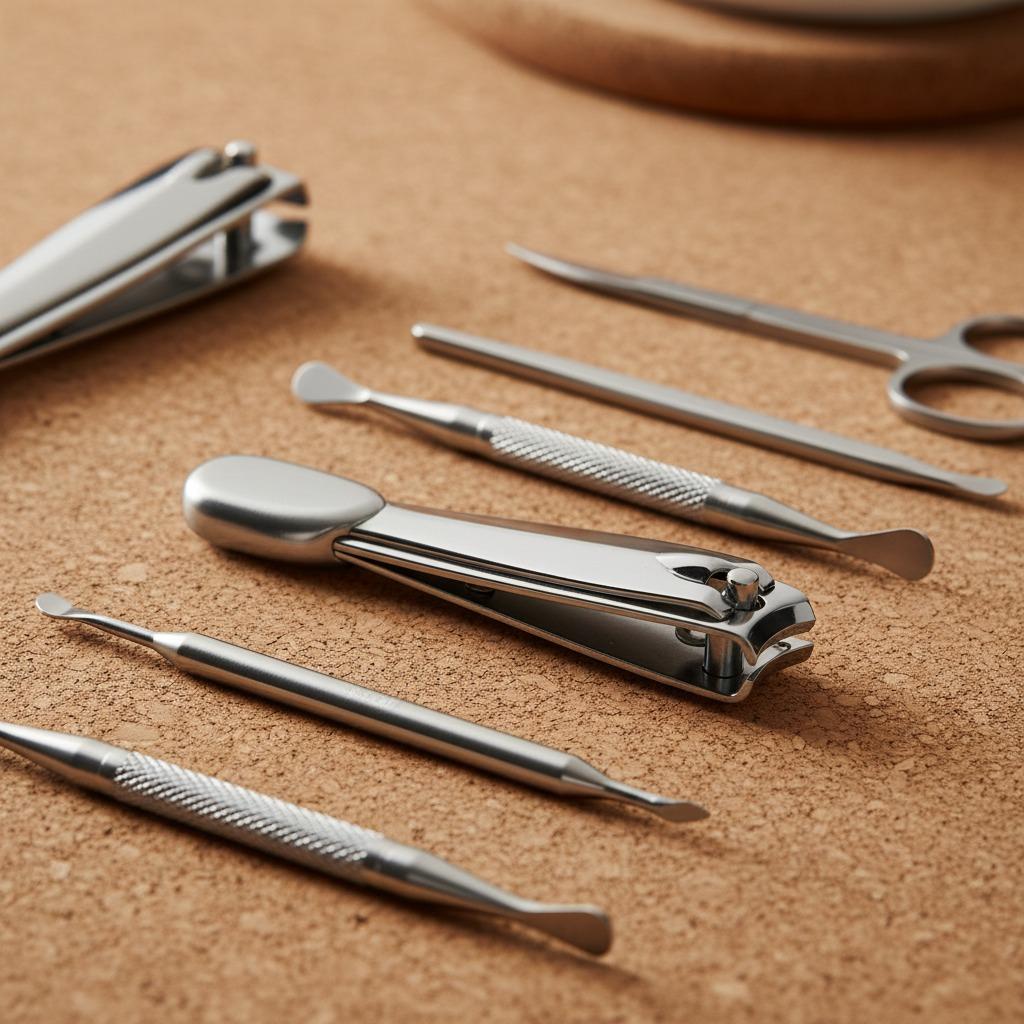











A nail clipper looks simple, but buyers who source beauty tools know that small design choices can decide whether the product feels dependable or disposable. The curve of the cutting edge, the leverage of the handle, the alignment of the jaws and the smoothness of the finish all affect the user experience. For retailers, distributors, salons and private label buyers, choosing a nail clipper manufacturer is not only about finding a low-cost item. It is about selecting a tool that cuts cleanly, feels safe in the hand and supports the quality level expected by your customers.
Olimor Beauty focuses on practical grooming tools for everyday nail care, including the nail clipper category. This guide explains what to evaluate when comparing nail clipper designs, how precision can be assessed before ordering, and which sourcing questions help separate a well-made tool from a product that may create complaints after sale.
What Makes a Nail Clipper Feel Precise?
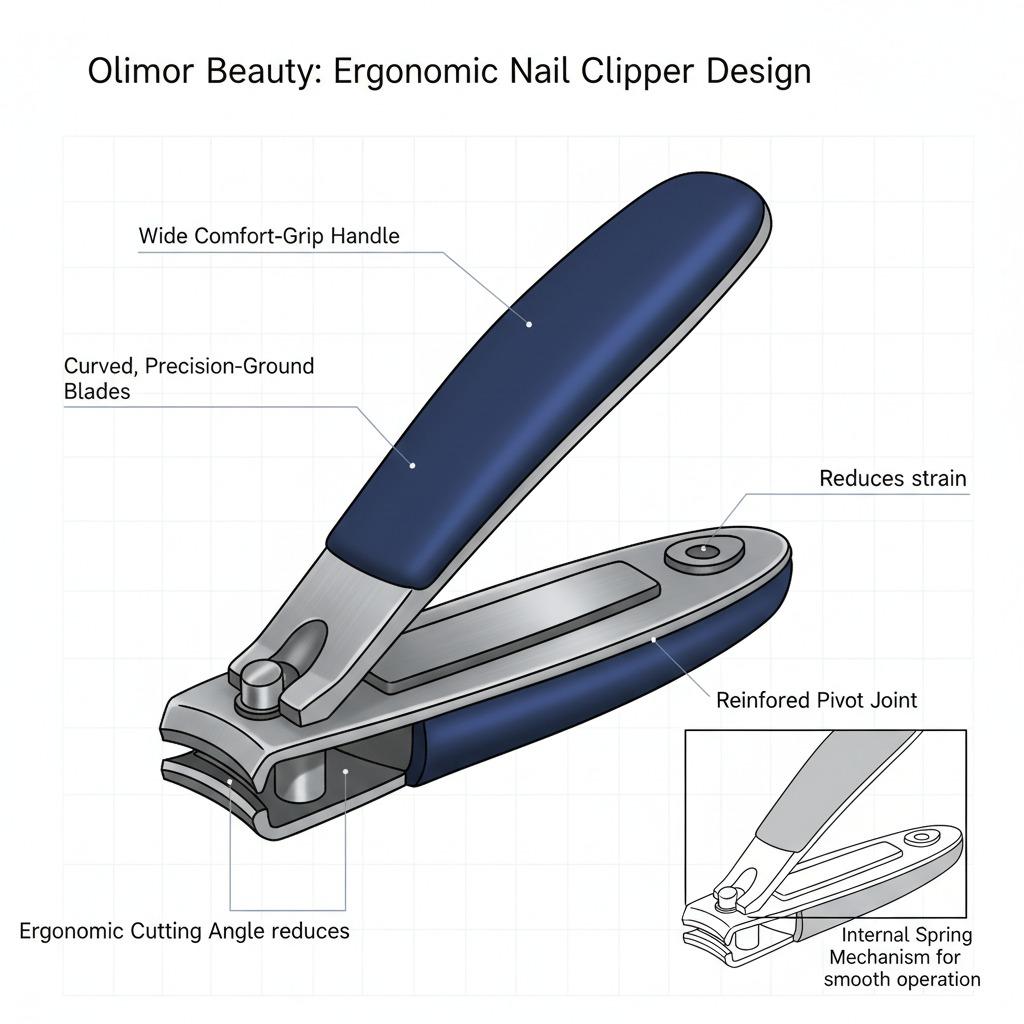
Precision in a nail clipper is not a single feature. It is the combined result of cutting edge geometry, jaw alignment and consistent pressure transfer from the lever to the blades. When the upper and lower edges meet evenly, the clipper can trim the nail with less crushing or tearing. When the lever has stable movement, the user can control each cut instead of forcing the tool through the nail.
For product buyers, this matters because customers often judge a clipper within the first few seconds of use. A sharp-looking tool that bends, pinches or leaves ragged edges can damage trust in a beauty tool line. A more reliable clipper, by contrast, supports repeat purchases and improves the perceived value of the full assortment.
- Cutting edge contact: The two cutting edges should meet evenly from side to side, without visible gaps.
- Lever response: The lever should press smoothly and return without wobbling or scraping.
- Jaw opening: The opening should be suitable for the intended nail type, whether for fingernails, toenails or general household use.
- Edge finish: The cutting edge should feel clean, not burred or rough when inspected carefully.
- Control: The clipper should allow short, gradual cuts instead of requiring excessive force.
Design Details Buyers Should Compare
Good nail clipper design starts with the hand. A tool may be made from stainless steel, but if the handle is too slippery, too short or uncomfortable, the user experience suffers. Ergonomics do not always require a complex shape. Often, the best design is a balanced structure that allows a steady grip and predictable pressure.
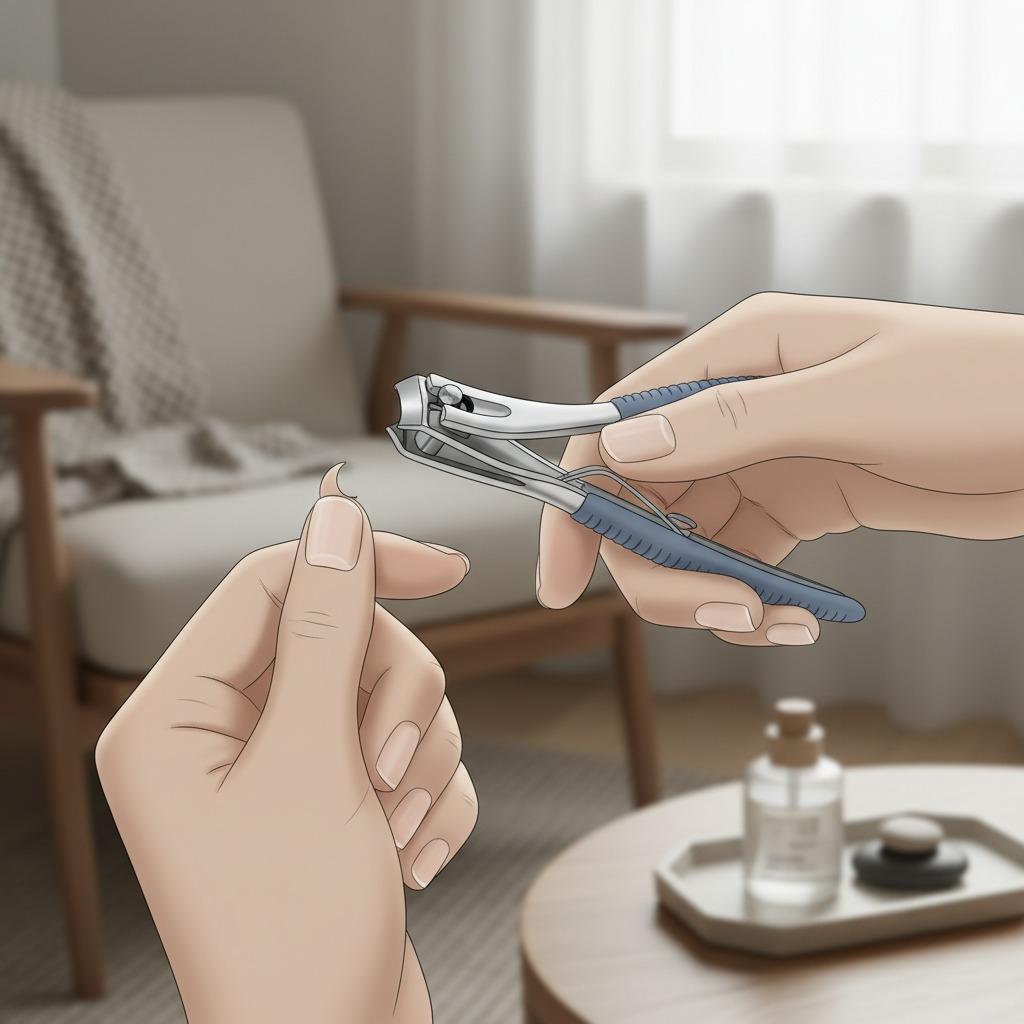
When comparing nail clipper samples, test them in realistic conditions. Try trimming thin nails and thicker nails if the design is intended for broad use. Check whether the clipper catches nail clippings cleanly or scatters them. Notice whether the edges around the handle, body and file surface feel smooth enough for daily grooming. These details are especially important for beauty retailers and grooming kits where the clipper will be used repeatedly rather than treated as a disposable accessory.
| Design Area | What to Check | Why It Matters |
|---|---|---|
| Handle and lever | Comfort, grip stability and smooth pressing action | Improves control and reduces hand strain during trimming |
| Blade alignment | Even contact across the cutting edge | Helps create cleaner cuts with fewer rough nail edges |
| Body finish | Smooth edges, clean surfaces and no obvious burrs | Supports safer handling and a more premium feel |
| Size and shape | Match the product to fingernail, toenail or travel use | Prevents mismatched tools in retail sets or grooming kits |
| Packaging fit | Secure placement and protection during transport | Reduces scratches and presentation issues before sale |
Material and Finish Considerations
The original nail clipper category emphasizes stainless steel tools, which are common in grooming products because they can provide a durable structure and a clean appearance. However, buyers should avoid assuming that all stainless steel nail clippers perform the same. Without a confirmed material grade or finish process, the safer approach is to evaluate samples carefully and document the performance expectations for the order.
Finish quality is particularly important for beauty tools because the product is handled close to the skin. A clipper should not have sharp non-cutting edges, stains, loose parts or rough surfaces. If the design includes a built-in nail file or textured grip area, check that the texture supports usability without feeling unfinished. A polished surface can look attractive, but it should not make the tool difficult to hold. A matte or brushed finish may hide fingerprints more effectively, but it still needs consistent workmanship.
For buyers building a broader grooming range, compare nail clippers alongside other beauty tool products so the finish, weight and packaging language feel coherent. Consistency across a product line often matters as much as the individual tool, especially when selling kits or curated assortments.
How to Evaluate Samples Before Placing an Order
Sample evaluation should be structured, not based only on a quick visual check. A simple inspection routine helps your team compare suppliers fairly and catch problems before the product reaches customers. Keep one approved sample as a reference and compare future production against it.
- Inspect the appearance. Look for scratches, uneven polishing, dents, color inconsistency and rough edges.
- Check moving parts. Open and close the lever several times to confirm stable movement and proper spring-back.
- Test cutting performance. Trim nails in small sections to evaluate sharpness, control and the smoothness of the cut edge.
- Assess comfort. Hold the clipper with dry and slightly damp hands to understand grip security.
- Review packaging. Confirm whether the product remains secure, clean and presentable after handling.
- Record findings. Use photos and notes so purchasing, quality and sales teams work from the same standard.
This process is useful for both single-product orders and multi-item grooming sets. If you are developing a collection, review the clipper beside related accessories from your product collections to make sure the visual style and quality level are aligned.
Sourcing Questions for a Nail Clipper Manufacturer
Before moving from sample approval to production, buyers should clarify the details that affect usability, packaging and repeat order consistency. These questions do not require exaggerated claims or unnecessary technical language. They simply help define what the finished product should be and how quality will be checked.
- Which nail type is the design best suited for: fingernails, toenails, travel use or general grooming?
- What surface finish options are available for the selected design?
- Can the cutting edge alignment be confirmed against an approved reference sample?
- How will visual defects such as scratches, stains, burrs or loose components be handled?
- What packaging formats are compatible with the clipper size and weight?
- Can the product be combined with other grooming tools in a set without compromising protection during transit?
- What product information should appear on the packaging for the intended market?
Clear answers to these questions help prevent misunderstandings. They also support better communication between purchasing teams, product managers and sales channels. If you are comparing options or preparing a custom beauty tool project, you can send an inquiry with your target use case, preferred packaging direction and sample requirements.
Care and Maintenance Guidance for End Users
A reliable nail clipper should be easy for customers to maintain. Even a well-made tool can lose performance if it is stored wet, used on unsuitable materials or left with nail debris in the hinge. Including simple care instructions can reduce complaints and help customers get better long-term use from the product.
Recommended care guidance can be straightforward: wipe the clipper after use, keep it dry before storage, avoid cutting anything other than nails, and store it away from products that may corrode or stain the surface. If the clipper is part of a travel kit, a protective pouch or secure packaging compartment can prevent scratches and keep the cutting edge from contacting other metal tools.
For retail brands, this type of instruction can be added to packaging, inserts or product pages. It makes the product feel more considered and gives customers confidence that the tool is intended for repeated use, not just a one-time purchase.
Choosing a Practical Partner for Nail Care Tools
The best nail clipper manufacturer for your business is the one that can match product design to your sales channel, customer expectations and quality control needs. A salon-focused buyer may prioritize cutting smoothness and hand comfort. A travel accessories buyer may care more about compact size and secure packaging. A beauty retailer may need a clipper that fits neatly into a wider personal care range.
Olimor Beauty works with buyers who need practical beauty tools supported by clear product communication. When evaluating a nail clipper, focus on the details customers can feel immediately: a clean cut, stable lever action, comfortable handling and a finish that looks appropriate for the selling price. Those details create a better grooming experience and help your product line feel consistent.
To discuss nail clipper options, packaging direction or broader beauty tool sourcing, contact Olimor. A precise tool begins with a precise brief: define the user, the selling channel and the quality expectations before selecting the final design.