










For a small grooming tool, a nail clipper carries a surprising amount of engineering. A comfortable cut depends on the way the blades meet, the curve of the cutting edge, the spring force of the lever, the stability of the pin, the surface finish and the final inspection process. When a buyer compares nail clipper options for retail, salon use, gift sets or private-label programs, the best choice is rarely based on appearance alone. It comes from understanding how a nail clipper factory controls the details that affect cutting performance over repeated use.
Olimor Beauty focuses on practical beauty tools for daily grooming needs, including nail care categories. This guide explains the main points to review when evaluating nail clippers and discussing a sourcing project. It is written for importers, distributors, brand owners and purchasing teams that need dependable tools, clear specifications and a realistic quality checklist before moving forward.

Why Blade Curvature Matters in a Nail Clipper
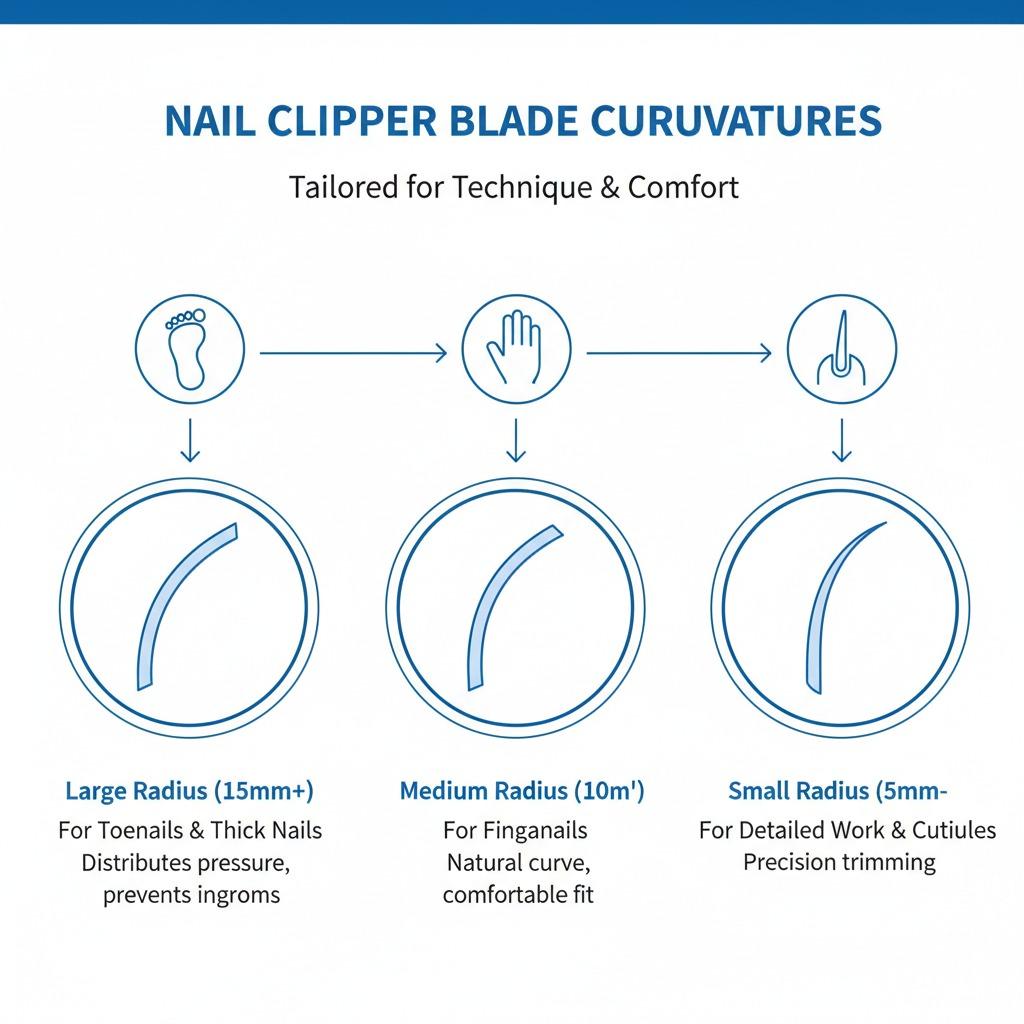
The cutting edge is the part users notice first. If the blade curve does not suit the nail shape, the clipper may require too much pressure, leave sharp corners, crush the nail instead of slicing it, or feel unstable at the first cut. Blade curvature radii describe how the cutting edge is formed. A suitable curve helps the upper and lower jaws meet evenly across the nail rather than making contact only at one point.
Curvature should be considered together with the intended user and product type. A compact fingernail clipper often needs a different cutting feel from a larger toenail clipper. A flatter edge may be preferred for controlled trimming, while a more rounded edge can follow natural nail contours. The goal is not simply to make the blade sharp; it is to combine sharpness, shape and jaw alignment so the tool cuts cleanly without uncomfortable force.
During product review, buyers can compare samples by cutting different nail thicknesses or approved test materials. They should note whether the clipper starts cutting smoothly, whether it slips sideways, whether the nail edge is clean, and whether the lever returns consistently after each press. These simple checks reveal much more than a product photo can show.
Core Factory Standards That Affect Reliability
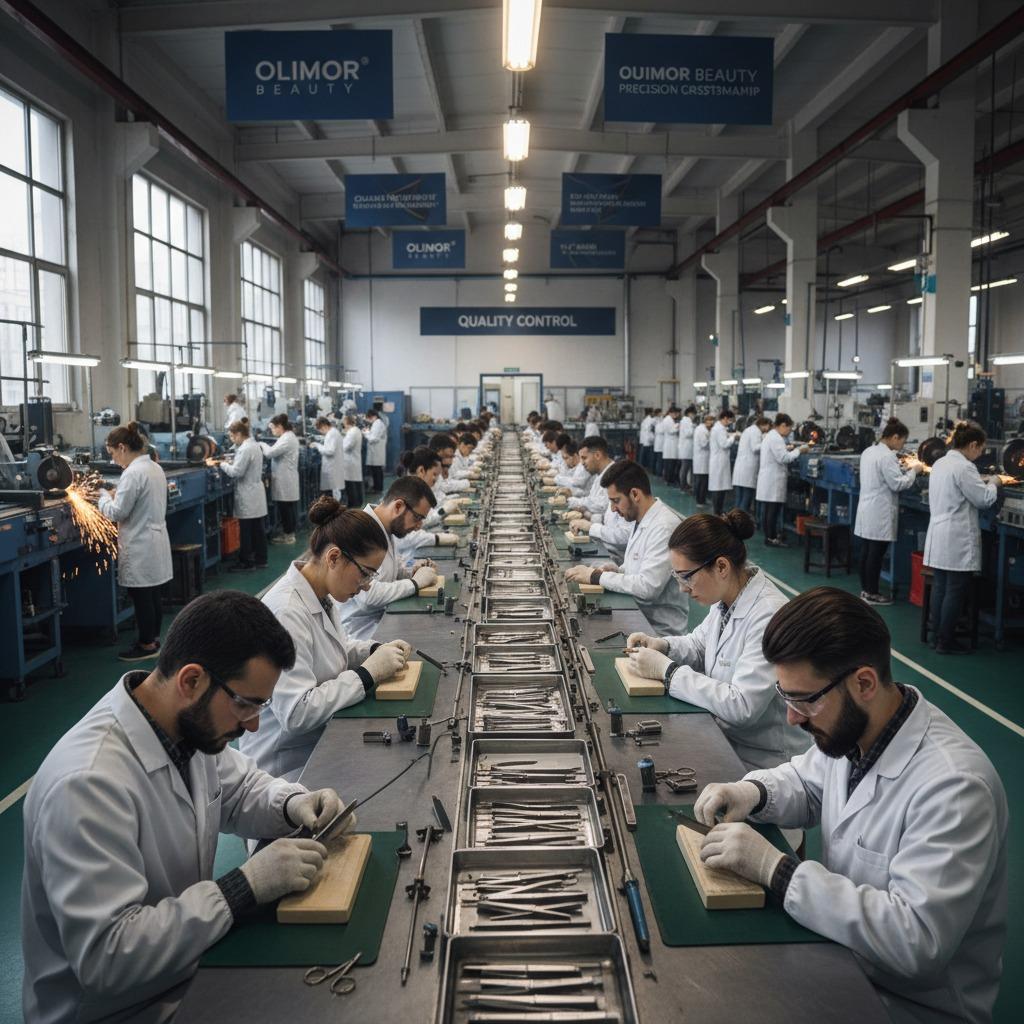
A nail clipper factory should manage several production variables that influence long-term quality. Even when two clippers look similar, small differences in alignment, finishing and assembly can create very different user experiences. Buyers should pay attention to the following areas when reviewing samples or building a product specification:
- Blade alignment: The two cutting edges should meet evenly. Poor alignment can cause tearing, incomplete cuts or uneven pressure.
- Edge consistency: The cutting edge should be formed and finished consistently across production, not only on approval samples.
- Lever action: The handle should press smoothly without feeling loose, overly stiff or unstable.
- Pin and joint fit: The pivot point should keep the jaws stable during cutting and should not wobble under normal hand pressure.
- Surface finish: Edges, corners and underside areas should be free from rough burrs that may scratch the user or damage packaging.
- Ergonomics: The clipper should feel controllable in the hand, especially for users with limited grip strength.
- Packaging compatibility: The product should fit the intended card, box, pouch or set tray without movement that could cause scratches in transit.
These standards are especially important for brands that sell through e-commerce, where customers inspect products closely and reviews can quickly identify weak cutting performance. Consistency across batches protects brand reputation and reduces after-sales issues.
Material and Finish Considerations for Nail Care Tools
The original product information refers to stainless steel, a common choice for nail clippers because it is associated with durability and a clean grooming appearance. However, buyers should still define what they expect from the material and finish rather than assuming all stainless steel clippers perform the same. Material selection, forming quality and finishing process all affect how the clipper feels in use.
Finish choices may include polished, satin, matte or coated appearances depending on the product positioning. A highly polished finish can look clean and retail-friendly, while a less reflective finish may reduce visible fingerprints. Coatings and decorative treatments should be reviewed carefully for adhesion, edge coverage and resistance to handling wear. Where packaging includes printed instructions, a care statement can help users keep the tool dry and clean after use.
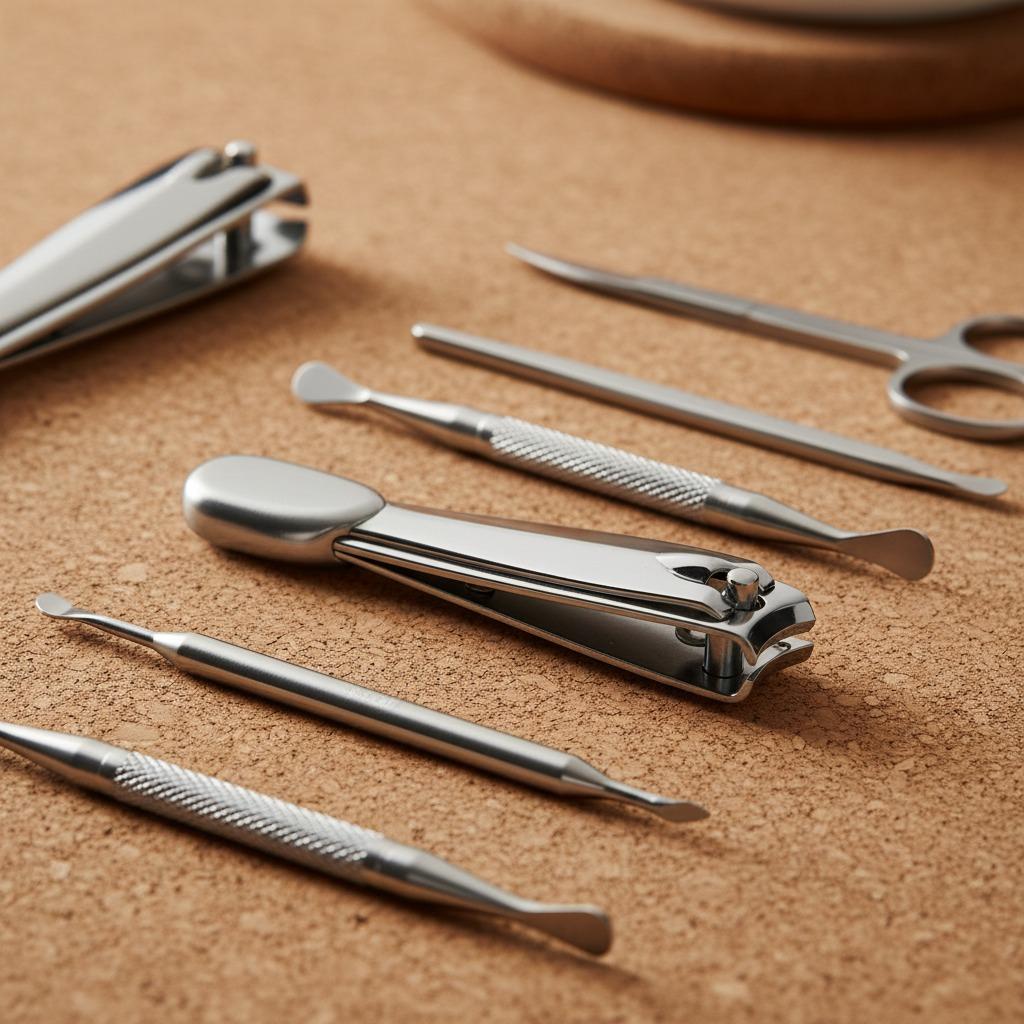
Buyers should also check the non-cutting surfaces. Rough corners on the lever, nail file area or jaw sides may not affect cutting, but they affect perceived quality. A good nail clipper feels finished from every angle, not just on the front face shown in catalog images. When comparing beauty tool products, this tactile difference is often what separates a budget item from a more dependable retail product.
Sample Evaluation Checklist for Buyers
Before placing a production order, buyers can create a structured evaluation instead of relying on a quick visual inspection. The table below provides a practical checklist for nail clipper sample review.
| Checkpoint | What to Look For | Why It Matters |
|---|---|---|
| Cutting start | Blade grips and begins cutting without slipping | Improves control and user confidence |
| Cut edge | Trimmed nail is clean, not crushed or jagged | Reduces need for extra filing |
| Jaw closure | Upper and lower blades meet evenly | Prevents partial cuts and uneven wear |
| Lever feel | Smooth pressure with stable rebound | Makes repeated use more comfortable |
| Surface safety | No burrs, sharp non-cutting corners or rough plating | Protects users and packaging |
| Cosmetic consistency | Finish, logo area and visible surfaces match expectations | Supports retail presentation |
| Packing fit | Clipper is secure in box, card or set tray | Reduces scratches and movement during shipping |
This type of checklist is useful for both internal purchasing teams and external inspection partners. It also helps clarify expectations when comparing suppliers, because every factory can be evaluated against the same observable criteria.
Choosing a Nail Clipper Factory for Different Sales Channels
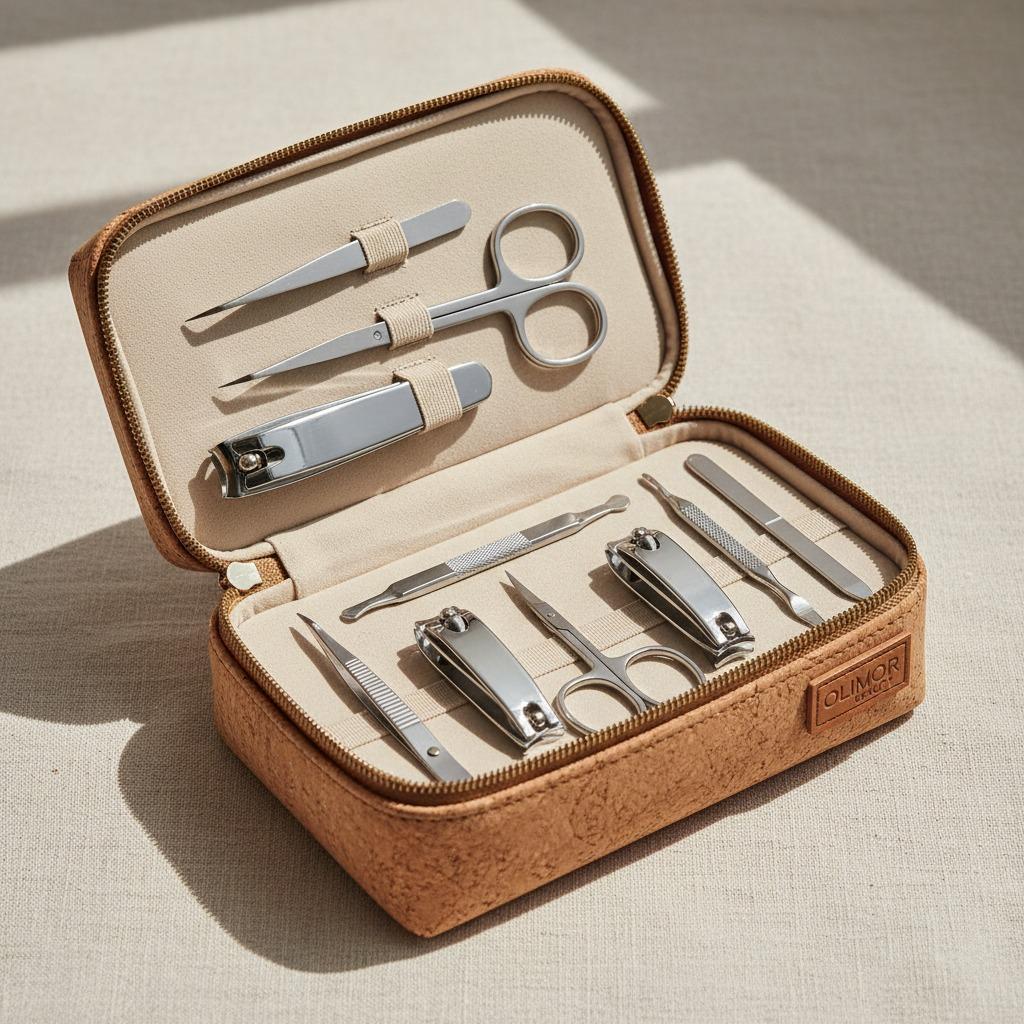
The best nail clipper specification depends on where and how the product will be sold. A clipper for a travel grooming kit may prioritize compact size and lightweight packaging. A salon-oriented product may require a stronger cutting feel and a shape that is easy to sanitize. A retail hanging-card product must look attractive at first glance while still protecting the cutting edge during transport. A gift set may need consistent finish matching across several beauty tools.
For e-commerce sellers, product photography and user reviews make small details more visible. Buyers should consider whether the clipper photographs well, whether the finish shows scratches easily, and whether the packaging can survive parcel shipping. For distributors, carton packing, barcode placement, language requirements and shelf presentation may be just as important as the tool itself. For brand owners, logo position, surface texture and perceived weight can influence whether the final item fits the brand line.
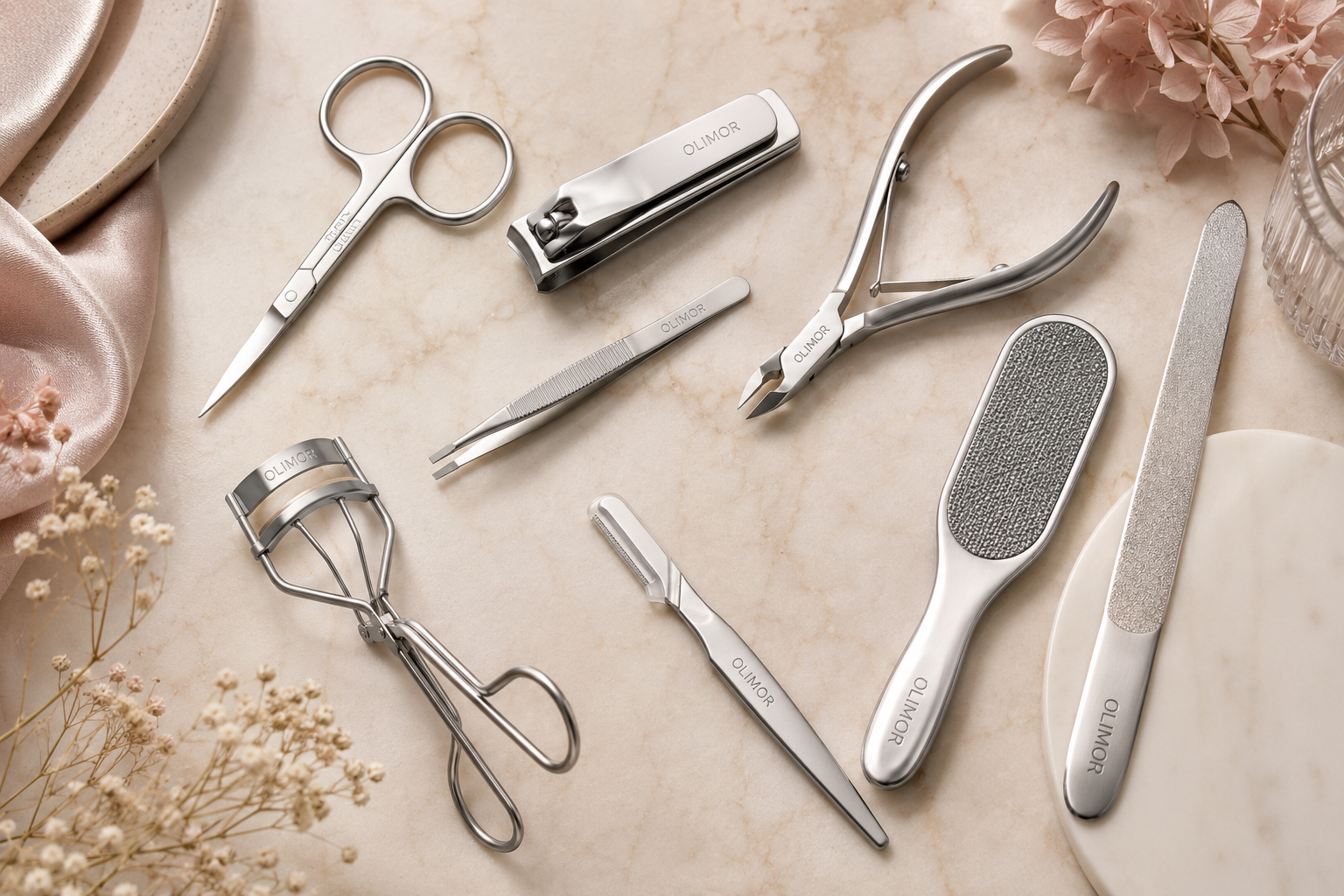
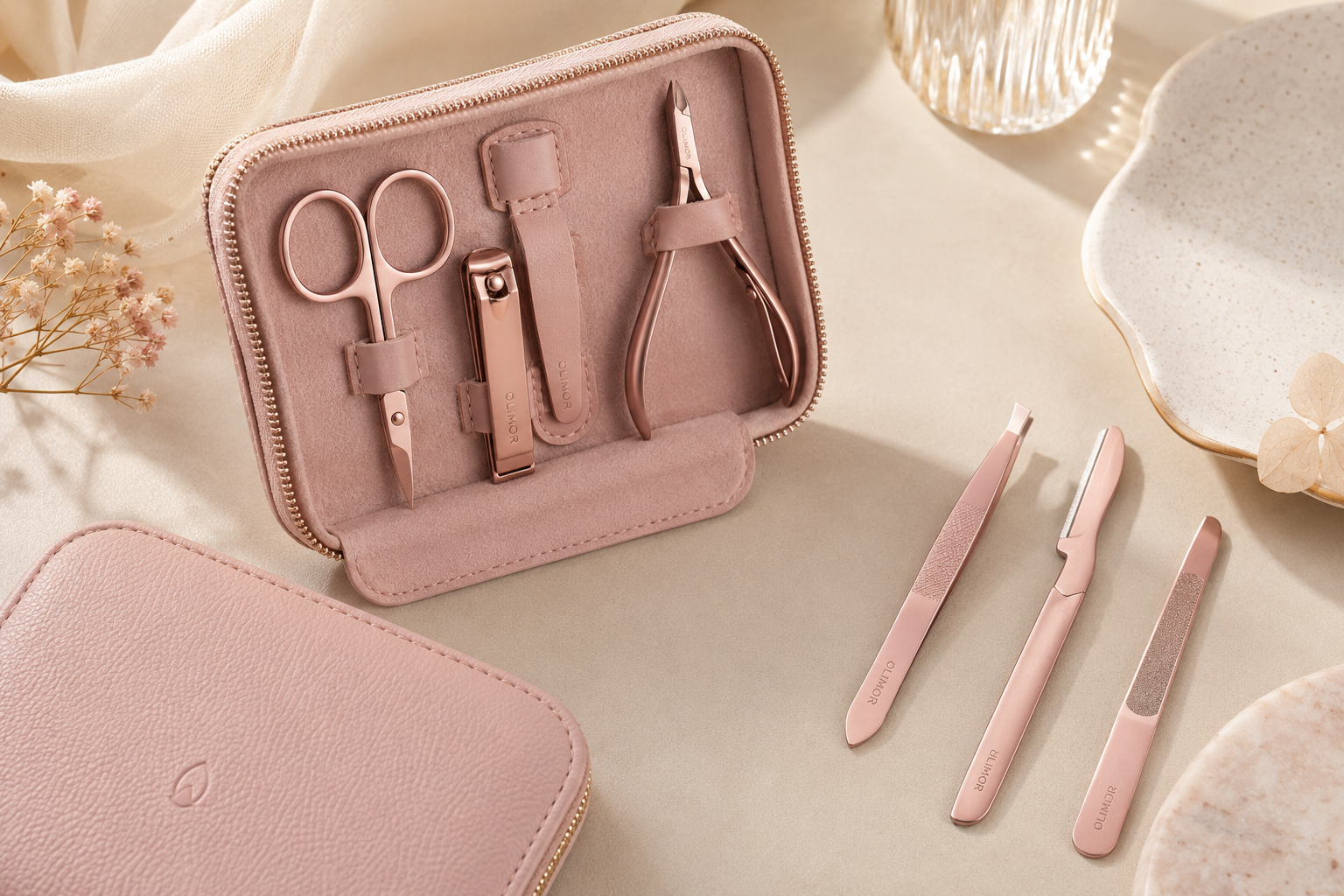
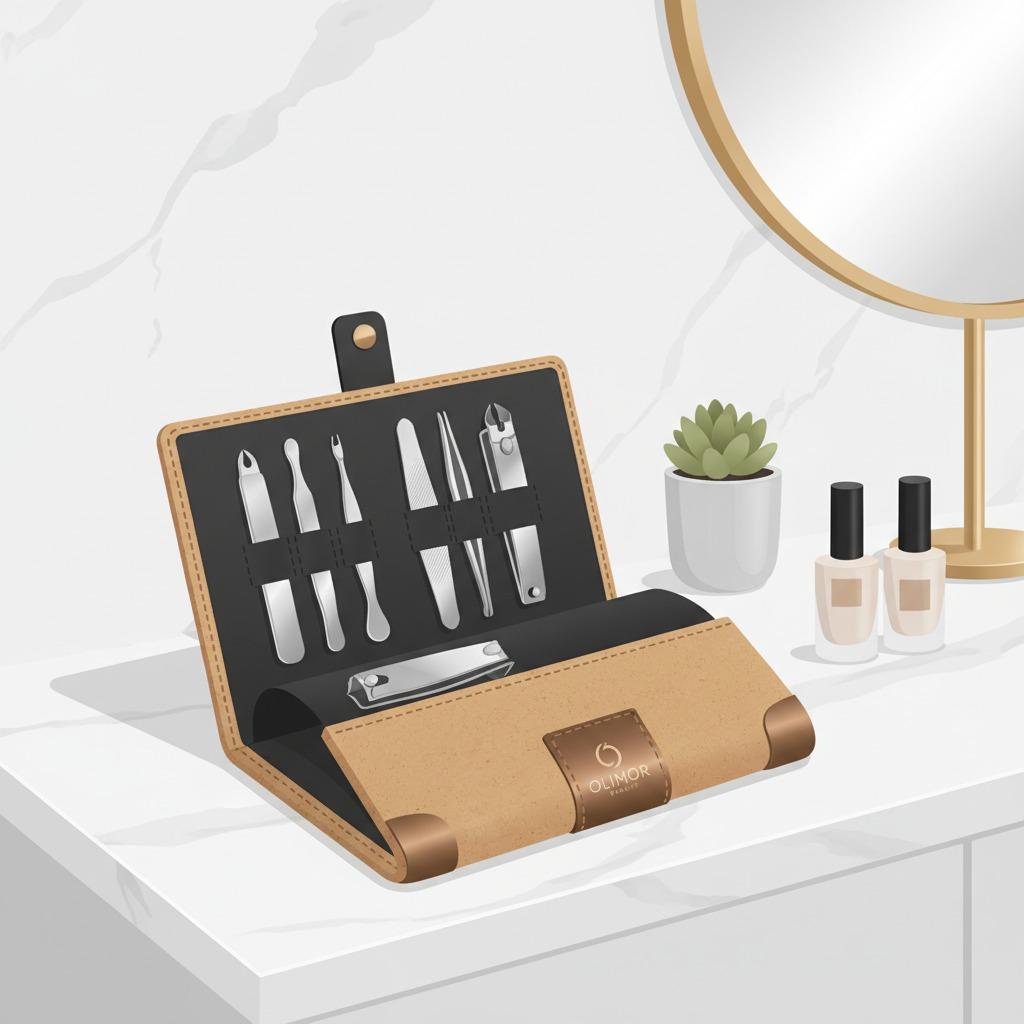
Olimor Beauty’s broader product collections can help buyers think beyond a single tool. Nail clippers are often purchased with tweezers, scissors, files, manicure sets or other personal care accessories. When products are planned as a coordinated range, buyers should check finish consistency, handle shape, packaging design and retail price positioning across the full assortment.
Manufacturing Questions to Clarify Before Production
A clear sourcing conversation reduces confusion later. Buyers do not need to overcomplicate the first discussion, but they should document the features that matter most. Useful questions include what nail type or user scenario the clipper is intended for, what finish is preferred, what packaging format is required, whether branding is needed, and what inspection points should be confirmed before shipment.
It is also helpful to define acceptable sample performance in plain language. For example, instead of saying only “sharp blade,” buyers can specify that the clipper should cut smoothly without tearing, that the lever should not wobble, and that visible surfaces should be free of burrs and obvious scratches. This gives the factory a clearer target and gives the buyer a more objective way to approve or reject samples.
If the project involves private-label packaging, buyers should prepare artwork requirements, warning text, care instructions and market-specific labeling needs early. Nail clippers are simple to use, but packaging still has to communicate the product clearly and fit the sales channel. For new projects or assortment planning, buyers can send an inquiry with intended use, target market and packaging direction so the discussion begins with practical details.
Care and Maintenance Guidance for End Users
Good manufacturing creates the foundation, but user care also affects product life. Retailers and brands can reduce complaints by including simple maintenance advice. Nail clippers should be kept dry after use, wiped clean when necessary and stored away from damp environments. Users should avoid cutting materials other than nails, as misuse can damage blade alignment or dull the edge. If the clipper includes a file, it should be used lightly rather than forced against hard surfaces.
Clear care guidance is especially useful for online listings and instruction inserts. It sets realistic expectations and helps customers understand that even a durable grooming tool benefits from basic maintenance. For brands selling multiple nail care items, consistent care language across packaging can create a more professional customer experience.
Building a Better Nail Clipper Sourcing Decision
A strong nail clipper is not defined by a single feature. It is the result of blade curvature, jaw alignment, lever mechanics, material choice, finishing quality, packaging fit and inspection discipline working together. Buyers who evaluate only price or appearance may miss the factors that create repeat purchases and positive reviews.
When selecting a nail clipper factory, focus on measurable performance: how the tool cuts, how it feels in the hand, how consistently it is finished, and how well it suits the intended channel. Prepare a checklist, compare samples under the same conditions, and define the details that matter before production begins. For product selection support or a sourcing discussion around nail care tools, buyers can contact Olimor and share their project requirements.