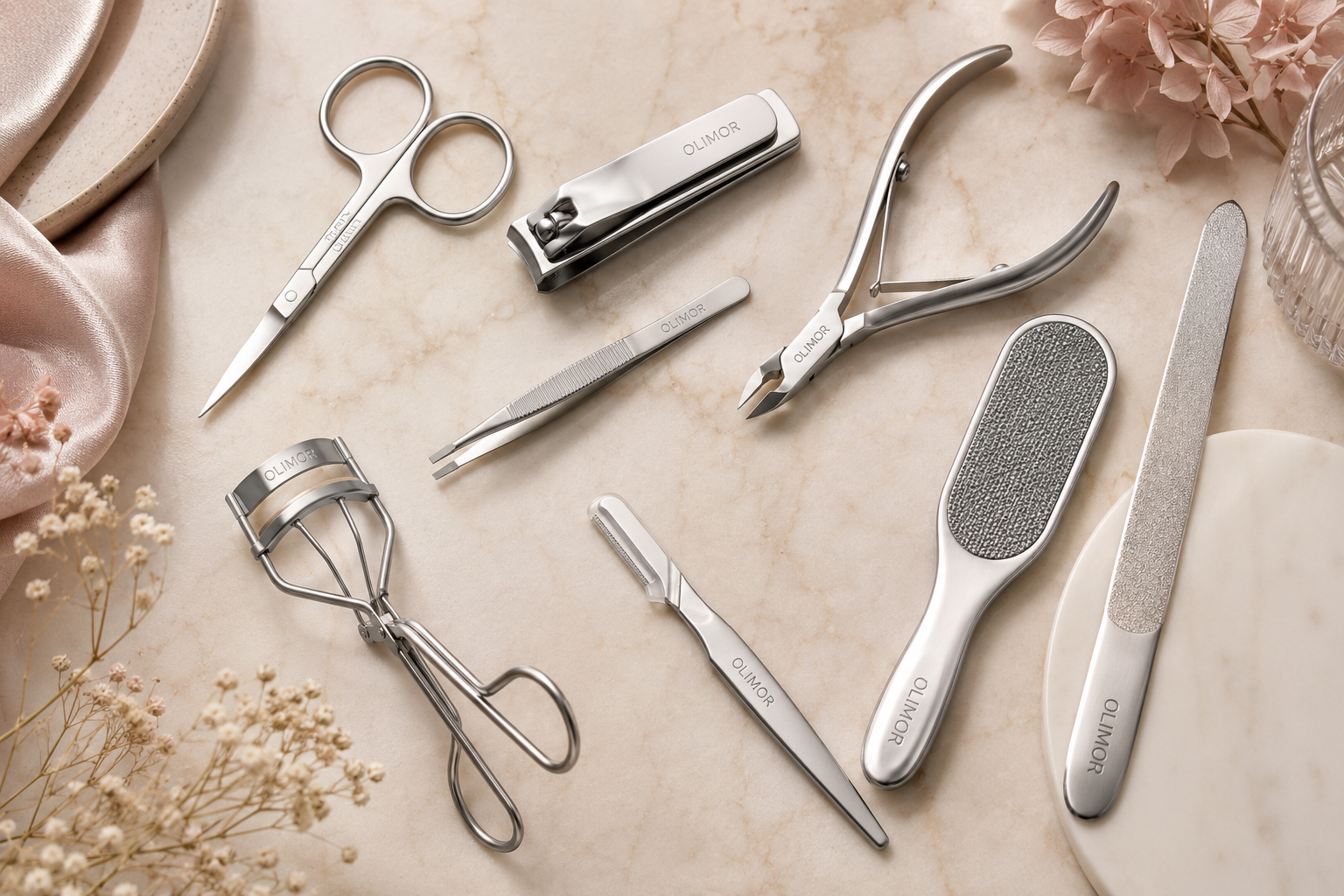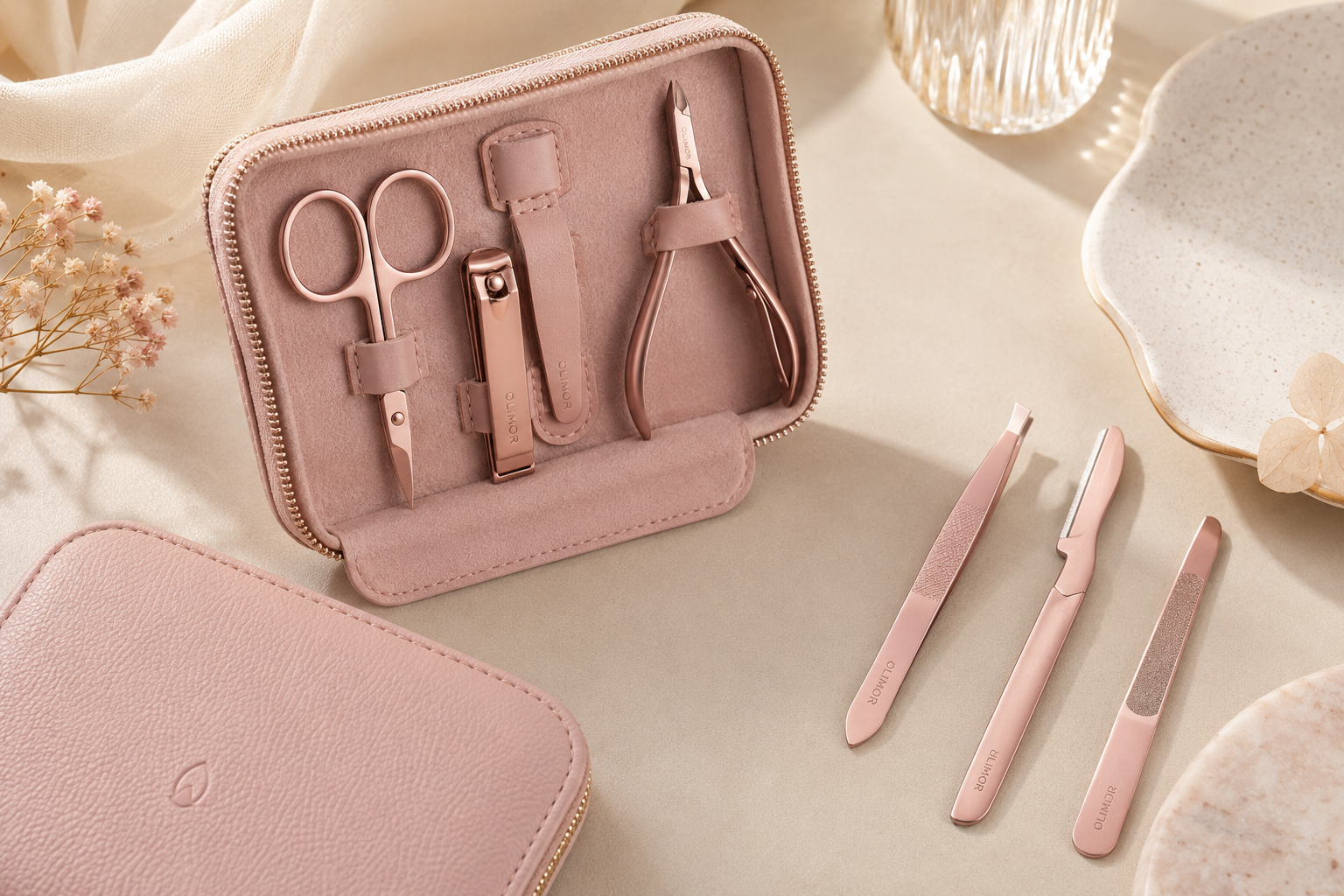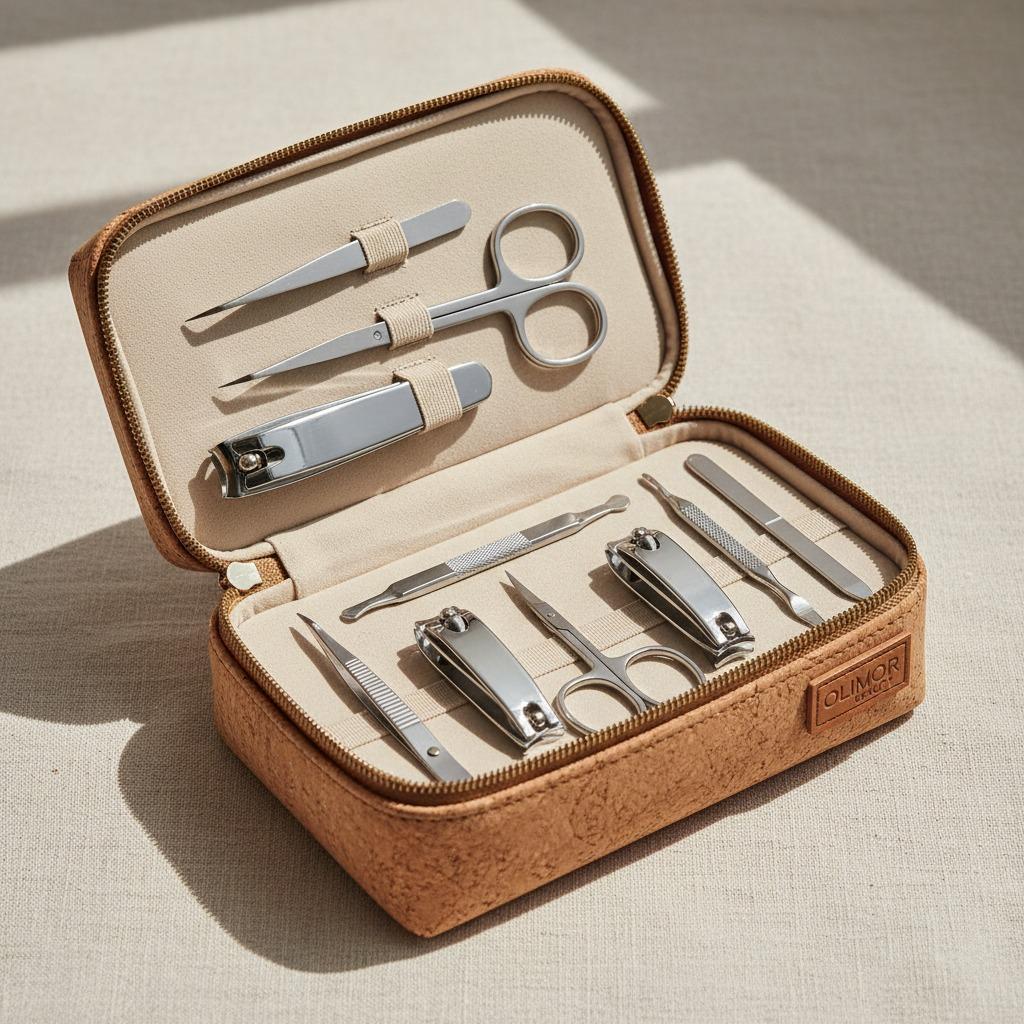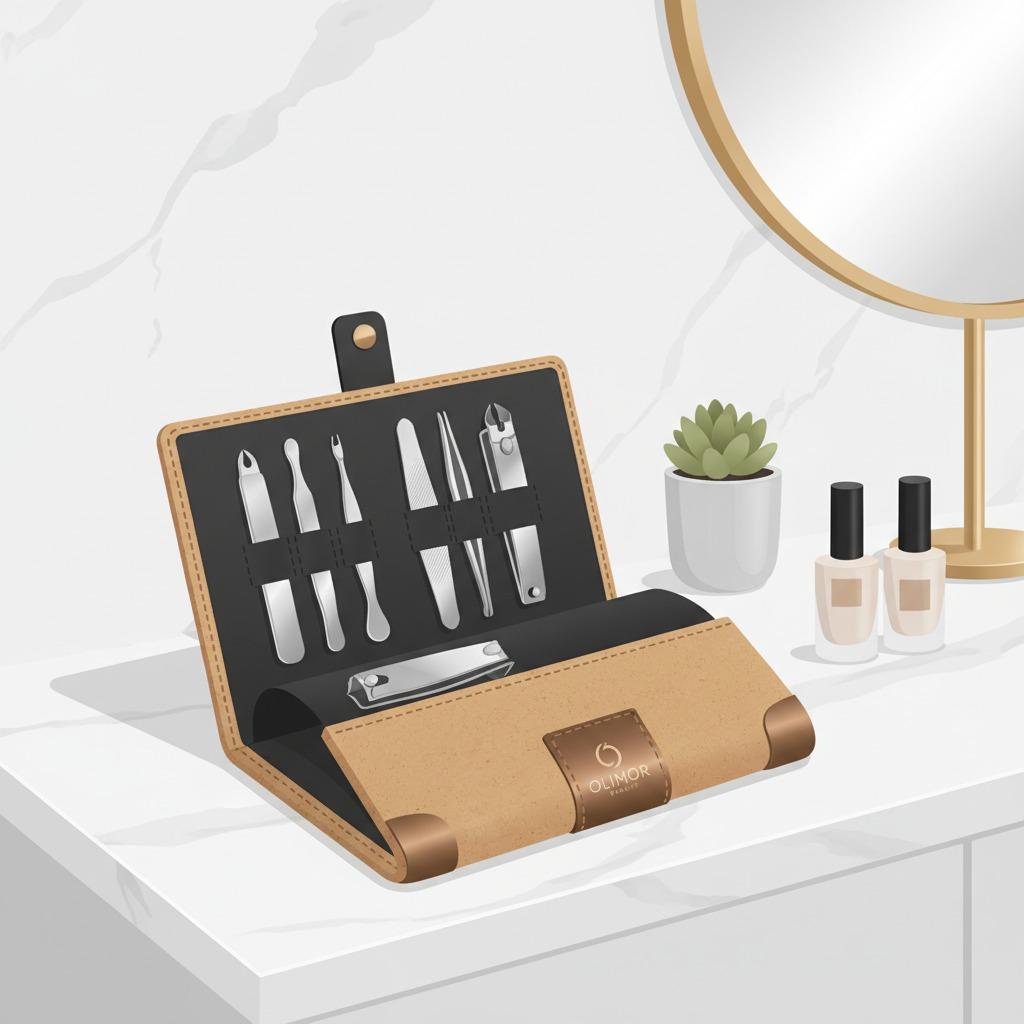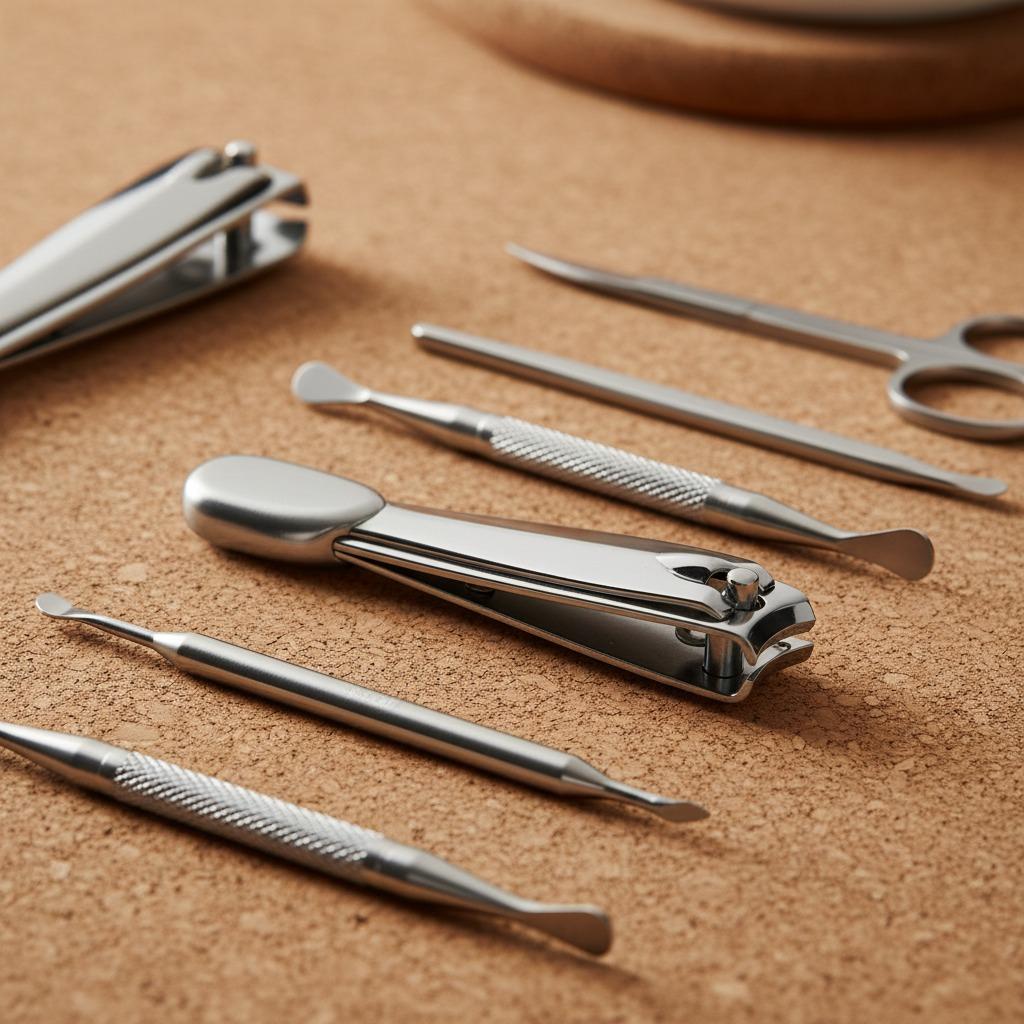











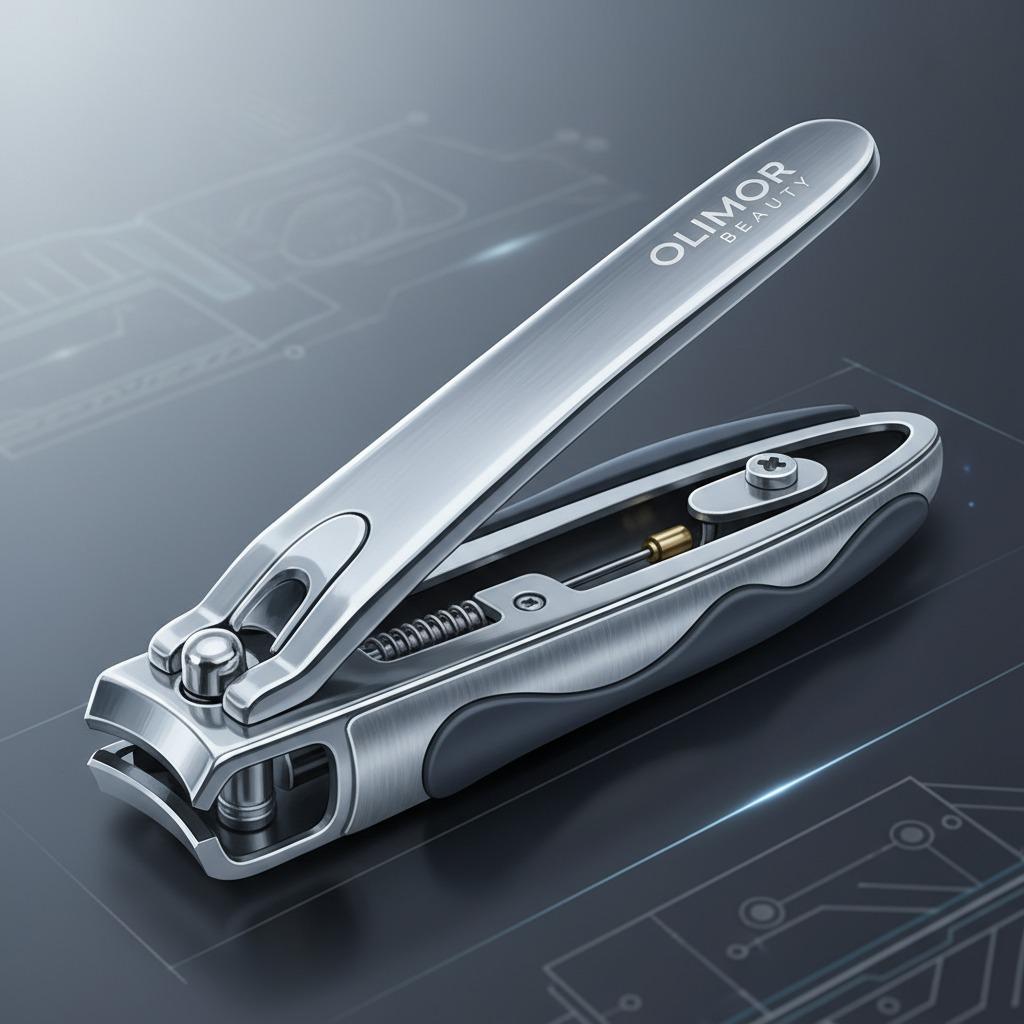
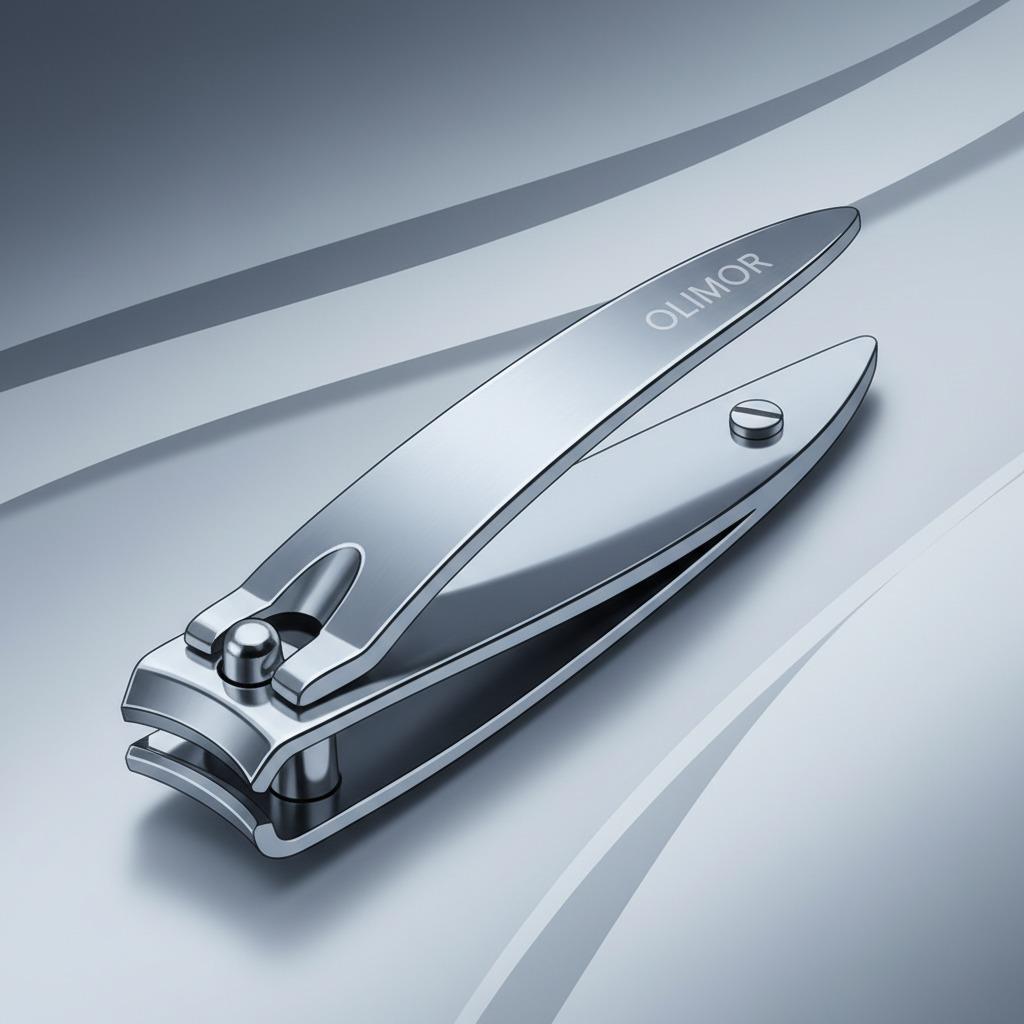
A nail clipper looks simple, but small differences in blade alignment, pivot tightness, handle leverage and finishing can decide whether it cuts cleanly or tears the nail edge. For personal-care buyers, salons, travel grooming kits and retailers, a dependable nail clipper is not just a low-cost accessory. It is a tool that customers use repeatedly, often on both fingernails and toenails, and they quickly notice when it feels loose, dull or uncomfortable.
Olimor Beauty focuses on stainless steel nail clippers with ergonomic designs and internal quality checks from raw materials to final packaging. This guide explains how to evaluate a nail clipper before purchasing, how to recognize common causes of looseness, and what to consider when comparing products for daily use or wholesale sourcing. If you are reviewing related grooming items, you can also browse Olimor beauty tool products or compare options across product collections.
Why a Quality Nail Clipper Cuts Better and Lasts Longer
The main job of a nail clipper is to create a controlled, clean cut with minimal pressure. When the tool is made well, the upper and lower cutting edges meet evenly, the lever transfers force efficiently, and the pivot stays stable throughout repeated use. When the tool is poorly made, the blades may shift under pressure, leaving jagged edges or requiring multiple cuts in the same area.
Stainless steel is commonly preferred for nail clippers because grooming tools are frequently exposed to moisture from bathrooms, cleaning routines and hand contact. Material alone, however, is not enough. A stainless steel clipper still needs careful forming, polishing, blade finishing and assembly. The surface should feel smooth in the hand, the edges should not scratch the skin around the nail, and the lever should move without rattling.
For end users, a reliable clipper saves time and reduces frustration. For business buyers, reliability also affects reviews, repeat purchases and after-sales complaints. A clipper that loosens quickly may look acceptable in packaging, but the problem appears after repeated opening and closing. That is why evaluation should include both appearance and mechanical feel.
Key Selection Criteria for a Reliable Nail Clipper
Whether you are purchasing a single clipper for home use or comparing nail clippers for retail programs, use practical checks rather than relying only on visual appeal. The following criteria help separate dependable grooming tools from weak ones:
- Blade alignment: The cutting edges should meet evenly from one side to the other. Misalignment can crush or split the nail instead of cutting it cleanly.
- Pivot stability: The rivet or pivot area should feel secure. A loose pivot allows the cutting jaws to move sideways, which reduces precision.
- Lever comfort: The lever should provide enough grip and pressure without forcing the user to squeeze excessively.
- Edge finishing: Non-cutting edges and corners should be smooth enough for safe handling, storage and travel use.
- Spring-back feel: After each cut, the lever should return predictably and not stick or scrape.
- Size suitability: Smaller clippers are convenient for fingernails and travel kits, while larger formats may be easier for thicker nails.
- Cleaning access: The shape should allow nail debris to be removed easily so the tool stays hygienic.
For sourcing, the best choice is not always the heaviest or most decorated clipper. Buyers should prioritize consistent cutting performance, repeatable assembly quality and comfortable handling. If packaging or surface finish is important for your market, those details should support the function rather than hide weak construction.
Loose Nail Clipper Problems: Repair or Replace?
A loose nail clipper usually means the upper and lower jaws are no longer held in the correct working position. The blades may still appear sharp, but the cut becomes uneven because pressure is not applied straight through the nail. Users may notice clicking, wobbling, side movement or the need to squeeze harder than usual.
Minor looseness can sometimes be improved by checking whether the lever has been inserted correctly or whether debris is caught near the pivot. Cleaning and drying the tool may restore smoother movement. However, if the pivot itself has expanded, bent or shifted, repair is often temporary. Bending parts back into place can create new alignment problems or weaken the metal around the joint.
Before trying to fix a loose nail clipper, consider these questions:
- Do the blades still meet evenly when viewed from the front?
- Does the pivot move from side to side under light pressure?
- Is the cutting edge chipped, dented or visibly uneven?
- Does the lever sit flat and apply pressure in the center?
- Is the tool clean and dry, or could residue be affecting movement?
If the issue is dirt, careful cleaning may help. If the issue is pivot wear or poor assembly, replacement with a better-built clipper is usually safer and more practical. A grooming tool that can no longer cut predictably should not be forced, especially around sensitive nail corners.
How Olimor Beauty Approaches Nail Clipper Reliability
Olimor Beauty nail clippers are described as stainless steel tools with ergonomic designs and quality checks through the production process. For buyers, this approach matters because nail clipper reliability depends on many small production decisions: how raw materials are handled, how the cutting edges are formed, how the pivot is assembled, and how the finished item is inspected before packaging.
A strong quality process does not only look for obvious defects. It also checks the details that affect user experience after purchase. A nail clipper should open and close smoothly, maintain blade contact, and feel stable in the hand. Packaging inspection is also relevant because pressure or poor handling during packing can affect presentation and, in some cases, the tool’s condition when it reaches the customer.
When comparing Olimor Beauty with lower-grade alternatives, look beyond a first glance at shine or shape. A polished tool that feels unstable is not dependable. A simple stainless steel clipper with accurate alignment and a secure pivot may deliver a better grooming experience over time. Business buyers can send an inquiry to discuss product needs or contact Olimor for guidance on available beauty tool options.
Practical Checks Before Bulk Sourcing or Retail Selection
If you source nail clippers for a store, salon kit, promotional grooming set or private assortment, build a sample review process before making decisions. The goal is to evaluate the tool as a customer will use it, not only as it appears in photos.
| Check | What to Look For | Why It Matters |
|---|---|---|
| Visual alignment | Upper and lower cutting edges meet evenly | Prevents jagged or incomplete cuts |
| Lever action | Smooth movement without rattling | Improves comfort and control |
| Pivot tightness | No obvious side-to-side wobble | Reduces risk of looseness over time |
| Surface finish | Smooth edges and clean appearance | Supports safe handling and retail presentation |
| Cleaning practicality | Debris can be removed after use | Helps maintain hygiene and function |
It is also helpful to test samples on different nail thicknesses using safe, controlled methods. A clipper that performs well only on very thin nails may disappoint users who expect a general-purpose grooming tool. At the same time, avoid overstating a product’s capability unless the specific design is intended for that use. Clear positioning helps prevent unrealistic expectations and improves customer satisfaction.
Maintenance Tips to Keep a Nail Clipper Working Well
Even a well-made stainless steel nail clipper performs best when it is kept clean and dry. Nail debris, moisture and cosmetic residue can collect around the cutting edge and pivot. Over time, this buildup may make the lever feel less smooth or reduce cutting accuracy.
After use, remove visible nail fragments and wipe the tool with a dry cloth. If the clipper is washed, dry it thoroughly before storage. Store it in a clean location rather than leaving it in standing water or a humid shower area. For shared environments, salons and retail demonstration settings, follow appropriate hygiene practices between users.
Do not force the clipper through materials it was not designed to cut. Using a nail clipper on wire, plastic tags or other hard items can damage the blade edge and misalign the pivot. For thick nails, trim gradually from the sides rather than attempting one aggressive cut across the full nail. This gives the blade more control and reduces stress on the mechanism.
Choosing Reliability Over Temporary Fixes
A loose nail clipper is more than an inconvenience. It is a sign that the tool may no longer apply pressure evenly, which can lead to rough nail edges and uncomfortable trimming. While basic cleaning may solve minor movement issues, structural looseness is difficult to correct permanently. The better solution is to select a clipper designed with stable assembly, accurate cutting edges and comfortable leverage from the start.
For everyday grooming users, that means choosing a stainless steel nail clipper that feels secure in the hand and cuts cleanly without repeated pressure. For retailers and sourcing teams, it means evaluating samples carefully and working with beauty tool suppliers who understand the importance of raw material control, assembly checks and final packaging review. Olimor Beauty provides nail clipper options for buyers who value dependable function, practical design and consistent grooming performance.