










A nail clipper is a small beauty tool, but it has a direct effect on comfort, nail appearance and customer satisfaction. The best choice is not simply the shiniest option in a display. A useful clipper should cut cleanly, feel stable in the hand, avoid rough pressure on the nail plate and be easy to keep clean between uses.
For home users, the main goal is simple: trim nails without crushing, tearing or leaving corners that catch on fabric. For retailers, salon suppliers, gift set buyers and private-label sourcing teams, the nail clipper is also a repeat-use product where blade alignment, stainless steel cutting edges, leverage, surface finishing, packaging protection and inspection consistency all matter. Olimor Beauty offers practical beauty tool products for personal care assortments, and nail clippers can be a core item in manicure, travel, hygiene and everyday grooming ranges.
What a Nail Clipper Should Do Well
A nail clipper should shorten the free edge of the nail with controlled pressure. Nails are firm, but they are layered rather than solid. When a dull or poorly aligned cutting edge presses down, it may bend the nail before cutting it. That pressure can leave a ragged edge, encourage peeling or create small cracks that later grow into splits.
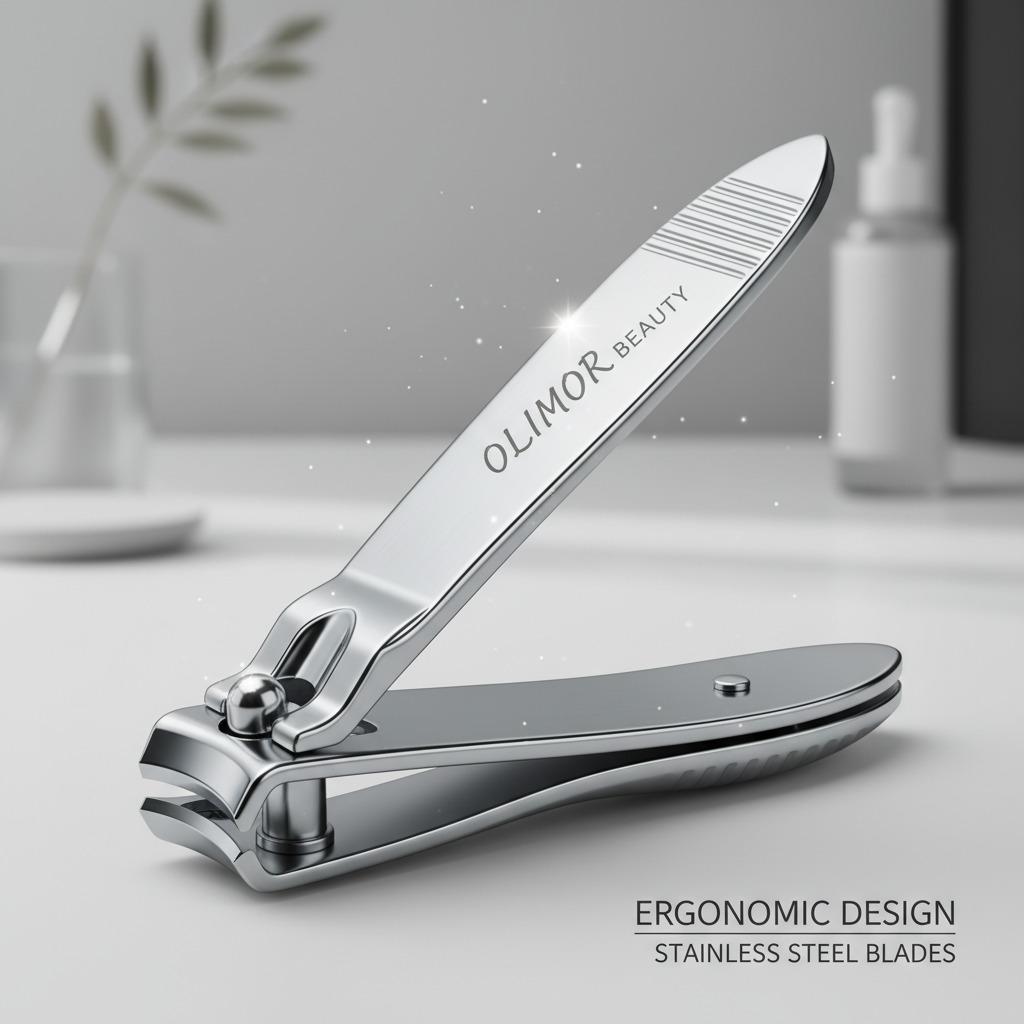
A well-made clipper reduces these problems by combining sharp cutting contact, stable leverage and a shape that helps the user take small sections instead of one heavy bite. The source product details highlight ergonomic stainless steel blades, which are important because cutting quality and handling comfort work together. If a clipper feels awkward, users may twist the tool. If the blade edges do not meet properly, even careful technique can still produce an uneven finish.
Clean clipping does not mean the nail never needs filing. It means the clipper creates a neat first cut so the user only needs light shaping afterward. That difference matters for people who trim often, families sharing grooming routines, e-commerce shoppers judging product quality from first use and B2B buyers building beauty tool assortments.
How to Choose a Nail Clipper: Key Selection Criteria
When comparing nail clippers, focus first on practical performance. Decorative finishes, color options and packaging can support retail appeal, but the user will judge the product by how it cuts. Buyers should inspect both the functional parts and the parts touched by the hand.
| Selection point | What to check | Why it matters |
|---|---|---|
| Blade alignment | Upper and lower cutting edges should meet evenly across the usable width. | Misalignment can crush, bend or partially cut the nail. |
| Cutting feel | The clipper should cut without excessive squeezing force. | Too much force increases pressure on the nail plate and reduces control. |
| Lever comfort | The handle should provide stable grip and controlled leverage. | Comfort helps users make smaller, safer cuts. |
| Blade shape | Curved edges often suit fingernails; larger or straighter options may suit thicker nails depending on design. | Shape affects how naturally the clipper follows the nail. |
| Stainless steel blades | Check for clean finishing, smooth contact surfaces and a protected cutting edge. | Stainless steel blades support durability and routine cleaning in grooming tools. |
| Surface finish | Look for smooth edges where fingers press and no obvious burrs. | Rough finishing can make a simple tool feel low quality. |
| Packaging protection | The clipper should be protected from rubbing, contamination and edge damage. | Packaging helps preserve the approved condition during storage and transport. |
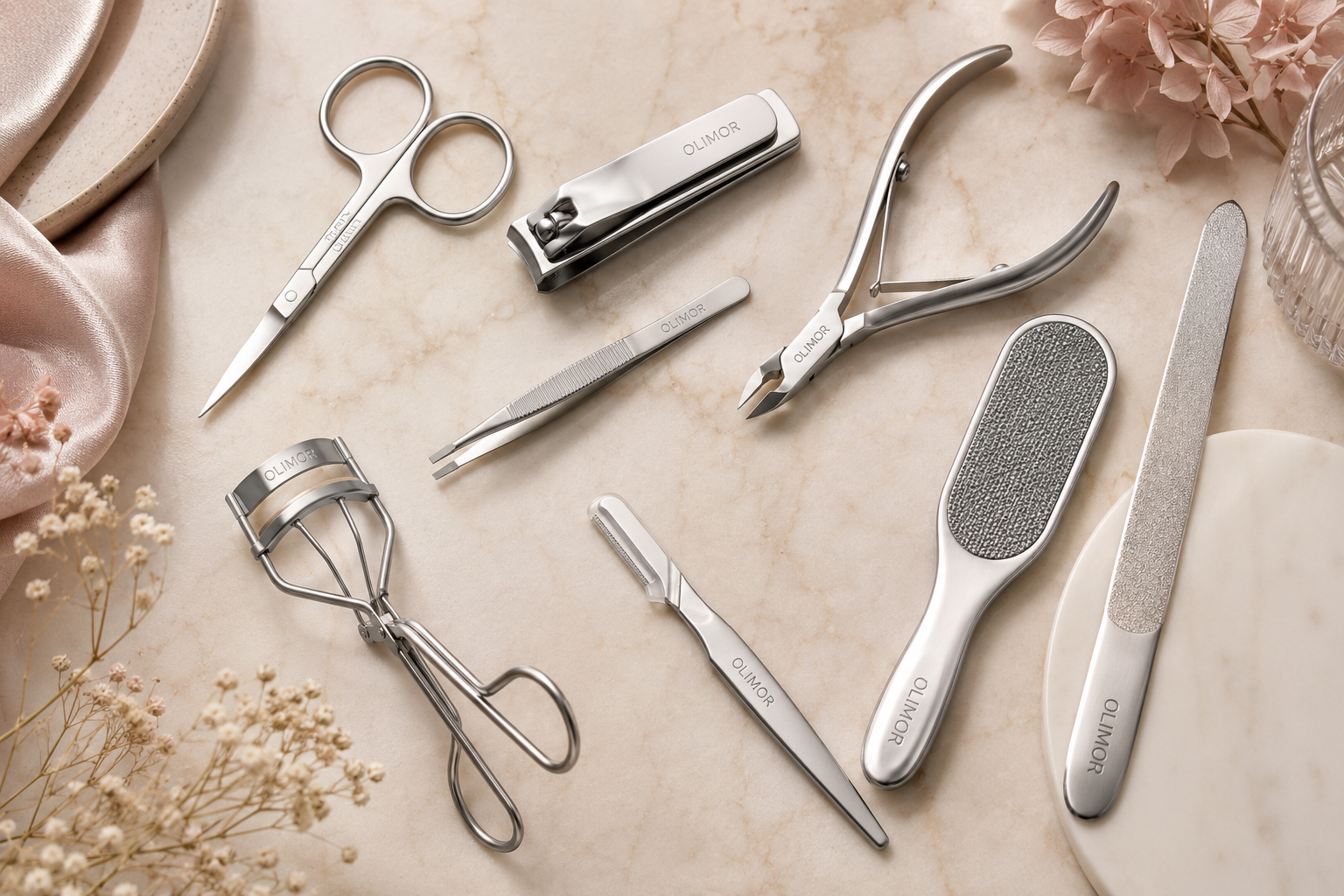
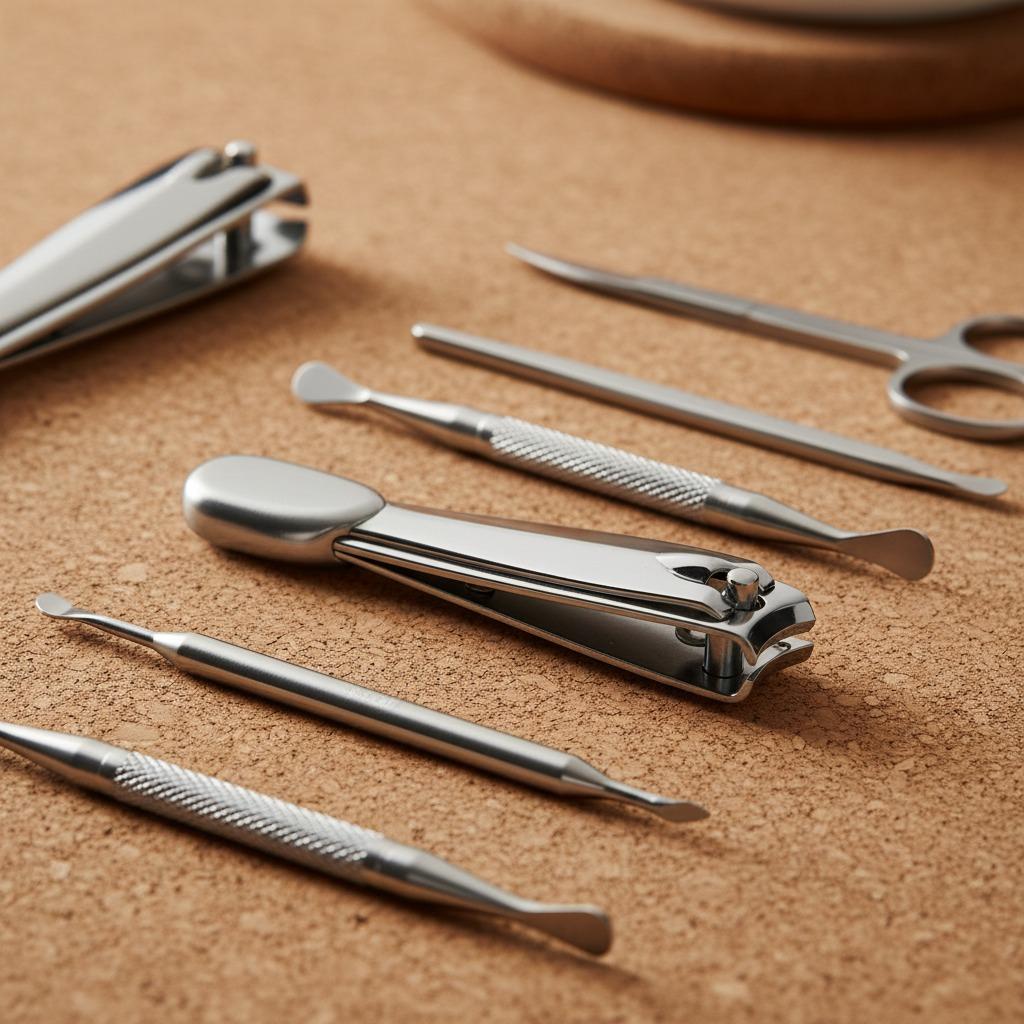
For assortment planning, evaluate the nail clipper alongside tweezers, scissors, files and other manicure accessories in Olimor product collections. This helps determine whether the tool fits the intended retail position, customer use case and packaging style of the wider range.
Fingernail and Toenail Clipping: Similar Tool, Different Technique
Many nail clipping problems come from using the same motion on every nail. Fingernails are usually shaped with a soft curve, while toenails often benefit from a more conservative, straighter trim that avoids aggressive corner cutting. The tool may be similar, but the trimming plan should fit the nail.
For fingernails, use small clips from one side toward the center, then repeat from the other side. Do not try to remove the whole free edge in one snap. That large cut can bend the nail before the blade completes the cut. After clipping, a file can refine the corners and smooth any tiny points left by the tool.
For toenails, avoid cutting deeply into the sides. Over-rounding the corners can create discomfort and may contribute to problem regrowth. A controlled, straighter trim is usually easier to maintain. If a toenail is unusually thick, painful, discolored or difficult to trim, users should not force the clipper; professional advice may be more appropriate.
This kind of user guidance is valuable for retail packaging, online product pages and customer education. A nail clipper is simple, but better instructions reduce misuse and help customers get the benefit of a cleaner cut.
Step-by-Step Use for Cleaner, Less Damaging Trims
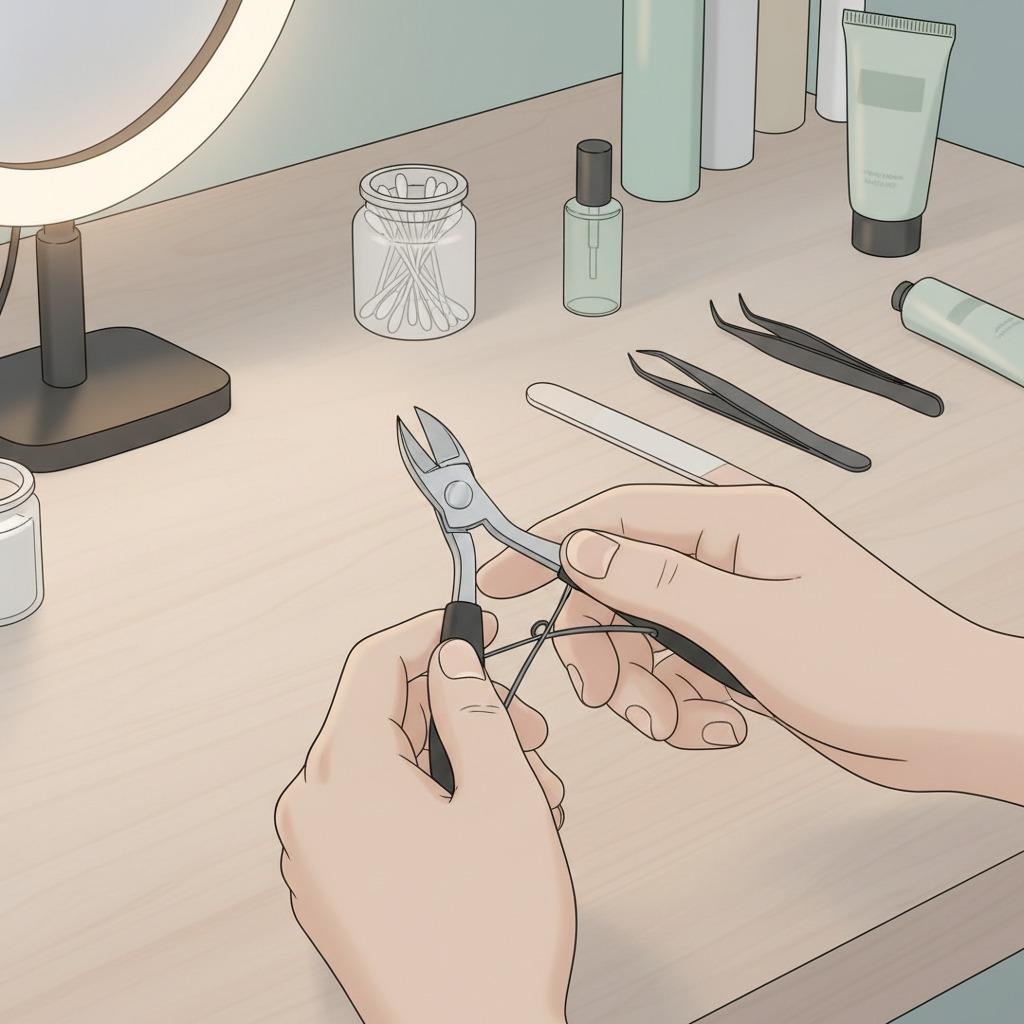
The best clipping routine is slow, clean and predictable. Damage-reducing grooming does not require complicated technique; it requires avoiding heavy pressure, pulling and over-cutting.
- Clean the nails first. Remove visible dirt, product residue and oils so the cutting edge contacts the nail directly.
- Choose the right timing. If nails are very hard or brittle, trim after washing and drying the hands, when the nail may be slightly more cooperative. Avoid clipping when nails are overly wet and flexible.
- Check the clipper position. Place the blade only where you want the cut to happen. Do not angle it sharply into the skin or sidewall.
- Take small sections. Clip gradually across the nail instead of removing too much length at once.
- Leave a small margin. Cutting too close to the skin can cause tenderness and makes shaping harder.
- Do not tear unfinished cuts. If a section remains attached, reposition the clipper and cut it cleanly.
- File lightly. Use a suitable nail file to smooth the edge and refine corners.
- Moisturize after grooming. Hand cream or cuticle oil can help reduce dryness around the nail area.
These steps are especially useful for people whose nails split easily. The aim is not speed. The aim is a controlled first cut that leaves less roughness to fix afterward.
Common Nail Clipper Problems and How to Solve Them
If nails keep splitting after trimming, first check technique. Large cuts, dry brittle nails and tearing unfinished sections are common causes. Try smaller clips, trim after washing and drying, and finish with a file instead of forcing the clipper to shape every detail.
If the clipper leaves jagged edges, inspect the cutting alignment and sharpness. A clipper that requires strong squeezing pressure may be dull, loose or poorly aligned. Continuing to use it can make trimming uncomfortable and increase the chance of rough nail edges.
If the clipper pinches skin, the user may be cutting too close or using a blade shape that does not fit the nail. Smaller, more controlled clips usually help. For children, older adults or users with limited hand strength, comfortable leverage and a secure grip become especially important.
If the clipper feels rough in the hand, review the finish around the lever, base and side surfaces. A grooming tool is handled closely, so burrs, sharp corners or uneven surfaces can affect perceived quality even if the blade itself cuts.
If the clipper arrives scratched or the edge appears damaged, packaging may not be protecting the item adequately during transport. This matters for e-commerce, gift sets and retail displays where product appearance and first-use performance are closely linked.
Cleaning, Storage and Maintenance
Nail clippers contact nail debris, skin oils and moisture. Basic hygiene keeps the tool more pleasant to use and helps protect the cutting edge. For household use, maintenance can be simple and consistent.
- Wipe the cutting edges after each use to remove nail fragments.
- Dry the clipper before storage, especially after bathroom use or cleaning.
- Store it in a clean pouch, case, drawer or kit compartment.
- Do not use it to cut plastic tags, wire, tape or other non-nail materials.
- Keep personal grooming tools separate when possible, especially in shared households.
- Replace the clipper if it slips, feels loose, requires excessive pressure or repeatedly leaves jagged edges.
For professional or shared-use environments, hygiene procedures should match local rules and the intended setting. Retailers and distributors should provide practical care instructions without making claims that the product is suitable for uses beyond its design. For market compliance, buyers may need to consider consumer product safety requirements such as the EU General Product Safety Regulation or applicable guidance from public bodies such as the U.S. Consumer Product Safety Commission. Always verify current versions, local obligations and supplier documents for the market where the product will be sold.
B2B Sourcing: What Buyers Should Ask Before Ordering
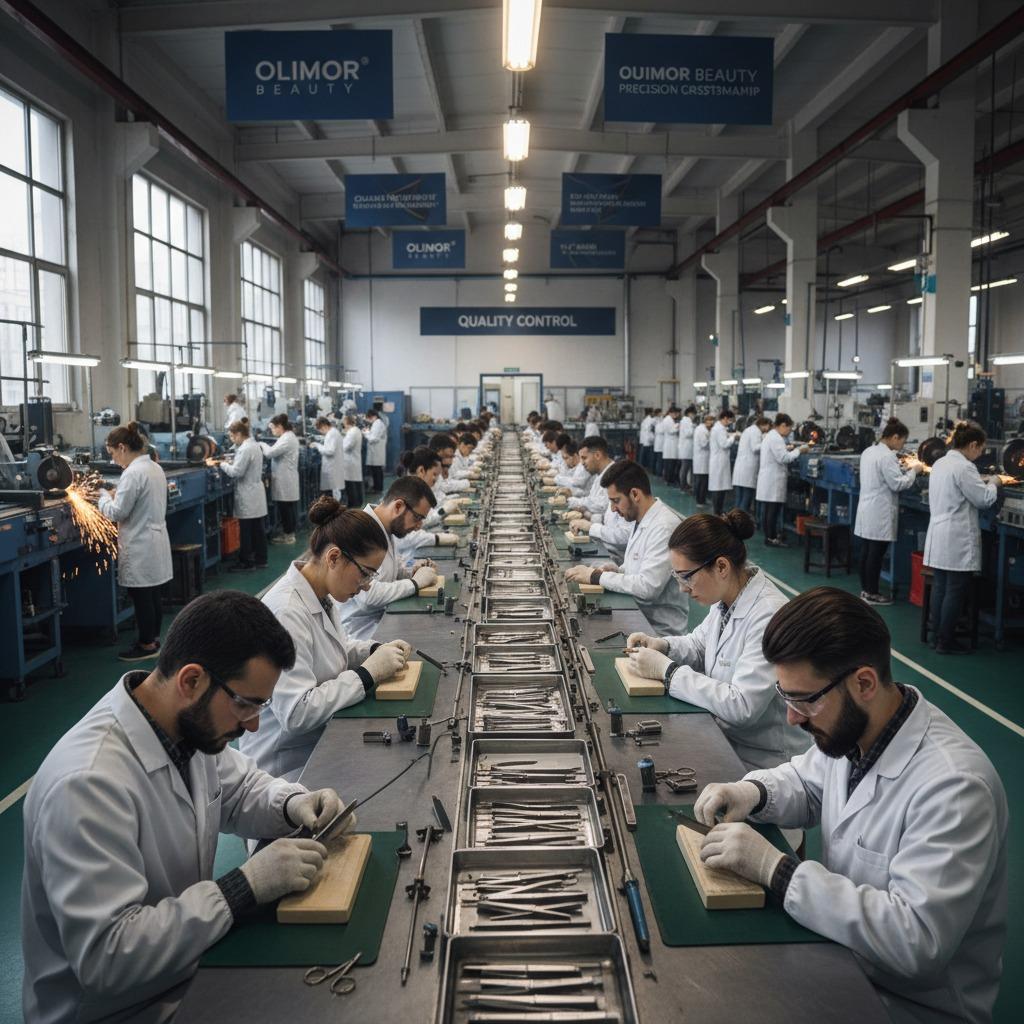
For B2B buyers, a nail clipper should be evaluated as both a tool and a retail product. The sample must cut well, but the supplier must also show that finishing, packaging and inspection can remain consistent across production. The original product information notes inspection from raw materials to final packaging, which is relevant because clipper performance depends on repeatable alignment and surface finishing, not appearance alone.
Start with the intended customer. A travel kit may need compact sizing and secure packaging. A manicure set may require a coordinated look with other tools. A value retail display may prioritize simple presentation and durable handling. A premium beauty set may need a smoother finish, refined packaging and closer attention to the unboxing experience. None of these decisions should replace cutting performance.
Cost factors usually include material selection, blade finishing, surface treatment, packaging type, customization work, inspection requirements, order quantity, freight method and any market-specific labeling needs. Avoid comparing suppliers on unit cost only. A cheaper clipper that arrives with inconsistent cutting feel, rough edges or weak packaging can create returns, poor reviews and brand damage.
When reviewing samples, check more than one piece if possible. Clip test material is not a substitute for real nail use feedback, but buyers can still inspect alignment, lever movement, surface smoothness, packaging protection and visual consistency. Compare delivered goods against the approved sample when the order arrives. If you are building a broader beauty tool assortment, explore Olimor beauty tool products to coordinate nail clippers with related grooming items.
Supplier Evaluation Checklist
- Does the clipper cut cleanly without excessive force?
- Are the upper and lower cutting edges aligned?
- Are the lever, base and side surfaces smooth where users touch them?
- Is the stainless steel blade area cleanly finished and protected in packaging?
- Can the supplier discuss raw material checks, in-process inspection and final packaging review?
- Does the packaging suit the sales channel: retail shelf, e-commerce, kit assembly or gift set?
- Are customization options clearly documented before sampling?
- Are labeling, safety and import requirements being checked for the destination market?
- Does the production sample match the desired look, feel and function of the range?
Customization and Retail Presentation
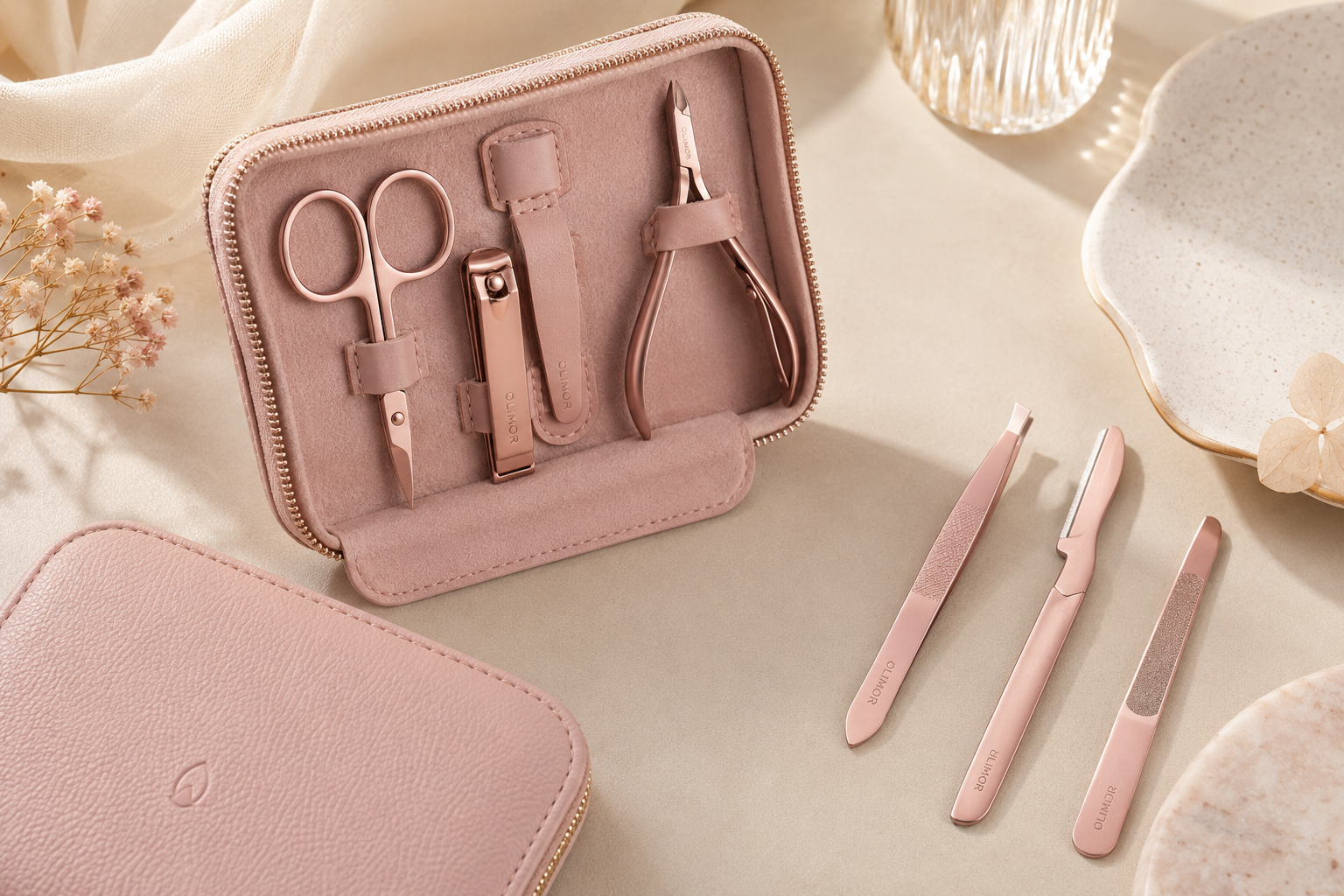
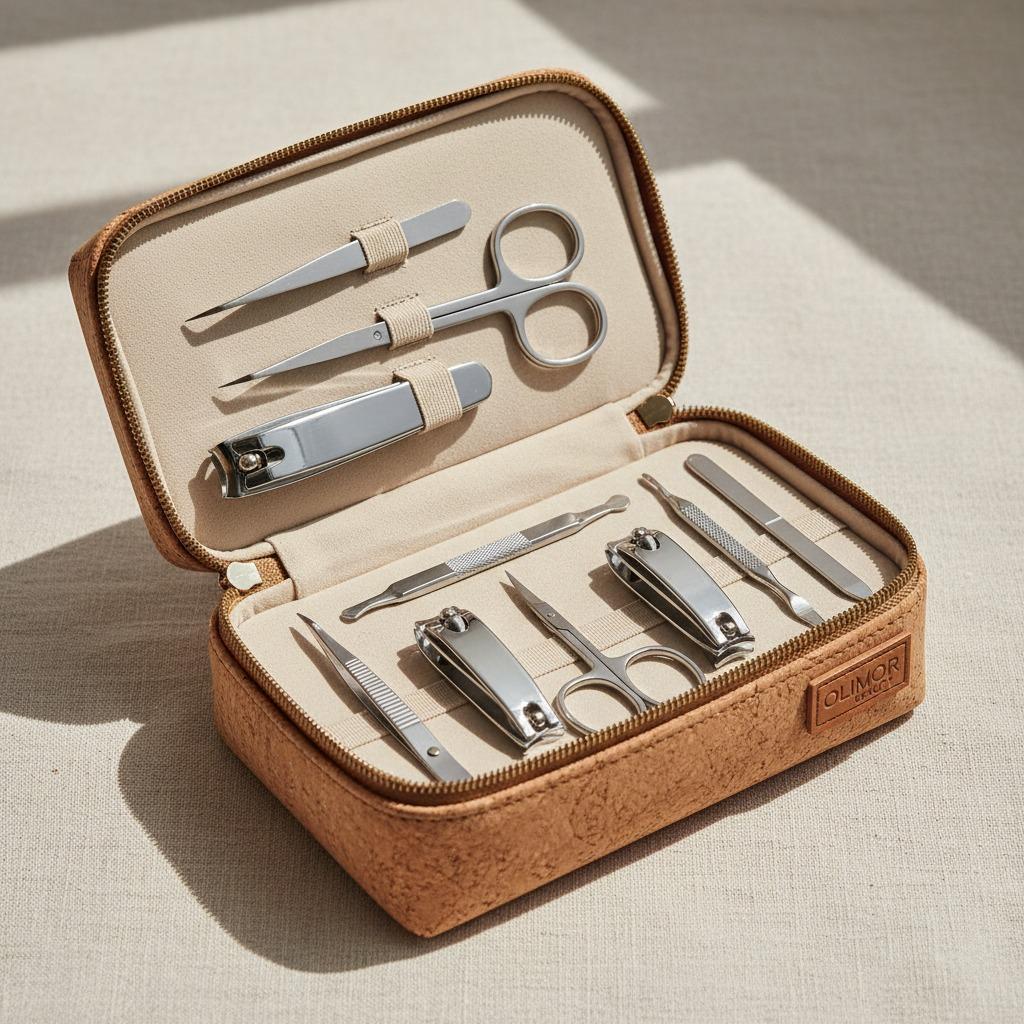
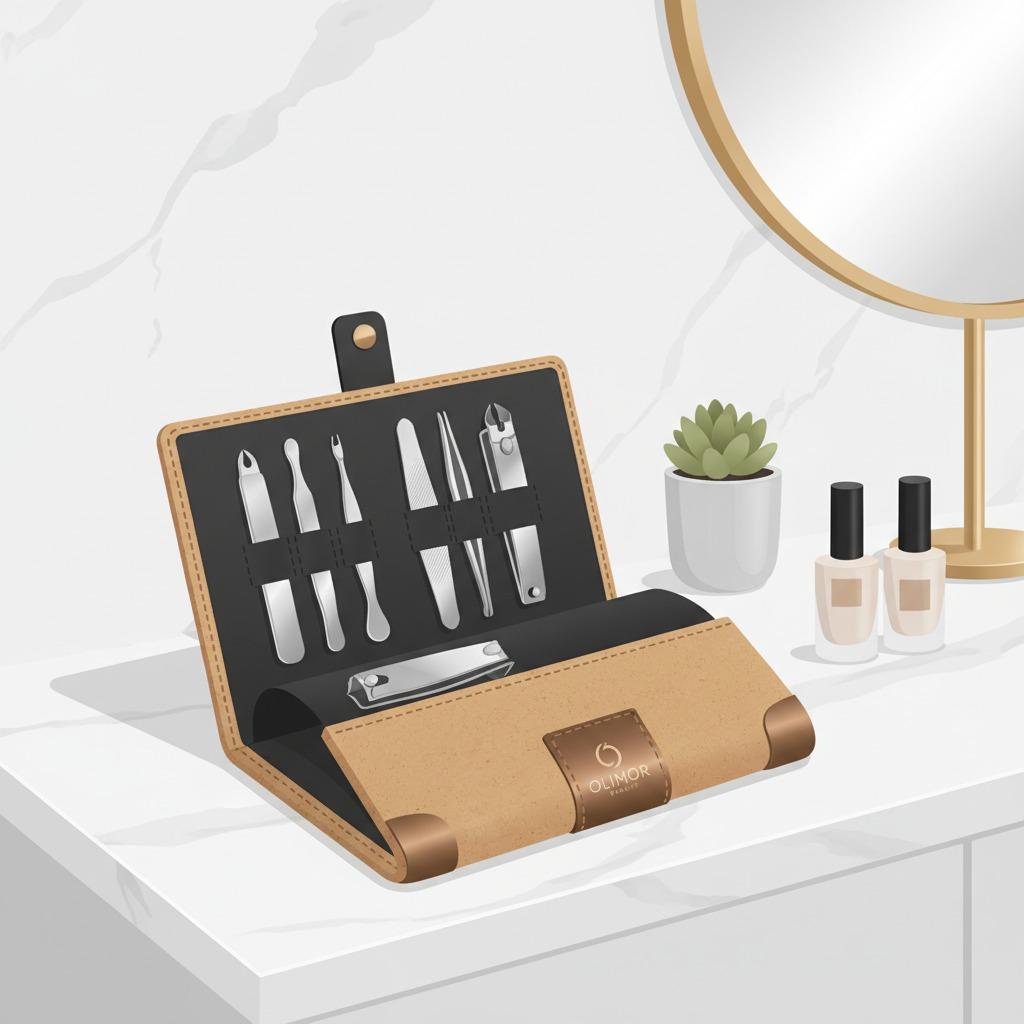
Nail clippers are often sold as single items, included in manicure kits, paired with files or added to travel and personal care sets. The right presentation depends on the channel. Retail hanging cards can make the product visible and easy to merchandise. A pouch or compartment can help protect the edge in a kit. E-commerce packaging should reduce movement and rubbing during shipping.
Customization may involve surface appearance, packaging artwork, set configuration or coordination with other tools. Buyers should confirm what can be customized before approving artwork or building a launch schedule. They should also request samples that reflect the intended final presentation, not only loose tool samples. A clipper that looks good by itself may need different protection once packed with other metal tools.
For private-label or assortment discussions, share the target market, sales channel, packaging style and any required documentation early. Olimor can be reached through the contact page, or buyers can submit an inquiry with product and packaging details.
FAQ for Nail Clipper Buyers
Can I request samples before placing a B2B order?
Sample availability should be confirmed directly with Olimor. When requesting samples, include the intended market, packaging preference, customization needs and whether the clipper will be sold alone or as part of a set.
Is there a minimum order quantity for nail clippers?
MOQ can depend on the product style, packaging, customization and production plan. Ask for current order requirements during quotation instead of assuming a fixed quantity.
Can nail clippers be customized for private-label ranges?
Customization may be possible depending on the requested product, finish, packaging and artwork. Buyers should confirm feasibility, sample requirements and documentation before final approval.
How should quality be checked before shipment?
Buyers should confirm inspection expectations with the supplier. Practical checks include blade alignment, cutting feel, lever movement, surface finish, packaging protection and comparison with the approved sample.
How is lead time determined?
Lead time can vary with order quantity, customization, packaging complexity, sampling, production schedule and shipping method. Confirm the current timeline during inquiry and build in time for sample review.
A Small Tool That Rewards Careful Choice
The right nail clipper does not need exaggerated claims. It should feel stable, cut cleanly, protect the user from unnecessary tearing and be easy to maintain. For personal grooming, that means neater nails with fewer snags and less filing. For beauty tool buyers, it means selecting a product where stainless steel blades, ergonomic handling, alignment, inspection and packaging all support a reliable first impression.
Whether you are choosing one clipper for everyday use or sourcing a nail clipper for a retail assortment, focus on the details that affect the cut. Clean edges, controlled leverage, sensible care and consistent supplier evaluation are what make this simple beauty tool useful over time.