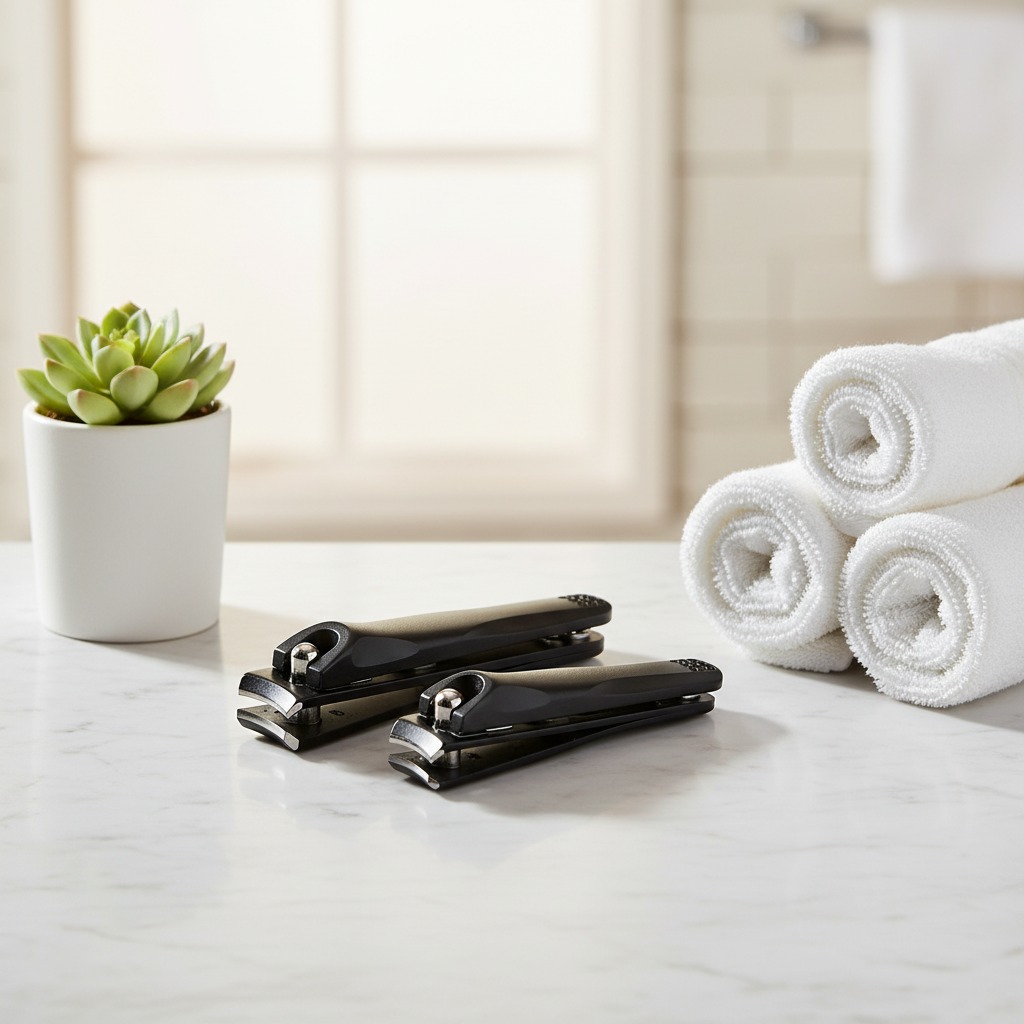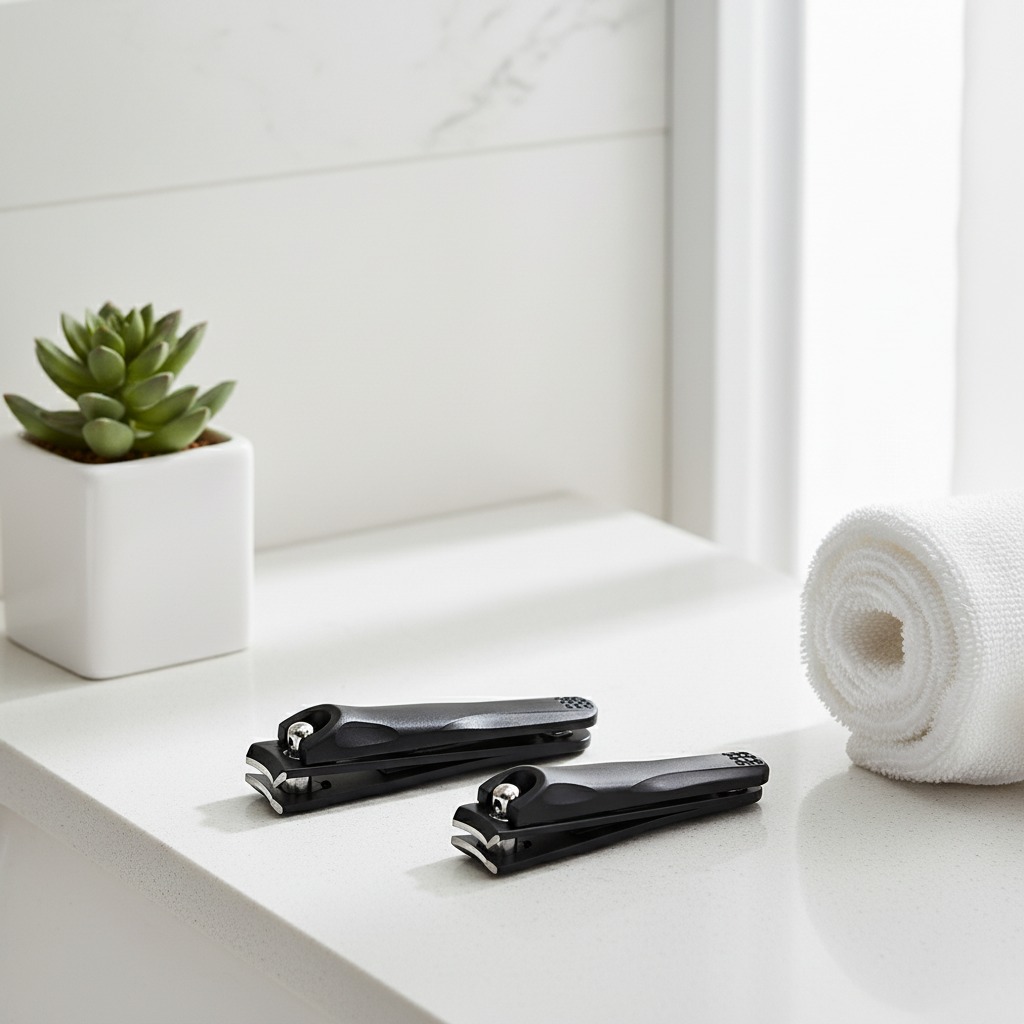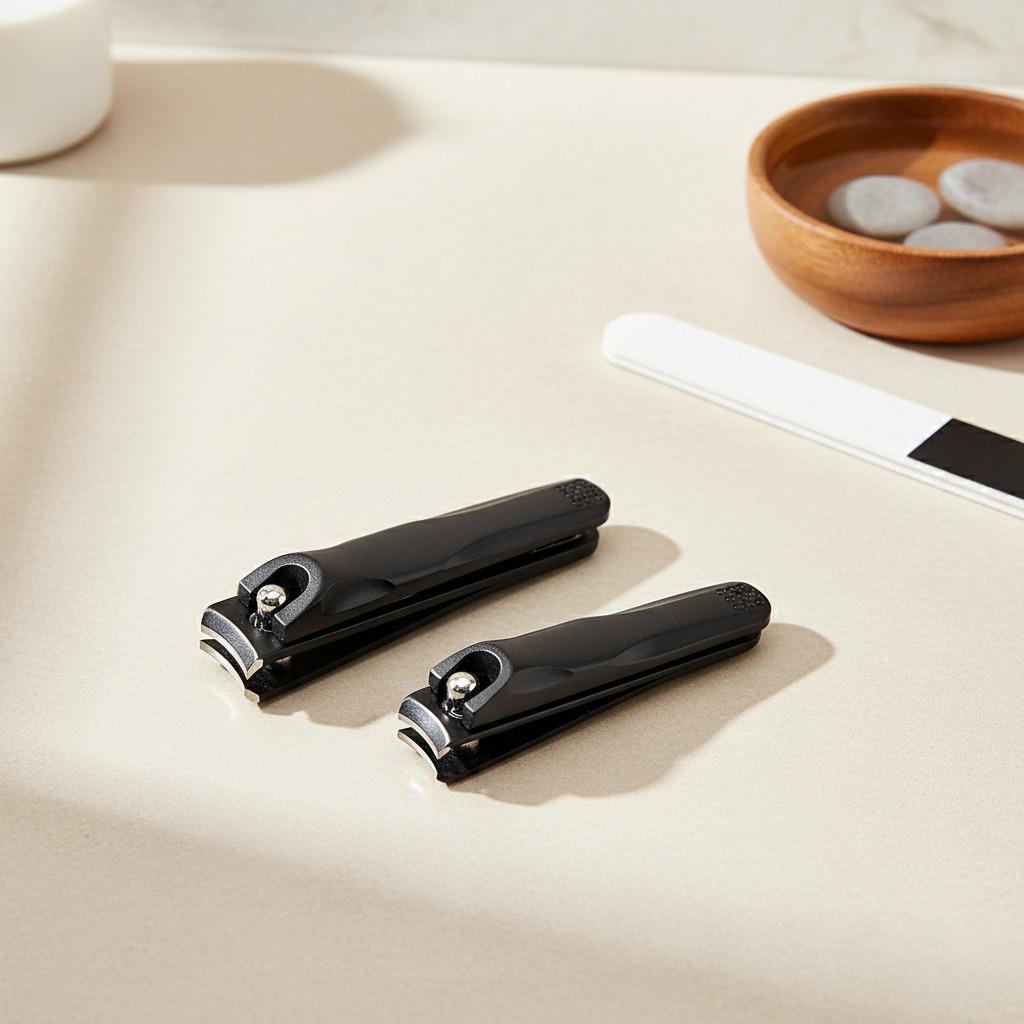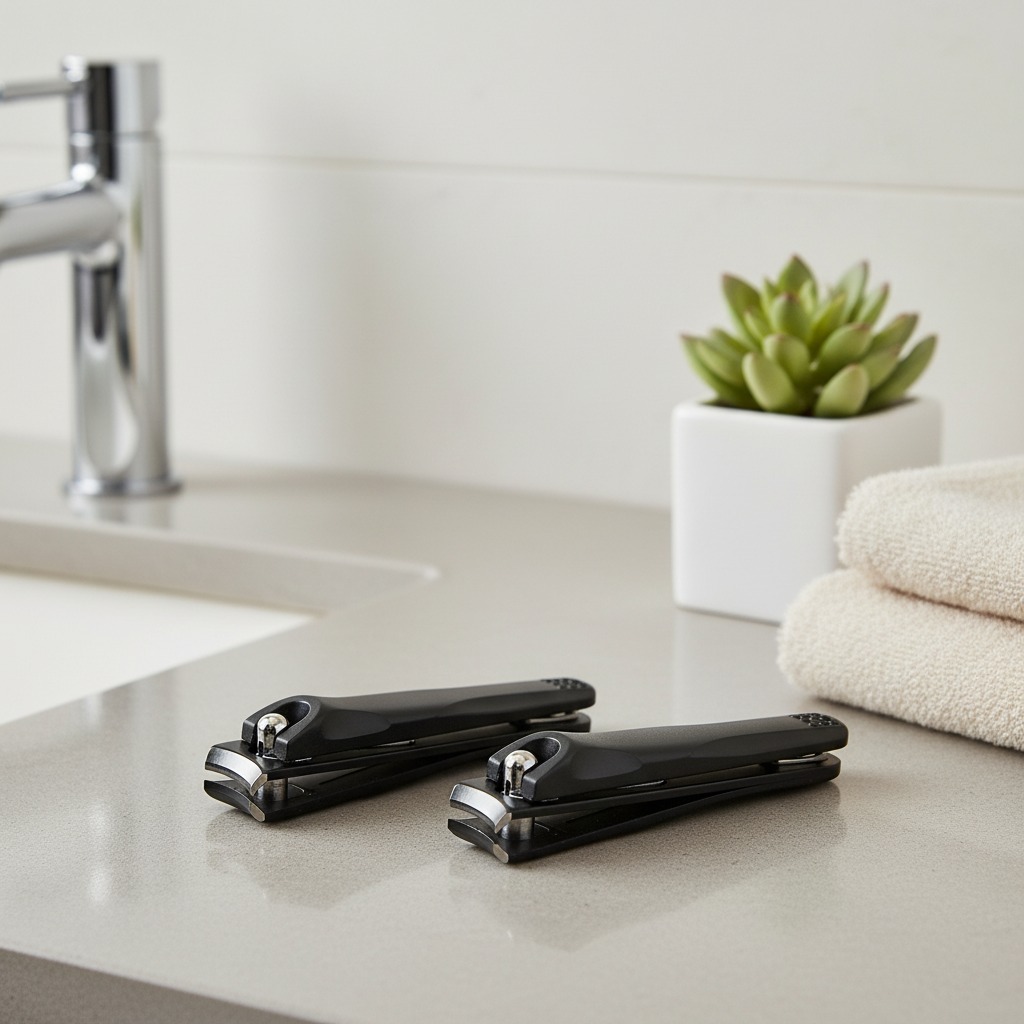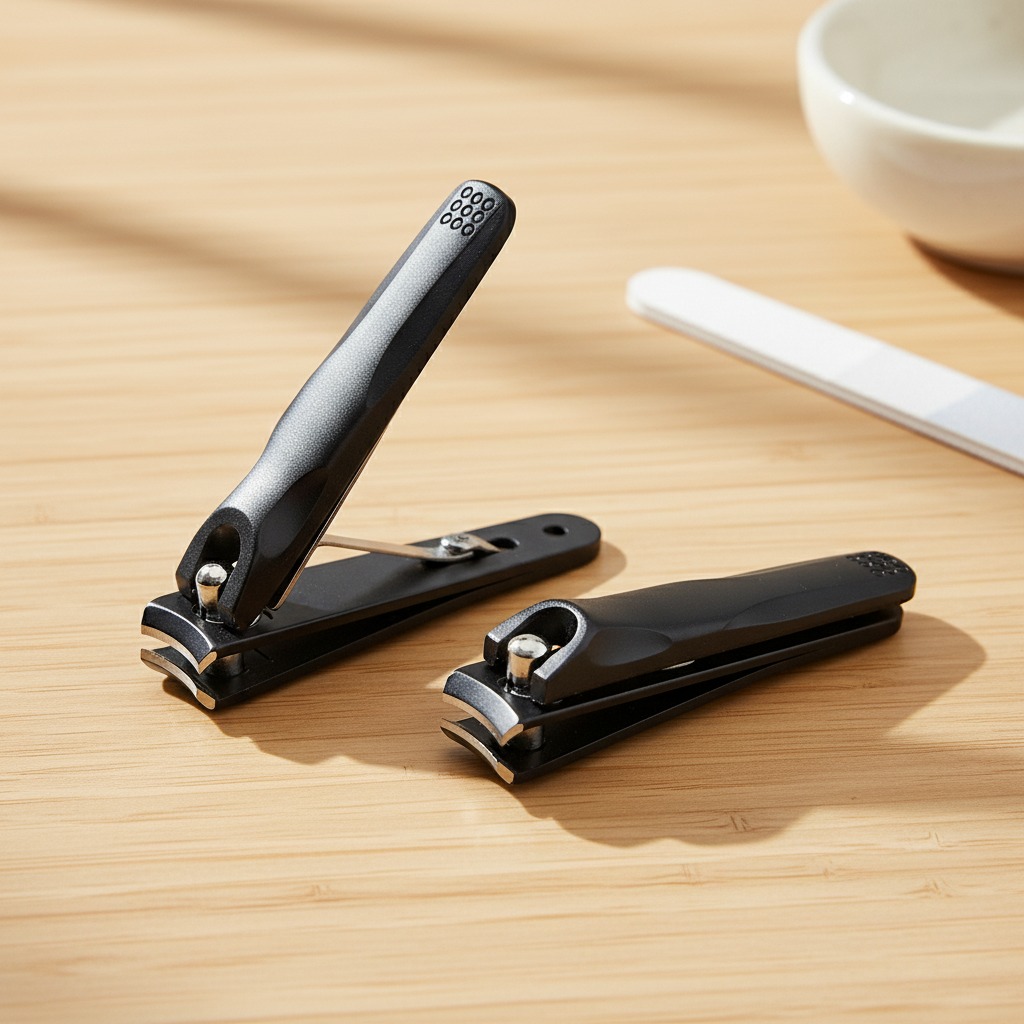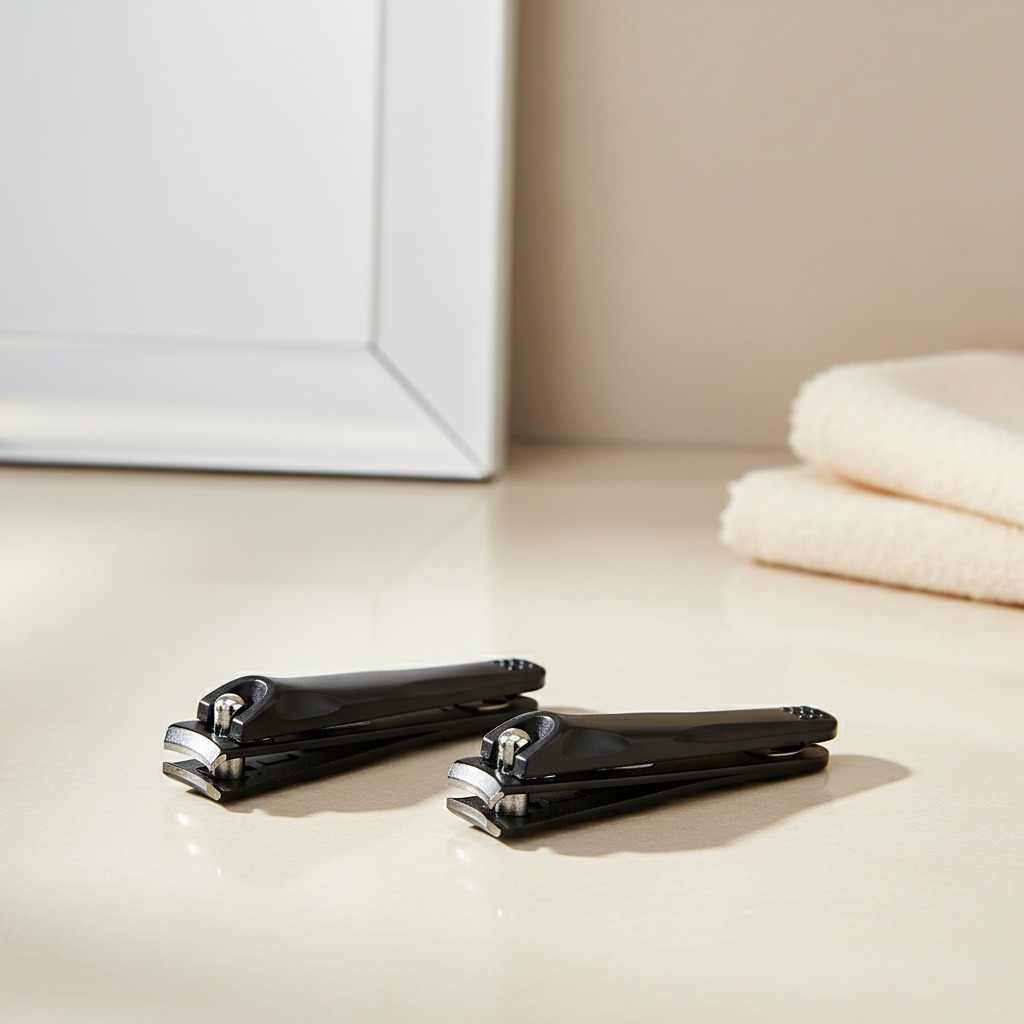











Semi-automatic welding is one of the hidden production steps that can decide whether a nail clipper feels stable, cuts consistently and holds up during repeated use. A clipper may look like a simple grooming tool, but its performance depends on accurate forming, secure joining, smooth lever movement and well-controlled finishing. If the joined area is weak, uneven or misaligned, the product may rattle, close poorly or fail to match the approved sample across a full order.
Olimor Beauty uses a self-developed semi-automatic welding process in nail clipper production to improve repeatability at the joining stage. The process combines machine-controlled actions with trained operator supervision. For B2B buyers comparing beauty tool products, this is more than a factory detail. Welding quality affects durability, inspection results, product feel, batch consistency and the confidence retailers can have when placing repeat orders.
Why welding matters in nail clipper performance
The cutting edge usually receives the most attention when buyers evaluate nail clippers, but the welded or joined structure is equally important. The cutting body, lever area, pin or rivet zone and connected metal sections must work together. When the user presses the lever, force travels through the body of the clipper. Any looseness or uneven joining can reduce the efficiency of that force and make the clipper feel unstable.
In volume manufacturing, small variations can become commercial problems. A single hand-approved sample may perform well, while later production units may show uneven action if the welding process is not controlled. This is why buyers should assess not only the visible polish or packaging, but also the method used to hold, join and check the metal components.
Good welding supports three practical outcomes: structural stability, predictable alignment and consistent user feel. These outcomes are important for entry-level nail clippers, travel manicure items, retail grooming sets and higher-finish personal care tools. Different sales channels may require different packaging, surface finishes or accessory combinations, but every usable clipper depends on reliable joining.
How semi-automatic welding differs from manual joining
Manual welding or handheld joining can produce acceptable results when handled by skilled workers. However, it is naturally more dependent on operator technique. Heat application, pressure, part angle and timing can vary from person to person or between production shifts. In a compact metal product such as a nail clipper, those variations may be hard to identify immediately, but they can later appear as weak weld points, misalignment, rattling or poor closing action.
Semi-automatic welding reduces this risk by controlling the most repetitive and critical parts of the process. The operator remains involved, but the station provides mechanical support for positioning, pressure and heat application. This balance is useful because nail clipper production still requires observation and handling judgment, while the weld itself benefits from repeatable machine assistance.
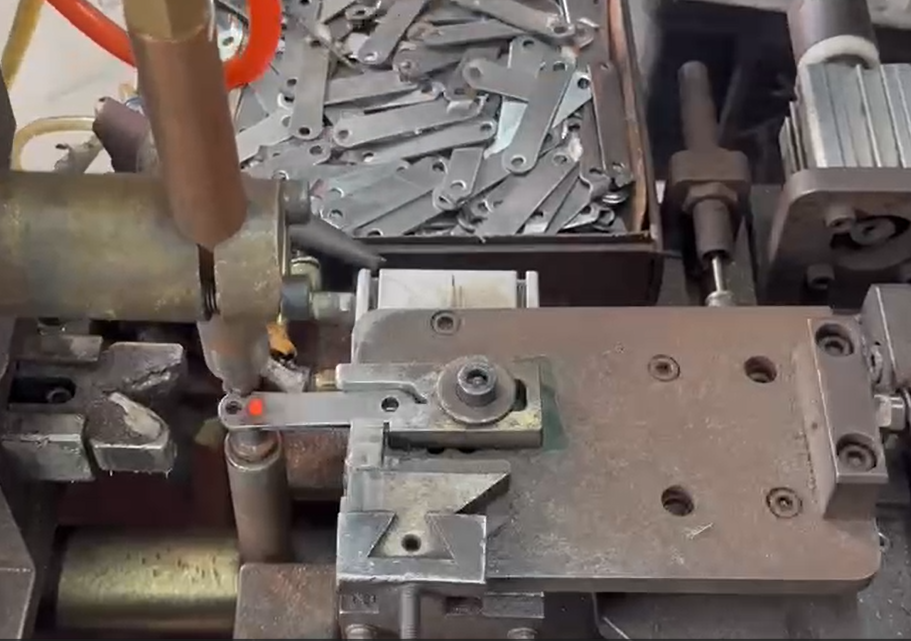
Olimor Beauty developed its semi-automatic welding machine specifically for nail clipper production. The equipment is built around the size, shape and handling requirements of clipper components rather than being a generic station used without adaptation. A robust steel frame supports the working area. Clamps, jigs and rollers help hold and guide pre-formed parts. A copper-colored electrode applies heat and pressure at the weld point. Pneumatic actuators and cooling support the workflow so that components can move through the welding stage with greater stability.
Inside the welding station: what is being controlled
A useful way to understand semi-automatic welding is to look at what the station is trying to control. The purpose is not only to make a weld, but to make the same type of weld repeatedly while keeping the clipper body aligned for later assembly and finishing. In a production setting, repeatability is often more important than one perfect sample.
Pre-formed nail clipper parts are fed into the working area. Mechanical holding elements keep the pieces steady during the welding cycle. The electrode then applies welding energy at the intended point, while fixtures help prevent movement that could weaken the connection or shift the component out of alignment. Operators supervise feeding, observe the weld area, check placement and respond to visible process issues.
Key controls that support consistency
- Positioning support: Clamps and jigs help keep components from moving during welding.
- Repeatable heat application: The electrode delivers heat at the intended joining point instead of relying only on handheld control.
- Stable pressure: Mechanical force helps maintain contact between parts as the weld forms.
- Guided movement: Rollers and actuators support a more consistent production flow.
- Operator supervision: Trained workers still watch for placement errors, irregular movement and visible defects.
These controls matter because a nail clipper is small, but the tolerances of user feel are unforgiving. A customer may not know why a clipper feels loose or stiff, but they will notice the result. For a retailer or distributor, repeated complaints about action, alignment or durability can damage the value of an otherwise well-presented product.
What B2B buyers should inspect in welded nail clippers
Buyers do not need to become welding engineers to evaluate a nail clipper supplier. They do need a practical inspection mindset. The weld should be treated as a functional feature, not only as a hidden manufacturing step. During sample review, pre-shipment inspection or supplier comparison, the following checks can help identify whether the joining process is supporting real product quality.
| Inspection point | Why it matters | What to check |
|---|---|---|
| Weld appearance | Irregular weld areas may suggest unstable heat, pressure or positioning. | Look for a clean joining area without obvious gaps, burn-through, heavy distortion or rough edges. |
| Component alignment | Misalignment can affect closing force and cutting feel. | Check whether the upper and lower sections meet evenly and the lever action feels centered. |
| Joint stability | The clipper must handle repeated pressure during normal use. | Open and close the clipper manually and listen for rattling or movement at the joined area. |
| Batch consistency | A good sample is not enough if production units vary widely. | Compare random units from the same batch for similar weld appearance, lever action and structural feel. |
| Post-weld finishing | Welding can influence polishing, cleaning and surface safety. | Confirm that surfaces near the joint are smooth and free from sharp burrs in handling areas. |
| Functional cutting action | The weld supports the geometry needed for cutting. | Confirm that the clipper closes properly and does not twist, bind or feel loose under normal hand pressure. |
This type of checklist is useful when comparing items from different beauty tool collections or when deciding whether a nail clipper is suitable for a retail line, promotional set, salon accessory range or travel grooming kit. Cosmetic finish and packaging help sell the product, but structural consistency helps protect customer satisfaction after purchase.
Durability is built before final inspection
Final inspection can catch visible and functional defects, but it cannot fully repair a poorly controlled joining process. If parts are welded out of alignment, later polishing cannot make the cutting action correct. If the joint is weak, attractive packaging cannot prevent performance problems in daily use. This is why welding should be considered an upstream quality-control point rather than a back-end correction issue.
A stable welding process also improves downstream production. When welded components are consistent, later cleaning, surface finishing, adjustment, assembly and packing steps are easier to manage. Workers spend less time sorting structural defects, and inspectors can focus on confirming quality rather than separating obvious rejects. For buyers, this can reduce the risk of uneven shipment quality and disputes caused by differences between approved samples and mass-produced goods.
Durability in a nail clipper is not only about material thickness or cutting edge sharpness. It is also about whether the body stays stable when the user applies pressure. A well-joined structure helps the lever transmit force, keeps the cutting sections aligned and supports a more consistent clipping experience. These are practical quality factors that end users notice even when they never see the manufacturing process.
Selection criteria for sourcing welded nail clippers
When sourcing nail clippers, buyers often compare unit cost, finish, packaging, logo options and assortment styles. Those factors are important, but they should be evaluated alongside manufacturing capability. A low-cost quote may not be attractive if the joining process creates inconsistent action or higher defect risk. A higher-finish product may also disappoint if the weld area is unstable beneath the polish.
Questions to ask a supplier
- How are clipper parts positioned during welding? Fixtures, clamps and jigs can help improve repeatability.
- Which welding variables are mechanically controlled? Heat application, pressure and positioning are especially important.
- How are operators involved? Semi-automatic production should still include supervision, placement checks and adjustment when needed.
- How is weld consistency reviewed during production? Ask about visual checks, functional review and batch sampling practices without assuming a specific test method.
- How is alignment checked after joining? A strong weld is not enough if the clipper does not open, close and cut correctly.
- How does the supplier compare production units with the approved sample? This helps reduce the common gap between sample approval and bulk order quality.
Buyers may also ask whether inspection plans are aligned with recognized sampling practices, such as ISO 2859-1 where appropriate. If chemical restrictions or market access rules apply to metal beauty tools, buyers should also verify current requirements such as EU REACH with the supplier and with qualified compliance professionals. These references should be treated as verification points, not assumptions of certification. Always review current versions, destination-market requirements and supplier documents before placing an order.
Cost factors linked to welding and production control
Welding quality can influence cost in several ways. The lowest visible unit price may not reflect the full sourcing cost if poor joining creates higher inspection effort, rework, rejected goods, customer returns or brand damage. For B2B purchasing, a more useful question is whether the production method supports the intended sales channel and acceptable quality level.
Cost factors may include product design complexity, component forming requirements, the level of finishing after welding, packaging expectations, logo or private-label customization, inspection scope and order volume. The welding stage interacts with many of these factors. For example, a clipper that needs a cleaner visible finish may require more careful handling around the welded area. A retail assortment with several clipper styles may require stable process control across different component shapes. A private-label program may require approved samples to be matched consistently across repeat production.
Buyers should avoid judging cost only by the quote line. Instead, compare the supplier’s process controls, sample consistency, responsiveness, inspection transparency and ability to explain how quality is maintained. If a supplier cannot describe how the weld is controlled or checked, the buyer may face a higher risk when scaling from samples to larger orders.
Common welding-related problems and how to prevent them
Several nail clipper problems can be connected to poor joining or weak process control. The cause is not always welding alone, but the welding stage can contribute to defects that become visible later.
Loose or rattling action
If the joined area is not stable or the components shift during assembly, the clipper may feel loose. Buyers should compare multiple samples, open and close each unit repeatedly by hand, and check whether the sound and feel are consistent.
Uneven closing force
When parts are misaligned, the lever may not transmit force evenly. This can make the clipper feel weak or awkward. Alignment should be checked visually and functionally, not only by looking at the outside finish.
Rough areas near the joint
Welding and later finishing must be coordinated. Burrs, rough edges or distorted surfaces near handling areas can affect user comfort and perceived quality. Inspection should include touch points as well as visual appearance.
Good samples but inconsistent batches
This is one of the most important sourcing risks. A supplier may prepare strong samples, but bulk production quality depends on repeatable process control. Semi-automatic welding helps reduce variation by standardizing key joining steps while operators continue to monitor the process.
How Olimor supports nail clipper manufacturing discussions
Olimor Beauty’s semi-automatic welding process reflects a practical manufacturing goal: make the joining stage more stable so nail clippers can perform consistently across production. The self-developed welding machine uses mechanical holding, controlled electrode action, guided workflow and operator supervision to reduce avoidable variation at the weld point.
For buyers developing a nail clipper line, refreshing an existing grooming item or comparing suppliers, the best next step is to define the product requirements clearly. Include the intended sales channel, finish expectations, packaging direction, sample requirements, logo or customization needs and target inspection expectations. Clear information helps the supplier recommend a suitable production approach and identify quality concerns earlier.
To discuss nail clipper options or related beauty tool manufacturing, you can contact Olimor Beauty. If you already have specifications, reference samples or a sourcing brief, you may also send a product inquiry for review.
FAQ: semi-automatic welded nail clippers
Can I request samples before placing a nail clipper order?
Yes. Samples are commonly used to confirm structure, finish, lever action, packaging direction and overall suitability before bulk production. Sample availability and arrangements should be confirmed based on the specific product and customization request.
Is there an MOQ for customized nail clippers?
MOQ can depend on the product style, customization method, packaging and production plan. Buyers should share the intended design and order requirements so the supplier can confirm what is practical.
Can nail clippers be customized with a logo or retail packaging?
Customization may be possible depending on the clipper model, surface finish, branding method and packaging requirements. Buyers should provide artwork, packaging expectations and market requirements for review.
How is quality checked for welded nail clippers?
Quality review should include weld appearance, alignment, lever action, joint stability, surface finishing and batch consistency. Buyers can also request that inspection expectations be discussed before order confirmation.
How should lead time be confirmed?
Lead time depends on product selection, sample approval, customization, packaging and production scheduling. Confirm timing with the supplier after specifications and order details are clear.
A better sourcing decision starts with the weld
Semi-automatic welding improves nail clipper manufacturing by combining repeatable machine control with operator oversight. It supports stable welds, better alignment control and more predictable large-scale production. For buyers, understanding this step makes it easier to evaluate suppliers beyond surface finish and price.
A nail clipper’s value is proven in use: it should feel stable, close smoothly and maintain its structure under normal clipping pressure. By paying attention to welding, inspection and supplier process control, B2B buyers can make better sourcing decisions and choose nail clippers that are more reliable from sample approval through repeat orders.