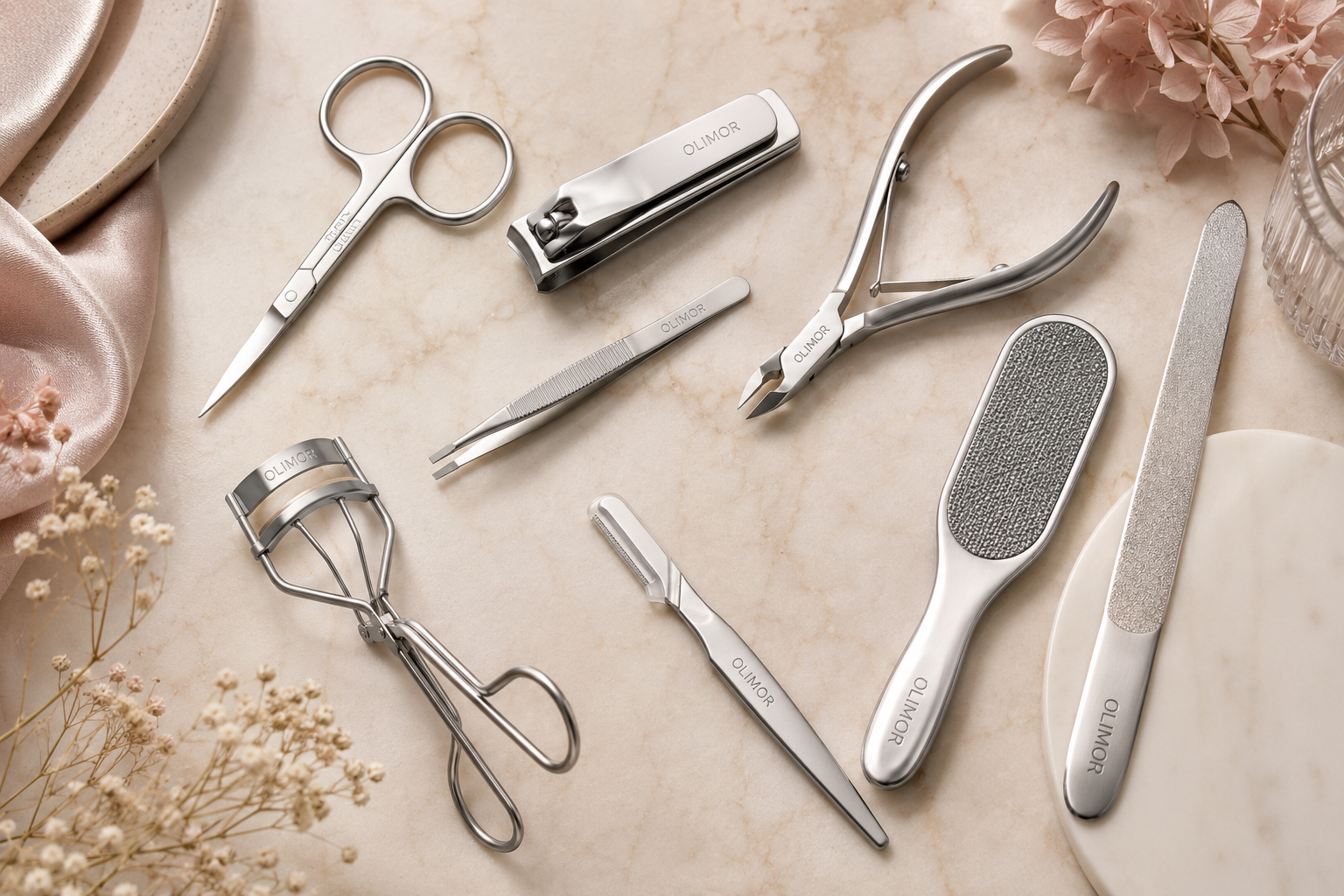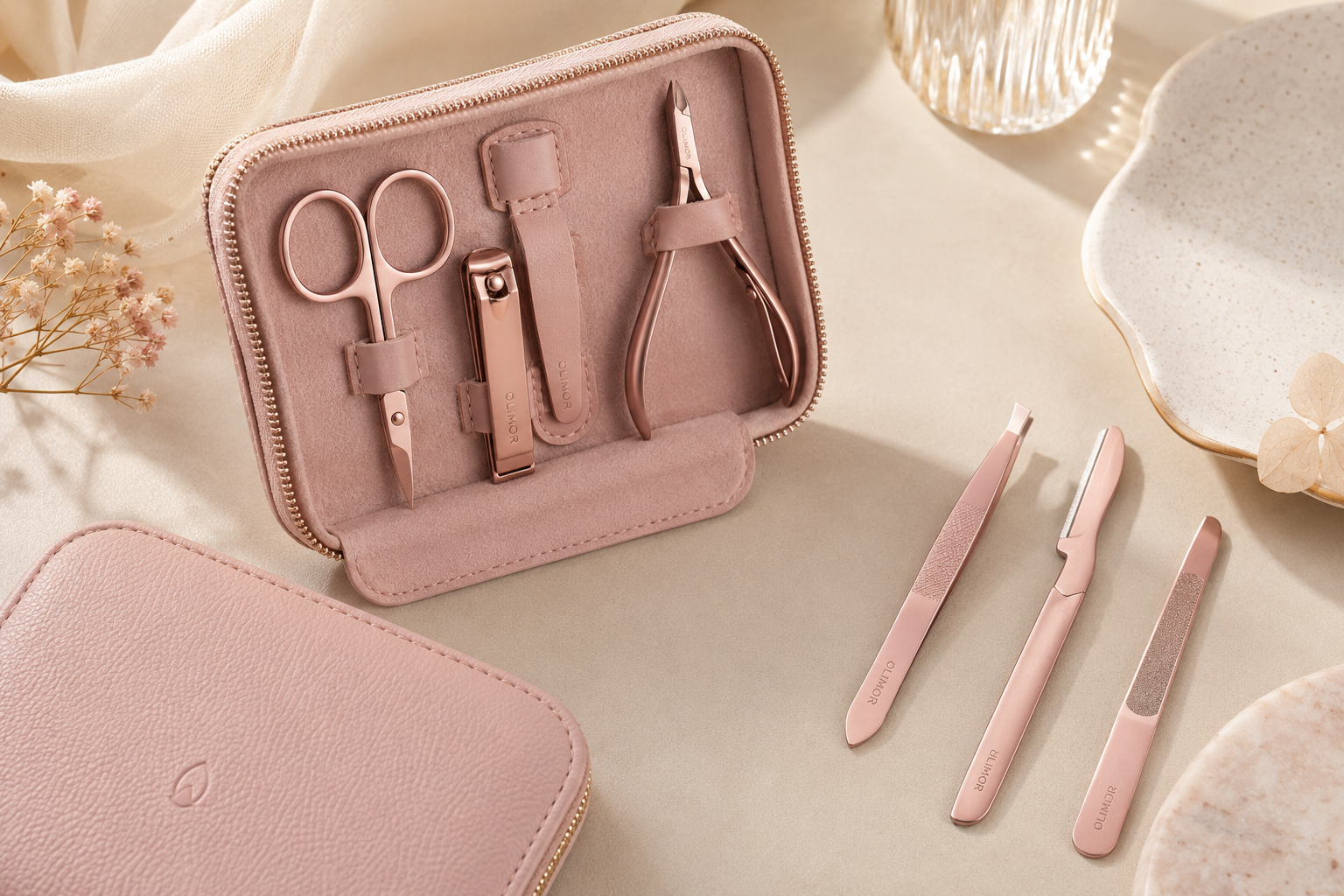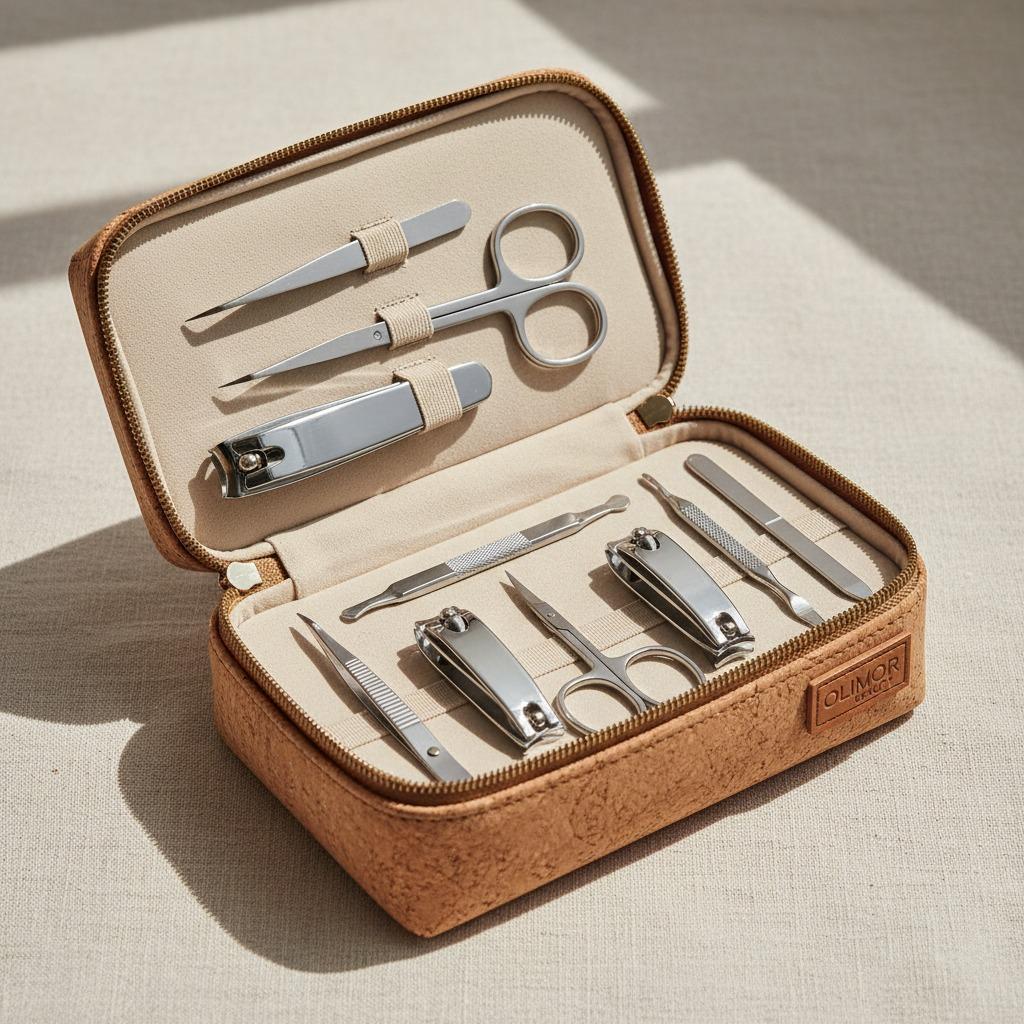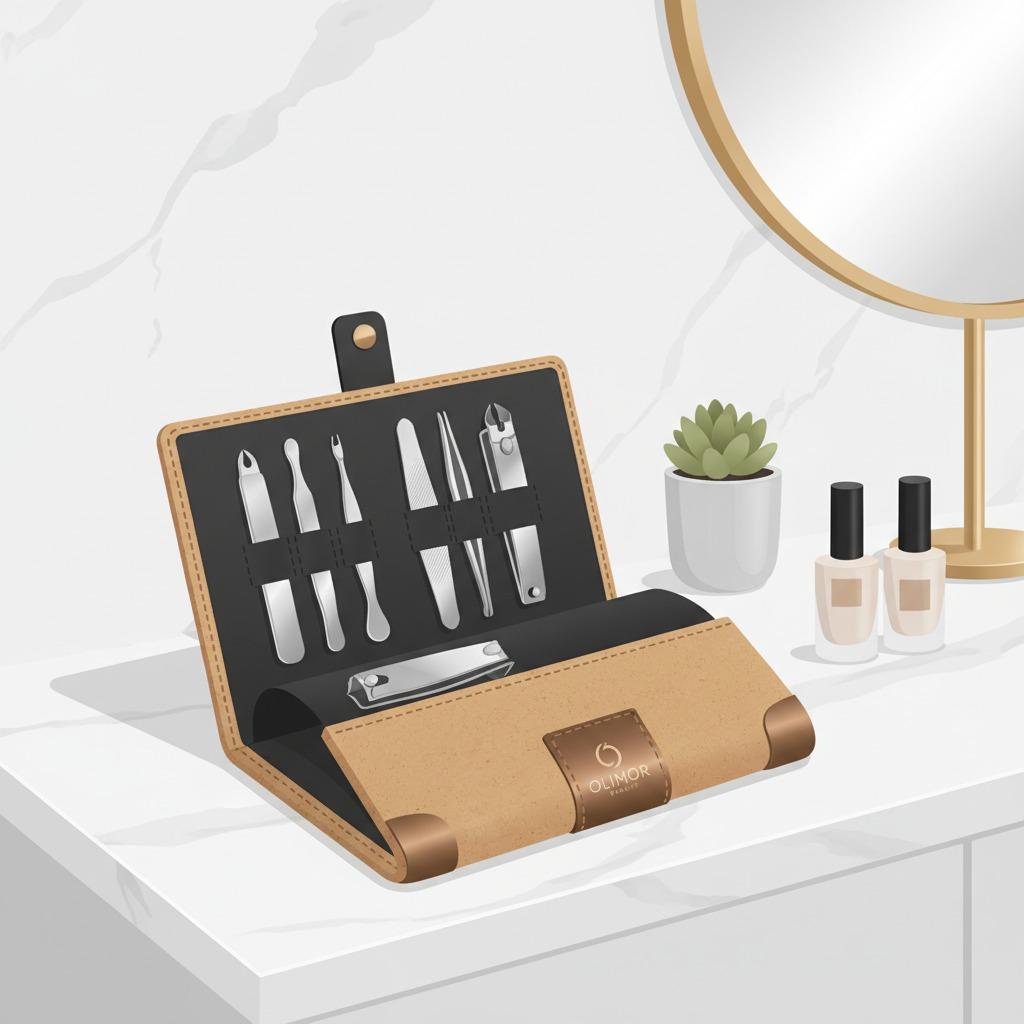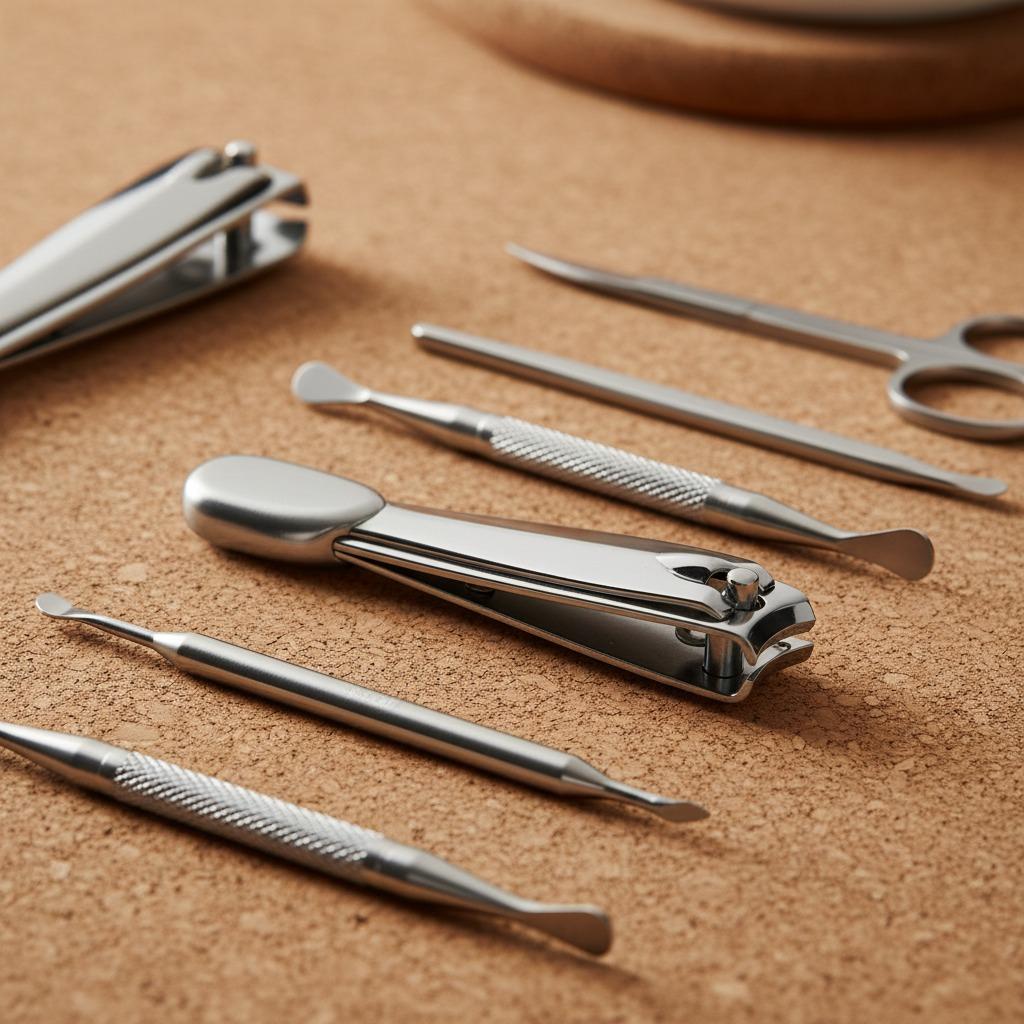











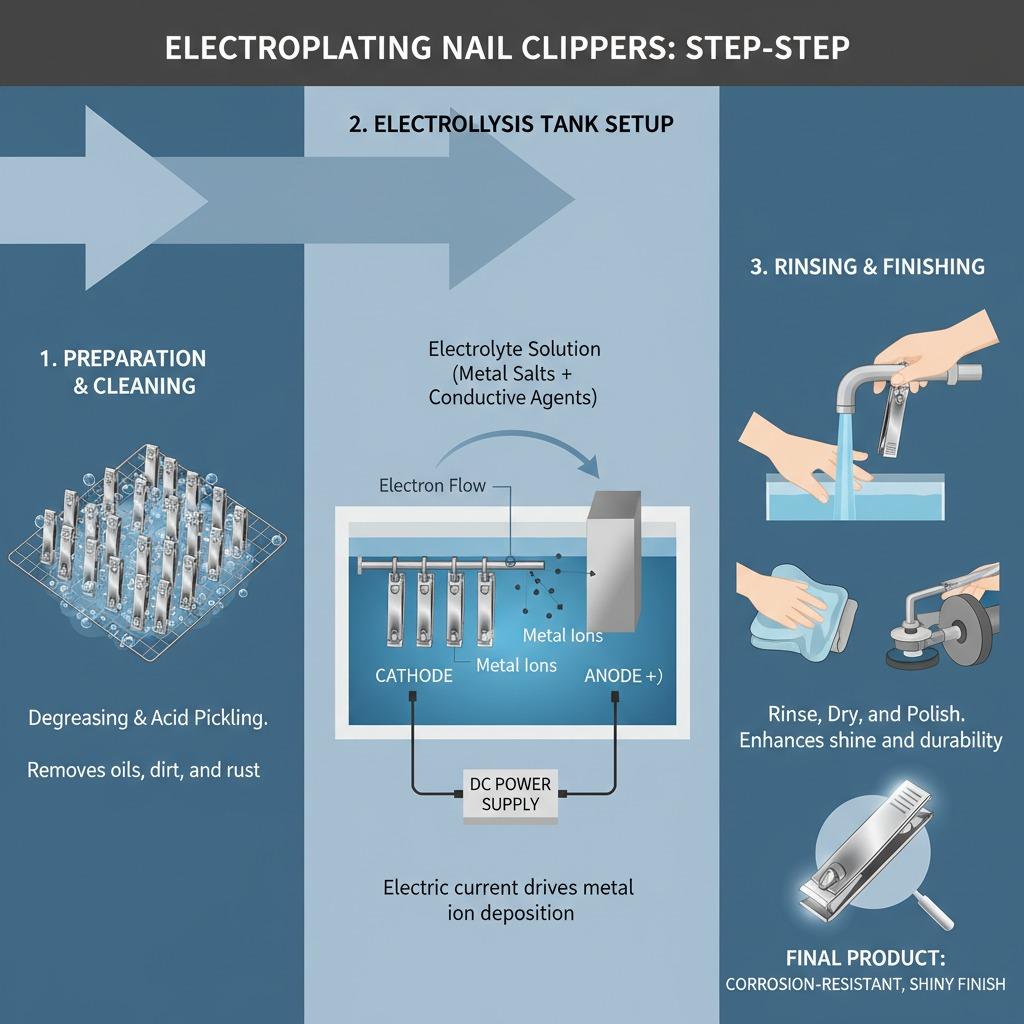
Electroplating is one of the most important finishing steps in nail clipper manufacturing because it affects how the tool looks, feels, resists corrosion and performs in daily use. For a small precision tool, the surface finish is not just decorative. It must protect the metal without interfering with the cutting edge, lever movement or user grip.
For beauty tool buyers, private label teams and grooming accessory distributors, understanding electroplating can make supplier discussions more productive. It helps you compare samples more accurately, set realistic expectations for finish consistency and avoid choosing a coating method that looks attractive but does not suit a precision cutting tool. Olimor Beauty applies electroplating to stainless steel tools to create a durable, attractive surface while supporting the function of the clipper itself.
Why Electroplating Matters for Nail Clippers
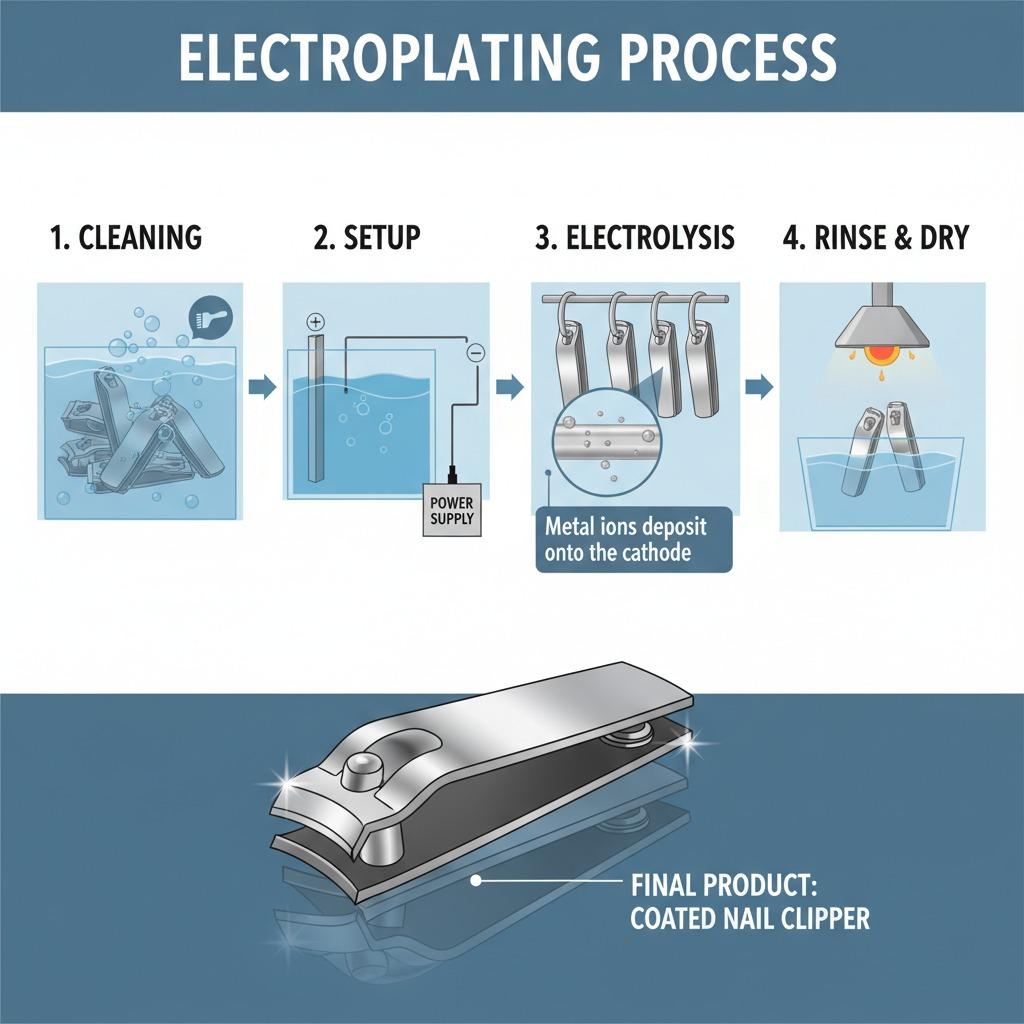
A nail clipper has several working areas that must remain precise: the cutting jaws, the pivot area, the lever contact point and the edges users hold during trimming. A finish that is too thick, uneven or fragile can reduce the perceived quality of the tool. Electroplating is widely used because it deposits a thin metal layer onto the surface through an electrochemical process. When controlled properly, the layer can be uniform enough for small parts and detailed shapes.
The main reason buyers should care is that a nail clipper is handled in humid environments and often stored in bathrooms, toiletry bags or manicure kits. A protective plated surface helps reduce exposure of the base material to moisture and everyday handling. It also gives the clipper a clean visual appearance, which is important for retail packaging, gift sets and professional grooming assortments.
Electroplating also supports the tactile experience of the product. A smooth finish can make the clipper feel cleaner in the hand and easier to wipe after use. For buyers comparing beauty tool products, this balance of appearance, corrosion resistance and precision fit is often more relevant than choosing the shiniest sample on the table.
Electroplating vs. Powder Coating for Precision Tools
Powder coating can be useful for many products, especially larger surfaces where color coverage and impact protection are priorities. Nail clippers, however, are compact tools with moving parts and cutting geometry. A coating method that adds noticeable thickness can create problems around the jaws, pivot or lever. Even small changes can affect how cleanly the clipper closes or how the tool feels during repeated use.
Electroplating is often a better fit for nail clippers because it can form a thin, metallic layer while preserving the crisp shape of the component. This is particularly important around the cutting edges. The finish should not create a rounded or bulky feel where the user expects precision. It should also avoid interfering with assembly, because a clipper depends on controlled contact between parts.
That does not mean every electroplated clipper is automatically high quality. The process still needs good preparation, cleaning, plating control and inspection. Poor surface preparation may lead to dull areas, uneven tone, spots or adhesion concerns. Buyers should evaluate both the finish and the mechanical action of the sample, not one or the other.
Key Finish Qualities Buyers Should Inspect
When reviewing nail clipper samples, do not judge electroplating only by first impression. Brightness and color may draw attention, but the better question is whether the finish is consistent, suitable for the tool and durable enough for the intended market. A value retail clipper, a travel grooming set and a professional manicure accessory may have different expectations, but all should be assessed carefully.
- Surface consistency: Check whether the finish appears even across flat areas, curved edges, the lever and the underside. Look for cloudiness, staining, pinholes or patchy tone.
- Edge condition: Inspect the cutting jaws after plating. The finish should not visibly build up in a way that affects closure or cutting alignment.
- Moving parts: Open and close the lever several times. The action should feel stable, without scraping caused by excessive finish thickness.
- Grip and comfort: A plated surface should feel smooth but not awkwardly slippery. Consider how the clipper will be used with dry or slightly damp hands.
- Packaging compatibility: If the clipper will be packed in a pouch, blister card or set, evaluate whether the finish is likely to rub against adjacent tools during transport.
- Visual match across pieces: For sets or multi-piece orders, compare several samples together rather than approving a single best-looking unit.
Manufacturing Steps That Influence Plating Results
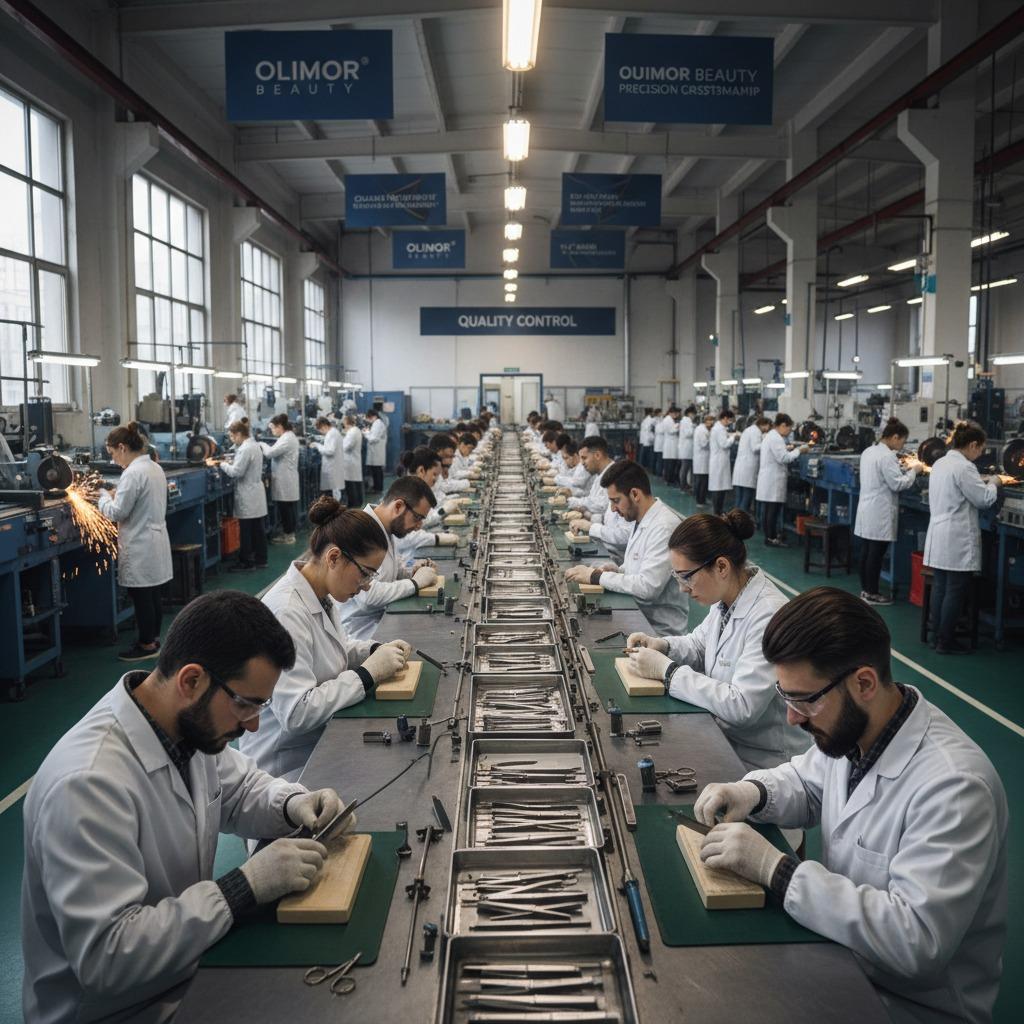
Electroplating quality begins before the part enters the plating bath. Stamping, forming, grinding, polishing and cleaning all influence the final appearance. If scratches, burrs or oil residues remain on the tool, plating may make these issues more visible instead of hiding them. This is why process discipline matters in nail clipper manufacturing.
A practical production flow normally includes preparation of the metal surface, cleaning to remove contaminants, electroplating, rinsing, drying and final inspection. Each stage has a purpose. Surface preparation helps create a cleaner foundation. Cleaning reduces the risk of poor adhesion or discoloration. Controlled plating helps produce a uniform layer. Careful drying and handling reduce water marks and fingerprints before packing.
Buyers do not need to manage every technical parameter, but they should understand which decisions affect the result. For example, a mirror-like finish may reveal small surface marks more clearly, while a more subdued finish may be easier to keep visually consistent. The best choice depends on brand positioning, packaging style and end-user expectations. If you are developing a coordinated grooming range, review related product collections so the finish direction feels consistent across tools.
How Electroplating Supports Corrosion Resistance and Product Life
Nail clippers are often exposed to moisture, skin oils and residue from grooming routines. A well-applied plated surface creates a protective barrier that helps the tool resist corrosion during normal use and storage. This is especially relevant for stainless steel tools, where buyers expect a clean, long-lasting appearance. Electroplating does not replace proper material selection or good maintenance, but it can improve the surface protection and perceived quality of the final product.
It is also important to separate corrosion resistance from cutting performance. The plated finish protects and refines the surface, while the geometry of the jaws and the quality of the cutting edge determine how the clipper trims. A good nail clipper needs both: a finish that remains presentable and a cutting mechanism that stays aligned. When evaluating samples, test the clipper on appropriate nail material and check whether it cuts cleanly without excessive force.
For retailers and distributors, product life also includes how the item looks when it reaches the customer. Transit handling, storage humidity and packaging materials can all influence the final impression. A plated clipper should be packed in a way that prevents avoidable scuffing, especially if the finish is bright or reflective.
Sourcing Questions for Electroplated Nail Clippers
Clear sourcing discussions help prevent misunderstandings before mass production. Instead of focusing only on unit appearance, buyers should define acceptable finish, function and packing standards. The following checklist can be used during sample review or product development.
- What finish direction is required? Confirm whether the product should look bright, satin, dark-toned, classic metallic or another approved appearance without assuming all finishes behave the same.
- Which areas are most critical? Identify visible retail-facing surfaces, cutting jaws, lever contact areas and any parts that may be hidden after assembly.
- How will samples be approved? Review multiple pieces under consistent lighting and keep an approved reference sample for comparison.
- What functional checks are needed? Include jaw alignment, lever movement, cutting feel and surface inspection in the approval process.
- How will the clipper be packaged? Consider rubbing, moisture exposure and contact with other tools in sets.
- What maintenance instructions suit the market? Simple user guidance, such as wiping dry after use and storing away from prolonged moisture, can help reduce complaints.
If your project involves a custom beauty tool range, you can send an inquiry with your product goals, finish expectations and packaging plan. For broader sourcing support or clarification on available options, contact Olimor with the details of your intended market and order requirements.
Care Tips for Electroplated Nail Clippers
Even a well-finished nail clipper benefits from sensible care. End users should remove nail debris after trimming, wipe the tool dry if it becomes damp and avoid leaving it in standing water or high-humidity storage for long periods. For manicure kits, each tool should have a secure position so metal surfaces do not constantly rub together inside the case.
Retailers can reduce after-sales issues by including concise care instructions in packaging or product pages. The message does not need to be complicated. A nail clipper is a simple tool, but its finish will look better for longer when users keep it clean and dry. For premium sets, a soft pouch, shaped tray or separated compartments can also help preserve the surface during shipping and everyday storage.
Choosing the Right Finish for Your Nail Clipper Line
Electroplating is valuable in nail clipper manufacturing because it suits the scale and precision of the product. It can provide a refined metallic appearance, support corrosion resistance and preserve the functional geometry of a small cutting tool more effectively than bulkier coating methods. The best results come from aligning the finish with the product’s price position, packaging format and target user.
For buyers, the most practical approach is to evaluate electroplated nail clippers as both beauty tools and mechanical products. Look at shine, color and consistency, but also test the lever action, cutting feel, edge condition and how the item will survive storage and transport. By combining aesthetic standards with functional inspection, you can make more confident sourcing decisions and build a nail clipper line that feels reliable from the first sample to the final packaged product.