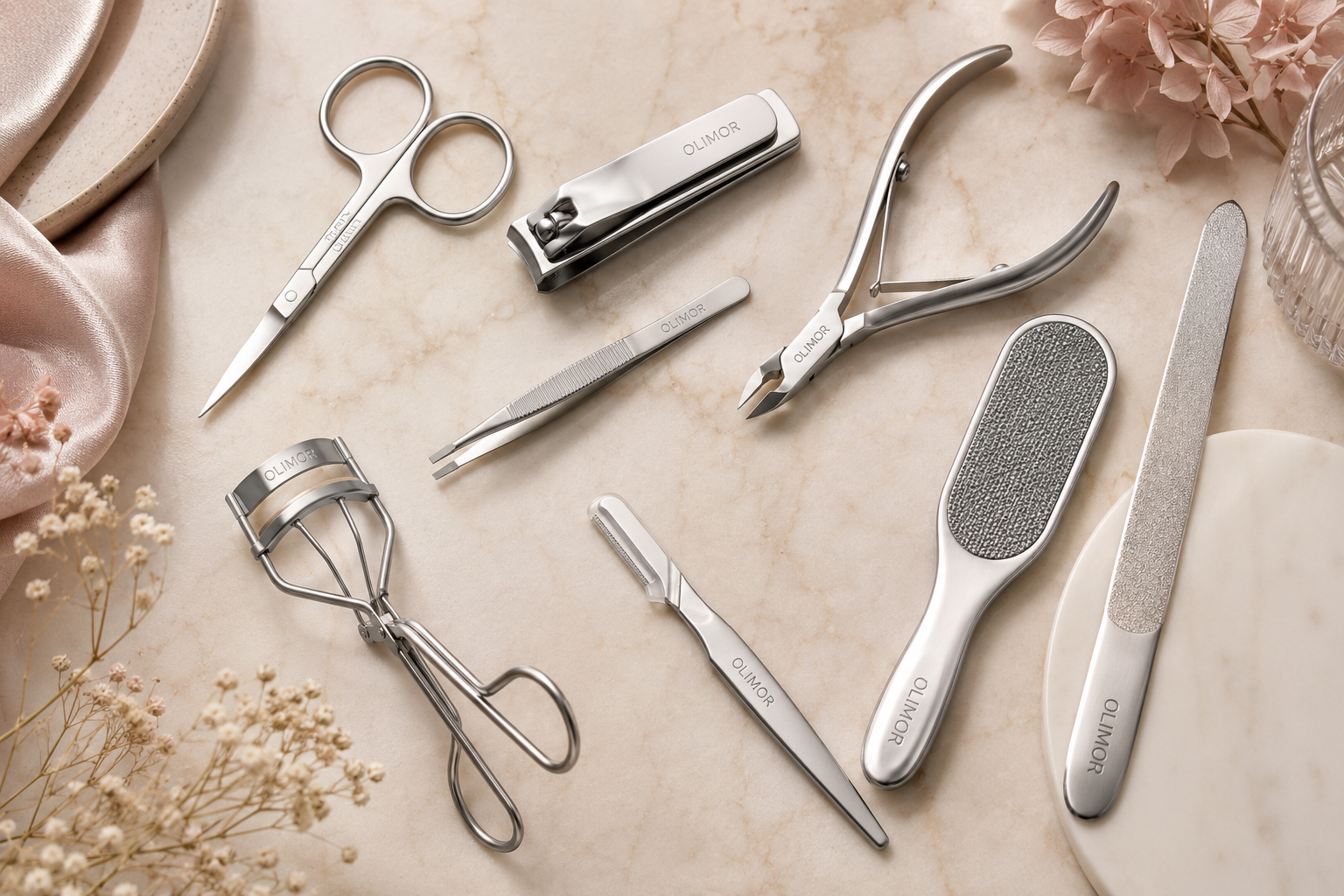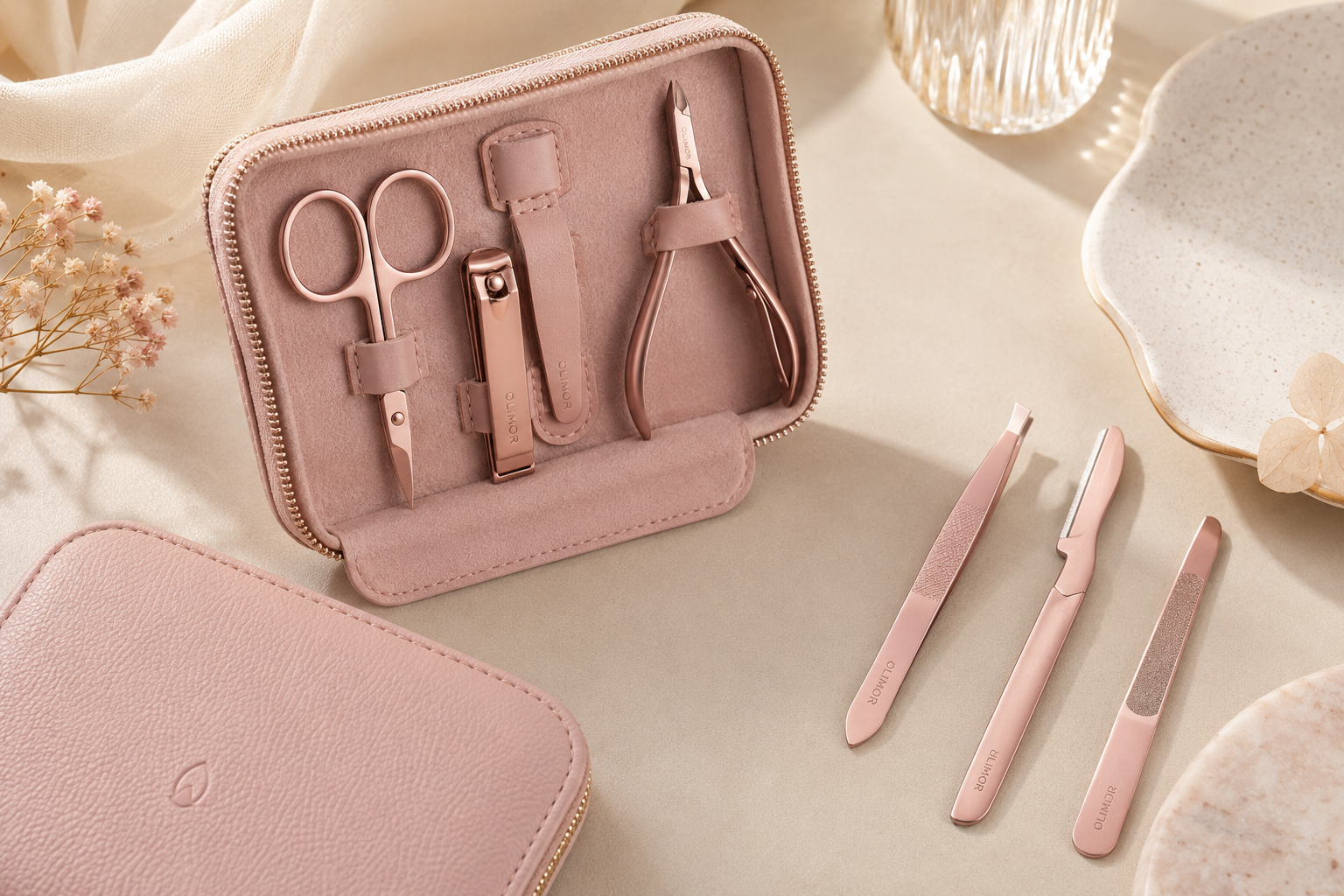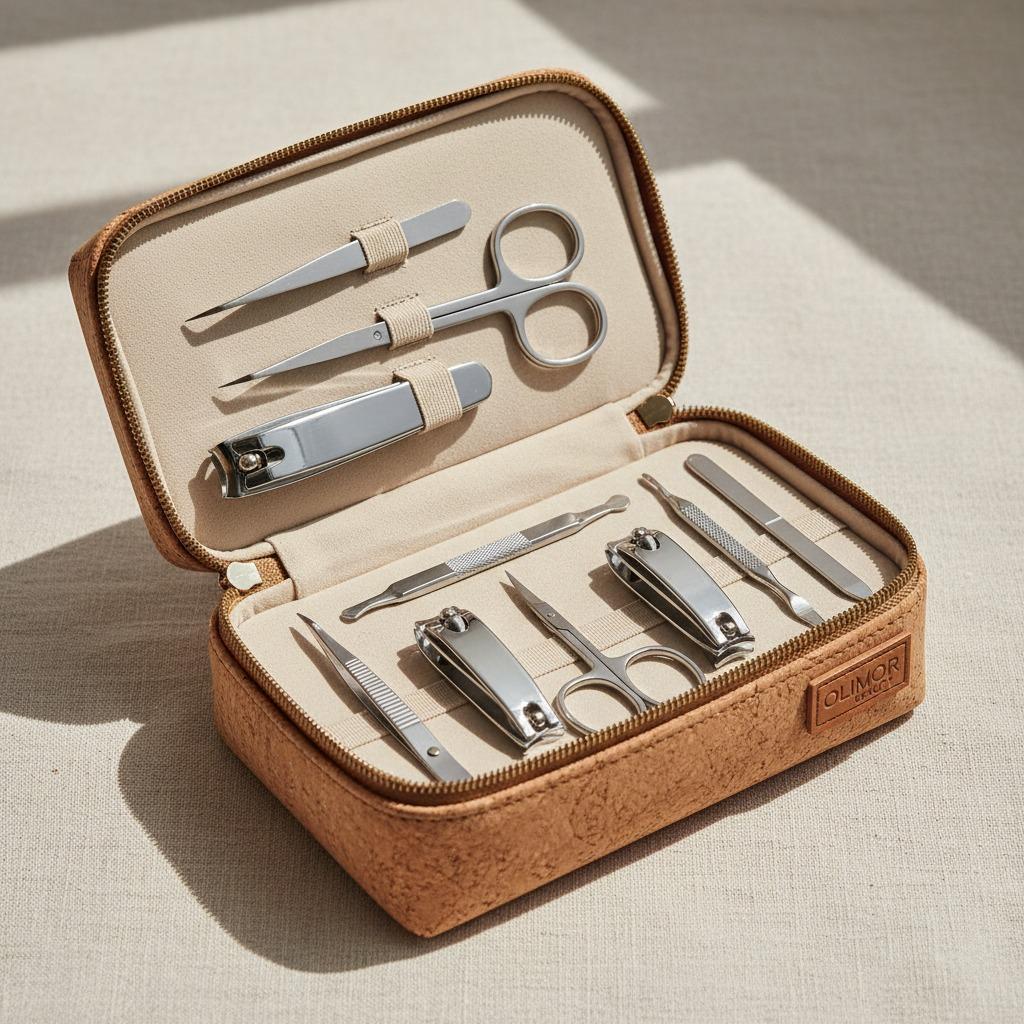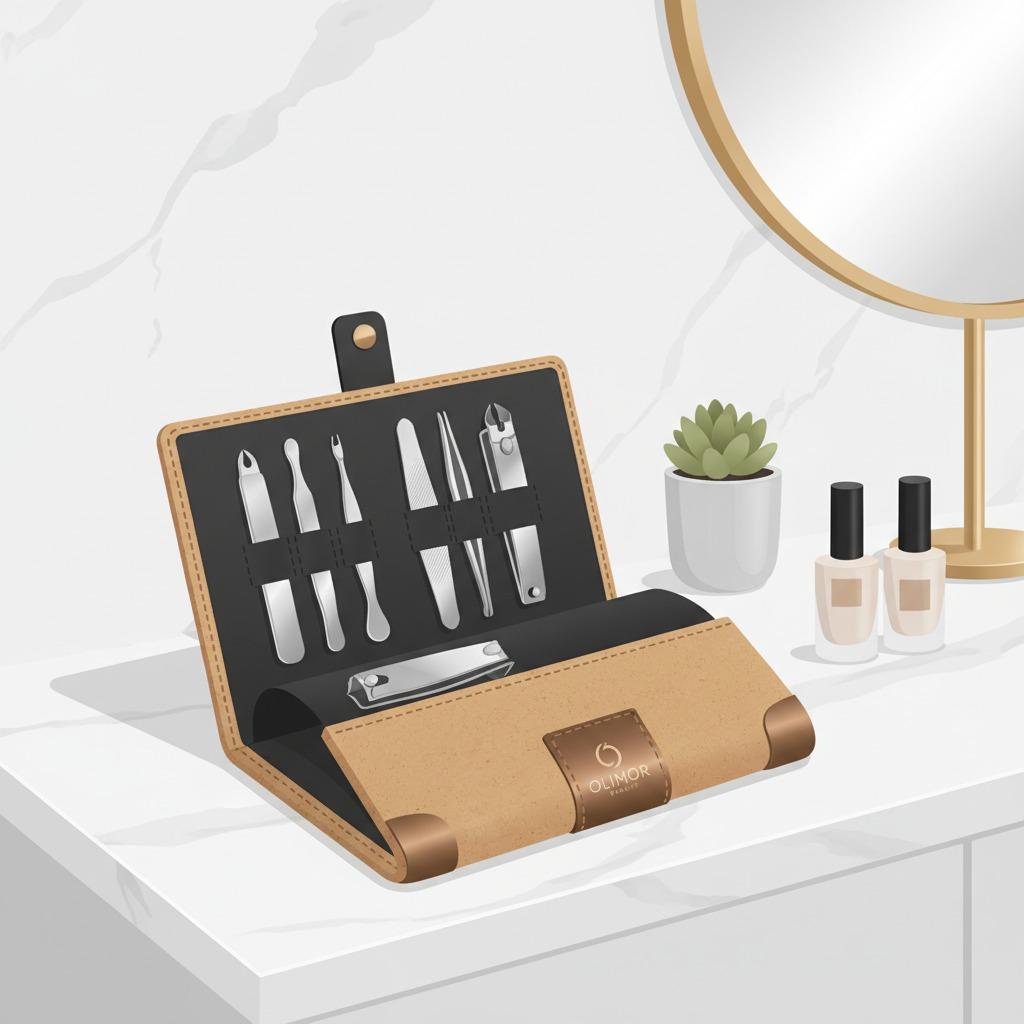











Buying beauty tools wholesale is a business decision, not only a unit-price decision. For salons, spas, beauty retailers, resellers, academies and private-label sourcing teams, the right tools affect client comfort, hygiene routines, shelf presentation, staff efficiency, repeat sales and replacement costs.
A tool that looks acceptable in a catalog can still create problems if the grip feels awkward, the hinge action is uneven, the surface has rough edges, the lash pad does not sit securely, or the packaging does not protect the product in storage and shipping. This guide explains how to evaluate beauty tools wholesale with practical attention to eyelash curlers in bulk, pedicure supplies wholesale and daily personal care tools wholesale.
Use this as a selection and supplier-evaluation framework before placing a larger order. You can also review the Olimor beauty tool range to compare common categories before narrowing your buying list.
Start With the Buying Purpose, Not the Lowest Quote
The first step is to define how each beauty tool will be used. Wholesale buyers often compare prices too early, before they know whether the product is intended for professional service, retail resale, training kits, promotional bundles or long-term replenishment.
Each use case changes what good value means. A salon tool should be comfortable for repeated handling, easy to clean according to the salon’s procedures and consistent from unit to unit. A retail tool needs clear packaging, understandable use guidance and an appearance that fits the target customer. A training academy may prefer simple, durable tools that beginners can handle easily. A promotional set should avoid items that look attractive at first but feel flimsy or wear quickly.
- Salon service tools: prioritize grip comfort, cleanability, repeat-use strength, predictable handling and backup stock.
- Retail beauty tools: evaluate packaging clarity, shelf appeal, customer-friendly instructions and a balanced assortment.
- Beauty kits: choose compact, practical tools that fit together by routine, such as lash care, brow care, manicure or travel grooming.
- Promotional bundles: select useful items that support the brand experience instead of low-cost tools that may disappoint users.
- Reseller inventory: avoid overbuying narrow trends; focus on versatile personal care tools with broad, repeatable demand.
This approach helps prevent a common wholesale mistake: ordering a high volume of one fashionable item while missing everyday tools customers actually replace.
Wholesale Buying vs. Retail Buying: What Changes?
Retail buying is simple when you need one tool quickly. Wholesale buying requires planning because any product issue is multiplied across the order. A rough edge, weak package or awkward handle may affect many units, not just one.
| Buying Factor | Retail Purchase | Wholesale Purchase |
|---|---|---|
| Typical purpose | Personal use or urgent replacement | Salon use, resale, kits, promotions or replenishment |
| Main selection priority | Style, convenience and immediate availability | Consistency, durability, packaging, handling and unit economics |
| Quality review | Often based on one item | Should include sample checks, batch consistency and packaging review |
| Inventory planning | Minimal planning needed | Requires storage, reorder timing and SKU organization |
| Risk if unsuitable | Limited because quantity is small | Higher because many units, customers or service stations may be affected |
For B2B buyers, the best wholesale beauty tools are not simply the cheapest. They are the tools that match the intended service or sales channel, arrive in usable condition, perform consistently and support a reasonable replacement or reorder plan.
How to Evaluate Eyelash Curlers in Bulk
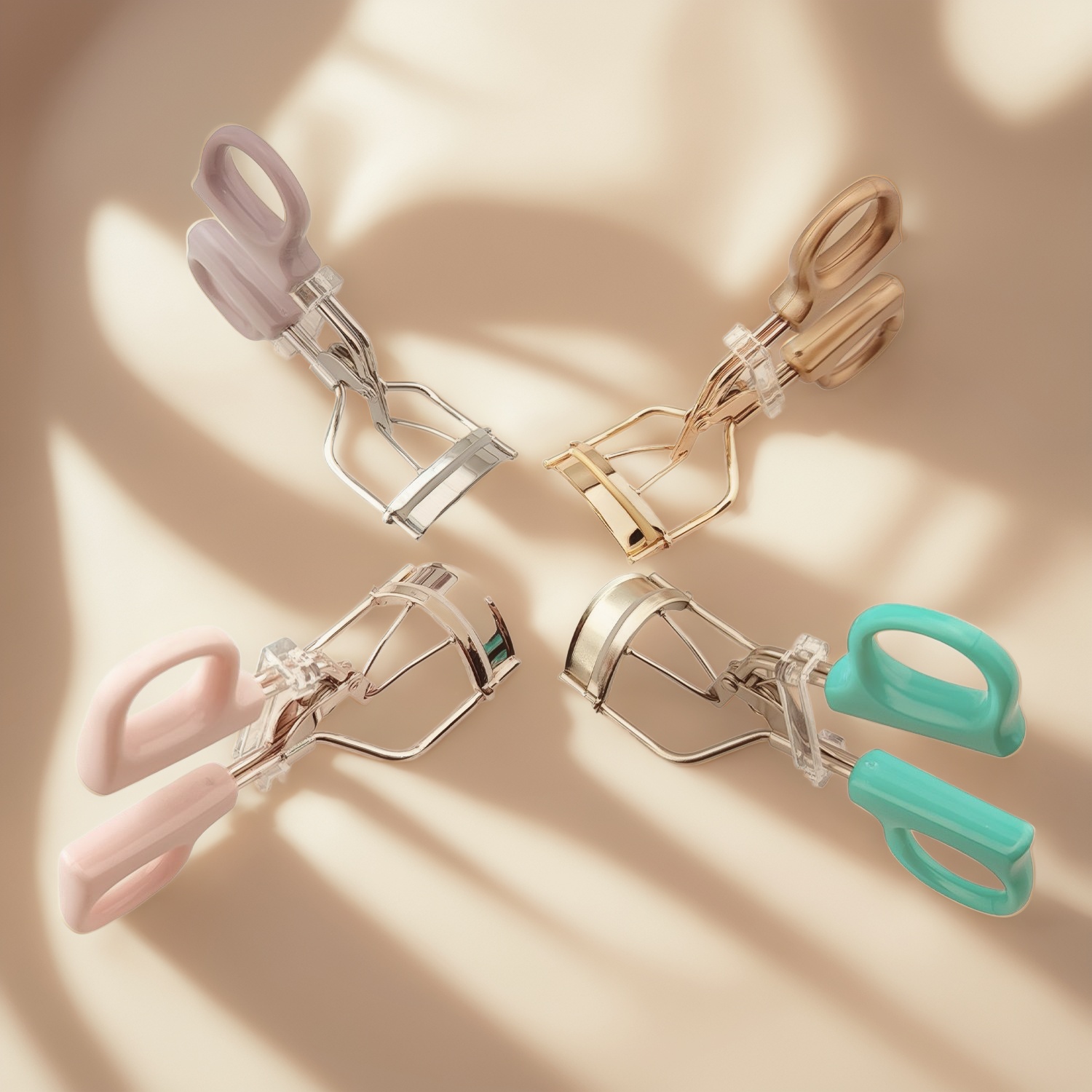
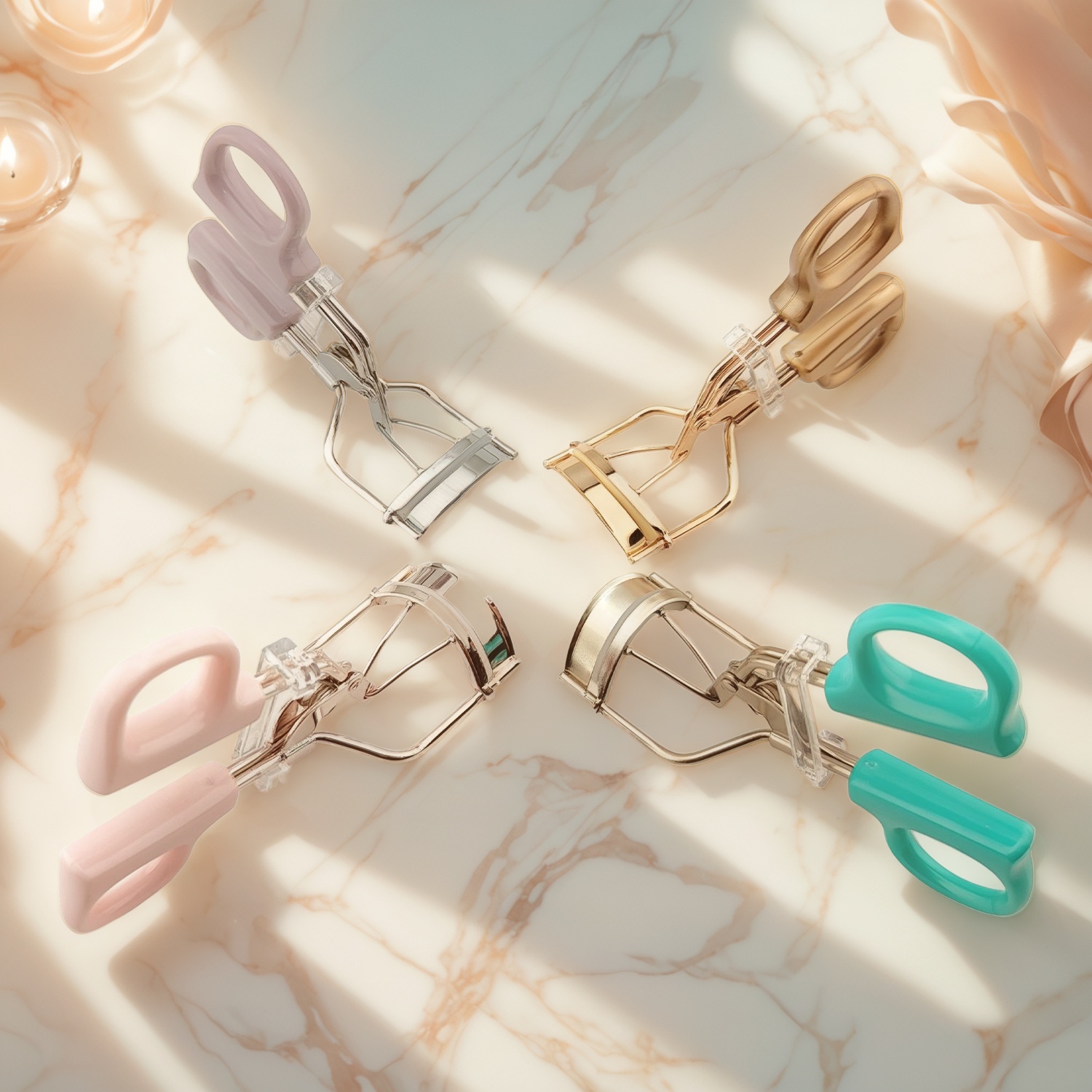
Eyelash curlers are small tools, but buyers should evaluate them carefully because they are used close to the eyes and judged quickly by end users. A good curler should feel controlled in the hand, align comfortably with the lash line and apply pressure evenly without a harsh pinch or sharp bend.
When buying eyelash curlers bulk, inspect both the frame and the pad. The pad is especially important because it cushions the lashes during pressure. A pad that is too hard, loose, uneven or poorly fitted can affect the user experience even if the metal frame looks attractive.
Key Checks for Eyelash Curlers
- Frame shape: compare the head curve and overall fit for the intended customer base. Different users may prefer different curves, so retail assortments may benefit from more than one style when available.
- Hinge action: open and close the curler repeatedly. The action should feel smooth, controlled and stable, not loose, stuck or uneven.
- Pad alignment: check whether the pad sits securely in the groove and aligns with the upper bar.
- Grip comfort: finger loops or handles should reduce slipping and allow steady pressure.
- Surface finish: look for burrs, rough edges, uneven coating or areas that could catch on skin, lashes or packaging.
- Replacement planning: ask whether replacement pads are included or available, because pads normally wear faster than the frame.
For salon use, consistency matters. One curler should feel and operate like the next so staff do not need to adjust technique from tool to tool. For resale, the design should be easy for customers to understand without extensive instruction. For beauty kits, compactness and package fit may be just as important as appearance.
Choosing Pedicure Supplies Wholesale With Hygiene in Mind
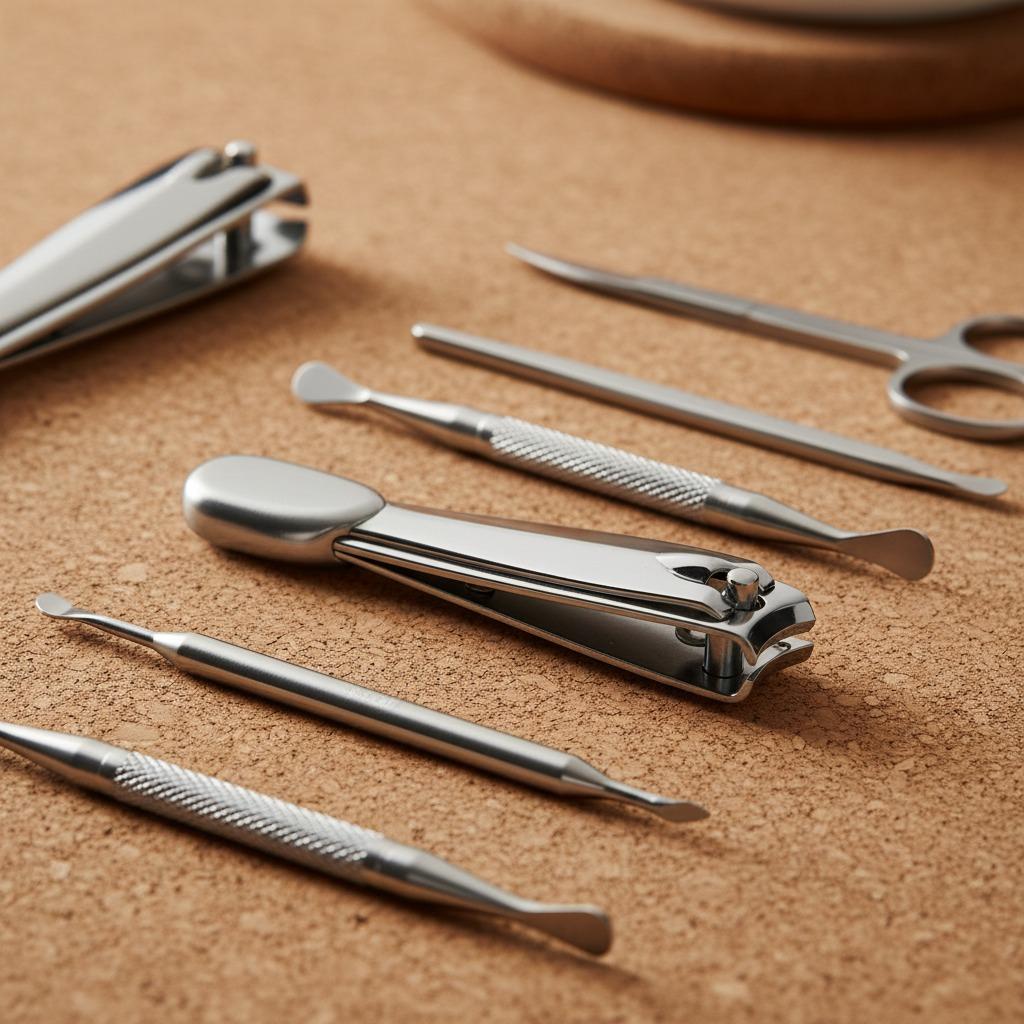
Pedicure supplies wholesale can include files, buffers, clippers and foot care accessories. These tools are often exposed to more pressure than facial or cosmetic accessories, so weak construction becomes obvious quickly. The key concerns are surface quality, cleaning access, practical handling and durability under repeated use.
For professional environments, hygiene should shape the buying decision. Tools should be easy to clean according to the service provider’s own procedures, and surfaces should not trap residue in hard-to-reach areas. For retail or at-home use, care should be simple enough for customers to understand and maintain.
Pedicure buyers should think in routines instead of isolated items. Customers and service teams often work through trimming, shaping, smoothing and finishing. A file, clipper and buffer may sell individually, but they can also work together in a display or kit. If the wholesale order supports a salon, consider which tools are used most often and which items require backup stock to keep appointments moving.
Personal Care Tools Wholesale: Daily-Use Selection Criteria
Personal care tools wholesale covers a broad group, including grooming tools, mirrors, brushes, manicure accessories and other daily-use items. Because these tools are handled frequently, small comfort details can strongly influence satisfaction.
Separate essential performance from optional design elements. Color, finish and style can support merchandising, but the core tool must still perform reliably. A grooming tool should be comfortable to hold and easy to control. A mirror should support clear daily use. A clipper or file should feel stable rather than awkward. The more often the item is used, the more important the basic handling becomes.
For retailers, assortment planning is also important. Too many similar items can slow turnover and confuse shoppers, while a balanced range gives customers meaningful choices. Useful grouping phrases for planning include lash care, brow grooming, nail care, foot care, travel grooming and everyday personal care accessories. Buyers planning broader ranges can explore Olimor product collections to organize ideas by routine or display theme.
A Practical Wholesale Quality Checklist
Wholesale quality control does not need to be complicated, but it should be consistent. Apply the same checklist to samples from different suppliers and repeat the process when reordering. This makes comparison fairer than relying on catalog photos or first impressions.
| Check Area | What to Review | Why It Matters |
|---|---|---|
| Handling | Grip comfort, balance, finger placement and control during repeated use | Reduces user frustration and supports salon staff efficiency |
| Surface finish | Rough edges, burrs, uneven coating, sharp corners or residue-trapping areas | Supports comfort, cleanability and customer confidence |
| Function | Hinge movement, alignment, cutting, filing or curling action where applicable | Determines whether performance is consistent across units |
| Material and construction | Stability under normal use, secure fitted parts and suitable contact surfaces | Helps reduce early complaints, deformation or poor handling |
| Packaging | Protection from scratches, bending, moisture and crushing during storage or transit | Affects resale readiness, shelf presentation and damage prevention |
| Instructions and care | Clear use, cleaning, warning and storage guidance appropriate to the product | Helps reduce misuse, returns and customer confusion |
| Consistency | Compare several units, not only one sample | Shows whether shape, finish and function are repeatable |
Olimor focuses on ergonomic beauty tools and quality control from materials through final packaging, but buyers should still confirm whether each specific product fits their service environment, resale channel and local requirements.
Packaging, Storage and Shipping Questions Matter
Packaging affects perceived value, storage efficiency, shipping protection and resale readiness. It should not be treated as an afterthought. For eyelash curlers in bulk, packaging should help protect the frame from bending and the finish from scratches. For personal care tools, packaging should support clean presentation and make the tool’s purpose easy to understand.
Retailers should review whether the package has space for labeling, barcode placement, care instructions and any required local information. Salons may need simpler packaging if products are opened for service use, but protection during transport and storage still matters. Resellers and marketplace sellers should consider how the packaged item tolerates handling before it reaches the final customer.
Storage is another cost factor. Bulky packaging may look premium but take more stockroom space and increase handling complexity. Very minimal packaging may reduce space but create greater risk of surface scratches or deformation. The right choice depends on whether the tool is destined for professional stations, retail shelves, online fulfillment or gift sets.
How to Compare Beauty Tool Suppliers
Supplier comparison should go beyond a price list. A very low quote may not be useful if the tool finish is inconsistent, the communication is unclear or the packaging is not suitable for your channel. A higher quote should also be supported by clear reasons, such as stronger construction, more suitable finishing, better package protection or better alignment with your requirements.
Useful Supplier-Evaluation Questions
- Can product samples be reviewed before a larger wholesale order is placed?
- Are the material, finish, dimensions, packaging format and care instructions clearly documented?
- Can the supplier explain what is checked before shipment?
- Are the tools suitable for salon service, retail resale, kits or promotional use?
- Can packaging or presentation be adapted for the intended sales channel, if customization is required?
- How should buyers handle reorder planning, replacement parts or product changes?
- What documentation is available for the buyer’s market or internal quality review?
For regulated markets, buyers should verify the applicable version of relevant consumer product safety requirements and request supplier documentation that matches the product and destination market. Depending on where products are sold, public frameworks such as the European Union’s General Product Safety Regulation may be relevant. Some companies also use ISO 9001 as a quality management reference when evaluating suppliers, but buyers should verify current documentation rather than assuming any certification applies.
Cost Factors Beyond Unit Price
The lowest unit price is not always the lowest total cost. Beauty tool buyers should consider product life, packaging damage, cleaning effort, staff time, replacement parts, return risk and inventory turnover. A tool that needs frequent replacement or causes customer complaints can become expensive even if the purchase price looks attractive.
For salons, operating cost includes how smoothly a tool fits into service flow. If a tool must be cleaned and dried between clients, enough usable units may be needed to keep appointments running without delays. For retailers, cost includes shelf readiness, packaging condition and the likelihood that customers understand the product quickly. For resellers, cost includes storage space, assortment balance and the risk of slow-moving SKUs.
A practical buying plan usually separates products into core items, seasonal or occasion-based items and trial items. Core tools should cover steady demand. Seasonal items may support gifting or promotions. Trial items should be ordered carefully until customer response is clearer. This keeps the wholesale assortment useful without tying too much budget to unproven products.
Building a Smart Wholesale Product Mix
A strong wholesale order usually combines fast-moving basics with selected specialty tools. Salons may prefer fewer SKUs but more depth in service tools and backups. Retailers may need a wider assortment, but not so many overlapping products that shoppers cannot choose. Resellers should organize products by routine and customer need.
- Lash and brow range: eyelash curlers, tweezers, brow scissors and compact mirrors.
- Nail and pedicure range: clippers, files, buffers and foot care accessories suited to the intended hygiene routine.
- Daily grooming range: practical personal care tools that customers can use at home or while traveling.
- Salon service range: durable, easy-to-clean tools with consistent handling between units.
- Starter or gift sets: combinations that make sense together rather than unrelated items placed in one package.
If you are developing a new wholesale program, a restrained sample review is usually better than rushing into a wide range. Start with the categories most relevant to your customers, inspect the tools carefully and expand once you understand service use, retail response and reorder needs.
When to Contact Olimor
Olimor can support buyers looking for wholesale beauty tools, eyelash curlers in bulk, pedicure-related items and personal care tool assortments. The most efficient inquiry includes the product category, intended use, target market, packaging needs and whether samples, customization or repeat supply are required.
For product discussions, you can contact the Olimor team. If you already have a sourcing brief or want to start a commercial request, use the wholesale inquiry page and include the details your purchasing team needs to confirm.
FAQ
Can I request samples before placing a wholesale beauty tools order?
Sample review is a practical step for wholesale buyers. It allows you to check handling, surface finish, packaging, function and consistency before committing to a larger order. Availability should be confirmed directly with the supplier for the specific product.
Is there a fixed MOQ for eyelash curlers or personal care tools?
MOQ can vary by product type, packaging format, customization requirements and current production planning. Buyers should request the applicable MOQ for the exact item and specification rather than assuming one value applies to all tools.
Can wholesale beauty tools be customized for retail or private-label use?
Customization may depend on the tool, packaging style, order requirements and production feasibility. Buyers should prepare artwork needs, packaging expectations, market requirements and any care or labeling information for supplier review.
What quality checks should I do before approving a bulk order?
Inspect samples for grip comfort, surface finish, hinge movement, pad fit where applicable, packaging protection and consistency across several units. Also confirm instructions, care guidance and any documentation needed for your sales market.
How should I ask about lead time?
Lead time depends on product availability, customization, packaging, order confirmation and shipping arrangements. Ask the supplier to confirm the timeline for your exact order details and verify whether any approval steps are required before production or dispatch.