











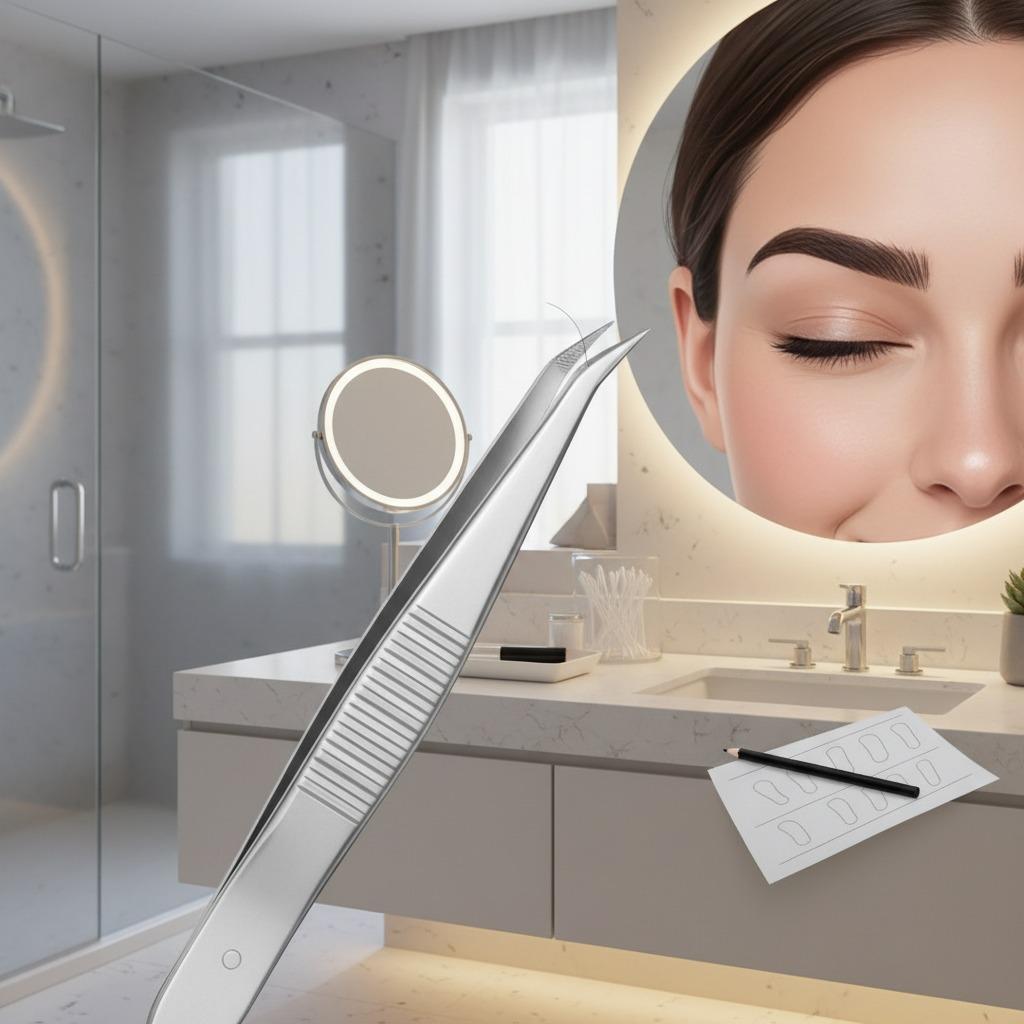
Precision tweezers are the simplest tool for controlled eyebrow shaping because they remove one hair at a time. That makes them useful for cleaning stray growth, refining the lower arch, and maintaining symmetry between grooming sessions. The best results come from two things: a clear brow plan and a tweezer that grips fine hairs without slipping.
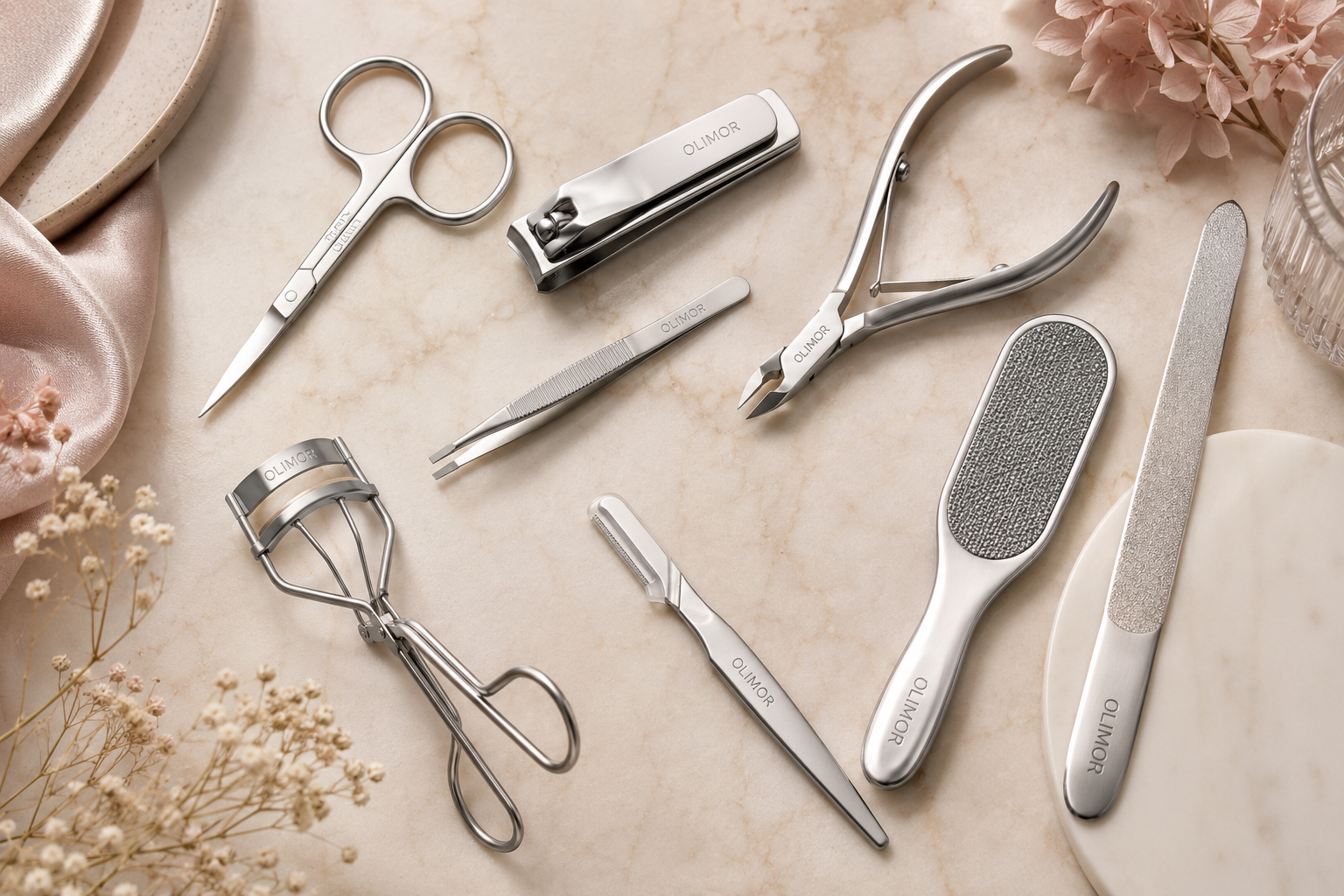
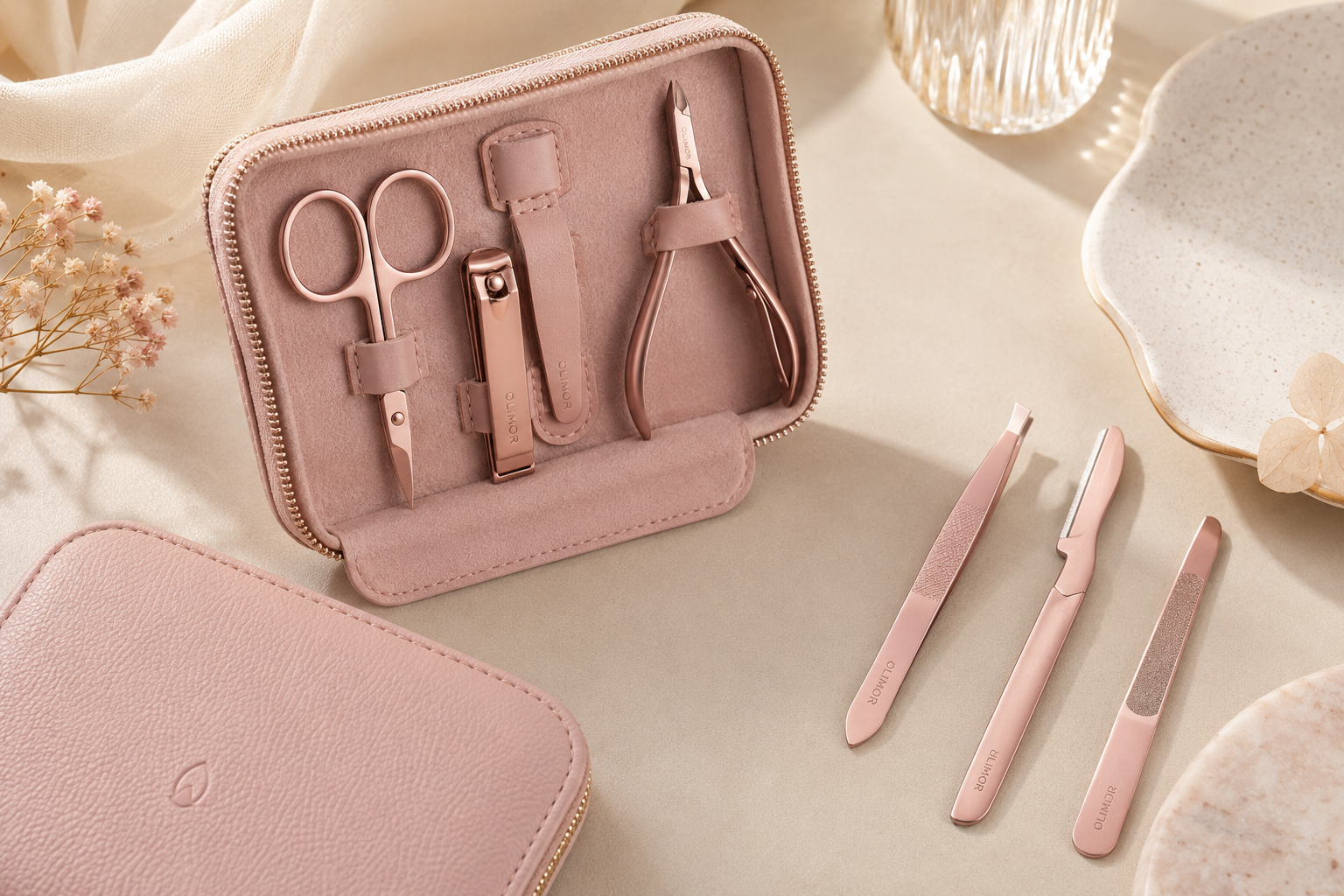
For consumers, the goal is a cleaner brow line with less guesswork. For salons, retailers, and sourcing teams, the same tool has to satisfy practical concerns such as tip alignment, hand comfort, finish, hygiene, and packaging protection. If you are comparing grooming tools or building an assortment, you can browse beauty tool products to see how tweezers fit alongside other daily-care essentials.
What Precision Tweezers Are Best For
Eyebrow tweezing is slower than waxing or threading, but it offers more control. Each hair is removed from the root, so you can stop exactly where the shape looks right. That makes tweezers especially useful for maintenance work rather than full reshaping. A small number of hairs can change the tail, soften the arch, or clear the center without disturbing the rest of the brow.
That level of control matters because brows are not supposed to match hair-for-hair. They should look balanced on the face. A good tweezer helps you work gradually, check the shape as you go, and avoid over-removing hair in areas that should stay full.
Olimor focuses on practical beauty tools for daily grooming, including eyebrow tweezers designed for accurate hair removal. The useful features described for this style of tool include durable stainless steel, sharp angled tips, ergonomic grip comfort, and rust-resistant materials. Those details matter because eyebrow hairs vary in thickness, direction, and length, and the tool needs to keep up with that variation.
How to Choose the Right Tweezer Tip
The tip is the most important part of a brow tweezer. A tool may look attractive, but if the tips do not meet evenly, fine hairs can slide away or break before they are fully removed. When comparing options, focus on how the tips close, how the hand feels during use, and how easily the tool can be cleaned after each session.
Angled tweezers are especially practical for brow work. Their slanted edge can sit close to the skin and isolate one hair at a time without pinching nearby skin. The pointed end of the slant is useful for short regrowth, while the wider part of the edge can grip longer hairs. That balance makes angled tweezers a strong all-around choice for both personal grooming and retail assortment planning.
Other tip shapes may suit different habits, but the most useful selection rule is simple: choose the shape that matches the user’s normal brow task. If the main goal is regular cleanup, an angled pair is often the most versatile. If the tool is meant for a professional kit, stable control and consistent alignment matter more than decorative styling.
| Tweezer style | Best use | Selection note |
|---|---|---|
| Angled | General eyebrow cleanup and shaping | Good for isolating single hairs along the arch and tail |
| Pointed | Very fine or short regrowth | Requires careful handling and strong hand control |
| Flat or slanted edge | Routine maintenance on denser brows | Useful when steady grip and simple handling matter most |
For buyers comparing product assortments, review the available tweezer options and ask how each design supports the intended use case. A beginner-friendly brow tool is not always the same as a salon workhorse.
What Makes a Good Brow Tweezer for Daily Use
When evaluating eyebrow tweezers, appearance is less important than practical performance. The tool should feel steady in the hand, close evenly, and grip fine hairs cleanly. A few simple checks can tell you a lot about quality before a customer ever uses the item.
- Tip alignment: The two tips should meet evenly when closed so hairs do not slip between them.
- Grip comfort: A stable shape helps reduce finger fatigue during careful plucking.
- Surface finish: Smooth, rust-resistant metal is easier to wipe clean and store.
- Control: The tension should feel secure without being so stiff that fine movement becomes difficult.
- Packaging protection: The tip should be shielded so it reaches the user without damage.
Stainless steel is commonly used for beauty tools because it is durable and straightforward to maintain. For professional and retail buyers, that also helps with consistency in storage and cleaning. It is still important to verify the final specifications, the current supplier documents, and any material declarations needed for your market. In regulated supply chains, check current REACH-related requirements in the EU or other local chemical-compliance rules where relevant.
Map the Brows Before You Remove Hair
One of the biggest plucking mistakes is starting without a plan. Brow mapping gives you a reference for the start, arch, and tail before any hair is removed. It does not force every face into the same shape. Instead, it helps you work with the natural brow line and make intentional changes only where they improve balance.
- Find the brow start: Hold a straight edge vertically from the side of the nose toward the inner eye area. This helps show where the brow should begin.
- Locate the arch: Look straight ahead and angle the guide from the side of the nose through the outer edge of the iris. This is often the highest point of the brow.
- Check the tail: Angle the guide from the side of the nose to the outer corner of the eye. The tail should taper without disappearing too far.
- Compare both brows: Step back from the mirror and check the overall balance, not just individual hairs.
A normal mirror is useful for judging balance, while a close mirror is better for precise hair removal. If the brows are sparse, remove less and rely on grooming or brow makeup to finish the look. If the brows are dense, work slowly in sections rather than clearing a large area all at once.
Step-by-Step: How to Pluck Eyebrows Cleanly
Start with clean skin and a clean tool. Oil, sunscreen, and makeup can make it harder to grip individual hairs. Good lighting is essential, but avoid using a magnifying mirror as your only view. It can make every tiny hair seem urgent and encourage over-plucking.
Hold the skin gently taut with one hand and place the angled tweezer as close as possible to the root of the hair. Pull in the direction of hair growth using a quick, controlled motion. Pulling against the growth direction can increase breakage or irritation. Work mainly under the brow first, since this area usually creates the cleanest visual lift.
For short or fine hairs, use the pointed part of the angled tip to isolate the strand before closing the tool firmly at the base. If the hair keeps slipping, stop and check the tips, the lighting, and the cleanliness of the tool. Do not scrape the skin repeatedly. It is better to reset and try again than to irritate the area.
Pause every few hairs and check both brows together. Brush the brow hair upward and outward so you can see the true line. If a hair sits inside the natural body of the brow and does not clearly disrupt the shape, leave it until you are certain. It is much easier to remove one more hair later than to wait for an over-plucked area to grow back.
How to Avoid Common Tweezing Problems
Most brow mistakes come from rushing. The good news is that common problems are usually easy to prevent once you know what to watch for.
- Hair keeps slipping: Check the tip alignment, clean the tweezers, and improve lighting before trying again.
- Too much redness: Reduce pressure, pause between passes, and avoid plucking right before makeup application.
- Uneven brows: Step back from the mirror often and compare both sides in normal lighting.
- Over-plucking: Stop early, especially above the brow, where removal can flatten the shape.
- Irritation after grooming: Avoid harsh scrubs, strong acids, or retinoids immediately before and after plucking.
For sensitive skin, a gentle cool compress can help calm the area after grooming. Mild redness is common and usually settles, but repeated irritation is a sign to slow down and reduce how much hair you remove at one time. Many people get better results with small maintenance sessions once or twice a week instead of frequent daily tweezing.
Cleaning and Storing Eyebrow Tweezers
Tweezers are close-contact beauty tools, so hygiene affects both performance and user experience. Skin oils, makeup residue, and tiny hair fragments can build up on the tips and make the tool less effective. Wipe the tweezers before and after use with a cleaning method suitable for the material and finish, then let them dry completely before storage.
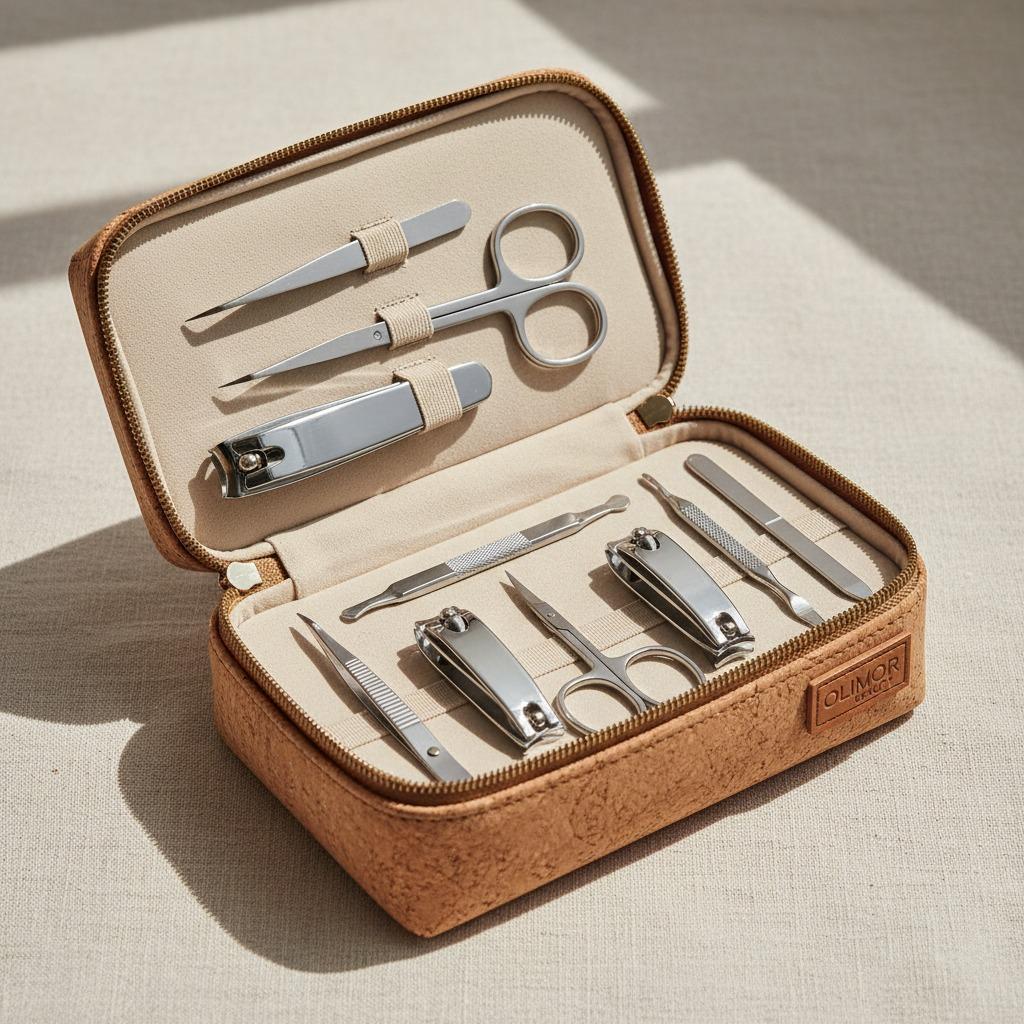
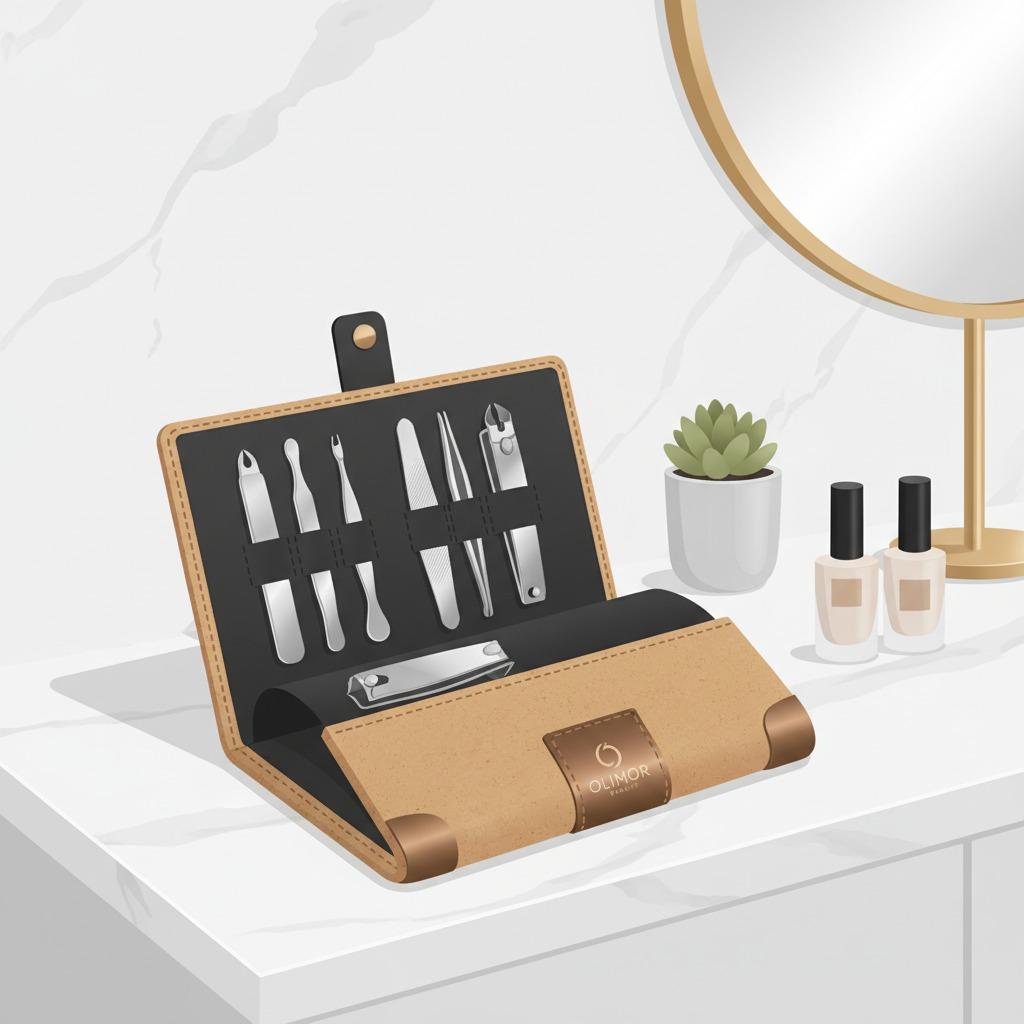
Storage matters as much as cleaning. Keep tweezers in a pouch, sleeve, or separate section of a grooming kit so the tips are not bent or dulled by other metal tools. Even a small drop onto a hard surface can change alignment enough to affect fine hair removal. That is especially important for salons and retailers, where the tool may be handled often before the end user opens the package.
Clear care guidance also improves the customer experience. When a buyer understands how to clean and store a tweezer, the tool is more likely to stay aligned and perform consistently. If you need help comparing grooming tool configurations for retail or professional use, see the broader product collections or reach out through our contact page.
Buyer Checklist for Salons, Retailers, and Sourcing Teams
If you are choosing eyebrow tweezers for resale, kits, or private grooming sets, focus on repeatable value rather than decorative features. A good sourcing decision should answer three questions: Will the tool grip cleanly, will it feel comfortable, and will it remain usable after normal handling and cleaning?
| Evaluation point | What to check | Why it matters |
|---|---|---|
| Tip precision | Tips close evenly and meet cleanly | Supports accurate removal of fine hairs |
| Material finish | Smooth, rust-resistant surface | Makes cleaning and handling easier |
| Hand comfort | Stable grip and workable tension | Improves control during detailed brow work |
| Packaging protection | Tip safety during transit and display | Helps preserve alignment before first use |
| Use instructions | Clear cleaning and handling guidance | Reduces misuse and improves long-term performance |
For commercial buyers, this checklist is also a useful conversation guide when comparing suppliers. Ask for product specifications, available finishes, packaging details, and any documents needed for your market. If the tool will be sold internationally, verify current compliance requirements with the supplier rather than assuming one market’s rules apply everywhere. For materials and chemical-compliance questions, current supplier declarations matter more than general descriptions.
Frequently Asked Questions
Can I ask for samples before placing a larger order?
Sample availability depends on the product and the order arrangement. If you are evaluating a tweezer for retail or salon use, request samples first so you can check tip alignment, grip feel, and packaging quality in hand.
Is there a minimum order quantity?
Minimum order quantity can vary by product type, customization level, and shipping arrangement. The most practical approach is to ask for the current terms for the exact tweezer style you want to source.
Can the tweezers be customized?
Customization options depend on the tool and the program. Buyers often ask about packaging, finish, labeling, or set combinations. Confirm the available choices directly so the final item matches your retail or professional brief.
How should I judge quality before buying?
Check tip alignment, closing feel, surface finish, and how the tool is presented for storage. If possible, test the tweezer on fine hairs and review the care instructions. A good tool should feel controlled, cleanable, and consistent.
What should I expect for lead time?
Lead time depends on order size, product configuration, and production scheduling. For planning purposes, ask early and confirm timing in writing before you commit to a launch or kit assembly schedule.
For sourcing discussions, product comparisons, or assistance choosing a brow tool for your market, you can send an inquiry. A well-chosen precision tweezer makes eyebrow plucking cleaner, more controlled, and easier to maintain over time.