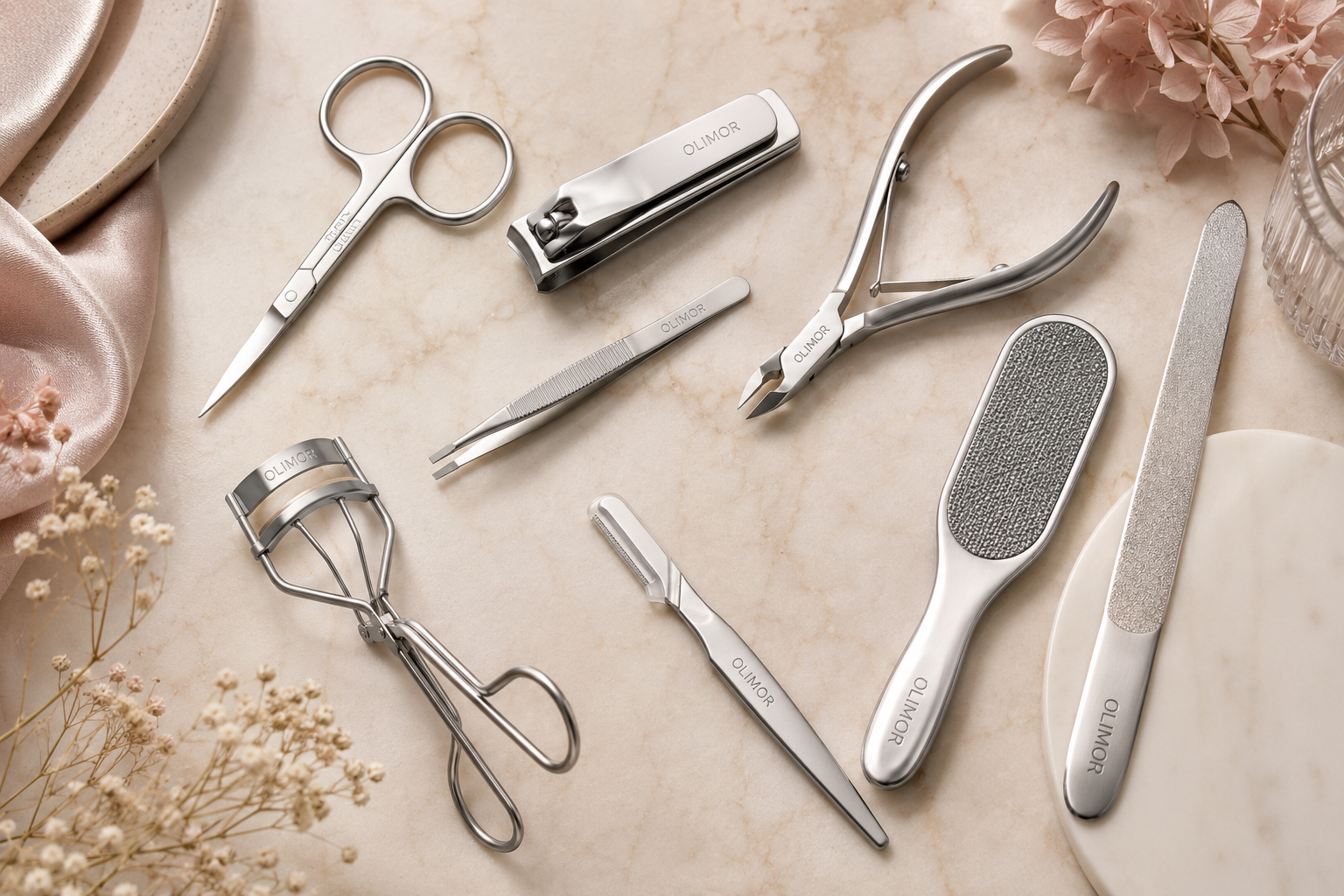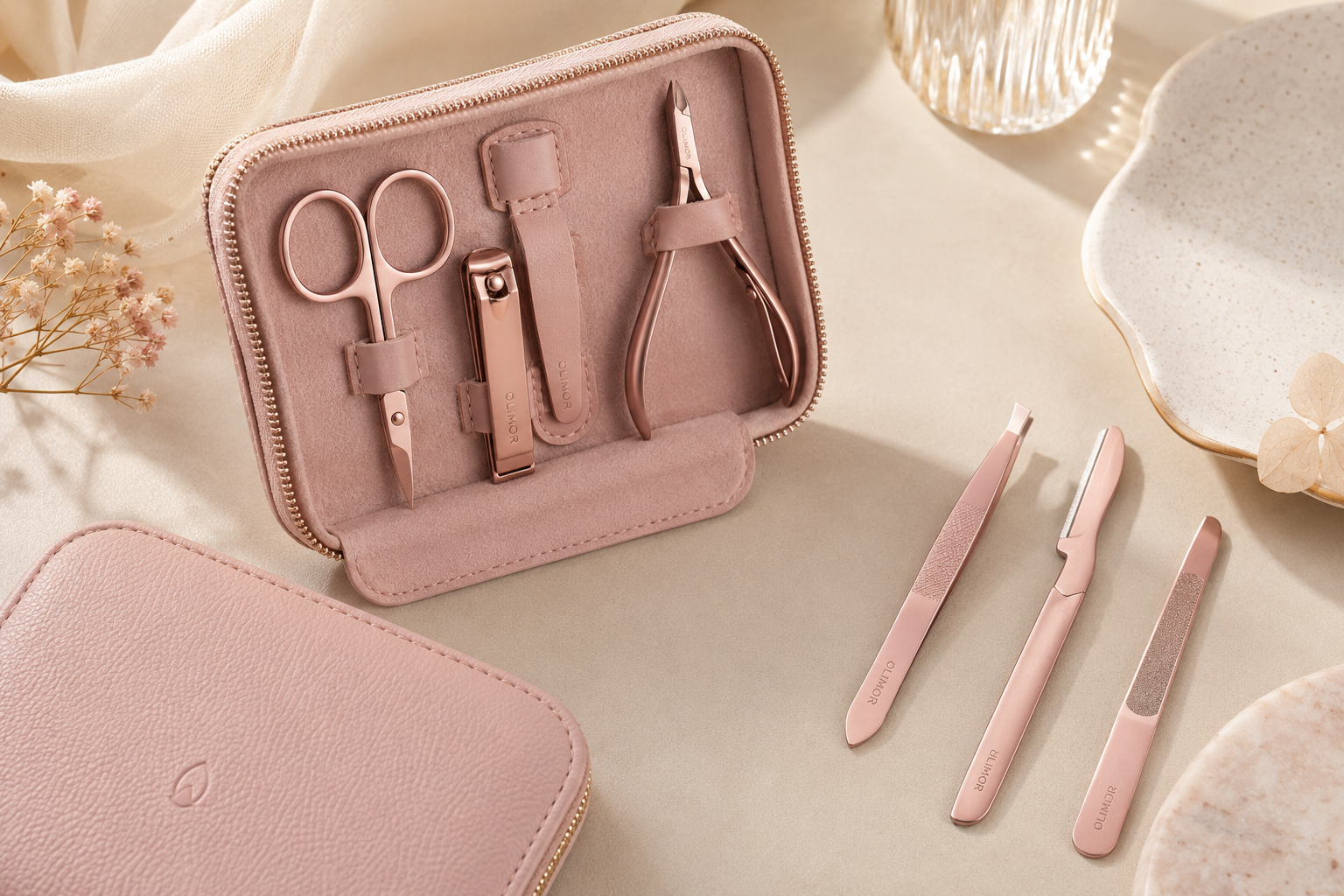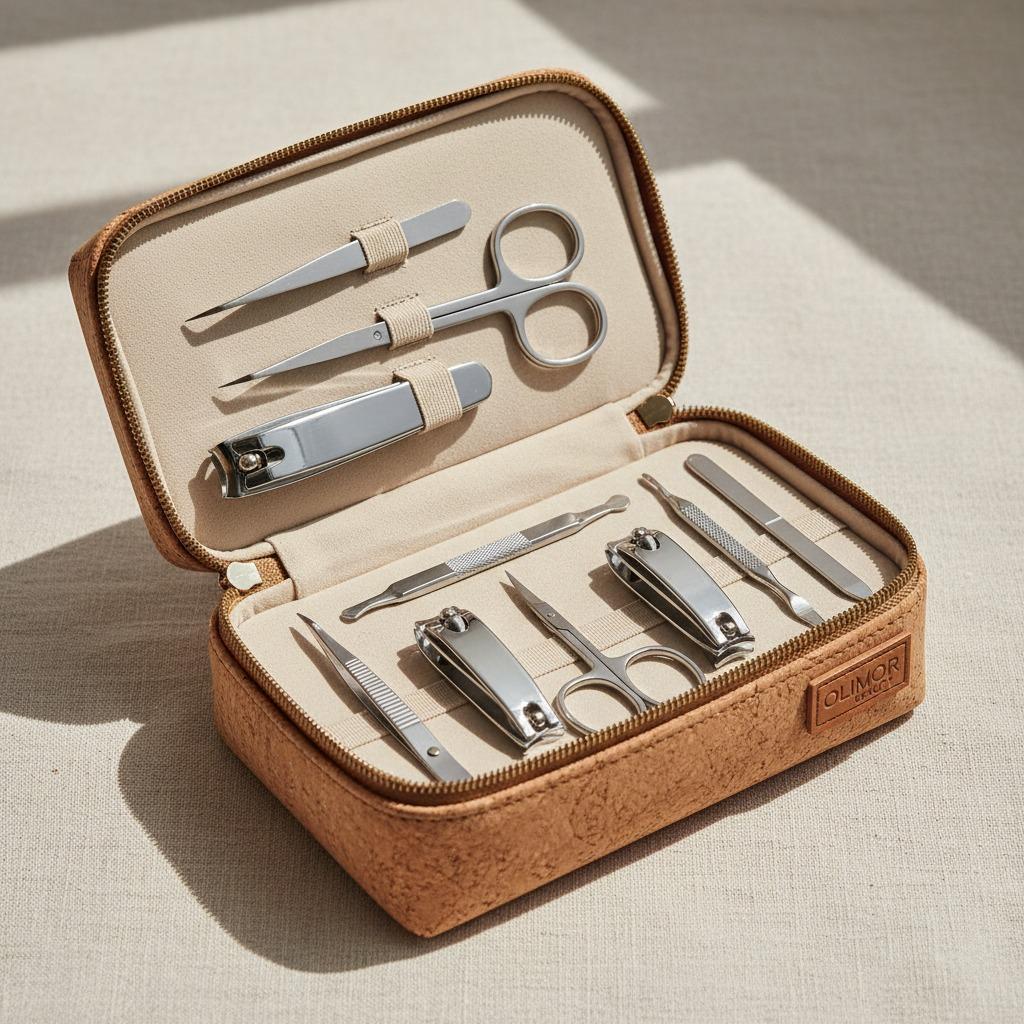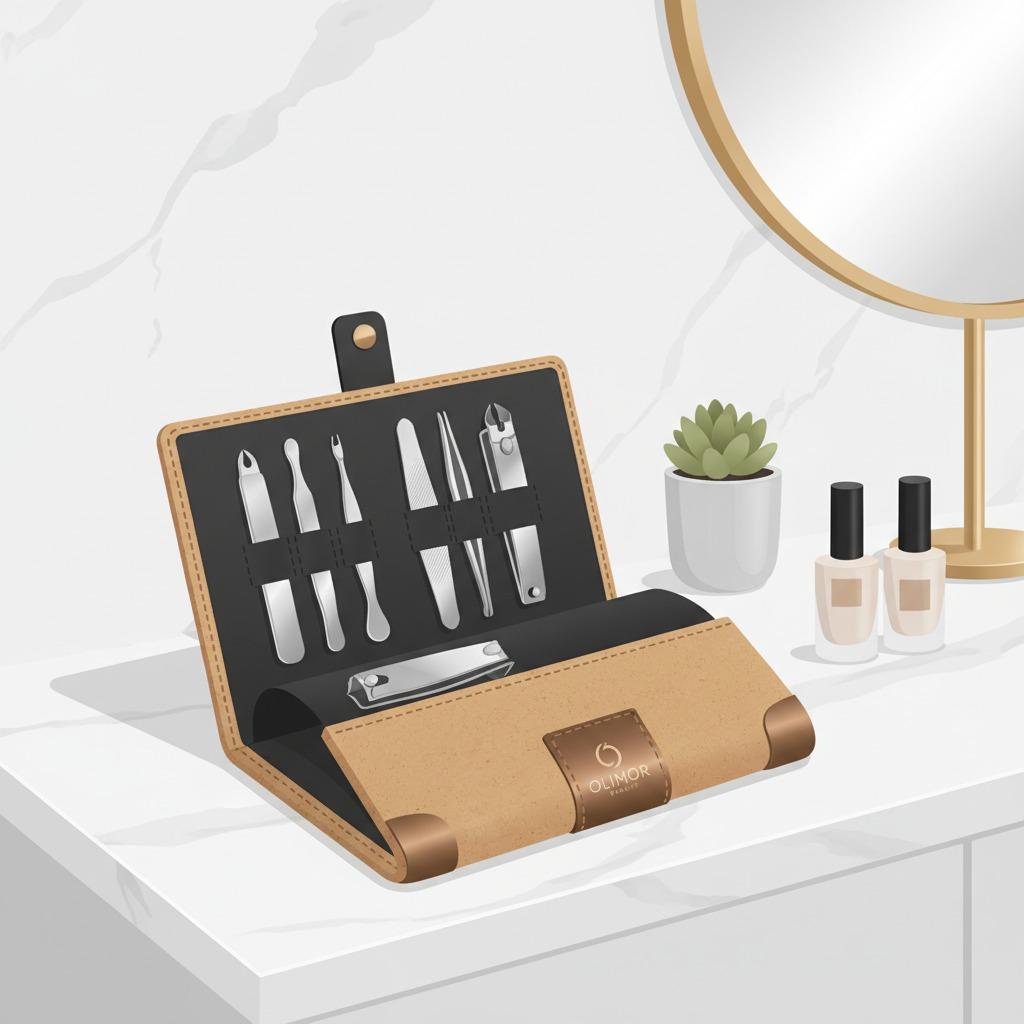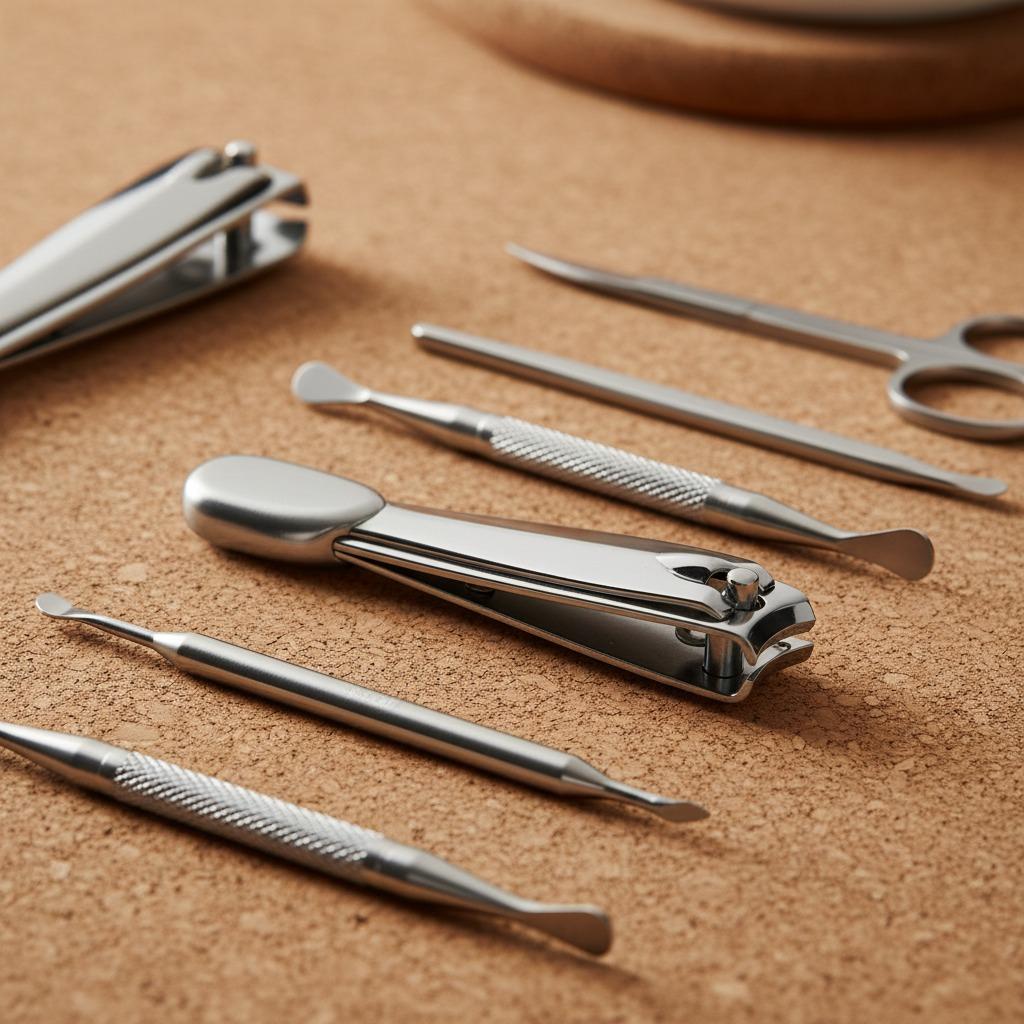











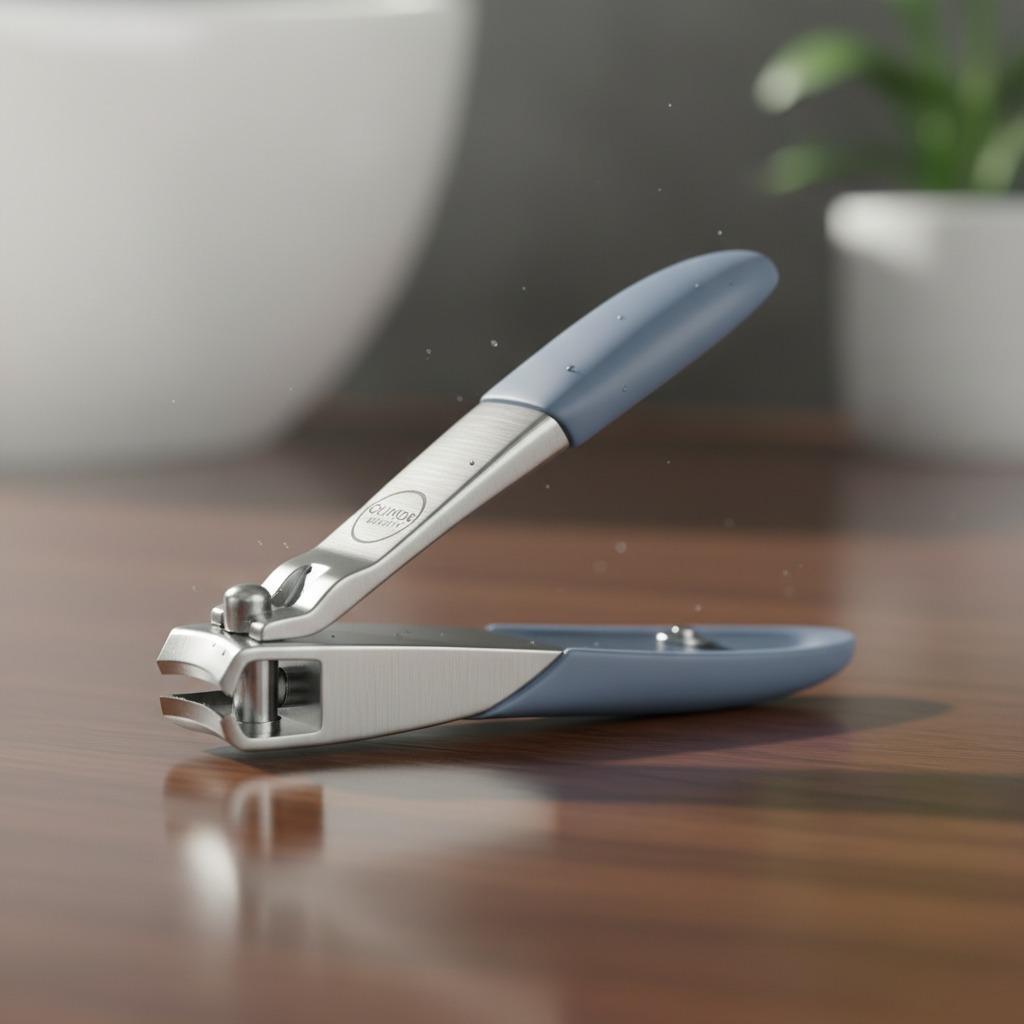
A nail clipper looks simple, but the quality of the tool affects how cleanly the nail edge is cut, how much pressure your hand needs to apply and how confidently you can work around small or delicate nails. For everyday grooming, a precision nail clipper should help you shorten nails in controlled steps without crushing, tearing or leaving jagged corners that catch on fabric.
Olimor Beauty’s nail clipper is designed for personal grooming tasks where control matters: adult fingernails, routine toenail maintenance and careful trimming when caring for babies. The product information highlights stainless steel construction, an ergonomic design and quality assurance from raw materials through final packaging. Those points are especially relevant for buyers who want a practical grooming tool rather than a disposable accessory.
This guide explains how to evaluate a nail clipper, how to use it for clean results, how to approach newborn nail trimming and what maintenance habits help preserve performance over time. If you are comparing broader beauty tool products for retail, salon, travel kit or home-care assortments, the same criteria can help you make a more informed selection.
What Makes a Nail Clipper Feel Precise?
Precision is not only about sharpness. A clipper can be sharp and still feel difficult to control if the lever is awkward, the jaws do not meet evenly or the grip causes the hand to slip. A useful nail clipper combines cutting alignment, hand comfort and predictable pressure.
Stainless steel construction is a practical starting point because it helps the tool resist rust and supports long-term hygiene when cleaned correctly. The cutting edge should meet the nail cleanly rather than bend the nail before cutting. When the blades close, the motion should feel firm and consistent, not loose or uneven. An ergonomic design also matters because nail trimming often requires small adjustments of angle, especially on curved fingernails and tiny baby nails.
For home users, these details reduce frustration. For buyers sourcing grooming tools, they reduce the risk of complaints about rough cuts, hand fatigue or inconsistent performance. A well-made clipper is not about adding complexity; it is about making a basic grooming task easier to repeat safely.
How to Choose the Right Nail Clipper for Everyday Use
Before choosing a nail clipper, consider who will use it and what type of nails it will trim most often. A household tool may need to handle both adult nails and occasional careful baby grooming, while a retail assortment may need a product that feels dependable to many users.
- Blade alignment: The cutting edges should close evenly from side to side. Uneven closure can leave torn sections or require repeated clipping.
- Comfortable leverage: The lever should allow controlled pressure without forcing the user to squeeze too hard.
- Stainless steel body: Stainless steel helps with durability, rust resistance and easier cleaning after use.
- Grip and handling: An ergonomic shape supports steadier clipping, especially when trimming with the non-dominant hand or helping another person.
- Edge finish: A clean cut reduces the amount of filing needed after trimming.
- Packaging and inspection consistency: For sourcing decisions, quality checks before packaging help protect the buyer experience when products are distributed in volume.
If you are building a grooming category, compare the nail clipper with related product collections so the final range fits the same quality level and user expectation.
Step-by-Step Method for Cleaner Nail Trimming
Good technique improves the result even when the tool is well made. The goal is to shorten nails gradually while preserving the natural shape and avoiding cuts too close to the skin.
- Start with clean, dry hands or feet. Dry nails are easier to control because the edge is firmer. If nails are very hard, trimming after a bath may soften them, but take smaller cuts.
- Check the nail edge before clipping. Look for uneven corners, splits or areas that may need only light trimming.
- Clip in small sections. Instead of cutting the full width of the nail in one press, work across the edge in two or three controlled clips.
- Follow the natural curve for fingernails. Avoid cutting deeply into the sides, which can leave tender corners.
- Trim toenails more straight across. A straighter edge can help avoid uncomfortable pressure at the sides of the nail.
- Smooth only if needed. If the cut is clean, light filing may be enough to remove a sharp point.
- Clean the clipper after use. Remove nail debris and dry the tool before storing it.
Take extra care if nails are thick, damaged or painful. A cosmetic grooming tool is suitable for routine trimming, but persistent nail pain, infection, discoloration or ingrown nails may require professional care.
Trimming Newborn Nails Safely
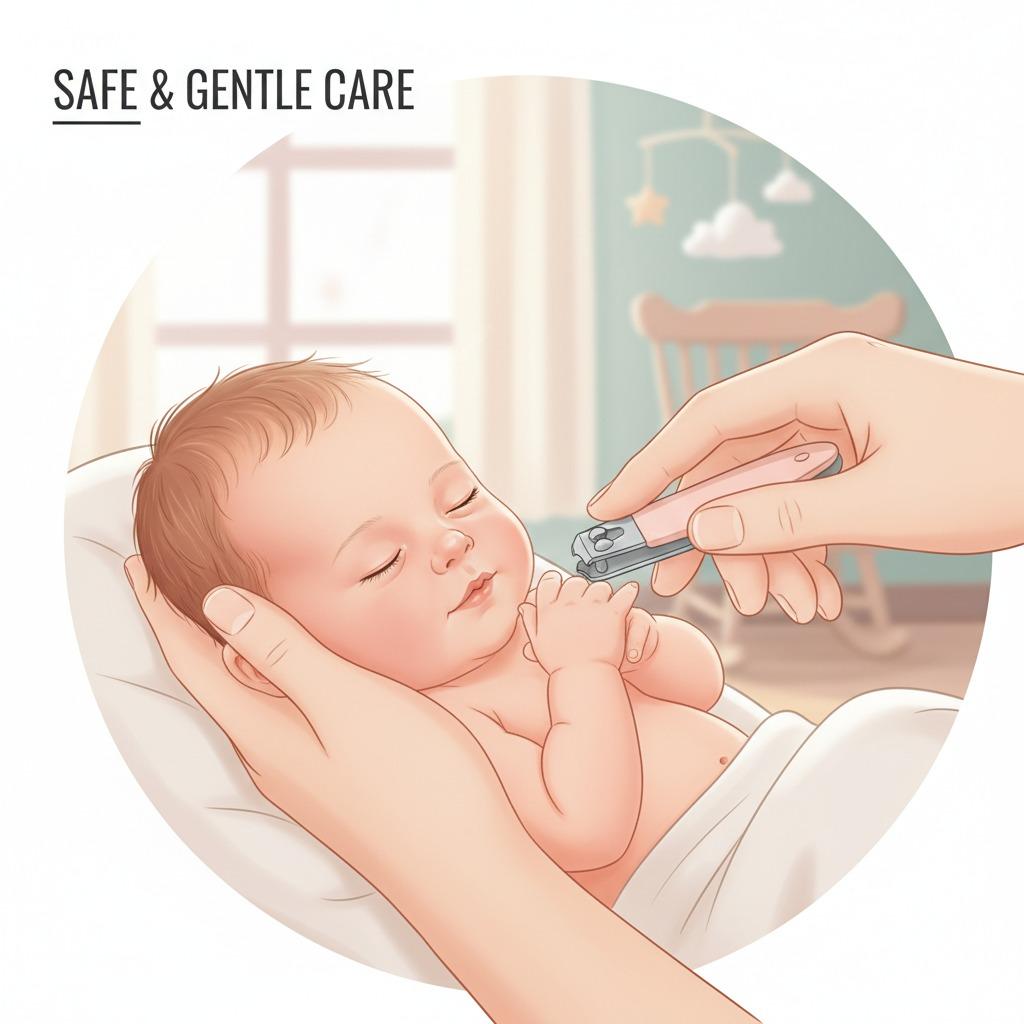
Newborn nails can grow quickly and may scratch delicate skin, but trimming them requires patience and good visibility. The key is to remove only the free edge of the nail, not to reshape the nail aggressively. A precision nail clipper can help because controlled blades and a comfortable grip make it easier to take very small cuts.
Choose a time when the baby is calm, feeding, resting or asleep. Work in bright light so you can clearly see the difference between the nail and the fingertip. Hold the baby’s hand gently but securely, pressing the fingertip pad slightly away from the nail edge. Clip only the tiny tip, following the nail’s natural shape. If the baby moves suddenly, pause rather than trying to finish quickly.
Some caregivers prefer to trim one or two nails at a time instead of completing both hands in one sitting. That is perfectly reasonable. Short, calm sessions are safer than rushing. If a nail edge remains sharp after clipping, use a very gentle smoothing method suitable for infants rather than cutting closer to the skin. Regular checks every few days can prevent nails from becoming long enough to scratch.
Cleaning, Storage and Maintenance Habits
A nail clipper comes into contact with keratin, skin oils and moisture, so maintenance is part of safe grooming. Stainless steel helps resist rust, but any metal tool benefits from proper cleaning and dry storage.
After each use, tap out loose nail pieces and wipe the cutting area. If the clipper has been used on toenails or shared within a household, clean it more thoroughly before storing. Dry the tool completely, especially around the hinge and blade area. Avoid leaving it in a wet bathroom drawer or near standing water, because humidity can shorten the life of grooming tools.
For household hygiene, many people prefer separate clippers for hands, feet and baby care. This is a simple way to reduce cross-use and keep each tool matched to its purpose. For retailers, travel kits or personal care sets, including a clear care instruction can also reduce misuse and returns.
Buyer Checklist for Retailers, Kits and Private Assortments
When evaluating a nail clipper for a product line, do not stop at appearance. A buyer should review how the clipper performs in real use and how consistently it can be supplied. The following checklist can guide conversations with a manufacturer or trading partner without relying on assumptions.
- Confirm the stated material and surface finish, including how the stainless steel components are described.
- Review samples for blade alignment, lever movement and grip comfort across multiple units.
- Check whether the product cuts smoothly on different nail thicknesses without tearing.
- Inspect packaging for protection during transport and clear presentation for the intended sales channel.
- Clarify available customization, labeling or packaging options only where they are relevant to your project.
- Review quality control steps for raw material inspection, assembly checks and final packaging inspection.
- Consider whether the clipper fits the rest of your grooming assortment in price position, user expectation and visual style.
For project-specific questions, you can contact Olimor or send an inquiry with your intended use, market and packaging needs. Providing that context helps the discussion stay focused on practical requirements instead of vague product claims.
When a Precision Nail Clipper Is the Right Tool
A precision nail clipper is best for routine trimming when you want a clean, controlled cut. It is useful for weekly fingernail care, periodic toenail trimming, travel grooming kits and careful family use. It is also helpful for caregivers who need a steady tool for small nails, provided the trimming is done slowly and in good light.
It is not a replacement for medical nail treatment. If a nail is infected, severely thickened, bleeding, ingrown or painful, trimming at home may make the problem worse. In those cases, professional advice is the safer choice.
For normal grooming, however, the right clipper makes the task simpler and more predictable. Olimor Beauty’s stainless steel nail clipper, ergonomic handling and quality-focused production approach make it a practical option for users and buyers who value clean cutting, comfortable control and reliable daily care.