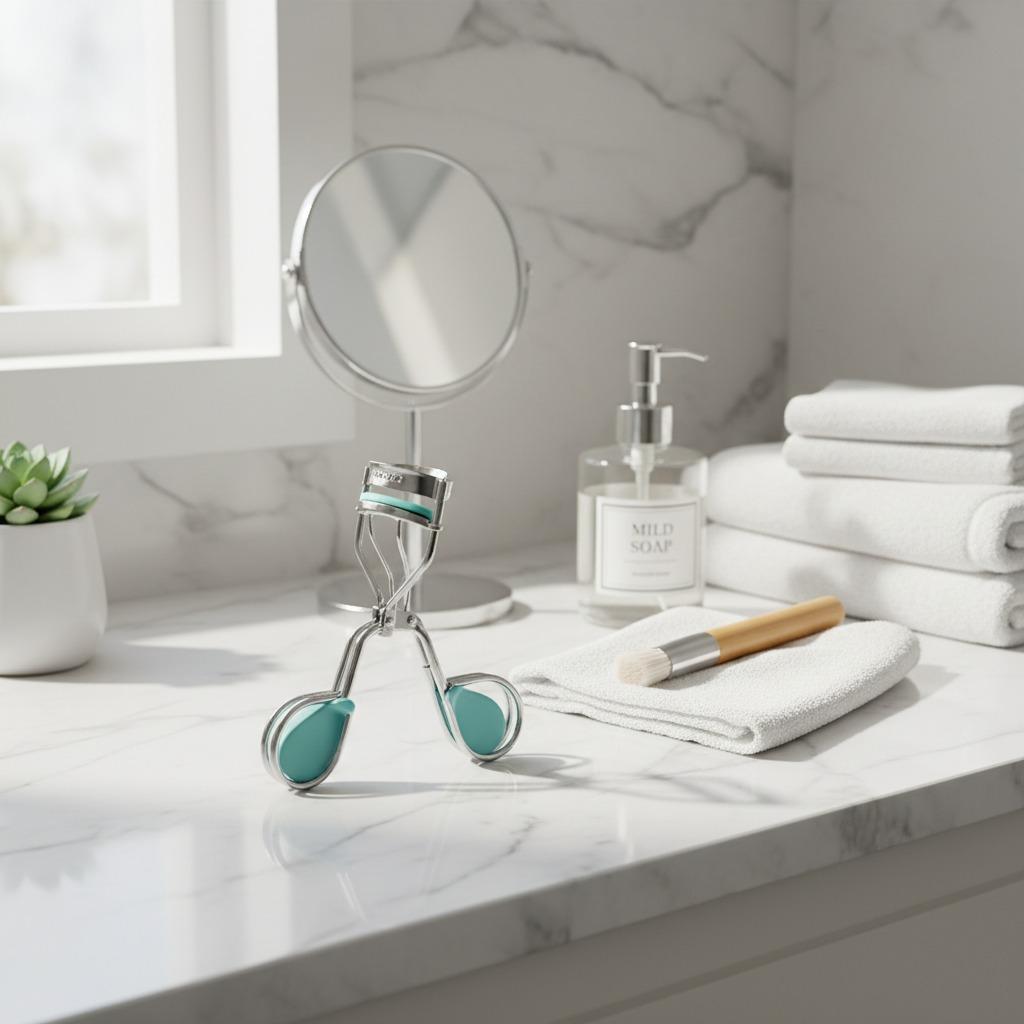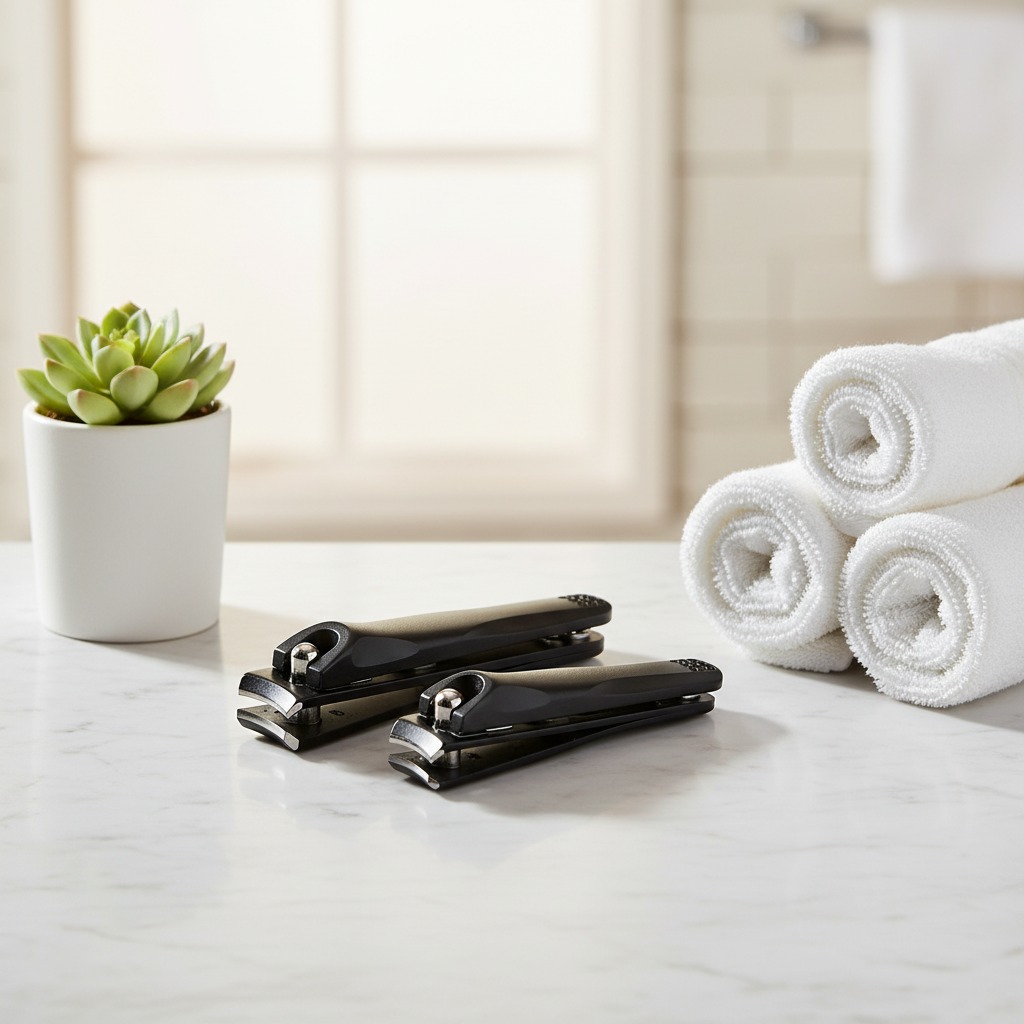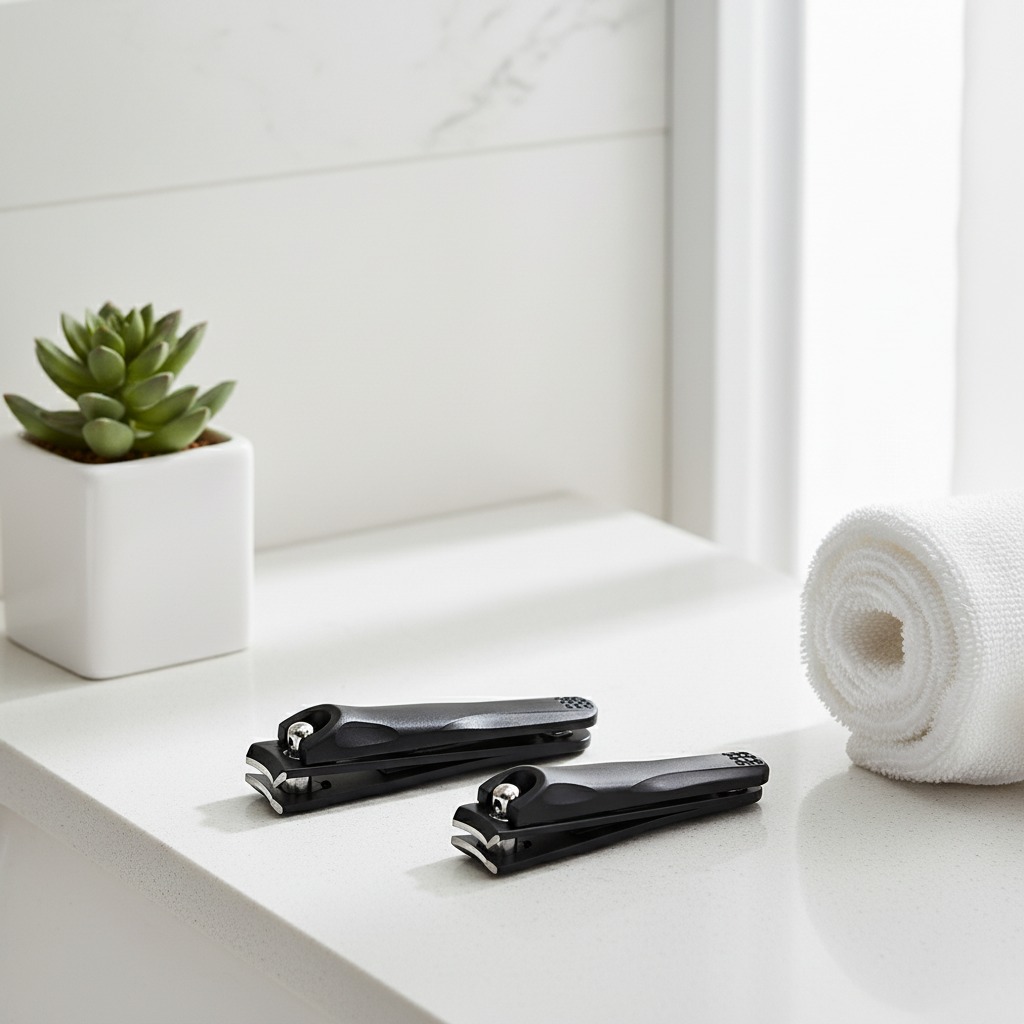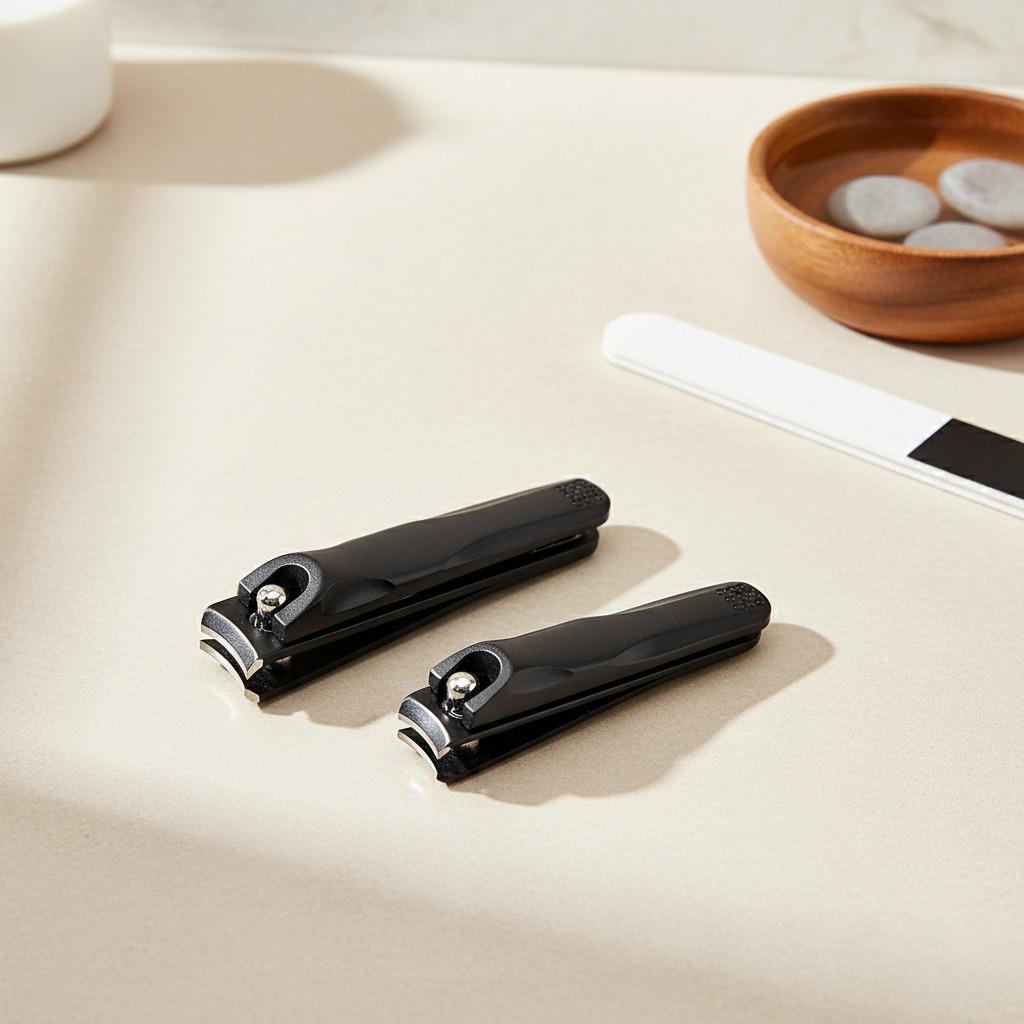
A reliable manicure pedicure service depends on more than technique. The tools in a technician’s hand affect comfort, hygiene, precision, service time, and the client’s perception of your salon. For a spa, nail studio, hotel beauty department, or distributor, sourcing manicure and pedicure tools is not simply a purchasing task; it is part of service quality control.
When buyers compare wholesale manicure kits for spas, the lowest unit price can be tempting. However, a tool that dulls quickly, feels unstable, corrodes after repeated cleaning, or varies from batch to batch creates hidden costs. Technicians work more slowly, replacements become frequent, and clients notice inconsistent results. A more useful approach is to evaluate tools by material, construction, ergonomics, maintenance needs, and supplier reliability.
Olimor Beauty supplies professional beauty tools for buyers who need consistency across salon services, retail sets, or wholesale programs. The following guide explains what to look for before placing a manicure pedicure tool order and how to build a more practical sourcing checklist.
Start With the Service Menu, Not the Tool List
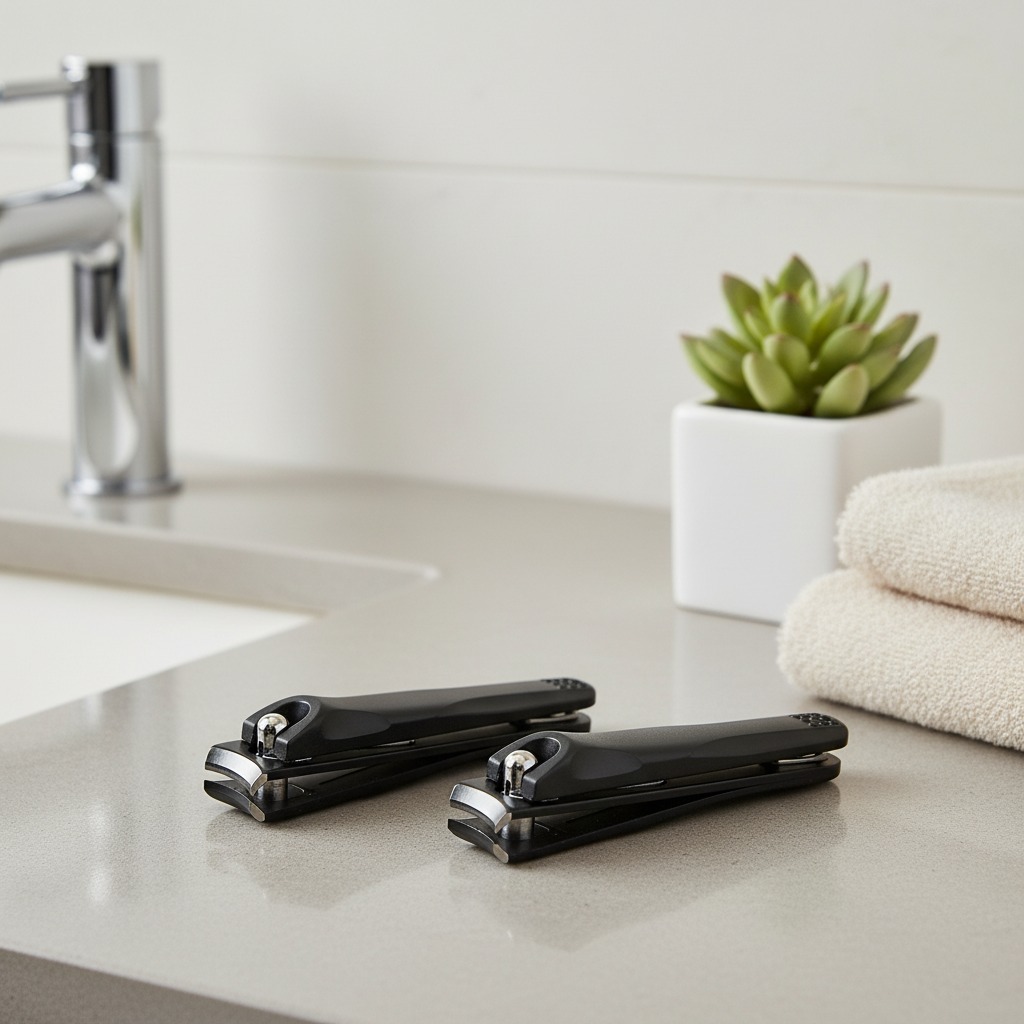
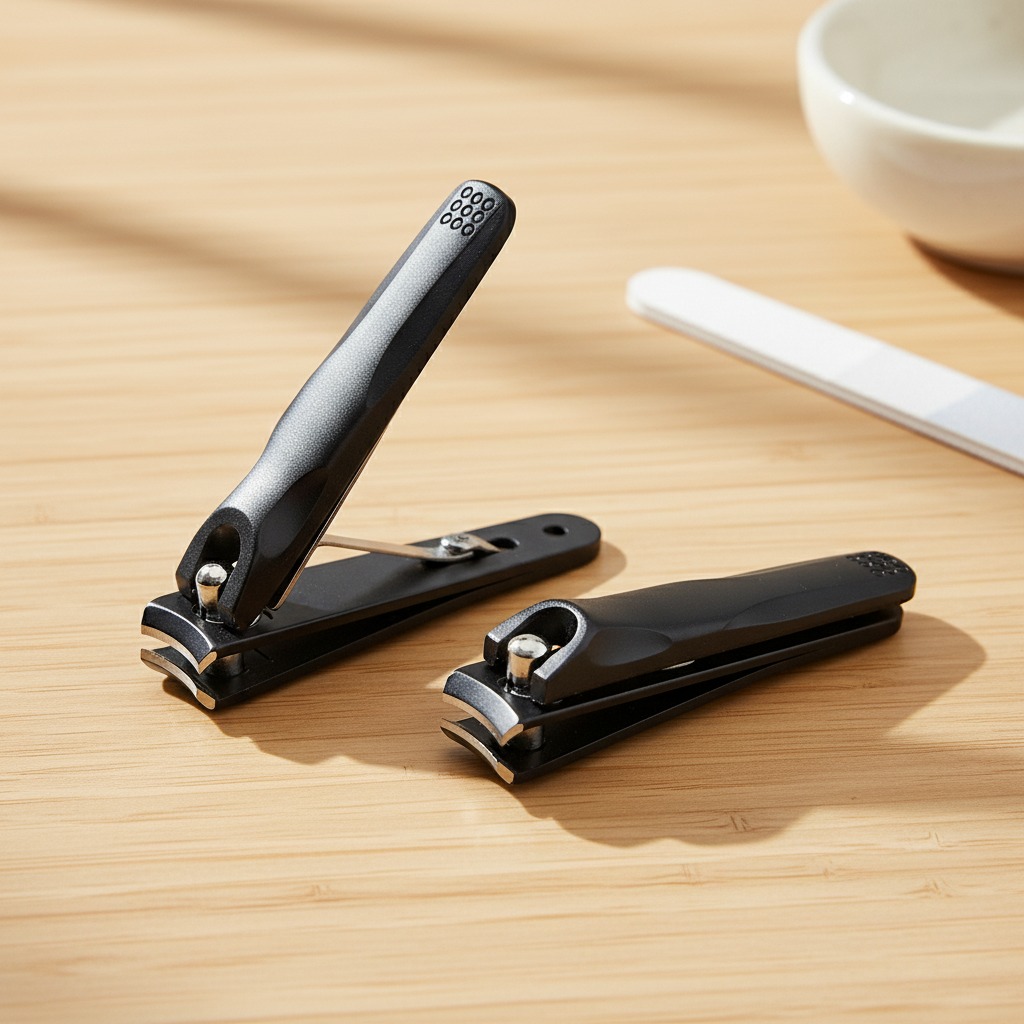
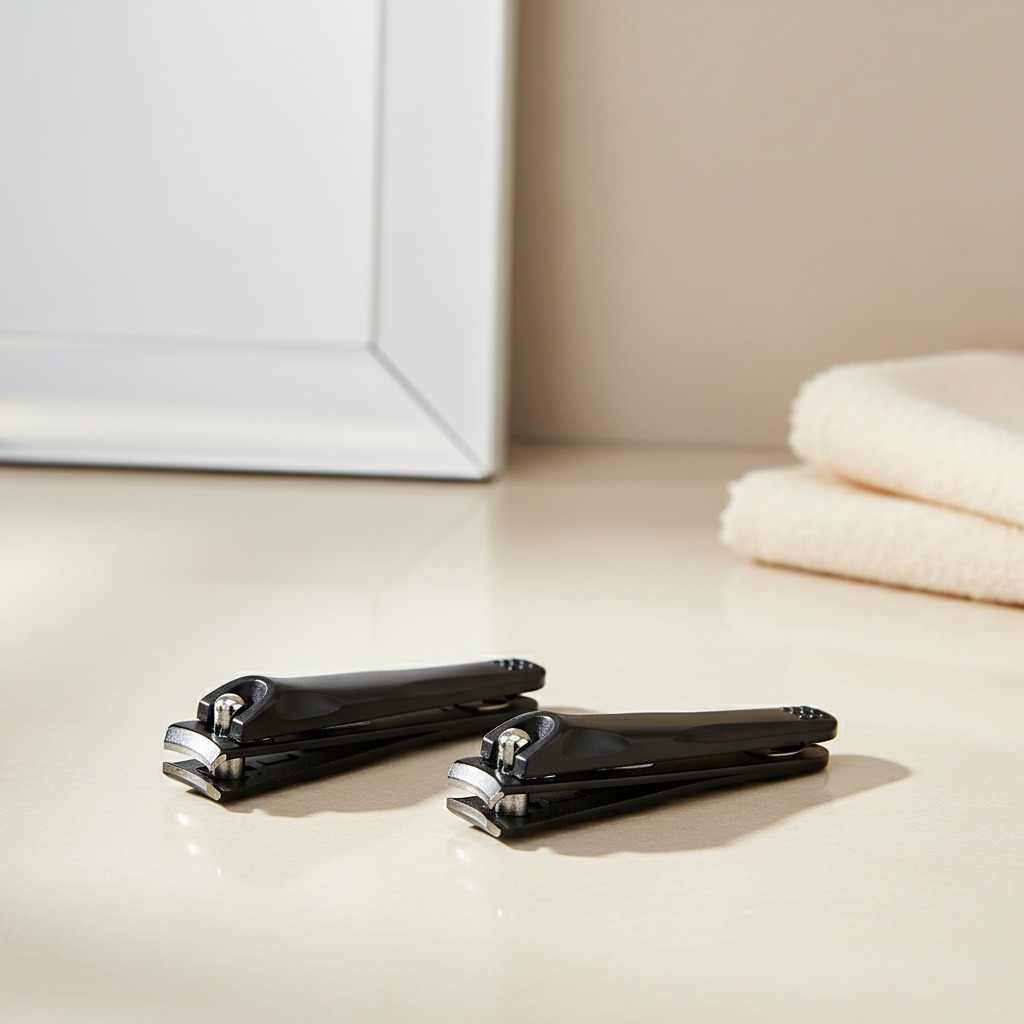
Before choosing individual tools, map them to the services your business actually offers. A basic manicure station may need nail clippers, cuticle pushers, cuticle nippers, nail files, tweezers, and scissors. A pedicure area may require sturdier clippers, foot files, callus tools where appropriate, and accessories that can withstand heavier use. A spa retail kit may prioritize attractive packaging and safe general-purpose use, while a professional back-bar kit must focus on durability and repeat cleaning.
This service-first method prevents overbuying. It also helps you separate essential professional tools from promotional accessories. For example, if your technicians perform detailed cuticle care every day, precision cuticle nippers deserve more scrutiny than a rarely used add-on tool. If your buyers are building multiple locations or distributor assortments, a defined list also makes it easier to compare samples consistently.
Why Material Quality Matters in Professional Manicure Pedicure Tools
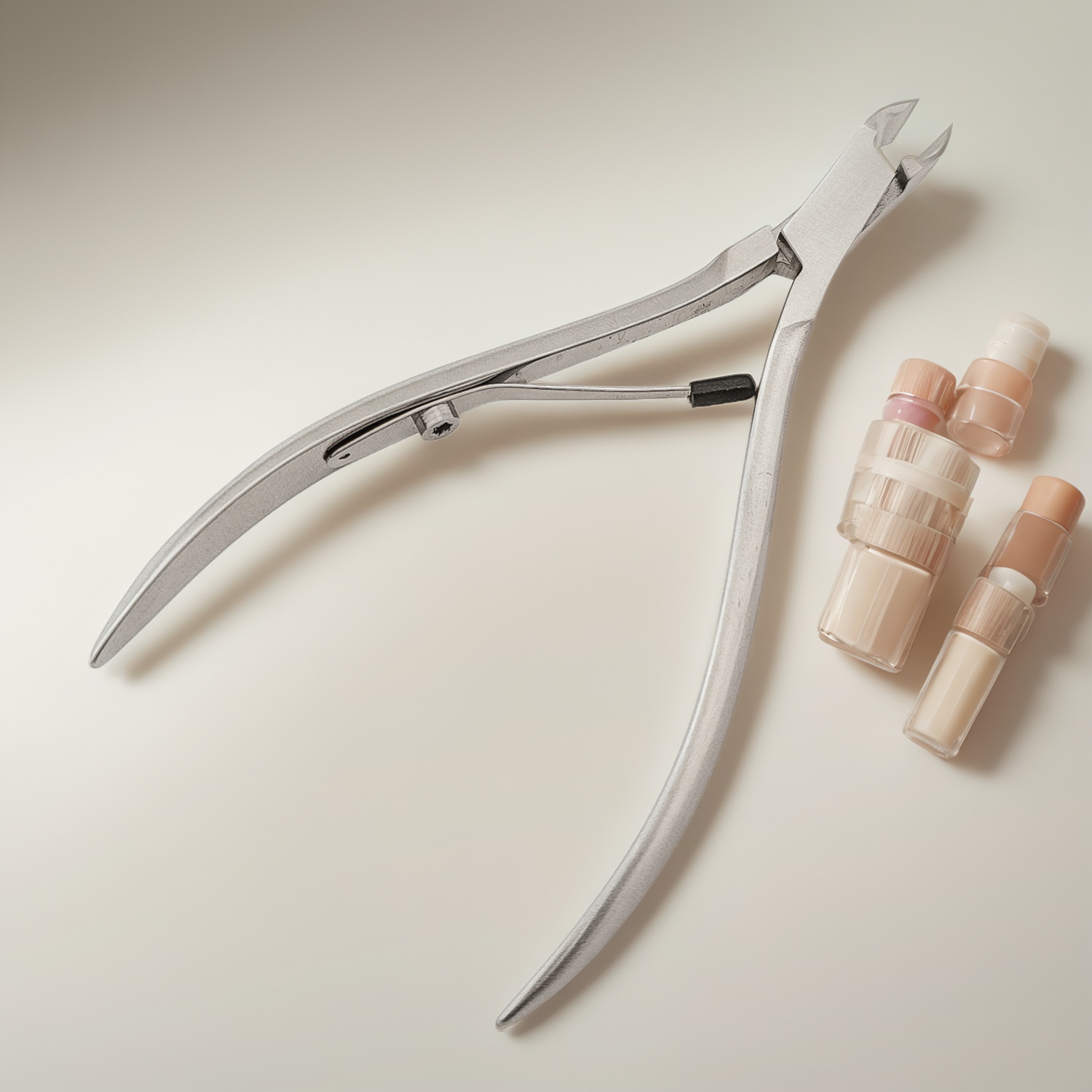
Material choice is one of the clearest indicators of tool performance. The original foundation of many professional instruments is stainless steel because it offers durability, rust resistance, and compatibility with repeated cleaning routines. Olimor Beauty crafts instruments such as precision cuticle nippers from premium-grade surgical stainless steel, a useful characteristic for busy salon environments that require regular sterilization and careful hygiene control.
For buyers, material quality should be judged by more than a label. Look closely at how the tool feels, whether the surface is smooth, how evenly the jaws or blades meet, and whether the finish appears consistent. Poorly finished edges can scratch, snag, or make cleaning more difficult. Loose joints, uneven alignment, and rough surfaces are warning signs even before the tool enters daily service.
Rust resistance is especially important in manicure and pedicure settings because tools are exposed to water, disinfecting processes, and skin or nail debris. Even a good material can be damaged by improper care, but a weak material will show problems faster. When sourcing spa tools wholesale, request samples and run them through your normal cleaning workflow before approving a larger order.
Ergonomics Affect Technician Accuracy and Fatigue
In a salon, tools are used repeatedly for long periods. A cuticle nipper, clipper, or pusher that feels acceptable for one demonstration may become tiring after a full schedule of appointments. Ergonomic design matters because hand fatigue reduces control. Reduced control can lead to slower service, uneven shaping, or discomfort for the client.
Evaluate grip shape, spring action, handle spacing, weight, and balance. A tool should feel stable without forcing the technician to pinch too tightly. Handles should open and close smoothly. For cutting tools, the motion should feel controlled rather than stiff or loose. A steady grip is especially important when working around delicate cuticle areas, where precision is more important than force.
Salons with several technicians should gather feedback from different hand sizes and working styles. One person’s preferred tool may not suit everyone, so a short trial period is more informative than a visual inspection alone. For distributors, ergonomic consistency matters because your customers expect repeat orders to feel familiar.
Quality Checks to Use Before Buying Wholesale
A professional buyer does not need a laboratory to perform meaningful first-stage checks. Many quality issues can be identified through handling, visual inspection, and sample testing. Use the same process for each supplier so your comparisons are fair.
| Check Area | What to Review | Why It Matters |
|---|---|---|
| Blade or jaw alignment | Edges should meet evenly without gaps or crossing | Improves cutting accuracy and reduces pulling |
| Surface finish | Look for smooth polishing and no rough corners | Supports comfort, cleaning, and professional presentation |
| Joint movement | Open and close the tool repeatedly | Reveals stiffness, looseness, or inconsistent action |
| Grip comfort | Test with different technicians if possible | Reduces fatigue during repeated services |
| Cleaning compatibility | Run samples through your normal hygiene routine | Helps identify corrosion or finish problems early |
| Packaging practicality | Check protection, labeling space, and storage format | Important for wholesale, retail kits, and transport |
This type of checklist is useful whether you are comparing individual tools or complete manicure pedicure kits. It also creates a record for internal purchasing decisions, so the team is not relying on memory or a single sample impression.
Building a Practical Wholesale Manicure Kit
A good wholesale manicure kit should be coherent. It should not simply gather random tools in a pouch or box. Each item should serve a clear purpose, match the intended user, and meet a similar quality level. If one tool feels professional and another feels disposable, the whole set loses credibility.
For salon operations, kit planning should consider replacement cycles. Cutting tools may need closer monitoring than non-cutting accessories. Files and buffers may be single-use or replaced frequently depending on salon policy. Pushers, clippers, and nippers require consistent cleaning and storage procedures. For retail or promotional kits, the buyer should think about safe general use, clear presentation, and whether the kit matches the expectations of the end customer.
- For professional salons: prioritize precision, durability, and compatibility with hygiene procedures.
- For spas and hotels: consider a balanced kit that supports both treatment quality and a polished guest experience.
- For distributors: focus on repeatable quality, packaging stability, and assortment clarity.
- For retail programs: select tools that are understandable for non-professional users and easy to store.
You can explore Olimor’s broader range of beauty tool products when comparing options for salon service areas, wholesale kits, or retail assortments.
Maintenance and Hygiene Practices That Protect Tool Value
Even well-made manicure pedicure tools need proper care. A salon should have a written process for cleaning, drying, disinfecting or sterilizing according to its local requirements, and storing tools between services. The most common avoidable problems include leaving tools wet, mixing clean and used tools, storing sharp instruments loosely, and allowing cutting edges to knock against other metal items.
Drying is particularly important because moisture can shorten tool life. After cleaning, tools should be thoroughly dried before storage. Cutting edges should be protected to preserve alignment and sharpness. Staff should also be trained to identify tools that need replacement, adjustment, or removal from service. A damaged tool should not remain in circulation simply because it is still present in the drawer.
From a purchasing perspective, maintenance should be considered before ordering. If a tool requires handling that does not fit your salon’s workflow, it may not be the right choice even if the sample performs well. The best tool is one your team can use, clean, and store correctly every day.
Choosing Salon Wholesale Distributors and Manufacturing Partners
The supplier relationship is as important as the tool itself. A dependable partner should help you maintain consistency from sample approval to repeat orders. Olimor Beauty works as a professional beauty tools supplier with attention to production inspection from raw materials through final packaging. For buyers, this kind of quality focus reduces uncertainty and helps protect the end service experience.
When evaluating spa product wholesalers or salon wholesale distributors, compare more than catalog images. Review sample quality, communication clarity, packaging options, product range, lead-time expectations, and how quality issues are handled. Avoid relying on vague claims. A practical supplier discussion should include the intended use, target market, cleaning environment, packaging needs, and any regulatory or labeling requirements that apply to your market.
If you are planning a new assortment, reviewing existing product collections can help clarify what tool types and set structures fit your business. For project-specific sourcing, you can also send an inquiry with your target product list and purchasing requirements.
Final Buying Checklist for Manicure Pedicure Tools
Before confirming a wholesale order, bring your evaluation back to the practical needs of the salon, spa, or distributor program. The right tools should support precise work, withstand normal professional care routines, and arrive with consistent construction and packaging. They should also make sense for the people using them every day.
- Define the exact manicure and pedicure services or kit purpose.
- Prioritize stainless steel quality, finish, alignment, and rust resistance.
- Test ergonomic comfort with the technicians who will use the tools.
- Run samples through your normal cleaning and storage process.
- Check packaging for protection, presentation, and wholesale handling.
- Document sample feedback before approving larger quantities.
- Work with a supplier that can support consistent quality expectations.
Professional manicure pedicure tools are a long-term service asset. By treating sourcing as a quality decision rather than a one-time purchase, salons and spas can improve consistency, support technician comfort, and give clients a cleaner, more precise experience. For assistance with beauty tool sourcing, buyers can contact Olimor to discuss suitable options for their salon or wholesale program.