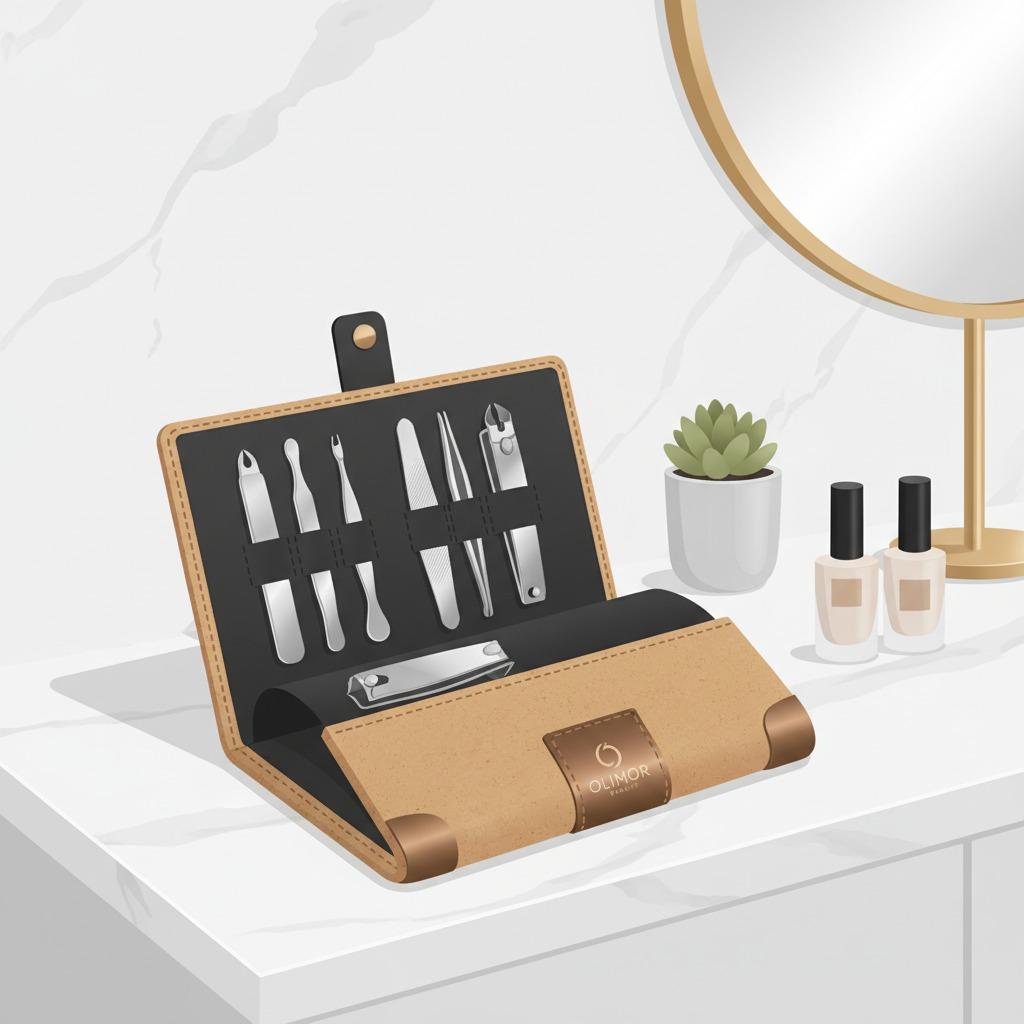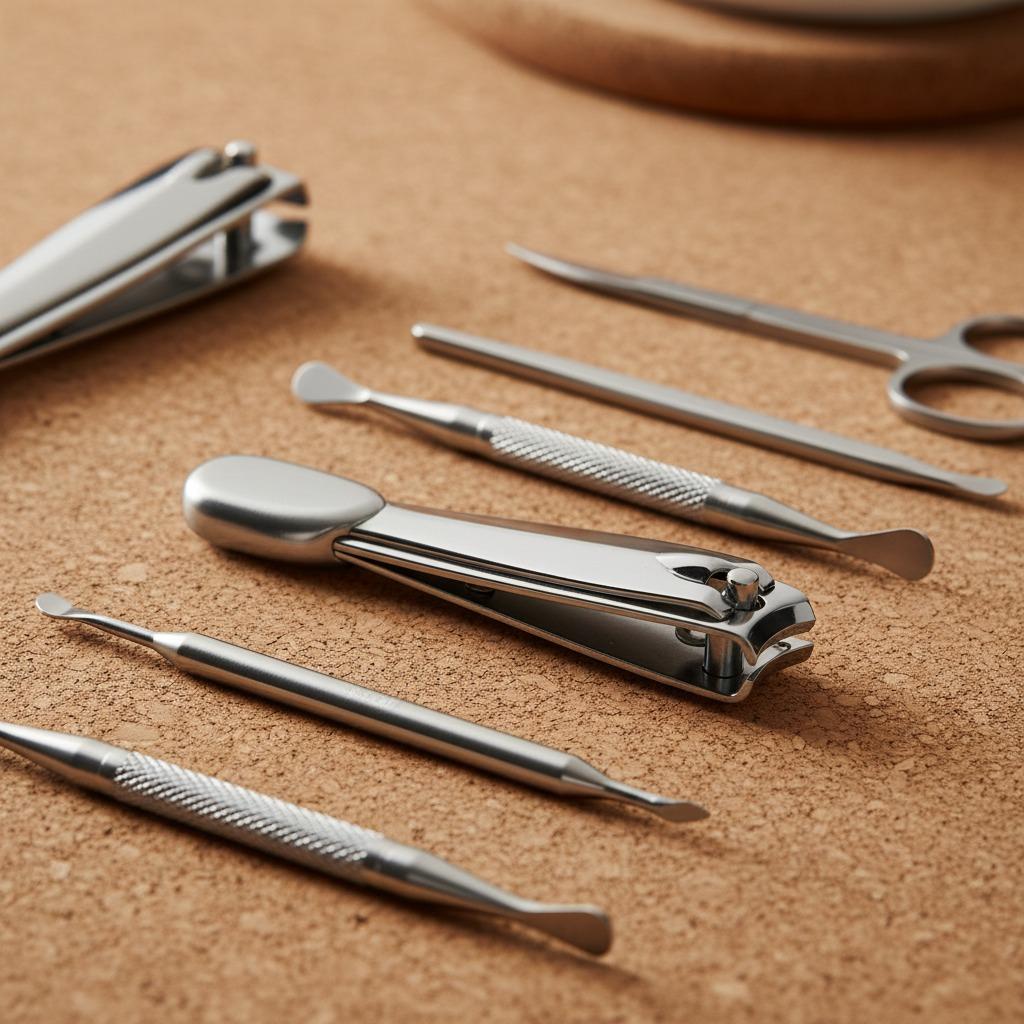
Adding nail clippers to a beauty, grooming or personal care range can look simple from the outside, but sourcing decisions quickly become important. A clipper is a small tool, yet customers judge it by very practical details: how cleanly it cuts, whether the lever feels stable, whether the edges stay sharp, how comfortable it is to hold and whether the packaging fits the retail channel. For a new product line, ordering too much stock before validating those details can create unnecessary risk.
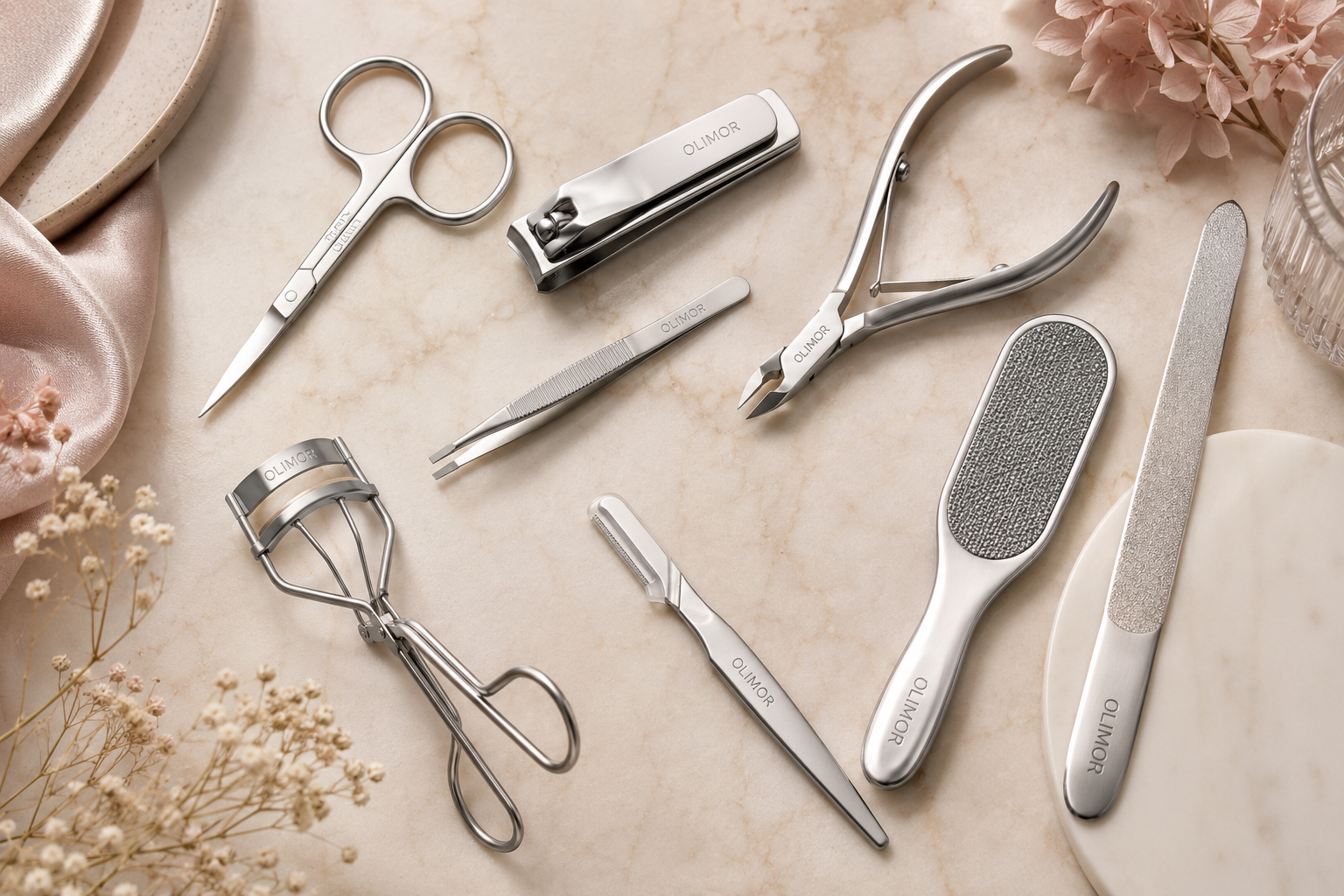
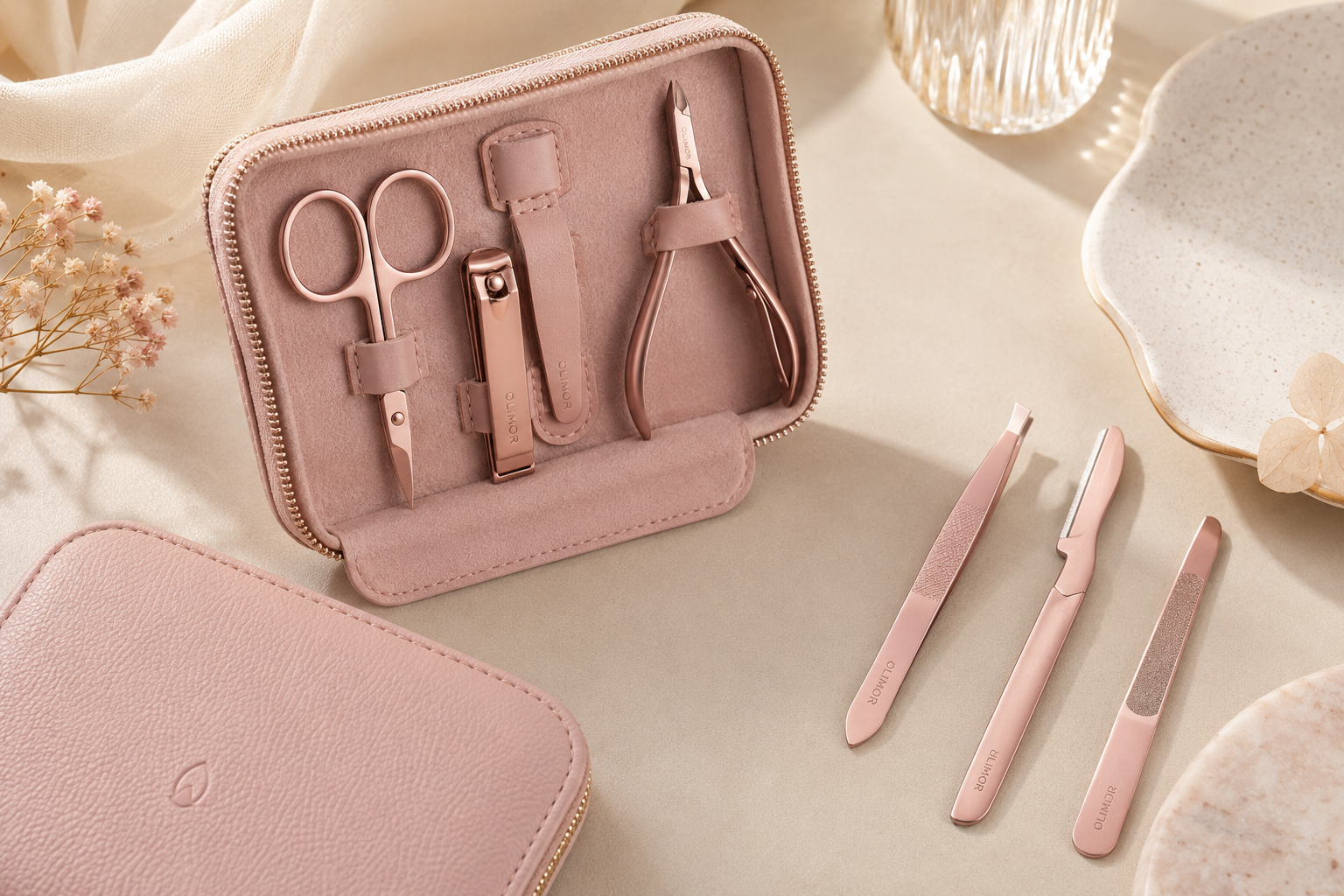
A low MOQ nail clipper option gives small businesses, retailers, brand owners and wholesalers a more controlled way to enter the category. Instead of committing to a large quantity before the product has proven itself, buyers can start with a smaller batch, check customer response and refine the product direction before scaling. Olimor Beauty supplies precision-crafted nail clippers with stainless steel construction, ergonomic designs, curved blades and quality checks from raw materials through final packaging. For businesses building a grooming tool range, that combination of lower entry quantity and product focus can make planning more realistic.
This guide explains when low MOQ sourcing makes sense, what to evaluate before placing an order and how to use a first batch to make better long-term decisions.
Why Low MOQ Matters for Nail Clipper Buyers
Minimum order quantity affects cash flow, storage, product testing and speed to market. With a high MOQ, a buyer may need to purchase a large volume before knowing whether the design, packaging and price position suit the target customer. That may work for established distributors with predictable demand, but it can be difficult for a new grooming brand or a retailer trying a new category.
Low MOQ nail clippers are useful when the business goal is learning as much as selling. A first batch can help you answer questions such as: Do customers prefer a compact travel-friendly clipper or a larger grip? Is simple branded packaging enough, or does the retail channel need a stronger presentation? Are customers responding to the blade shape and lever feel? These answers are easier to gather when the first order does not lock the business into excessive inventory.
For buyers comparing beauty tool products, low MOQ also helps with assortment planning. A retailer might test nail clippers alongside other personal care tools, while a private label seller might launch a narrow grooming set first and expand after reviews and repeat orders confirm demand.
Best Use Cases for a Low MOQ Nail Clipper Order
Low MOQ is not only for very small businesses. It can be a strategic tool for any company that needs flexibility. The strongest use cases usually involve uncertainty, product development or channel testing.
- Startup grooming brands: A smaller first order allows the brand to validate product positioning, packaging style and customer expectations before making a larger commitment.
- Retailers testing a new personal care category: Stores can introduce nail clippers without tying up too much cash or shelf space in an unproven item.
- Wholesalers expanding an assortment: A distributor can test demand from different customer groups before deciding which nail clipper designs deserve larger replenishment orders.
- Seasonal or promotional programs: Low MOQ can support gift sets, travel kits or limited retail campaigns where demand is concentrated in a shorter period.
- OEM packaging trials: Buyers can test branded packaging or presentation concepts before rolling them out across a larger range.
In each case, the main benefit is not simply ordering less. The benefit is ordering with a plan: measuring sell-through, collecting feedback and using the first batch to reduce uncertainty.
Product Details That Deserve Attention Before You Buy
A nail clipper has few visible parts, but small differences can affect user satisfaction. Before selecting a low MOQ nail clipper, buyers should look beyond appearance and focus on performance, comfort and consistency.
Stainless steel construction is important for a grooming tool because customers expect durability and resistance to rust in normal personal care use. The cutting edge should feel clean and controlled rather than rough or forced. Curved blades can help follow the natural shape of the nail, while the lever mechanism should be easy to press and should return smoothly after cutting. Ergonomic grips also matter, especially for shoppers who use clippers frequently or prefer a tool that feels stable in the hand.
Travel-friendly size is another practical consideration. Compact clippers fit well in toiletry bags, gift sets and convenience retail formats. However, smaller does not automatically mean better. A clipper that is too light or difficult to control may disappoint users. Buyers should balance portability with grip comfort and cutting leverage.
When reviewing samples or early production, examine the following:
- Cutting feel: The blades should meet evenly and cut without requiring excessive pressure.
- Edge finish: Contact points should feel smooth enough for safe handling and normal use.
- Lever stability: The mechanism should not feel loose, weak or awkward when pressed.
- Grip comfort: The body shape should be easy to hold for the intended customer group.
- Packaging fit: The clipper should sit securely in its packaging and present well for the sales channel.
Customization Without Overcommitting Inventory
One reason businesses choose a nail clipper OEM supplier is the ability to make the product feel aligned with their brand. Customization can include branded packaging or specific blade curvature requirements, depending on the project. With low MOQ sourcing, buyers can explore these options without immediately committing to a large run.
For a first order, it is usually wise to focus customization on the elements that most influence customer perception. Packaging is often the simplest place to start because it affects shelf presentation, online product photos and giftability. A clear brand message on the packaging can help a basic grooming tool feel more suitable for a specific audience, such as travel shoppers, men’s grooming buyers, salon retail customers or everyday personal care users.
Product-level adjustments should be approached carefully. Even a small design choice, such as blade curvature or grip shape, can influence the user experience. A low MOQ batch can help confirm whether the chosen direction works in real customer use before the buyer expands the design into larger volume. If you are comparing possible directions, reviewing related product collections can help you think about how the nail clipper will fit into a broader grooming range rather than standing alone.
Quality Control in Small Batches Is Still Essential
Order size should not determine whether a product receives proper quality attention. For nail clippers, consistency is especially important because customers notice performance immediately. A clipper that cuts cleanly builds trust; one that pinches, slips or feels weak can lead to complaints and returns.
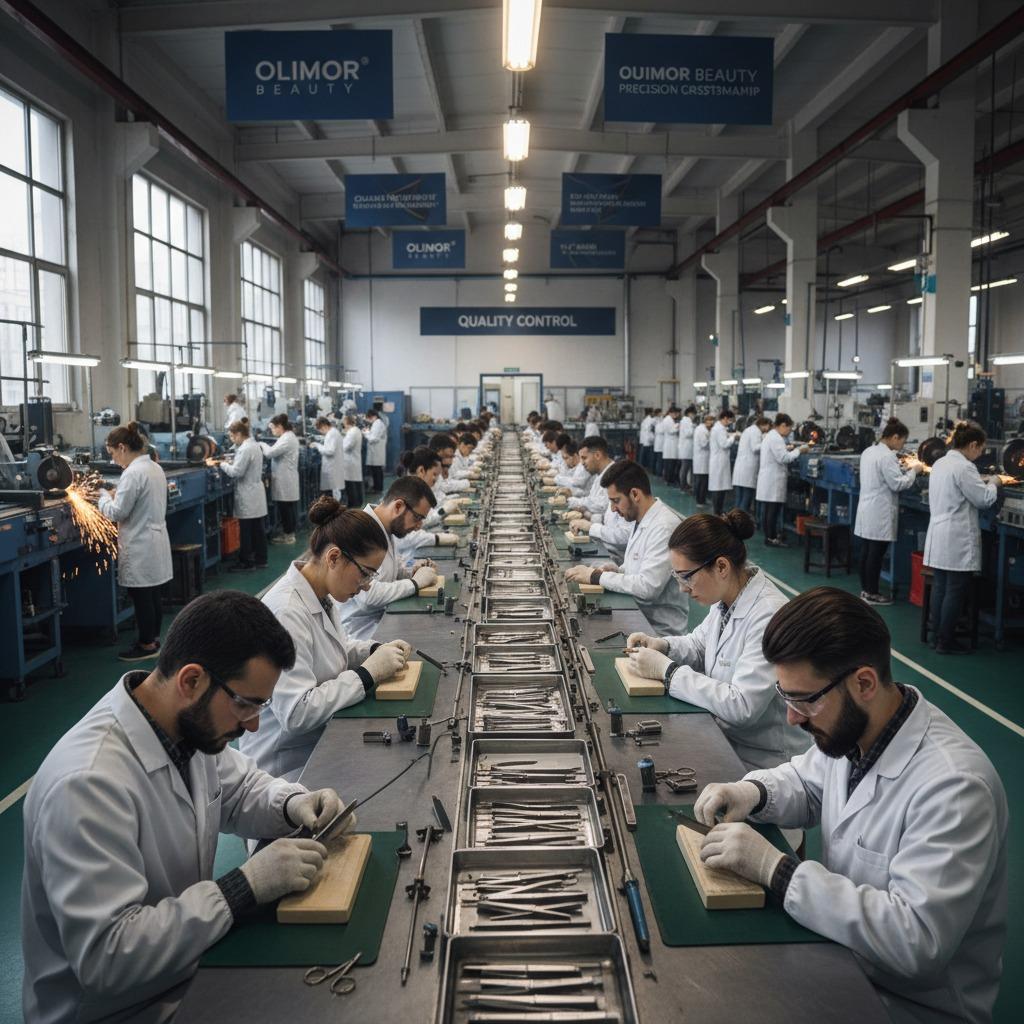
Olimor Beauty applies quality assurance processes that include checks from raw material inspection to final packaging. For buyers, this matters because the first batch often shapes the future of the product. If early customers receive a reliable tool, the brand can collect useful feedback about positioning and demand. If quality is inconsistent, it becomes difficult to know whether sales results reflect the market opportunity or product issues.
When preparing a low MOQ order, define what quality means for your channel. An online brand may care strongly about packaging condition because customers judge the product through photos and unboxing. A wholesaler may focus on carton handling, barcode placement or consistency across units. A salon retail buyer may prioritize cutting precision and comfortable handling. Clear criteria help the production and inspection process focus on what the buyer’s customers will actually experience.
How to Evaluate the First Batch After Launch
A low MOQ order is most valuable when the buyer studies the results. Instead of simply asking whether the batch sold, look at how it sold and what customers said. This information will guide the next order and help avoid repeating weak decisions.
| What to Review | Why It Matters | Possible Next Step |
|---|---|---|
| Sell-through speed | Shows whether demand is strong at the chosen price and channel. | Increase quantity, adjust pricing or test a different channel. |
| Customer comments | Reveals opinions on cutting feel, grip comfort and packaging. | Refine packaging copy, product presentation or design details. |
| Return reasons | Identifies quality, handling or expectation gaps. | Update inspection priorities or improve product descriptions. |
| Repeat purchases | Suggests whether the item fits ongoing customer needs. | Plan replenishment or bundle with related grooming tools. |
These review points help a business move from guesswork to evidence. The goal is to decide whether to reorder the same nail clipper, refine the packaging, adjust the target customer or build a larger grooming assortment.
Planning a Smarter Supplier Conversation
Before contacting a nail clipper supplier, prepare the information that affects sourcing decisions. You do not need every detail finalized, but you should know the sales channel, customer profile, packaging expectations and whether the order is for testing, promotion or long-term supply. This makes the discussion more practical and helps avoid mismatches between product and market.
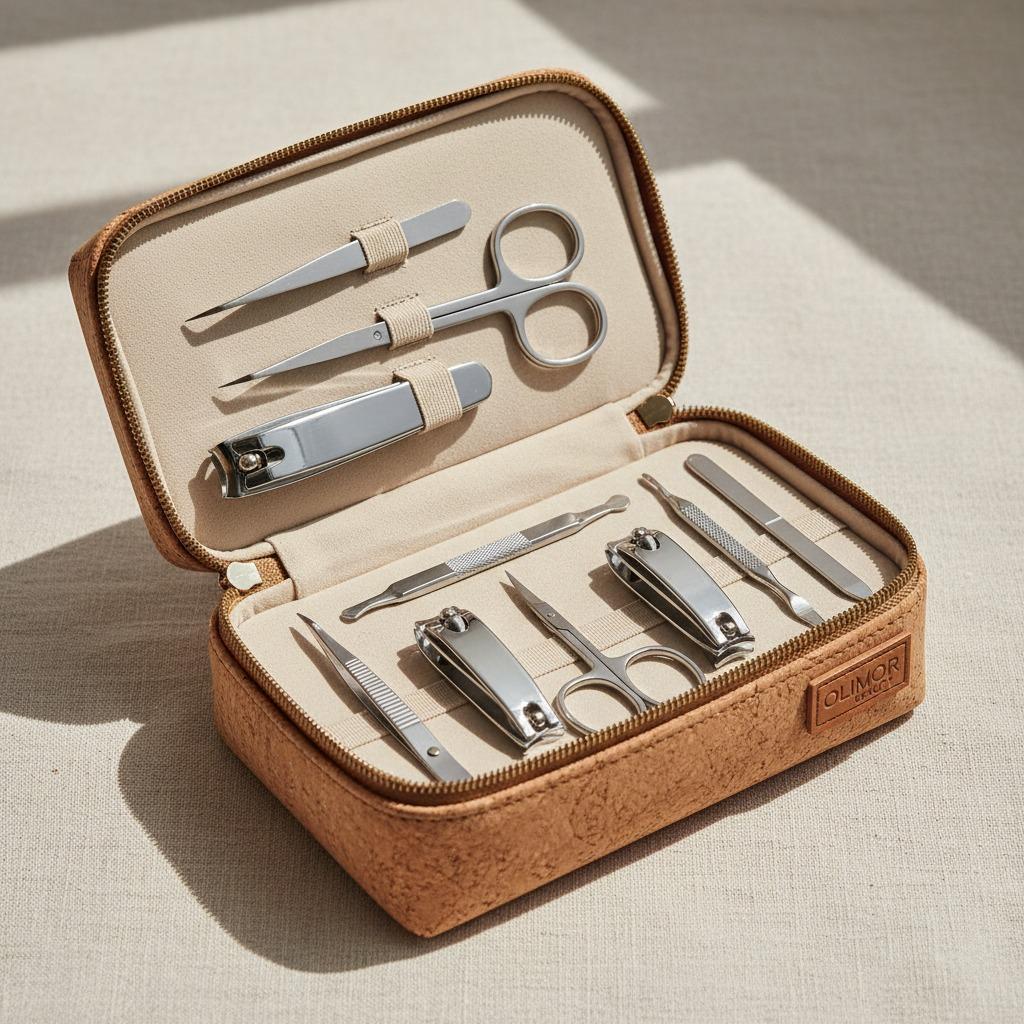
A useful buyer brief may include the intended retail format, preferred packaging direction, expected user group, target launch timeline and any OEM requirements such as branded packaging. It is also helpful to describe whether the clipper will be sold alone or as part of a grooming kit. A standalone clipper may need stronger packaging and product explanation, while a kit component may need to match the style and size of other tools.
If you are ready to discuss a low MOQ nail clipper project, you can send an inquiry with your basic requirements, or contact Olimor for help clarifying the right starting point. A careful first order can reduce inventory pressure, protect cash flow and give your business the information needed to scale with more confidence.
A Flexible Way to Build a Grooming Tool Line
Low MOQ nail clippers are not just a smaller version of a large order. Used well, they are a practical market-testing tool. They allow buyers to evaluate product performance, packaging appeal, customer feedback and sales potential before committing to higher volume. For startups, retailers and wholesalers, that flexibility can make the difference between a rushed product launch and a measured sourcing strategy.
By focusing on stainless steel construction, ergonomic handling, clean cutting performance, suitable packaging and reliable quality checks, businesses can use a low MOQ order to build a stronger foundation for future growth. The best result is not only selling the first batch, but learning exactly what the next batch should become.