










Choosing nail clippers looks simple until a tool slips, crushes the nail edge, leaves a jagged cut, or feels awkward after only a few uses. For personal grooming, salon stations, hotel amenities, beauty retailers, and private label sourcing, the difference between a basic clipper and a well-designed ergonomic nail clipper is practical: cleaner trimming, better control, easier hygiene, and a more comfortable user experience.
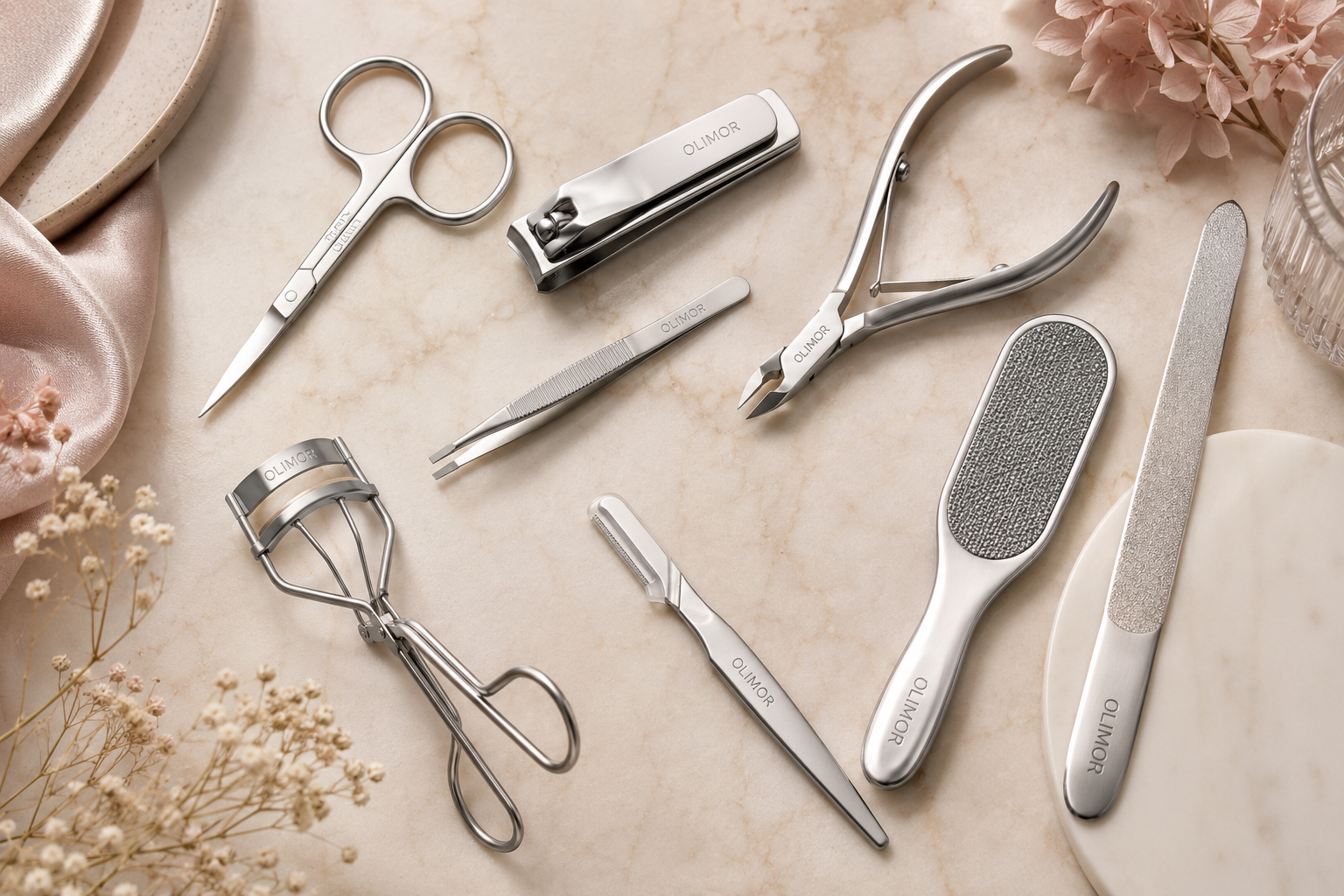
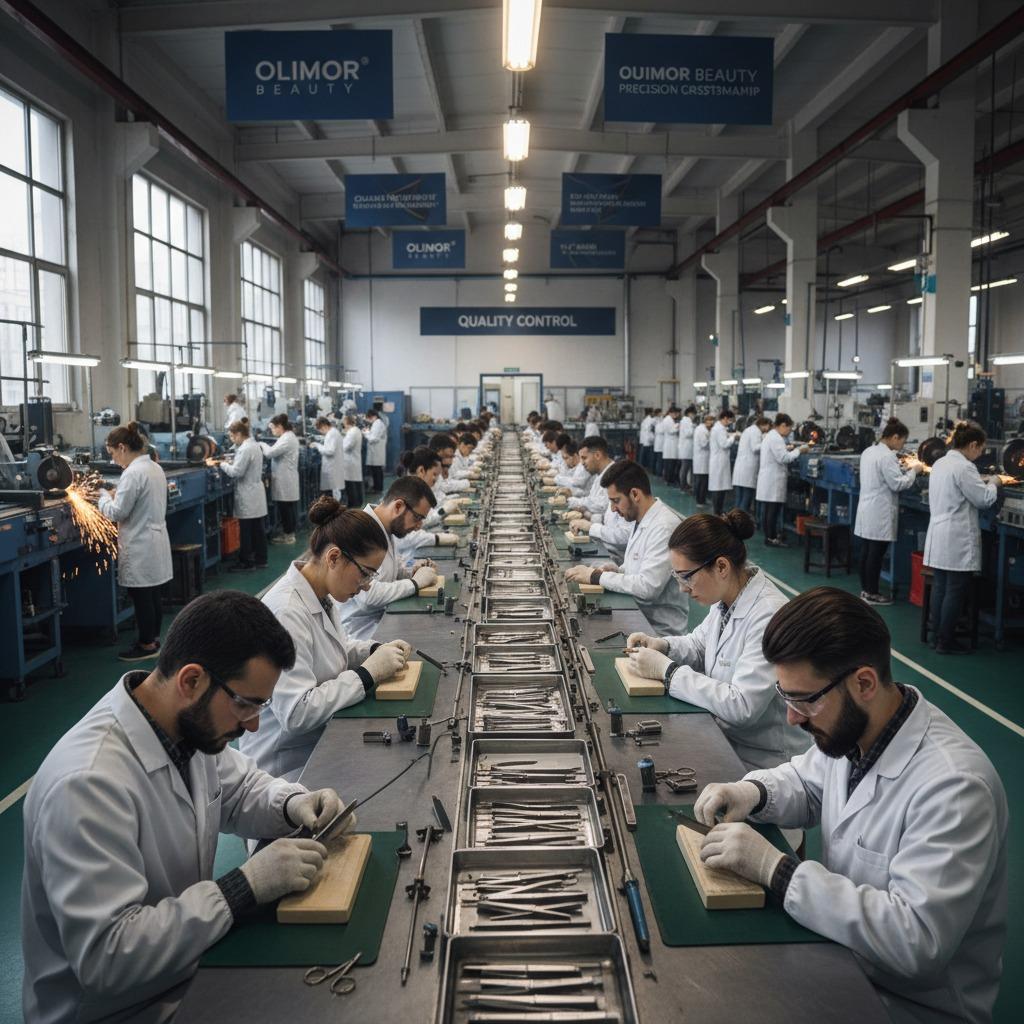
This guide focuses on the selection criteria that matter when comparing professional nail clippers, especially ergonomic designs made for reliable hand control. Olimor Beauty offers nail care tools with attention to manufacturing and quality checks, including ergonomic nail clippers with stainless steel construction. If you are reviewing beauty tool products for resale, service use, or a grooming kit, the points below will help you judge quality without relying only on appearance.
What Makes a Nail Clipper Professional?
A professional nail clipper is not defined by size alone. It should cut predictably, feel stable in the hand, and support hygienic use over time. The cutting edges must meet evenly, the lever should move smoothly, and the body should resist unnecessary flexing during pressure. These details affect the final nail edge and the confidence of the person using the tool.
For home users, a professional-style clipper reduces the need for repeated trimming passes. For salons and grooming businesses, it helps maintain consistency between clients. For buyers building a product range, quality nail clippers can support repeat purchases because users can immediately feel the difference between a weak tool and one with better balance.
When comparing options, inspect how the clipper performs on different nail thicknesses, how easily it can be cleaned, and whether the grip remains secure when hands are slightly damp from washing or sanitation. A tool does not need exaggerated features to be useful; it needs sound mechanics and dependable handling.
Why Ergonomic Design Matters in Nail Clippers
Ergonomic nail clippers are designed around the way the hand naturally applies pressure. A standard flat or narrow clipper may work for occasional use, but it can be harder to control for people with larger hands, reduced grip strength, or nails that require careful shaping. Ergonomic clippers generally aim to improve finger placement, pressure direction, and stability.
The most useful ergonomic advantage is control. When the hand can hold the clipper steadily, the cutting edge is easier to position. This helps avoid cutting too deeply at the corners, trimming unevenly, or leaving rough edges that catch on fabric. Comfortable leverage also reduces the temptation to twist the tool during cutting, which can split the nail.
Ergonomics also matters for repeated use. A salon worker or grooming professional may handle many tools during the day. A clipper with a better grip and smooth lever action can reduce hand strain compared with a small, slippery, or poorly balanced design. For older users or anyone who finds small grooming tools difficult to manage, an ergonomic clipper may make independent nail care easier and safer.
Material and Construction: What to Check
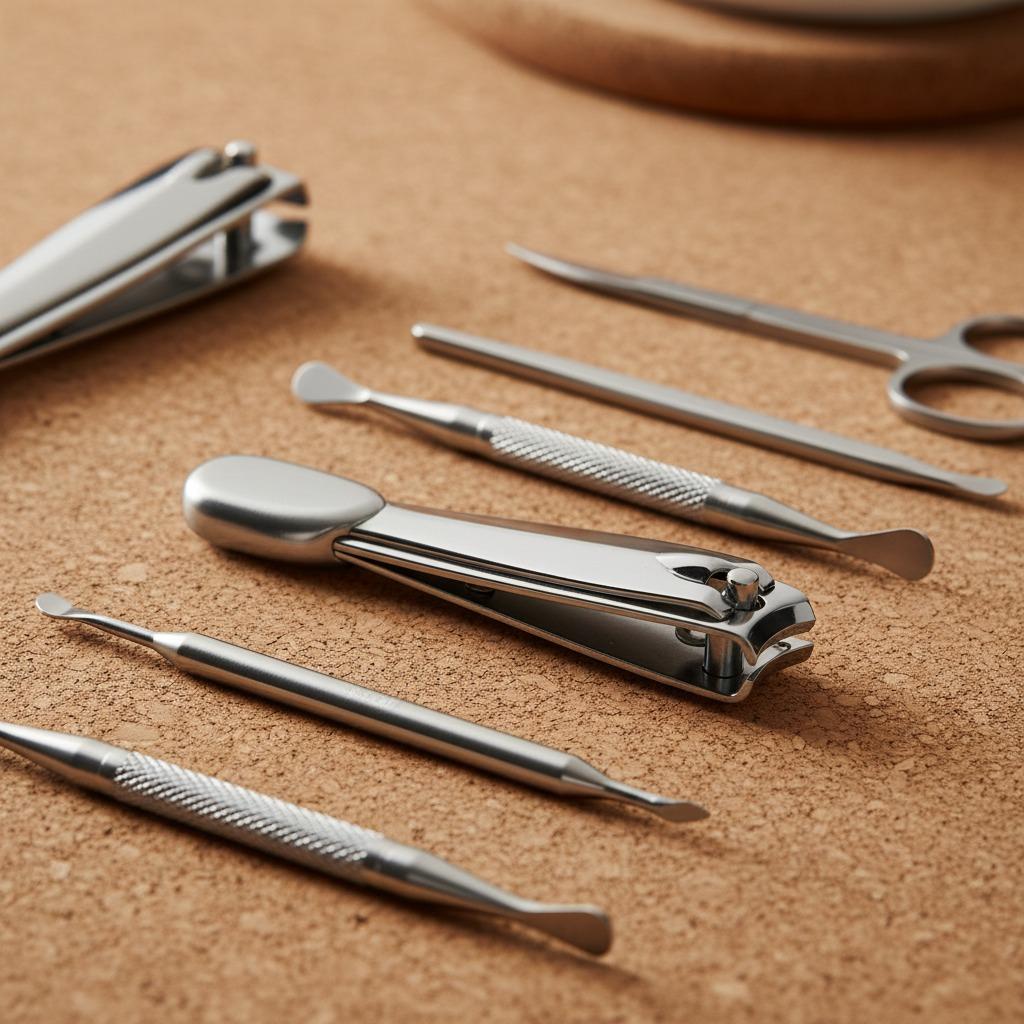
The original product information highlights stainless steel construction, which is a strong starting point for nail care tools because stainless steel is commonly chosen for durability and cleanability. However, material alone does not guarantee performance. Buyers should look at the whole construction: cutting edge alignment, hinge stability, surface finish, and the firmness of the lever.
Use this checklist when evaluating ergonomic nail clippers:
- Cutting edge alignment: The upper and lower blades should meet cleanly across the cutting curve without visible gaps.
- Lever smoothness: The lever should press down without grinding, sticking, or wobbling from side to side.
- Grip security: The body should be easy to hold and should not feel slippery during normal use.
- Edge sharpness: A good clipper cuts the nail cleanly rather than crushing it before the cut happens.
- Surface finish: Smooth finishing helps with cleaning and reduces uncomfortable contact points.
- Body rigidity: The clipper should not flex excessively when trimming thicker nails.
- Cleaning access: Nail debris should be easy to remove from the cutting area and hinge region.
For retail sourcing, it is also helpful to compare samples from the same production lot for consistency. One good sample is useful, but several samples reveal whether the design and assembly remain stable across units.
Choosing the Right Clipper for Different Users
The best nail clipper depends on the user, nail type, and setting. A compact clipper may suit travel kits, while a stronger ergonomic clipper may be better for regular grooming or salon work. Before choosing a design, define the primary use case instead of buying based only on shape or price.
| Use case | Selection focus | Why it matters |
|---|---|---|
| Personal home grooming | Comfortable grip, clean cut, easy storage | Supports regular trimming without frustration or uneven edges. |
| Salon or grooming station | Durability, hygiene, consistent cutting action | Tools may be used frequently and need to perform reliably. |
| Beauty retail assortment | Clear value, ergonomic appeal, visible quality | Customers compare hand feel and finish before purchase. |
| Travel or gift sets | Compactness, safe edges, simple maintenance | The clipper should be convenient without sacrificing control. |
| Older users or reduced grip strength | Stable hold and easy leverage | Better handling can make nail care more manageable. |
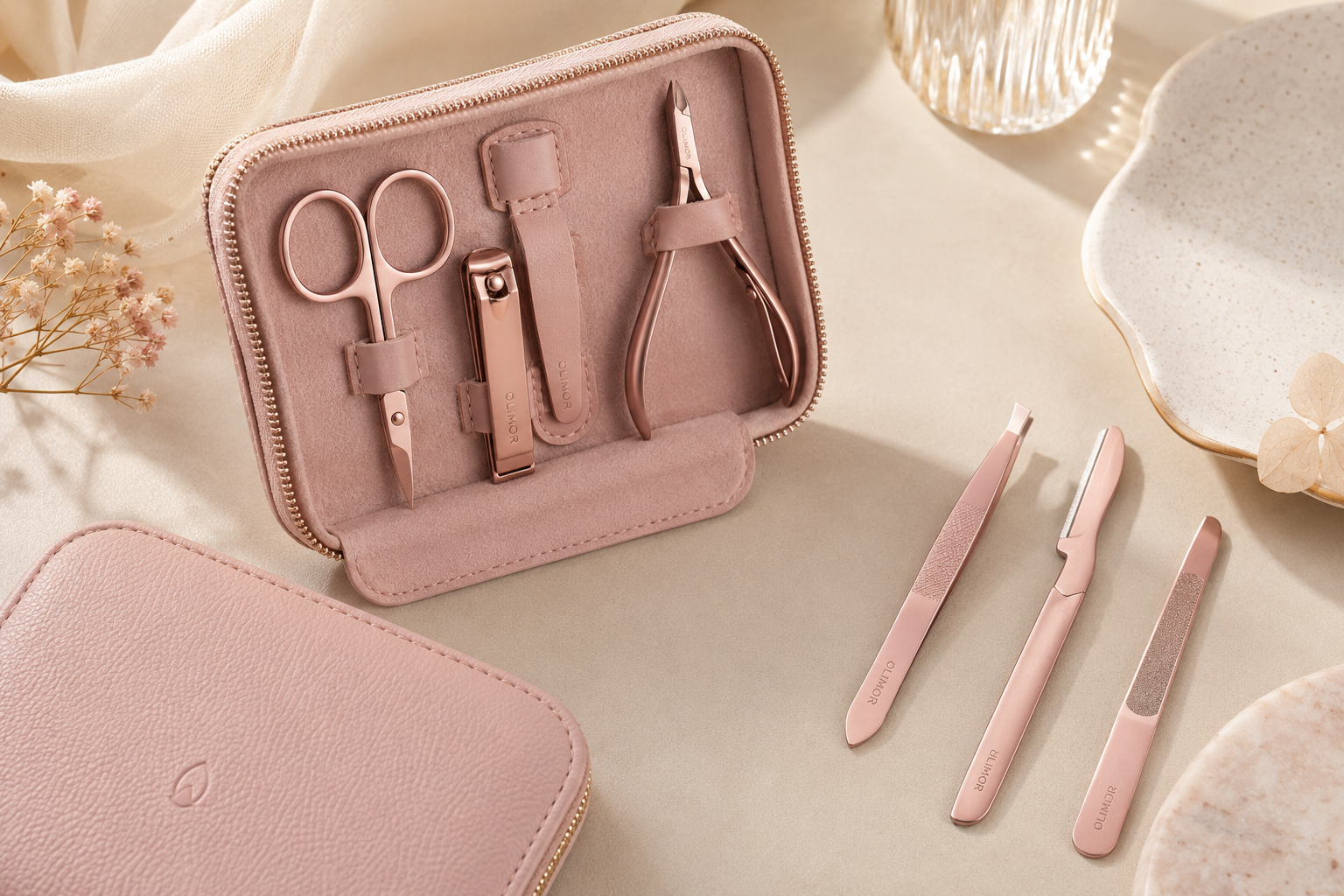
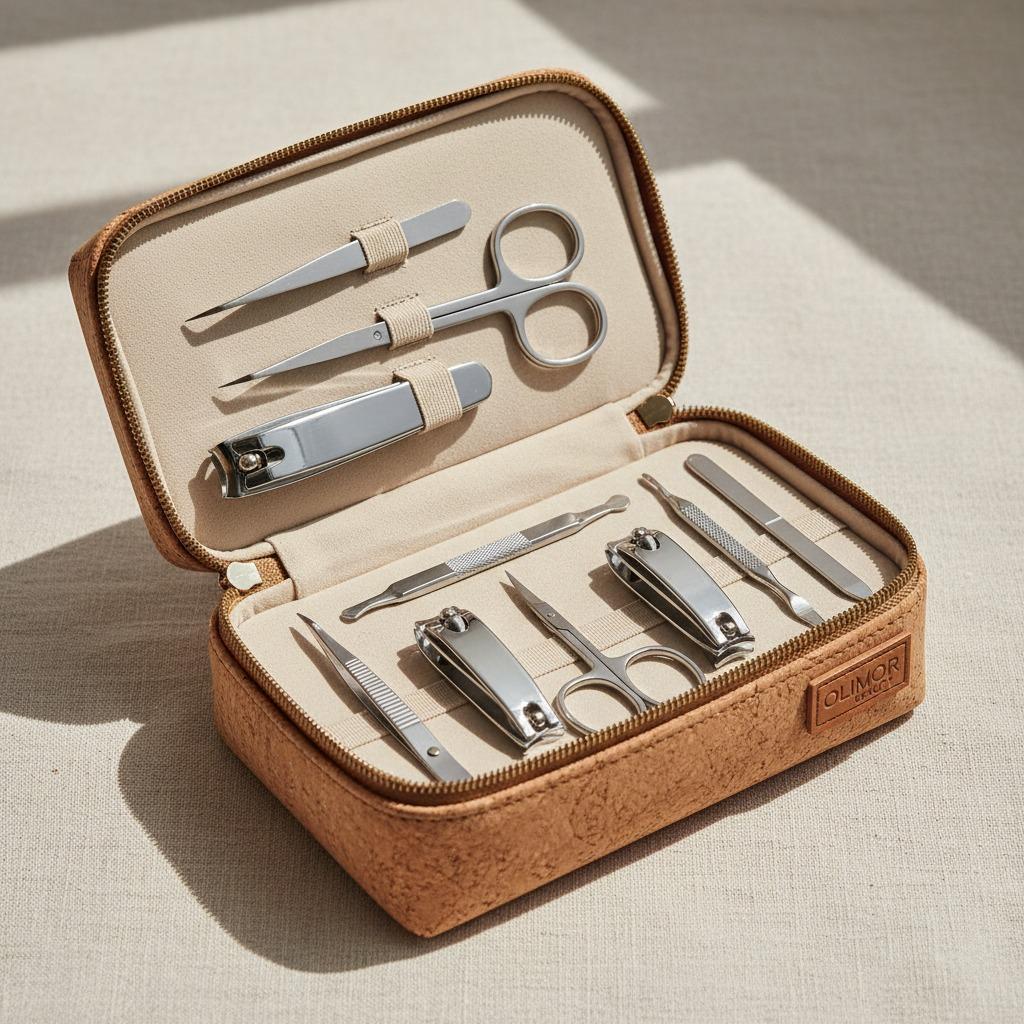
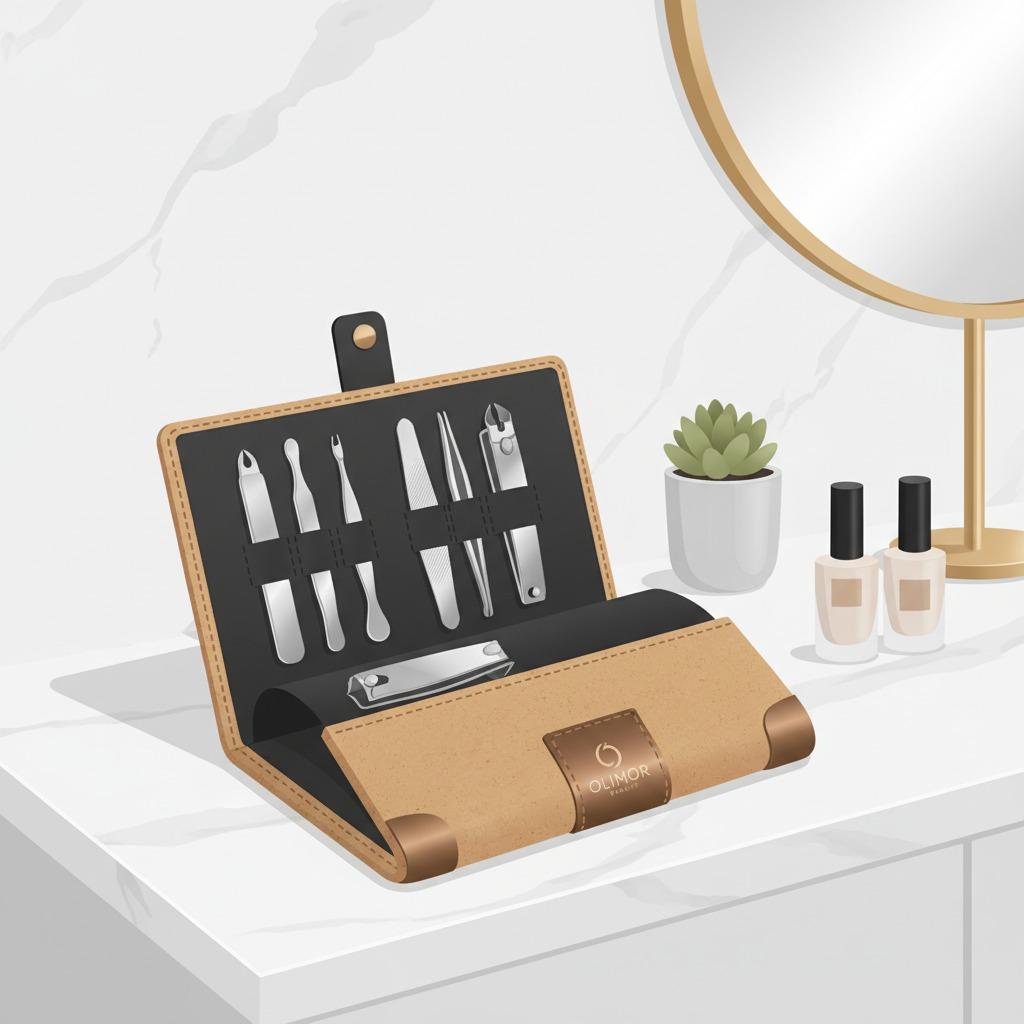
If your business is developing a nail care range, compare ergonomic clippers alongside other related items in product collections. A clipper often performs best as part of a complete grooming set that may include files, cuticle tools, or storage packaging, depending on the target market.
How to Test Cutting Performance Before Buying
Performance testing does not need to be complicated, but it should be systematic. Start by checking the tool visually under good lighting. Look for even blade contact, smooth finishing, and a lever that returns to position cleanly. Then test how the clipper cuts across the nail rather than only at the center. The corners of the cutting edge are where weak alignment often becomes obvious.
When evaluating samples for business purchasing, consider a simple comparison process:
- Inspect several units for finish consistency and blade alignment.
- Open and close each clipper repeatedly to check lever movement.
- Test trimming on nails of different thicknesses, if appropriate and hygienic testing conditions are available.
- Review the cut edge for crushing, splitting, or rough tearing.
- Clean the clipper after use and check whether debris is easy to remove.
- Store the tool briefly in typical packaging to see whether the lever or body is protected from scratching.
For salons, sanitation procedures should match local hygiene rules and workplace policies. For retailers, product instructions should be clear enough that customers understand safe trimming, cleaning, and storage.
Maintenance for Longer Tool Life
Even a well-made stainless steel nail clipper needs proper care. After trimming, remove nail debris from the cutting area and wipe the tool dry. Moisture, residue, and cosmetic products can reduce cleanliness and may affect movement over time. If the clipper is used in a professional environment, follow the required cleaning and disinfection procedures for that setting.
Storage also matters. Keep the clipper in a dry place, away from loose items that can scratch the cutting edge. Avoid using nail clippers on materials they were not designed to cut, such as wire, plastic packaging, or thick craft materials. Misuse can dull or misalign the edge, making the clipper less precise on nails.
Users should also avoid forcing the tool through nails that are too thick for its design. Instead, trim gradually from one side to the other, taking small cuts. This gives more control and reduces stress on the nail and clipper.
Questions for Sourcing Ergonomic Nail Clippers
For distributors, salons, and beauty brands, sourcing decisions should combine product feel with practical business requirements. Since exact specifications vary by product and project, prepare a neutral checklist before making a purchasing decision. Useful topics include material confirmation, available finishes, packaging options, quality inspection steps, sample evaluation, and whether the tool is intended for individual retail sale, salon use, or kit assembly.
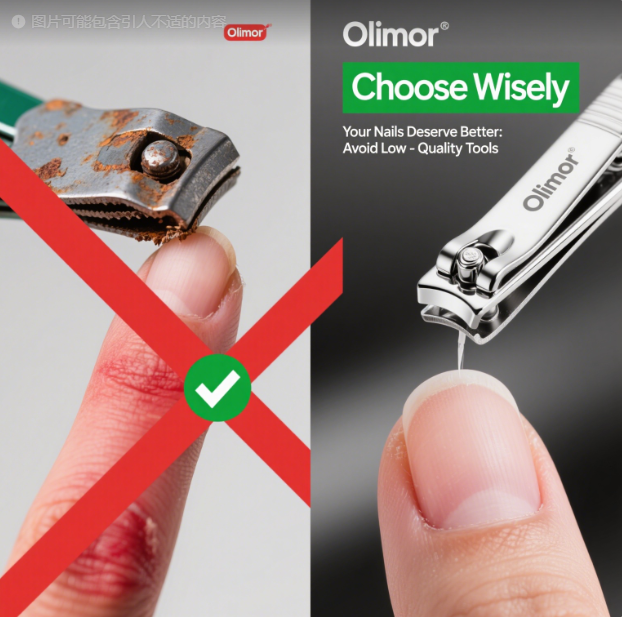
It is also worth clarifying how the product will be presented to the end user. A nail clipper can look simple, but packaging and instructions can explain ergonomic handling, cleaning, and safe trimming. Clear information reduces misuse and helps customers understand why a higher-quality clipper may be preferable to a low-cost disposable option.
If you are comparing options for a custom assortment or need guidance on available nail care tools, you can contact Olimor or send an inquiry with your intended market, packaging needs, and target use case. Sharing these details makes it easier to evaluate which ergonomic clipper design best fits the project.
Final Buying Advice
A good ergonomic nail clipper should feel secure before it ever cuts a nail. Look for stable handling, smooth leverage, stainless steel construction, clean blade alignment, and easy maintenance. For professional or retail use, test multiple samples and judge consistency rather than relying on one attractive unit.
Olimor Beauty focuses on beauty tools designed with usability and quality control in mind. For nail care, that means paying attention to the details users notice immediately: how the clipper sits in the hand, how cleanly it cuts, and how easily it can be kept hygienic. Whether you are buying for personal grooming, salon work, or a beauty product line, ergonomic nail clippers are worth evaluating carefully because small design decisions directly affect comfort and cutting precision.