











Wholesale grooming tools may be small, but they have an outsized effect on how customers judge a beauty business. A tweezer that does not grip cleanly, a facial tool with rough edges, or a kit that arrives poorly packed can quickly lead to complaints, returns, and lost trust. For salons, spas, retailers, distributors, and beauty brands, the right sourcing decision is not only about finding a low unit price. It is about building a dependable assortment that feels precise, comfortable, hygienic, and ready for repeated use.
This guide explains how to evaluate wholesale personal care tools for professional and retail channels, what to look for in stainless steel grooming tools, how packaging changes the buying decision, and how to compare suppliers before you place an order. Olimor Beauty supplies beauty tools for professional and personal care channels, and buyers can start by reviewing product options or sending a sourcing inquiry when they are ready to narrow the assortment.
Why wholesale grooming tools need careful evaluation
Grooming tools are used close to the face, nails, cuticles, and skin, so they must do more than look polished in a catalog. They need to work accurately, feel controlled in the hand, and hold up under repeated handling and cleaning. In a spa or salon, poor tool quality can slow down service and affect the client experience. In retail, inconsistent tools can trigger negative reviews even when the price is attractive. For e-commerce, presentation matters even more because customers cannot test the item before purchase.
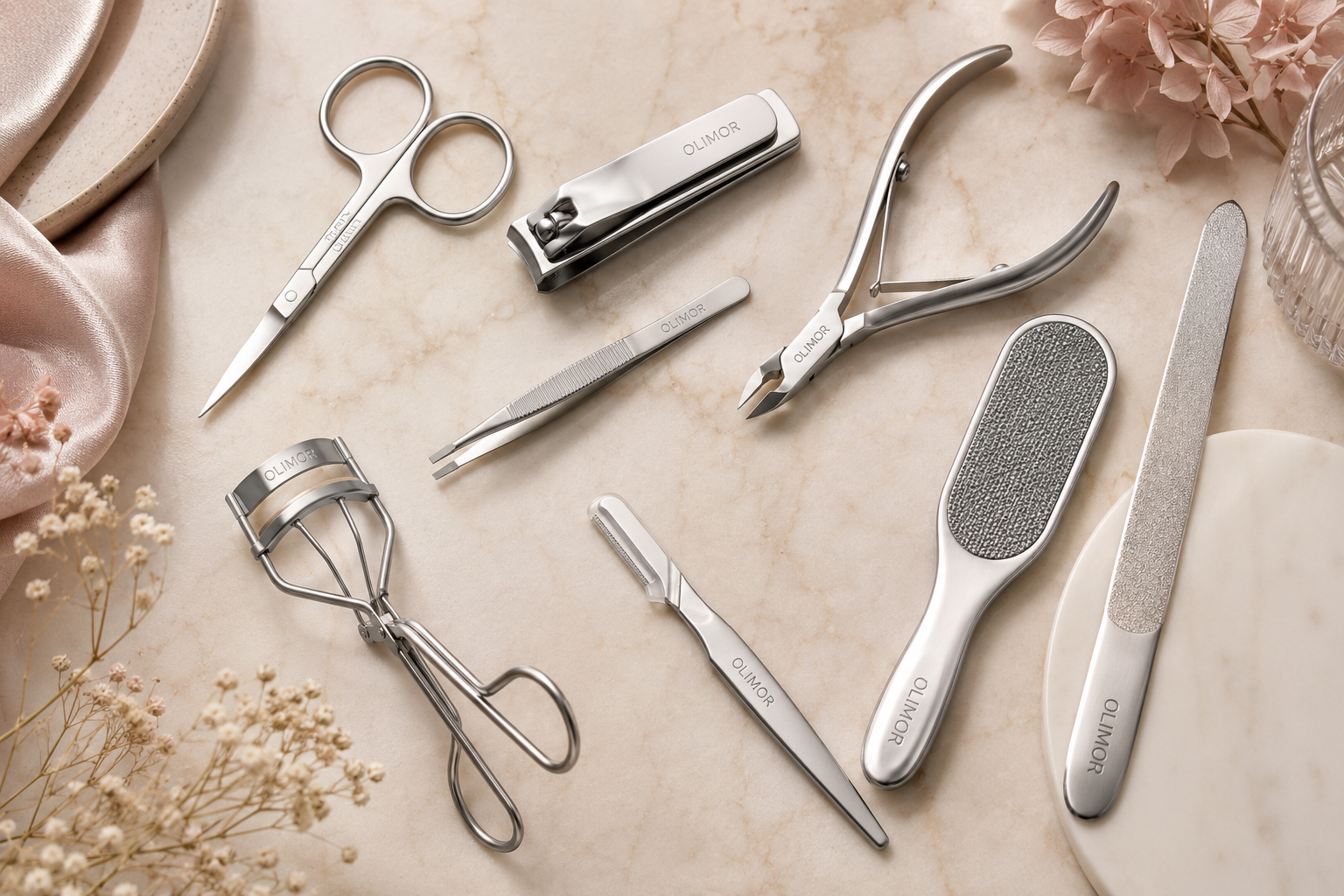
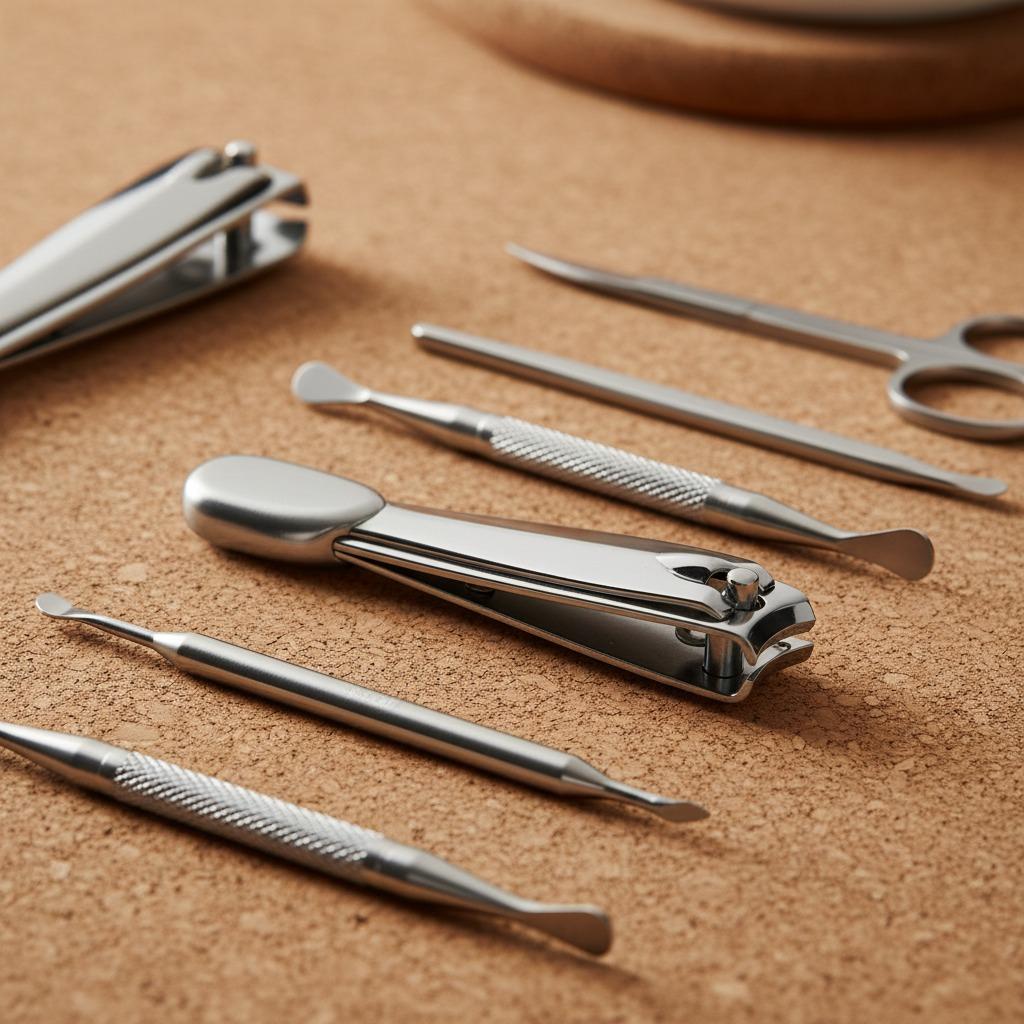
Common wholesale categories include tweezers, eyebrow grooming tools, facial care tools, manicure and pedicure accessories, nail care tools, lash and brow tools, and compact personal care sets. The best assortment depends on your channel. A spa may prioritize durable tools and easy cleaning, while a gift retailer may focus on coordinated sets, clean packaging, and shelf appeal.
What a useful wholesale assortment should include
A practical grooming range is built around use cases, not just product count. Buyers often get better results when they define who will use each item and where it will be sold. That makes it easier to compare products and avoid assortments that look broad but do not solve real customer needs.
Common tool groups to evaluate
- Manicure tools: Nail clippers, cuticle tools, nail files, and related hand-care accessories.
- Pedicure tools: Items for foot care, trimming, smoothing, and routine maintenance.
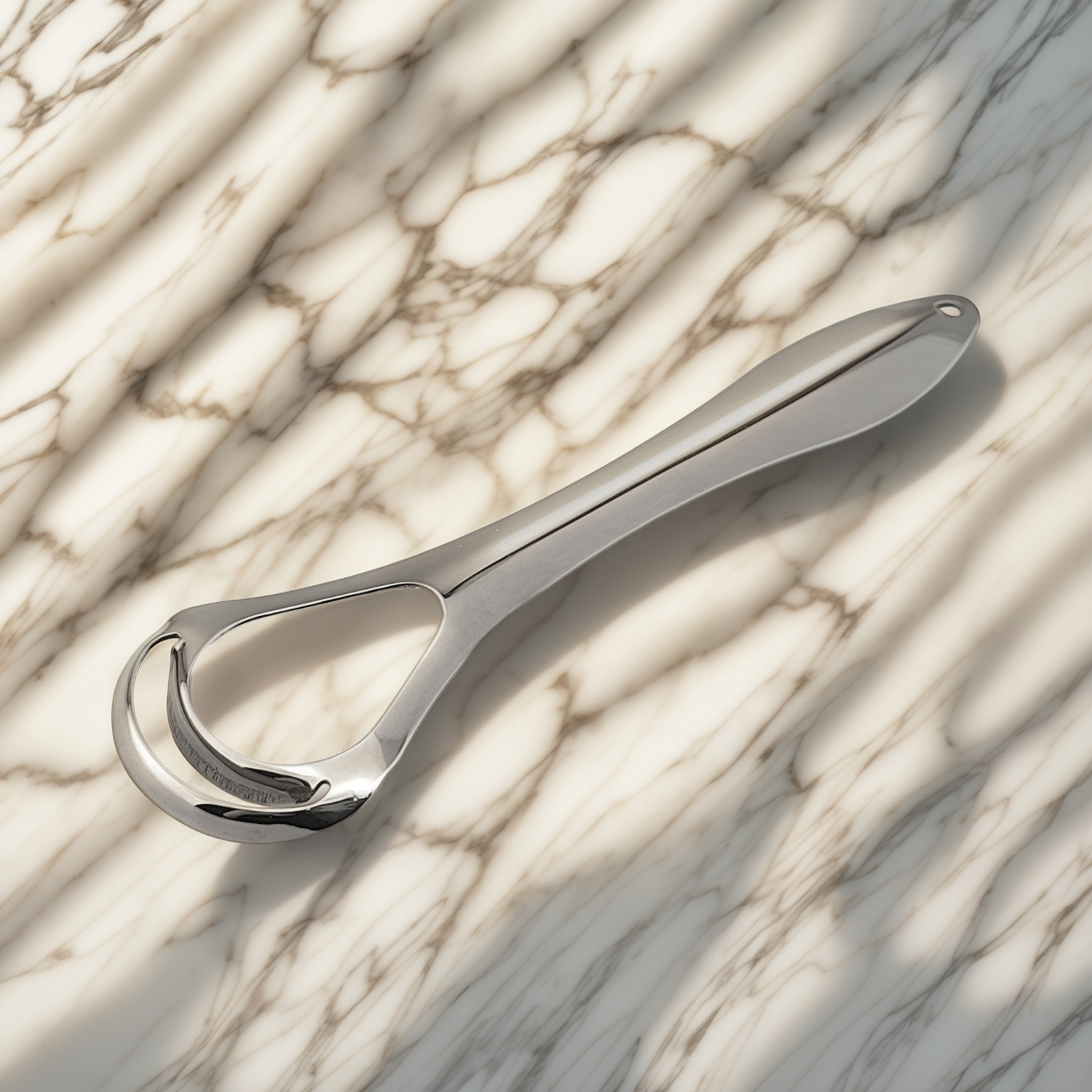
- Facial and eyebrow tools: Tweezers and precision tools for grooming and detail work.
- Retail-ready tools: Individually packed items suited to shelf display and e-commerce listings.
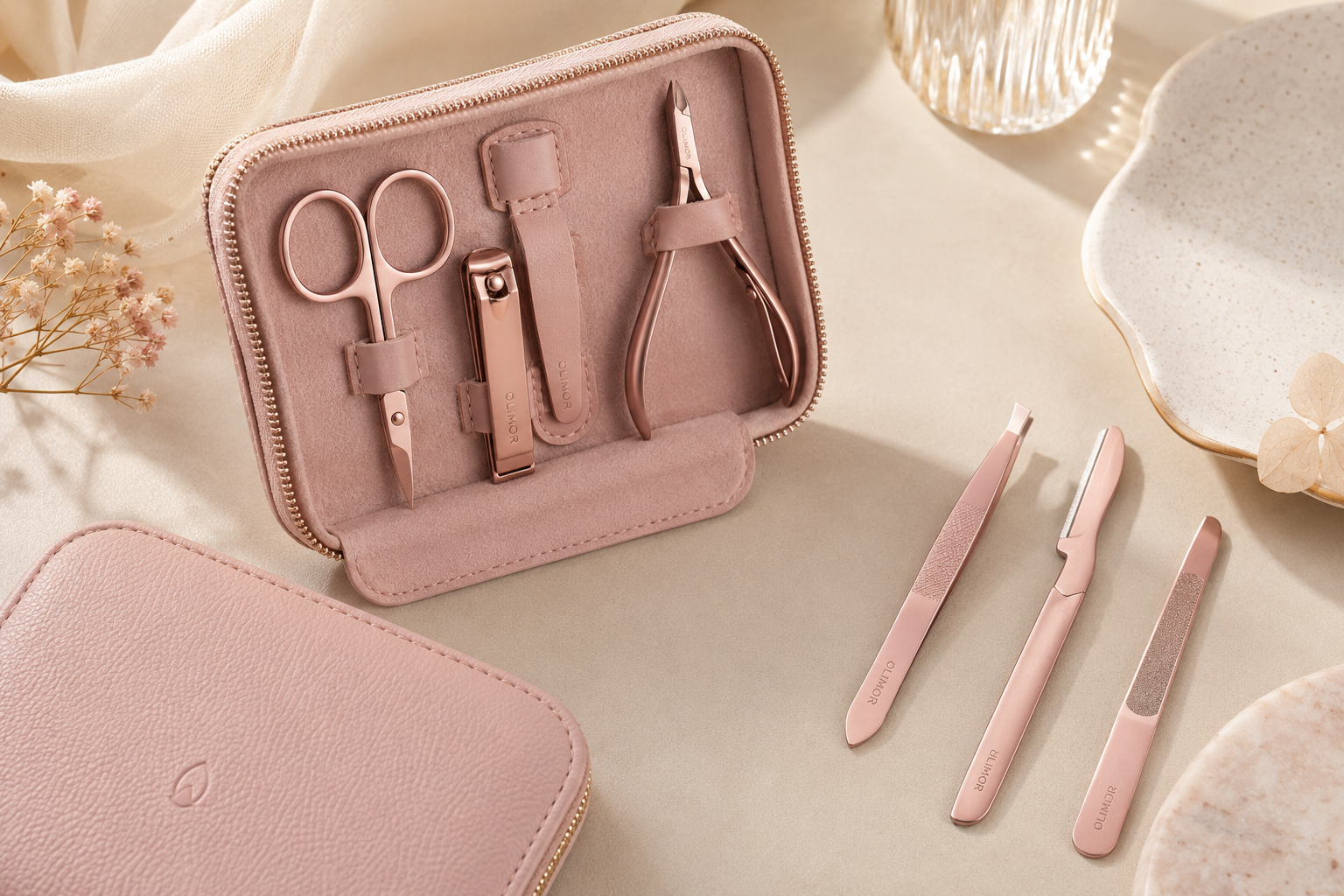
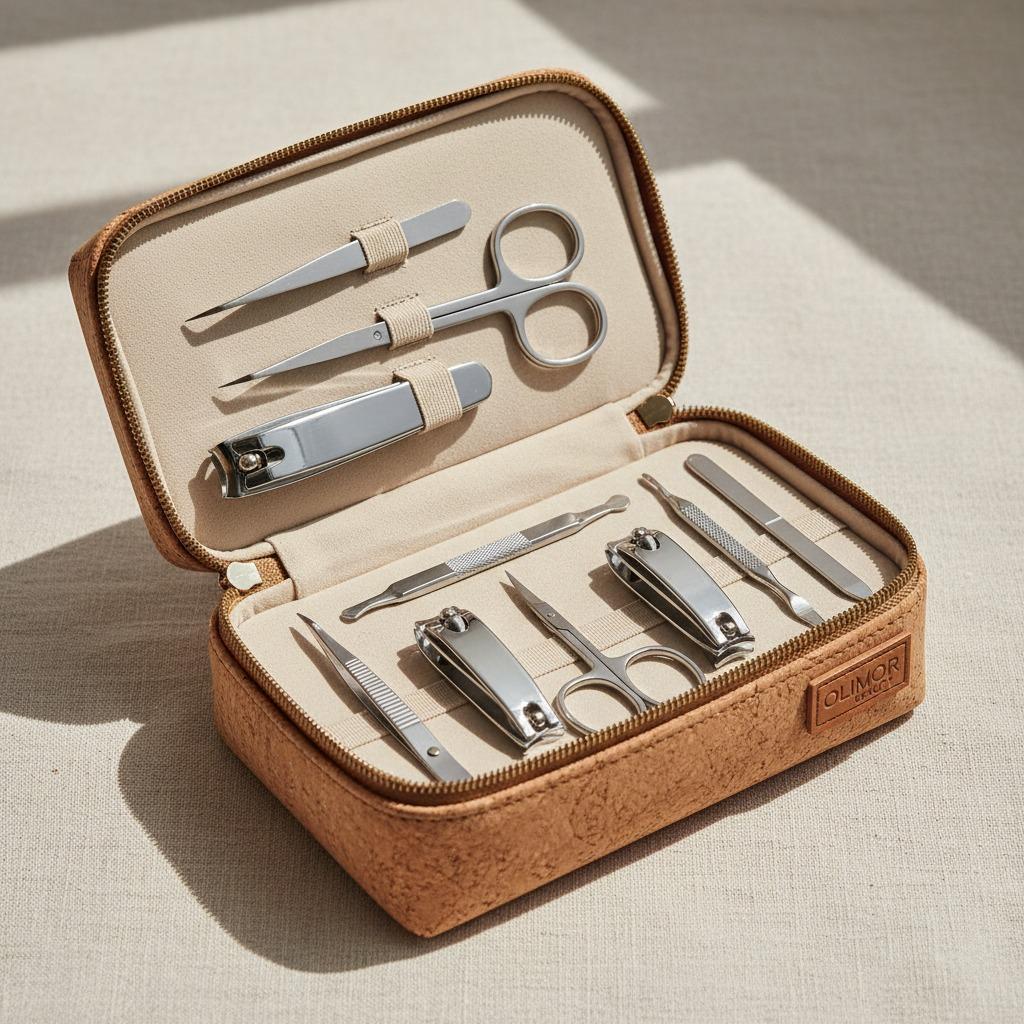
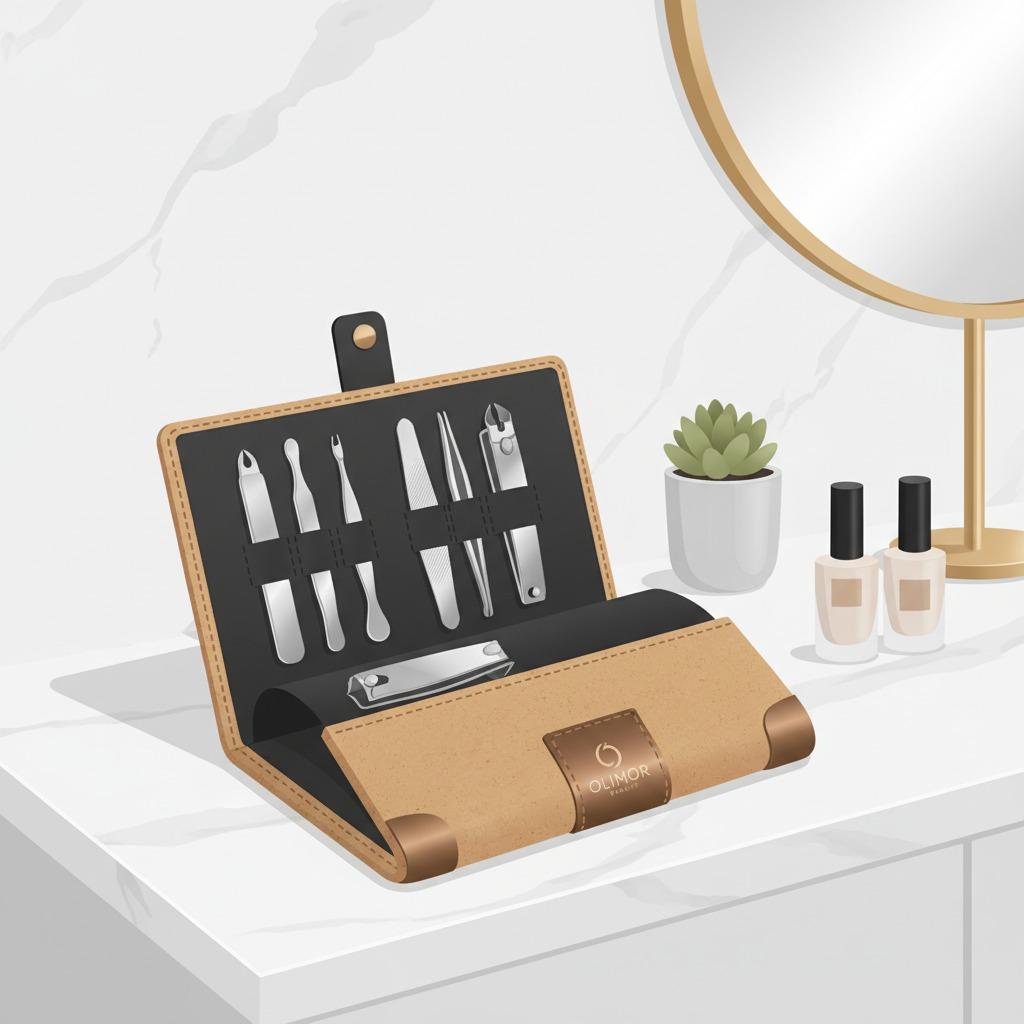
- Grooming sets: Coordinated kits for travel, gifting, personal care, or professional back-bar use.
If you are comparing categories, it can help to browse a broader grooming tools collection first, then narrow the list according to your channel, price point, packaging needs, and end-user expectations.
Materials and construction: why stainless steel and ergonomics matter
Many buyers prefer stainless steel grooming tools because they support durability, a clean appearance, and easier maintenance. That said, buyers should avoid assuming a specific grade, coating, or performance level unless those details are supplied for the exact item. The right choice is not just about material; it is about the way the tool is made and finished.
Ergonomics also matter. A professional esthetician may use the same tool many times in a day, while a retail customer may use it occasionally at home. In both cases, comfort supports control. A tool that twists in the hand, feels slippery, or creates pressure points may perform poorly even if the material itself is acceptable.
What to check in samples
- Tip alignment: Precision tools should meet evenly and close without visible gaps that reduce grip.
- Edge comfort: Tools intended for skin contact should not have burrs, rough transitions, or unintended sharp points.
- Surface finish: Polished or treated surfaces should look even and feel consistent, not patchy or unfinished.
- Hand feel: The tool should be comfortable to hold and controlled during use.
- Cleaning compatibility: The item should be easy to wipe, sanitize, and dry according to the buyer’s hygiene process.
These checks are especially important for private-label programs and multi-store orders, where inconsistency can damage brand trust quickly.
How quality inspection supports wholesale buying
Reliable wholesale supply depends on inspection as much as on product design. Olimor Beauty emphasizes precise production steps and internal inspection, including checks from raw material inspection through final packaging approval. Buyers can use that type of process as a sourcing benchmark, but they should still define their own acceptance criteria before ordering.
A simple inspection plan helps prevent avoidable problems. It does not need to be complex, but it should be written down. The goal is to make sure the finished item matches the product purpose, the packaging format, and the channel where it will be sold.
Practical inspection checklist
- Confirm the item function and the intended user.
- Review sample finish under bright light for rough spots, uneven polish, or visible defects.
- Test opening, closing, grip, or pressure control as relevant to the tool.
- Check that the packaging protects the tips, edges, and finished surfaces.
- Compare samples from more than one unit to look for batch consistency.
- Confirm that product descriptions, images, and labels match the item buyers will receive.
For buyers working in markets with technical references, it may also be useful to ask whether the product should align with relevant ISO or ASTM references. Verify the applicable version and supplier documentation for your market rather than assuming a generic standard is enough.
Packaging and presentation are part of the product
Packaging is not just decoration in wholesale personal care tools. It protects the item, supports hygiene perception, communicates value, and affects shipping outcomes. This matters for salons and spas, but it matters even more for online sellers, where the box or pouch may be the first physical experience a customer has with the brand.
Buyers should evaluate whether the packaging suits the sales channel. A spa may need practical, easy-to-store packaging. A retailer may need display-ready packaging with space for labeling or barcodes. An e-commerce seller may need protective packaging that reduces damage in transit. A gift or travel set may need a coordinated presentation that makes the tool feel complete and intentional.
Packaging questions worth asking
- Does the packaging protect the working end of the tool?
- Does it support clean presentation on shelf or online?
- Is there enough space for labels, product details, or barcode placement?
- Does the format reduce the risk of shipping damage?
- Does the pack style match the customer segment you are targeting?
When presentation matters, it can be useful to review the assortment on a product page and then ask the supplier how the item will be packed for your order. If you need a direct discussion about channel fit, use the contact page to ask practical questions before confirming artwork or packaging decisions.
Choosing the right tools for each buying scenario
Different sales channels value different things. The same grooming tool may be right for one buyer and a poor fit for another if the packaging, size, or intended use does not match the channel. The table below can help teams compare options more clearly.
| Buying scenario | What to prioritize | What to verify before ordering |
|---|---|---|
| Salon or spa service use | Durability, grip control, and easy cleaning | Hand comfort, surface smoothness, and consistency across samples |
| Retail shelf assortment | Presentation, clear function, and reliable performance | Packaging strength, label space, and visual finish |
| E-commerce beauty brand | Photogenic finish and low return risk | Protective packaging and accurate product descriptions |
| Gift or travel kit | Compact size and coordinated appearance | Case fit, tip protection, and product combination logic |
This kind of comparison also helps with cost control. A buyer who knows the use case can avoid paying for features that do not matter to the customer, while still protecting quality where it counts most.
Sustainability-minded sourcing without empty claims
Many buyers now want a sustainable beauty tools supplier, but sustainability should be handled carefully and honestly. It is better to make practical sourcing decisions that reduce waste than to rely on broad claims that are not supported by item-level details.
For grooming tools, sustainability-minded decisions may include choosing durable products that do not need frequent replacement, avoiding unnecessary packaging layers, selecting packaging that reduces shipping waste, and creating assortments that customers will actually use. A well-made stainless steel tool can support a lower-waste routine when it is maintained properly.
Clear care instructions can also extend product life. Simple guidance such as drying after cleaning, storing precision tips safely, and avoiding damage during transport can reduce waste and improve customer satisfaction. If environmental claims are required in your market, they should be based on documented item details rather than general wording.
How to evaluate a wholesale supplier
Supplier evaluation should be practical and repeatable. Buyers do not need a long checklist full of vague language; they need a short list of questions that reveal whether the supplier can support their channel.
Questions that help compare suppliers
- Can the supplier provide samples for hands-on review?
- How does the supplier check quality from raw material to final packaging?
- Can the item be customized for a retail, spa, or private-label program?
- What packaging formats are available for the intended channel?
- Can the supplier explain how the product is protected during shipping?
- Does the supplier understand the difference between professional-use and retail-use expectations?
For buyers building a new range, it is often best to start with a small set of representative items, review the finish and packaging carefully, and then expand once the assortment proves stable. If you want to move faster, you can send a focused sourcing request that describes your use case, packaging needs, and expected sales channel.
Cost factors that influence wholesale grooming tools
Wholesale pricing is shaped by more than the number of units in the box. Material choice, finish quality, packaging style, customization, and shipping protection can all affect the final cost structure. Buyers should think in terms of overall value and channel performance rather than unit price alone.
- Material and build: Better construction and cleaner finishing often support more consistent customer satisfaction.
- Packaging format: Protective or retail-ready packaging may raise cost but can reduce damage and returns.
- Customization: Branding, labels, and special pack layouts add coordination steps.
- Assortment logic: Kits and sets may cost more to assemble but can improve presentation and average order value.
- Logistics: The way items are packed can affect freight efficiency and shipping risk.
The best sourcing choice is usually the one that balances these factors against the expectations of your specific customer base.
FAQ
Can I request samples before placing a larger order?
Yes. Samples are one of the best ways to check tip alignment, edge comfort, finish quality, and packaging protection before committing to a full order.
What should I ask about customization?
Ask whether the supplier can support logo placement, packaging changes, set composition, or channel-specific labeling for retail, spa, or private-label use.
How do I check quality before buying in bulk?
Review samples under bright light, test the tool in a realistic use setting, compare several units for consistency, and confirm how the supplier inspects products during production and packaging.
What should I know about lead time?
Lead time can vary by product type, customization, order size, and packaging requirements. Ask the supplier to confirm the schedule for your specific inquiry rather than relying on a general estimate.
Do I need to choose the same packaging for every sales channel?
No. A salon may need practical packaging, while a retailer or e-commerce seller may need stronger presentation or shipping protection. The right format depends on how and where the tool will be sold.
Build a better wholesale grooming assortment
Wholesale grooming tools work best when they are selected with the end user in mind. Focus on function, stainless steel construction where appropriate, ergonomic feel, inspection discipline, and packaging that fits the sales channel. When those pieces are aligned, the assortment is easier to sell, easier to use, and easier to repeat.
If you are evaluating wholesale personal care tools for salons, spas, retail shelves, or online listings, Olimor Beauty can help you review product options and prepare a more focused sourcing plan. Start by browsing the catalog, then compare samples and packaging details before moving to the next step.