Finding a reliable tweezers supplier is a business decision that affects far more than unit cost. Tweezers are small tools, but customers judge them quickly: the tips either align cleanly or they do not, the grip either feels stable or it slips, and the finish either looks professional or it feels cheap. For beauty brands, grooming retailers, salons, private label distributors, and e-commerce sellers, this makes supplier selection a direct part of brand protection.
The global wholesale market offers many options, especially for companies planning to import tweezers from China. The challenge is not simply locating a factory that can produce tweezers. The more important task is identifying a manufacturing partner with consistent quality control, practical customization support, responsible packaging choices, and the ability to communicate clearly before, during, and after production. Olimor Beauty works with buyers who need beauty and grooming tools that are suitable for retail, promotional, salon, and private label channels. This guide explains how to evaluate a tweezers supplier with a focus on real selection criteria rather than broad marketing claims.
Start with the End Customer and Use Case
Before comparing suppliers, define how the tweezers will be used. A customer buying tweezers for eyebrow shaping may care most about fine tip alignment and a clean pull. A beard grooming customer may prefer a firmer grip, a comfortable body shape, and a tip designed to catch shorter or coarser hairs. A salon buyer may focus on durability after repeated disinfection, while a gift set buyer may prioritize visual consistency and packaging presentation.
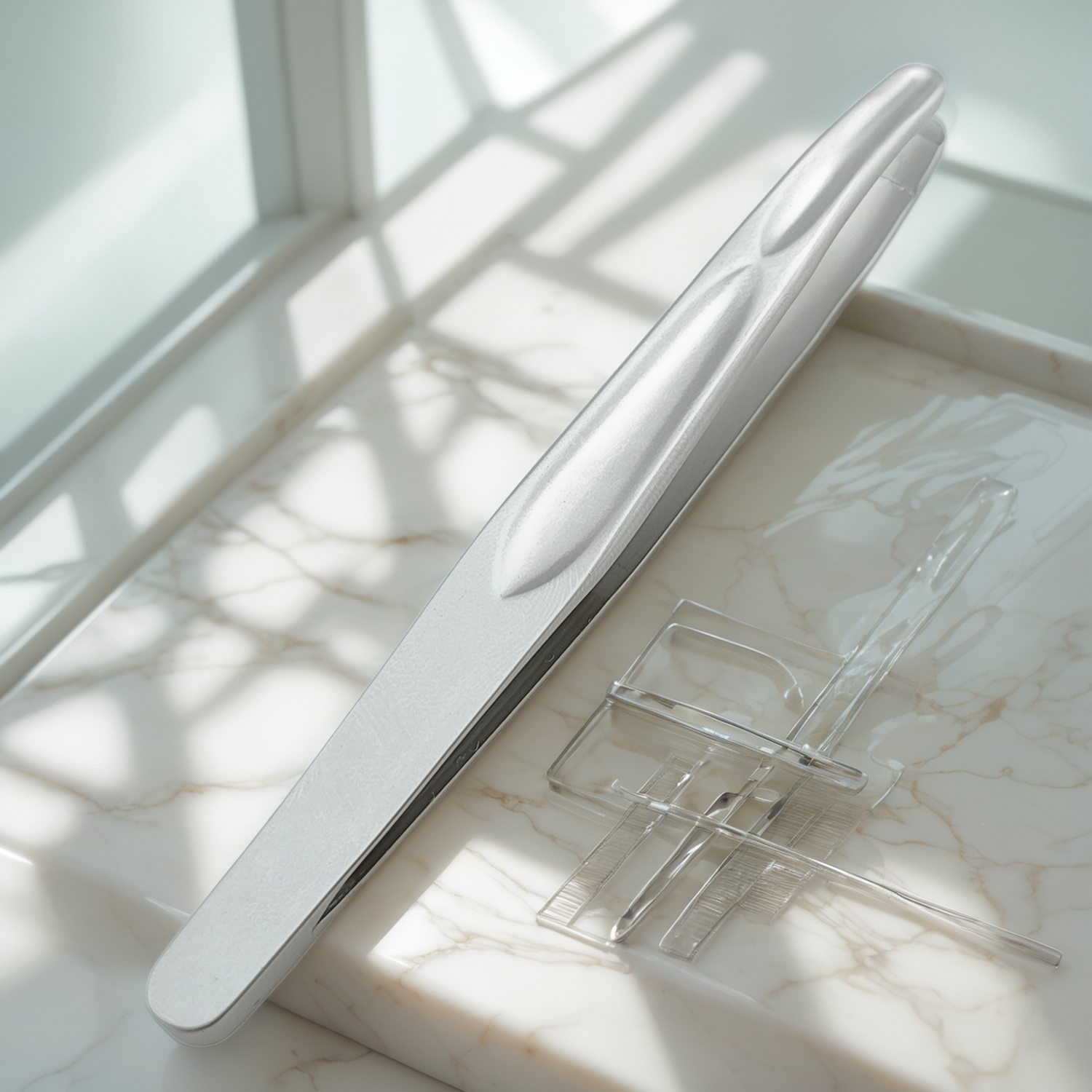
These details influence the right specification. For example, the LuxTrim Precision Beard Tweezer mentioned by Olimor Beauty is positioned around precision grooming, with a matte-finished stainless steel body and a bevelled tip designed for accurate hair removal. That type of product direction is different from a basic promotional tweezer where cost and simple branding may be the main concerns. A reliable supplier should be able to discuss the product’s intended channel and suggest practical options without pushing unnecessary features.
Evaluate Material, Tip Alignment, and Finish Quality
Quality in tweezers begins with the working tips. Even when the outer design looks attractive, poor tip alignment can cause hair breakage, slipping, or uneven pulling. For a retail beauty tool, the two tips should meet cleanly, apply balanced pressure, and hold fine hairs without requiring excessive force. The original product description highlights stainless steel construction, which is widely used in beauty and grooming tools because it offers durability and a professional appearance. However, buyers should still review samples carefully rather than relying on material wording alone.
During sample review, inspect the following points under good lighting:
- Tip closure: The tips should meet evenly across the gripping surface without visible gaps.
- Edge smoothness: The working edge should grip hair but should not feel rough, jagged, or unsafe against skin.
- Spring tension: The tweezer arms should open and close with controlled resistance, not feel weak or overly stiff.
- Surface finish: Matte, polished, or coated finishes should look even, without scratches, stains, burrs, or inconsistent color.
- Body comfort: The tool should be easy to hold for the intended task, especially for grooming or salon use.
A strong supplier will understand that these are not cosmetic details only. They affect return rates, reviews, and repeat orders. When reviewing beauty tool products, compare samples from the perspective of a paying customer, not just a purchasing manager.
Quality Control Questions That Matter
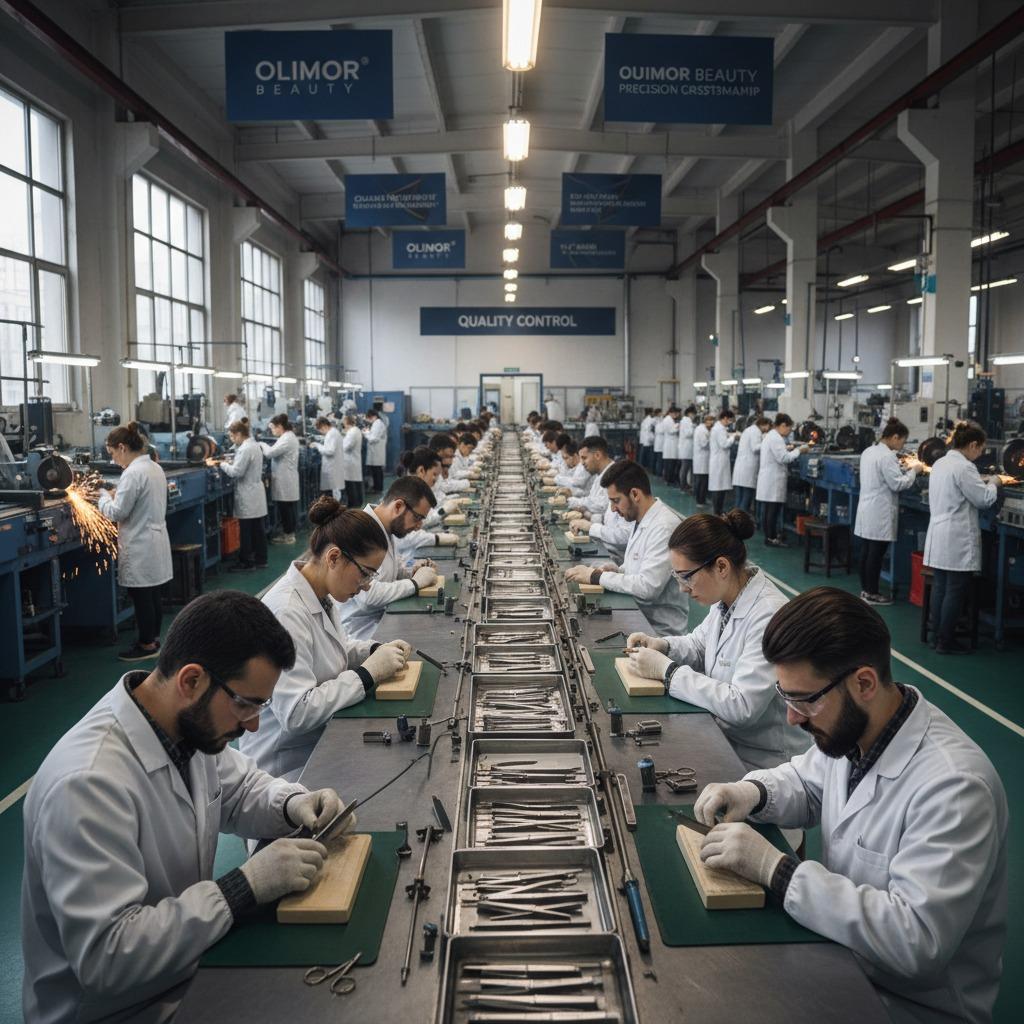
Many suppliers claim to have quality control, but buyers need to understand what is actually inspected. For tweezers, quality control should cover incoming materials, shaping, surface finishing, tip grinding or alignment, logo application where relevant, and final packaging. The most important issue is consistency across the full order, not only the appearance of a pre-production sample.
Use a structured checklist when speaking with a potential supplier. The goal is to confirm that the factory understands the features that make tweezers perform well in daily use.
| Inspection Area | What to Check | Why It Matters |
|---|---|---|
| Tip alignment | Even closure, clean contact, no twisting | Determines whether the tweezer can grip fine hairs effectively |
| Body tension | Consistent resistance when pressed | Affects comfort, control, and user fatigue |
| Surface finish | No burrs, stains, scratches, or uneven coating | Influences perceived quality and retail presentation |
| Logo application | Correct position, clear artwork, durable appearance | Protects private label and promotional branding |
| Packaging | Clean packing, correct labels, protection during transit | Reduces damage and supports shelf-ready selling |
For larger or recurring orders, buyers may also define acceptable tolerances for visual appearance, logo placement, packaging condition, and functional checks. A supplier that welcomes clear standards is usually easier to work with than one that treats quality as a vague promise.
Customization: Logo, Finish, Packaging, and Retail Positioning
Custom logo tweezers are a common requirement for beauty brands, grooming kits, salon chains, and promotional programs. Customization can make a product more recognizable, but it should not compromise function. A logo that looks sharp on the handle is useful; a decorative finish that makes the tool slippery or inconsistent is less helpful. The best customization decisions support the product’s intended retail position.
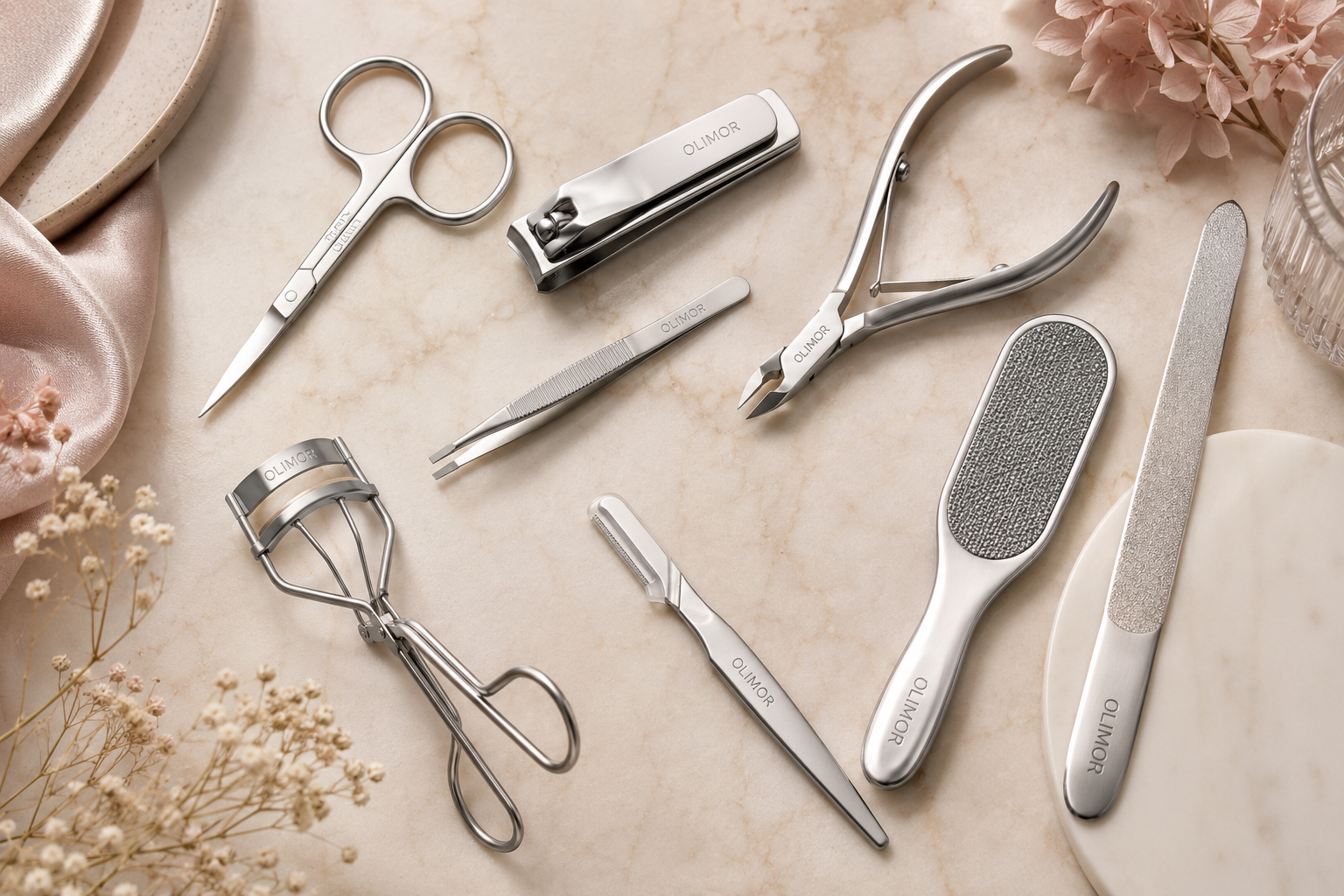
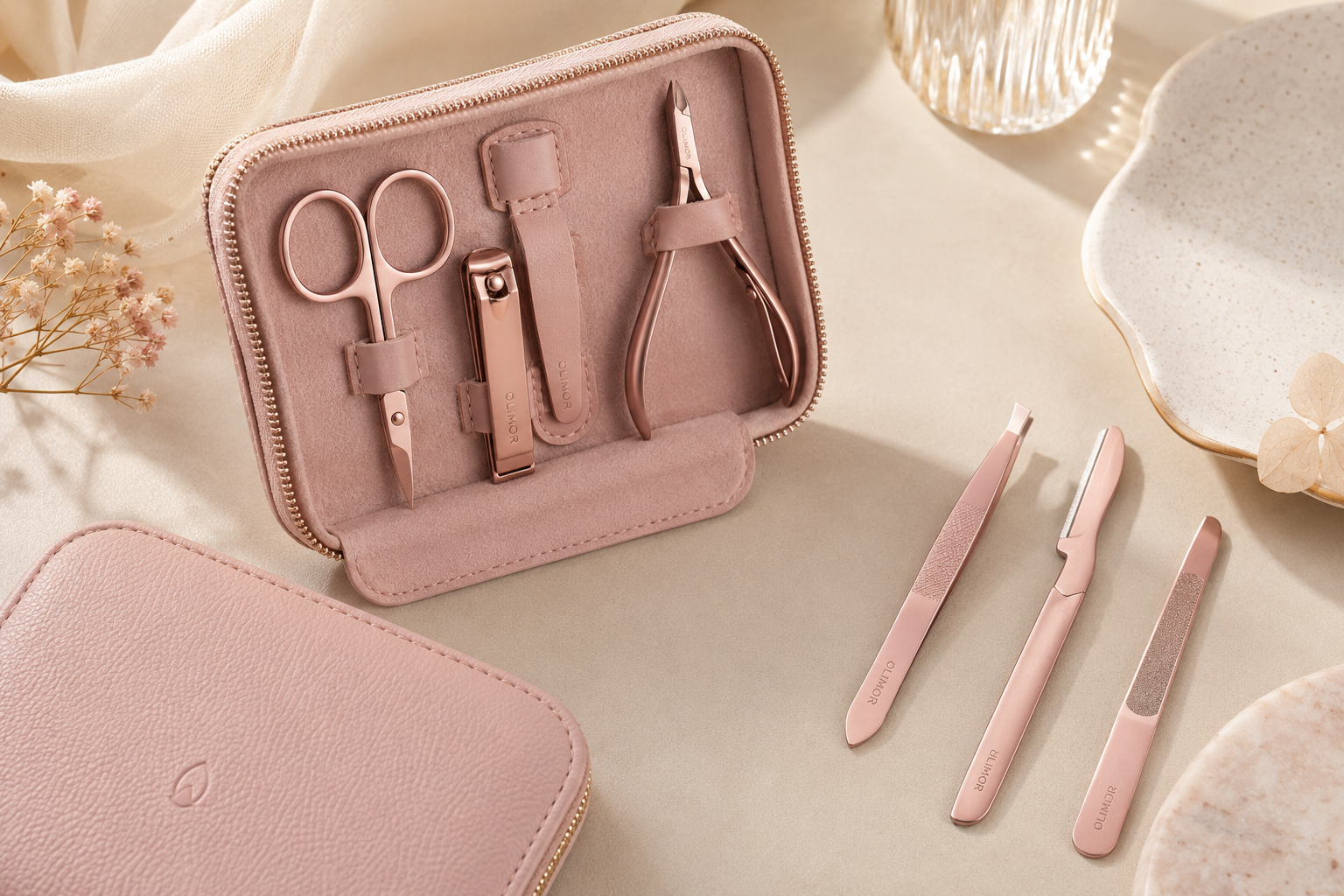
Common customization areas include logo placement, handle finish, color direction, display card, pouch, box, barcode label, and set configuration. For example, a beard grooming tweezer may work well in a men’s grooming kit with understated packaging, while eyebrow tweezers for a beauty retail line may need a more polished presentation. Buyers can browse product collections to understand how different tools may fit together in a wider assortment.
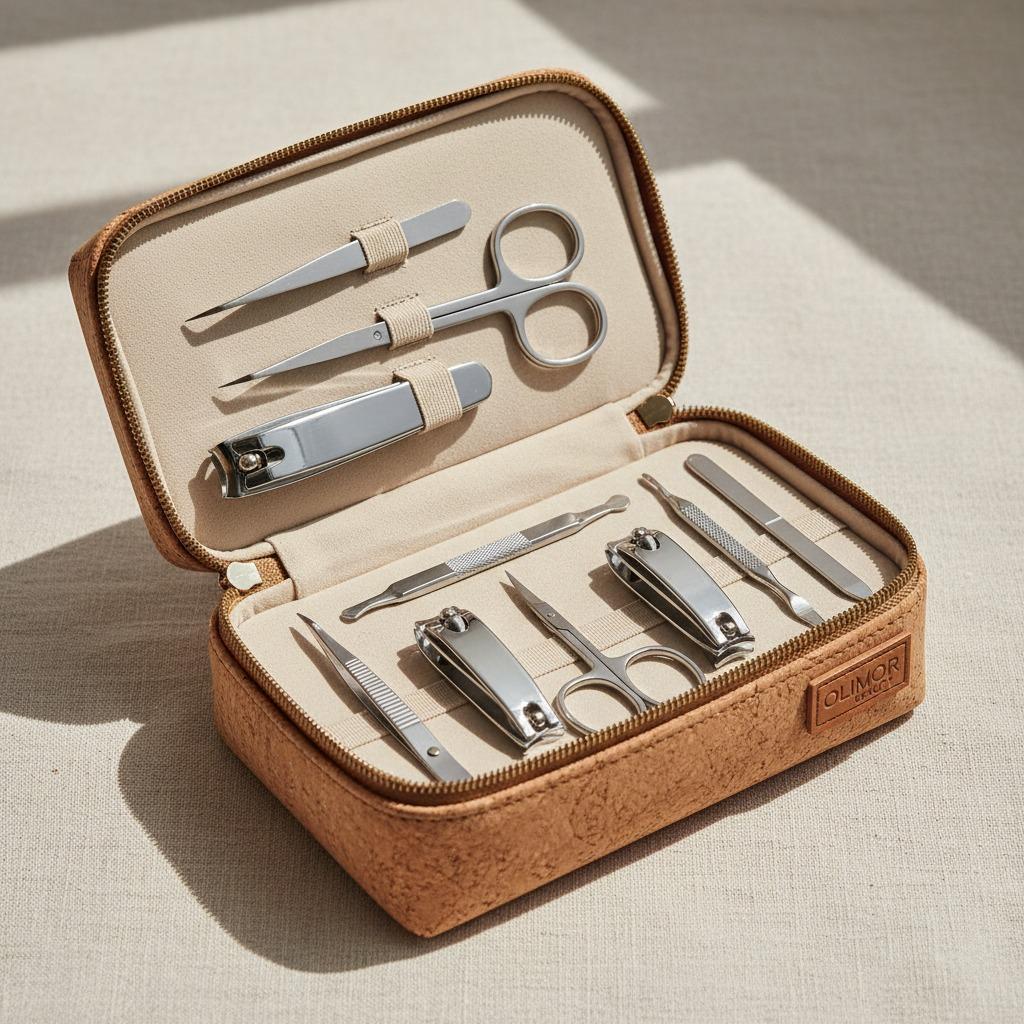
When developing a custom version, prepare artwork files, packaging text, target market requirements, and any retailer instructions before production planning. This reduces back-and-forth communication and helps the supplier evaluate feasibility. If the tweezer will be part of a gift set or travel kit, confirm dimensions early so the packaging and inserts hold the item securely.
Wholesale Reliability Is More Than Price
Price matters in tweezers wholesale sourcing, but the lowest quotation is not always the best business outcome. A small defect rate can become expensive if it leads to refunds, bad reviews, repacking labor, or delays to a retail launch. A dependable supplier should be evaluated on communication speed, sample accuracy, production consistency, packaging discipline, and the ability to support repeat orders.
When comparing quotations, make sure each supplier is quoting the same assumptions. Differences in finish, packaging, logo method, inspection scope, and shipping terms can make one price appear cheaper when it is not equivalent. If a quotation is unusually low, clarify what has been simplified. It may involve lighter packaging, less finishing work, fewer inspections, or a different product structure.
For businesses importing tweezers from China, documentation and export communication also matter. Clear product descriptions, carton details, packaging photos, and shipment information help your internal team manage inventory and listing content. If you need support choosing specifications or preparing a new wholesale request, you can send an inquiry with your target channel, quantity planning, and customization needs.
Sample Review Before Placing a Production Order
Samples are the most useful step in evaluating a tweezers supplier. Do not inspect them only at a desk. Use them as the customer would. Test grip, comfort, and accuracy. Review them with the team members who understand your sales channel, whether that is retail buying, salon operations, e-commerce merchandising, or brand management.
A practical sample review process includes:
- Check appearance first: Confirm finish, shape, color, and general workmanship.
- Test tip performance: Try gripping fine and short hairs, or suitable test fibers, to judge alignment and pressure.
- Assess comfort: Hold the tweezer for repeated use to evaluate grip stability and hand feel.
- Review branding: Make sure the logo size, placement, and clarity match the intended brand look.
- Inspect packaging: Confirm that packaging protects the tool and presents it appropriately for the sales channel.
- Record feedback: Send clear notes with photos so revisions are specific and traceable.
This step is especially important when developing a custom version. A supplier may be capable, but unclear feedback can still lead to production that does not match expectations. Written confirmation of final sample details helps both sides reduce misunderstandings.
Building a Long-Term Supplier Relationship
The best tweezers manufacturer for your business is the one that can support both current orders and future product planning. Once a product performs well, you may want additional finishes, related grooming tools, seasonal packaging, or a broader beauty tool assortment. Working with one knowledgeable partner can simplify sourcing and improve consistency across your product line.
Long-term cooperation also makes quality discussions more efficient. Instead of restarting specifications every time, your team can build a reference file that includes approved samples, packaging layouts, artwork, inspection notes, and shipment history. This is useful for repeat wholesale orders and for keeping brand presentation consistent across channels.
Olimor Beauty focuses on beauty and grooming tools where precision, ergonomic handling, and dependable presentation are important to business buyers. Whether you are evaluating the LuxTrim Precision Beard Tweezer concept, sourcing stainless steel tweezers for a private label line, or planning custom logo tweezers for a retail program, the right conversation should begin with product use, quality expectations, and branding goals. To discuss a sourcing plan, you can contact Olimor with your product requirements and market direction.
Final Checklist for Choosing a Tweezers Supplier
A reliable tweezers supplier should give you confidence in both the product and the process. Look for clear communication, consistent sample quality, practical customization advice, and an understanding of how small tool details affect customer satisfaction. Prioritize tip alignment, stainless steel workmanship, finish consistency, packaging protection, and realistic production planning. When these factors are handled carefully, tweezers become more than a low-cost accessory; they become a small but visible proof of your brand’s quality standards.
For beauty and grooming businesses, that is the real value of choosing well. A strong supplier helps you reduce avoidable risk, create a product that fits your channel, and build a wholesale program that can be repeated with confidence.