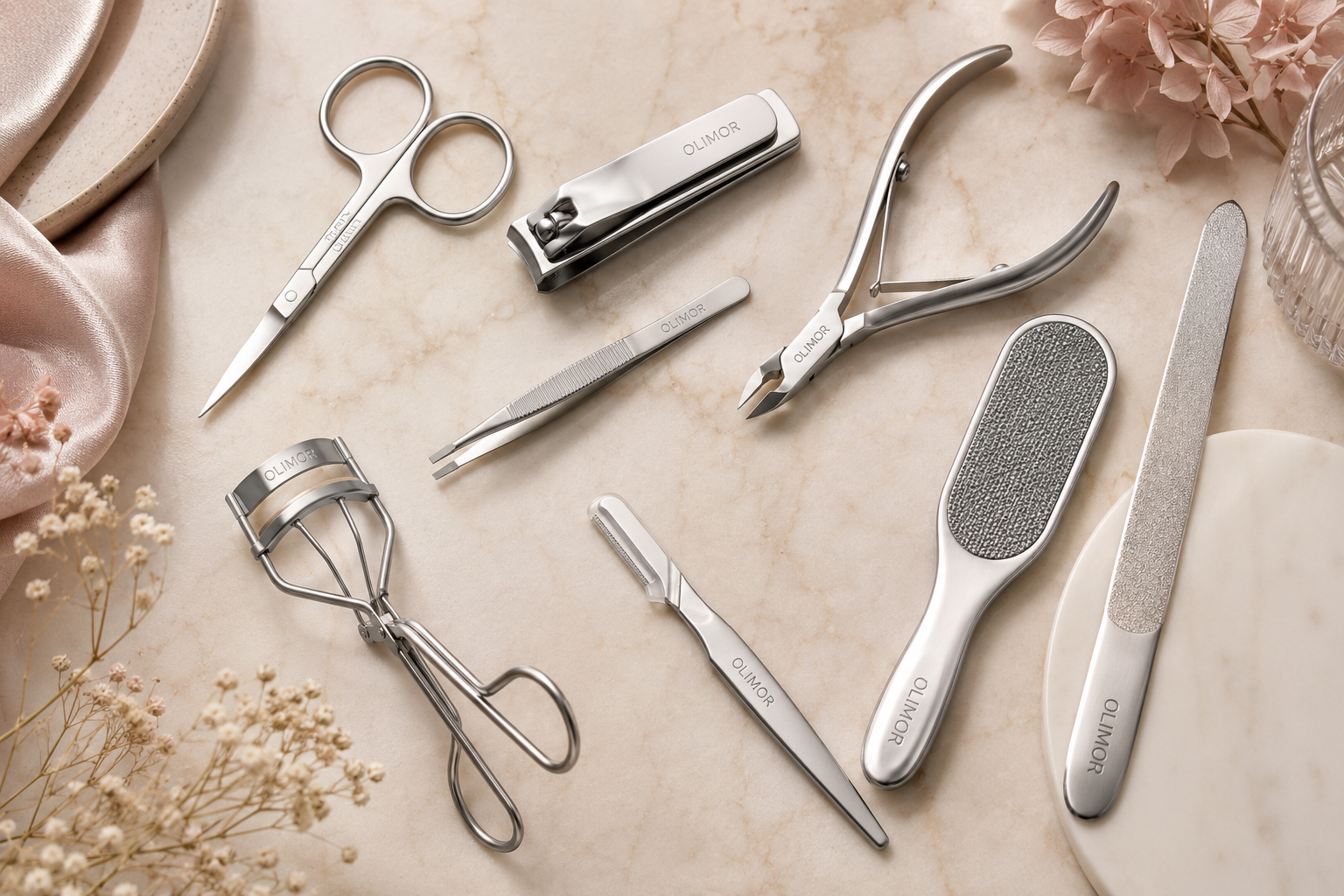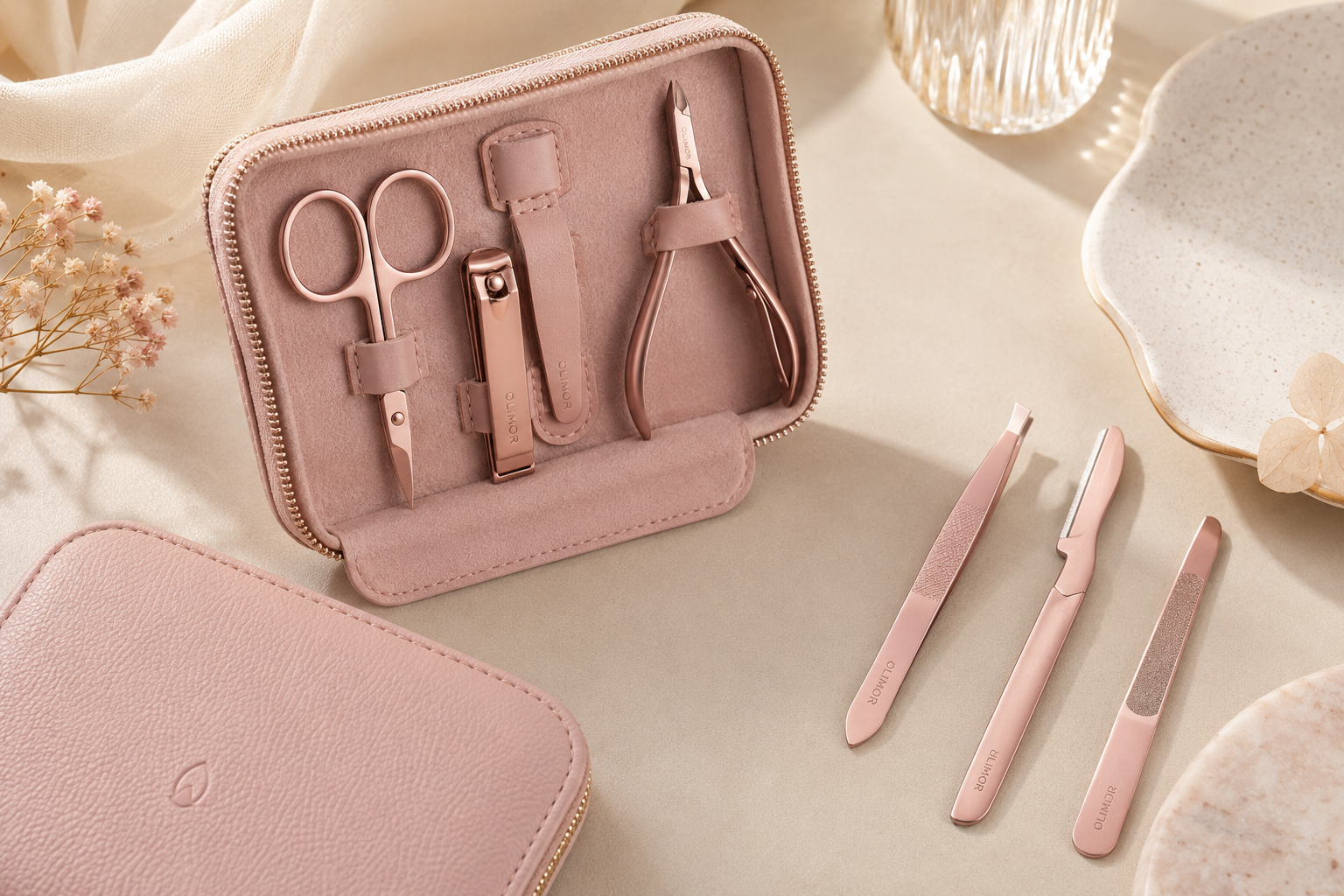











Choosing an eyelash curler supplier is a B2B sourcing decision, not just a catalogue selection. The right supplier should help your brand, retail team or distribution business source a tool that feels controlled in the hand, aligns properly, presents well in packaging and can be repeated with consistent expectations over future orders.
An eyelash curler is small, but customers judge it quickly. If the frame feels unstable, the pad shifts, the hinge action is rough or the finish looks uneven, the product can create poor reviews and avoidable returns. For buyers building a professional beauty tool program, supplier evaluation should focus on practical evidence: samples, materials, finishing, inspection points, packaging fit and communication during development.
Olimor Beauty works in the beauty tools category across eyelash curlers, manicure tools and related personal care items. This guide explains how to compare eyelash curler suppliers for private label launches, salon retail ranges, e-commerce assortments and long-term beauty tool sourcing without relying only on price or appearance.
Start With One Product Role and One Buyer Intent
Before comparing suppliers, define what the eyelash curler must do in your range. A tool for professional makeup artists may need fast handling, secure grip control and a smooth curling action. A beginner-friendly retail product may need clear instructions, gentle positioning guidance and packaging that explains the benefit. A gift set may place more emphasis on presentation and coordinated accessories, while a value-focused add-on may require simple, protective packaging.
This product role affects every sourcing decision. It influences the acceptable finish level, pad requirements, packaging structure, branding placement and inspection depth. It also helps suppliers respond with more relevant options instead of offering generic samples that may not match your market.
For buyers developing a broader assortment, it is useful to review eyelash curlers alongside other beauty tools, rather than treating each item in isolation. You can explore Olimor Beauty tool options through the beauty tool product range and compare how lash, nail and grooming tools may work together in one retail program.
What Makes a Good Eyelash Curler Supplier?
A reliable eyelash curler supplier understands that comfort, pressure control and finishing are closely connected. A product can look polished in a photo but still pinch, slip, close unevenly or create a sharp bend instead of a smooth curl. Strong supplier evaluation therefore begins with the details a user will feel during daily handling.
Frame Alignment and Closing Action
The upper curling surface and the pad area should meet evenly when the tool is closed. Obvious twisting, gaps or uneven contact can concentrate pressure in one area and reduce user confidence. During sample review, open and close the curler repeatedly and compare several samples if possible. The action should feel stable rather than stiff, loose or scraping.
Pad Fit and Compression
The pad should sit securely in its channel and compress smoothly under pressure. Depending on the project, the pad may be described as silicone or rubber, but the key sourcing question is not only the material name. Buyers should check whether the pad is even, clean, stable and resilient enough for the intended use. If an extra pad is included, packaging should keep it clean, visible and easy for the customer to find.
Hand Feel and Ergonomics
Handles should support controlled pressure, especially because the tool is used close to the eye. Test the curler with different hand positions and with the type of motion an everyday consumer would use. A professional user may adapt to a tool quickly, but a beginner may notice poor balance, slipping or awkward pressure immediately.
Surface Finish and Contact Points
Visible and touchable areas should look clean and feel smooth. Check for rough edges, burrs, uneven finish, unstable moving parts or points that could catch skin or lashes. Finish quality affects perceived value, retail presentation and customer trust, especially for online sales where close-up product images influence purchase decisions.
Supplier Evaluation Checklist for B2B Buyers
The most effective way to compare eyelash curler suppliers is to use the same evaluation structure for every candidate. This reduces price-only decisions and makes internal approvals easier for product managers, purchasing teams, designers and quality staff.
| Evaluation Area | What to Check | Why It Matters |
|---|---|---|
| Sample consistency | Compare more than one sample for frame alignment, hinge action, pad placement and surface finish. | Consistent samples are an early sign that repeat orders may be easier to control. |
| Function | Open and close the curler repeatedly and check whether pressure feels even. | The tool must perform predictably, not only look acceptable in packaging. |
| Ergonomics | Hold the tool in different hand positions and test realistic handling near the eye area. | Comfort affects customer satisfaction, reviews and repeat purchase confidence. |
| Safety-related finishing | Look for rough edges, unstable parts, sharp burrs or uneven contact points. | An eyelash curler is used close to the eye, so poor finishing creates immediate concern. |
| Packaging fit | Confirm whether the product is protected, easy to display and suitable for retail, e-commerce or sets. | Packaging helps prevent scuffs, supports shelf appeal and improves customer understanding. |
| Branding practicality | Review logo position, color coordination, inserts and packaging artwork without compromising use. | Private label design should support the tool, not interfere with grip or function. |
| Communication | Ask how the supplier discusses materials, sample approval, inspection expectations and packing details. | Clear communication reduces misunderstandings before bulk production. |
Quality Control Questions to Ask Before Ordering
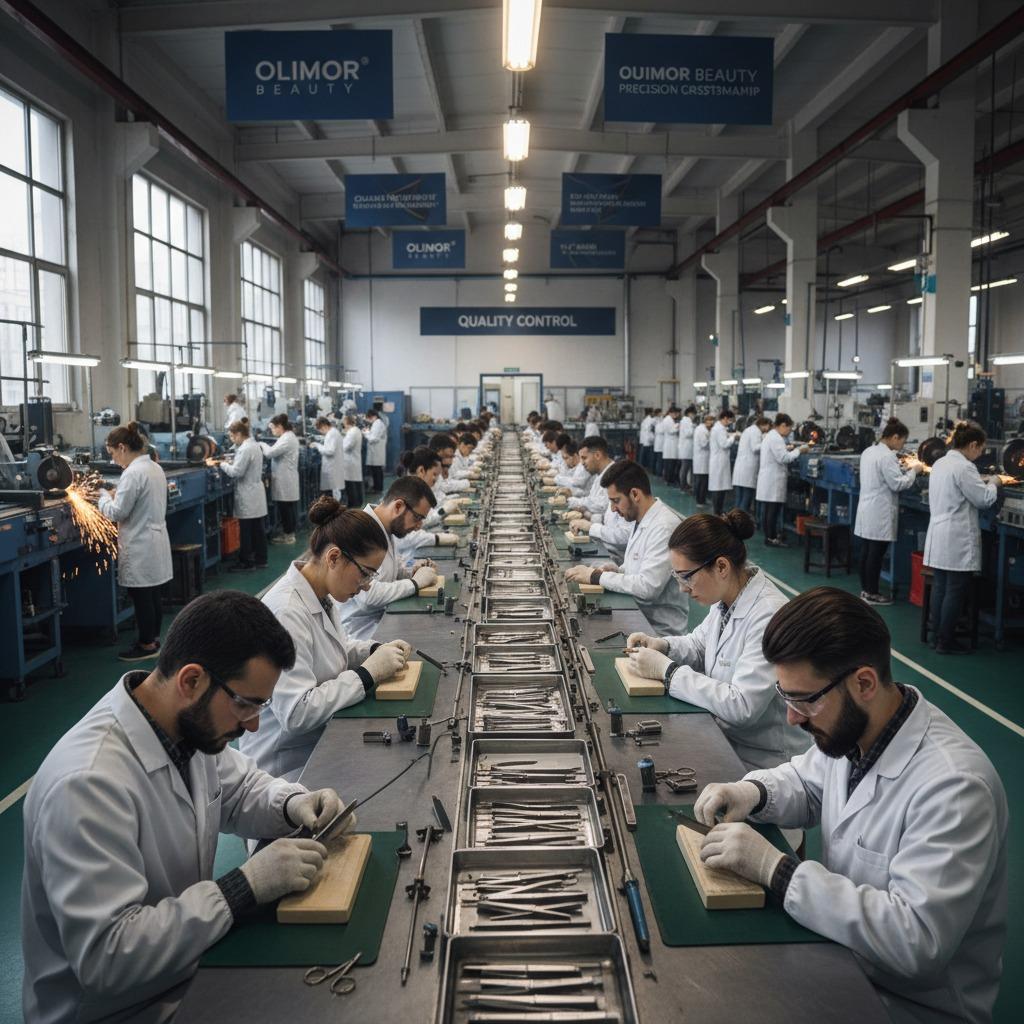
Quality control should be discussed before the order is confirmed, not after goods arrive. Olimor Beauty works with internal quality control through the production process, including raw material inspection and final packaging checks. Buyers should still define their own approval expectations and verify project-specific details with the supplier.
A practical eyelash curler quality checklist may include the following points:
- Frame alignment: the upper and lower parts should meet evenly when closed.
- Opening and closing action: the hinge should move smoothly without obvious stiffness, looseness or scraping.
- Pad placement: the pad should sit securely and evenly in its channel.
- Surface condition: visible areas should be clean, with no sharp burrs or obvious finish defects.
- Pressure distribution: the curler should not create a visibly uneven closing point during sample handling.
- Packaging condition: each unit should be protected from scratching, dust and compression during transport.
- Labeling and inserts: instructions, warnings and brand information should match the intended market requirements.
If your company uses a formal incoming inspection or third-party inspection process, share the relevant criteria early. Clear defect definitions help both sides understand what will be accepted, what requires rework and what would be rejected.
For quality systems and product safety expectations, buyers may use public references such as ISO 9001 for quality management principles or applicable consumer product safety rules in the destination market. The relevant version, legal scope and documentation requirements should always be verified with qualified advisers and supplier documents. Do not assume any supplier certification unless current evidence is provided for the specific company and facility.
Packaging Choices for Retail, E-Commerce and Beauty Sets
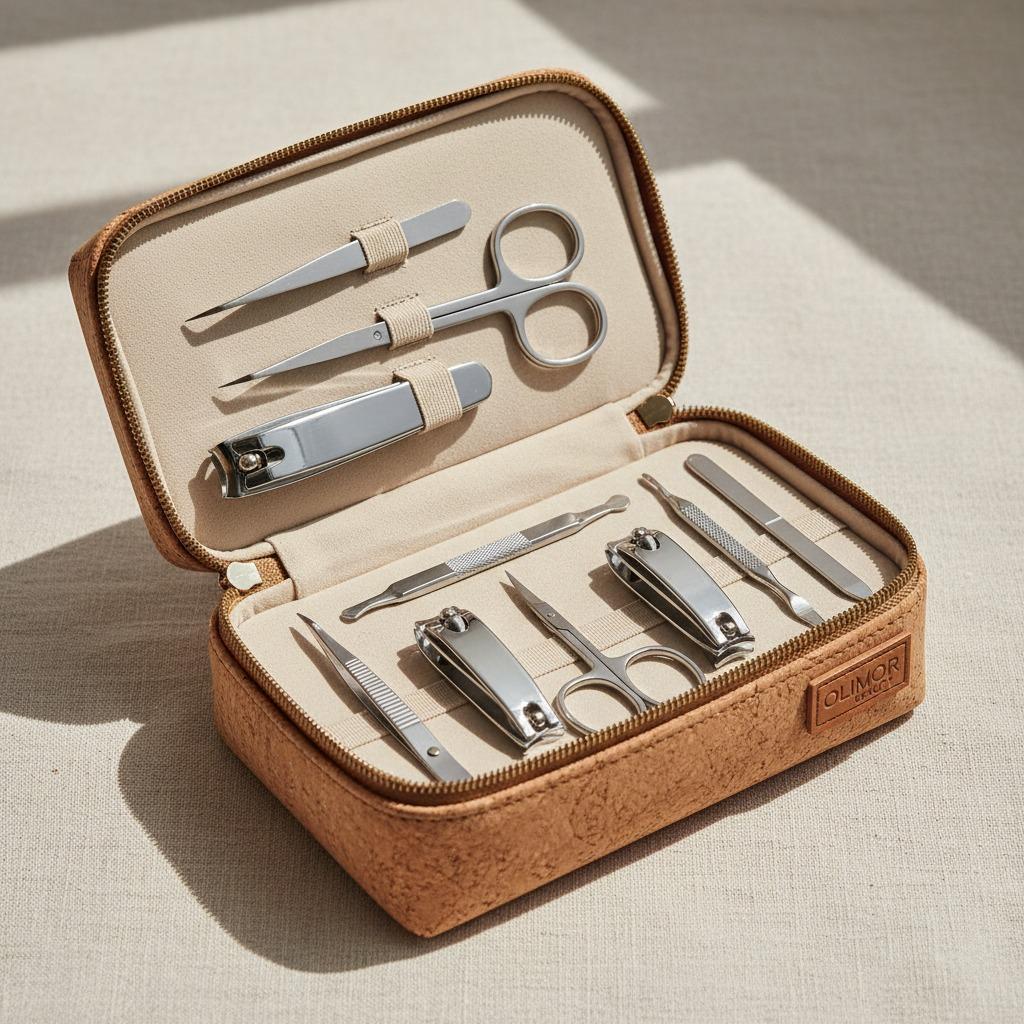
Packaging is not only decoration. It affects protection, presentation, customer education and return risk. A retail store may need packaging that hangs neatly, shows the product clearly and protects the surface from handling. An e-commerce seller may prioritize transit protection, compact size and strong product images. A salon or gift set may need coordinated packaging across lash and manicure tools.
When reviewing packaging with an eyelash curler supplier, ask these practical questions:
- Will the curler be protected from scuffs and compression during transport?
- Can the customer understand how to use the tool safely and correctly?
- Is there room for a replacement pad if the project includes one?
- Does the packaging support barcode, label, instruction or warning requirements for the target market?
- Does the structure suit the sales channel: shelf display, online fulfillment, salon resale or boxed sets?
Packaging should also match price positioning. A simple daily-use tool does not need excessive presentation, while a premium gift set may require stronger visual coordination. The important point is that packaging should support the product promise and protect the tool without creating avoidable cost or complexity.
Private Label Eyelash Curler Planning
Private label sourcing is more than adding a logo. The best programs align tool design, hand feel, packaging, instructions and assortment strategy before production. A budget-friendly retail line, a salon-focused range and a premium gift set may all include eyelash curlers, but each requires a different approach to presentation and quality emphasis.
Use this sequence when planning a private label eyelash curler project:
- Define the audience. Decide whether the product is for beginners, professional users, gift buyers, salon clients, travel kits or daily home grooming.
- Select the product role. Determine whether the curler is a hero item, an add-on accessory, part of a set or one item in a wider beauty tool range.
- Review samples by use. Approve hand feel, closing action, pad fit and finish before focusing on artwork.
- Plan branding around function. Logo placement, color choice and inserts should not make the tool slippery, uncomfortable or confusing.
- Set inspection expectations. Confirm what will be checked during production and before shipment.
Olimor can discuss beauty tool customization and sourcing goals for buyers developing private label ranges. If you already have a target audience, packaging direction or product list, you can share the details through the project inquiry form so the sourcing discussion starts with the right context.
Why Lash Tools and Manicure Tools Are Often Sourced Together
Many beauty brands source eyelash curlers and manicure tools together because customers buy them for a similar reason: they want precise, reusable tools for personal grooming. Although the tool shapes differ, the purchasing questions are similar. Is the tool comfortable? Is it cleanly finished? Does it feel stable? Does the packaging match the retail promise?
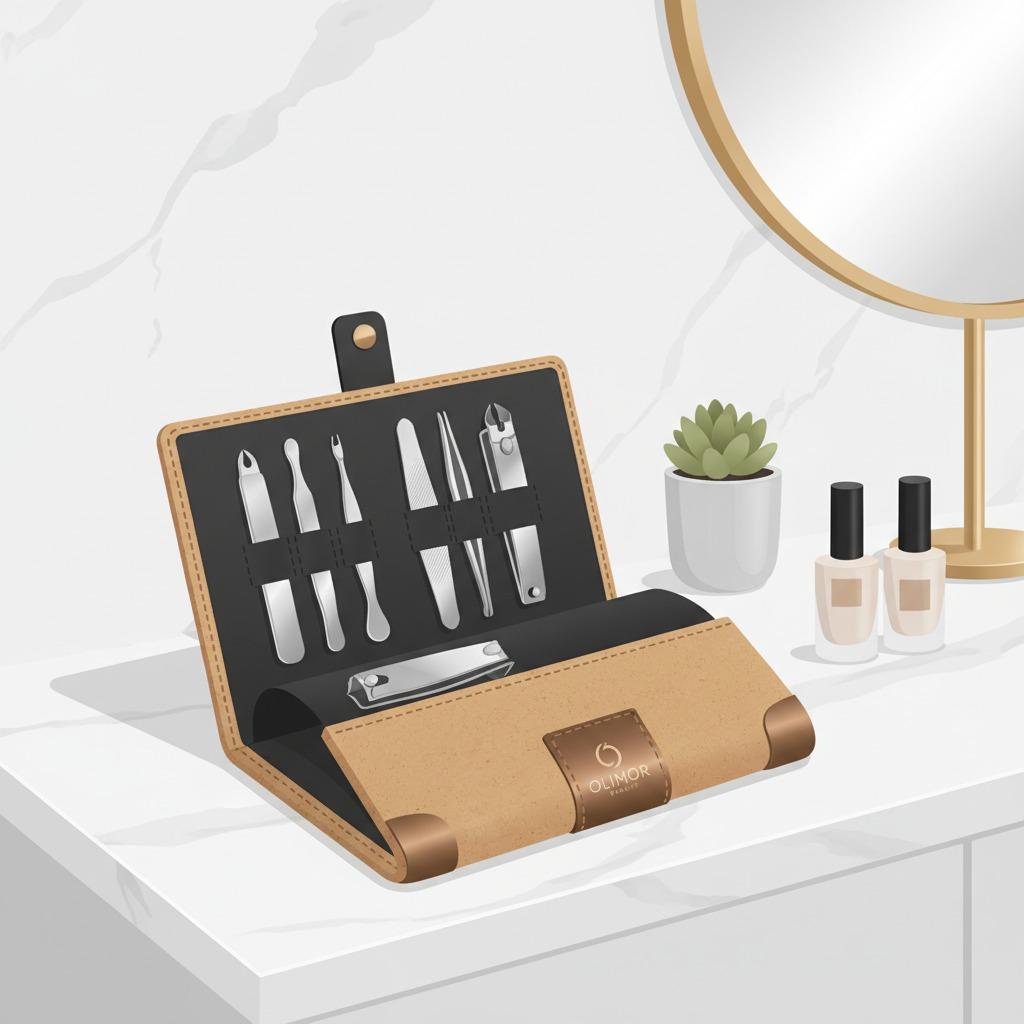
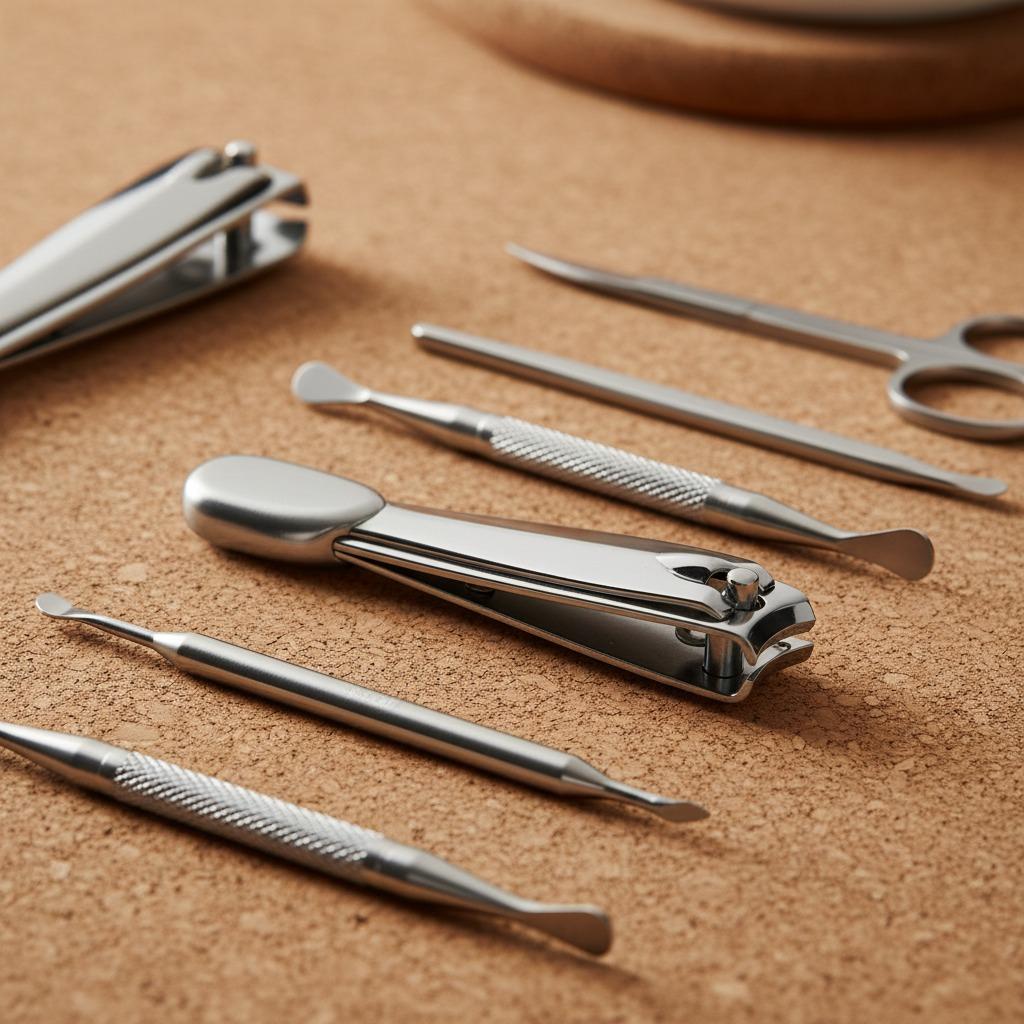
Olimor Beauty also works in manicure tools, where stainless steel construction and ergonomic design are relevant considerations for certain products. For example, manicure items may be discussed in terms of controlled grip, curved cutting edges, protective details and clean finishing. These same sourcing habits help buyers evaluate eyelash curlers: focus on use, safety-related details, appearance and repeatability.
Combined sourcing can also simplify assortment planning. A brand may want coordinated color, packaging style or retail messaging across lash curlers, nail clippers, tweezers and grooming accessories. Buyers can review broader category options through Olimor beauty tool collections when planning a coherent shelf or online offer.
Cost Factors Without Reducing the Decision to Price
Price matters, but the lowest unit cost is not always the lowest sourcing cost. Eyelash curler problems can create extra expenses through returns, repacking, customer complaints, delayed launches or inconsistent repeat orders. A practical supplier comparison should look at cost factors and quality risks together.
Common cost factors include tool construction, finish requirements, pad inclusion, packaging type, branding method, inspection expectations and order complexity. A simple retail accessory may require a different cost structure from a private label set with coordinated packaging and insert materials. Instead of asking only for the cheapest option, buyers should define the target market and ask which specification level fits that position.
This approach also makes supplier communication more productive. When a supplier understands whether the project is for e-commerce, salon resale, mass retail or gift packaging, they can discuss relevant trade-offs more clearly. Buyers should ask what changes affect cost, what changes affect lead time and what changes affect inspection or packing requirements, without assuming that every option is available for every project.
How to Compare Eyelash Curler Suppliers Before Committing
A dependable supplier should be able to support sample review, practical product discussion, packaging planning and repeatable quality expectations. Before committing to a long-term program, compare suppliers using evidence rather than broad claims.
- Ask for samples that match your intended channel. A generic sample may not represent the packaging, finish or branding needed for your project.
- Document approval points. Record what you approve for alignment, pad fit, hinge feel, finish and packaging.
- Check communication quality. A supplier should answer practical questions about materials, inspection and customization clearly.
- Review assortment capability. If you plan to expand beyond eyelash curlers, consider whether the supplier can support related beauty tools.
- Verify documentation. For any compliance, quality or market-entry requirement, request current documents and confirm the applicable standard or regulation for your destination market.
For buyers seeking a practical sourcing partner rather than a one-time catalogue purchase, Olimor Beauty can review eyelash curler requirements alongside related beauty tool plans. To discuss samples, packaging direction or private label development, contact the team through Olimor Beauty contact support.
FAQ: Eyelash Curler Supplier Questions
Can I request samples before placing a bulk order?
Sample review is an important step for eyelash curlers because buyers need to check hand feel, frame alignment, pad fit, closing action and finish. Availability, sample type and related conditions should be confirmed directly for your project.
Does Olimor support private label eyelash curlers?
Olimor can discuss private label beauty tool planning, including practical topics such as logo placement, packaging artwork, color direction and assortment fit. Available options depend on the selected product and project requirements.
What MOQ applies to eyelash curler orders?
MOQ can vary by product, customization level, packaging and production plan. Buyers should share the target item, branding needs and sales channel so the supplier can provide project-specific guidance rather than a generic answer.
What quality checks should buyers confirm?
Key checks include frame alignment, hinge movement, pad placement, surface finish, packaging condition and consistency across samples or production units. If your company has a defined inspection standard, provide it before order confirmation.
How should lead time be discussed?
Lead time depends on sample approval, customization, packaging, production scheduling and inspection requirements. Buyers should confirm the timeline for each stage and avoid assuming that a previous project schedule applies to a new order.