










Choosing reliable cuticle nipper suppliers is not simply a matter of finding a low unit price. For salon professionals, nail tool distributors, beauty retailers and private label buyers, a cuticle nipper has to perform consistently in a very small, delicate area of the hand. A rough cut, weak spring action or poorly aligned jaw can affect the manicure result and increase the risk of discomfort for the client. The right sourcing decision starts with understanding what makes the tool precise, safe to handle and practical for repeated use.
Cuticle nippers may look similar in a catalog, but small differences in blade geometry, joint movement, handle feel and finishing quality can change how the tool behaves in professional hands. When comparing options from Olimor Beauty or any other manufacturer, buyers should evaluate the product as a working tool rather than a simple accessory. This guide explains what to check before selecting a supplier, how to judge manufacturing quality and what questions help separate a dependable production partner from a risky one.
What Professional Buyers Should Expect From Cuticle Nippers
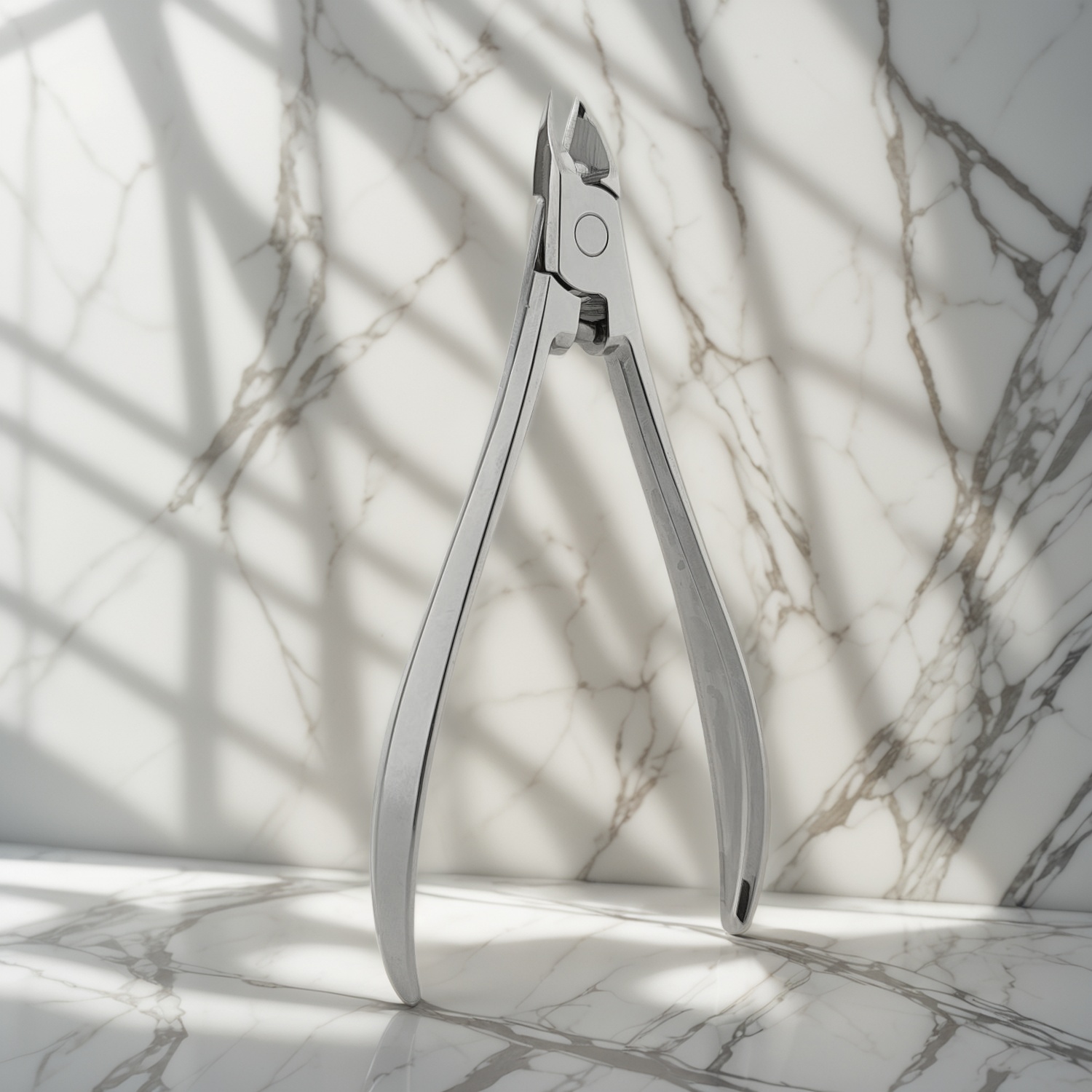
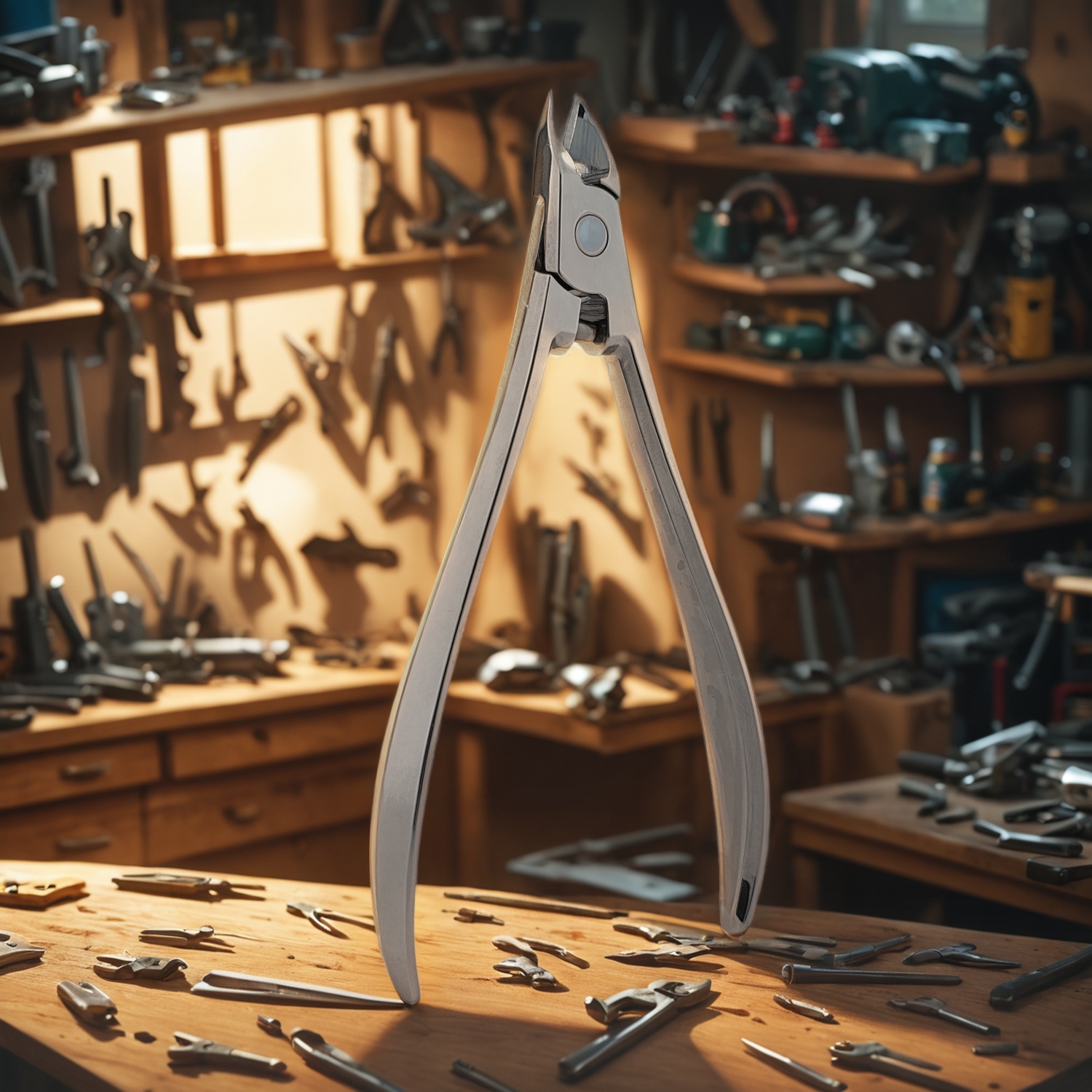
A professional cuticle nipper is designed to trim loose cuticle and hangnails with controlled pressure. It should not crush, pull or tear the skin. The most important performance point is the meeting of the cutting edges. When the jaws close, the edges should align cleanly from the tip toward the heel of the blade, with no obvious crossing, gap or uneven bite. Even a small misalignment can make the nipper feel sharp in one area and ineffective in another.
Material is another key consideration. Many high-quality nail tools are made from stainless steel, and some suppliers may specify medical-grade stainless steel for particular products. The material choice affects corrosion resistance, cleaning suitability, durability and overall feel. However, buyers should avoid relying on material claims alone. A strong steel body still needs accurate grinding, careful polishing and correct tension at the joint to become a reliable manicure tool.
Ergonomics also matters. A tool that is difficult to control can fatigue the hand and reduce accuracy during detailed work. The handles should open smoothly, close without wobble and sit comfortably in the user’s grip. For salons, schools and distributors serving professionals, these comfort details can influence repeat purchases just as much as first impressions.
Quality Signals That Separate Good Suppliers From Average Ones
When reviewing samples from cuticle nipper suppliers, look beyond the first visual impression. Bright polishing and attractive packaging can be useful, but they do not prove cutting performance. A careful sample review should include visual, mechanical and practical checks.
- Blade alignment: The tips should meet evenly, and the cutting edges should close without crossing or leaving a visible gap.
- Tip precision: The tip should be fine enough for careful cuticle work, but not so fragile that it bends easily during normal handling.
- Cutting feel: The tool should cut cleanly with controlled pressure rather than forcing the user to squeeze hard.
- Joint stability: The pivot area should feel secure, with no loose side-to-side movement that affects accuracy.
- Spring response: The opening action should be consistent and not overly stiff or weak.
- Surface finish: Edges around the handle and body should feel smooth, without burrs or rough spots.
- Packaging protection: The tips should be protected during transport so that sharp edges are not damaged before use.
For buyers comparing multiple suppliers, it is helpful to test several pieces from the same sample batch. One good sample is encouraging, but consistency across pieces is more important for wholesale and retail programs. If the first three tools feel different from each other, larger orders may also show variation.
How Factory Process Affects Sharpness and Consistency
The performance of a cuticle nipper depends heavily on the manufacturing process. A cuticle tool factory must control several steps: material inspection, shaping, grinding, sharpening, polishing, assembly, adjustment and final checking. If any step is rushed, the result may be a tool that looks acceptable but performs inconsistently.
Sharpness is not only about having a thin edge. The edge must be correctly formed and matched to the opposite blade. If the blades are sharpened unevenly, the nipper may pinch on one side or fail to cut cleanly at the tip. Alignment is equally important. During assembly and adjustment, the joint must be set so the blades close at the right angle. Too much tension can make the tool tiring to use; too little can make the blades feel unstable.
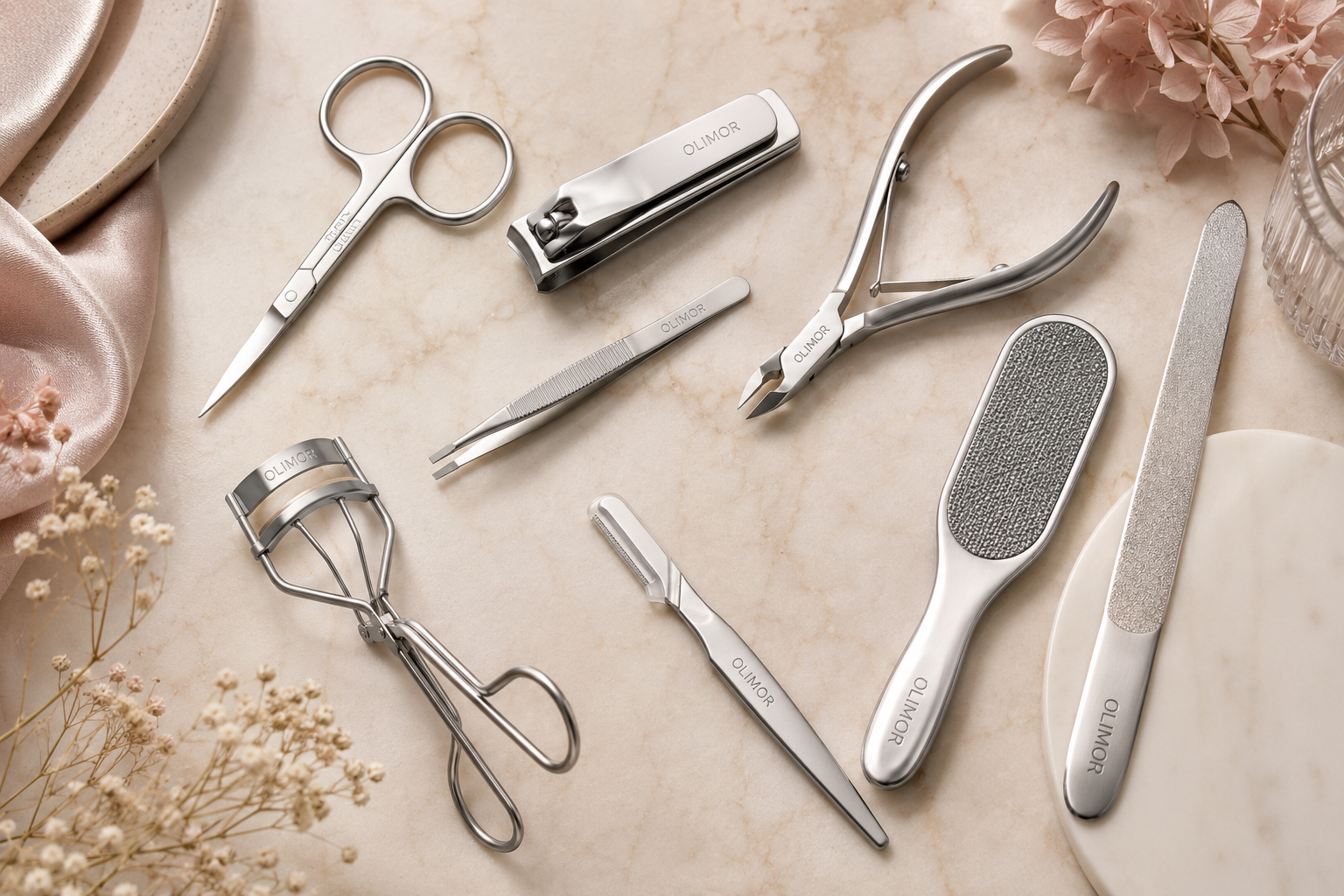
Olimor Beauty focuses on the technical details that matter to beauty tool buyers, including sharpness, alignment and ergonomic function. For buyers who need a broader view of manicure and beauty tools, the beauty tool products page is a useful starting point for exploring available categories. Buyers planning a coordinated retail range can also review Olimor product collections to consider how cuticle nippers may fit with other nail care tools.
Supplier Questions That Lead to Better Sourcing Decisions
Strong sourcing decisions come from clear product evaluation and practical communication. Before moving from sample review to purchasing, create a checklist that keeps the discussion focused on measurable points. This is especially useful for distributors, e-commerce sellers and salon supply companies that need stable repeat orders.
- Define the intended user: Is the nipper for professional salons, retail home manicure kits, training schools or promotional beauty sets?
- Confirm the desired cutting style: Different buyers may prefer a finer tip, a sturdier jaw or a particular handle feel.
- Request sample consistency: Compare multiple units, not just one display sample, to judge production stability.
- Review finishing standards: Check polishing, handle edges, pivot cleanliness and tip protection.
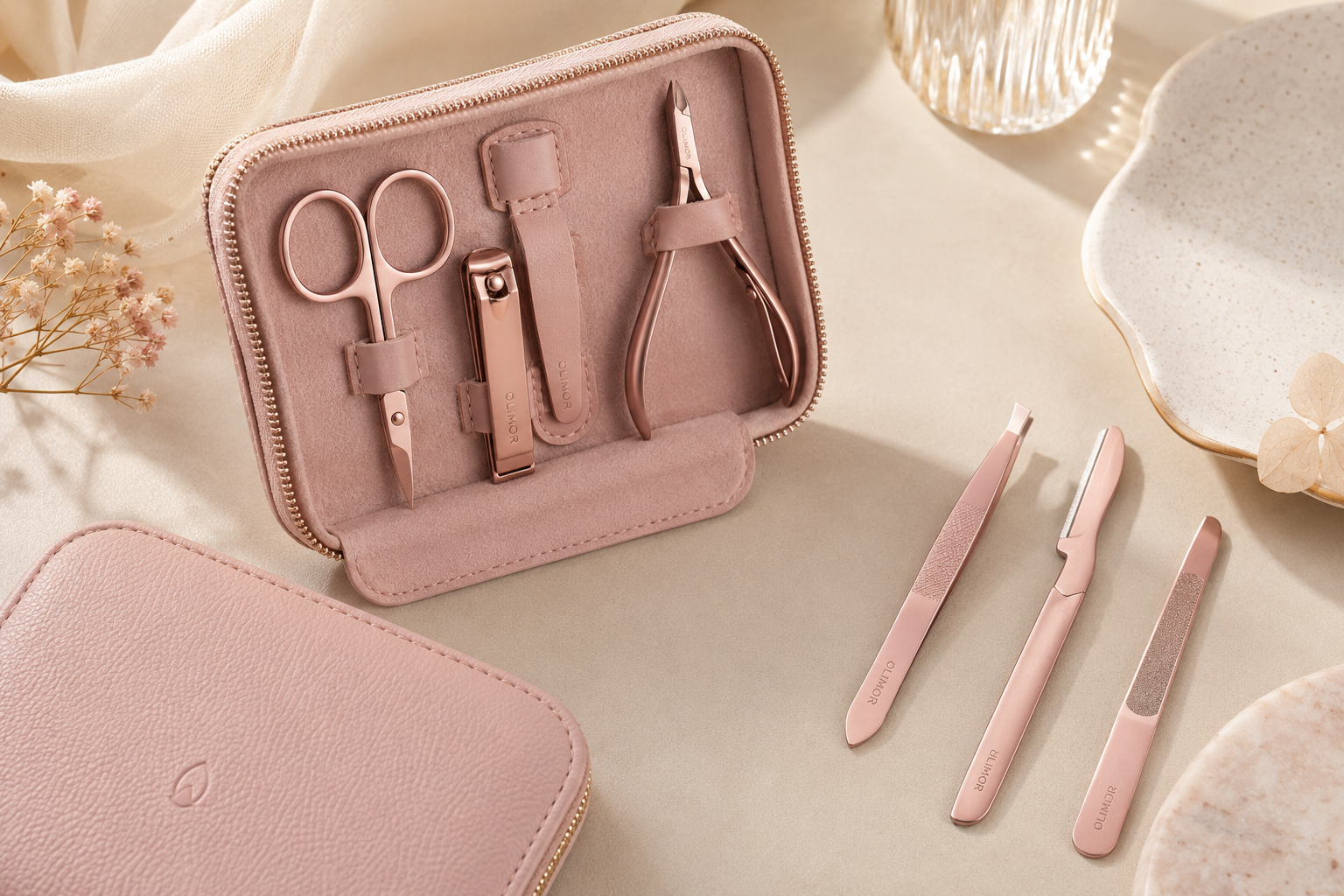
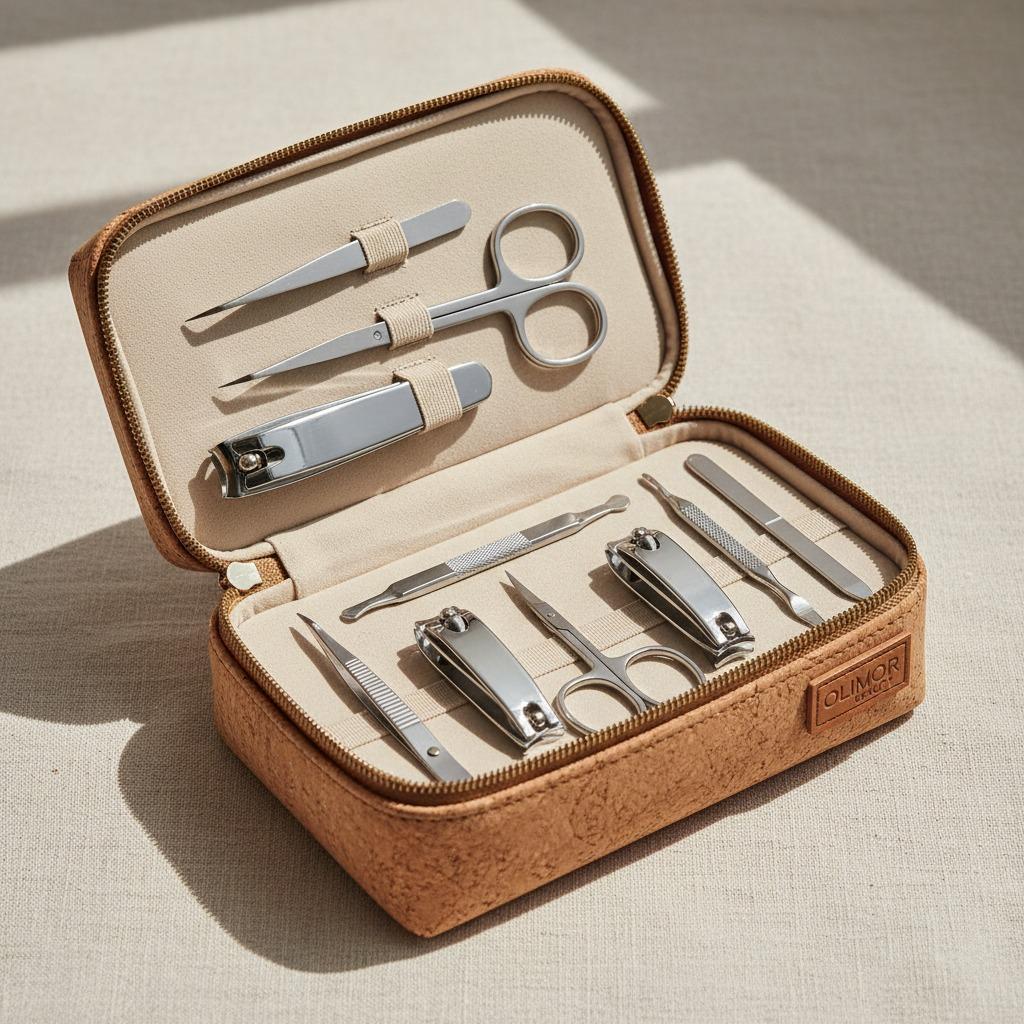
- Discuss packaging needs: Tip guards, sleeves, boxes and labeling should protect the tool and match the sales channel.
- Clarify inspection expectations: Agree on the quality points that will be checked before shipment, such as blade closure and visible surface defects.
These questions do not require exaggerated claims or complicated specifications. They help both buyer and supplier focus on how the nipper will actually be used. If your project requires custom packaging, assortment planning or guidance on product selection, you can contact Olimor for a direct discussion or send an inquiry with your sourcing requirements.
Evaluating Samples Like a Salon Professional
Sample testing should be practical. Start by opening and closing the tool several times to feel the spring and joint. The motion should be smooth, without grinding or sudden looseness. Next, inspect the tips under good lighting. The two tips should meet accurately and appear symmetrical. Run a careful visual check around the handles and body to identify burrs, scratches or uneven polishing.
For a functional check, use safe test material suited for evaluating edge contact rather than testing on skin. The goal is to judge whether the blades meet evenly and cut cleanly without excessive force. Note whether the tip cuts as well as the middle of the blade. In professional cuticle work, the tip is often the most important part of the tool, so weak tip closure is a serious issue.
It is also useful to involve the person who will actually use or sell the product. A salon technician may notice hand fatigue, awkward opening width or control issues that a purchasing manager might miss. A retailer may focus on packaging protection and presentation. A distributor may care most about consistency across cartons. Good suppliers understand that the same tool may be judged from several angles.
Care, Cleaning and Storage Considerations
Even a well-made cuticle nipper can lose performance if it is poorly maintained. Buyers who supply salons or retail customers should consider whether the product information explains basic care clearly. After use, the tool should be cleaned according to the user’s hygiene procedure and dried before storage. Moisture left around the joint or blade can shorten the service life of many metal tools. The tip should be protected when the tool is stored or transported, because even a small knock can affect alignment.
Users should avoid dropping the nipper, using it to cut hard objects or forcing the blades beyond their intended purpose. Cuticle nippers are precision tools, not general cutters. For salons, consistent care routines help maintain performance across many appointments. For retailers, simple care guidance can reduce avoidable complaints from end users who damage the tips through storage or misuse.
Choosing a Supplier for Long-Term Reliability
The best cuticle nipper suppliers combine product knowledge, manufacturing control and clear communication. A dependable supplier should be able to discuss the tool in practical terms: how the blades are aligned, how the finish is checked, how the tips are protected and how the product is positioned for the intended customer. Buyers should be cautious when a supplier focuses only on price while avoiding details about sample quality and inspection.
For professional nail care markets, consistency is the real value. A single sharp nipper is not enough; buyers need repeatable quality across orders, packaging that protects the tool and a partner who understands the expectations of salons and beauty retailers. By comparing samples carefully and focusing on blade performance, ergonomics, finishing and factory process, you can choose cuticle nippers that support clean manicure work and confident long-term sourcing.