










Choosing an eyelash curlers supplier is a product quality decision, not only a purchasing task. For beauty brands, wholesalers, salon suppliers, distributors and e-commerce retailers, a small lash tool can have a large effect on customer trust. A curler that pinches, bends unevenly, feels loose or arrives with poor finishing can quickly create returns and complaints. A well-made tool, supported by consistent inspection and suitable packaging, can become a repeat-use item in a broader beauty tool range.
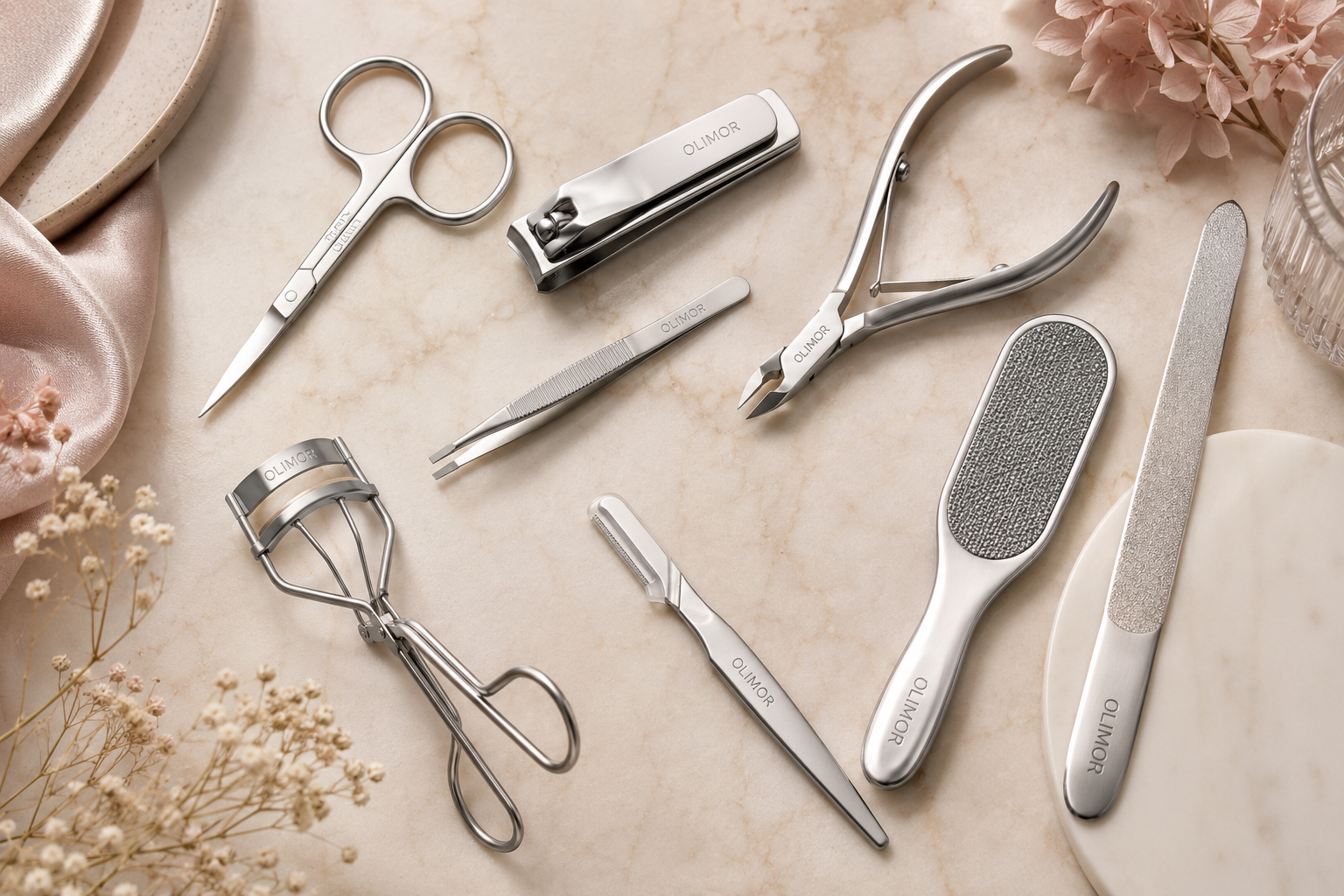
The best way to evaluate a supplier is to work backward from the end user. Consider how the customer holds the tool, how it touches the lash area, how the hinge or comb moves, how it is cleaned, how it is packed and whether those details can be repeated across production orders. Olimor Beauty supplies beauty tools across categories such as eyelash curlers, lash tools, tweezers, nail files and manicure tools for buyers who need practical products with dependable handling and presentation.
This guide explains how to compare eyelash curler suppliers, what to inspect in samples, how to plan private label requirements, and how to evaluate a broader beauty tool sourcing partner without relying only on catalog photos.
Start With the User and Sales Channel
Before requesting samples, define who will use the eyelash curler and where it will be sold. A professional makeup artist may prioritize grip control, precision and repeated use. A retail consumer may focus on comfort, clear instructions and safe daily handling. A salon or spa buyer may care about easy cleaning, simple storage and a shape that works for many clients. A distributor may need consistent finishing and packaging that can serve different accounts.
This positioning matters because eyelash curlers are judged by fine details. The handle should not twist in the hand. The frame should feel stable before pressure is applied. The pad should sit correctly in the curler. The surface should feel smooth near the eye area. Even packaging copy can influence user confidence if the tool is unfamiliar.
- Retail beauty brand: prioritize comfortable handling, attractive presentation and consumer-friendly usage guidance.
- Professional makeup kit: prioritize control, cleaning practicality and dependable performance during repeated applications.
- Salon or spa supplier: prioritize stable tool feel, straightforward storage and practical maintenance.
- Distributor or wholesaler: prioritize batch consistency, adaptable packaging and a wider range that can serve multiple customers.
- Private label buyer: prioritize sample approval, customization readiness and clear standards before production.
When the target user is clear, supplier discussions become more efficient. Instead of asking for a generic eyelash curler, you can explain the expected channel, packaging format, quality priorities and related tools you may add later.
What Makes an Eyelash Curler Suitable for Retail and Professional Use?
An eyelash curler looks simple, but performance depends on several interacting details. The frame must align correctly so the pad contacts lashes evenly. The hinge should open and close smoothly. The handle should allow controlled pressure without forcing the wrist into an awkward position. The cushion pad should fit securely and support curling without creating a harsh crease.
For retail consumers, comfort is important because the user may not have professional experience. A curler that feels stable in the hand can help reduce mistakes. For professional users, repeatability matters because the tool may be used frequently and cleaned regularly. Buyers should evaluate whether the curler feels controlled rather than loose, stiff or unstable.
When comparing samples, do not rely only on the first unit or the best-looking item. Inspect multiple pieces. Open and close the hinge repeatedly. Check whether the pad sits evenly across the frame. Review whether the handle is comfortable for different hand sizes. If possible, compare the supplier’s sample against production pieces later, because the approved sample should become the practical reference for future orders.
Supplier Evaluation Checklist for Eyelash Curlers
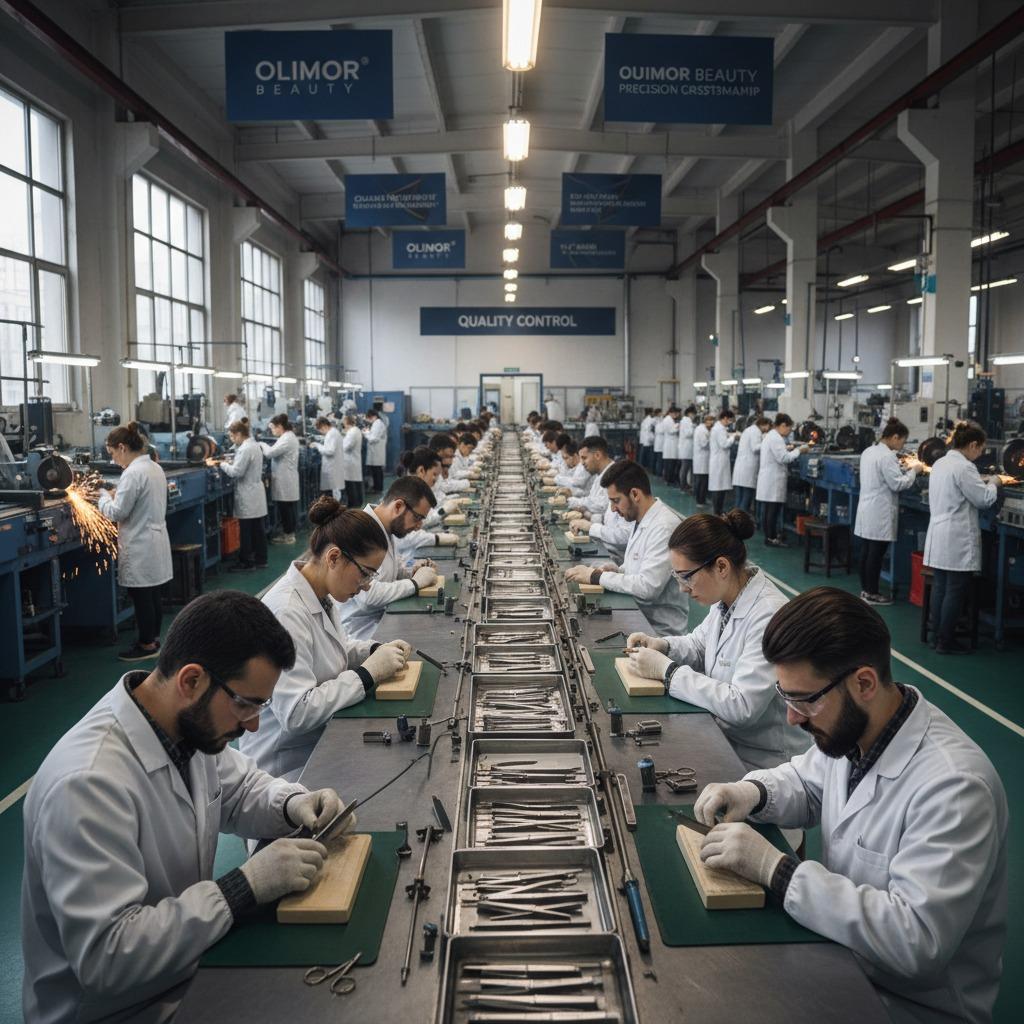
A professional eyelash curlers supplier should be evaluated on more than catalog size. For a tool used close to the eye area, buyers should look closely at finishing, alignment, comfort and inspection discipline. Olimor Beauty emphasizes internal quality control from raw material sourcing through final packaging, which is important because small defects can become obvious to the end user.
| Evaluation point | What buyers should check | Why it matters |
|---|---|---|
| Frame alignment | Upper and lower sections should meet evenly without twisting or offset pressure. | Poor alignment can cause uneven curling or pinching. |
| Hinge movement | The curler should open and close smoothly, without grinding, wobbling or sudden resistance. | Unstable movement makes the tool feel low quality and harder to control. |
| Pad fit | The cushion pad should sit securely and match the curve of the tool without visible gaps. | A poor pad fit can affect comfort and curling results. |
| Surface finish | Edges and contact areas should feel smooth, with no burrs or sharp points near the eye zone. | Finishing defects create safety concerns and customer complaints. |
| Handle comfort | Finger loops or grips should support controlled pressure for different hand sizes. | Comfort affects both professional repeat use and consumer confidence. |
| Packaging protection | The package should reduce bending, scratching and pad deformation during handling and transit. | Even a good tool can disappoint if it arrives damaged or poorly presented. |
| Batch consistency | Compare several units and confirm how production will be matched to the approved sample. | Consistency protects repeat orders and brand reputation. |
Buyers may also refer to recognized quality and inspection frameworks when setting their own requirements. ISO 9001 is commonly used as a quality management reference, and ISO 2859-1 is often used for sampling inspection planning. The applicable version, scope and documentation should always be verified with the supplier and your own compliance advisers. Do not assume a certification applies unless the supplier provides current documentation for the relevant entity and product scope.
Material, Finish and Inspection Details to Discuss
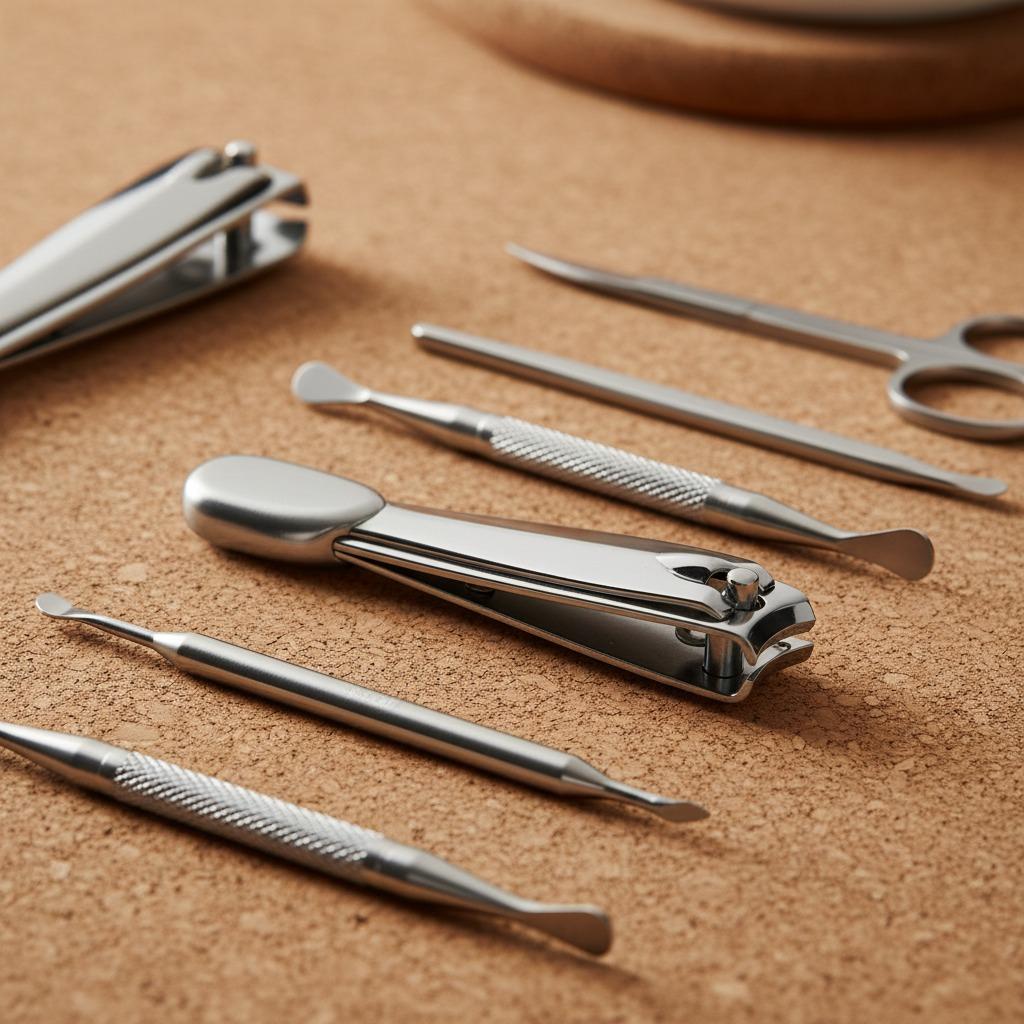
Many beauty tools use stainless steel because it is valued for durability and a clean appearance. However, buyers should not treat material names as a complete specification. Confirm the exact material expectation for the item being purchased, the finish required, the packaging protection and the inspection method. If color finishes, coatings or decorative elements are planned, ask how they may affect handling, cleaning and visual consistency.
Inspection should cover both function and appearance. A curler may look acceptable in a product photo but fail when the hinge is tested. A tweezer may appear polished but have misaligned tips. A nail file may be visually consistent but bend too easily for the intended use. For lash tools and manicure tools alike, useful checkpoints include shape, surface finish, edge smoothness, movement, tip or pad alignment, packaging condition and comparison against the approved sample.
Ask suppliers how they control raw material sourcing, in-process checks and final packaging review. Also clarify how nonconforming pieces are handled before shipment. These questions are practical, not excessive: small beauty tools are often purchased in volume, and small inconsistencies can spread quickly through a retail channel.
Do Not Overlook Lash Combs and Lash Separation Tools
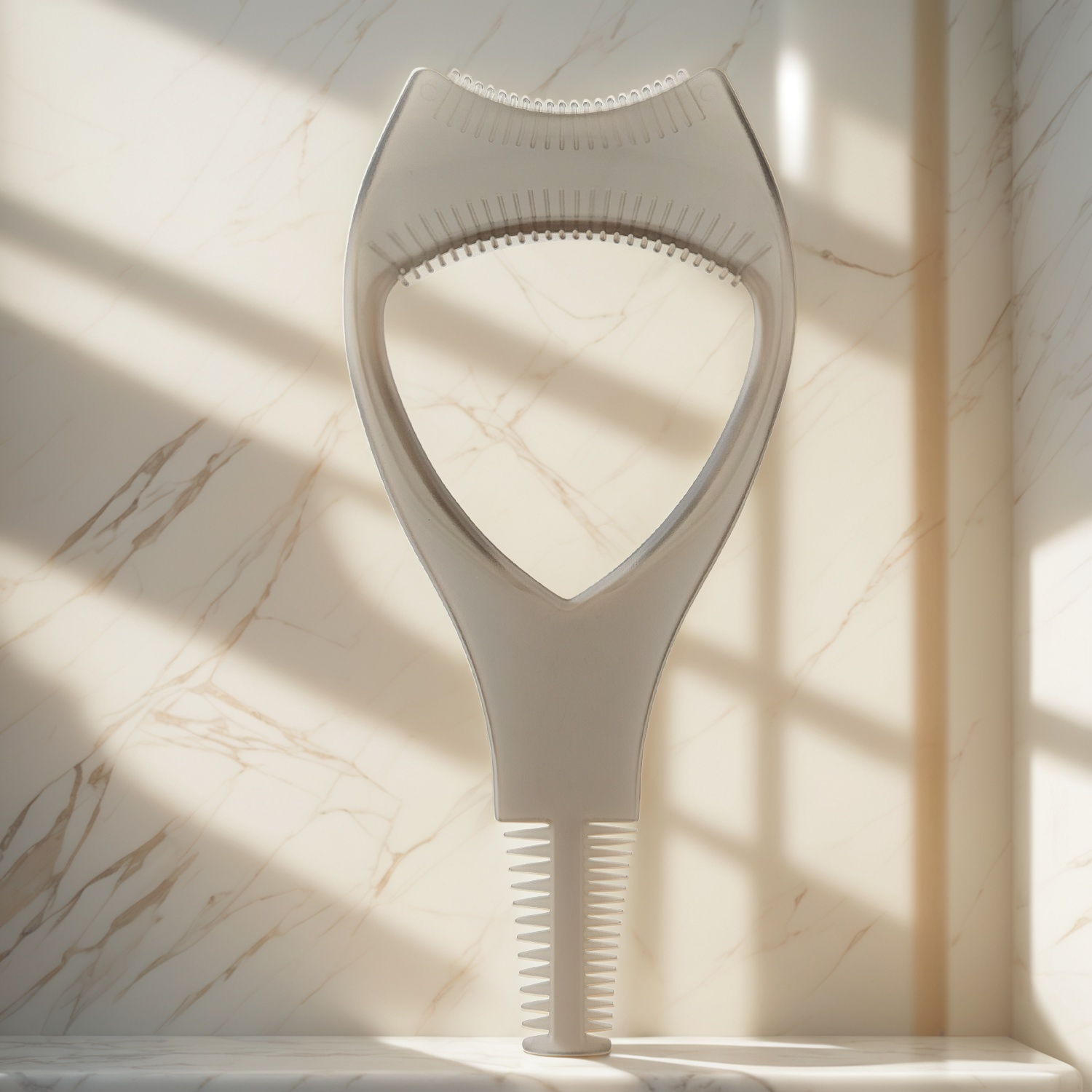
An eyelash curler shapes the lash, but the final look is often refined after mascara is applied. Clumps, uneven separation and heavy product buildup can make lashes look less polished. A lash comb definer addresses this problem by separating strands and improving definition after mascara.
Olimor Beauty’s Eyelash Comb Definer uses a U-shaped design and finely spaced teeth to glide through lashes and separate strands. Its ergonomic handle supports a stable grip for controlled lash grooming. For buyers, this type of tool is easy to explain because it solves a clear user problem: separate lashes after mascara, remove visible clumps and define the lash line with careful movement.
When evaluating a lash comb or lash definer, review tooth spacing, tooth rigidity, handle angle and edge comfort. Because the tool is used close to the eye area, control and smoothness should take priority over decoration. If the item will be sold online or in retail packaging, include simple usage guidance so customers understand when and how to use it.
Building a Broader Beauty Tool Range Around Lash Products
Many buyers start with one hero item, such as an eyelash curler, and then expand into related categories. A supplier with experience across lash tools, tweezers, nail files and manicure tools can make that expansion easier. A broader product base can help maintain consistent finishing, packaging direction and brand presentation across the line.
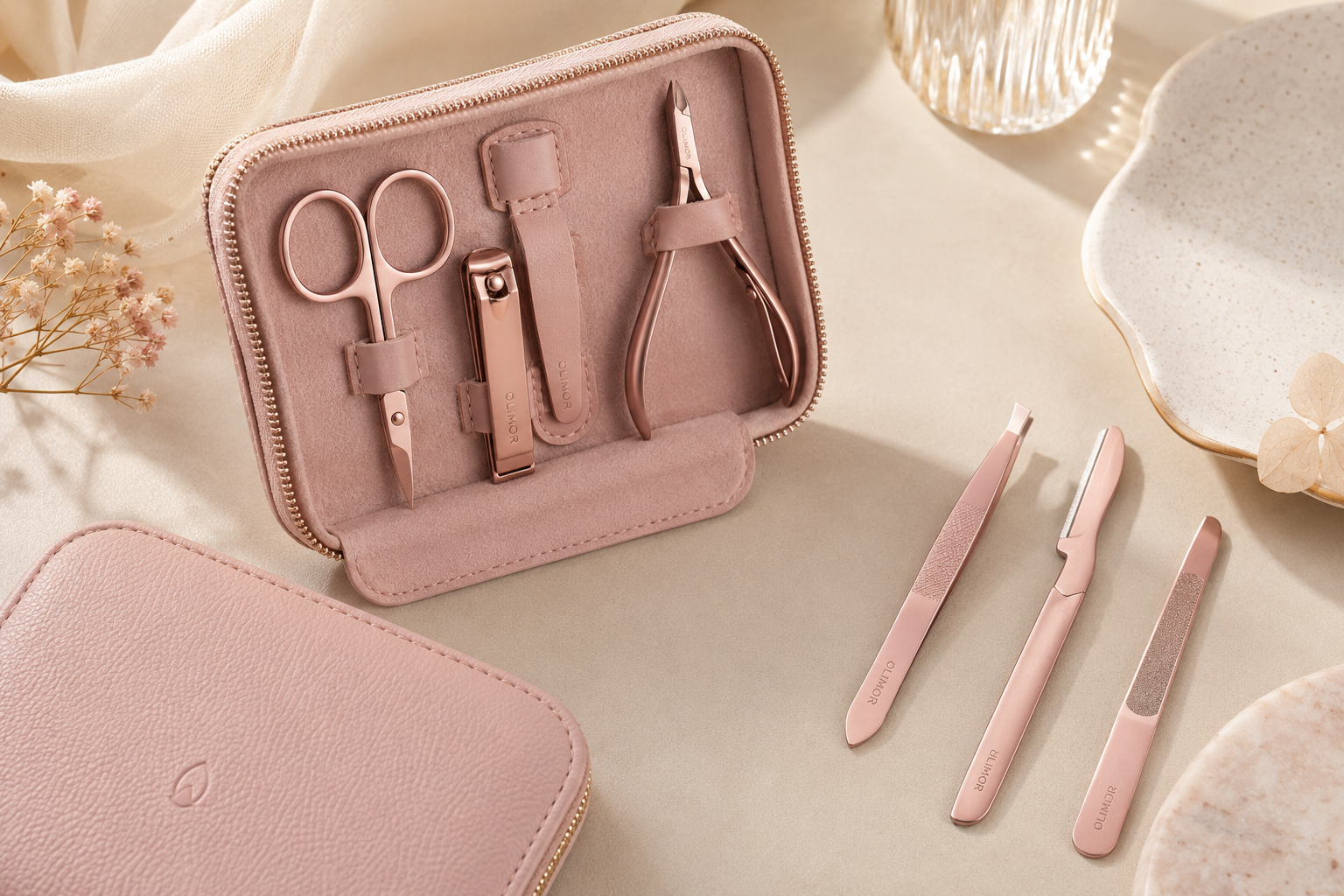
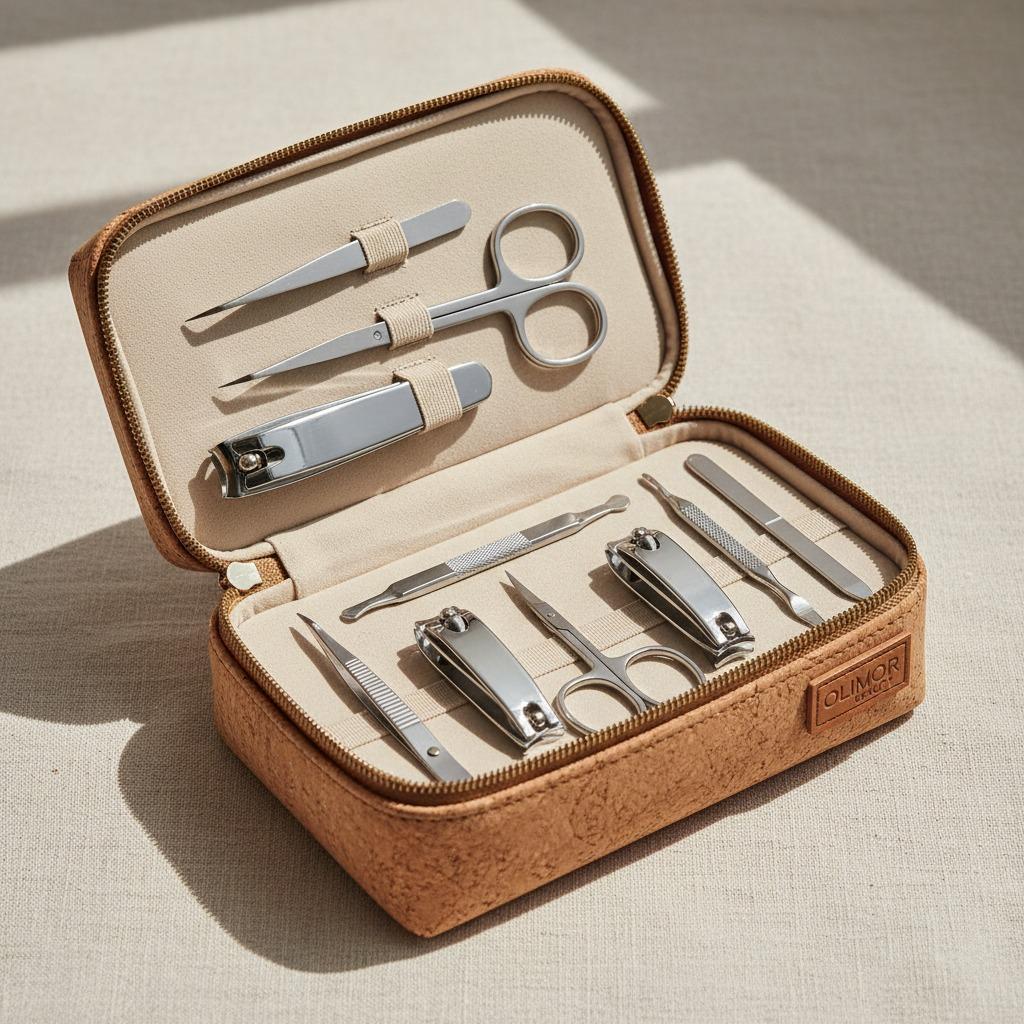
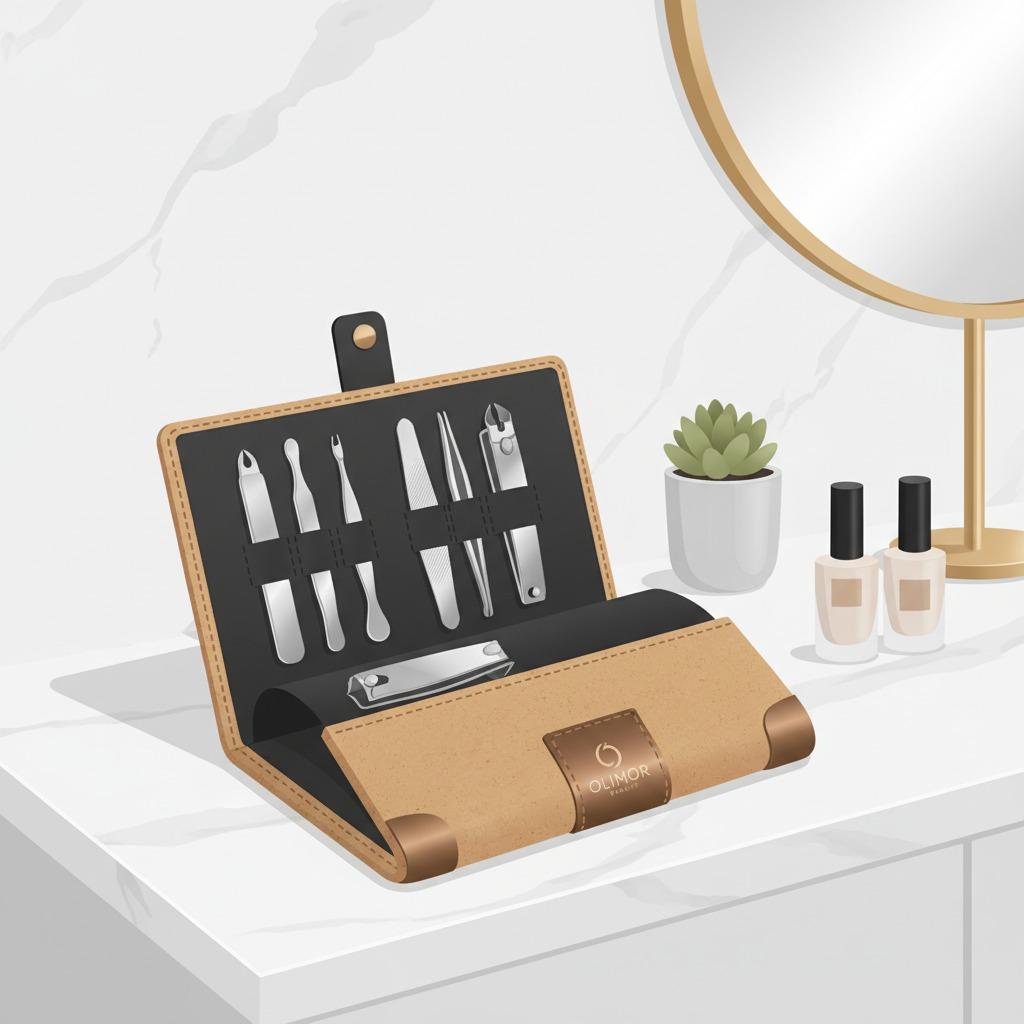
A logical beauty tool assortment should support real user tasks rather than simply increase item count. An eyelash curler pairs naturally with a lash comb definer because one shapes and the other separates. Tweezers support brow grooming and detailed personal care. Nail files and manicure tools support daily maintenance and giftable grooming sets. This structure makes the range easier for retailers to merchandise and easier for consumers to understand.
Buyers planning a new assortment can review Olimor’s beauty tool products to compare categories and identify tools that fit their channel. For range planning, Olimor’s product collections can also help buyers think about how individual tools may sit together in a retail, wholesale or private label program.
Private Label and Customization Decisions Before Sampling
Private label beauty tools require more than adding a logo. The product must match the brand’s target customer, price position, packaging style and quality expectations. A mass-market consumer item may need simple operation and protective packaging. A salon-focused tool may need a professional appearance, durable feel and easy cleaning. A giftable retail set may require coordinated colors, inserts or a display-ready box.
Clear decisions at the beginning reduce confusion later. Before sampling, prepare the intended product type, target market, sales channel, packaging direction and functional expectations. If artwork or brand guidelines are available, share them early so feasibility can be discussed before production planning.
Customization questions to answer early
- Will the eyelash curler be sold individually, in a kit or as part of a larger beauty routine?
- Does the packaging need to explain how to use the curler safely and effectively?
- Should the appearance feel professional, minimal, colorful or gift-oriented?
- Are replacement pads or related accessories part of the planned offer?
- How will the approved sample be documented so production can match it?
- What finishing, packaging and labeling details must be confirmed before order approval?
Private label discussions should also include how changes affect cost factors. Tool structure, finish, packaging format, decoration method, accessory components and inspection requirements can all influence the final quotation. A responsible supplier should help you understand these factors without pushing unnecessary features.
Cost Factors Buyers Should Compare
For B2B sourcing, the lowest unit price is not always the lowest total cost. A cheaper eyelash curler can become expensive if it causes returns, packaging damage, inconsistent batches or rework before shipment. Instead of comparing only price, compare the full sourcing picture.
| Cost factor | Questions to ask | Commercial impact |
|---|---|---|
| Tool construction | Does the frame, hinge and pad meet the expected user level? | Influences customer satisfaction and return risk. |
| Finish and decoration | What appearance is required, and how will consistency be checked? | Affects brand presentation and inspection needs. |
| Packaging format | Is the item for retail display, e-commerce shipment, salon supply or kits? | Changes protection, presentation and packing complexity. |
| Sample approval | Will production be compared against a documented approved sample? | Reduces misunderstanding and quality disputes. |
| Product range | Can the supplier support related tweezers, nail files or manicure tools? | May simplify sourcing and improve range consistency. |
| Quality checks | What is inspected before packing and shipment? | Helps prevent defects from reaching customers. |
When asking for a quotation, provide enough detail for a meaningful comparison. Include the product type, desired finish, packaging concept, target sales channel and any customization needs. If the project is still early, explain that as well. A good supplier conversation should help refine the brief rather than force a premature decision.
How to Compare Samples Before Placing an Order
Sample review is one of the most important steps in eyelash curler sourcing. The goal is not only to decide whether one sample looks good. The goal is to understand whether the tool can be produced consistently, packed properly and accepted by your customers.
- Inspect several units. Compare alignment, hinge feel, surface finish and pad placement across multiple samples.
- Handle the tool as a real user would. Check grip stability, pressure control and comfort.
- Review the eye-area contact zones carefully. Look for rough edges, burrs, sharp points or unstable components.
- Check packaging protection. Confirm that the tool is not likely to bend, scratch or deform during normal handling.
- Document the approved sample. Keep clear reference notes for finish, function, packaging and accessories.
- Discuss production inspection. Ask how the supplier will compare goods against the approved standard before shipment.
The same approach applies to related beauty tools. Tweezers should be checked for tip alignment and grip. Nail files should be reviewed for shape, surface and durability for the intended use. Manicure tools should be inspected for edge stability, comfort and finish. A supplier that can maintain disciplined review across categories is more useful for long-term beauty tool line development.
When Olimor Is a Good Fit
Olimor Beauty is a practical option for buyers who want to source eyelash curlers and related beauty tools with attention to comfort, finishing, packaging and quality control. The company’s range includes lash tools, tweezers, nail files and manicure tools, which can support both single-item sourcing and broader product line planning.
Olimor may be especially relevant if you are developing a private label beauty tool range, comparing lash tool samples, expanding from one hero product into a coordinated assortment, or looking for a supplier that can discuss packaging and inspection details. For project-specific questions, buyers can send an eyelash curler sourcing inquiry with their target market, product requirements and packaging direction. If you prefer to discuss feasibility first, use contact Olimor Beauty to start with practical project details.
FAQ
Can I request samples before confirming an eyelash curler order?
Sample review is strongly recommended. Buyers should use samples to check frame alignment, hinge movement, pad fit, surface finish, handle comfort and packaging protection. Confirm sample availability and any sample terms directly with Olimor for your specific project.
Does Olimor offer customization or private label beauty tools?
Olimor Beauty offers private label services for manicure tools and other beauty implements. For eyelash curlers or related lash tools, provide your product type, target market, logo or artwork needs, packaging direction and functional expectations so feasibility can be reviewed.
What MOQ should buyers expect?
MOQ can depend on the product, finish, packaging, customization and production plan. Buyers should not assume a fixed quantity without confirming the exact item and requirements. Share your project brief with Olimor to discuss the applicable order conditions.
What quality checks should be discussed before production?
Discuss raw material expectations, approved sample control, functional inspection, surface finishing, pad or component fit, packaging review and batch consistency. If your company uses a sampling standard or internal inspection checklist, share it before production so expectations are clear.
How long does lead time take for private label eyelash curlers?
Lead time depends on sample confirmation, customization, packaging development, order quantity and production scheduling. Ask for a project-specific timeline after the product specification and packaging requirements are confirmed.