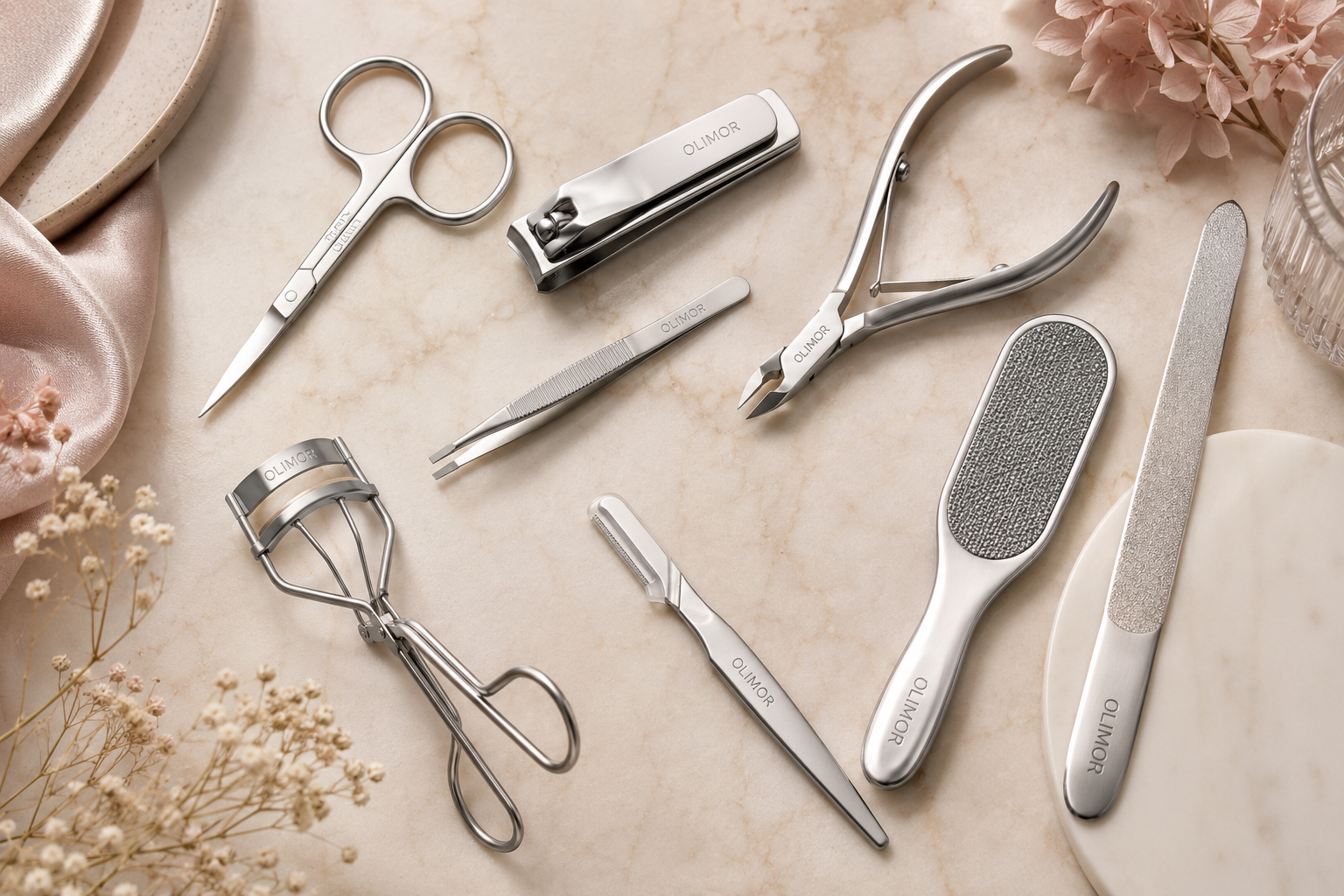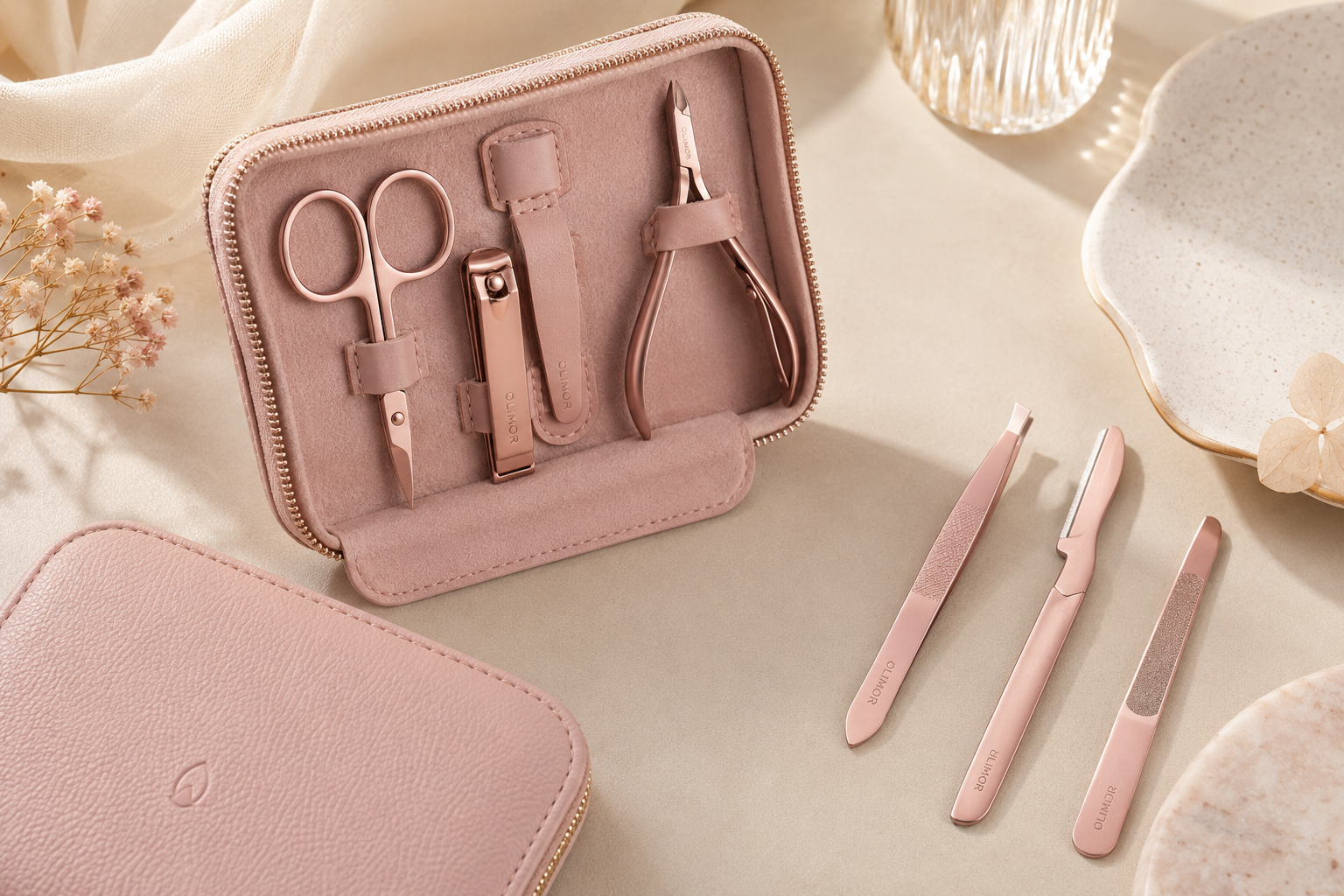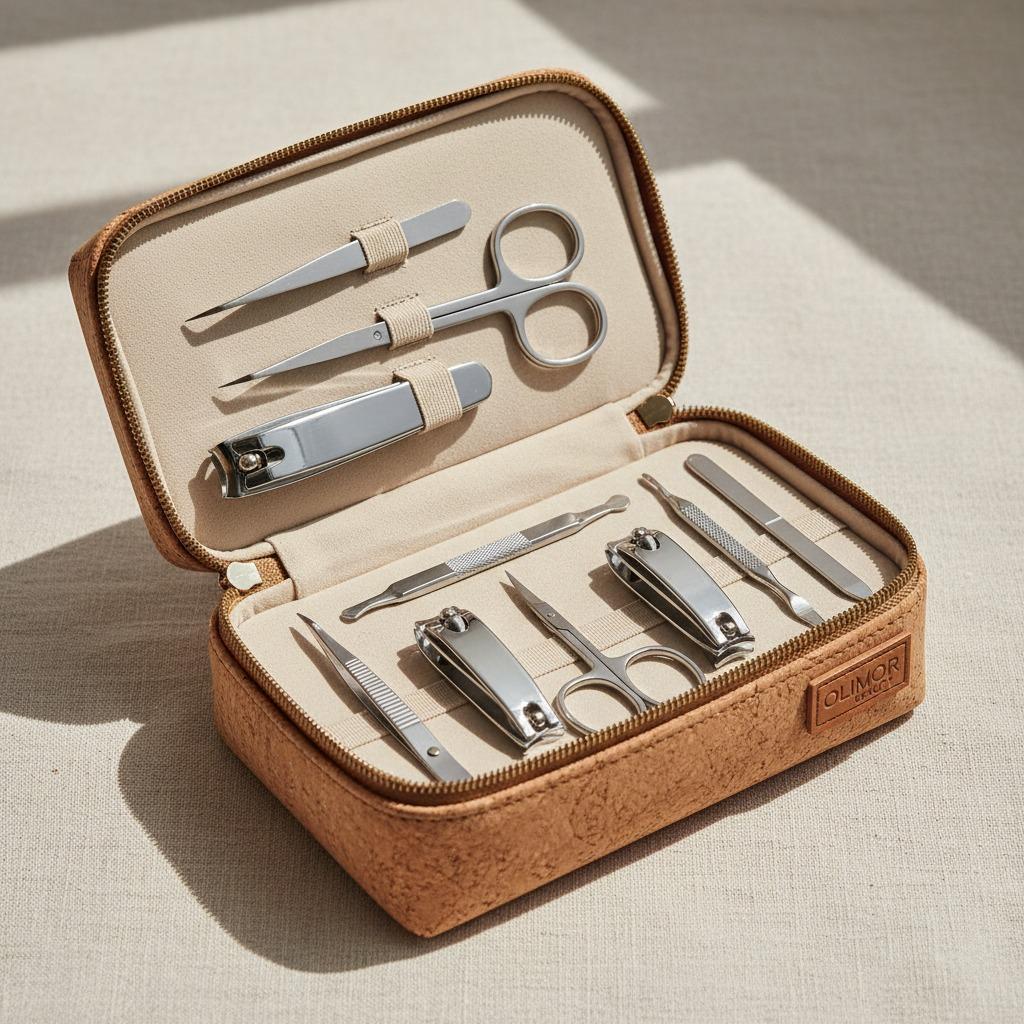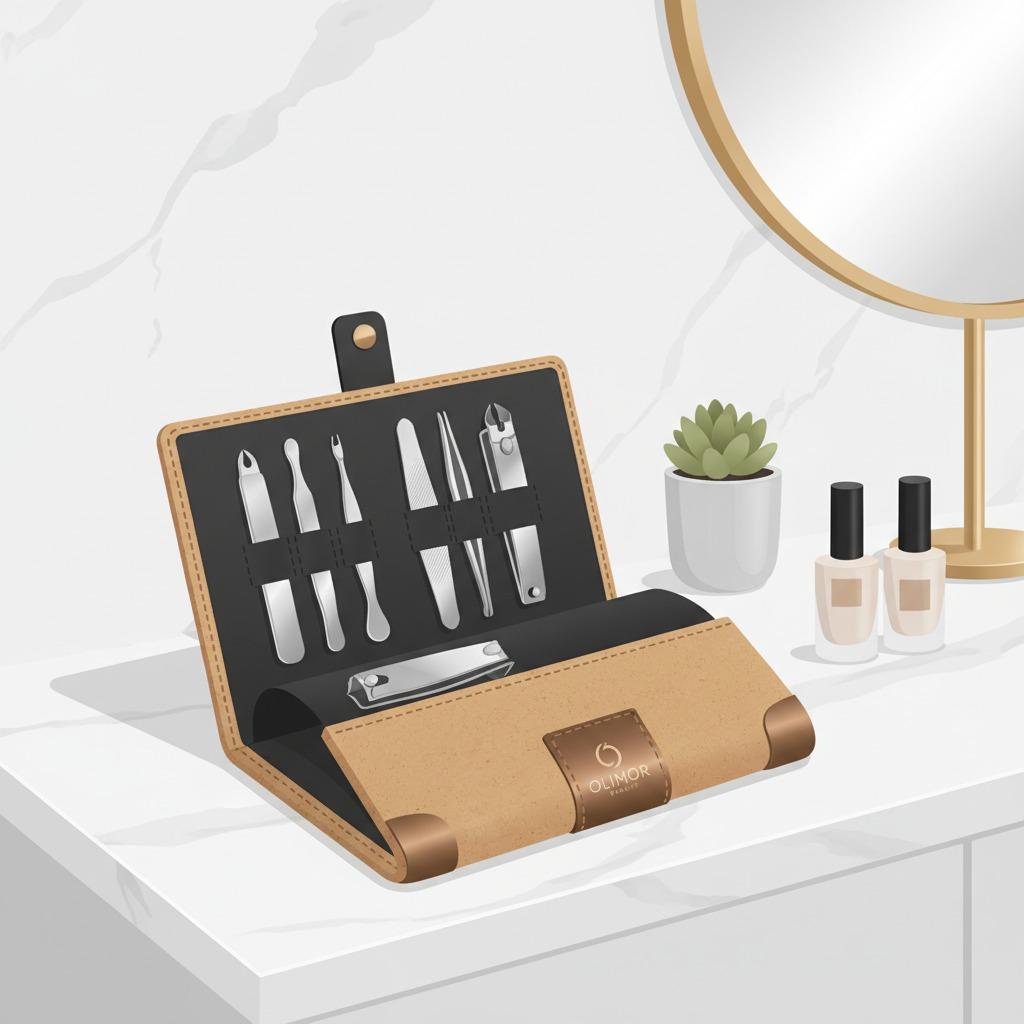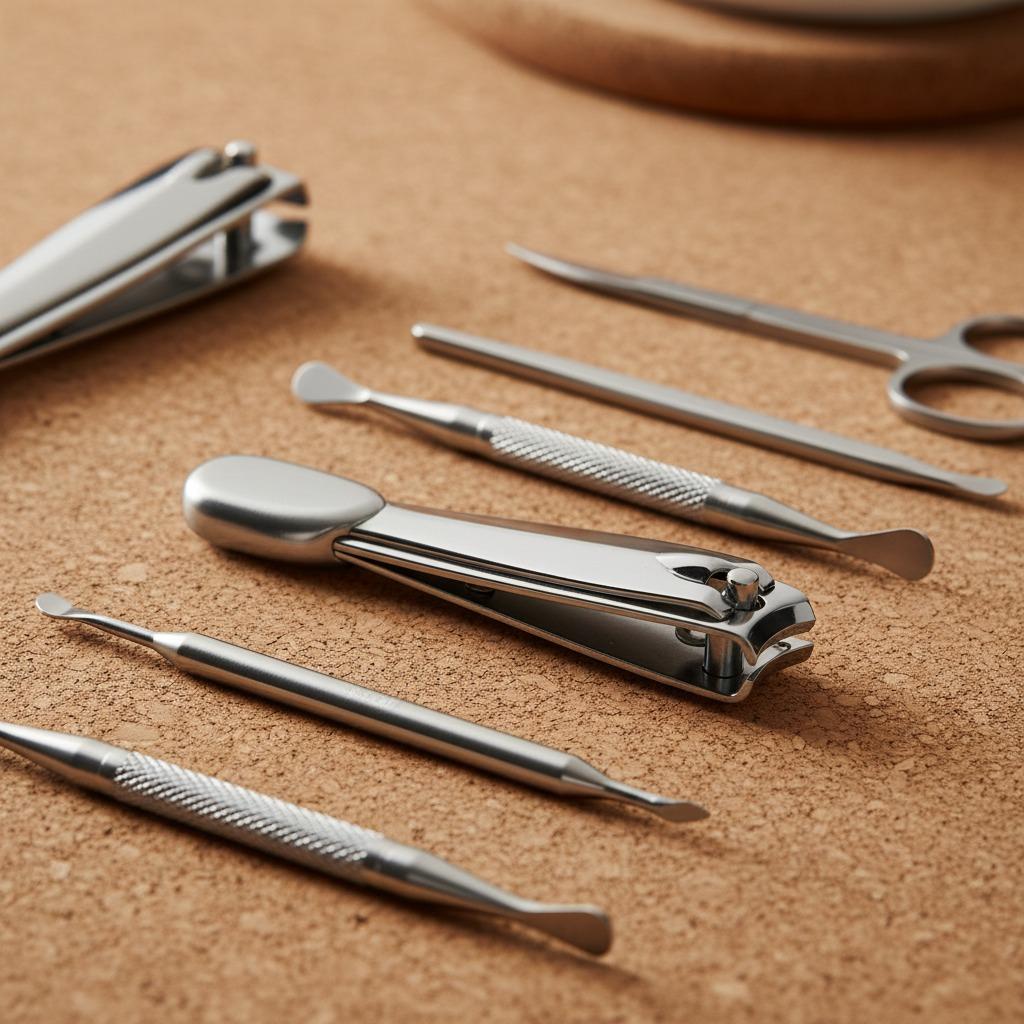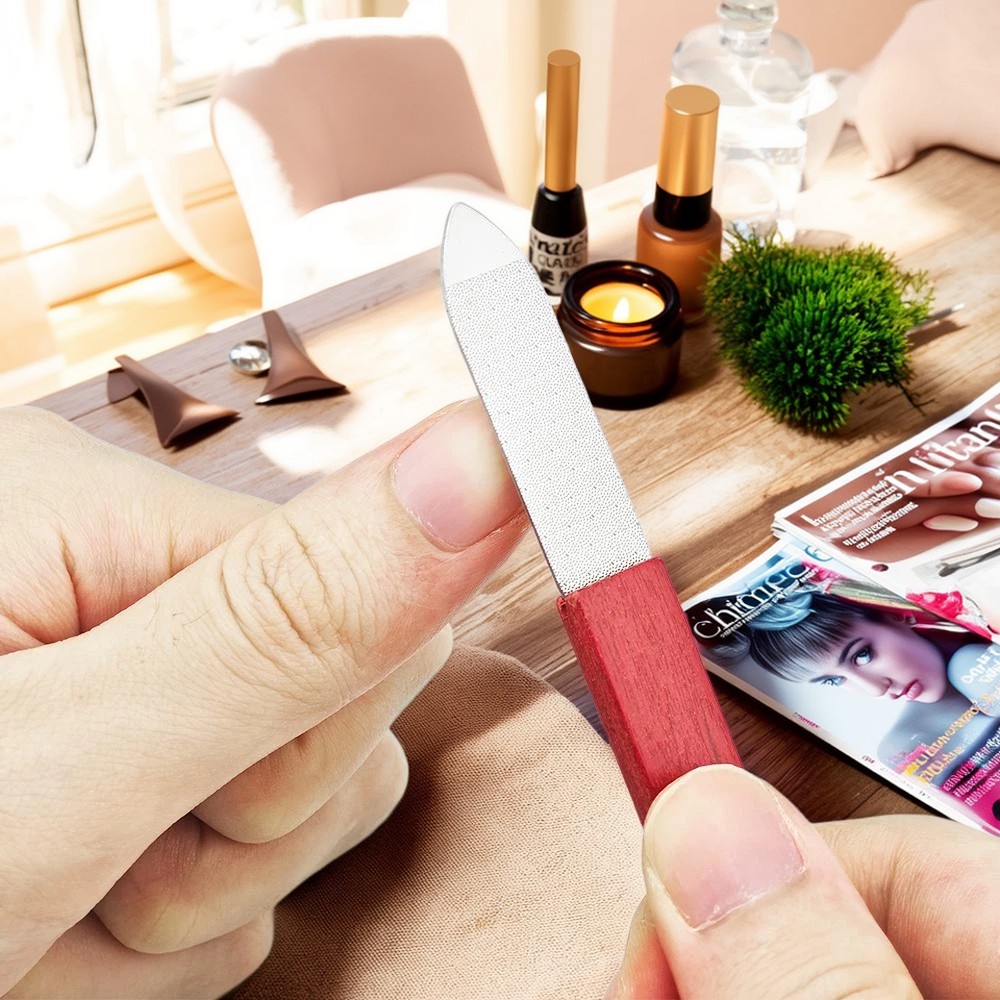
A diamond nail file is a practical tool for controlled shaping, edge refinement, and small detail work around the nail. It is especially useful when the goal is a neat finish rather than aggressive shortening. Olimor Beauty’s diamond nail file is described with a diamond-dusted surface, fine grit design, ergonomic red handle, pointed tip, and lightweight portable form, which makes it suitable for natural nails and gel finishes in home, travel, retail, and salon settings.
For buyers comparing nail-care tools, the important question is not just how a file looks, but how consistently it performs, how comfortable it feels in the hand, and how easy it is to keep clean and ready for repeat use. If you are building a grooming kit or sourcing a retail assortment, you can also review related options in the broader beauty tool range or browse coordinated nail-care collections.
What a Diamond Nail File Is Best For
This type of file is designed for careful work. The supplied product details point to a fine grit, which is useful when you want to smooth edges, reduce snags, and refine the finish without removing more material than necessary. That makes it a strong fit for everyday grooming, quick touch-ups, and finishing work after a manicure.
In practice, a diamond-dusted file is valued for control. It helps users shape the free edge in a gradual way, rather than relying on force. That matters because over-filing can weaken the tip, create uneven corners, or make a manicure look unfinished. A lighter-touch file is often the better choice when the goal is a clean outline and a comfortable edge.
This tool is also useful for users who alternate between natural nails and gel finishes. A precise file can help tidy the edge before polish application, correct a small snag, or refine the shape after a gel service. It is less about dramatic removal and more about steady maintenance.
Key Features to Evaluate Before You Buy
The Olympus of nail tools is not complexity, but fit for purpose. A good file should feel predictable in use and convenient in storage. The product details for this file highlight several features that matter to both individual users and B2B buyers.
- Diamond-dusted surface: Supports controlled abrasion and repeat use for routine grooming.
- Fine grit design: Better for finishing and edge refinement than for heavy shortening.
- Ergonomic red handle: Helps the user keep a steady grip and reduces awkward hand positioning.
- Pointed tip: Adds detail utility for careful under-nail cleaning or small corrections around the nail area.
- Lightweight portable form: Easy to carry in a bag, drawer, or salon kit.
- Use on natural nails or gel finishes: Relevant for mixed grooming routines and retail assortments.
For commercial buyers, those same features translate into practical merchandising questions. Is the file easy for customers to understand at a glance? Does the handle improve comfort enough to justify its place in a personal care kit? Is the pointed tip useful, or should it be presented mainly as a shaping tool? These are the kinds of questions that help distinguish a useful nail file from a generic one.
How to Use It for Clean Edges and Detail Work
The best results usually come from light, deliberate strokes. Fine grit tools are not meant to rush the job. If you press too hard or file too quickly, you can create friction, uneven lengths, or unnecessary wear on the nail edge. A measured approach keeps the finish smooth and easier to maintain.
A simple filing routine
- Start with clean, dry nails. Dust, oils, and moisture can make the edge harder to read and the result less even.
- Decide on the shape first. Rounded, oval, square, and softened-square shapes all require different corner treatment.
- Use short, controlled strokes. Work from the side toward the center and pause often to check symmetry.
- Keep the angle steady. A consistent angle helps avoid filing too much from one point.
- Refine the corners last. Corners are where snags often begin, so this is where precision matters most.
- Use the pointed tip gently. It can be helpful for small clean-up tasks, but it should never be forced into sensitive areas.
- Check the edge by touch. Run a fingertip lightly across the tip to feel for rough spots that need one final pass.
For gel finishes, the same principles apply, but with even more care. The file can help refine the edge, yet it should not be used as a quick fix for lifting, cracking, or structural damage. If the surface is compromised, the safer answer is usually proper repair or removal rather than more filing.
Choosing the Right Nail File for Home, Salon, or Retail Use
The right file depends on the setting. A home user may value convenience and portability. A salon may prioritize comfort, consistency, and easy handling during repeated use. A retail buyer may focus on presentation, clear function, and whether the tool can sit naturally beside other manicure essentials.
| Use case | What matters most | What to look for |
|---|---|---|
| Home grooming | Ease of use and simple storage | Lightweight form, comfortable handle, reliable fine grit |
| Travel kit | Portability and quick touch-ups | Compact design, secure handle, easy-to-store profile |
| Salon use | Control and repeatability | Even abrasive surface, stable grip, easy inspection between uses |
| Retail display | Clear function and visual appeal | Easy-to-understand design, neat presentation, practical packaging |
| Gift or add-on item | Immediate usefulness | Tool that looks polished and feels intuitive to use |
When comparing products, it helps to think beyond the filing surface alone. A handle can make a noticeable difference to comfort, especially if the tool will be used for multiple nails in one session. A pointed tip can add versatility, but only if the rest of the file is still comfortable to hold and easy to control.
If you are sourcing for a broader assortment, compare this tool with related manicure accessories in the existing collection lineup so the full range feels coherent rather than random.
Manufacturing and Inspection Points Buyers Should Ask About
For a beauty tool like this, quality is often judged by small details. Buyers do not need technical lab language to evaluate a supplier well. They do, however, need a clear checklist for what should be consistent from item to item.
Ask how the abrasive surface is applied, how the handle is joined or finished, and what the supplier checks before packing. The goal is to understand whether the tool will feel consistent in hand and perform the same way from one unit to the next. A diamond-dusted surface should look even, and the pointed tip should be neat enough to support careful detail work without feeling rough or awkward.
A simple sourcing checklist can help:
- Is the abrasive coverage even across the working area?
- Does the handle feel secure and comfortable to grip?
- Are there any rough edges, visible defects, or inconsistencies in the tip?
- Does the tool present cleanly for retail or kit packaging?
- Are care or use instructions available for the buyer’s market?
If you sell into markets with documentation requirements, confirm the current rules for your region and verify supplier paperwork rather than assuming older documents still apply. In some cases, that may include checking current product or chemical documentation expectations tied to rules such as REACH in the European market, or following local public health guidance where salon hygiene is regulated.
Care, Cleaning, and Storage for Longer Useful Life
Like any nail tool, a diamond file performs best when it is kept clean and stored carefully. After use, remove loose nail dust and return the file to a dry place. For personal grooming, basic cleaning and protected storage are usually enough to keep the tool pleasant to handle. In salon environments, the cleaning routine should follow the business’s local hygiene procedures and the latest supplier instructions.
Storage matters because the file has two features that deserve protection: the abrasive surface and the pointed tip. Leaving it loose in a crowded bag can rub the working surface against other tools, cosmetic containers, or metal items. A pouch, sleeve, or dedicated manicure compartment helps preserve the filing surface and keeps the tip from contacting other objects.
It is also wise to inspect the tool from time to time. If the abrasive area starts feeling inconsistent, if the handle becomes loose or uncomfortable, or if the pointed tip is no longer suitable for careful use, the file should be taken out of regular rotation. Predictable performance is part of good grooming.
When This File Is the Right Choice, and When Another Tool May Be Better
This diamond nail file is well suited to controlled maintenance, detailed edge work, and portable grooming. It is a good match for users who want one compact tool to keep nails neat between full manicures.
It may be less suitable if the main need is rapid shortening of long nails or heavy shaping after significant growth. In those cases, some users prefer a different file type or a broader grooming routine that separates rough shaping from final finishing. The fine grit design here is a strength, but it also means the tool is best used with patience.
As a result, the clearest use cases are everyday touch-ups, smoothing a snag before it worsens, refining natural nails before polish, cleaning up gel edges, and keeping a neat tool in a travel or desk kit. For retailers, it can work well as an add-on item because the function is obvious and the benefit is easy for shoppers to understand.
Buying for Retail, Kit Assembly, or Private Label Planning
For businesses, the buying decision should balance function with presentation. A tool with a clear purpose tends to sell better when the customer can immediately understand why it belongs in a manicure routine. The red handle, pointed tip, and portable format all help position this file as a practical, easy-to-grasp item rather than a generic accessory.
Before placing an order, clarify the market you are serving. A salon buyer may need consistent appearance and a comfortable grip. A retail buyer may care more about shelf appeal and packaging format. A gift set assembler may want a tool that complements other nail-care pieces without crowding the kit. These are useful distinctions because the same product can play different roles in different channels.
If you are evaluating assortment options or planning a sale-ready set, you can contact the Olimor team to discuss the intended use case, or submit a sourcing inquiry with your packaging, customization, and market needs. A focused inquiry helps the supplier understand whether you are buying for personal care retail, salon use, or a broader beauty tool program.
FAQ
Can I ask for samples before placing a larger order?
Ask the supplier directly. Sampling is often the best way to judge grip, surface feel, and the usefulness of the pointed tip for your market.
Is customization available for retail or private-label plans?
Discuss that with the supplier through the inquiry process. Packaging style, branding, and assortment format are usually the main points to confirm.
What should I check for quality if I am buying in bulk?
Focus on even abrasive coverage, comfortable handle feel, clean tip finishing, and consistent appearance across units. Ask what inspection steps are used before shipment.
How long does production or delivery take?
Lead time depends on the order details, customization needs, and current production schedule. Confirm timing directly with the supplier for your specific order.
What if I need a specific order size or retail-ready packaging?
Send the full requirement set in your inquiry. It is the easiest way to confirm whether the supplier can support your channel, packaging, and display needs.
For a compact tool, the Olimor Beauty diamond nail file covers a lot of practical ground: clean shaping, gentle refinement, detail work, and portable grooming. It is most useful when the user wants control rather than speed, and when the buyer wants a straightforward nail tool that fits naturally into a personal care kit or retail assortment. If that is the use case, it is worth reviewing alongside the rest of the nail-care range before deciding how it fits your shelf or kit plan.