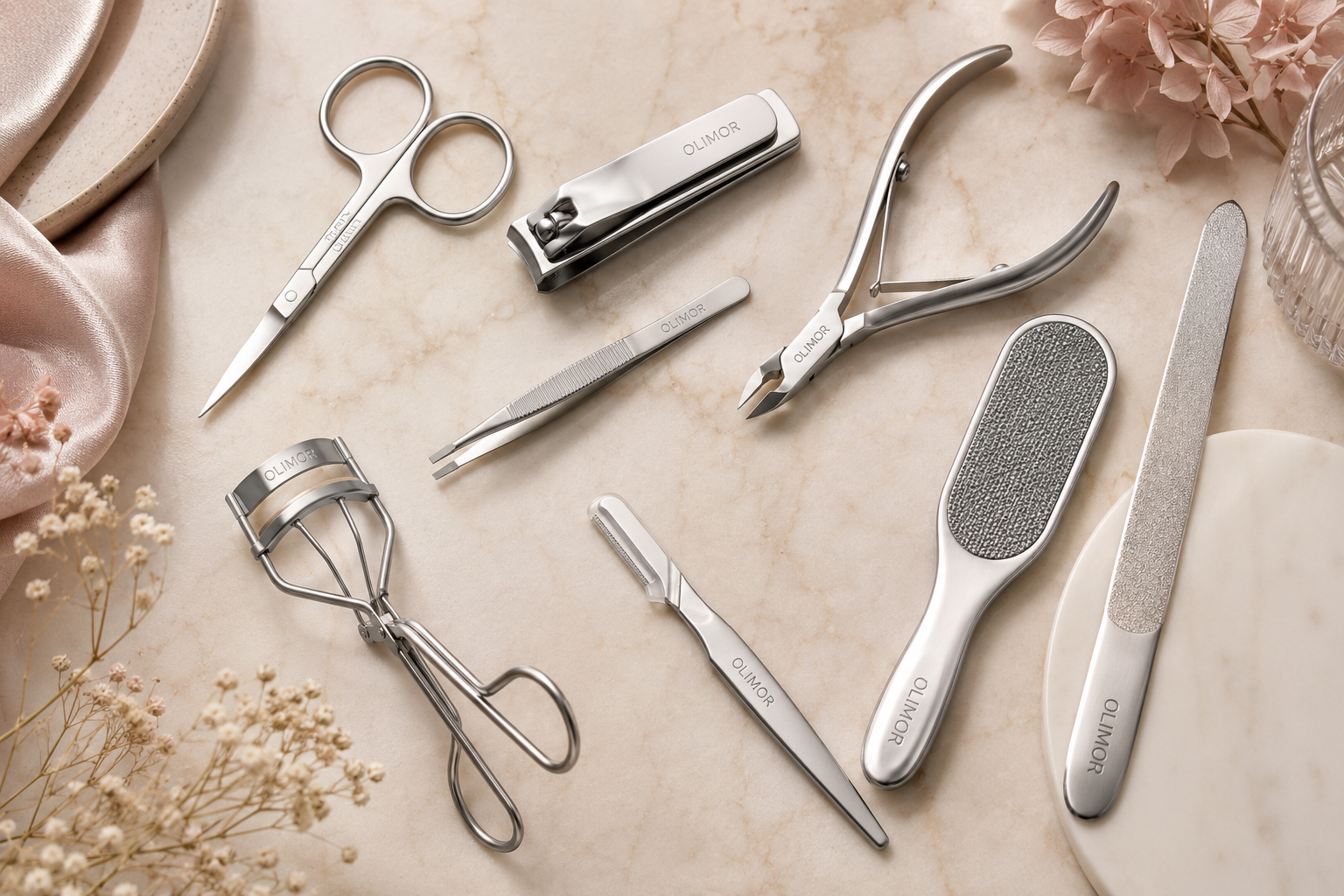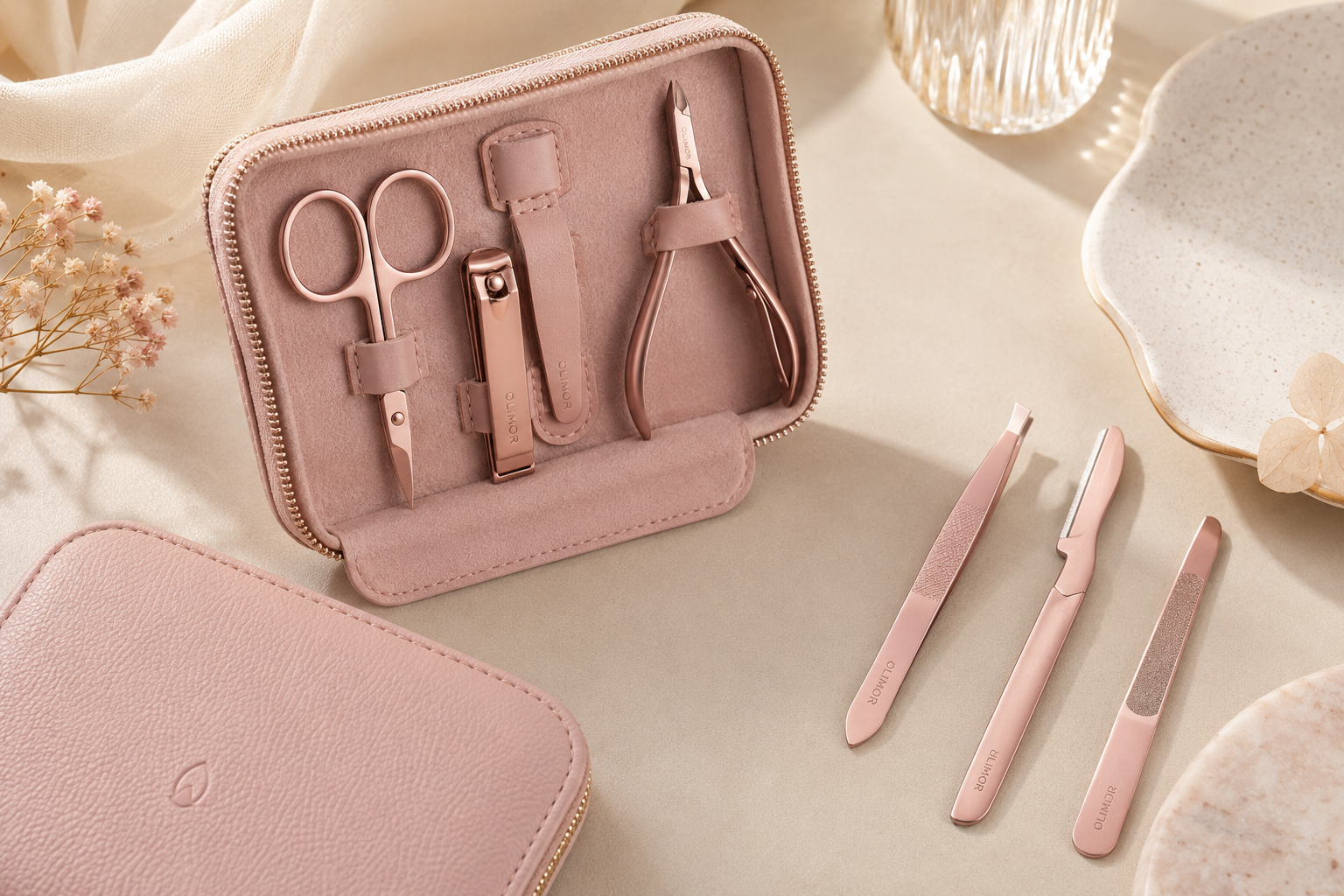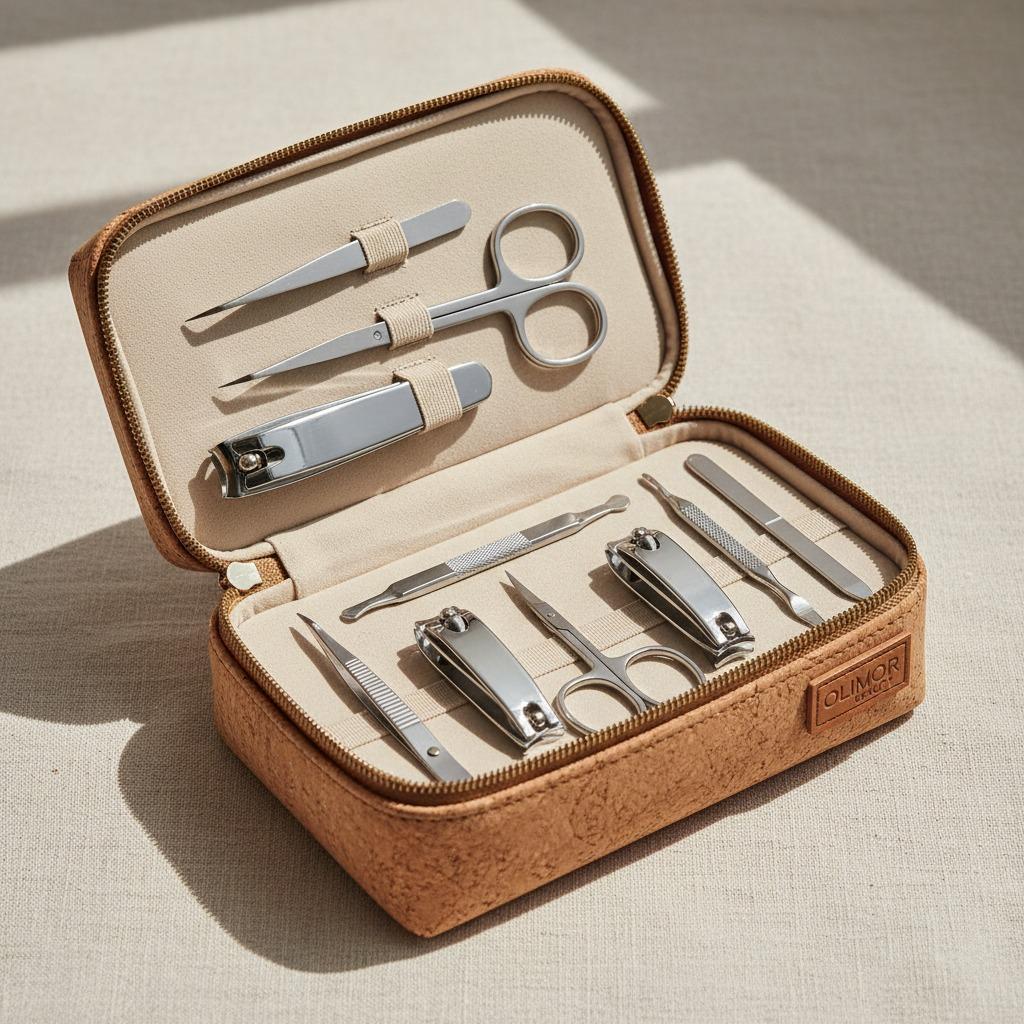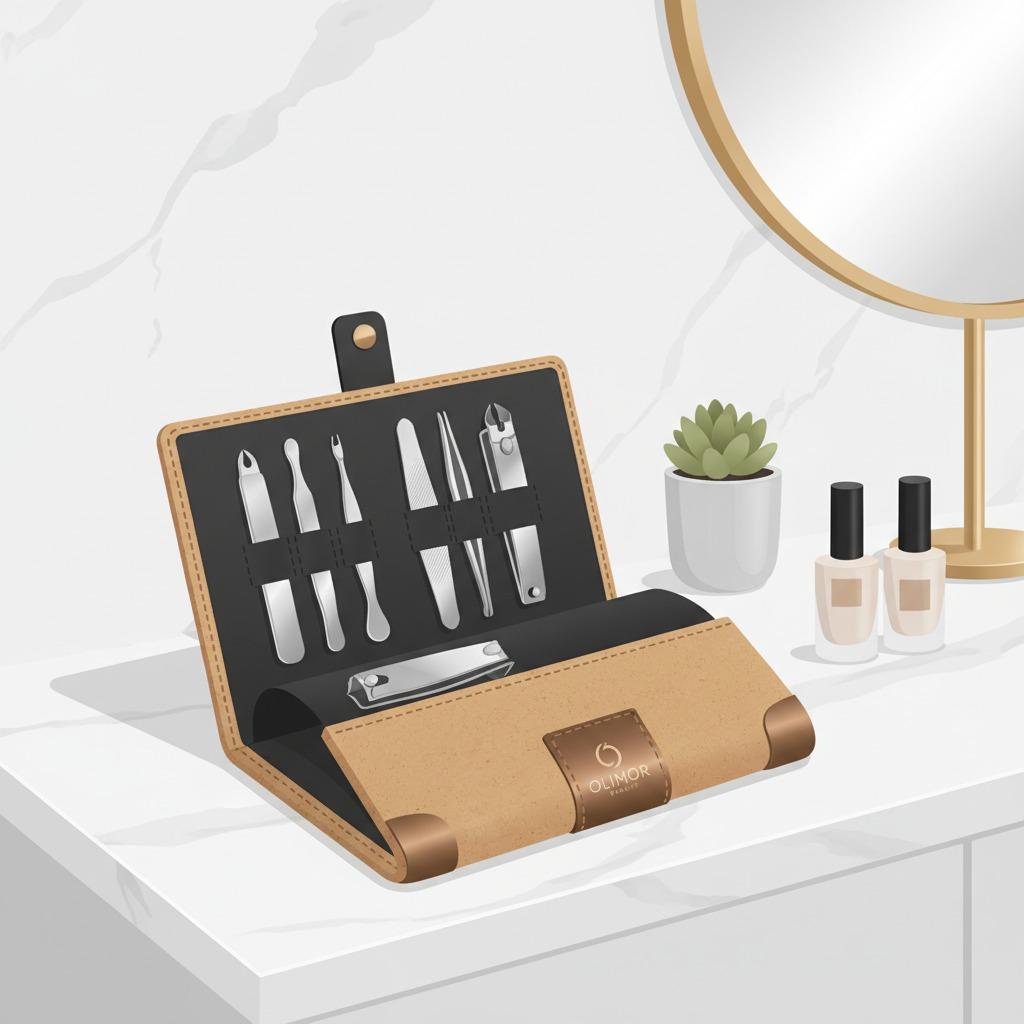











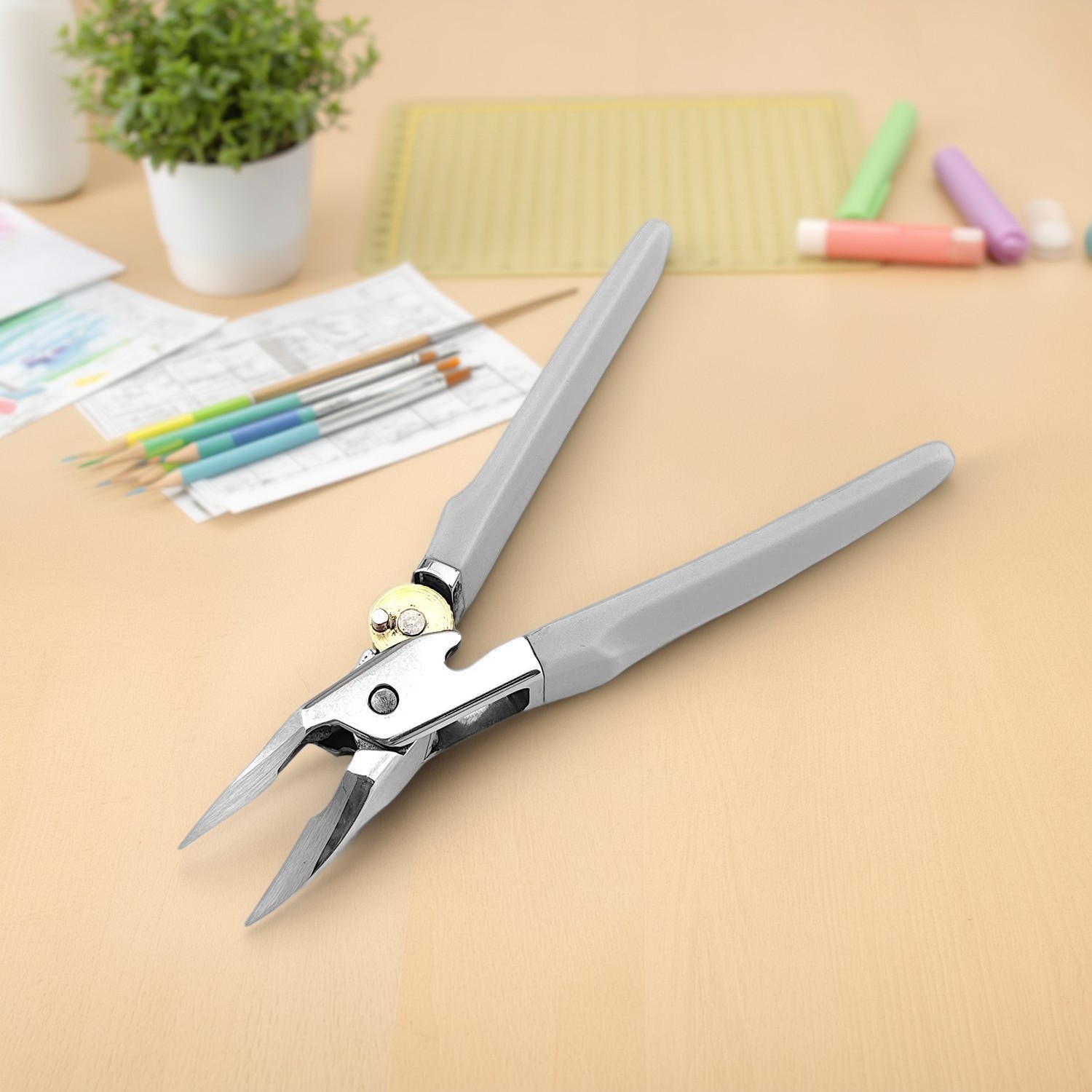
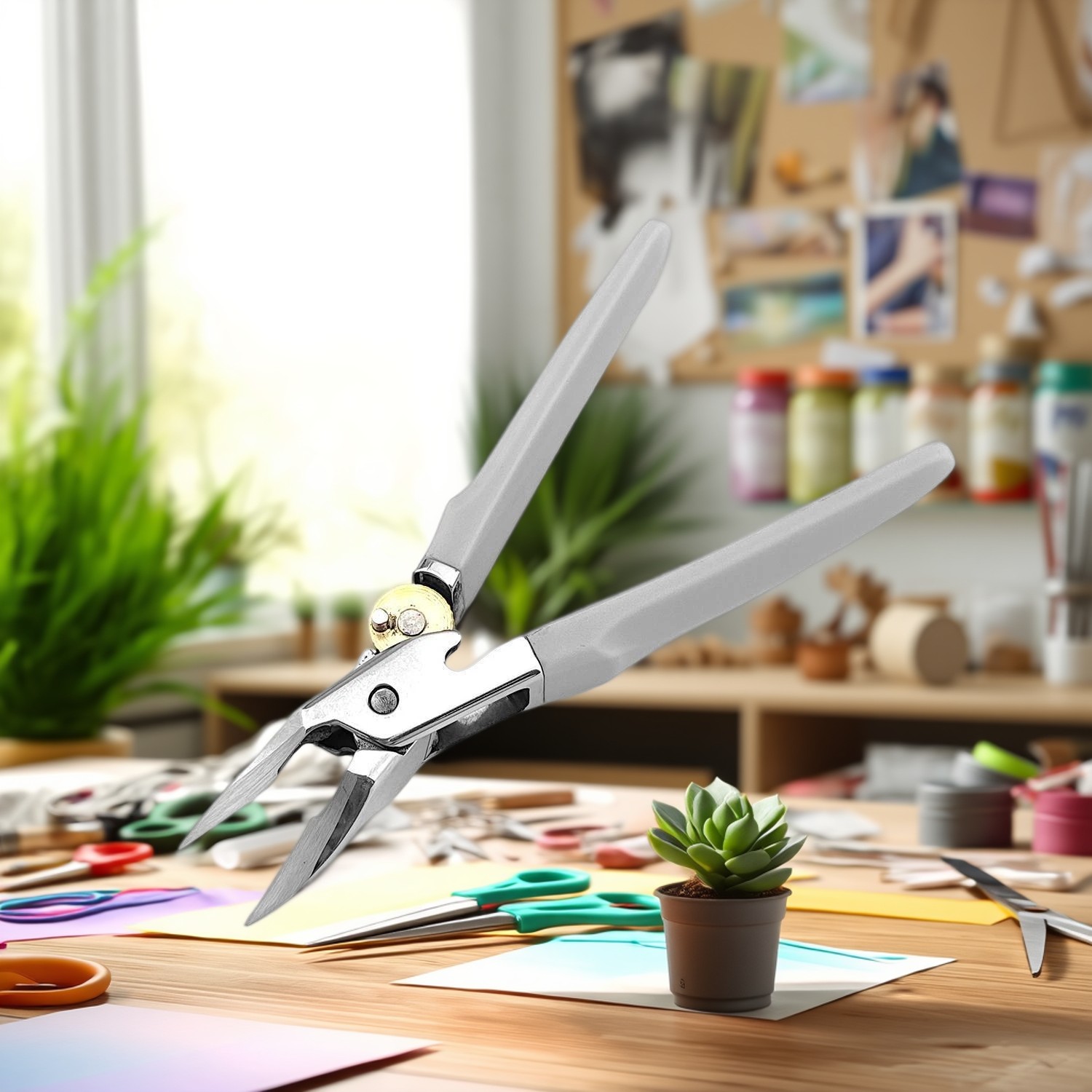
An ergonomic nail clipper is a practical choice when standard clippers feel too small, slip during use, or struggle with thick and brittle nails. The Olimor Beauty ergonomic nail clipper is built around controlled trimming: a metallic body, silver-tone finish, sharp blades, muted gray handles, and a golden adjustment screw that supports a steadier cutting feel. For everyday grooming, salon use, or retail assortment planning, the most useful question is simple: does the tool make trimming easier to control without adding effort?
This guide explains what to look for, how the clipper behaves in use, and how buyers can judge suitability beyond appearance. If you are comparing options across a broader beauty tool collection, choosing stock for a grooming kit, or sourcing for resale, pay attention to grip stability, blade alignment, finish consistency, and the ease of maintaining the tool after repeated use.
What This Clipper Is Designed to Solve
Answer first: this clipper is intended for users who want more control than a basic pocket clipper usually offers, especially when nails are thick, brittle, or otherwise difficult to trim cleanly.
That matters because nail trimming problems are usually not caused by one single issue. Thick nails resist the blade and can require more pressure. Brittle nails may split if the cut is rough or uneven. Smaller clippers can also be awkward for larger fingers, less stable in the hand, or harder to align when you need to trim from a slightly different angle. An ergonomic clipper addresses those practical pain points by making the hand position steadier and the cutting motion more deliberate.
The result is not just comfort. Controlled trimming can help the user avoid repeated squeezing, awkward twisting, and uneven edges. For people who trim nails frequently, that makes the routine feel more manageable. For buyers, it also means the product is easier to position in a personal care range because the benefit is clear and easy to explain.
If you are sourcing for a specific user group, it helps to think in terms of use case rather than generic grooming language. A clipper intended for thick nails is not simply a cosmetic accessory. It is a hand tool that should feel predictable, maintain alignment under pressure, and deliver a clean cut without forcing the user to compensate with extra hand strength.
Why the Design Details Matter in Real Use
Several visible details in this clipper are functional, not decorative. The metallic body affects the overall feel and balance. The muted gray ergonomic handles influence how securely the tool sits in the fingers. The golden adjustment screw contributes to cutting tension and alignment. The sharp blades determine whether the clipper cuts cleanly or crushes the nail before it separates.
Metallic Body and Silver-Tone Finish
A metallic body gives the tool a more substantial feel than many lightweight alternatives. That extra sense of presence can be useful when clipping thicker nails, where a stable tool is easier to control. The silver-tone finish also gives the clipper a clean, modern look that works well for retail presentation and grooming kits.
For buyers, appearance should be considered alongside practical build quality. A neat finish can support shelf appeal, but the more important question is whether the body feels balanced and whether the clipper remains steady when pressure is applied. Look for consistency in the finish, the hinge area, and the way the tool closes and opens.
Muted Gray Ergonomic Handles
The handle shape is one of the most important comfort factors in any nail clipper. If the grip feels awkward, the user often compensates by squeezing harder or changing hand position mid-cut. That can make trimming feel less precise, especially on nails that are thick or difficult to approach.
These ergonomic handles are intended to improve that experience by supporting a more stable hold. Better grip control can reduce unnecessary effort, help the clipper stay aligned, and make it easier to take small, deliberate cuts instead of one forceful squeeze. For end users, that usually translates into a calmer trimming routine. For retailers, it provides a practical selling point that is easy to communicate without overstating performance.
Golden Adjustment Screw
The golden screw is important because blade tension and alignment affect cutting behavior. If the blades do not meet evenly, the tool may feel inconsistent, especially when trimming harder nails. A screw that supports a firmer and more stable close can help the clipper feel more controlled from one cut to the next.
When inspecting this feature, do not focus on the color alone. Check whether the screw area feels secure, whether the opening and closing action is smooth, and whether the blades meet evenly along the intended cutting area. Any looseness, wobble, or uneven closure should be treated as a quality concern during evaluation.
Sharp Blades and Cleaner Cutting
Sharp blades matter because they reduce the chance of crushing, tearing, or forcing the nail to bend before it separates. That is particularly useful for thick nails, which resist the blade, and brittle nails, which may split if the action is rough. A clean cut usually depends on both blade sharpness and the user’s technique.
In practical terms, sharpness should not be evaluated by appearance alone. A buyer or user should check whether the tool cuts smoothly without needing repeated pressure, and whether the edge looks clean after a light trim. Sharp blades work best when they are paired with controlled hand pressure and a stable grip.
How to Inspect a Nail Clipper Before Buying
Whether you are buying one piece for personal use or selecting stock for a retail program, a quick inspection can reveal a lot about everyday performance. The points below are useful because they focus on how the tool actually behaves rather than on broad marketing language.
| Inspection point | What to look for | Why it matters | Buyer note |
|---|---|---|---|
| Blade alignment | The cutting edges meet evenly | Uneven closure can cause partial cuts or nail bending | Check under good light before first use |
| Grip comfort | The handles feel stable in the fingers | A secure hold improves control during repeated trimming | Test with the hand posture you normally use |
| Cutting tension | The close feels firm but not forced | Too loose or too tight can make trimming inconsistent | Confirm the screw area feels secure |
| Finish consistency | The metallic surface looks even and clean | Finish quality influences shelf appeal and perceived value | Inspect edges, body, and hinge area |
| Overall balance | The tool does not feel awkward when held | Balance affects precision, especially on thicker nails | Compare it with your current tool |
A useful buying habit is to ask a supplier for a sample or a close inspection set before scaling up an order. That allows you to test grip, feel, alignment, and the way the blades behave on the nail type you care about most. If you need to evaluate a project fit, you can send an inquiry with your use case and packaging goals.
How to Use It for Thick, Brittle, and Everyday Nails
Good trimming technique matters as much as tool design. A sharp clipper can still create an uneven edge if it is used too aggressively, too deep into the corner, or at an awkward angle. The safest approach is usually slow, controlled, and repetitive rather than forceful.
- Wash and dry the hands or feet before trimming so the nail surface is easier to see and handle.
- If the nails are very hard, trim after a bath or a brief soak, when the nail is slightly softened.
- Place the clipper so the blade meets the edge you want to remove, not deep into the side corner.
- Take small cuts across the nail instead of trying to remove the whole edge at once.
- For brittle nails, reduce pressure and avoid snapping off large sections that may split.
- For toenails, keep the cut more straight than rounded to help maintain a neat edge.
- Finish with a file if you want to smooth any sharp points after clipping.
For users with thick nails, small cuts are often better than one large squeeze. That approach reduces stress on the nail plate and helps the tool stay aligned. For brittle nails, the goal is to remove length without crushing the edge. If a nail is painful, inflamed, or damaged in a way that does not improve with normal care, a qualified professional should assess it rather than relying on grooming tools alone.
Maintenance, Cleaning, and Hygiene
A nail clipper is a precision hand tool, and its performance can be affected by simple maintenance habits. Nail dust, moisture, and residue can build up around the cutting area or hinge, changing how the tool feels after repeated use. Good maintenance is especially important for salon environments, resale kits, and shared-use grooming programs.
After each use, wipe the blades and body with a clean, dry cloth. Keep the tool dry before storage. Do not leave it in a damp bathroom corner or loose with heavy items that might knock the blade edge out of alignment. If the action starts to feel uneven, inspect the screw area and the blade meeting point before applying more force.
For professional or retail buyers, hygiene expectations should be matched to the market. Follow current guidance from the relevant local health authority for reusable grooming tools, and ask suppliers for current compliance or material documents where applicable. For some markets, buyers may also request current REACH-related documents or other local conformity paperwork; verify the latest versions with the supplier rather than relying on assumptions.
Simple maintenance habits can extend the useful life of the clipper and protect the user experience. That matters because customers usually judge grooming tools by how they feel after repeated use, not only by how they look when first unpacked.
How This Type of Clipper Compares with Other Nail Tools
When buyers compare nail tools, the choice often depends on the nail type, the intended user, and the level of control needed. An ergonomic clipper is not the only option, but it is a strong middle ground for people who want better handling without moving to a more specialized tool.
| Tool type | Best for | Strength | Possible limitation |
|---|---|---|---|
| Ergonomic nail clipper | Thick, brittle, or hard-to-trim nails | More control and better hand comfort | Needs basic technique for the cleanest result |
| Standard compact clipper | Quick everyday trimming | Simple and familiar to use | May feel cramped or less stable on tougher nails |
| Larger toenail clipper | Broader toenails and wider nail plates | Often easier to position on foot care | May be less convenient for fine control on fingernails |
| Nail file only | Minor smoothing | Useful for finishing edges | Not efficient for reducing length on hard nails |
For many buyers, the ergonomic clipper is the most versatile option because it combines controlled cutting with a familiar format. It can fit into a personal care kit, a salon retail display, or a bundled grooming assortment without requiring a complicated explanation. If you are comparing product families, browse the wider product range to see how this clipper fits alongside related grooming items.
Sourcing Considerations for Retail and Business Buyers
If you are buying for resale, private label planning, or kit assembly, the cost of a nail clipper is shaped by more than the obvious design. The metallic body, the finish quality, the sharpness of the blades, the stability of the screw, and the consistency of the handles all contribute to the final value perception. Customization can also affect sourcing decisions, especially when branding, packaging, or color preferences are part of the project.
Before placing a larger order, confirm the practical points that affect long-term satisfaction:
- Blade alignment and closing feel across multiple samples
- Consistency of the silver-tone finish and handle color
- How the adjustment screw behaves during repeated opening and closing
- Whether the grip feels comfortable to a range of users
- Packaging needs for retail display or kit assembly
- Any supplier documentation needed for your target market
Business buyers should also think about replacement behavior. A tool that feels balanced and cuts cleanly is more likely to earn repeat use, which helps reduce returns and complaints. A visually attractive clipper is useful, but a tool that works cleanly and stores well is more likely to remain useful in the home or salon.
If you need help matching this style to a channel or customer group, use the project details you already know: intended user, packaging preference, branding needs, and the nail type you want to address. You can then contact Olimor with a clear brief instead of starting from a generic request.
Frequently Asked Questions
Can I request a sample before ordering?
Yes. A sample is the best way to check handle comfort, blade alignment, finish quality, and the feel of the adjustment screw before moving forward.
Is there a minimum order quantity?
That depends on the project, customization, and packaging plan. Confirm the current order structure directly with the supplier.
Can this nail clipper be customized?
Customization options may vary by project. Buyers commonly ask about branding, packaging, and presentation details, so share your requirements early.
How do I judge quality if I cannot test it in person?
Ask for clear product photos, supplier documents, and a sample if possible. Focus on blade meeting, screw stability, finish consistency, and overall hand feel.
What should I ask about lead time?
Lead time depends on order scope and customization. Share your timing needs with the supplier at the inquiry stage so expectations are aligned from the start.
For a product that supports controlled trimming without complicating the routine, this ergonomic nail clipper is worth shortlisting. If you are comparing options for personal care, retail, or kit building, start with the sample, confirm the fit and finish, and then move forward with the use case that matters most.