










Manicure and pedicure care is not only about polished nails. For many users, the more important goal is maintaining comfortable feet, smooth skin, neat nail edges, and a clean grooming routine that can be repeated safely. Whether you are stocking a spa treatment room, building a home care set, or comparing wholesale manicure kits, the quality of each tool affects the final result.
A complete routine usually includes nail trimming, shaping, cuticle care, exfoliation, smoothing, and aftercare. Among these steps, foot exfoliation deserves special attention because calluses, dry heels, and rough skin require tools that are effective without being harsh. A foot file or rasp should feel stable in the hand, have an abrasive surface suited to the task, and be easy to clean between uses.
Olimor Beauty supplies beauty tools for professional and personal care settings, including tools designed for manicure and pedicure routines. If you are comparing options across beauty tool products, focus on practical details: handle shape, filing surface, weight, durability, finish, and how the tool fits into your service flow.
What a Complete Manicure and Pedicure Set Should Cover
A good tool set should support both nail care and surrounding skin care. For spas and salons, consistency matters: technicians need tools that feel familiar from one service to the next. For home users, the priority is often control, comfort, and clear instructions for safe use.
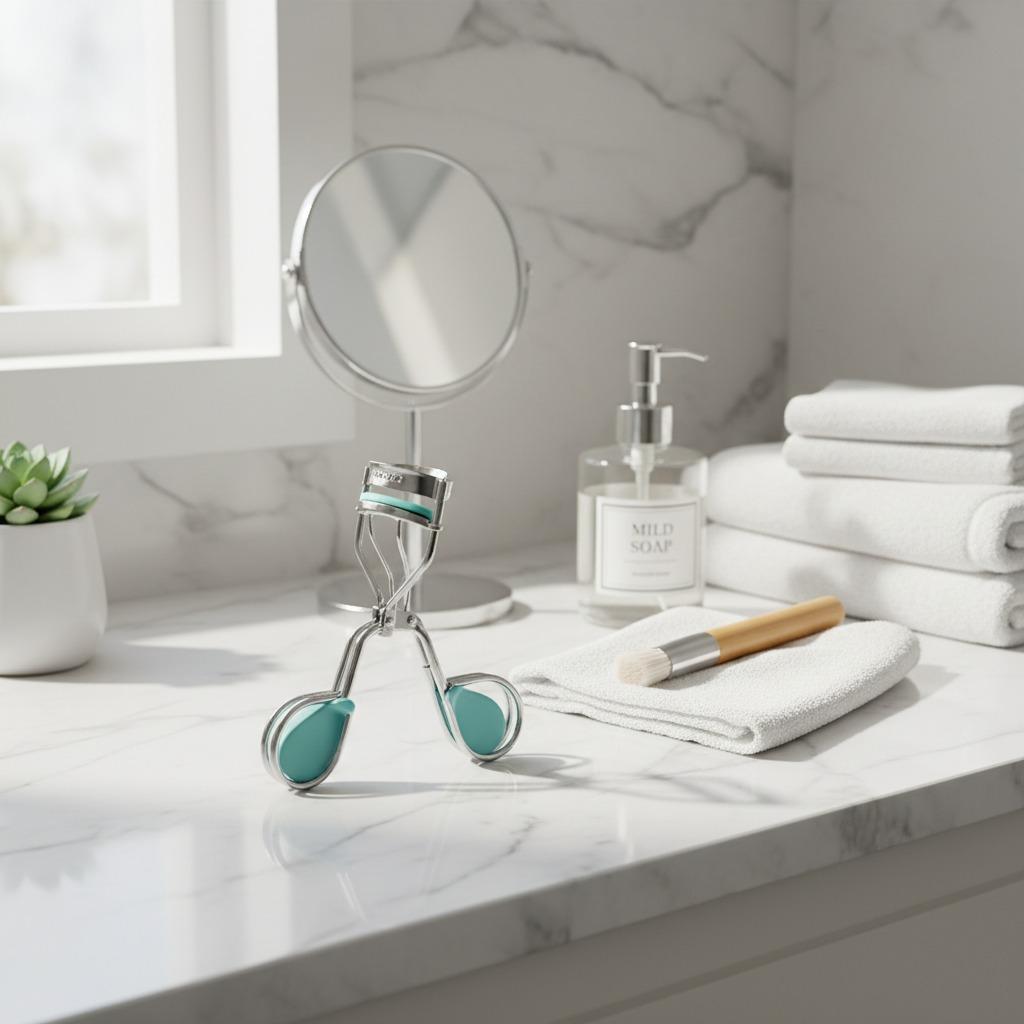
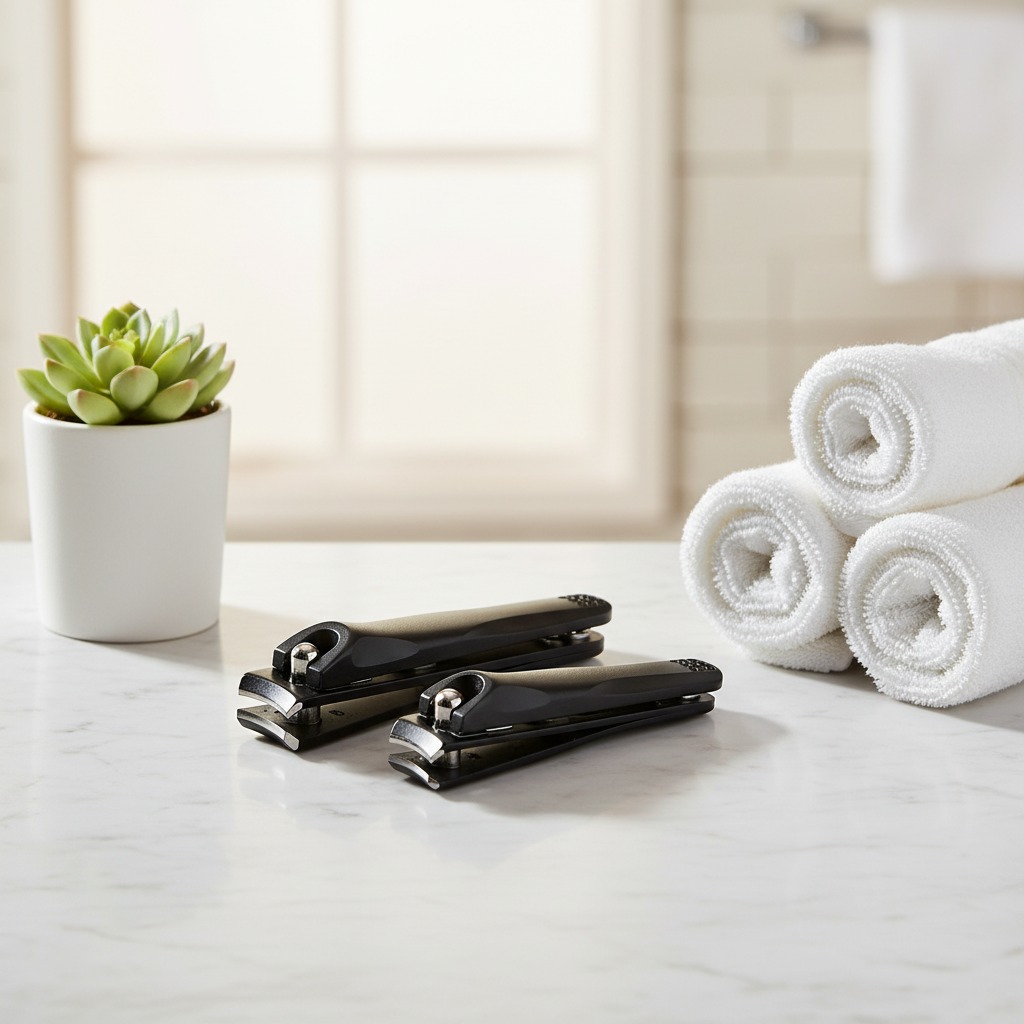
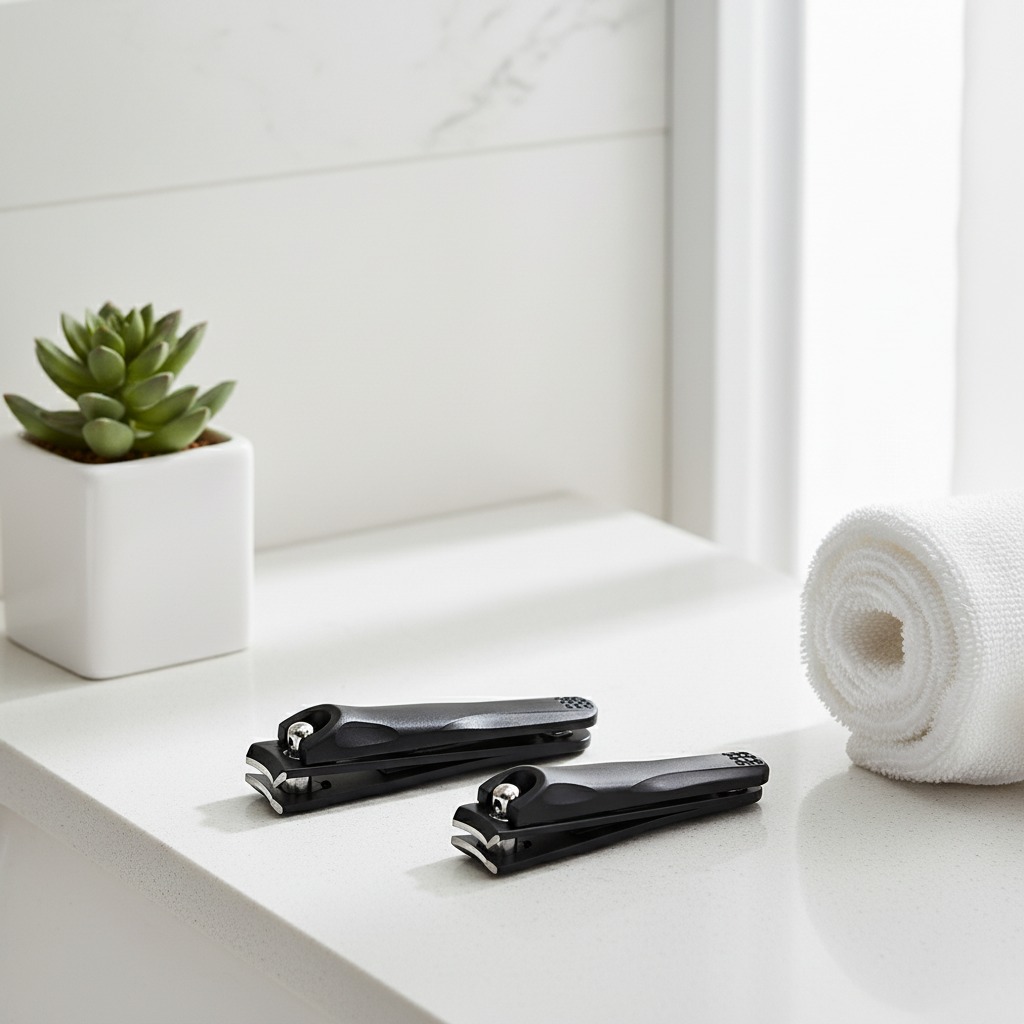
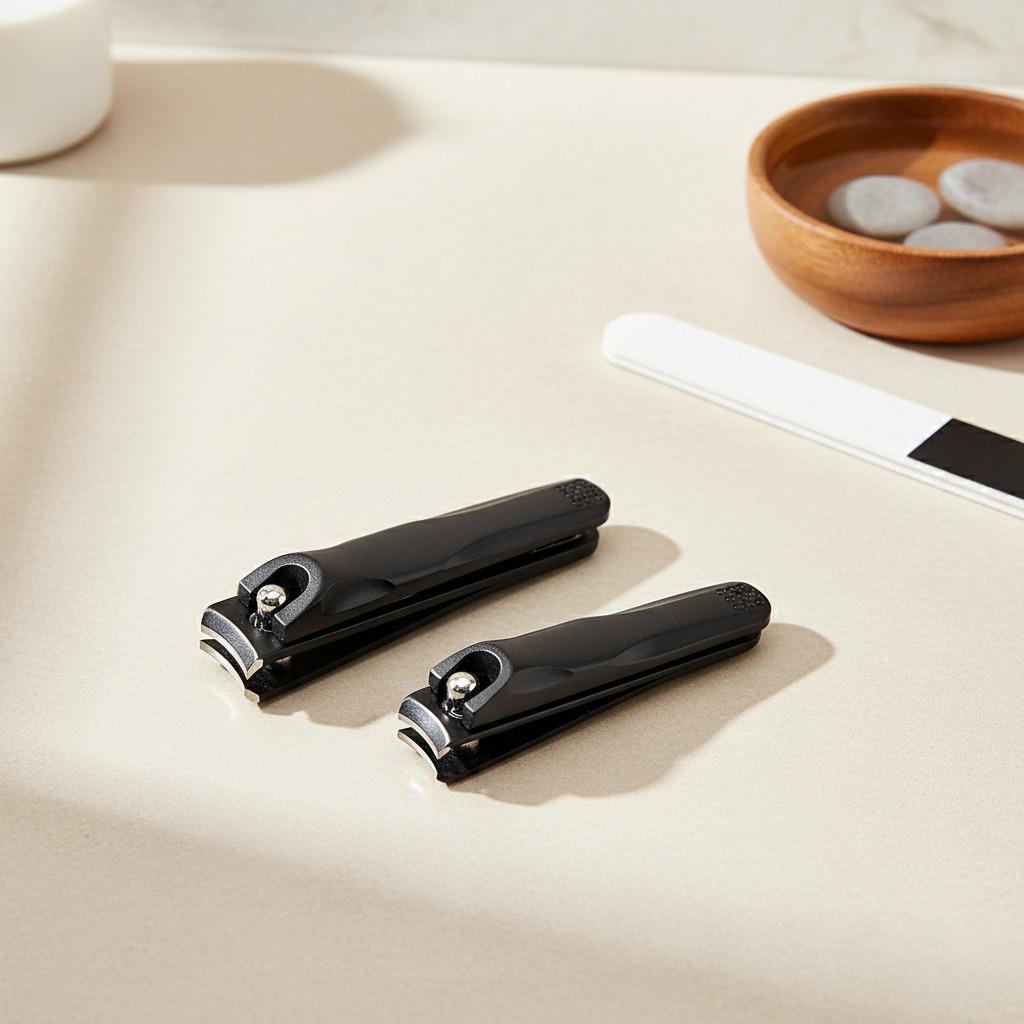
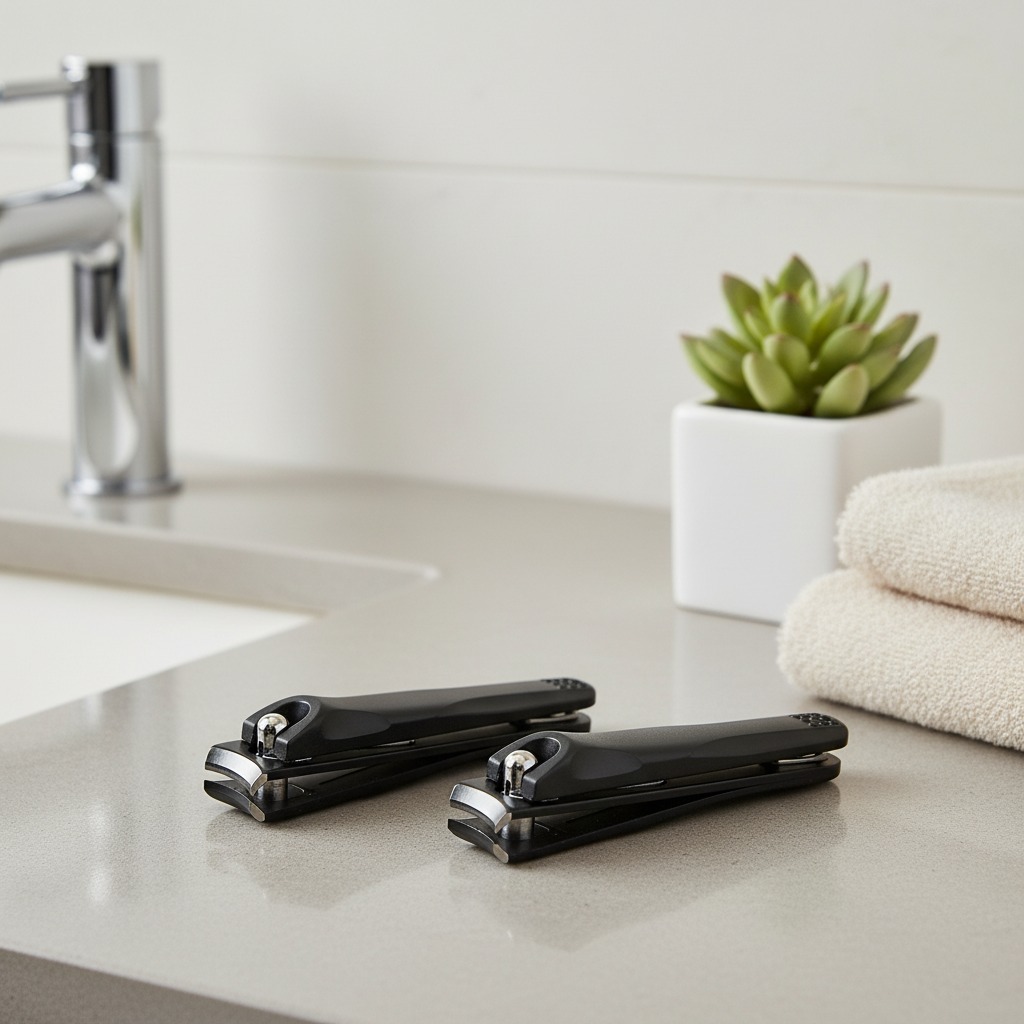
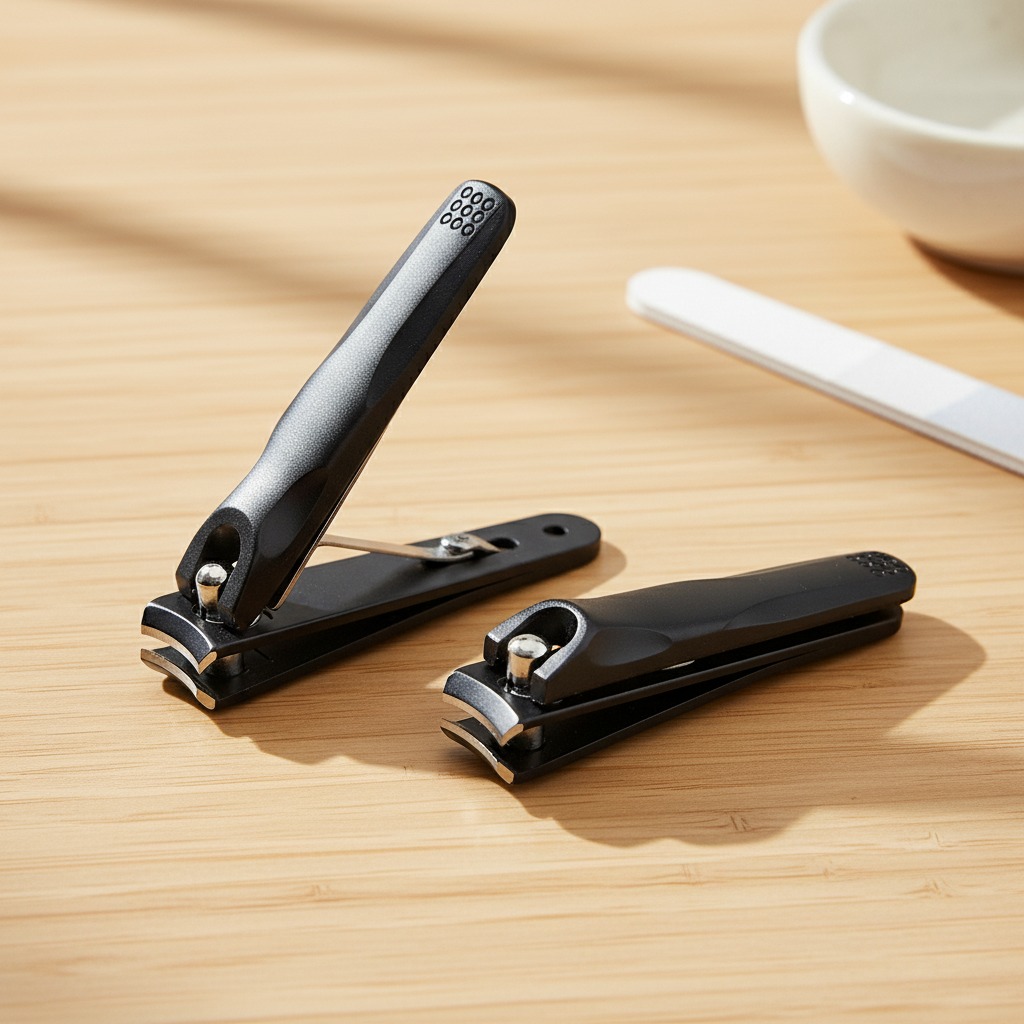
Typical manicure and pedicure essentials may include nail clippers, nail files, buffers, cuticle pushers, callus tools, foot files, toe separators, cleaning brushes, and storage cases. Not every kit needs every item, but each selected tool should have a clear purpose. Overfilled kits can look attractive but may include pieces that are rarely used. A better approach is to choose fewer tools with dependable construction and suitable ergonomics.
- Nail shaping tools: files and buffers for smoothing edges after trimming.
- Cuticle care tools: pushers or trimmers used with care to avoid damaging living skin.
- Foot smoothing tools: rasps or foot files for dry skin and callused areas.
- Cleaning accessories: brushes or cloths that help remove residue from tools after use.
- Storage: pouches, cases, or trays that reduce contamination and loss.
For wholesale manicure kits for spas, repeatability is especially important. A spa may need multiple sets that are uniform in size, finish, and performance so staff can deliver the same service experience across treatment rooms.
Why the Foot File Is Central to Pedicure Results
The foot file is often the tool that determines whether a pedicure feels complete. Dry heels and thickened skin can make feet uncomfortable, and a well-designed file helps smooth these areas in a controlled way. The goal is gradual refinement, not aggressive removal. Excessive pressure or an overly abrasive surface can irritate skin, especially on sensitive areas.
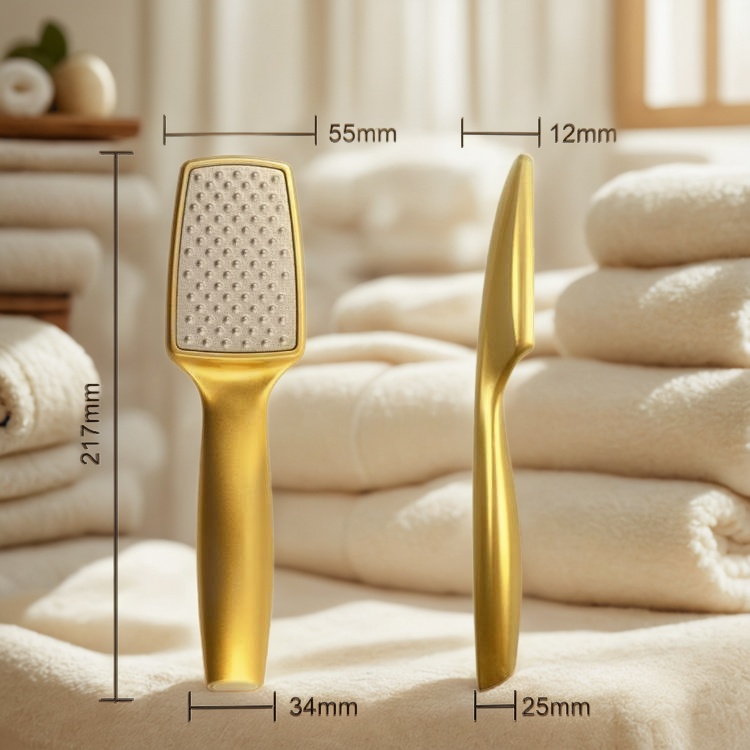
The Gold-Toned Deluxe Foot File is an example of a pedicure tool built around practical handling details. It measures 217mm in length and has a 34mm wide handle, giving the user enough surface area for a secure grip. The 55mm wide filing surface is designed to remove dead skin with controlled contact, while the 12mm height and 25mm thickness help keep the tool sleek and manageable. These dimensions are useful for buyers comparing tools because they affect reach, stability, and ease of use during heel and sole work.
The golden finish adds visual appeal and is described as corrosion resistant, a useful feature for a tool that may be used repeatedly in manicure and pedicure settings. Appearance alone should never be the only reason to choose a tool, but a clean, professional finish can support a spa's presentation while also making the tool easier to inspect for residue or wear.
Selection Criteria for Spas, Salons, and Home Users
Different buyers evaluate manicure and pedicure essentials differently. A home user may choose one dependable file and a small nail care set. A salon wholesale distributor or spa product buyer may compare larger quantities, packaging consistency, and whether the tools fit existing sanitation procedures. In both cases, the most useful questions are practical.
| Selection factor | Why it matters | What to check |
|---|---|---|
| Grip and handle width | A stable grip improves control and reduces hand fatigue. | Look for a handle that is easy to hold when hands are dry and during routine service use. |
| Filing surface size | A wider surface can cover heel areas efficiently. | Compare the surface width with the areas commonly treated in your service menu. |
| Abrasive pattern | Even pressure helps reduce the chance of irritation. | Check that the abrasive area looks consistent and suitable for gradual smoothing. |
| Finish quality | A smooth finish supports cleaning and professional presentation. | Inspect edges, coating uniformity, and any areas that may trap residue. |
| Storage and handling | Tools last longer when protected between uses. | Plan trays, pouches, or labeled sets for staff and treatment rooms. |
For buyers browsing product collections, it helps to compare tools by service need rather than appearance alone. A foot file for routine smoothing, for example, should not be evaluated the same way as a tool intended for very heavy callus work. Match the tool to the user, skin condition, and service environment.
Using Pedicure Tools Safely and Effectively
Even a well-made tool depends on proper technique. Foot files should generally be used on clean feet, and many users prefer to soften dry skin before filing. The user should work slowly, checking the skin often instead of trying to remove too much at once. Avoid filing cracked, bleeding, inflamed, or infected skin. Clients with diabetes, circulation issues, or reduced sensation should seek professional medical guidance before callus removal.
A simple pedicure workflow can help keep the routine controlled:
- Cleanse the feet: remove surface dirt and dry thoroughly enough to maintain a secure grip on the tool.
- Assess the skin: identify dry heel areas, calluses, or rough edges while avoiding irritated spots.
- File gradually: use light to moderate pressure and smooth in controlled passes.
- Check progress often: stop when the skin feels smoother, not when every trace of thickness is gone.
- Finish with care: remove dust or residue and apply an appropriate moisturizer.
- Clean the tool: follow your salon or household hygiene process before storage.
For salons, written procedures help technicians deliver consistent services. For home users, a short routine is easier to maintain than an overcomplicated one. The best results usually come from regular light maintenance rather than infrequent aggressive filing.
Hygiene, Maintenance, and Tool Life
Manicure and pedicure tools come into close contact with skin and nails, so hygiene cannot be treated as an afterthought. Any reusable tool should be cleaned after each use according to the hygiene standards of the setting. In a professional environment, this means aligning tool care with local salon regulations and internal service procedures. At home, it still means removing visible residue, drying tools properly, and storing them away from moisture and dust.
Foot files should be inspected regularly. Look for loose abrasive areas, rough edges, corrosion, discoloration, or any change that could affect comfort or cleanliness. A tool with a damaged filing surface may create uneven pressure on the skin. A handle that no longer feels secure should be removed from service.
Storage also affects tool life. Avoid leaving metal tools in damp areas, and keep them separated from items that may scratch the finish. If a spa uses multiple pedicure stations, labeling tool sets or organizing them by treatment room can reduce mix-ups and make inventory checks easier.
Wholesale Sourcing Questions That Matter
When purchasing manicure and pedicure essentials for a business, sourcing decisions should go beyond the first visual impression. A professional beauty tools supplier should be able to support consistent product selection, clear communication, and practical packaging needs. Olimor Beauty emphasizes quality assurance through internal checks from raw materials to final packaging, which is valuable for buyers who need reliable presentation and repeatable tool quality.
Before placing a bulk order, create a checklist that fits your business. Include product dimensions, finish expectations, packaging format, labeling needs, and inspection standards. If you are comparing foot rasps, note the handle width, tool length, abrasive surface size, and finish so your team can compare samples objectively.
Useful buyer questions include: Does the tool fit your service menu? Is the handle comfortable for different technicians? Is the finish appropriate for repeated professional use? Is the abrasive surface consistent from piece to piece? Will the tool be easy to store, inspect, and clean within your workflow?
For product-specific questions or sourcing discussions, you can contact Olimor or send an inquiry with your intended use, quantity range, packaging requirements, and any comparison details you already have.
Building a Better Manicure and Pedicure Routine
The best manicure and pedicure essentials are selected with the user, treatment environment, and maintenance process in mind. A tool such as the Gold-Toned Deluxe Foot File shows how dimensions, handle design, filing surface, and finish can contribute to controlled exfoliation and a professional appearance. For spas and salons, these details support service consistency. For home users, they make routine care easier to manage safely.
Instead of choosing tools only by kit size or decorative finish, focus on comfort, purpose, durability, and cleanability. A smaller set of well-chosen tools can often perform better than a large kit filled with items that do not match your needs. With the right selection process, manicure and pedicure care becomes more consistent, more hygienic, and more comfortable for every user.